





![[TABLE RONDE] Queer and Indigenous Intersectional Rights Dialogue Salon](https://secure.meetupstatic.com/photos/event/6/c/c/d/600_536247853.jpeg)













في هذا الدليل · 6 أقسام
باريس للمثليين: شوارع من القرون الوسطى، تراسات للمثليين، وطقس أحد لا يمكنك تفويته
لا توجد مدينة في أوروبا تحمل التاريخ المثلي الذي تحمله باريس. ألغت فرنسا تجريم المثلية الجنسية في عام 1791 - خلال الثورة، قبل عامين من انتشار جيوش نابليون لنفس المبدأ القانوني عبر أوروبا - مما جعلها أول دولة قومية حديثة تفعل ذلك. توفي أوسكار وايلد هنا. كتب جيمس بالدوين بعضًا من أفضل أعماله هنا. أقامت جيرترود شتاين وأليس بي توكلاس صالونات هنا. انطلقت منظمة FHAR - ما يعادل لحظة ستونوول في فرنسا - هنا في عام 1971، عندما احتل الرجال المثليون والمثليات الشوارع وطالبوا بالظهور. هذا التاريخ محسوس على أرض الواقع بطريقة لا تستطيع "مدينة صديقة للمثليين" التقاطها.
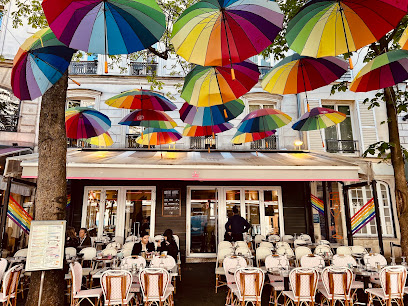
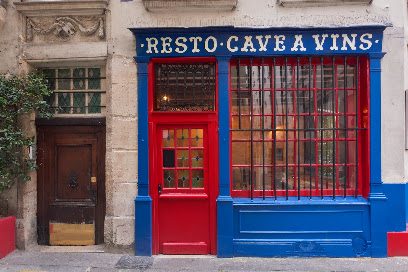
بالنسبة للزوار في عام 2026، تتمتع باريس بواحدة من أفضل تركيزات الحياة لمجتمع الميم في أوروبا. ترتكز هذه الحياة في حي لو ماريه، وهو حي للمثليين يعد أيضًا منطقة تراث معماري من القرون الوسطى، وحي ثقافي يهودي، وواحد من أجمل البيئات الحضرية في العالم. يمكنك احتساء بيرة على تراس مرصوف بالحصى من القرن السابع عشر في ، والمشي إلى متجر لجلود المثليين، وشراء رواية للمثليين، وزيارة نصب تذكاري لضحايا الترحيل النازي من المثليين، كل ذلك في غضون خمسة عشر دقيقة.
لو ماريه: الحي
يشغل لو ماريه النصف الغربي من الدائرة الرابعة. بدأ في أن يصبح حي المثليين في باريس في أوائل الثمانينيات، عندما جلبت الإيجارات الرخيصة والسياسات المحلية المتعاطفة أولى الحانات ومحلات الكتب والمنظمات المجتمعية. أصبح الحي منذ ذلك الحين باهظ الثمن وشهرًا، لكن طابعه لا يزال قائمًا: كثيف، يمكن المشي فيه، دائمًا حيوي، وغير اعتذاري للمثليين.
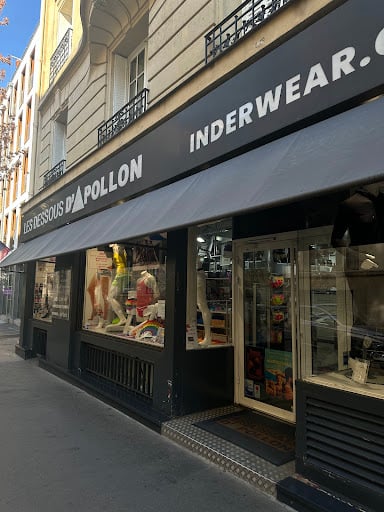
الشوارع الرئيسية هي شارع أركيفز - حيث يرسخ ثقافة البار على التراس، وحيث وقف Open Café لعقود قبل إغلاقه في يونيو 2022 - وشارع سانت كروا دي لا بريتونيري، وهو شارع للمشاة يضم متاجر للبالغين IEM Le Marais (Men-Shop) و RoB Paris، وحانات تاريخية للمثليين، ومركز LGBTQI+ باريس - إيل دو فرانس. على بعد كتلة واحدة شرقًا في شارع دو تمبل، يقدم عرض الاستحمام اليومي الخاص به. Hôtel Duo يقع في نفس الشارع لمن يرغب في النوم على مسافة قريبة سيرًا على الأقدام من كل شيء. Le Duplex في شارع ميشيل لوكومت موجود منذ عام 1980، مع فنه على الجدران، وشعوره المتأثر بنيويورك، وحشد محلي ثابت لم يحتج أبدًا إلى تحديث.
مشهد المثليات والنسويات في ماريه منفصل قليلاً عن شريط المثليين الرئيسي. La Champmeslé بالقرب من قصر رويال هو أقدم بار للمثليات في باريس، مفتوح منذ أواخر السبعينيات ولا يزال يقدم ليالي التارو يوم الثلاثاء ومعارضه الفنية المتناوبة. La Mutinerie في شارع سانت مارتن هو بار المثليات النسوي، مع عروض دي جي، وعروض ملكات السحب، وروح مجتمعية أولاً. تحقق من حالته الحالية قبل الذهاب.

بعد منتصف الليل: النوادي والساونا
تبقى حانات التراس في ماريه مزدحمة حتى الساعة 2 صباحًا. بعد ذلك، تنتقل الحياة الليلية الجادة شرقًا. Gibus Club في شارع دو فوبورغ دو تمبل في الدائرة الحادية عشرة هو النادي الرئيسي للمثليين في باريس: بسعة 900 شخص، وطوابق متعددة، وغرفة لعب، وليالي حفلات منتظمة (حفلة Bitch Party يوم الجمعة، Menergy يوم السبت). إنه على بعد خمسة عشر دقيقة سيرًا على الأقدام من لو ماريه، أو يمكنك ركوب المترو إلى République.
مشهد الساونا في باريس كبير وجيد عادةً. IDM Sauna بالقرب من Grands Boulevards هو الأكثر تفصيلاً، مع خمسة طوابق، وأكثر من 40 غرفة ذات طابع خاص، وجميع المرافق. Sun City في بوليفارد دي سيباستوبول يقول إنه الأكبر من حيث المساحة وهو على بعد عشر دقائق سيرًا على الأقدام من لو ماريه. Key West Sauna في شارع لافاييت أعيد بناؤه بالكامل في عام 2025 وهو الآن الساونا الأكثر تجهيزًا في المدينة، وهو مناسب لمن يصلون باليوروستار إلى محطة جار دو نورد. Euro Men's Club في الدائرة الثانية أصغر، ويركز على النهار، وهو أفضل إذا كنت تريد ساونا دون حجم الأماكن الأكبر.
روزا بونور: طقس الأحد
كل شيء آخر في هذا الدليل اختياري. روزا بونور ليس كذلك.
Rosa Bonheur هو غينغيت - قاعة رقص فرنسية تقليدية في الهواء الطلق - داخل حديقة بوت شومون في الدائرة التاسعة عشرة. وهي مفتوحة منذ عام 2008. كل يوم أحد من الظهيرة، تمتلئ بالأشخاص المثليين من جميع الأعمار والأجناس والأنماط. يشربون النبيذ على التراس، ويستلقون على العشب، ويبدأون في الرقص ببطء مع تحول فترة ما بعد الظهر إلى المساء. الدخول مجاني. أشجار الحديقة وتلالها تحجب ضوضاء المدينة. بحلول الساعة 8 مساءً، تكون الموسيقى صاخبة والأرضية مكتظة. احصل على مكان جيد قبل الساعة 5 مساءً. استقل خط المترو 7bis إلى Botzaris أو Buttes Chaumont. هذه هي باريس المثليين في أكثر صورها طبيعية، وأكثرها أصالة.
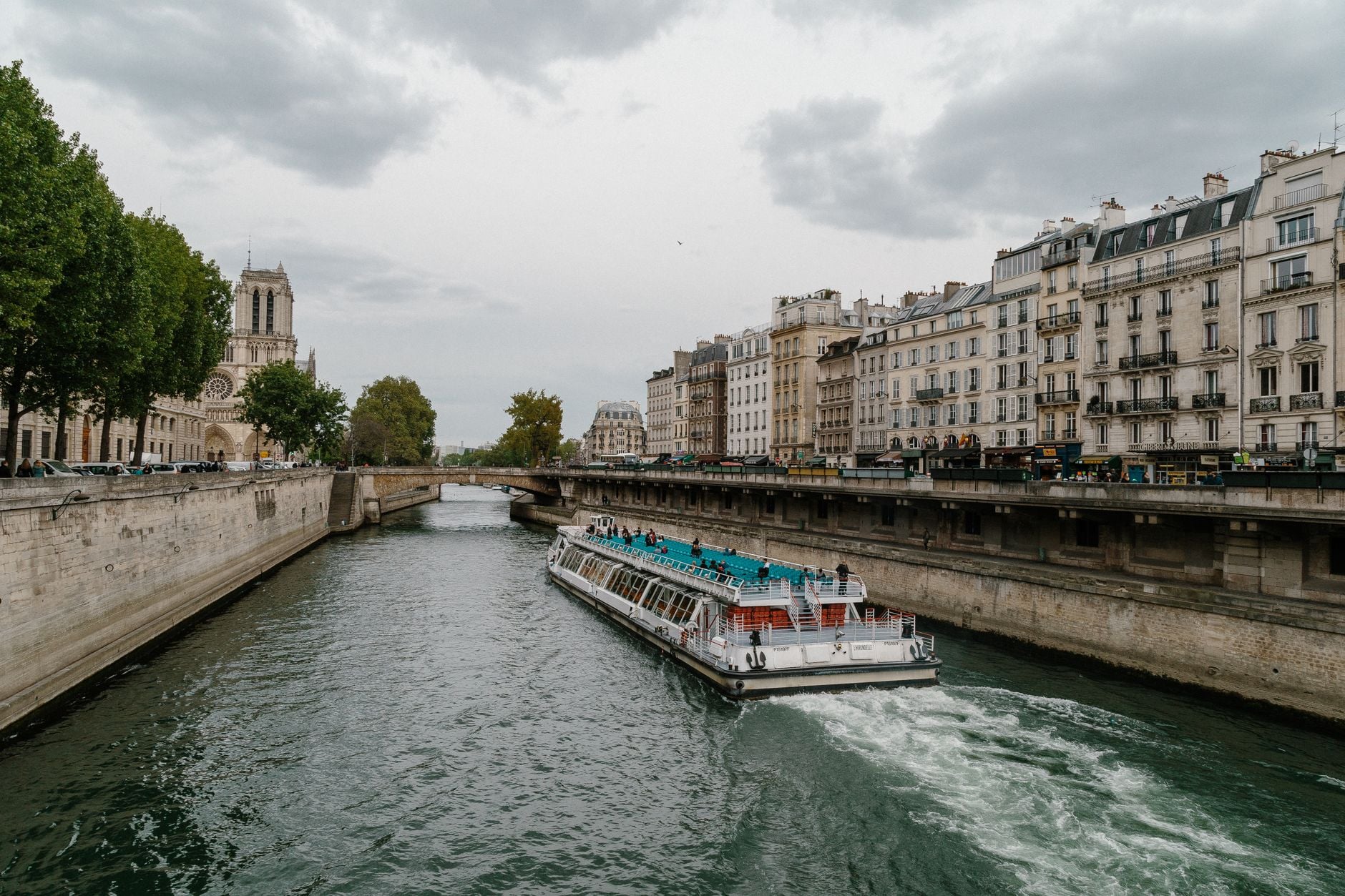
نسخة قارب السين، ، هي تجربة مختلفة. إنها أكثر مركزية، وأكثر سهولة للسياح، مع أفق باريس كخلفية. كانت بيت فخر رسمي خلال أولمبياد 2024. من الجيد معرفتها كخيار مركزي في وقت مبكر من المساء.

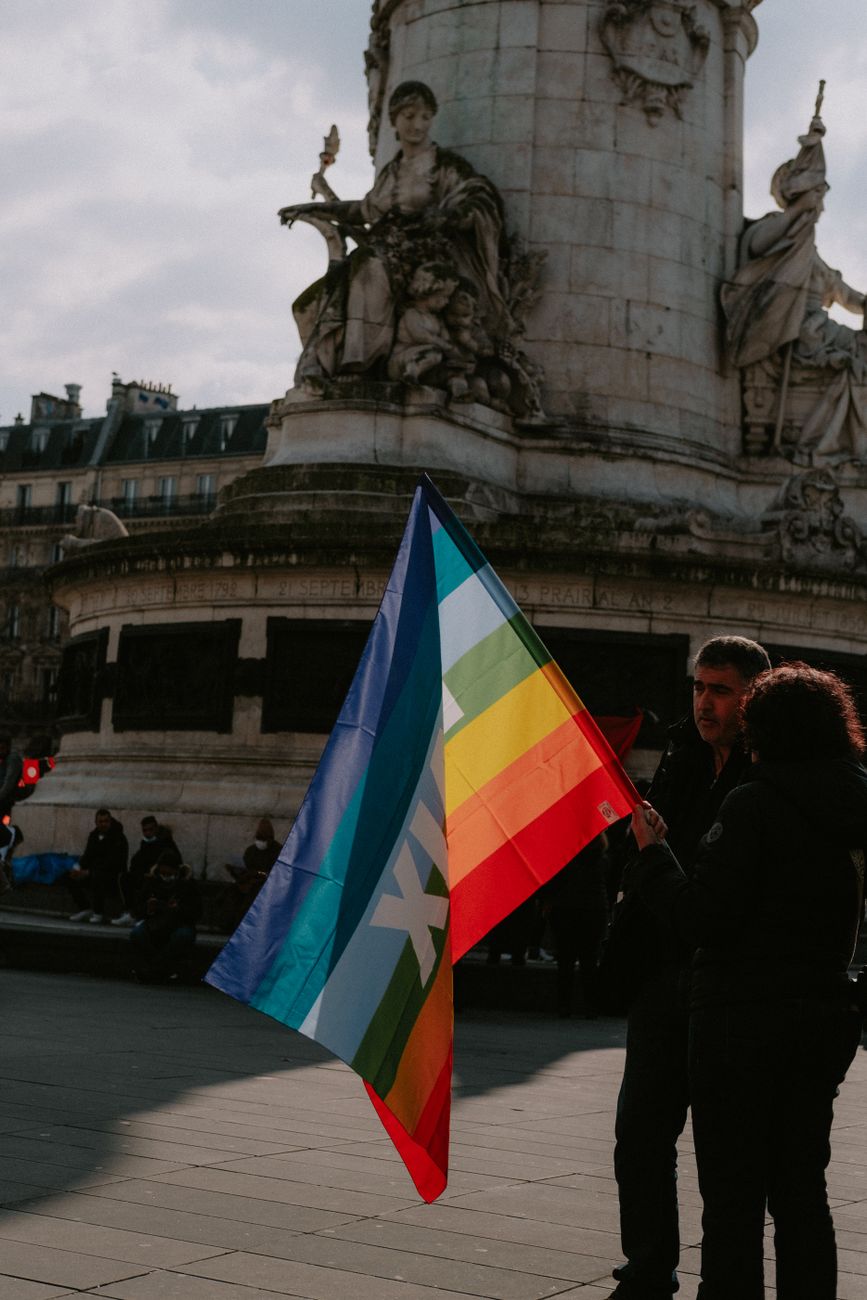
مسيرة فخر باريس (Marche des Fiertés، تم تأجيلها إلى سبتمبر 2026)
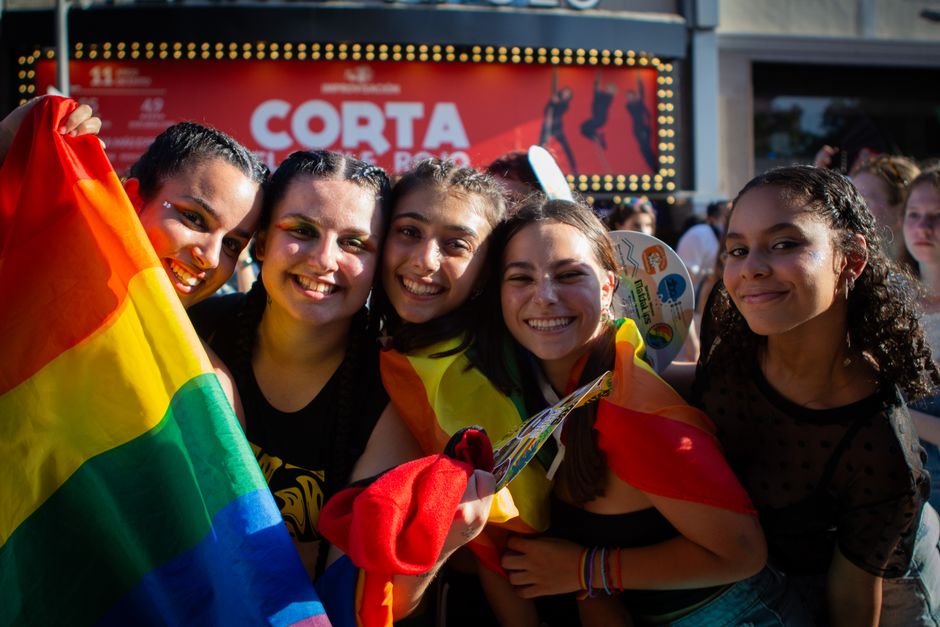
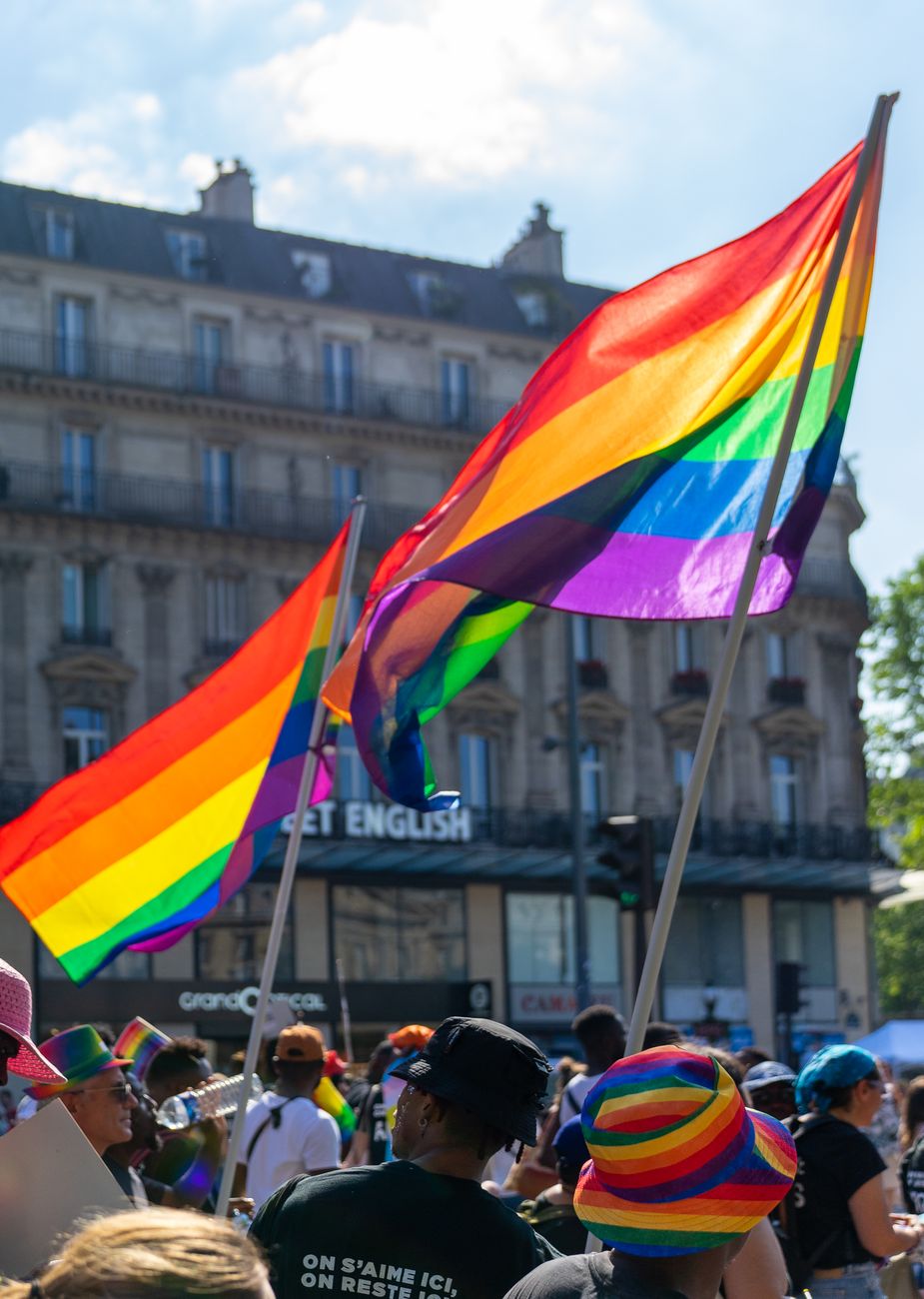
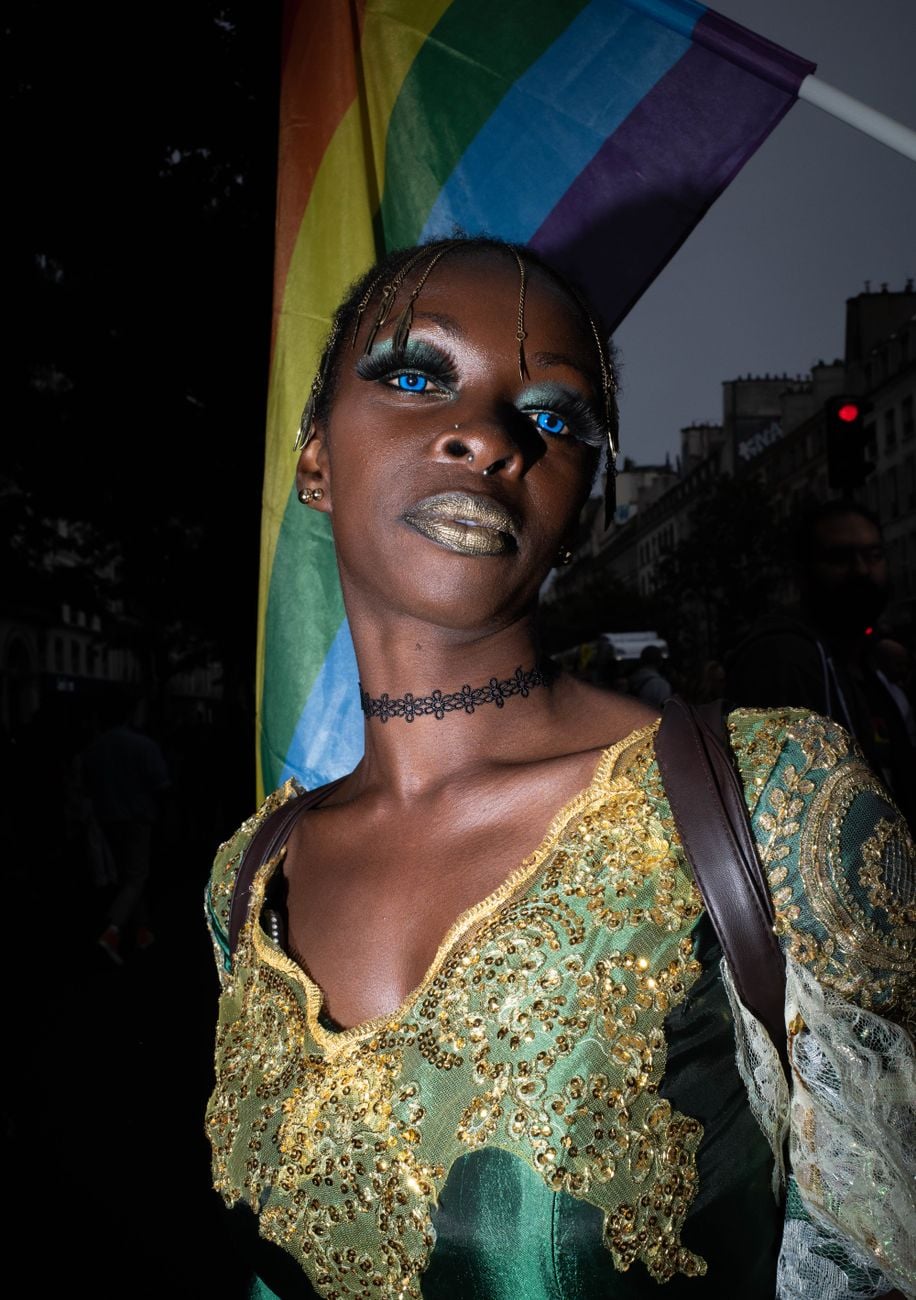
تم تأجيل مسيرة الفخر (Marche des Fiertés) لعام 2026، والتي كان من المقرر أصلاً أن تقام يوم السبت 27 يونيو 2026، إلى سبتمبر 2026 بعد موجة حر شديدة كسرت الأرقام القياسية؛ ستؤكد منظمة Inter-LGBT التاريخ الدقيق في سبتمبر. في عام عادي، تنطلق المسيرة من Palais-Royal حوالي الساعة 1:30 مساءً. يمتد المسار شرقًا على طول Rue de Rivoli مرورًا بـ Louvre، وعبر Marais و Place de la Bastille، وينتهي عند Place de la Nation بحفل موسيقي مجاني في الهواء الطلق (Podium des Fiertés) بدءًا من الساعة 5 مساءً. توقع حضور ما بين 500,000 إلى 600,000 شخص.
يضيف أسبوع الفخر (الأيام المحيطة بالمسيرة) عروضًا وأفلامًا وحفلات موسيقية وفعاليات نوادي، بما في ذلك إصدار Matinée Paris La Leche في مكان YOYO في Palais de Tokyo. يتم إغلاق Le Marais أمام حركة المرور في يوم الفخر ويتحول بالكامل. احجز إقامتك في الدائرة الرابعة (4th arrondissement) قبل ستة أشهر على الأقل.
نصائح عملية
الموقع: أقم في Marais (الدائرة الرابعة - 4th arrondissement) لتجربة كاملة، أو في الدائرة الثالثة (3rd) بأسعار أقل قليلاً مع سهولة الوصول سيرًا على الأقدام. الفنادق الواقعة على أو بالقرب من Rue du Temple، أو Rue des Archives، أو Place des Vosges مثالية.
المطارات: يخدم مطار شارل ديغول (Charles de Gaulle - CDG) قطار RER B (38-45 دقيقة إلى Châtelet، ثم مسافة قصيرة سيرًا على الأقدام إلى Le Marais؛ 12-15 يورو). مطار أورلي (Orly - ORY) لديه الآن خط المترو المباشر 14 (افتتح عام 2024) إلى Châtelet في حوالي 26 دقيقة (2.15 يورو). تبلغ تكلفة سيارات الأجرة من CDG حوالي 55-75 يورو؛ ومن Orly 35-50 يورو.
التنقل: Marais صغيرة بما يكفي للمشي في كل مكان. بالنسبة للنوادي والساونا خارج Marais، المترو سريع ويعمل حتى الساعة 1 صباحًا (2 صباحًا يومي الجمعة والسبت). تتوفر سيارات الأجرة و Uber بعد ساعات عمل المترو.
التحقق من الأماكن: أغلقت العديد من أماكن باريس الرئيسية مؤخرًا - Queen Club (مارس 2026)، Open Café (يونيو 2022). وضع Les Souffleurs و Le Dépôt غير مؤكد. تحقق من parislgbt.com و queer.paris للحصول على القوائم الحالية قبل الاعتماد على الأدلة القديمة.
اللغة: اللغة الفرنسية محل تقدير في كل مكان. في Le Marais، يكاد موظفو البارات والفنادق يتحدثون الإنجليزية عالميًا. عبارة "bonjour" بسيطة قبل التحدث باللغة الإنجليزية تسهل كل تفاعل.
تقويم الفعاليات: parislgbt.com و queer.paris هما المصدران الأكثر موثوقية لقوائم فعاليات مجتمع الميم في باريس. تعتمد ثقافة الفعاليات في باريس بشكل كبير على الفعاليات لمرة واحدة والفعاليات الشهرية بدلاً من الجداول الزمنية الأسبوعية الدائمة.
تكافئ باريس أولئك الذين يقضون وقتًا كافيًا لفهم إيقاعها: ثقافة المقاهي الخارجية التي تبدأ في الساعة 3 مساءً وتستمر حتى منتصف الليل، وطقوس يوم الأحد في Rosa Bonheur، والنوادي التي تبدأ متأخرة، وثقافة La Champmeslé الأكثر هدوءًا مساء الثلاثاء. ابق لمدة ثلاثة أيام على الأقل. ابق حتى يوم الأحد.

