كل ما يستحق المعرفة قبل السفر.
روتردام هي ثاني مدن هولندا وأكثر وجهاتها للمثليين والمثليات ومزدوجي الميل الجنسي ومغايري الهوية الجنسانية (LGBTQ+) استحقاقًا للإشادة. المشهد هنا أصغر وأقل سياحية من أمستردام، وهذا بالضبط ما يمنحه سحره: الحانات يديرها المحليون ولأجلهم، ولا أحد يتصنع من أجل الزوار، والغريب الذي تجده في البار هو عادةً بداية لمحادثة شيقة.
تاريخ مشهد المثليين في روتردام
نشأت حياة المثليين في روتردام حول الميناء. قدمت حانة Cosmo Bar في Schiedamsingel الخدمة للمجتمع من عام 1937 حتى عام 2016، وعملت المرقصة متعددة الطوابق Gay Palace من عام 1984 إلى عام 2013، وقدمت حانة Bar de Regenboog المحبوبة آخر مشروباتها في منتصف العقد الثاني من القرن الحادي والعشرين قبل أن تسلم مقرها لجيل جديد. أعاد المجتمع بناء نفسه جنبًا إلى جنب مع المدينة بعد الحرب، ونشط فرع COC Rotterdam Rijnmond، الفرع المحلي لأقدم منظمة للمثليين والمثليات ومزدوجي الميل الجنسي ومغايري الهوية الجنسانية (LGBTI) في العالم، هنا منذ عام 1946. جاء مهرجان Rotterdam Pride متأخرًا عن مهرجان Amsterdam Canal Pride واحتفظ عمدًا بطابع أكثر شعبية ومجتمعية في المقام الأول.
أين تذهب
خريطة المثليين في روتردام مدمجة ومركزية. شارع Van Oldenbarneveltstraat هو الشارع الحالي للمثليين، مع تجمع صغير ثانٍ على بعد دقائق حول Keerweer و Schiedamsedijk؛ يقع Ferry، النادي المثلي الرائد، على Westblaak بين الاثنين، في نهاية محور الحياة الليلية Witte de Withstraat. كل شيء على بعد خمس إلى عشر دقائق سيرًا على الأقدام. Kralingen، شرق المركز حول بحيرة Kralingse Plas، منطقة خضراء وسكنية وهي موطن لمنطقة التجمع للمثليين في المدينة.
الحانات والنوادي
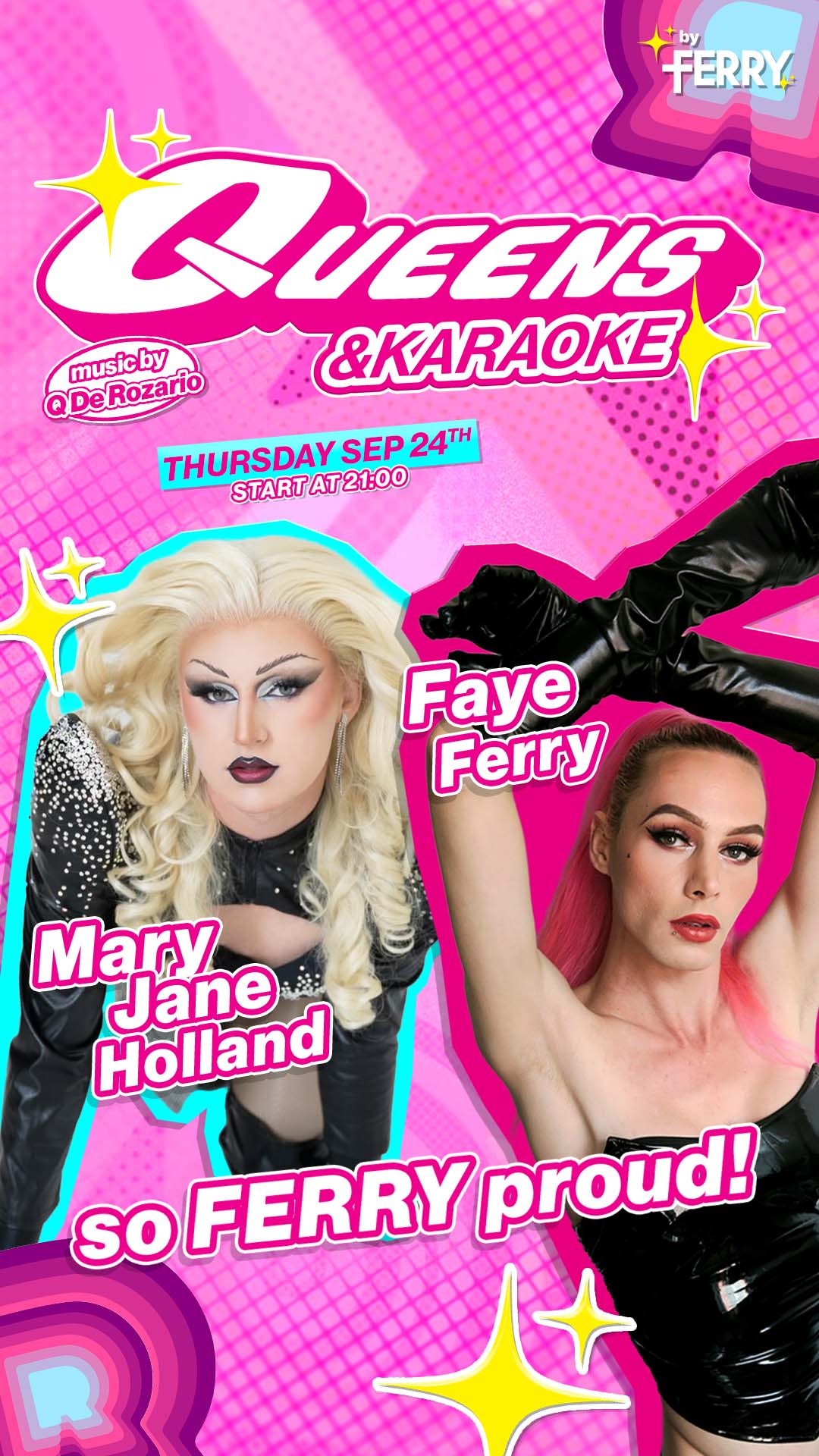
فيرى (Ferry) (Westblaak 127) هو قلب روتردام النابض للمجتمع الكوير: نادٍ حقيقي يقدم عروض دراغ في عطلات نهاية الأسبوع، وليلة مانكراخت (Mankracht) المخصصة للرجال فقط يوم الخميس، وحفلات كوير متأخرة مثل كوير إكس كولو كلوب (QueerX Culo Club). مقهى كيروير (Cafe KeerWeer) في شارع كيروير (Keerweer) هو مؤسسة عريقة في عالم الدراما والكاباريه منذ أكثر من 35 عامًا، ويظل مفتوحًا حتى الساعة السادسة صباحًا. بار إليو (Bar Elio)، الذي افتتح في مارس 2025 في المبنى السابق لـ دي رينبوخ (De Regenboog) في شارع فان أولدنبارنيفيلتسترات (Van Oldenbarneveltstraat)، هو الوافد الجديد الأنيق، ويقدم أمسيات الأربعاء الفوضوية (Messy Wednesdays) وبنغو ملكات الدراما. مقهى سترانو (Cafe Strano) على بعد بضعة أبواب يجذب جمهورًا كوير أصغر سنًا ومختلطًا، ويصبح صاخبًا في عطلات نهاية الأسبوع. بار لوجي 90 (Bar Loge 90) في شيدامسيديك (Schiedamsedijk) هو المقهى الهولندي الكويري الكلاسيكي مع تراس شمسي، وبونابرت (Bonaparte) في نيوف بينينويخ (Nieuwe Binnenweg) هو مقهى كوير ودراما يستمر تحت ملكية جديدة منذ أواخر عام 2025، ومقهى نار أونس (Cafe naar Ons) في أوده بينينويخ (Oude Binnenweg) هو مقهى حميم يديره كويريون وافتتح عام 2022. نادي فيلا ثاليا (Club Villa Thalia) هو نادٍ رئيسي كبير يقدم عروض دراغ وفعاليات برايد (Pride) بانتظام، وهو خيار آمن لقضاء ليلة كبيرة.
حمامات ومواقع اللقاء
إجابة صريحة: لا يوجد حاليًا حمام كوير في روتردام. ساونا فنلندا (Sauna Finland)، الأخيرة التي بقيت، أغلقت في أواخر عام 2022، وأقرب حمامات كوير موجودة الآن في أمستردام وأنتويرب. ما تملكه المدينة هو روزي (Rosie) في هيلديجك (Hilledijk)، وهو سينما ونادي لقاء للكبار مختلط مع غرفة سينما مخصصة للرجال الكوير وليلة للرجال الكوير فقط يوم الجمعة. ولديها غابة كرالينسي (Kralingse Bos): الغابات المحيطة ببحيرة كرالينسي بلاص (Kralingse Plas) هي واحدة من أشهر مناطق اللقاء في هولندا، ومنذ حوالي عام 2010، تدير البلدية سياسة تسامح رسمية. يُسمح باللقاء داخل المنطقة المحددة بالأعمدة، وهناك صناديق قمامة للواقي الذكري، وتقوم الشرطة بدوريات لحماية الزوار بدلاً من مطاردتهم. ابقَ داخل المنطقة المحددة وأظهر الاحترام المعتاد لمستخدمي الحديقة الآخرين.
برايد والفعاليات
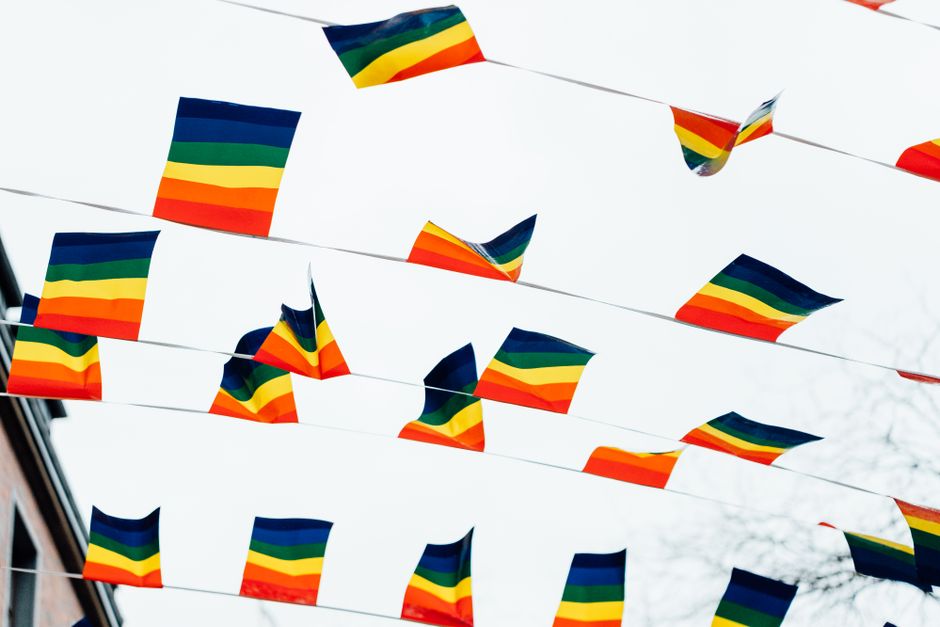
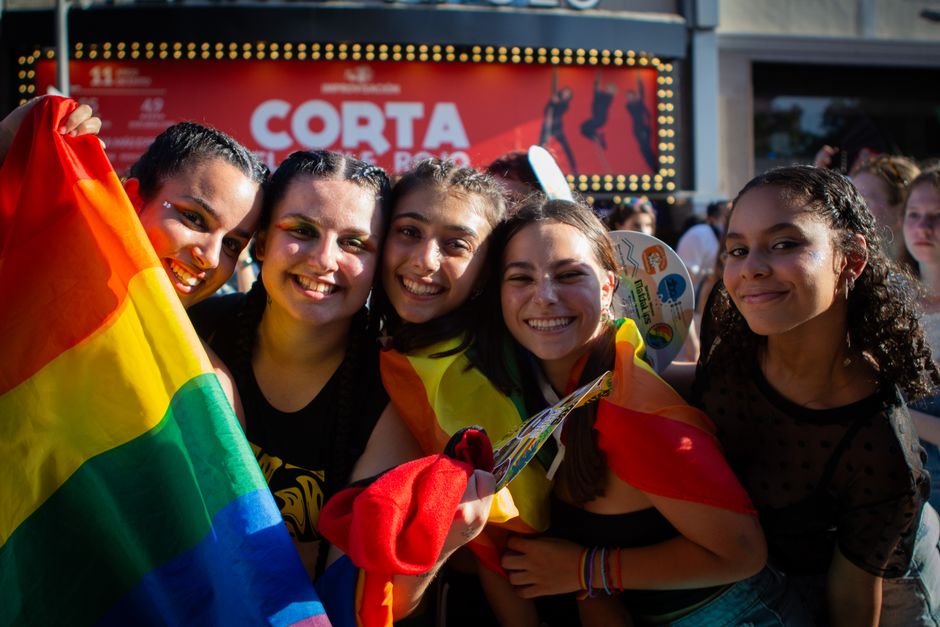
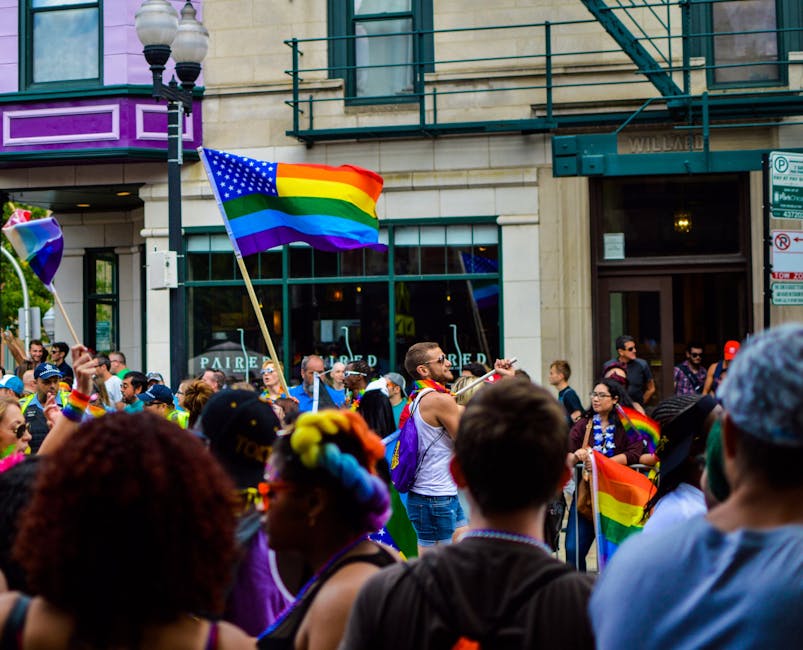
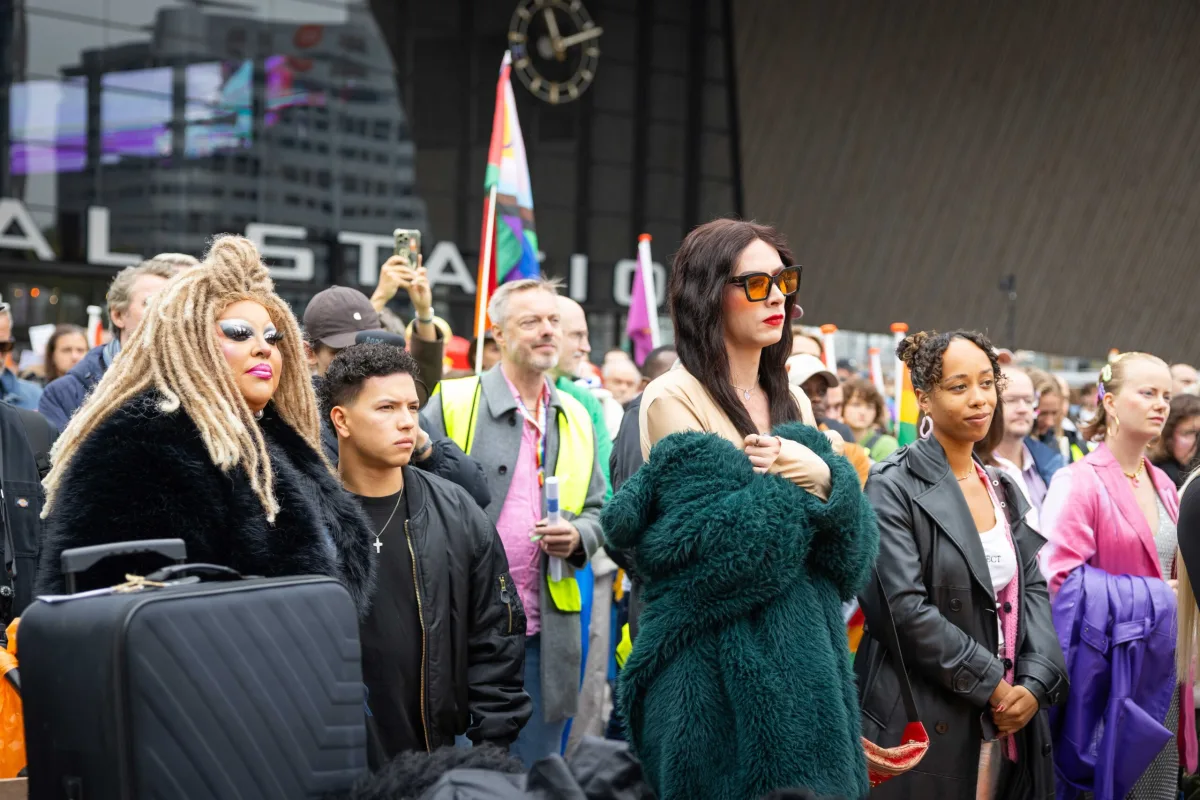
يُقام مهرجان فخر روتردام (Rotterdam Pride) في أواخر سبتمبر، وهو أحد آخر احتفالات الفخر الكبرى في الموسم الأوروبي. نسخة عام 2026 تقام في الفترة من 17 إلى 27 سبتمبر تحت شعار "Queertopia"، وتشمل أكثر من مائة حفلة وندوة وفعالية ثقافية في جميع أنحاء المدينة. مسيرة الفخر (Pride March) ستكون يوم السبت 26 سبتمبر: يبدأ التجمع في الساعة 10:30 صباحًا في Stationsplein بجوار المحطة المركزية (Central Station)، ثم مسيرة بطول 3.5 كيلومتر تقريبًا عبر وسط المدينة، وتنتهي بمهرجان مجاني في Willemsplein. خارج موسم الفخر، يقدم مهرجان روتردام السينمائي الدولي (International Film Festival Rotterdam) في أواخر يناير قسمًا قويًا مخصصًا للمجتمع الكوير، وتقوم مجموعات مثل Queer Events 010 و Queer Rotterdam بتنظيم لقاءات مجتمعية على مدار العام.
المجتمع
يُعد COC Rotterdam Rijnmond في Schiedamsesingel 173 مركزًا للمجتمع: فهو يشارك في تنظيم مسيرة الفخر ويقدم برامج تشمل Jong&Out لشباب المثليين والمتحولين جنسياً وغيرهم (LGBTI+) ولقاءات Transcafe. الأدلة المحلية gayrotterdam.nl و qmeet.nl تحتفظ بجدول زمني محدث لليالي والأماكن المخصصة للمجتمع الكوير.
ملاحظات عملية
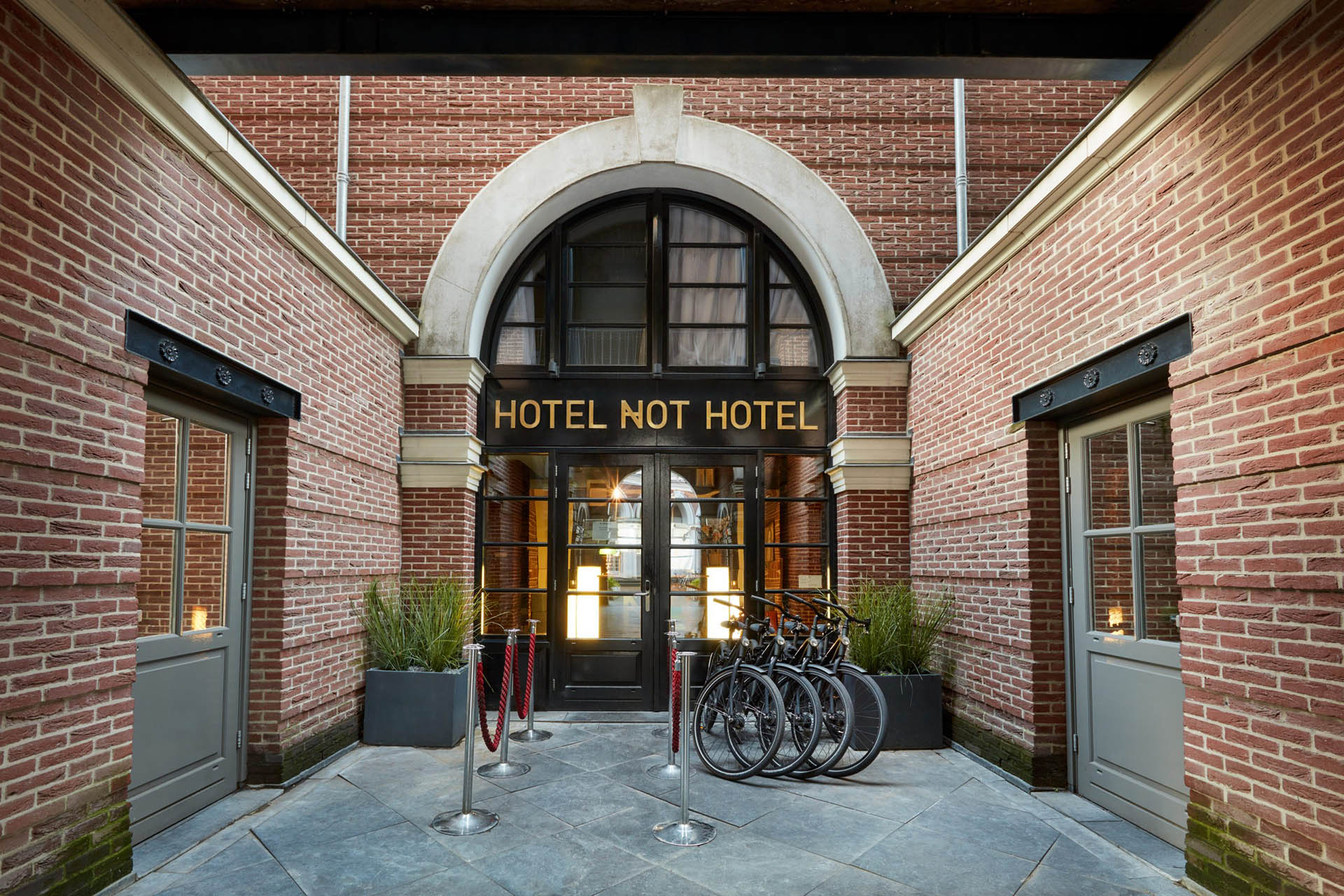
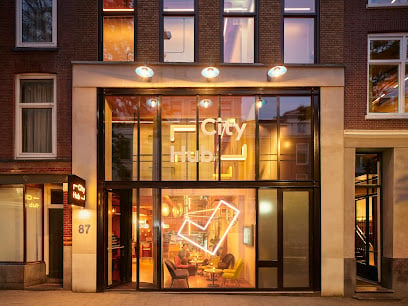
تُعد روتردام آمنة للمسافرين من مجتمع الميم (LGBTQ+) مثل أي مدينة أخرى في هولندا، مما يعني أنها من بين الأكثر أمانًا في العالم؛ لن يثير الأزواج من نفس الجنس الدهشة في أي مكان في وسط المدينة. لا يوجد فندق مُسوق خصيصًا للمثليين، ولكن كل فندق في المدينة صديق للمثليين، وخيارات مثل Haven Hotel و nhow Rotterdam و CityHub و FLOATS تضعك بالقرب من الحانات. كل ما يتعلق بالمجتمع الكوير في روتردام يمكن الوصول إليه سيرًا على الأقدام أو برحلة قصيرة بالترام، لذا اختر مكان إقامة مركزيًا واستكشف المدينة على قدميك.













 حانات ونوادٍ مثلية
(92)
حانات ونوادٍ مثلية
(92)