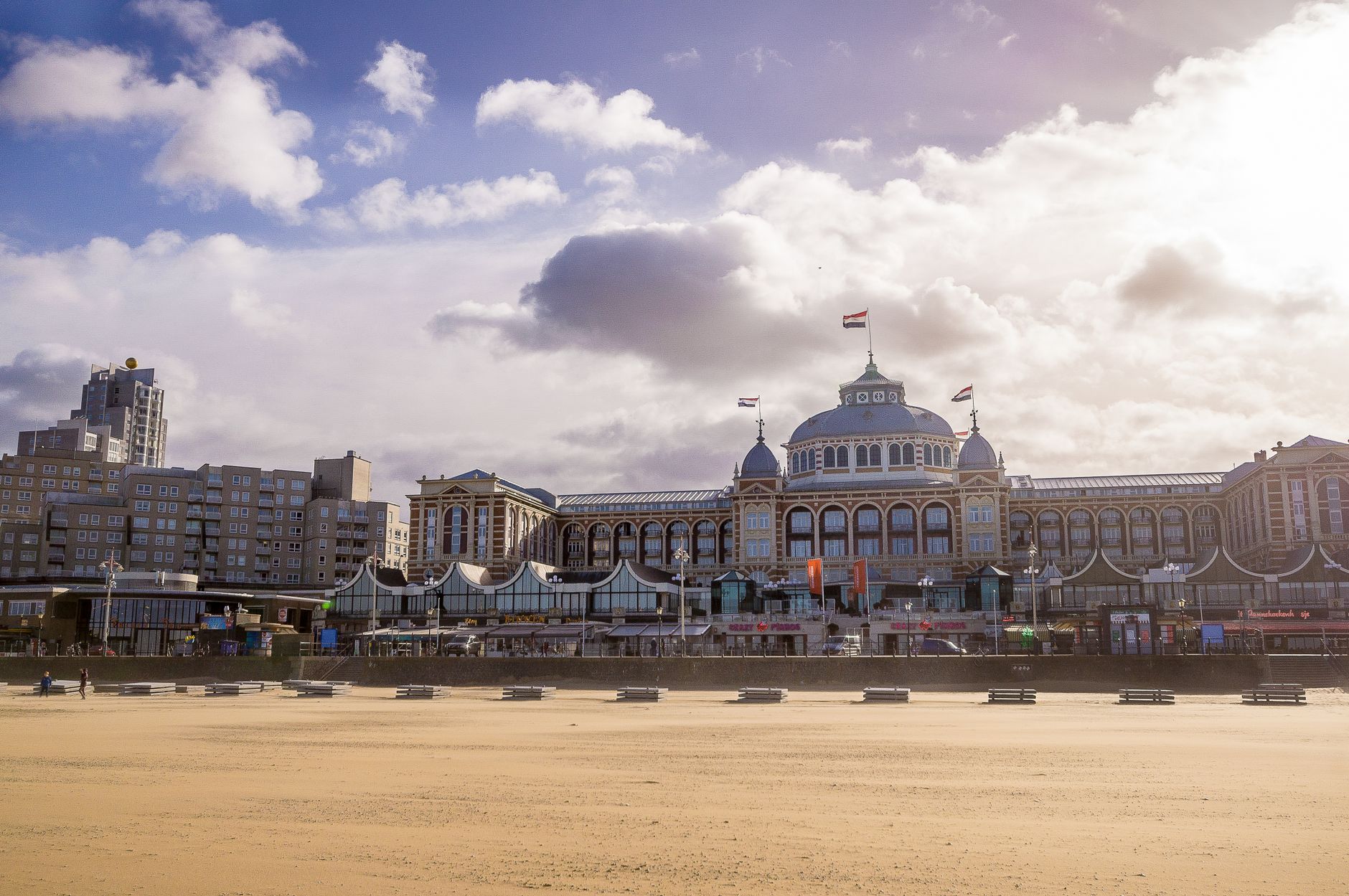
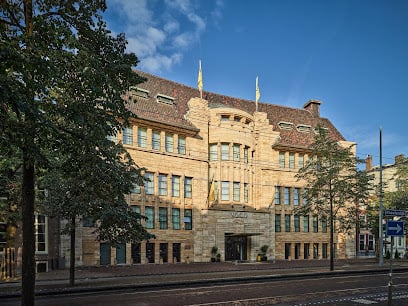
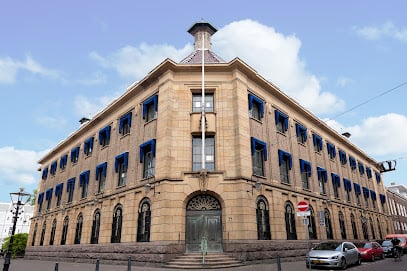
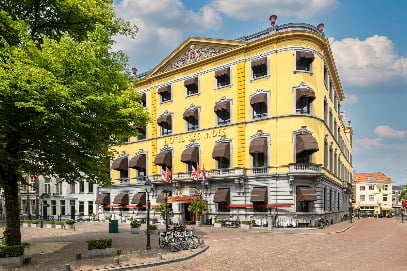
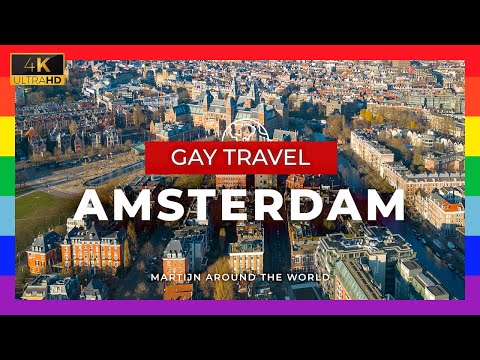
لاهاي (Den Haag بالهولندية) هي حيث تدير هولندا حكومتها، وهي موطن لمحكمة العدل الدولية، والمحكمة الجنائية الدولية، بالإضافة إلى عشرات المنظمات الدولية والبعثات الدبلوماسية. إنها ثالث أكبر مدينة في البلاد، وبينما أمستردام هي العاصمة الدستورية، فإن السلطة السياسية تعمل فعليًا هنا. تشعر لاهاي بأنها أكثر رسمية من أمستردام، وأكثر دولية من روتردام - مدينة تشكلت بفعل السفارات والمحاكم الدولية والدبلوماسيين من كل مكان.
هذه الشخصية المحددة تشكل مشهد مجتمع الميم+ في لاهاي. سكانها الدوليون - الدبلوماسيون، موظفو المحاكم، العاملون في المنظمات غير الحكومية، والمجتمعات السورينامية والإندونيسية الكبيرة بتاريخها الثقافي الخاص - يخلقون تركيبة سكانية كويرية أكثر تنوعًا في الجنسية والخلفية من معظم المدن الهولندية. COC Den Haag هي واحدة من أكثر الفروع نشاطًا في هولندا. لماذا؟ مدينة بها العديد من أفراد مجتمع الميم+ الذين انتقلوا من بلدان أقل تسامحًا تميل إلى توليد تنظيم مجتمعي أكثر وضوحًا من مدينة يأخذ فيها السكان الهولنديون المقيمون منذ فترة طويلة حقوقهم كأمر مسلم به.
المشهد الكويري
تتجمع أماكن تواجد مجتمع الميم+ في لاهاي في منطقة Centrum، حول Grote Markt والشوارع الممتدة من Spui باتجاه Hofvijver. إنه مشهد أصغر من مشهد أمستردام، ولكنه راسخ جيدًا. COC Den Haag تعمل منذ الخمسينيات من القرن الماضي، وتوفر بنية تحتية تنظيمية لا تستطيع الحانات وحدها توفيرها. بعض الحانات تخدم مجتمع الميم+ في لاهاي منذ عقود. لديهم الجو الخاص لمدينة يعرف فيها الزبائن المنتظمون بعضهم البعض بالفعل، وليس مجرد تدفق مستمر من السياح.
يُقام احتفال The Hague Pride في فصل الصيف. وقد شهد هذا الحدث نموًا ملحوظًا في الآونة الأخيرة مع توسع ثقة المدينة في هويتها الثقافية لتتجاوز صورتها الرسمية والمؤسسية. يستخدم الحدث بحيرة Hofvijver ومجمع Binnenhof (مجمع البرلمان) كخلفية لا مفر منها، مما يمنحه صدى سياسيًا: احتفال بالفخر يقام حرفيًا أمام المباني التي تُصنع فيها القوانين الهولندية.
المدينة بحد ذاتها
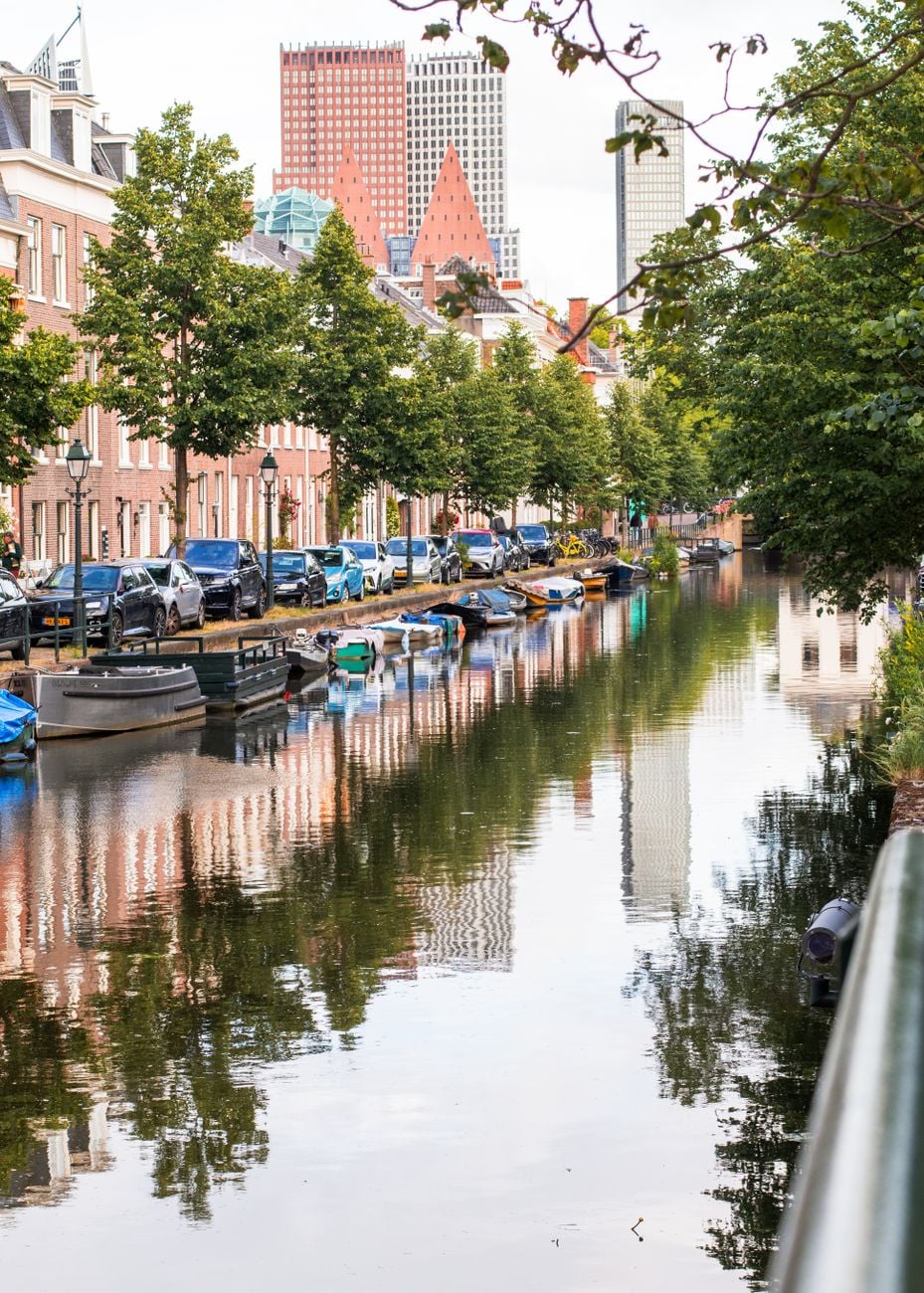
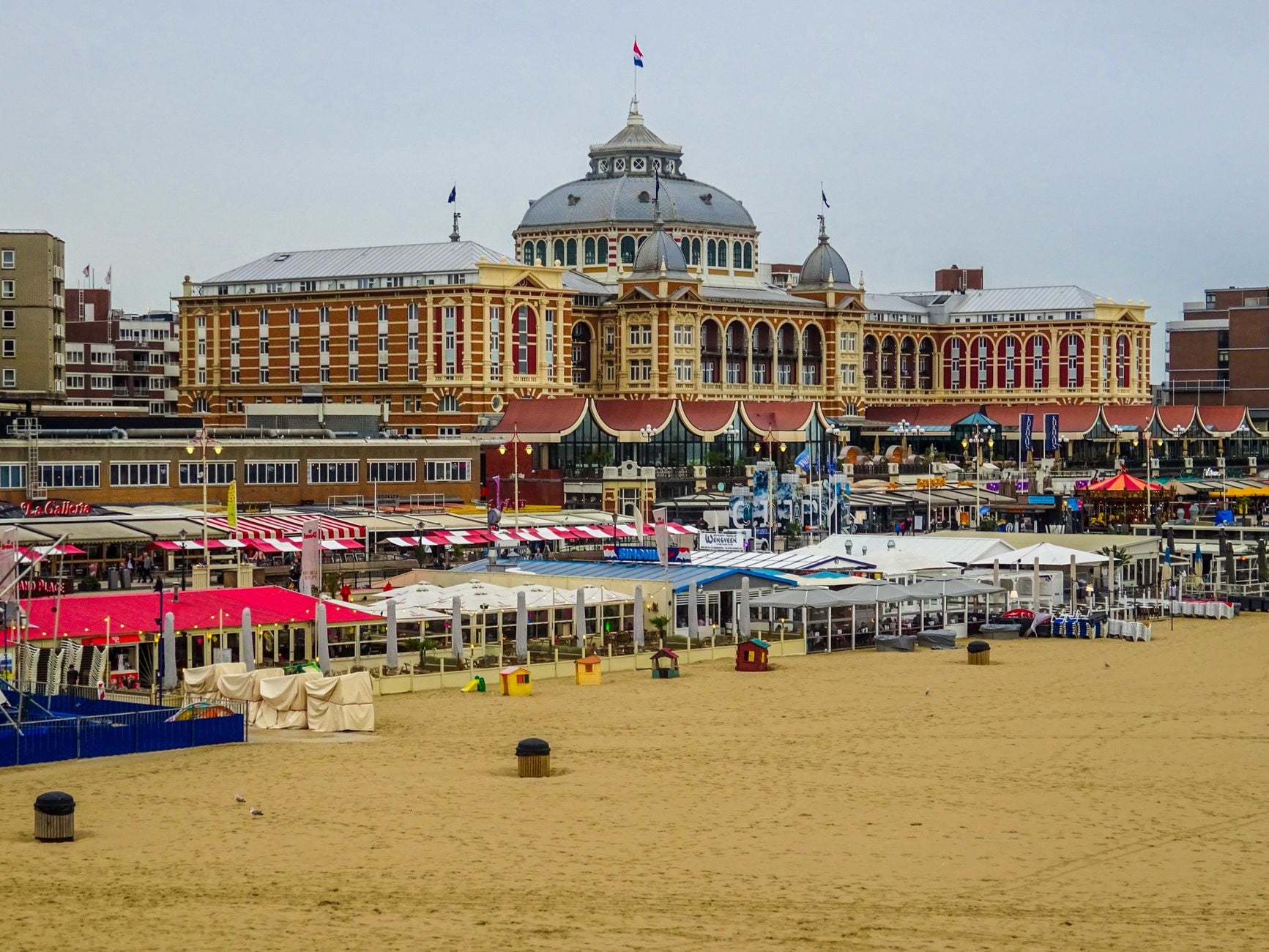
تُكافئ لاهاي الزوار الذين يرونها كمدينة، وليس مجرد عاصمة سياسية. متحف Mauritshuis - وهو متحف فني صغير ولكنه استثنائي يضم لوحة "الفتاة ذات القرط اللؤلؤي" لفيرمير و"درس التشريح" لرامبرانت - هو أحد أفضل المتاحف في هولندا ويجذب طابورًا أقصر من متحف Rijksmuseum في أمستردام. يقع متحف Escher in Het Paleis في قصر ملكي سابق ويضم أكبر مجموعة في العالم لأعمال إم. سي. إيشر. أما Scheveningen، وهي منطقة شاطئ لاهاي (تبعد ستة كيلومترات عن المركز، ويمكن الوصول إليها بالترام)، فهي أكبر منتجع شاطئي في هولندا - طويل ورملي ومزدحم في الصيف.
مجمع Binnenhof هو مركز الحياة السياسية الهولندية. إنه أحد أكثر المساحات الحضرية ذات الطبقات التاريخية في هولندا: قلعة كونت من القرن الثالث عشر، وقاعة عظيمة من العصور الوسطى (Ridderzaal)، ومبانٍ برلمانية عمرها قرون ملتفة حول فناء مركزي في وسط مدينة حديثة. يخضع المجمع حاليًا لعملية تجديد كبيرة، ولكن لا يزال من الممكن الوصول إلى الخارج وبحيرة Hofvijver المجاورة له، وهما مكانان رائعان لالتقاط الصور.
الوصول والنصائح العملية
تبعد لاهاي 50 دقيقة بالقطار السريع (Intercity) عن محطة أمستردام سنترال، و20 دقيقة عن محطة روتردام سنترال. يمكنك أيضاً الوصول إليها من مطار سخيبول في 35 دقيقة، مما يجعلها محطة أولى أو أخيرة عملية إذا كنت تسافر جواً إلى هولندا. تقع أماكن السهر المخصصة للمثليين في منطقة Centrum، ويمكن الوصول إليها سيراً على الأقدام من محطتي Den Haag Centraal وDen Haag HS. إذا كنت تخطط لزيارة عدة مدن هولندية، فإن لاهاي تتناسب بشكل طبيعي مع مسار رحلة يضم روتردام - لاهاي - أوتريخت - أمستردام، حيث ترتبط جميعها بقطارات مباشرة في غضون ساعة.
الأسئلة الشائعة
تُعد هولندا من بين أكثر البلدان أمانًا وقبولًا في العالم لمجتمع الميم، وتعكس لاهاي - بصفتها مقر الحكومة والمحاكم الدولية - ذلك بالكامل. زواج المثليين قانوني منذ عام 2001، والتمييز غير قانوني، والمدينة مريحة ليلًا ونهارًا. استخدم الحس السليم الحضري العادي؛ يمكن الإبلاغ عن أي حادث للشرطة أو عبر COC Haaglanden.
يتركز المشهد في Centrum المدمج، حول الشارع الصغير 't Achterom (قبالة Grote Marktstraat)، بالقرب من Schoolstraat و Denneweg. في غضون دقائق قليلة سيرًا على الأقدام، ستجد Café de Vink، و Café 't Achterom، و Café De Landman، و COC Café. لا توجد منطقة كبيرة للمثليين - الأماكن قريبة من بعضها البعض ولكنها متواضعة في العدد.
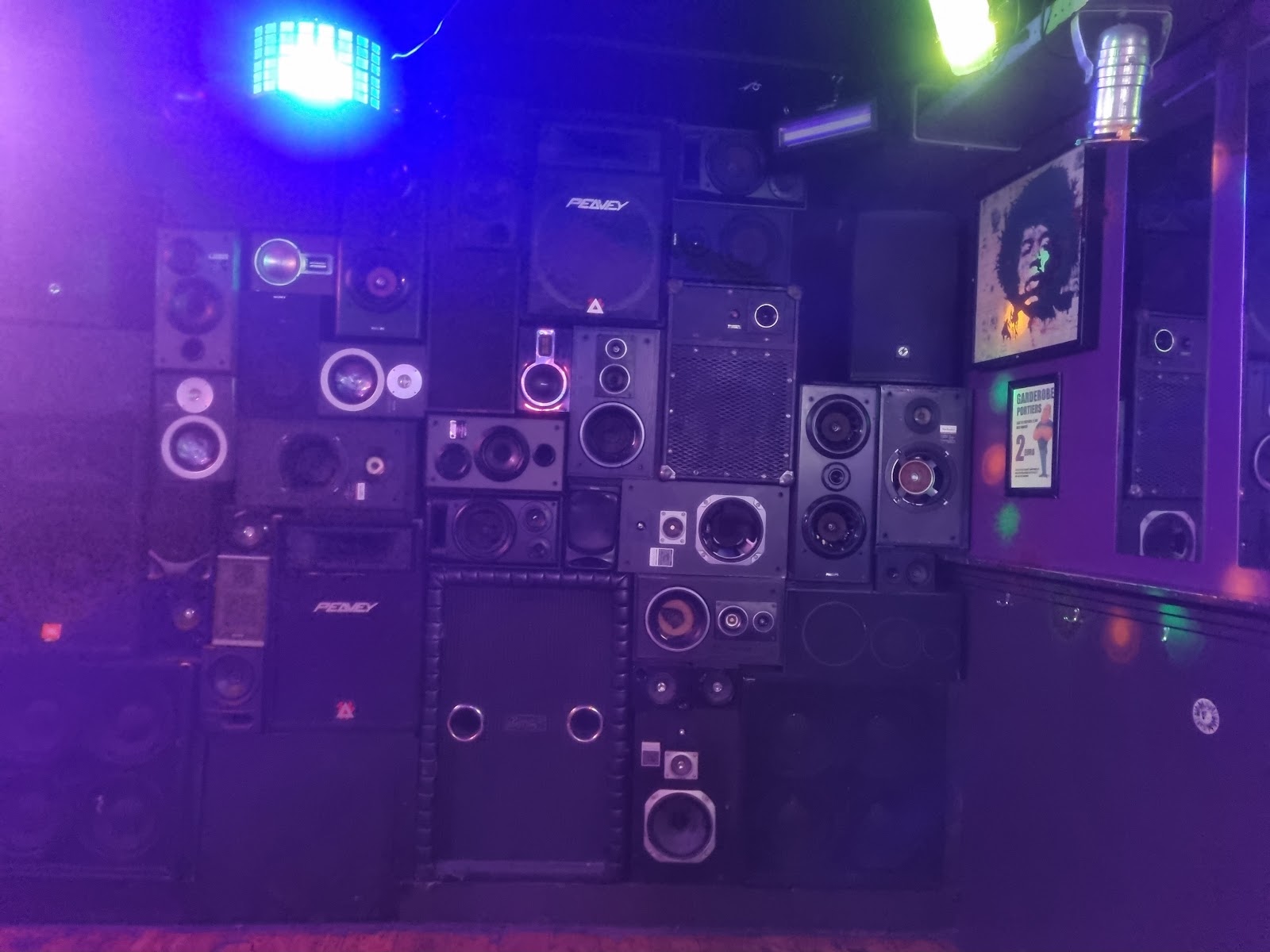
إنه أصغر بكثير من مشهد أمستردام، ولكنه حقيقي: حفنة من المقاهي المخصصة للمثليين (Café de Vink، 't Achterom، De Landman)، مقهى مجتمع COC Haaglanden، نوادي صديقة للمثليين تستضيف ليالي للمثليين (Club PIP، 27 Club)، وحانة للمثليين (The Boss). لقضاء ليلة أكبر، تبعد أمستردام حوالي 50 دقيقة بالقطار وروتردام 20 دقيقة.
يُقام مهرجان Pride The Hague (Pride Den Haag) في مايو - في عام 2026 من 8 إلى 16 مايو - ويفتتح موسم Pride الهولندي. يتوج بمسيرة Pride Walk في يوم السبت الختامي، بدءًا من Koekamp بجوار Den Haag Centraal، جنبًا إلى جنب مع أسبوع من الفعاليات الثقافية والحفلات في وسط المدينة.
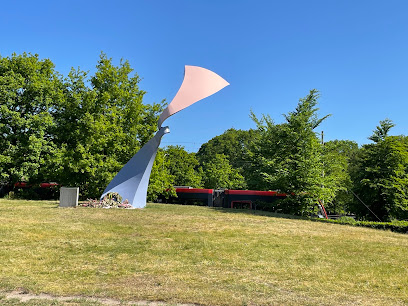
لا توجد منطقة واحدة للمثليين. تتجمع المقاهي بشكل فضفاض حول 't Achterom و Schoolstraat و Denneweg في Centrum، وجميعها على مسافة قريبة من بعضها البعض. بالقرب من المحطة المركزية، يقع International Homomonument في Koekamp (1993) وهو معلم للمجتمع وموقع الذكرى السنوية.
توقع بعض المقاهي الحقيقية للمثليين (Café de Vink - الأقدم، مع الرقص؛ Café 't Achterom؛ Café De Landman)، و COC Café الذي تديره COC Haaglanden، والنوادي الصديقة للمثليين التي تستضيف ليالي للمثليين (Club PIP، 27 Club)، و The Boss، وهي حانة للمثليين/المزدوجي الميول. لا تمتلك لاهاي ساونا للمثليين خاصة بها (الأقرب في روتردام وأمستردام)؛ يحدث التجمع في الهواء الطلق في كثبان Scheveningen خلف Zwarte Pad.
خيارات الخصوصية.
نستخدم ملفات تعريف الارتباط لتشغيل GayOut، وبموافقتك، نقيس الاستخدام. اعرف المزيد ↗
خيارات الخصوصية
نستخدم ملفات تعريف الارتباط لتشغيل GayOut وتذكّر تفضيلاتك وقياس استخدام الموقع (بإذنك). يمكنك قبول الكل أو رفض الكل أو اختيار ما تسمح به. اعرف المزيد ↗
أساسية
مطلوبة لتسجيل الدخول وحماية الاحتيال وحفظ تفضيل اللغة. لا يمكن تعطيلها.
دائماً مفعّل
تحفظ المفضلة والوضع الداكن وتفضيلات الواجهة عبر الزيارات.
تساعدنا على فهم الصفحات التي يزورها الناس (Google Analytics، إحصاءات الخادم) حتى نستطيع التحسين.
تستخدمها وحدات تتبّع الحملات. لا توجد أي نشطة حالياً، محجوزة للاستخدام المستقبلي.
ثبّت GayOut
أضف GayOut إلى شاشتك الرئيسية للوصول الأسرع والمفضلة دون اتصال وتنبيهات الفخر.










 حانات ونوادٍ مثلية
مميز
(185)
حانات ونوادٍ مثلية
مميز
(185)