بلغراد مدينة متناقضة. صربيا، الوحيدة في منطقة البلقان، انتخبت رئيسة وزراء مثلية علناً (آنا برنابيتش، 2017-2024). ومع ذلك، فهي من أكثر الأماكن تحفظاً اجتماعياً في أوروبا بالنسبة لمجتمع الميم عين. لا يتم الاعتراف بزواج المثليين؛ ويعرّف الدستور الزواج بأنه بين رجل وامرأة. تظهر الاستطلاعات باستمرار مستويات عالية من المشاعر المعادية للمثليين. تم إلغاء أو نقل Belgrade Pride بسبب مخاوف أمنية.
ومع ذلك، خلقت بلغراد واحدة من أكثر المشاهد الكويرية السرية إثارة في أوروبا. جيل من الشباب الصربيين يتعامل مع الكويرية كجزء من تمرد أوسع ضد التحفظ السياسي، ويبني حياة ليلية تُقارن ببرلين أو تبليسي. للمسافرين الواثقين والواعين أمنياً، تمتلك بلغراد بعضاً من أكثر المشاهد الكويرية الصغيرة مكافأة في أوروبا. إذا كنت تريد كل شيء مرئياً وسهلاً، فهذا ليس المكان المناسب.
الأحياء
تقع بلغراد حيث تلتقي نهرا سافا ودانوب، مع قلعة كاليمجدان على المنحدر أعلاه. ينقسم المركز القديم إلى Stari Grad (البلدة القديمة) حول شارع المشاة Knez Mihailova ومنطقة Skadarlija البوهيمية. Dorćol هو القسم السكني الأقدم والأهدأ إلى الشرق. Savamala، التي كانت ذات يوم منطقة مستودعات مهجورة على طول نهر سافا، أصبحت مركزاً للمشاهد البديلة والكويرية بدءاً من العقد الأول من القرن الحادي والعشرين، على الرغم من تسارع عملية التحسين هناك. عبر الأنهار، New Belgrade هو القسم الحداثي ما بعد الحرب الذي يضم أكبر نوادي المدينة. حي Vračar، جنوب المركز، هو منطقة سكنية للطبقة الوسطى تضم مقاهي صغيرة جيدة صديقة للكوير.
أماكن للمثليين وحفلات كوير
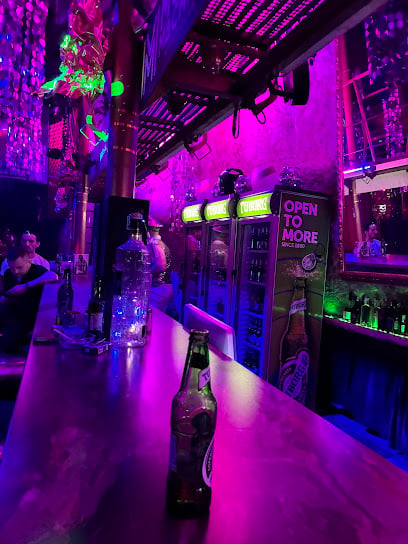
لا يوجد في بلغراد نادٍ دائم للمثليين في الوقت الحالي. تعمل الحياة الليلية للكوير بنظام الحفلات المؤقتة: حفلات ذات طابع خاص في أماكن مختلطة وصديقة للجميع، وغالبًا ما يتم الإعلان عنها على انستغرام وتيليجرام قبل أسبوع أو أسبوعين. سلاسل الحفلات الكوير الرئيسية هي Pleasure (الأطول استمرارًا، تركز على الموسيقى الإلكترونية، تقام شهريًا في أماكن مختلفة)، وSexy Sundays في Drugstore في المسلخ القديم على نهر الدانوب، وKlub Pulse، وهو أقرب شيء لمكان ثابت للمثليين في عطلة نهاية الأسبوع (موسيقى إلكترونية، مع بار وحلبة رقص صغيرة).
Pride & Events
Pride Info Centre في Strahinjića Bana 76 في Dorćol هو مركز مجتمعي على مدار العام، يضم مقهى ومساحة عرض، وأكثر المعلومات موثوقية حول الحفلات الحالية. يستضيف Klub Brankov Most أحيانًا ليالي كوير. معظم الـ splavovi (نوادي عائمة على النهر) هي نوادي عامة، لكن عددًا قليلاً منها، مثل Tube Club، يقدم ليالي ذات طابع خاص وصديقة للكوير.
مسيرة الفخر والتقويم
تقام Belgrade Pride في منتصف سبتمبر من كل عام، وتم نقلها من يونيو لأسباب تنظيمية وأمنية. سُمح بالمسيرة كل عام منذ عام 2014، بعد حظر واحتجاجات مضادة عنيفة في أوائل العقد الأول من القرن الحادي والعشرين. تقام المسيرة تحت حماية شرطية مشددة. كانت EuroPride 2022 في بلغراد نقطة اشتعال؛ تم تقصير مسار المسيرة، وكان هناك تعبئة مضادة كبيرة. شهدت السنوات الأخيرة حوالي 2000-3000 مشارك في المسيرة - وهو عدد قليل مقارنة بالمعايير الأوروبية الغربية، ولكنه إنجاز مهم محليًا. يقام مهرجان Merlinka Festival للأفلام الكوير المرتبط بها في أواخر نوفمبر/أوائل ديسمبر في Akademija Doma Omladine. إنه أحد أقدم فعاليات السينما الكوير في البلقان.
الساونا والتطبيقات
تضم بلغراد ساونا رئيسية للمثليين، وهي Aquarius، في وسط المدينة. تتميز بالبخار والساونا الجافة ومناطق الالتقاء المعتادة. نظافتها مقبولة. بخلاف ذلك، تتولى التطبيقات (Grindr، Hornet، Romeo) معظم اللقاءات اليومية. يجب أن يعلم الزوار أن بلغراد شهدت جرائم كراهية تستند إلى التطبيقات — حيث يتم استخدام ملفات شخصية وهمية لاستدراج المثليين إلى عمليات سطو أو اعتداءات. اللقاء في مكان عام أولاً أمر بالغ الأهمية، واتباع قواعد السلامة الشخصية الأساسية أكثر أهمية هنا مقارنة بمعظم العواصم الأوروبية.
أين تقيم
أقم في مناطق Dorćol، أو Stari Grad، أو Savamala. هذه المناطق الثلاث يمكن المشي فيها، وهي مركزية، وتضعك على بعد عشر دقائق من مركز معلومات الفخر (Pride Info Centre) وأهم الأماكن الصديقة للمجتمع الكوير. تشمل الفنادق الصديقة لمجتمع الميم الفنادق Square Nine Hotel Belgrade في Stari Grad (أفضل خيار فاخر صغير في المدينة، بتصميم مميز، ومريح تمامًا للمثليين)، وفندق Townhouse 27 البوتيكي في Stari Grad، وفندق Mama Shelter Belgrade في Stari Grad (مريح للمجتمع الكوير)، وفندق Saint Ten Hotel في Vračar. للميزانية المحدودة، يعتبر فندق Hotel Moskva في Terazije فندقًا تاريخيًا فخمًا، ويعد Mostel Hostel الخيار الأفضل للمسافرين بميزانية محدودة والأكثر صداقة للمجتمع الكوير.
الطعام
المطبخ الصربي غني، يعتمد بشكل كبير على اللحوم، ويحظى بتقدير أقل مما يستحق. الأطباق الكلاسيكية — ćevapi (أصابع لحم مشوية)، pljeskavica (برجر البلقان)، kajmak (جبنة كريمية)، ajvar (مخلل الفلفل الأحمر) — تكون في أفضل حالاتها في مقاهي سكادارليا (Tri Šešira، Dva Jelena، Šešir Moj). لتجربة طعام عصرية ومريحة للمجتمع الكوير، جرب Lorenzo & Kakalamba، وIguana في سافامالا، وبار النبيذ الطبيعي Vinoteka Italiana. خيارات الطعام النباتي تحسنت كثيراً: Radost Fina Kuhinjica، SuperFood. ثقافة القهوة قوية وتشعر بتأثير إيطالي: Koffein، Przionica، Kafeterija هي المعايير القياسية للقهوة المتخصصة. الأمسية الصربية النموذجية تتضمن التجول في شارع Knez Mihailova، وتناول الطعام في أحد المقاهي، ثم التوجه إلى نوادي النهر أو الأماكن البديلة في سافامالا.
ماذا ترى
قلعة كاليمجدان، حيث تلتقي الأنهار، هي نقطة البداية الواضحة. تضم جدراناً رومانية، وبوابات عثمانية، وإضافات هابسبورغية، مع أفضل إطلالة على المدينة عبر نهري سافا ودانوب. كاتدرائية القديس سافا على تل فاراتشار هي واحدة من أكبر الكنائس الأرثوذكسية في العالم (تم الانتهاء من فسيفسائها الذهبية الداخلية أخيراً في عام 2020). متحف يوغوسلافيا وبيت الزهور المجاور (ضريح تيتو) ضروريان لفهم البلاد. متحف نيكولا تسلا صغير ولكنه ممتاز. زيمون، المدينة الهابسبورغية السابقة التي أصبحت الآن جزءاً من بلغراد، توفر نزهة ممتعة بعد الظهر على طول أرصفة نهر الدانوب، مع برج غاردوش في الأعلى.
رحلات ليوم واحد
يُسهّل نهر Danube العديد من الرحلات اليومية. Novi Sad، على بعد ساعة شمالاً بالقطار أو الحافلة، هي المدينة الصربية الثانية الأصغر والأجمل، وتضم قلعة Petrovaradin (حيث يُقام مهرجان Exit الصديق للمثليين كل يوليو) وشعوراً أكثر استرخاءً. تبدأ منطقة النبيذ والمجمعات الدينية في Fruška Gora جنوبي Novi Sad مباشرةً. تُعد رحلات Belgrade-Vukovar river cruises عبر نهر Danube خياراً أبطأ. ضمن مسافة معقولة: Subotica على الحدود المجرية تتميز بعمارة فن الآرت نوفو رائعة؛ وتقدم Ćuprija والمدن السبا في وادي Morava رحلات يومية إلى الحمامات الحرارية.
السلامة – كن واقعياً
تُثير المظاهر العلنية للمودة بين الأزواج من نفس الجنس في بلغراد اهتماماً، وأحياناً إساءة لفظية من الجمهور العام. وقد أدت في بعض الأحيان إلى حوادث جسدية. بلغراد آمنة إحصائياً فيما يتعلق بالجريمة في الشوارع مقارنة بالمعايير الأوروبية، لكن المناخ الاجتماعي للمثليين الظاهرين أكثر برودة مما هو عليه في أي عاصمة أوروبية غربية. كن متحفظاً في الشارع ووسائل النقل العام. كن منفتحاً تماماً في الحانات الموصى بها والصديقة للمثليين ومركز معلومات برايد (Pride Info Centre). سافروا معاً بدلاً من السفر بمفردكم في وقت متأخر من الليل. تشهد فترة برايد في سبتمبر زيادة في الظهور من كلا الجانبين؛ تحقق من نصائح الأمان الحالية من منظمي برايد قبل عطلة نهاية الأسبوع تلك. تزيد أيام مباريات كرة القدم (خاصة مباريات Partizan و Red Star على أرضهم) من خطر عنف الحشود اليمينية في المناطق المركزية؛ تجنب مناطق تجمع المشاغبين الواضحة بالقرب من الملاعب في أيام المباريات. الجرائم البسيطة عند مستويات متوسطة أوروبية منخفضة؛ تحدث السرقة بالنشل في الحافلات ولكنها ليست عدوانية.
نصائح عملية وأفضل أوقات الزيارة
تستخدم صربيا الدينار الصربي (RSD). تُقبل البطاقات على نطاق واسع، لكن النقد يكون أكثر فائدة مما هو عليه في أوروبا الغربية، خاصة في المقاهي الصغيرة (kafanas) وسيارات الأجرة. استخدم فقط سيارات الأجرة المسجلة — Pink، Naxis، Bel Taxi هي شركات موثوقة؛ ولا تستخدم أبدًا السيارات غير المميزة القادمة من خارج مطار Nikola Tesla. يتحدث اللغة الإنجليزية على نطاق واسع بين المتعلمين تحت سن الأربعين، ولكن بشكل أقل بين كبار السن في بلغراد. شهري مايو ويونيو وسبتمبر هي أفضل الأشهر للزيارة — حيث يكون الجو دافئًا، ولكن دون حرارة يوليو وأغسطس الشديدة. يعتبر مهرجان Exit Festival في Novi Sad (أوائل يوليو) أبرز حدث موسيقي في المنطقة وهو مناسب للمجتمع الكوير. شهر ديسمبر في بلغراد احتفالي — سوق عيد الميلاد في Kosančićev Venac يزداد شعبية، وعيد الميلاد الأرثوذكسي (7 يناير) هو العيد العائلي الرئيسي.
الأسئلة الشائعة
While Serbia maintains socially conservative attitudes in some communities, Belgrade as the capital is considerably more liberal and progressive. The visible LGBTQ+ community has grown noticeably, and Pride is an increasingly accepted event.
Most gay venues are concentrated within walking distance or a short taxi ride from the city center. Čukarica and Savski Venac are central residential and entertainment areas where some gay venues are located, and Voždovac and New Belgrade also have additional gay-friendly establishments.
Belgrade Pride is held annually in September and has grown significantly over the past decade. The celebration includes cultural programming, concerts, and educational events across several days.
Belgrade's gay scene centers on a small number of bars and clubs, often with a mix of local and international LGBTQ+ clientele. Dance clubs occasionally host gay-themed nights, particularly on weekends.
Connect with local LGBTQ+ groups online or upon arrival for current venue recommendations, as the scene is relatively fluid. Web platforms and social media groups focused on Belgrade LGBTQ+ events are reliable sources for current information.
Saunas and cruising venues exist in Belgrade but operate more discreetly. Travelers are encouraged to connect with local LGBTQ+ groups for current information.
خيارات الخصوصية.
نستخدم ملفات تعريف الارتباط لتشغيل GayOut، وبموافقتك، نقيس الاستخدام. اعرف المزيد ↗
خيارات الخصوصية
نستخدم ملفات تعريف الارتباط لتشغيل GayOut وتذكّر تفضيلاتك وقياس استخدام الموقع (بإذنك). يمكنك قبول الكل أو رفض الكل أو اختيار ما تسمح به. اعرف المزيد ↗
أساسية
مطلوبة لتسجيل الدخول وحماية الاحتيال وحفظ تفضيل اللغة. لا يمكن تعطيلها.
دائماً مفعّل
تحفظ المفضلة والوضع الداكن وتفضيلات الواجهة عبر الزيارات.
تساعدنا على فهم الصفحات التي يزورها الناس (Google Analytics، إحصاءات الخادم) حتى نستطيع التحسين.
تستخدمها وحدات تتبّع الحملات. لا توجد أي نشطة حالياً، محجوزة للاستخدام المستقبلي.
ثبّت GayOut
أضف GayOut إلى شاشتك الرئيسية للوصول الأسرع والمفضلة دون اتصال وتنبيهات الفخر.


 ودود حانات ونوادٍ مثلية