Ottawa, Canada's capital, is situated on the traditional lands of the Algonquin Anishinaabe people. While smaller than Toronto or Montreal, its LGBTQ+ community offers a welcoming and genuine experience.
The history of Ottawa's LGBTQ+ scene dates back to the 1970s, following the decriminalization of homosexuality in Canada in 1969. Early Pride marches in the 1980s faced initial challenges but grew over time. The city's population, including a significant LGBTQ+ presence, expanded with the influx of federal workers, academics, and professionals. The legalization of same-sex marriage in 2005 further cemented Ottawa's inclusive atmosphere. Today, the community is active in politics, business, arts, and culture, with Pride Ottawa recognized as a major Canadian celebration.
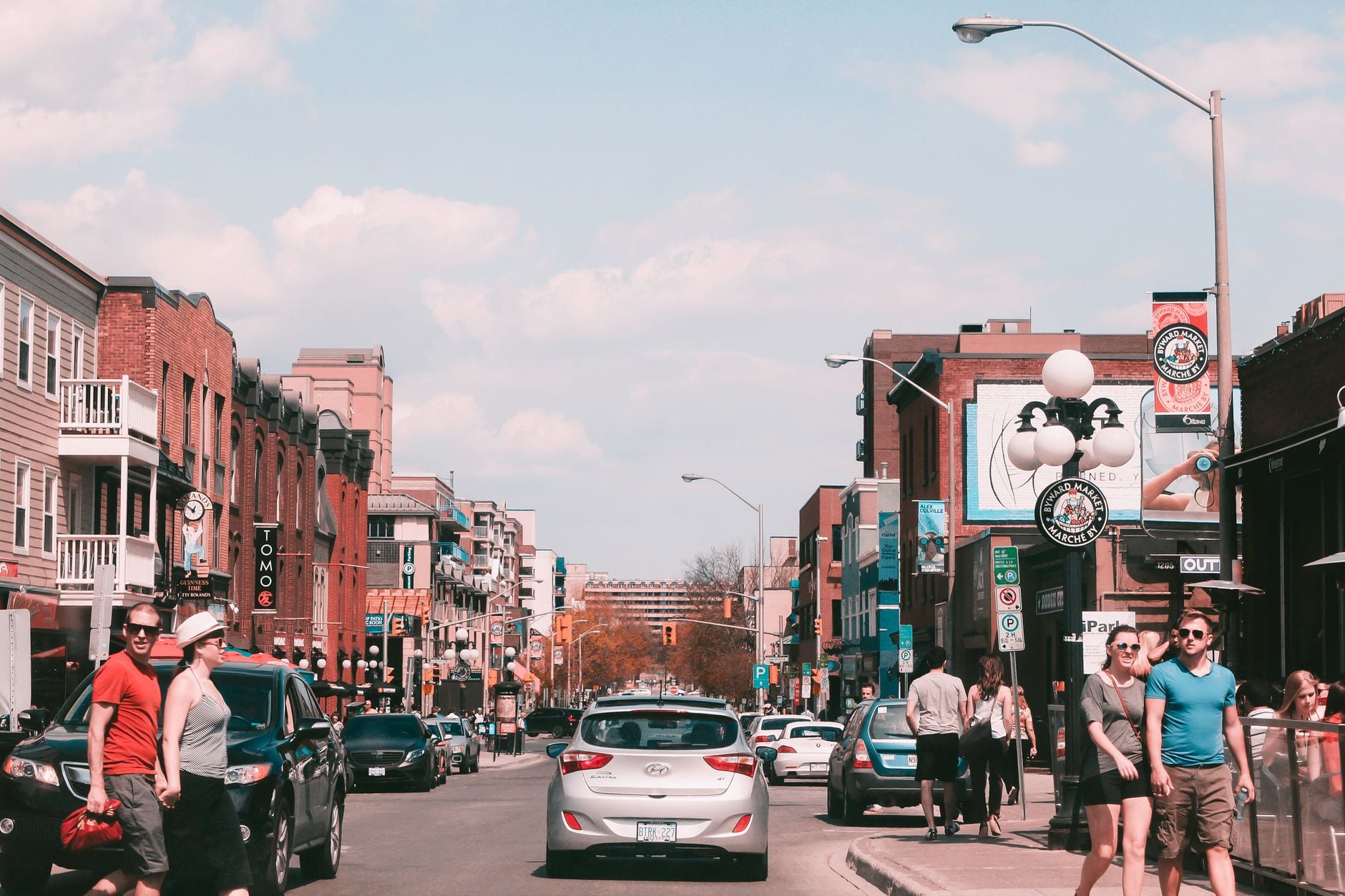
The heart of the scene is the Bank Street Village in Centretown, Ottawa's officially recognised Gay Village, marked out along Bank Street between roughly Nepean and James with rainbow crosswalks and Pride banners since 2011. This is where the anchor bars sit, T's Pub and Swizzles among them, alongside queer-owned cafes and shops. A short walk east, the ByWard Market, Ottawa's oldest neighbourhood and a warren of historic brick, patios and late-night bars, is the city's other gay-nightlife pocket and home to the long-running Lookout Bar. The Glebe, further south along Bank Street, is quieter and residential, while Rideau-Vanier rounds out the walkable downtown core.
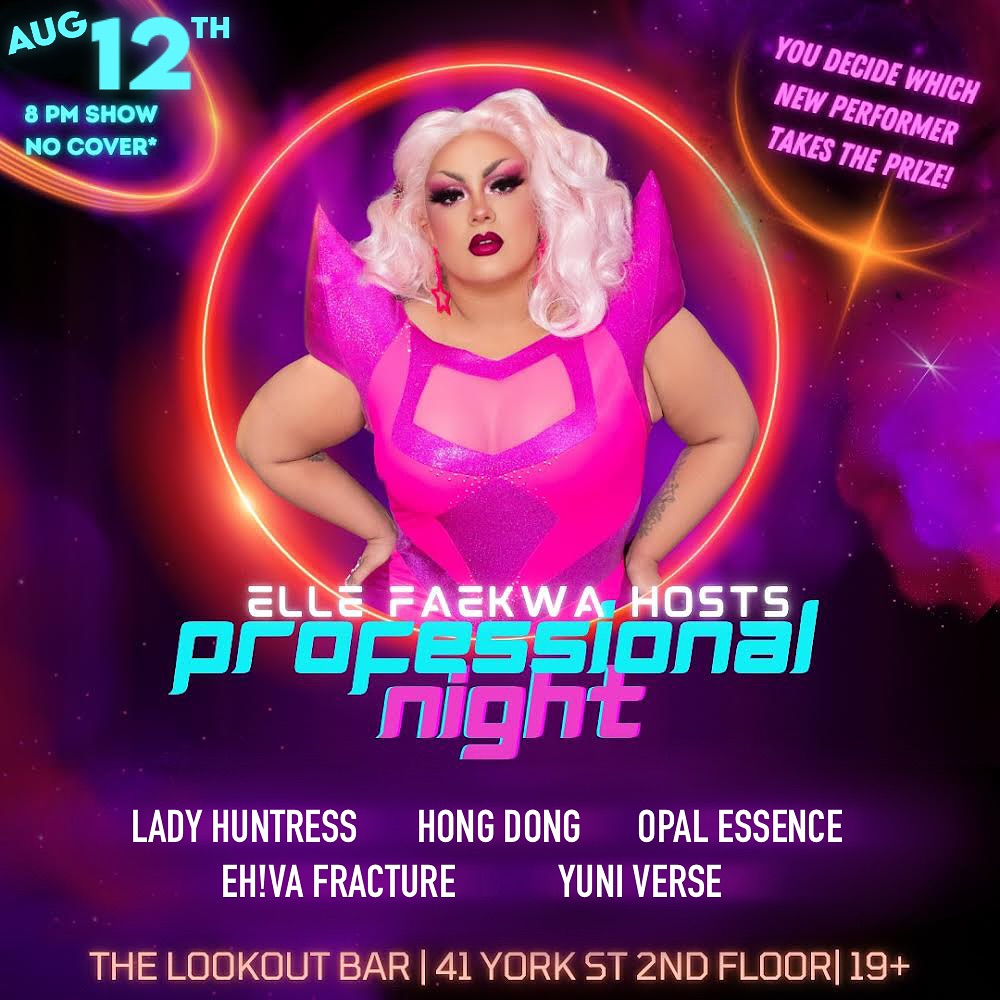
Ottawa's nightlife is deliberately intimate rather than sprawling, a handful of well-loved venues that regulars treat like a second home. The Bank Street Village and the ByWard Market hold most of it between them: the Lookout Bar up in the Market for dancing and drag, T's Pub and Swizzles down in the Village for karaoke, cabaret and a warm welcome. There is also one gay bathhouse, Club Ottawa, out in Westboro. It is a small scene that changes slowly, so a current listing is worth a glance before you head out. Throughout downtown and the Glebe, various restaurants and cafes are known for being LGBTQ+-owned or welcoming. The National Arts Centre frequently hosts LGBTQ+ artists and cultural events. Local universities, including the University of Ottawa and Carleton University, have active LGBTQ+ student organizations that host events.
Pride & Events
Pride Ottawa occurs in August, featuring a month-long festival. The Pride Parade typically takes place on the second weekend of August, drawing large crowds through downtown, alongside numerous parties and community gatherings. Booking accommodations well in advance is recommended for this period. Beyond Pride, Ottawa hosts a range of LGBTQ+ cultural events and celebrations throughout the year. The city is not a primary destination on the international circuit party circuit, appealing to those prioritizing community-focused events.
Where to Stay
Hotels in the Byward Market provide convenient access to nightlife and dining. Options near the Rideau Centre offer central locations. The Glebe has boutique bed-and-breakfasts and smaller hotels. Airbnb is also available in LGBTQ+-friendly neighborhoods. For Pride, booking accommodations three to six months in advance is advised. Ottawa's hotels offer a range of options and generally provide good value.
Canada is a safe country for LGBTQ+ travelers, and Ottawa is considered one of its safest and most progressive cities. Same-sex relationships are legal and protected by law, with strong human rights protections in place. Public displays of affection between same-sex couples are accepted. Standard urban travel precautions are recommended, as in any city.
OC Transpo, Ottawa's public transit system, includes buses and the Confederation Line light rail, making car-free travel feasible. The downtown core, Byward Market, and Glebe are accessible by transit and are walkable. Taxis and rideshare services operate city-wide. Transit passes are available for various durations. The city is also bikeable, with seasonal bike-share programs. Ottawa Macdonald-Cartier International Airport (YOW) is approximately 20 minutes from downtown.
Ottawa's food scene reflects its diversity. The Byward Market offers numerous restaurants, from casual to fine dining. The Glebe features independent cafes and diverse cuisines. Bank Street and Elgin Street have concentrations of restaurants, many of which are LGBTQ+-owned or operated. Local specialties include poutine, Beaver Tails, and craft beers.
The Rideau Canal is a prominent feature, transforming into the world's longest skating rink in winter. Gatineau Park in Quebec, a short drive away, offers hiking and natural scenery. The National Gallery of Canada and the Canadian Museum of History are significant cultural institutions. Parliament Hill offers guided tours. Day trips can include the Thousand Islands region or the Laurentian Mountains. Montreal is accessible by bus, train, or car.
Ottawa is a bilingual city, with English and French as official languages. The city has a notable Indigenous presence and history. Ottawa's multicultural population contributes to the diversity of its LGBTQ+ community. The city is known for its politeness and inclusivity.
For warm weather and outdoor activities, visiting between June and September is ideal, though August brings Pride crowds and higher prices. Winter offers skating and holiday festivities. Spring and fall provide pleasant weather with fewer visitors. Checking the official Pride Ottawa website for current event dates is recommended. Exploring both the Byward Market and the Glebe offers a comprehensive view of Ottawa's LGBTQ+ culture. Consulting official tourism and local LGBTQ+ community websites for current venue information is advisable, as the hospitality landscape can change. Community walking tours can provide in-depth local insights.
Ottawa is described as a modern, progressive city with a thriving LGBTQ+ community. The community is well-integrated into civic life, suggesting a welcoming environment for travelers.
Ottawa's officially recognised Gay Village runs along Bank Street in Centretown, between roughly Nepean and James Streets, marked by rainbow crosswalks and Pride banners since 2011. It is home to bars such as T's Pub and Swizzles. The nearby ByWard Market is a second gay-nightlife hub and home to the Lookout Bar.
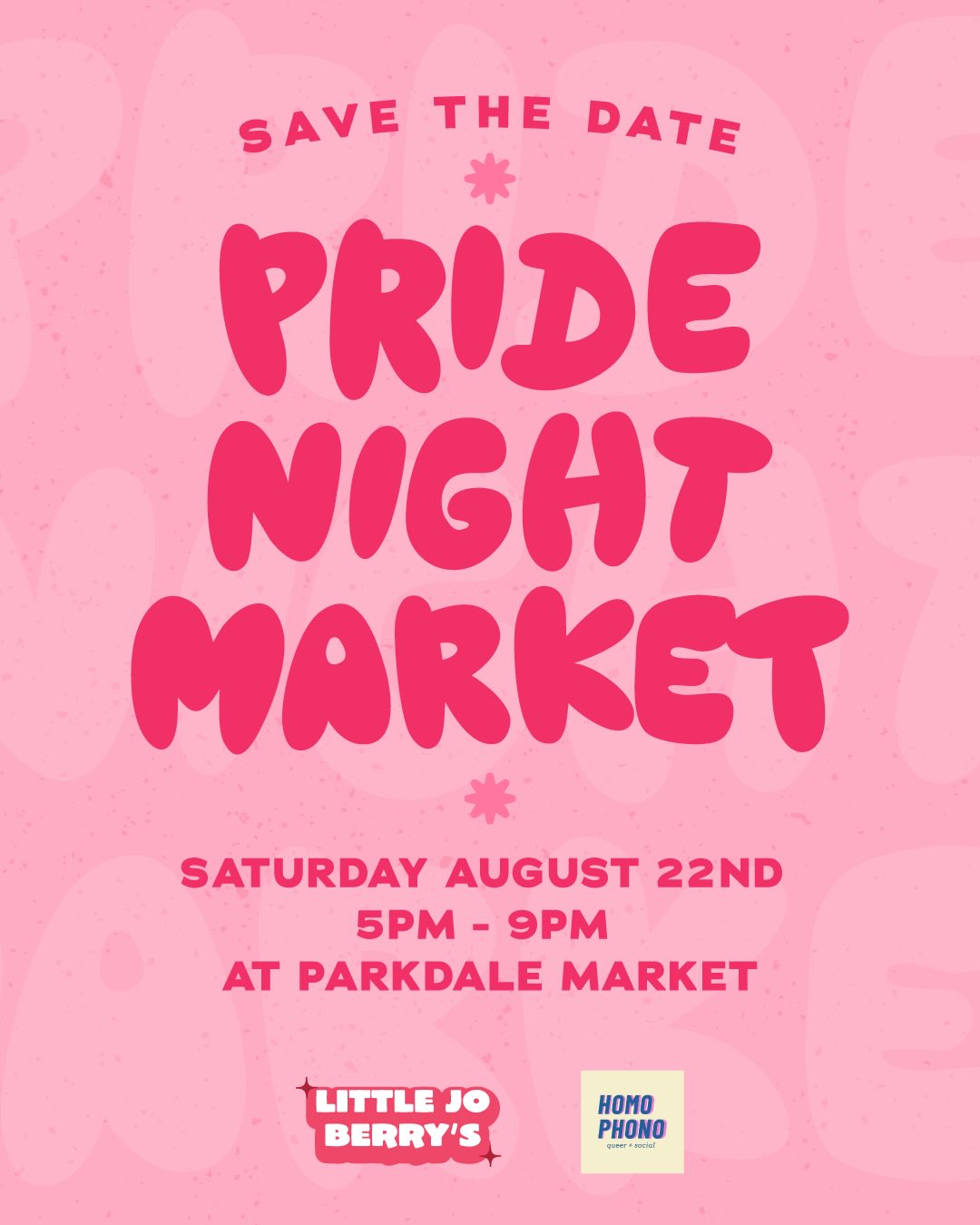
Ottawa's main Pride is Capital Pride, a week-long festival held in late August. In 2026 it runs August 22 to 30, with the parade on Sunday, August 30, and a street festival on Bank Street. It is one of Canada's larger Prides outside Toronto and Montreal.
The scene centres on a few intimate venues rather than large clubs. In the Bank Street Village you will find T's Pub and Swizzles for karaoke, drag and cabaret; in the ByWard Market, the Lookout Bar is the long-standing dance-and-drag spot. Ottawa also has one gay bathhouse, Club Ottawa, in Westboro.
Yes, The Glebe, south of downtown, is another established LGBTQ+-friendly neighborhood with a more residential feel. Bank Street running through the Glebe hosts many community-oriented businesses. Centretown and the Rideau-Vanier area are also mentioned as having LGBTQ+ residents and community spaces.
Yes, the guide states that Ottawa has several well-regarded restaurants and cafes throughout downtown and the Glebe that are LGBTQ+-owned or welcoming.
خيارات الخصوصية.
نستخدم ملفات تعريف الارتباط لتشغيل GayOut، وبموافقتك، نقيس الاستخدام. اعرف المزيد ↗
خيارات الخصوصية
نستخدم ملفات تعريف الارتباط لتشغيل GayOut وتذكّر تفضيلاتك وقياس استخدام الموقع (بإذنك). يمكنك قبول الكل أو رفض الكل أو اختيار ما تسمح به. اعرف المزيد ↗
أساسية
مطلوبة لتسجيل الدخول وحماية الاحتيال وحفظ تفضيل اللغة. لا يمكن تعطيلها.
دائماً مفعّل
تحفظ المفضلة والوضع الداكن وتفضيلات الواجهة عبر الزيارات.
تساعدنا على فهم الصفحات التي يزورها الناس (Google Analytics، إحصاءات الخادم) حتى نستطيع التحسين.
تستخدمها وحدات تتبّع الحملات. لا توجد أي نشطة حالياً، محجوزة للاستخدام المستقبلي.
ثبّت GayOut
أضف GayOut إلى شاشتك الرئيسية للوصول الأسرع والمفضلة دون اتصال وتنبيهات الفخر.







 حانات ونوادٍ مثلية
مميز
(30)
حانات ونوادٍ مثلية
مميز
(30)