كل ما يستحق المعرفة قبل السفر.
مجتمع وثقافة مجتمع الميم في بالتيمور
تتمتع بالتيمور بواحدة من أقدم المجتمعات النشطة باستمرار لمجتمع الميم في منطقة وسط المحيط الأطلسي، حيث تعمل الحانات المخصصة للمثليين في المدينة منذ خمسينيات القرن الماضي. يتميز مجتمع "مدينة السحر" (Charm City) بالترابط الوثيق، والتواضع، والارتباط العميق بالمكان، ويتمركز حول أحياء المنازل الصفوفية التاريخية في ماونت فيرنون، ويمتد إلى ممرات الفنون في ستيشن نورث، وفيدرال هيل، وشمال شرق بالتيمور. يعتبر فنون الأداء (Drag) جزءًا رئيسيًا من الثقافة، وتفخر المدينة بالمؤسسات التي صمدت لعقود.
أحياء رئيسية
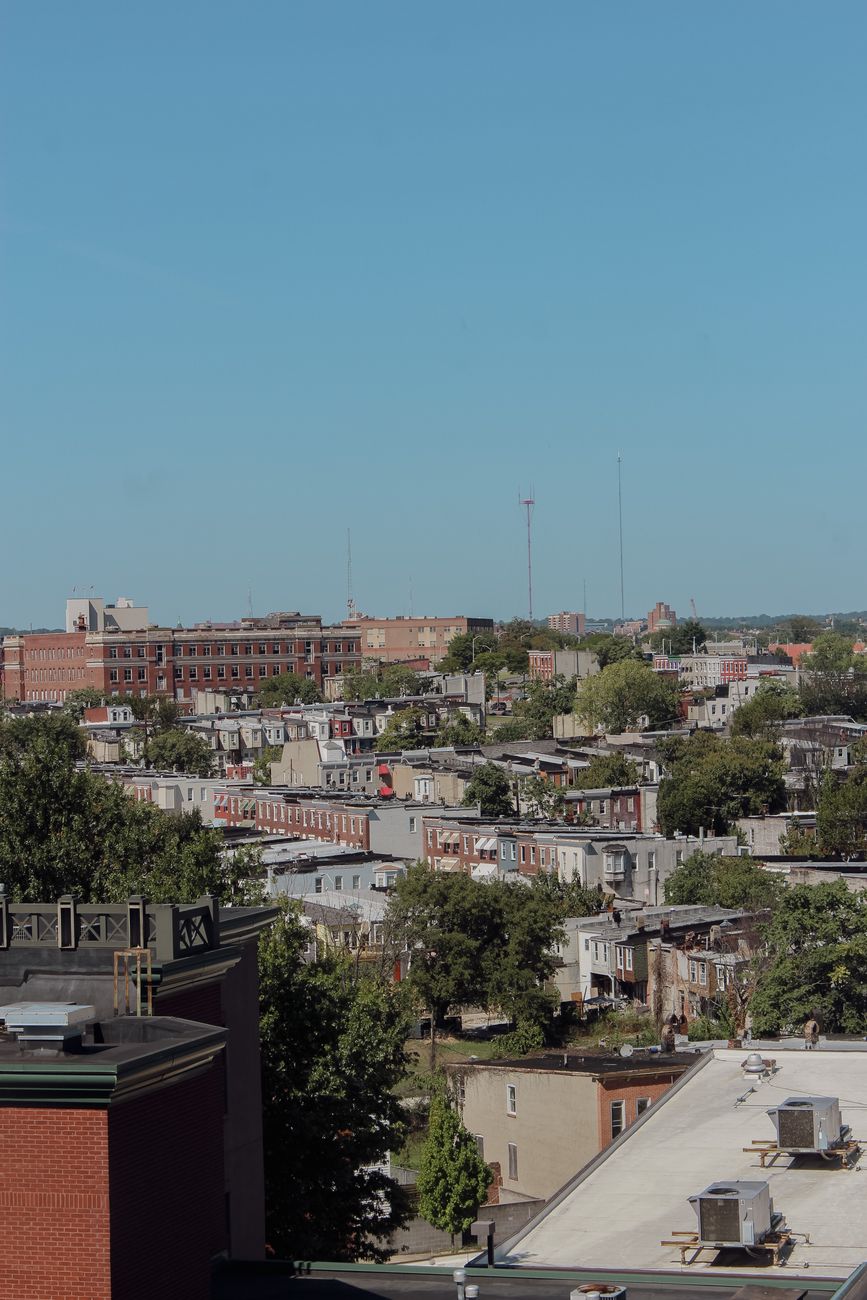
يُعد ماونت فيرنون قلب مجتمع المثليين في بالتيمور. فقد كانت المنطقة الأنيقة المحيطة بنصب واشنطن التذكاري - على طول شارع نورث تشارلز، وبارك أفينيو، وشارعي ويست ريد وتشيس - مكان تجمع المجتمع لأجيال، ولا تزال تحتضن أكبر تركيز للحانات المخصصة لمجتمع الميم، ومركز مجتمع الميم في ماريلاند (Pride Center of Maryland)، ومركز تشيس بريكستون للرعاية الصحية (Chase Brexton Health Care). يمكن التجول فيها سيرًا على الأقدام، وهي منطقة تاريخية تصطف على جانبيها المطاعم والمؤسسات الثقافية والحانات ذات الطابع الخاص.
ستيشن نورث / تشارلز نورث، وهي منطقة الفنون الواقعة شمال ماونت فيرنون، تحتضن حانة Baltimore Eagle، ومسرح Iron Crow Theatre، ومجموعة من المعارض، وأماكن الموسيقى، والحانات الصديقة لمجتمع الميم. أما فيدرال هيل، جنوب الميناء الداخلي (Inner Harbor)، فتوجد بها حانة كوكتيل مملوكة لمثليين (Rowan Tree) ومشهد ليلي نابض بالحياة للمهنيين الشباب. تحتضن هاميلتون والأحياء الشمالية الشرقية حانة مجتمع المثليين ذات التاريخ الطويل (Mixers)، بينما تكمل تشارلز فيليدج ورينجتون جوهر الإبداع والترحيب بمجتمع الميم.
الحانات والحياة الليلية
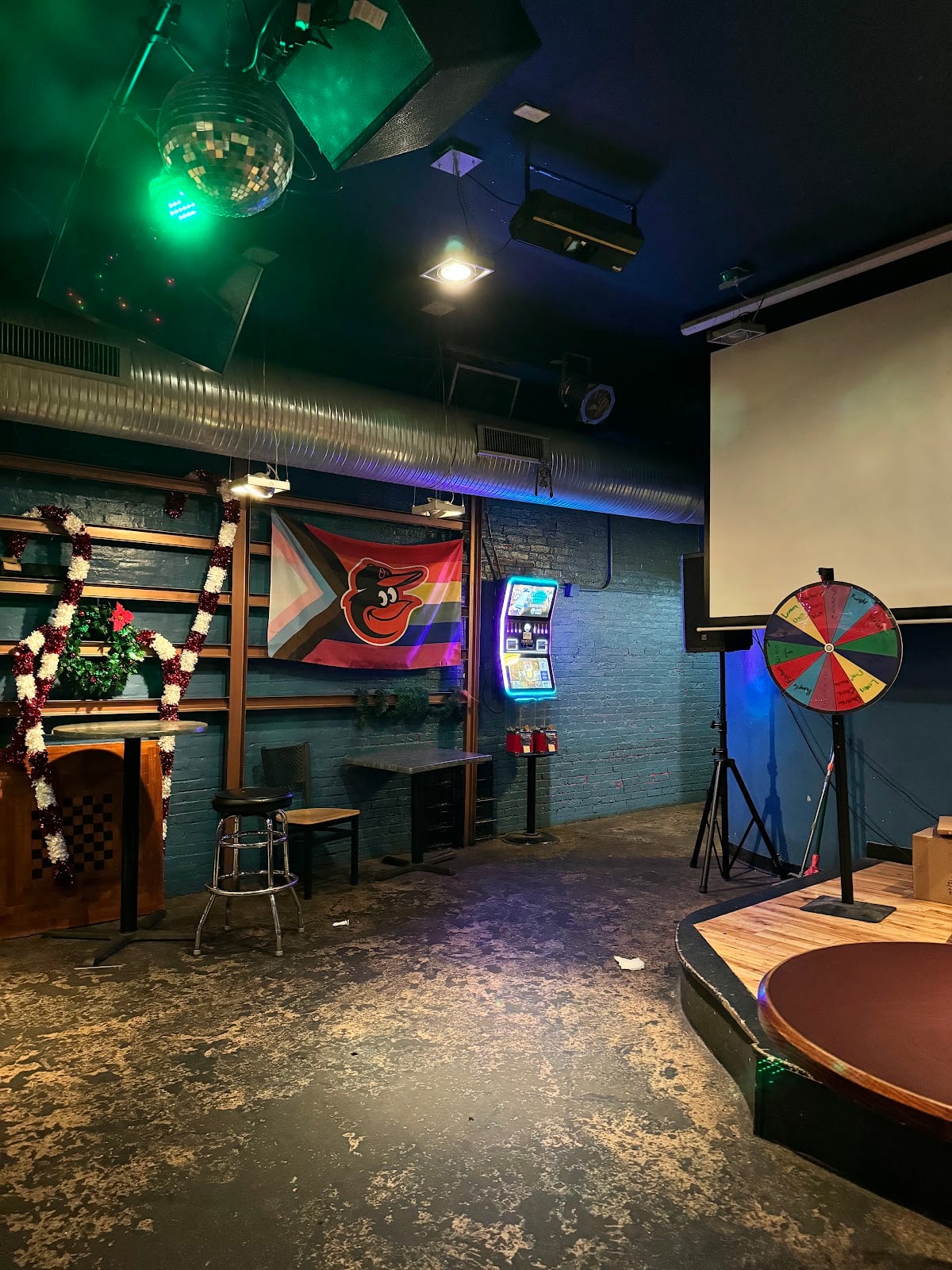
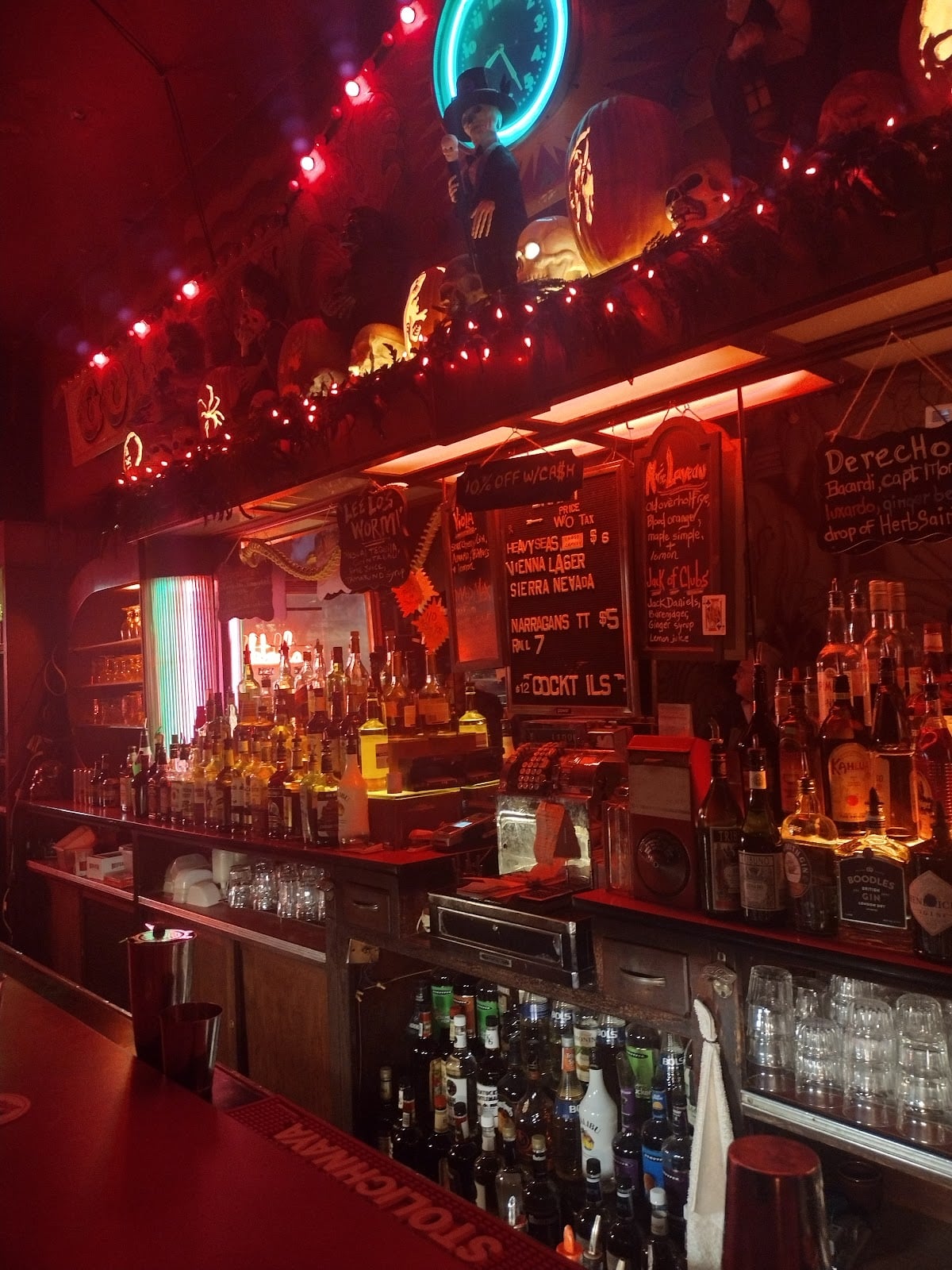
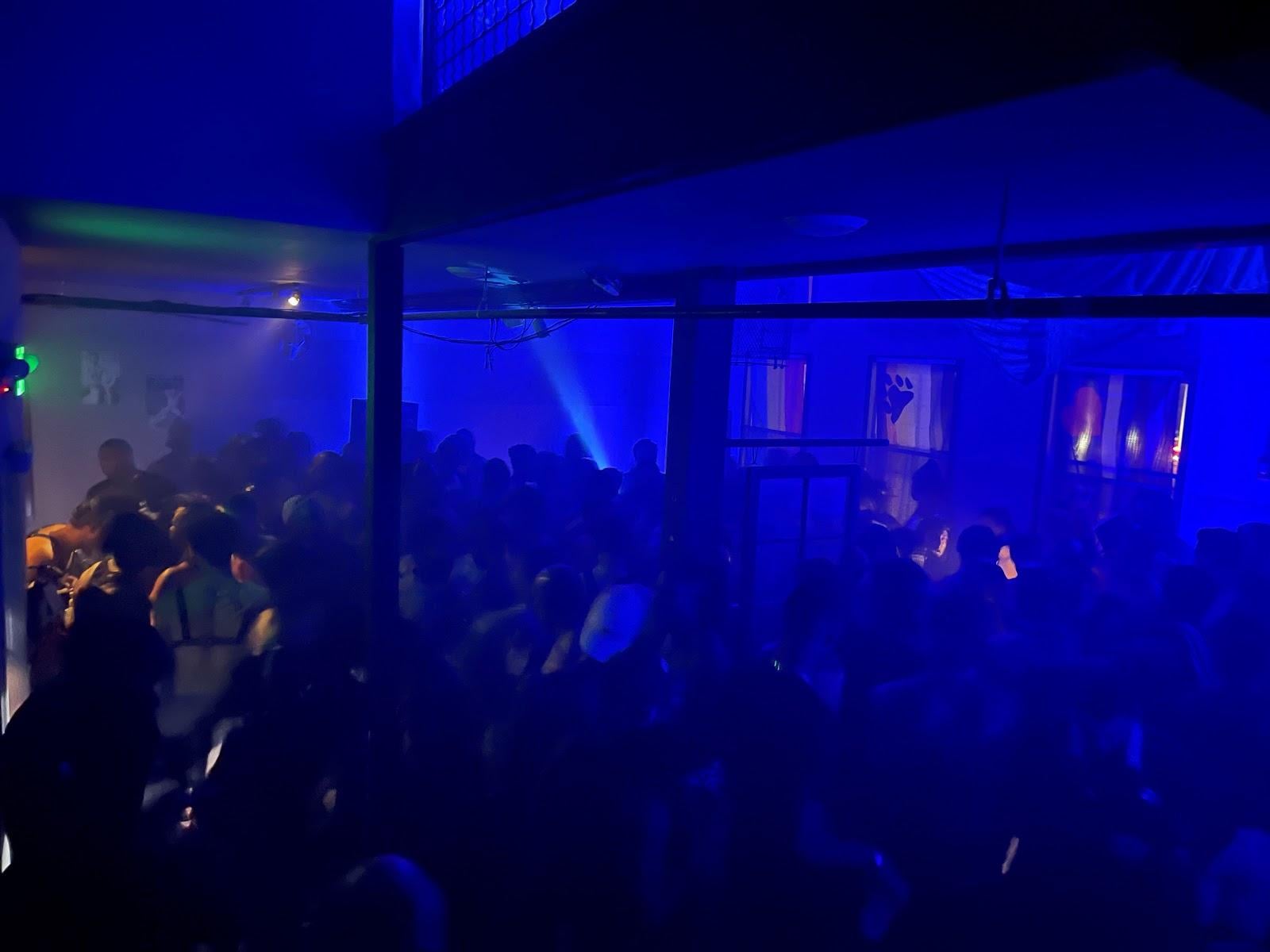
ذا بالتيمور إيجل (2022 N. Charles St) هو البار والملهى الليلي الرائد في المدينة لمحبي الجلد والممارسات البديلة، ويمتد على عدة طوابق في تشارلز نورث. في ماونت فيرنون، ليونز — على زاوية بارك أفنيو وشارع تشيس — هو أقدم بار للمثليين في بالتيمور، ويعمل باستمرار منذ عام 1957 ومن بين الأقدم في البلاد، ويستضيف قسمه المجاور "باكروم" عروض الكاريوكي والسحب؛ بعد وفاة مالكه القديم في عام 2026، أغلق مؤقتًا، وتعمل المجتمع لإعادة افتتاحه. بالقرب منه، ذا درينكري (205 W. Read St) هو بار شعبي للمثليين يقدم الكاريوكي، وتُعرف توربس (1317 N. Charles St) بأنها بار الرياضة للمثليين في بالتيمور مع ألعاب، وغداء متأخر، وعروض سحب. ميكسرز، في هاميلتون، هو بار ودود للمثليين في حي شمال شرق المدينة، وروان تري يجلب المشهد إلى فيدرال هيل. كلوب تشارلز، وهو بار فني في ستيشن نورث له صلات عميقة بجون ووترز، هو مؤسسة صديقة للمثليين في بالتيمور.
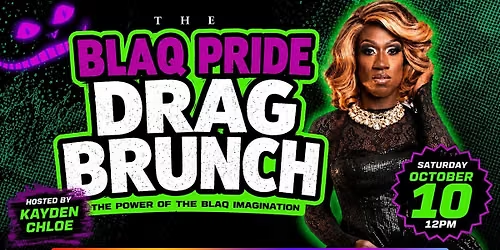
تنتشر عروض السحب في جميع أنحاء المشهد، من عروض "باكروم" إلى غداء توربس، ويقدم التجمع الفني للمثليين "تشام سيتي كيتي كلوب" عروضًا متكررة في جميع أنحاء المدينة.
حمامات ومواقع التعارف
لا توجد حمامات للمثليين أو ساونا عاملة في بالتيمور اليوم؛ أقربها هو كرو كلوب في واشنطن العاصمة، على بعد حوالي ساعة جنوبًا. بالنسبة لمواقع التعارف، يتمتع درويد هيل بارك في شمال غرب بالتيمور بسمعة راسخة ولكنها غير رسمية وغامضة بعد حلول الظلام — يتم تسيير دوريات في الحديقة وتغلق ليلاً، لذا فإن التكتم والوعي بالقانون المحلي والسلامة الشخصية أمران ضروريان.
الاعتزاز والفعاليات
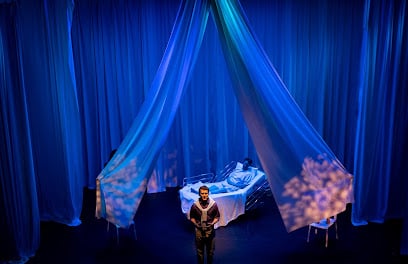
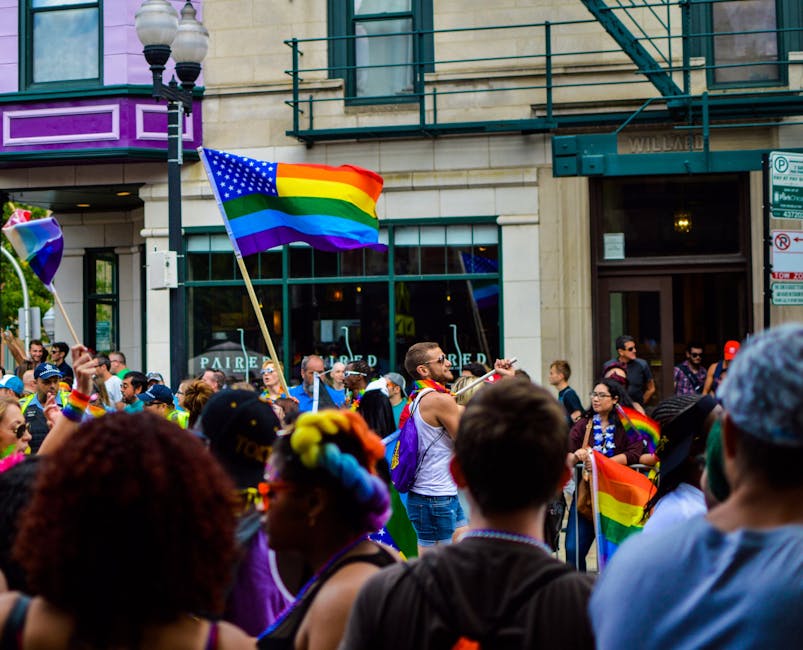
بالتيمور برايد، الذي تنظمه مركز برايد في ماريلاند، هو أكبر احتفال سنوي للمثليين والمتحولين جنسياً والمزدوجي الميل الجنسي في المدينة ويقام في شهر يونيو. يمتد الموكب على طول شارع نورث تشارلز من ستيشن نورث باتجاه تشارلز فيليدج، مع حفلة في الشارع ومهرجان في حديقة درويد هيل وما حولها؛ شهد عام 2025 الذكرى الخمسين للمهرجان. تنتج مسرح آيرون كرو، وهي شركة مسرحية محترفة للمثليين في بالتيمور، موسمًا كاملاً وفي عام 2026 حصلت على أول مقر دائم لها في ريمنغتون. مهرجان ماريلاند للأفلام، الذي يقام كل ربيع في مسرح باركواي في ستيشن نورث، يعرض بانتظام برامج للمثليين والمتحولين جنسياً والمزدوجي الميل الجنسي.
المجتمع والصحة
مركز برايد في ماريلاند (2418 St. Paul St)، الذي تأسس عام 1977 باسم GLCCB وأعيد تسميته في عام 2019، هو المنظمة المجتمعية الرائدة للمثليين والمتحولين جنسياً والمزدوجي الميل الجنسي في الولاية، ويدير برامج صحية ورفاهية وشبابية وينظم احتفالات برايد. تشيس بريكستون للرعاية الصحية (1111 N. Charles St)، التي نشأت من مجتمع المثليين في السبعينيات، هي مركز صحي مؤهل فيدراليًا مع مركز معترف به وطنيًا لتحقيق المساواة الصحية للمثليين والمتحولين جنسياً والمزدوجي الميل الجنسي. تقدم فري ستيت جاستيس advocacy قانونية على مستوى الولاية للمثليين والمتحولين جنسياً والمزدوجي الميل الجنسي وعيادات لتغيير الأسماء/العلامات الجنسية.
أين تقيم
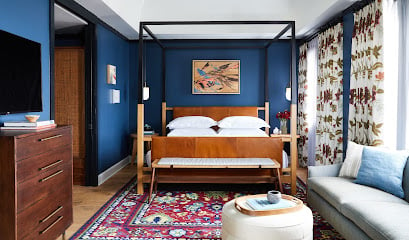
يضع ماونت فيرنون الزوار على مسافة قريبة سيرًا على الأقدام من الحانات والمواقع الثقافية؛ فندق ريفيفال، وهو فندق بوتيكي في ماونت فيرنون بليس، هو مكان مفضل وأنيق وصديق للمثليين والمتحولين جنسياً والمزدوجي الميل الجنسي. فنادق وسط المدينة والميناء الداخلي - بما في ذلك لورد بالتيمور، وفندق أوليسيس، وسونيستا، وفندق بريكستون - تضع الضيوف بالقرب من وسائل النقل والمعالم السياحية، على بعد مسافة قصيرة بالسيارة أو سيرًا على الأقدام من الحياة الليلية.
التنقل
تدير هيئة النقل في بالتيمور حافلات وقطارات خفيفة و Charm City Circulator (حافلة مجانية في وسط المدينة). ماونت فيرنون، ستيشن نورث، والميناء الداخلي يمكن الوصول إليها سيرًا على الأقدام ومتصلة بوسائل النقل؛ تتوفر خدمات مشاركة الركوب على نطاق واسع وغالبًا ما تكون أسهل طريقة للتنقل بين الأحياء بعد حلول الظلام.
الطعام والثقافة
تشتهر بالتيمور بـ "الكابوريا" والمأكولات البحرية، وتوفر الأحياء التي تضم أماكن مخصصة لمجتمع الميم عين (LGBTQ+) كل شيء بدءًا من حانات النبيذ الطبيعي والمطاعم الصغيرة المحلية وصولًا إلى المطاعم المستقلة ذات الشهرة الواسعة. تشمل المعالم الثقافية متحف والترز للفنون، ومتحف بالتيمور للفنون، وحوض السمك الوطني، والمسارح والمعارض في Station North.
رحلات يومية
تتمتع واشنطن العاصمة، التي تبعد حوالي 40 ميلًا جنوبًا ويمكن الوصول إليها بقطار MARC، بمشهد خاص بها لمجتمع الميم عين (LGBTQ+) وأقرب حمام للمثليين في المنطقة. أما Rehoboth Beach في ديلاوير - على بعد ساعتين ونصف تقريبًا شرقًا - فهي المنتجع الشاطئي الرائد للمثليين في منطقة وسط الأطلسي، مع شاطئ Poodle Beach ومشهد صيفي كامل. وتعد أنابوليس، عاصمة ماريلاند الساحلية، رحلة سهلة لنصف يوم.
اعتبارات السلامة
تعد Mount Vernon و Station North و Federal Hill و Canton بشكل عام أماكن مريحة وآمنة للمشي لزوار مجتمع الميم عين (LGBTQ+)، ليلاً ونهارًا. تتمتع ماريلاند بحماية قوية ضد التمييز، وزواج المثليين قانوني منذ عام 2013. وكما هو الحال في أي مدينة كبيرة، كن على دراية بمحيطك، والتزم بالشوارع المأهولة في وقت متأخر من الليل، واستخدم خدمات مشاركة الركوب بدلاً من المشي بمفردك عبر مناطق غير مألوفة بعد حلول الظلام.
معلومات عملية
يقع مطار بالتيمور/واشنطن الدولي (BWI) على بعد حوالي 10 أميال جنوبًا، ويتصل بوسط المدينة بقطار MARC والقطار الخفيف. يجلب الربيع والخريف طقسًا معتدلًا؛ الصيف حار ورطب، مع موسم الفخر (Pride) في يونيو الذي يمثل نقطة انطلاق في تقويم المجتمع.





 (20).-17b5339037bc1bcc1a4c6d833becef7f.jpg)







 حانات ونوادٍ مثلية
مميز
(238)
حانات ونوادٍ مثلية
مميز
(238)