Ehe für alle seit Mai 2013 (Loi Taubira). Entkriminalisiert 1791 – älteste der Welt. ART/IVF für lesbische Paare seit 2021. Konversionstherapie verboten Februar 2022. Trans-rechtliche Geschlechtsänderung ohne Operation seit 2017, erfordert aber Gerichtsbeschluss (keine Selbstauskunft). Nicht-binäres Geschlecht rechtlich nicht anerkannt. Blutspende-Beschränkungen vollständig aufgehoben 2022. März 2024: Staat erkennt Verfolgung schwuler Männer vor 1980 an. Paris ist eines der Top-LGBTQ+-Reiseziele der Welt; Le Marais ist ein…
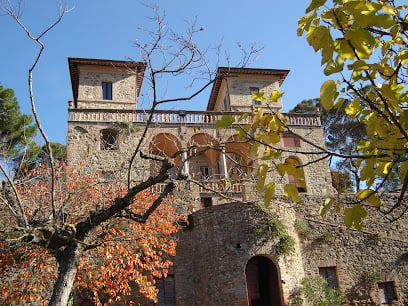
Elegantes, schwulenfreundliches Boutique-Hotel in einer provenzalischen Villa aus dem 19. Jahrhundert im 8. Arrondissement – Pool, Garten, ruhige Wohngegend, 10 Autominuten vom Stadtzentrum entfernt.
Stilvolles, designorientiertes Hotel im 6. Arrondissement am Rande des Cours Julien – das schwulenfreundlichste große Hotel in Marseille, mit Dachterrasse und durchweg hohen Bewertungen.
Entdecken Sie Maison Sénac, ein inklusives und einladendes LGBTQ+-freundliches Hotel im pulsierenden Herzen von Marseille, Frankreich, perfekt für Ihren Urlaub in der Provence-Alpes.
Entdecken Sie The People Hostel - Marseille, eine inklusive und einladende LGBTQ+-freundliche Unterkunft im Herzen von Marseille, Frankreich, perfekt für die Erkundung der Provence-Alpes.
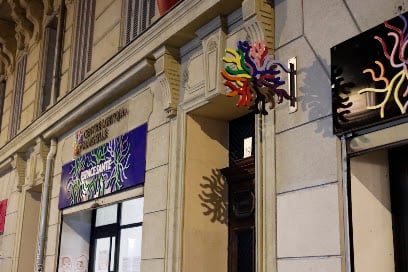
Das wichtigste LGBTQ+ Gemeindezentrum für Provence-Alpes-Côte d'Azur — Interessenvertretung, Selbsthilfegruppen, Gesundheitsdienste, Veranstaltungen und Drehscheibe für die Organisation der Marseille…
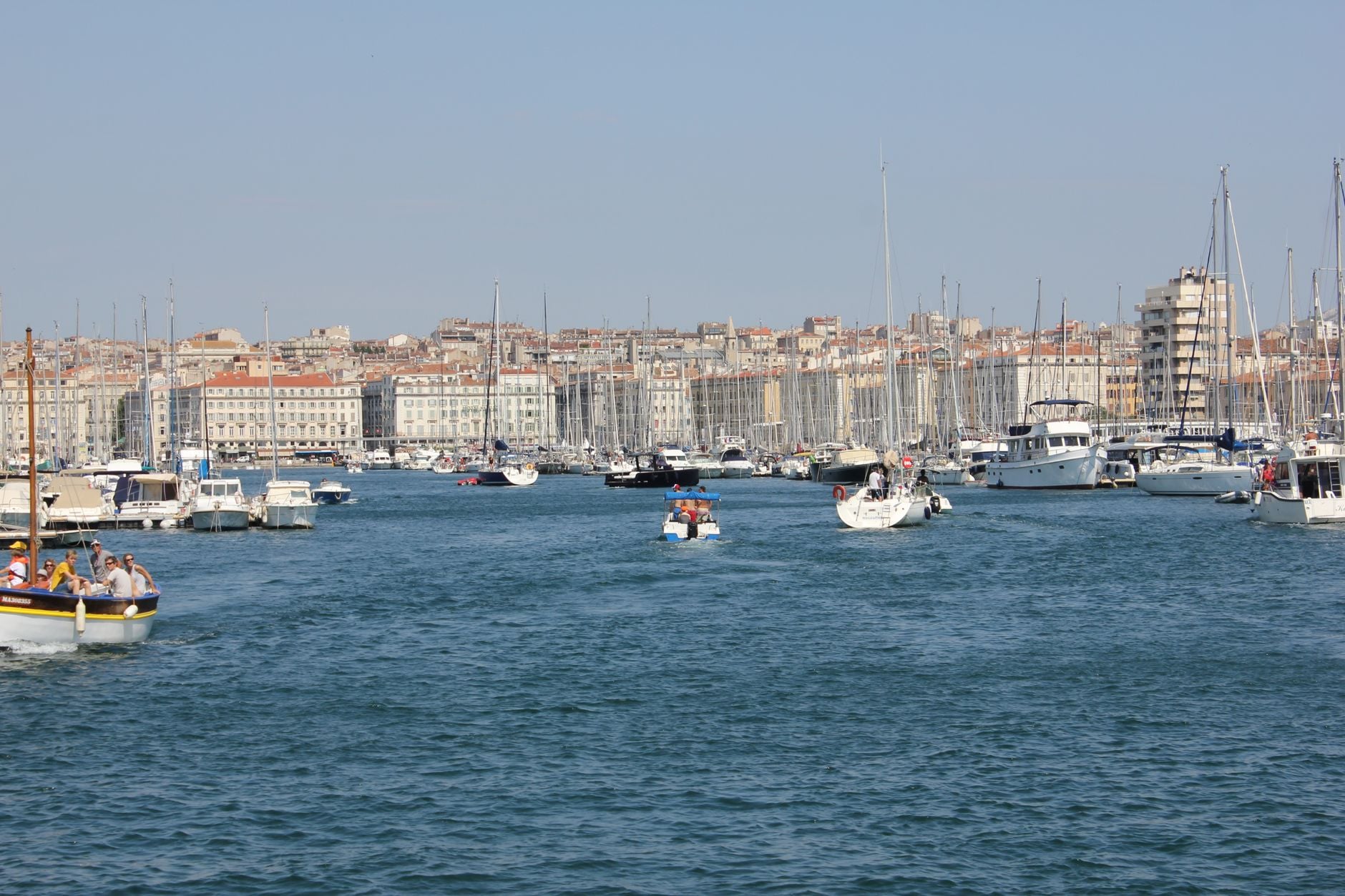
Die queere Geschichte Marseilles ist untrennbar mit seinem Hafen verbunden. Seit Jahrhunderten sind Hafenstädte auf der ganzen Welt offener für verschiedenste Menschen, auch für jene, die nicht dem heterosexuellen Mainstream angehören. Frankreich entkriminalisierte Homosexualität bereits 1791 und legalisierte die gleichgeschlechtliche Ehe 2013, doch Marseille entwickelte seine eigene, unverwechselbare queere Kultur. Sie ist eine Mischung aus bodenständiger Arbeiterklasse, Einwanderergemeinschaften und einem langen künstlerischen Erbe.
Gay-Reisende und Einwohner begannen ab der zweiten Hälfte des 20. Jahrhunderts hierherzukommen. Die Szene war nie so sichtbar oder kommerziell wie in Paris, aber sie existierte. Nun möchte Marseille als LGBTQ+-Destination bekannt werden, mit Unterstützung der Stadt für den Pride und mehr queere Geschäfte.
Wohin gehen?
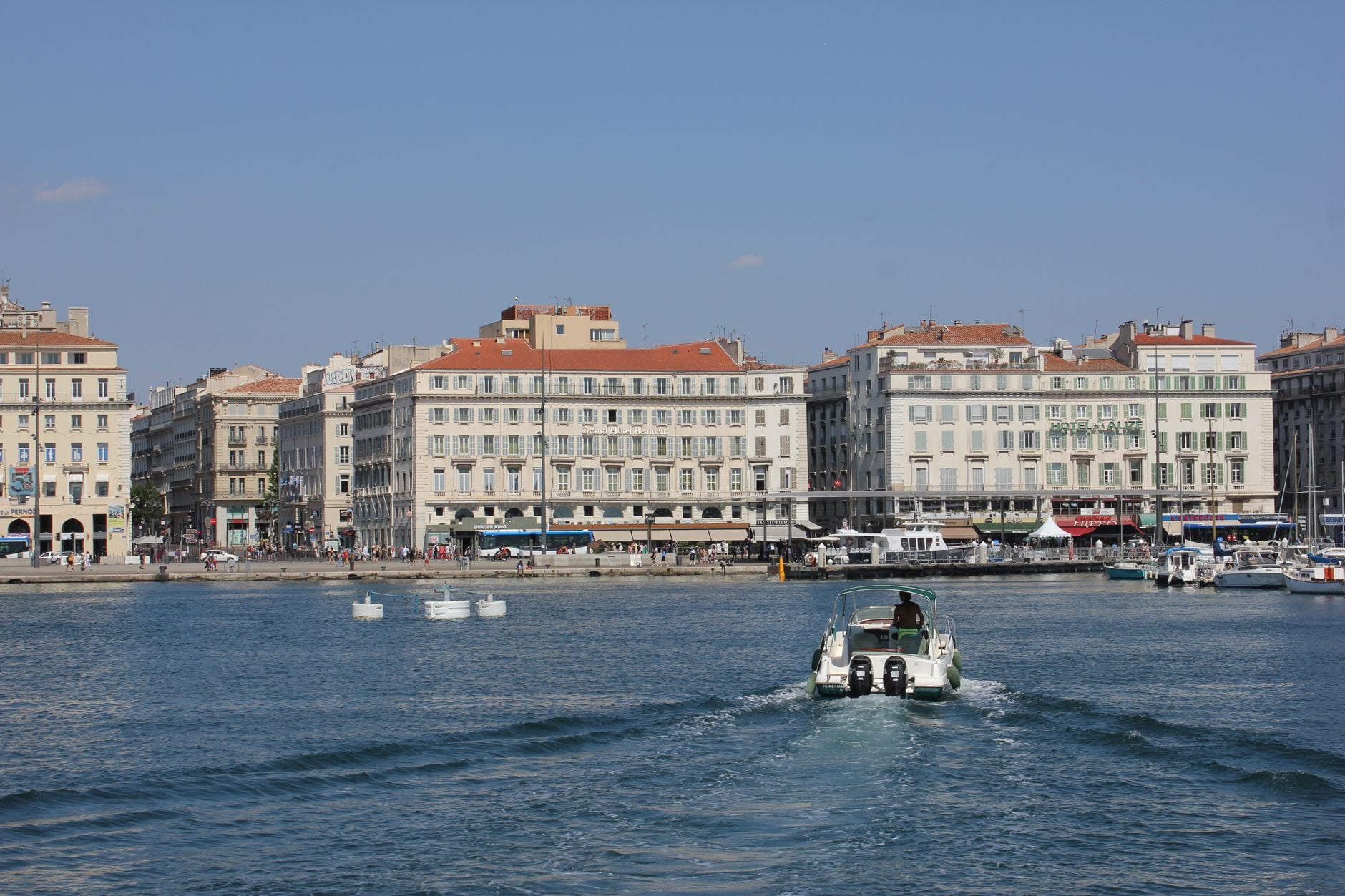
Die Gegend um den Vieux Port, das alte Herz der Stadt, bleibt zentral. Die Uferpromenade bietet zahlreiche Restaurants, Cafés und Bars, von denen viele ein gemischtes Publikum anziehen, darunter auch lokale queere Menschen. Die Straßen rundherum beherbergen weitere queere-freundliche Orte.
Oberhalb des Vieux Port liegt Le Panier, ein böhmisches Labyrinth aus engen Gassen, unabhängigen Galerien und Vintage-Läden. Es ist touristischer geworden, fühlt sich aber immer noch authentisch kreativ an und heißt queere Besucher willkommen. Gut zum Spazierengehen, Cafés entdecken und das lokale Leben aufsaugen.
Course Julien, im Stadtzentrum, ist ein weiterer Ort mit einer eklektischen Mischung aus Geschäften, Restaurants und Bars. Es hat eine junge, künstlerische Atmosphäre und ist beliebt bei Einheimischen und Besuchern, einschließlich der LGBTQ+-Community.
Nachtleben
Marseille hat kein einzelnes, konzentriertes Gay-Viertel. Bars und Clubs sind verstreut. Sie finden schwulenorientierte Bars und Cafés, besonders rund um den Vieux Port und in den zentralen Bereichen. Einige sind nur für schwule Männer, andere sind gemischt und queer-freundlich.
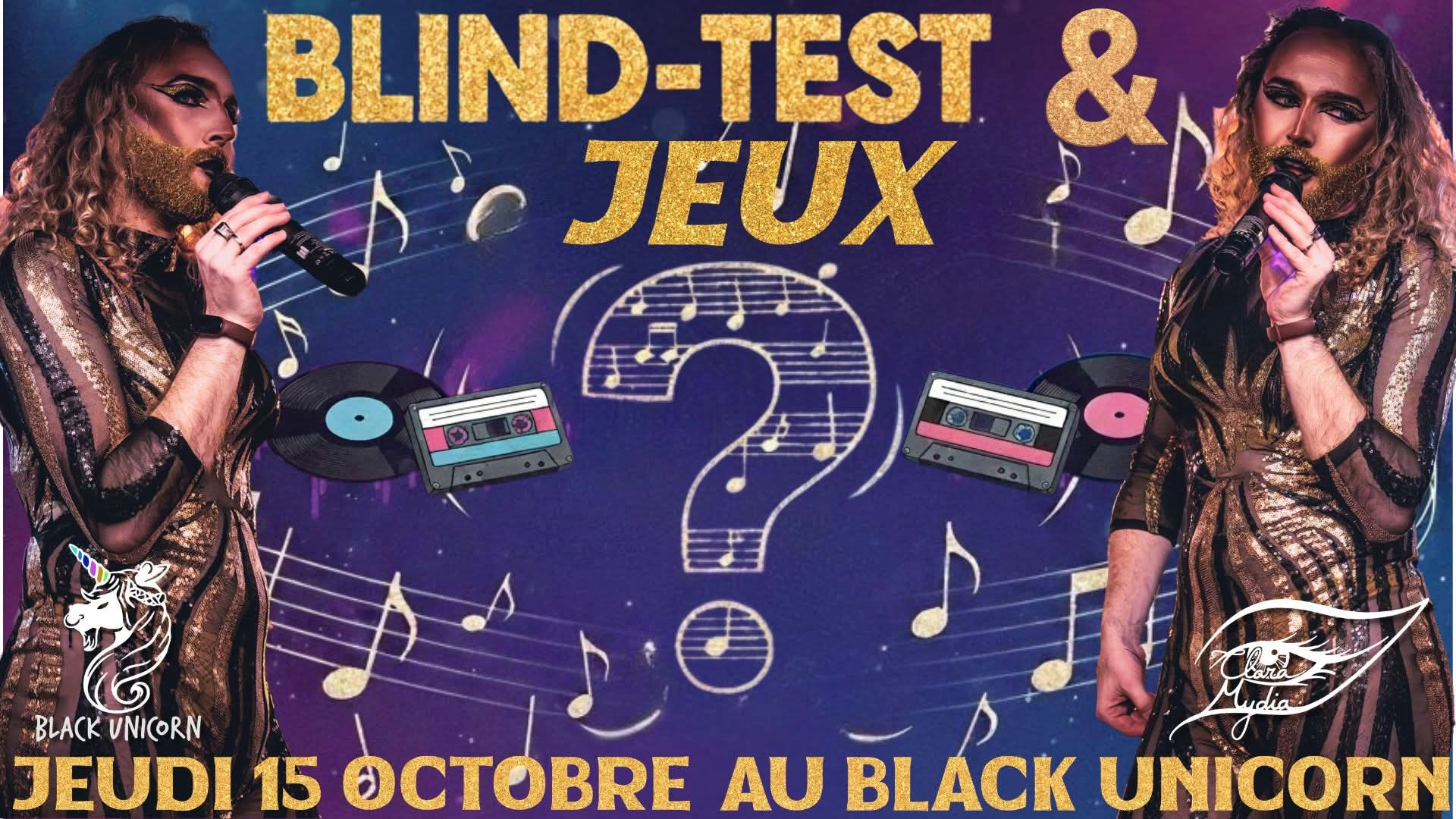
Das Nachtleben ist kleiner als in Paris, aber authentisch. Der Sommer bedeutet mehr Außenbereiche, wobei Bars und Terrassen am Wasser zu natürlichen Treffpunkten werden. Einige Orte bieten Themenabende, DJs und gelegentliche Auftritte für LGBTQ+-Publikum.
Pride und Veranstaltungen
Der Marseille Pride (Marche des Fiertés de Marseille) findet normalerweise im Mai statt. Es ist das größte LGBTQ+-Event der Stadt mit einer Parade, Konzerten, kulturellen Programmen und Partys. Dank der verstärkten Unterstützung durch die Stadt hat es in letzter Zeit an Bedeutung gewonnen.
Über den Pride hinaus bietet Marseille das ganze Jahr über kulturelle Veranstaltungen. Die Stadt hat Filmfestivals und Kunstprogramme, die oft LGBTQ+-Themen beinhalten, auch wenn dies nicht immer so beworben wird. Halten Sie Ausschau nach sommerlichen Strandpartys und Circuit-Events im Juli und August, wenn der Tourismus seinen Höhepunkt erreicht.
Unterkünfte
Wenn Sie in der Nähe des Vieux Port übernachten, haben Sie einfachen Zugang zu Restaurants am Wasser, Sehenswürdigkeiten und einem Großteil des gesellschaftlichen Lebens. Die Hotels hier reichen von Luxus bis zu preiswerten Optionen. Es ist die touristischste Gegend, aber auch die bequemste.
Le Panier bietet ein eher Bohème-Flair. Hier finden Sie Pensionen, kleine Hotels und Ferienwohnungen. Es ist gut zu Fuß erkundbar und atmosphärisch, kann aber auch voll werden, besonders in den Hauptstraßen.
Course Julien und das Stadtzentrum bringen Sie in die Nähe von Restaurants, Bars und dem lokalen Leben, ohne den Touristenansturm des Vieux Port. Diese Gegenden verfügen über gute öffentliche Verkehrsmittel und vermitteln eher das Gefühl des alltäglichen Marseille.
Wenn Sie Strandzeit wünschen, übernachten Sie im nahegelegenen Cassis oder in kleineren Küstenstädten. Bedenken Sie jedoch, dass die städtische Schwulenszene dort nicht so ausgeprägt sein wird.
Fortbewegung
Marseille verfügt über ein effizientes öffentliches Nahverkehrssystem (RTM) mit Metro-, Bus- und Straßenbahnlinien. Die Metro verbindet die wichtigsten Viertel und ist eine einfache und günstige Möglichkeit, sich fortzubewegen. Auch zu Fuß ist es in den zentralen Bereichen gut machbar, besonders zwischen dem Vieux Port und den umliegenden Vierteln.
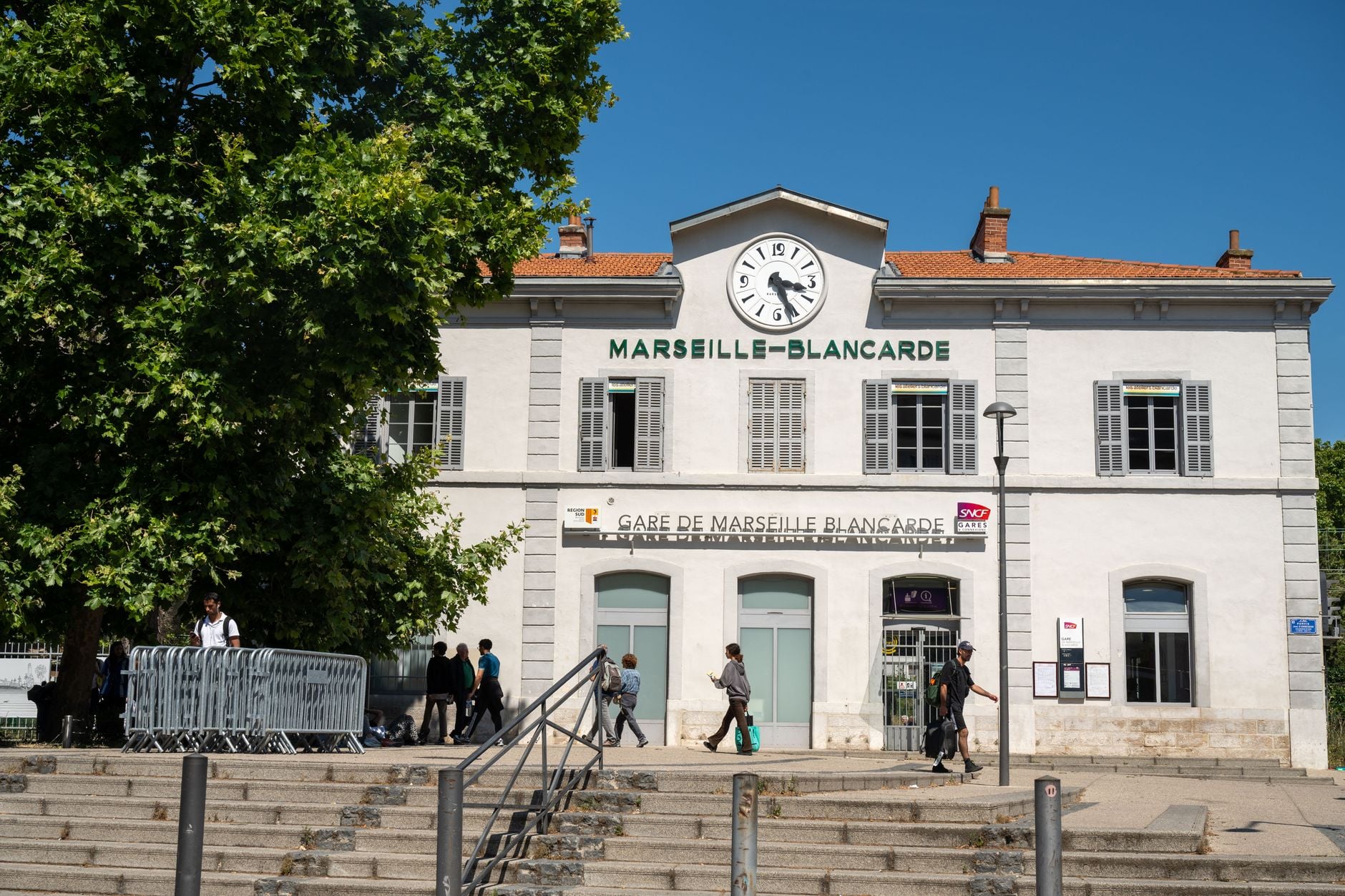
Die Stadt ist gut an das regionale Bahnnetz (SNCF) angebunden. Sie erreichen Paris in etwa 3 Stunden, und Lyon, Nizza und andere französische Städte sind ebenfalls direkt erreichbar. Der Flughafen Marseille-Provence (MPR) liegt etwa 25 Kilometer nördlich des Stadtzentrums und bietet Shuttles, Taxis und Autovermietungen, um Sie in die Stadt zu bringen.
Sicherheit
Marseille ist generell sicher für LGBTQ+-Reisende, besonders in den zentralen Touristengebieten. Frankreich hat starke Antidiskriminierungsgesetze und die Ehe für alle ist gesetzlich verankert. Dennoch gilt, wie in jeder Großstadt, Vorsicht: Achten Sie besonders nachts oder in abgelegenen Gegenden auf Ihre Umgebung. Der Vieux Port ist zwar touristisch, aber Taschendiebstahl kommt vor; behalten Sie Ihre Wertsachen im Auge. Außerhalb der Haupttouristenzonen ist es generell sicher, aber nach Einbruch der Dunkelheit weniger belebt.
Marseille hat große Einwanderergemeinden aus Nordafrika und anderen Regionen. Das prägt den Charakter der Stadt, bedeutet aber auch, dass die Einstellungen gegenüber LGBTQ+-Menschen trotz gesetzlicher Schutzmaßnahmen je nach Viertel variieren können. Die zentralen, touristischen Gegenden und die künstlerischen Gemeinschaften in Le Panier und Course Julien sind bemerkenswert LGBTQ+-freundlich.
Essen und Kultur
Die Küche Marseilles ist mediterran und provenzalisch, mit Fisch und Meeresfrüchten überall. Bouillabaisse, ein traditioneller Fischeintopf, ist die lokale Spezialität, kann aber in Touristenfallen teuer sein. Die Stadt bietet gute Möglichkeiten für ungezwungenes Essen, mit Restaurants und Cafés von günstig bis gehoben rund um den Vieux Port und in den zentralen Vierteln.
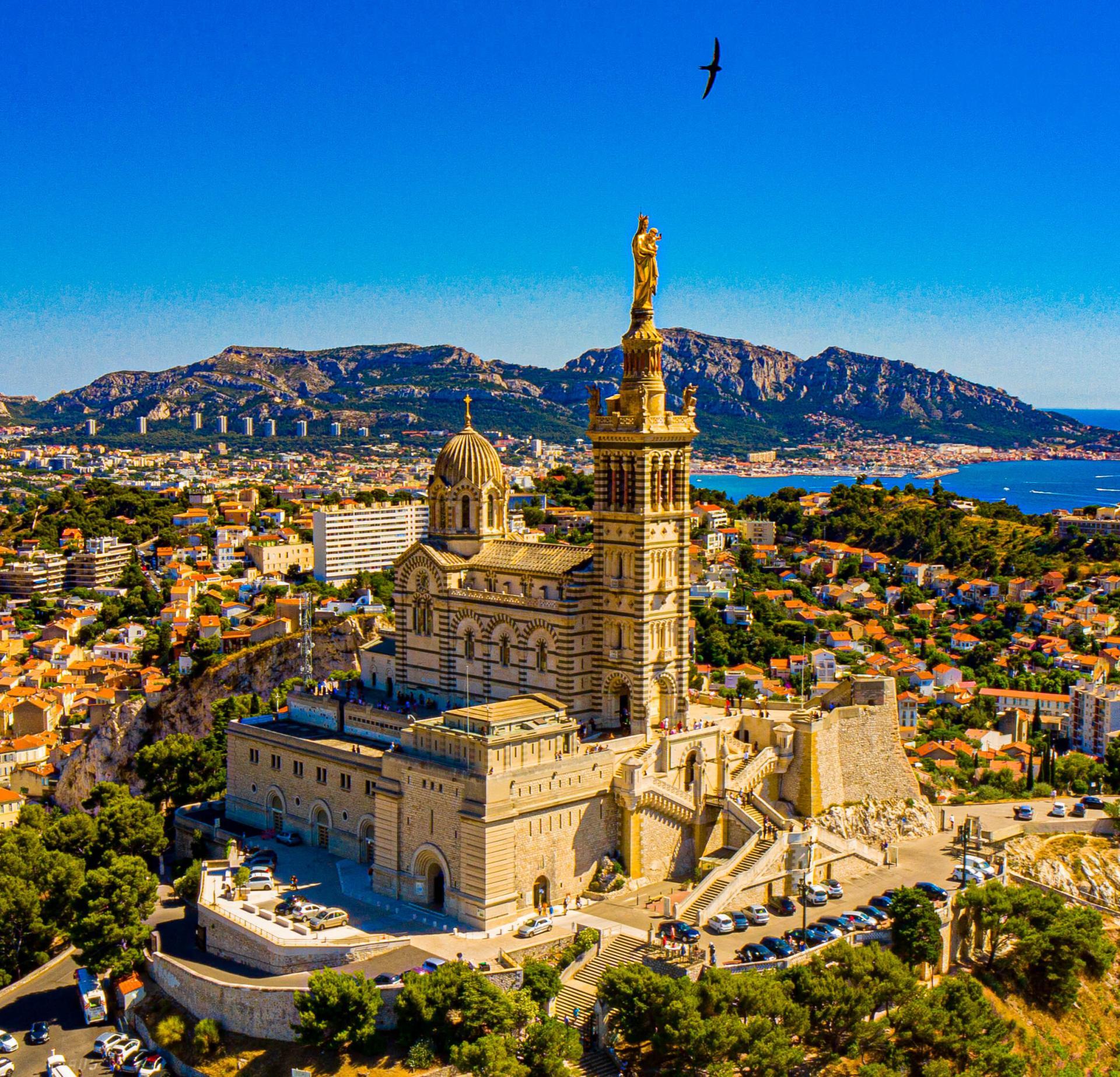
Kulturell finden Sie das Musée des Beaux-Arts, Räume für zeitgenössische Kunst und Galerien, besonders in Le Panier und rund um Cours Julien. Die Basilika Notre-Dame de la Garde thront über der Stadt und ist einen Besuch wert. Die Uferpromenade lädt zu Spaziergängen ein, besonders bei Sonnenuntergang.
Marseille hat eine lebendige Musik- und Kunstszene mit Live-Auftritten, Ausstellungen und Veranstaltungen. Die kreative Gemeinschaft der Stadt zeigt sich in der Straßenkunst, den unabhängigen Galerien und den Aufführungsorten in den zentralen Vierteln.
Tagesausflüge
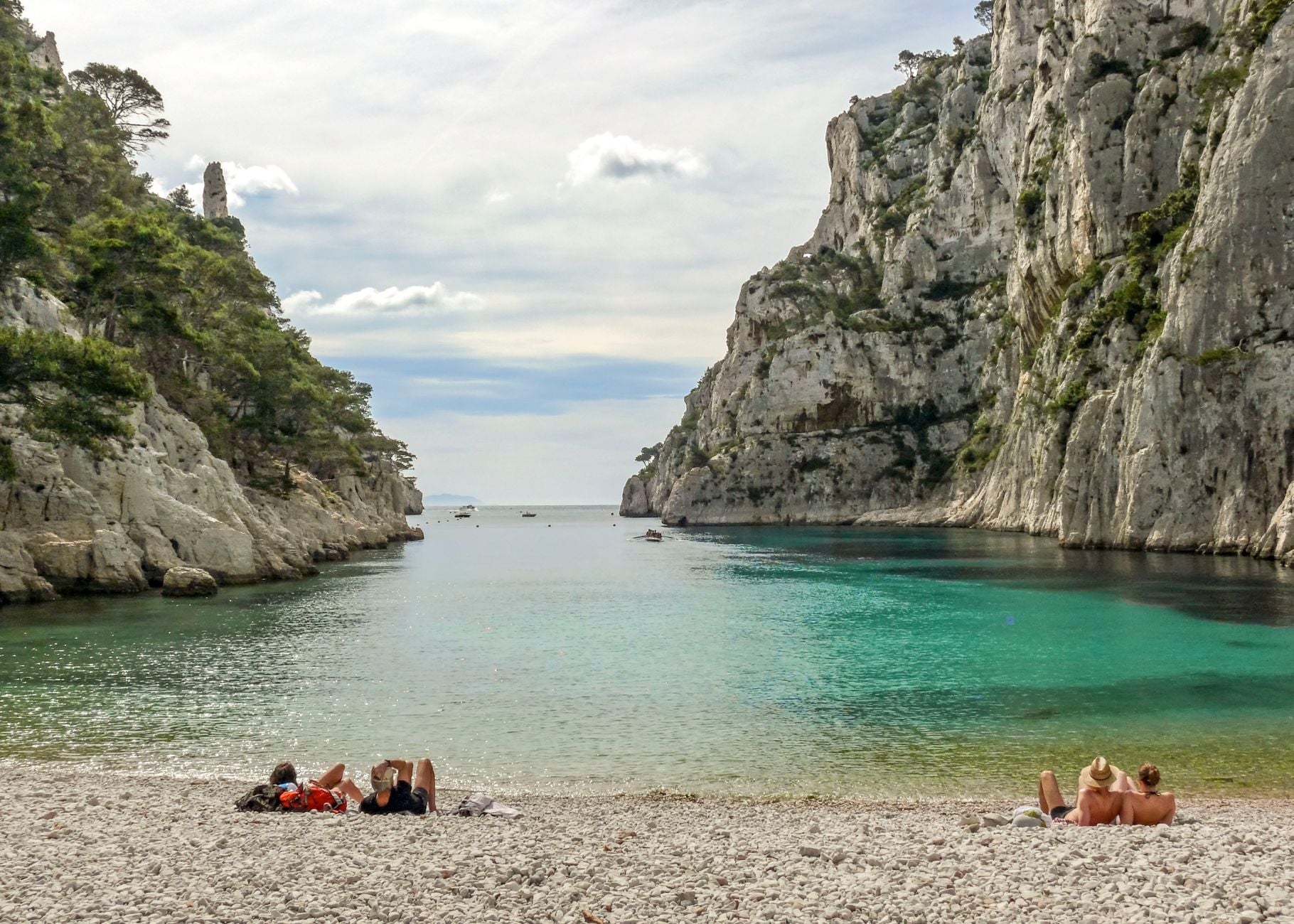
Cassis, etwa 30 Kilometer südöstlich gelegen, ist ein Küstendorf mit dramatischen Kalksteinklippen, kleinen Stränden und gutem Fisch. Die Calanques (Kalksteinfelsbuchten) zwischen Cassis und La Ciotat sind atemberaubend und können per Bootstour oder Wanderung erkundet werden. Cassis ist mit dem Zug gut erreichbar (ca. 40 Minuten) und eignet sich hervorragend für einen Tagesausflug.
Aix-en-Provence, 30 Kilometer nördlich, ist eine elegante Universitätsstadt mit schöner Architektur und einem lebhaften sozialen Leben. Mit dem Zug ist es etwa 45 Minuten von Marseille entfernt und bietet ein kultivierteres provenzalisches Erlebnis.
Die Iles d'Hyères – Porquerolles, Port-Cros und Île du Levant – sind per Fähre vom nahegelegenen Hyères (etwa eine Stunde von Marseille) erreichbar. Diese Inseln bieten Strände, Naturschutzgebiete und sind autofrei. Île du Levant ist seit langem mit dem Naturismus und alternativen Gemeinschaften verbunden.
Von Juli bis August blühen die Lavendelfelder der Provence. Gebiete um Valence und in der Provinz Drôme sind für Tagesausflüge oder längere Exkursionen von Marseille aus erreichbar.
Praktische Infos
Französisch ist die Hauptsprache. In Touristengebieten und bei jüngeren Leuten hört man Englisch, aber nicht überall. Grundkenntnisse in Französisch sind hilfreich.
Frankreich verwendet den Euro. Marseille ist günstiger als Paris, erfordert aber dennoch ein moderates Budget. Ein legeres Mittagessen kostet 7-15 €; ein feines Abendessen 30 € und mehr. Die Unterkunftspreise variieren je nach Lage und Saison.
Von Mai bis September ist es warm, wobei die Sommermonate die Hauptsaison sind. Im Mai findet die Pride statt. Frühling und früher Herbst bieten angenehmes Wetter mit weniger Touristen.
Die meisten Besucher benötigen einen gültigen Reisepass. EU/EWR-Bürger und viele andere benötigen für Frankreich kein Visum. Informieren Sie sich über die aktuellen Bestimmungen bei den französischen Konsulaten.
Häufig gestellte Fragen
Marseille zeigt eine wachsende Akzeptanz seiner schwulen und lesbischen Gemeinschaft, wobei Vielfalt normalisiert wird. Die Gegend um den Vieux Port wird als sicher und gut beleuchtet mit ständigem Fußgängerverkehr beschrieben.
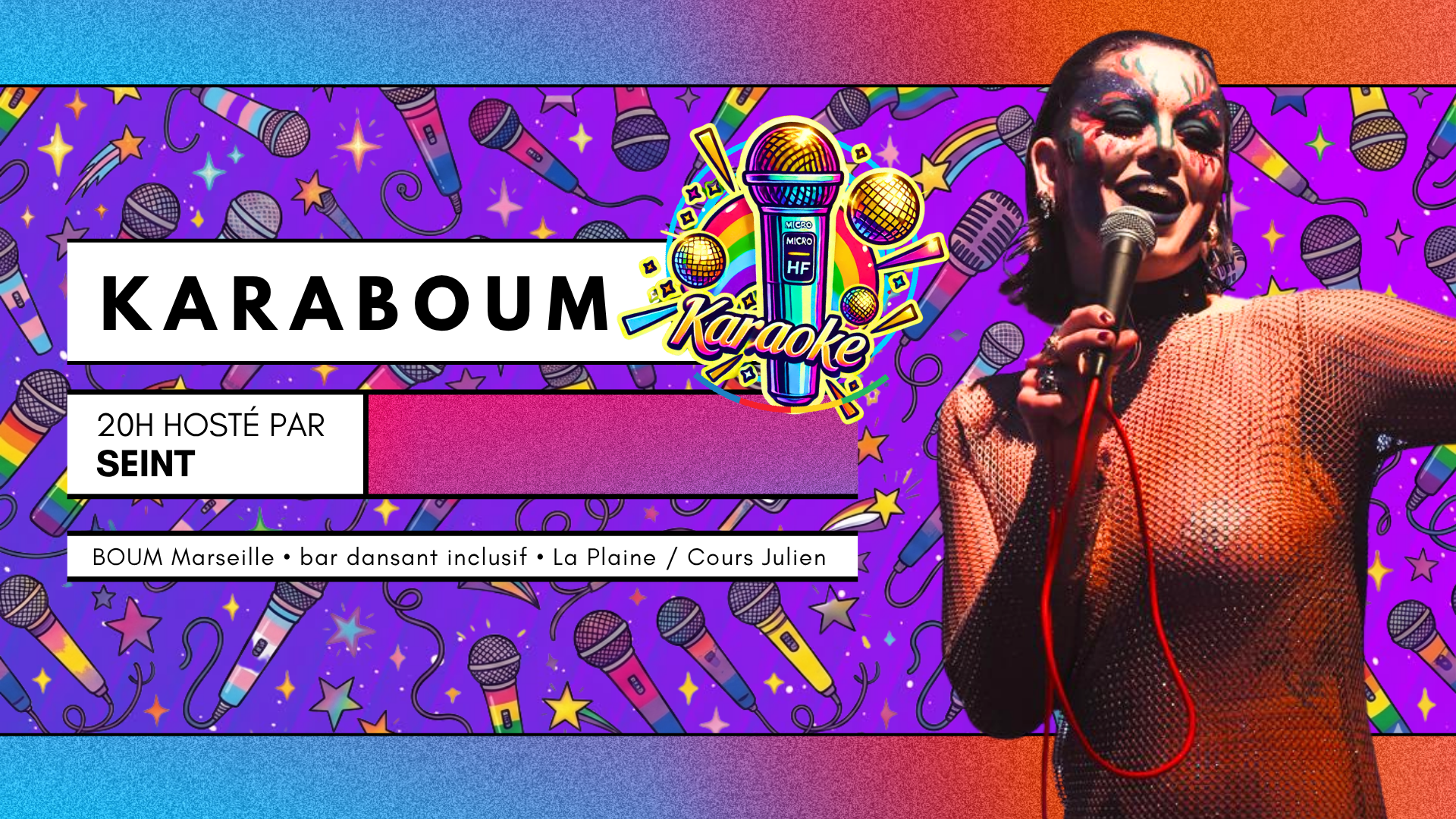
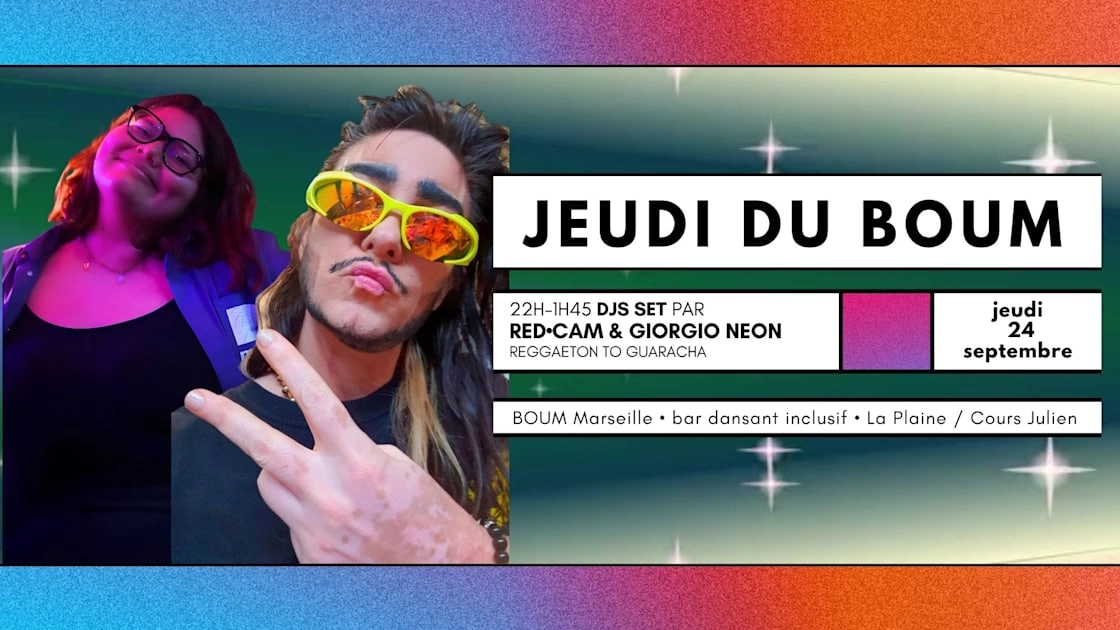
Marseille hat kein einzelnes Gay-Viertel im Stil des Marais, aber die Szene ist konzentriert. Das heutige Hauptzentrum ist Cours Julien / La Plaine (6. Arr.) – Heimat von Le Pulse, L Annexe und Le Boum – mit einem älteren Cluster von Bars und Clubs in der Nähe des Vieux-Port und Noailles (Le New Cancan, L Enigme, Le Mineshaft, The Trash Bar).
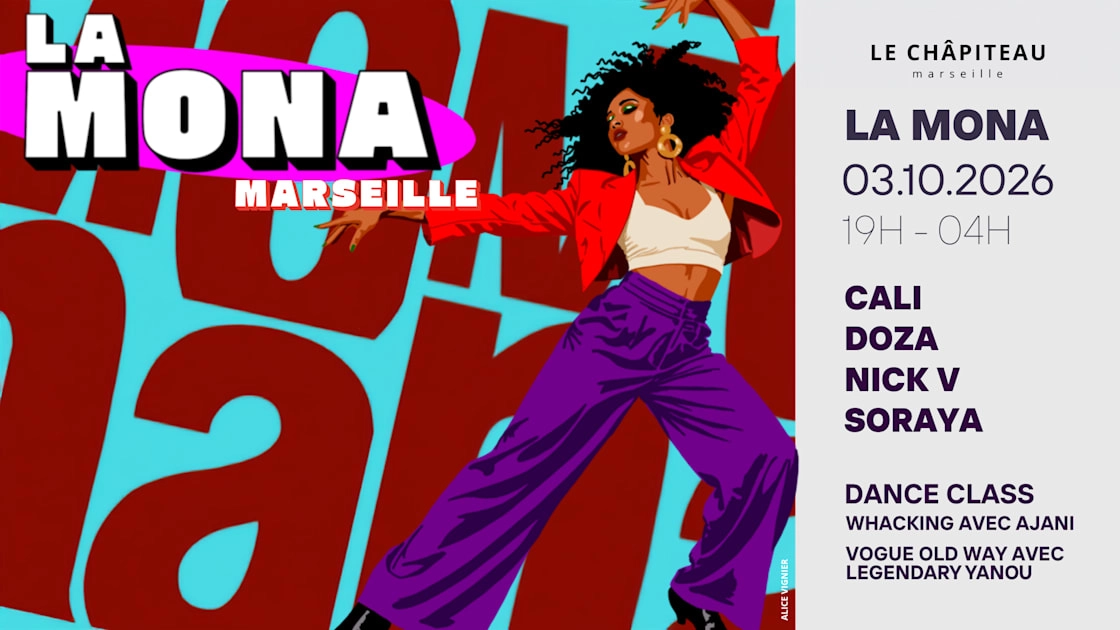
Das schwule Nachtleben in Marseille konzentriert sich auf Cours Julien / La Plaine (Le Pulse in der Cours Julien 94, L Annexe, die queere Bar Le Boum) sowie auf einen älteren Cluster in der Nähe des Vieux-Port – dem seit langem bestehenden Gay-Club Le New Cancan, dem cruisy L Enigme, dem Lederclub Le Mineshaft und der Darkroom-Bar The Trash Bar. Es ist kleiner und stärker gemeinschaftsorientiert als Paris.
Es gibt kein einzelnes offizielles Gay-Viertel, aber die Gay-Szene ist erkennbar um Cours Julien / La Plaine (6. Arr.) für Bars konzentriert, mit einem zweiten, älteren Nachtleben-Cluster in der Nähe des Vieux-Port und Noailles. Die Gemeinschaft ist gut in die breitere Stadt integriert, anstatt sich auf eine Straße zu konzentrieren.
Der Pride Marseille (der Marche des Fiertés) findet Anfang Juli statt und wird von der Fierté Marseille Organisation organisiert. Die Ausgabe 2025 (die 32., seit 1993 jährlich stattfindend) zog etwa 40.000 Menschen an; der Marsch 2026 versammelte sich auf der Place Castellane. Eine separate, militantere Pride Radicale findet am Freitagabend zuvor statt.
Das schwule Nachtleben in Marseille ist bescheidener als in großen französischen Städten und eignet sich für Reisende, die unkomplizierte soziale Kontakte suchen. Der Szene fehlt die kommerzielle Dichte größerer Städte.
Ein fehlender Veranstaltungsort, ein geschlossenes Geschäft oder veraltete Informationen? Teilen Sie es uns mit – wir freuen uns darüber. Nichts ist erforderlich.
Nichts verpassen
Die neuesten LGBTQ+-Events und Eröffnungen direkt in Ihr Postfach.
Geben Sie Ihre E-Mail ein, um Pride-Event-Updates und Hinweise zu neuen Locations zu erhalten.
Ihre Datenschutz-Einstellungen.
Wir verwenden Cookies, um GayOut zu betreiben und, mit Ihrer Zustimmung, die Nutzung zu messen. Mehr erfahren ↗
Ihre Datenschutz-Einstellungen
Wir verwenden Cookies, damit GayOut zuverlässig läuft, Ihre Einstellungen gespeichert werden und (mit Ihrer Einwilligung) wir messen können, wie die Seite genutzt wird. Sie können alles akzeptieren, alles ablehnen oder gezielt auswählen. Mehr erfahren ↗
Erforderlich
Erforderlich für Anmeldung, Betrugsschutz, CSRF-Schutz und das Speichern Ihrer Sprache. Können nicht deaktiviert werden.
Immer aktiv
Speichert Ihre Favoriten, den Dark Mode und weitere Oberflächeneinstellungen zwischen Besuchen.
Hilft uns zu verstehen, welche Seiten besucht werden (Google Analytics, serverseitige Statistiken), damit wir besser werden.
Wird von Kampagnen-Tracking-Pixeln genutzt. Derzeit keine aktiv, für zukünftige Nutzung reserviert.
GayOut installieren
Fügen Sie GayOut zu Ihrem Startbildschirm hinzu — schnellerer Zugriff, Favoriten offline und Pride-Hinweise.
















 Schwule Bars & Clubs
Empfohlen
Schwule Bars & Clubs
Empfohlen