Kein nationales Gesetz für eingetragene Partnerschaften oder Ehen – der Gesetzesentwurf von 2025 wurde im Juli 2026 vom Präsidenten Nawrocki mit einem Veto belegt – aber gleichgeschlechtliche Ehen, die in anderen EU-Staaten geschlossen wurden, werden anerkannt (EuGH 2025, bestätigt durch Polens Obersten Verwaltungsgericht im März 2026). Alle „LGBT-freien Zonen“ wurden bis April 2025 abgeschafft, und die rechtliche Geschlechtsanerkennung wurde im März 2025 vereinfacht. Warschau und andere Großstädte sind offen und einladend; ländliche Gebiete sind konservativer.
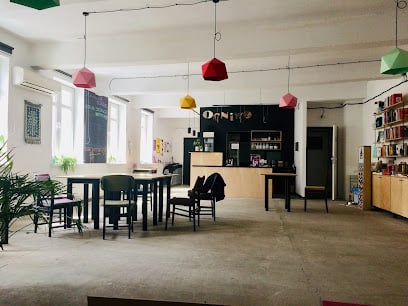
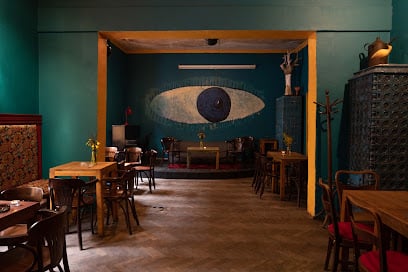
Queer-freundliche Kulturbar und Veranstaltungsort in Kazimierz mit LGBTQ+-Programm, Kunstausstellungen und einer gemischten Menge aus Künstlern, Aktivisten und Gemeindemitgliedern.
Kraków-Filiale der Campaign Against Homophobia (KPH) — Polens führende LGBTQ+-Rechtsorganisation, die Gemeinschaftsunterstützung und rechtliche Beratung bietet und den jährlichen Kraków Equality…
Die LGBTQ+-Community in Kraków hat sich in den letzten Jahrzehnten im Rahmen des sich wandelnden sozialen und politischen Kontexts Polens entwickelt. Während Polen rechtliche Fortschritte verzeichnete, darunter die Entkriminalisierung von gleichgeschlechtlichen Beziehungen im Jahr 1932 und einige Antidiskriminierungsgesetze, bleibt es ein sozial konservatives Land. Trotzdem bietet Kraków mit seiner bedeutenden Studentenpopulation und seinen kulturellen Institutionen ein vergleichsweise offeneres Umfeld als viele andere polnische Städte.
Die sichtbare LGBTQ+-Szene hier ist jünger als in westeuropäischen Hauptstädten, hat sich aber seit den 2010er Jahren erweitert. Es haben sich Community-Organisationen, kulturelle Veranstaltungen und soziale Treffpunkte etabliert, obwohl das polnische Recht gleichgeschlechtliche Ehen oder eingetragene Lebenspartnerschaften noch nicht anerkennt. Der Kraków Pride, eine jährliche Veranstaltung seit den 2000er Jahren, dient als bedeutende Demonstration von Solidarität und Sichtbarkeit. Besucher sollten sich bewusst sein, dass Gegenproteste auftreten können.
Stadtviertel
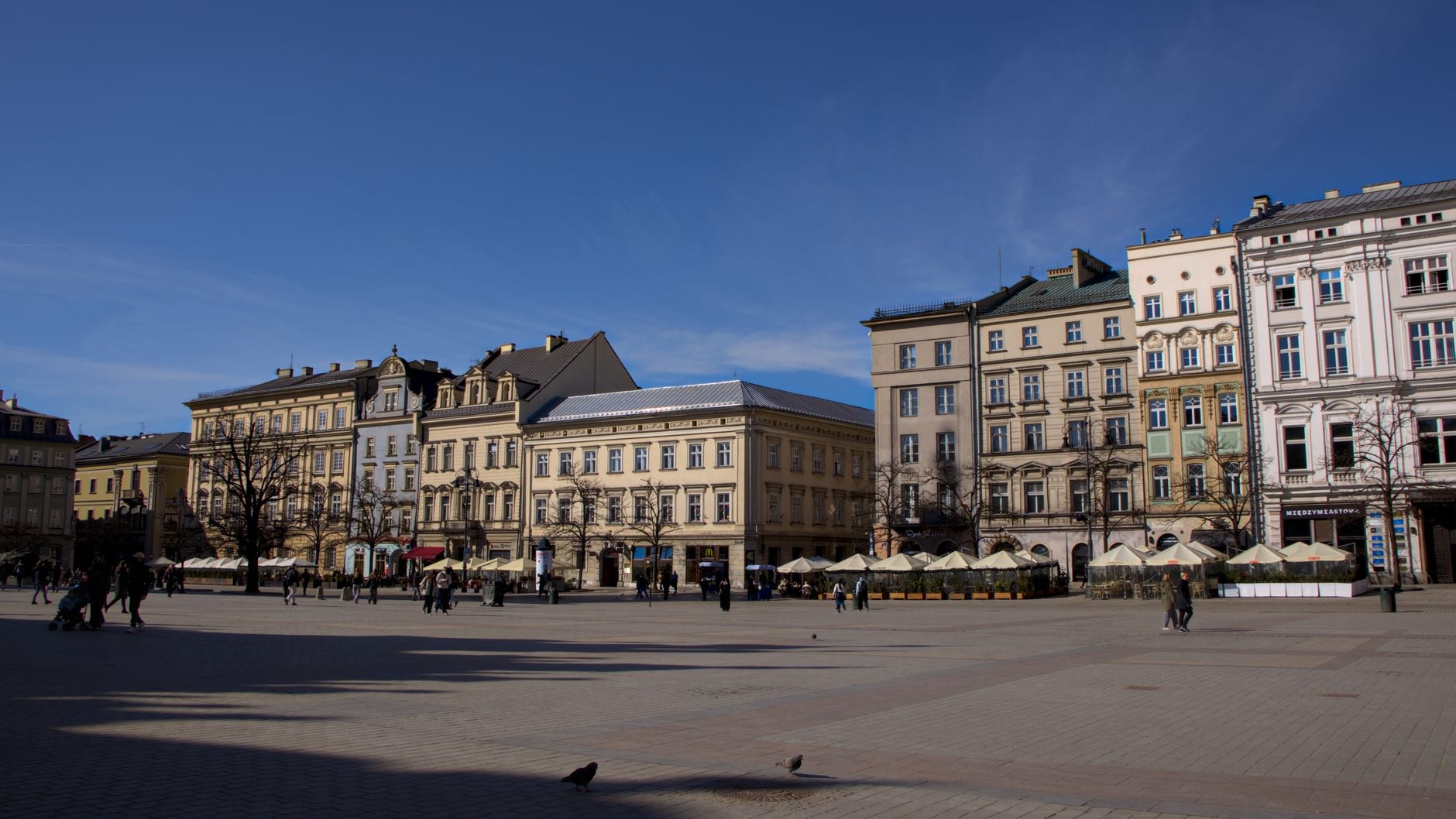
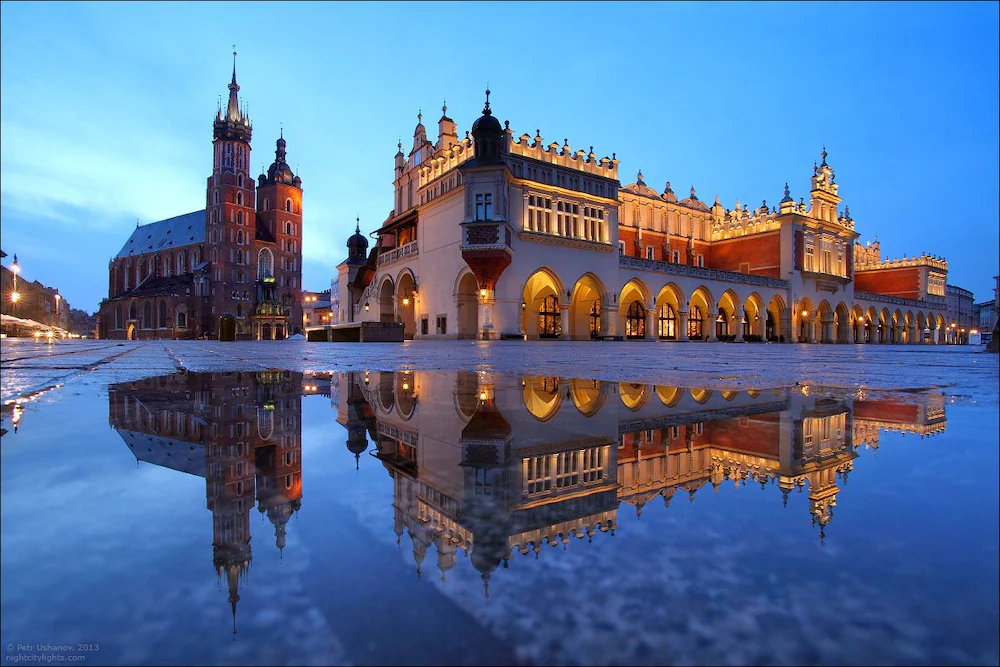
Die Altstadt (Stare Miasto) ist das historische und kulturelle Zentrum von Kraków, das sich um den Hauptmarktplatz gruppiert. In diesem Bereich gibt es einige Lokale, die LGBTQ+-Gäste willkommen heißen, obwohl es sich hauptsächlich um ein Touristenzentrum handelt.
Südlich der Altstadt liegt Kazimierz, das historische jüdische Viertel. Es hat sich zum wichtigsten Bohème- und Kulturviertel von Kraków entwickelt und bietet Galerien, Vintage-Läden, Restaurants und Nachtleben. Mehrere Bars, die sich an LGBTQ+-Gäste richten, befinden sich hier und tragen zur künstlerischen und generell liberalen Atmosphäre des Viertels bei. Die Ulica Szeroka ist eine zentrale Straße in Kazimierz, gesäumt von Cafés und Kulturräumen.
Auf der anderen Seite der Weichsel gewinnt Podgórze bei jüngeren Bewohnern an Beliebtheit und beherbergt einige Lokale mit LGBTQ+-freundlicher Atmosphäre sowie Restaurants und Galerien.
Lokale und Nachtleben
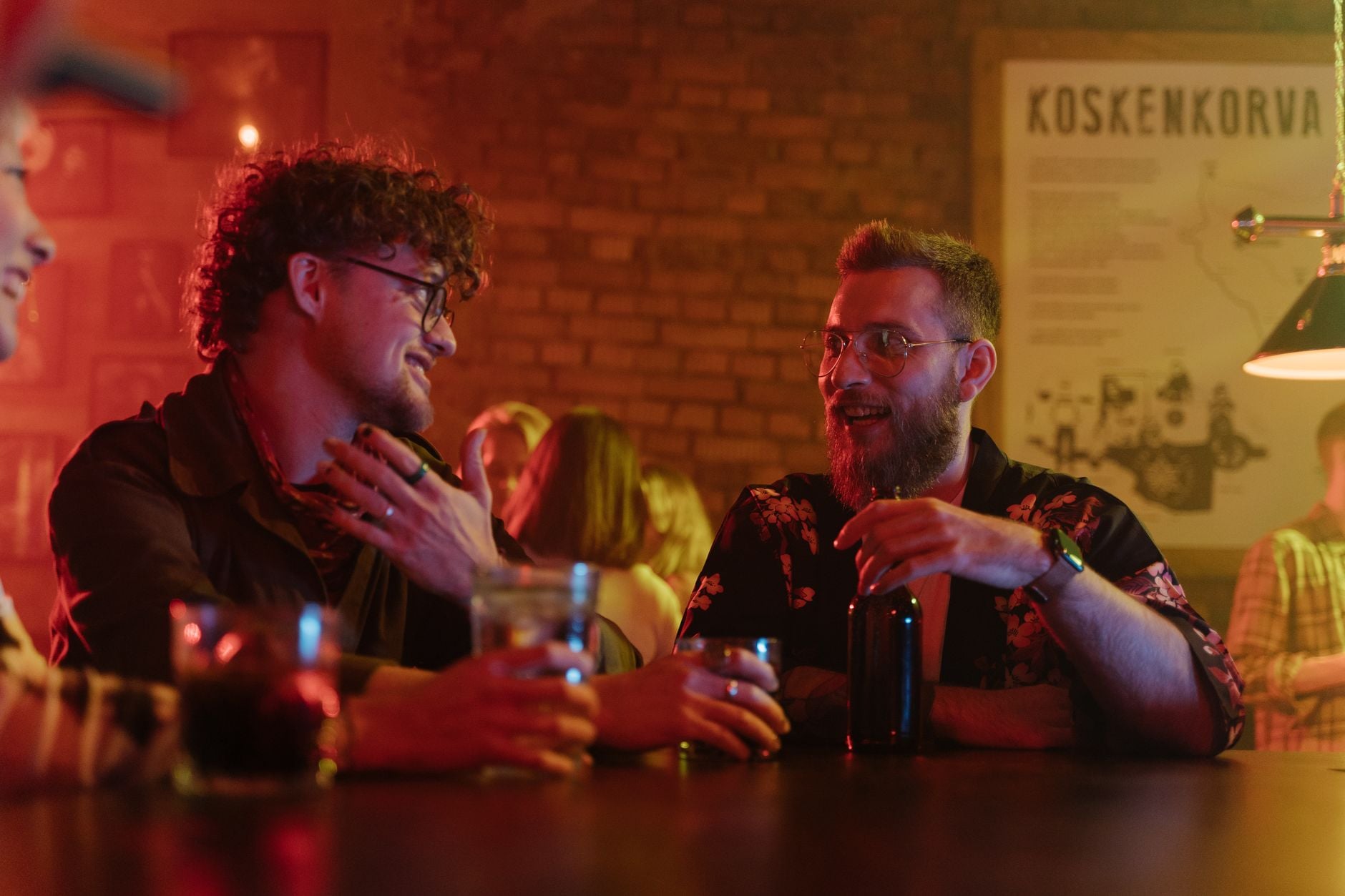
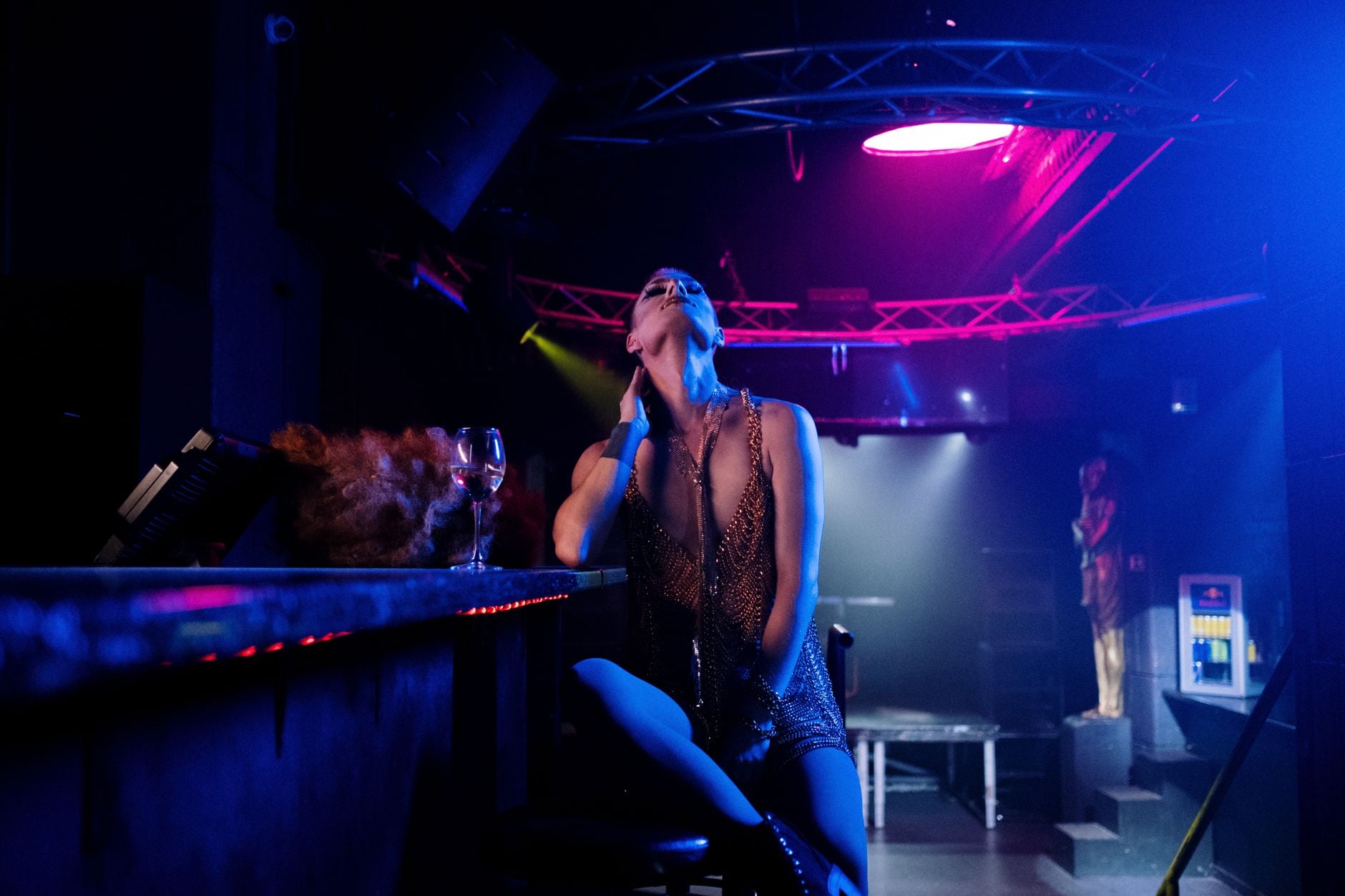
Das LGBTQ+-Nachtleben in Kraków ist zurückhaltender als in den großen westeuropäischen Metropolen und bietet eher Treffpunkte als schillernde Hotspots. Mehrere Bars in Kazimierz richten sich an ein LGBTQ+-Publikum. Einige Lokale sind als gemischte Etablissements mit einer einladenden Atmosphäre für LGBTQ+-Personen konzipiert, anstatt ausschließlich schwul zu sein. Die Szene ist tendenziell entspannter, mit kleineren Menschenmengen und selteneren Spezialveranstaltungen, was diejenigen ansprechen mag, die weniger touristisch geprägte soziale Räume suchen. Da sich Informationen zu spezifischen Lokalen ändern können, wird empfohlen, sich vor dem Besuch bei lokalen LGBTQ+-Ressourcen zu informieren.
Pride und Veranstaltungen
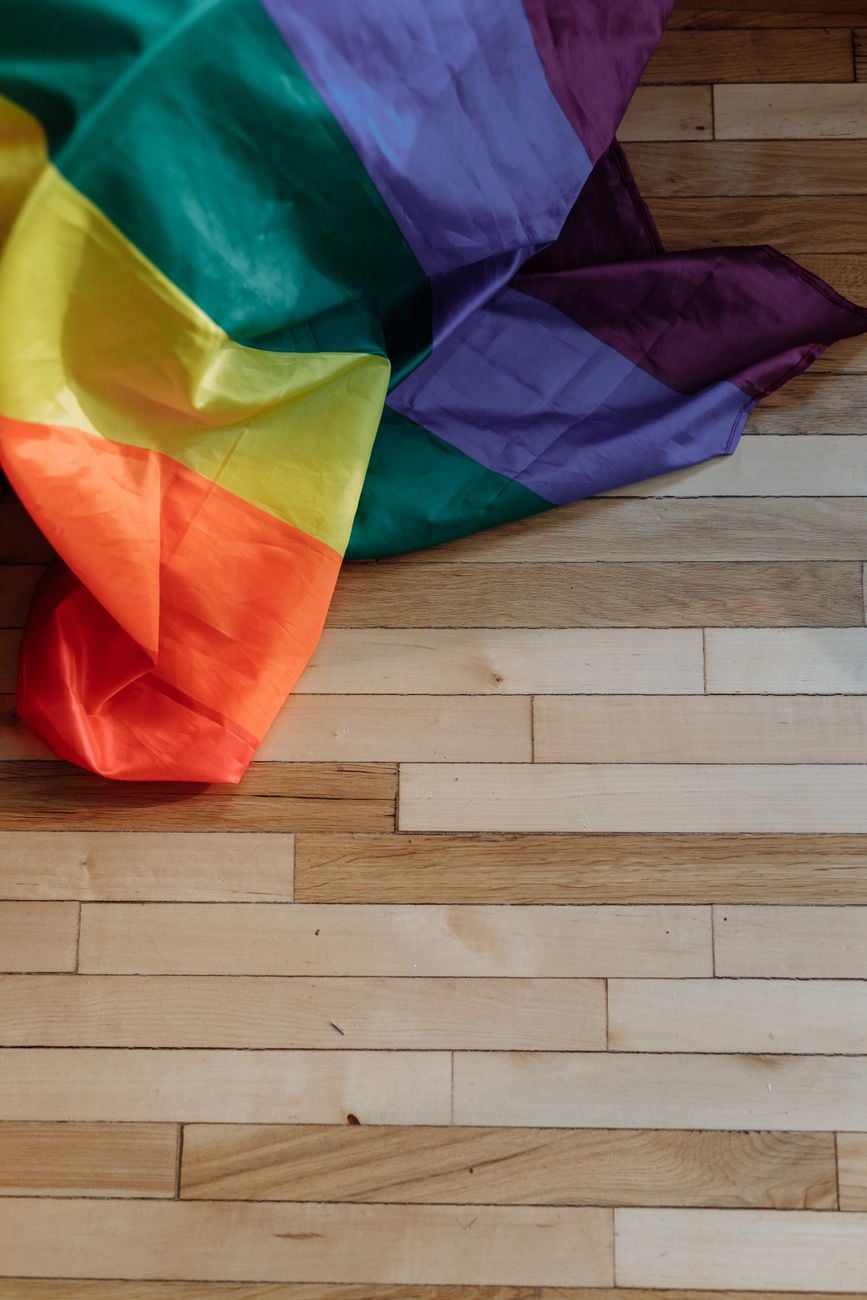
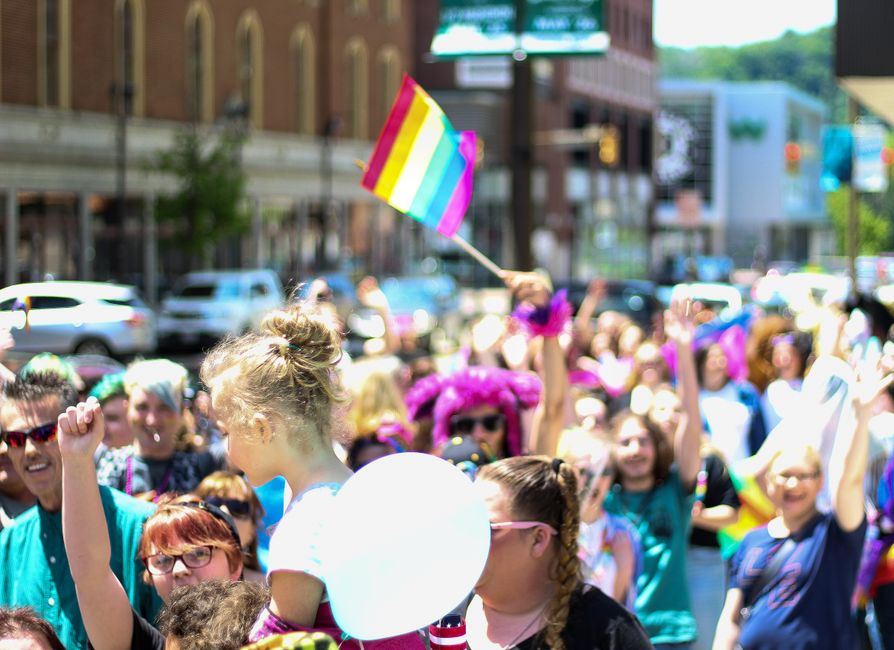
Der Kraków Pride (Marsz Równości) findet jährlich im Juni statt und ist die größte LGBTQ+-Veranstaltung der Stadt, zu der Tausende von Teilnehmern strömen. Die Veranstaltung umfasst einen Umzug durch das Stadtzentrum und damit verbundene Festlichkeiten. In der Vergangenheit gab es Gegenproteste, diese haben jedoch die Durchführung der Veranstaltung nicht verhindert. Die Atmosphäre ist generell feierlich, mit einer sichtbaren Polizeipräsenz zur Gewährleistung der Ordnung.
Neben dem Pride-Marsch finden in Kraków kleinere Community-Treffen und LGBTQ+-bezogene Programmpunkte statt, oft im Rahmen größerer kultureller Veranstaltungen wie dem New Horizons International Film Festival. In den Sommermonaten nimmt die Zahl der Veranstaltungen und Outdoor-Aktivitäten typischerweise zu.
Wo übernachten
Ein Aufenthalt in Kazimierz bietet die Nähe zu vielen Bars, Restaurants, Galerien und kulturellen Veranstaltungsorten, was zu einer generell einladenden Nachbarschaftsatmosphäre beiträgt. Die Gegend ist gut zu Fuß erkundbar und lebendig, mit Unterkunftsoptionen für verschiedene Budgets.
Die Altstadt ist eine stärker touristisch geprägte Gegend, bleibt aber zentral gelegen und sicher. Hotels hier reichen von Budget- bis Luxusangeboten.
Podgórze bietet eine zunehmend beliebte Alternative mit weniger Touristen und einer wachsenden Zahl von Lokalen, auch wenn es weniger dedizierte LGBTQ+-Etablissements als Kazimierz gibt.
Transport
Kraków lässt sich gut zu Fuß erkunden, insbesondere das historische Zentrum. Das Straßenbahnsystem ist effizient und preiswert und verbindet die verschiedenen Viertel. Taxis und Fahrdienst-Apps sind ebenfalls verfügbar. Der Hauptbahnhof bietet Verbindungen zu anderen polnischen und europäischen Städten.
Das Stadtzentrum ist größtenteils gut zu Fuß erkundbar, mit klarer Beschilderung. LGBTQ+-Reisende sollten sich beim Spaziergang durch Kazimierz und die Altstadt wohlfühlen, besonders bei Tag und am Abend.
Essen und Kultur
Kraków bietet traditionelle polnische Küche neben internationalen Optionen. In Kazimierz gibt es zahlreiche Restaurants und Cafés, die Gerichte wie Pierogi und Żurek servieren. Der künstlerische Charakter des Viertels zieht Kulturtouristen und eine jüngere Demografie an.
Zu den kulturellen Attraktionen gehören der Hauptmarkt, die Wawel-Burg, das Oskar-Schindler-Fabrikmuseum und verschiedene Galerien. Diese Orte sind für alle Besucher gleichermaßen attraktiv. Cafés in Kazimierz und der Altstadt bieten gemütliche Räume zur Entspannung, wobei viele gemischt und einladend sind.
Sicherheitshinweise
Kraków ist im Allgemeinen sicher für LGBTQ+-Reisende, ohne dass in den zentralen Bezirken spezifische Bedrohungen identifiziert wurden. Das Stadtzentrum und Kazimierz sind gut zu Fuß erreichbar und abends gut beleuchtet. Die Polizei ist präsent und die Notdienste sind zuverlässig.
Reisende sollten sich des konservativen politischen Klimas in Polen bewusst sein, obwohl die Einwohner Krakaus eher progressiv eingestellt sind. Öffentliche Zuneigungsbekundungen zwischen gleichgeschlechtlichen Paaren sind im Zentrum von Kraków im Allgemeinen unauffällig, könnten aber in abgelegeneren Gebieten Aufmerksamkeit erregen. Praktische Sicherheitsbedenken in Kraków selbst sind minimal. Obwohl homophobe Rhetorik in der polnischen Politik und den Medien auftreten kann, schlägt sie sich in Kraków selten in Feindseligkeit auf der Straße nieder. Die jüngere Bevölkerung und die Kulturszene der Stadt fördern ein relativ einladendes Umfeld.
Tagesausflüge
Das Staatliche Museum Auschwitz-Birkenau, etwa 70 Kilometer von Kraków entfernt, ist eine bedeutende historische Gedenkstätte. Die Anreise und der Besuch können emotional sehr bewegend sein. Geführte Touren werden angeboten.
Die Tatra-Berge liegen etwa zwei Stunden südlich und bieten Möglichkeiten zum Wandern und beeindruckende Berglandschaften. Zakopane ist eine sehenswerte Stadt in dieser Region.
Das Salzbergwerk Wieliczka befindet sich rund 15 Kilometer von Kraków entfernt und beherbergt unterirdische Kammern, die aus Salz gehauen wurden.
Praktische Tipps
Die Amtssprache ist Polnisch, aber Englisch wird zunehmend von jüngeren Menschen, Servicepersonal und in Touristengebieten gesprochen. Es wird geschätzt, wenn Sie einige grundlegende polnische Sätze lernen.
Die Währung ist der Polnische Zloty. Geldautomaten sind weit verbreitet, und Kreditkarten werden in den meisten Geschäften und Restaurants akzeptiert.
Das Wetter variiert je nach Jahreszeit. Der Sommer (Juni-August) ist warm, kann aber überlaufen sein. Der Winter ist kalt. Frühling und Herbst bieten milderes Wetter mit weniger Touristen.
Öffentliche Toiletten sind im Stadtzentrum verfügbar, einige sind kostenpflichtig. Große Sehenswürdigkeiten und Gastronomiebetriebe verfügen in der Regel über eigene Einrichtungen.
Häufig gestellte Fragen
Ja – Krakau ist eine der sichereren Großstädte Polens für LGBTQ+-Reisende. Die Szene ist offen, die Altstadt und Kazimierz sind stark touristisch geprägt und gut polizeilich überwacht, und gleichgeschlechtliche Paare sind im Zentrum ein normaler Anblick. Polen hat noch kein Partnerschaftsgesetz, aber die letzten sogenannten LGBT-freien Zonen wurden 2025 abgeschafft und das nationale Klima hat sich entspannt. Benutzen Sie Ihren normalen Großstadtverstand und erwarten Sie außerhalb der Stadt konservativere Einstellungen.
Das Nachtleben konzentriert sich auf zwei Bereiche. In der Altstadt gibt es die Lindo Bar am Hauptplatz, den Diva Club in der Slawkowska, den Kitsch Club in der Wielopole und die Ciemnia Cruising Bar nördlich der Planty. Kazimierz, das böhmische ehemalige jüdische Viertel südlich der Altstadt, beherbergt die schwule Eszeweria, inklusive Clubs wie den ZOO Klub und mehrere queere Cafés. Auf der anderen Seite des Flusses, in Podgórze und Zabłocie, befindet sich das Dom EQ, das LGBTQ+-Community-Zentrum der Stadt.
Der Krakauer Equality March (Marsz Równości) findet jeden Mai als Abschluss des monatelangen Festivals Queerowy Maj statt. Der Marsch 2026 – der zweiundzwanzigste – fand am 23. Mai statt und startete am Nationalmuseum mit dem Bürgermeister von Krakau als Ehrenpatron. Das Datum für 2027 wurde noch nicht bekannt gegeben; rechnen Sie mit Ende Mai.
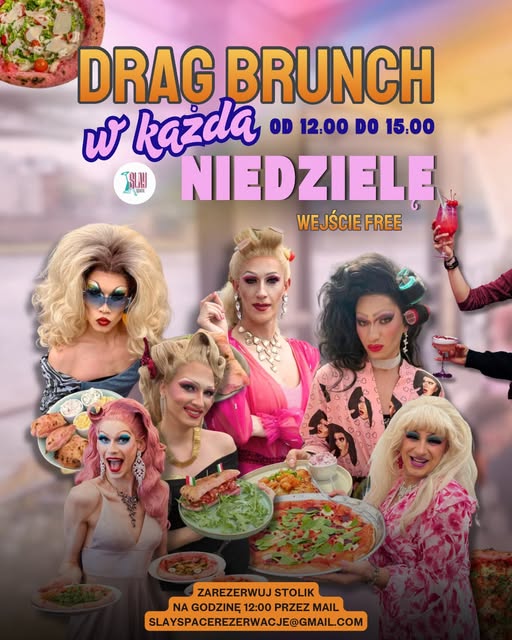
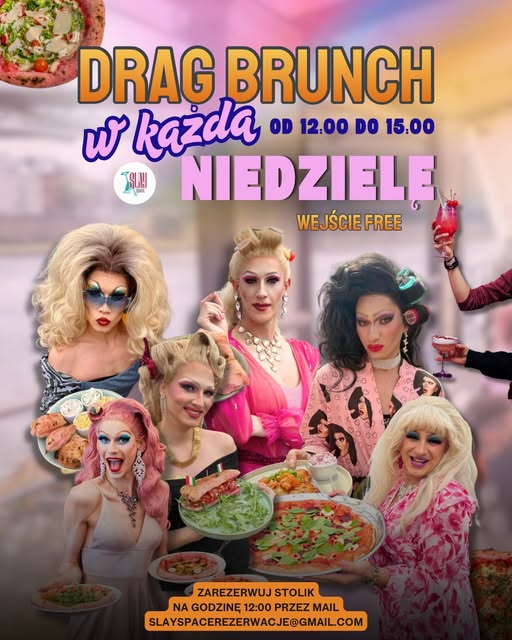
Die Lindo Bar, eine Gay-Café-Bar in der Nähe des Hauptplatzes, ist die einfachste erste Anlaufstelle. Der Diva Club in der Slawkowska ist der größte LGBTQ+-Club der Stadt mit Go-go- und Boylesque-Shows und After-Partys bis zum Morgen, während im Kitsch in der Wielopole freitags und samstags Partys mit Drag-Shows stattfinden. Die Eszeweria in der Jozefa ist eine kerzenbeleuchtete, schwule Bar mit einem versteckten Garten, und SLAY SPACE ist ein Queer-Restaurant-Club auf einer rosa Barkasse auf der Weichsel. Für reine Männer-Cruising-Lokale gibt es Ciemnia, Blue XL und Twierdza in Dębniki.
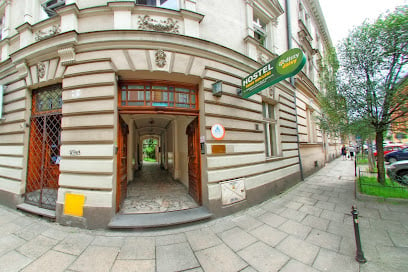
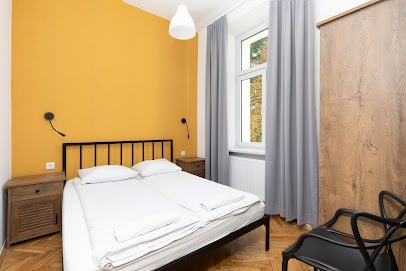
Es gibt kein spezielles Schwulenhotel in Krakau, aber die Stadt ist für LGBTQ+-Gäste einfach zu bereisen. Party-Hostels wie Dizzy Daisy, Little Havana und Atlantis sind bei jungen queeren Reisenden beliebt, und Mainstream-Hotels in der Altstadt und Kazimierz sind an gleichgeschlechtliche Paare gewöhnt. Die Buchung eines Doppelzimmers als Paar ist im Stadtzentrum kein Problem.
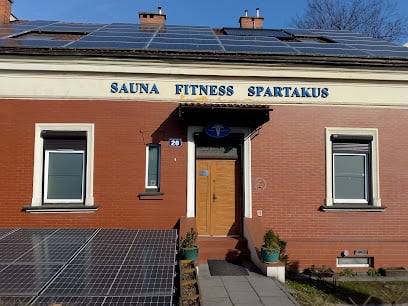
Krakau hat die zweitgrößte LGBTQ+-Szene Polens nach Warschau und die größte im Süden des Landes: eine Handvoll spezieller Bars und Clubs, eine Gay-Sauna (Spartakus, seit 1991 in Betrieb), zwei reine Männer-Cruising-Clubs, ein Community-Zentrum (Dom EQ) und einen Equality March jeden Mai, der Tausende anzieht. Sie ist kleiner als Berlin oder Prag, aber wirklich aktiv.
Ein fehlender Veranstaltungsort, ein geschlossenes Geschäft oder veraltete Informationen? Teilen Sie es uns mit – wir freuen uns darüber. Nichts ist erforderlich.
Nichts verpassen
Die neuesten LGBTQ+-Events und Eröffnungen direkt in Ihr Postfach.
Geben Sie Ihre E-Mail ein, um Pride-Event-Updates und Hinweise zu neuen Locations zu erhalten.
Ihre Datenschutz-Einstellungen.
Wir verwenden Cookies, um GayOut zu betreiben und, mit Ihrer Zustimmung, die Nutzung zu messen. Mehr erfahren ↗
Ihre Datenschutz-Einstellungen
Wir verwenden Cookies, damit GayOut zuverlässig läuft, Ihre Einstellungen gespeichert werden und (mit Ihrer Einwilligung) wir messen können, wie die Seite genutzt wird. Sie können alles akzeptieren, alles ablehnen oder gezielt auswählen. Mehr erfahren ↗
Erforderlich
Erforderlich für Anmeldung, Betrugsschutz, CSRF-Schutz und das Speichern Ihrer Sprache. Können nicht deaktiviert werden.
Immer aktiv
Speichert Ihre Favoriten, den Dark Mode und weitere Oberflächeneinstellungen zwischen Besuchen.
Hilft uns zu verstehen, welche Seiten besucht werden (Google Analytics, serverseitige Statistiken), damit wir besser werden.
Wird von Kampagnen-Tracking-Pixeln genutzt. Derzeit keine aktiv, für zukünftige Nutzung reserviert.
GayOut installieren
Fügen Sie GayOut zu Ihrem Startbildschirm hinzu — schnellerer Zugriff, Favoriten offline und Pride-Hinweise.






 Freundliche Schwule Bars & Clubs
Empfohlen
(1532)
Freundliche Schwule Bars & Clubs
Empfohlen
(1532)