Alles, was Sie vor der Reise wissen sollten.
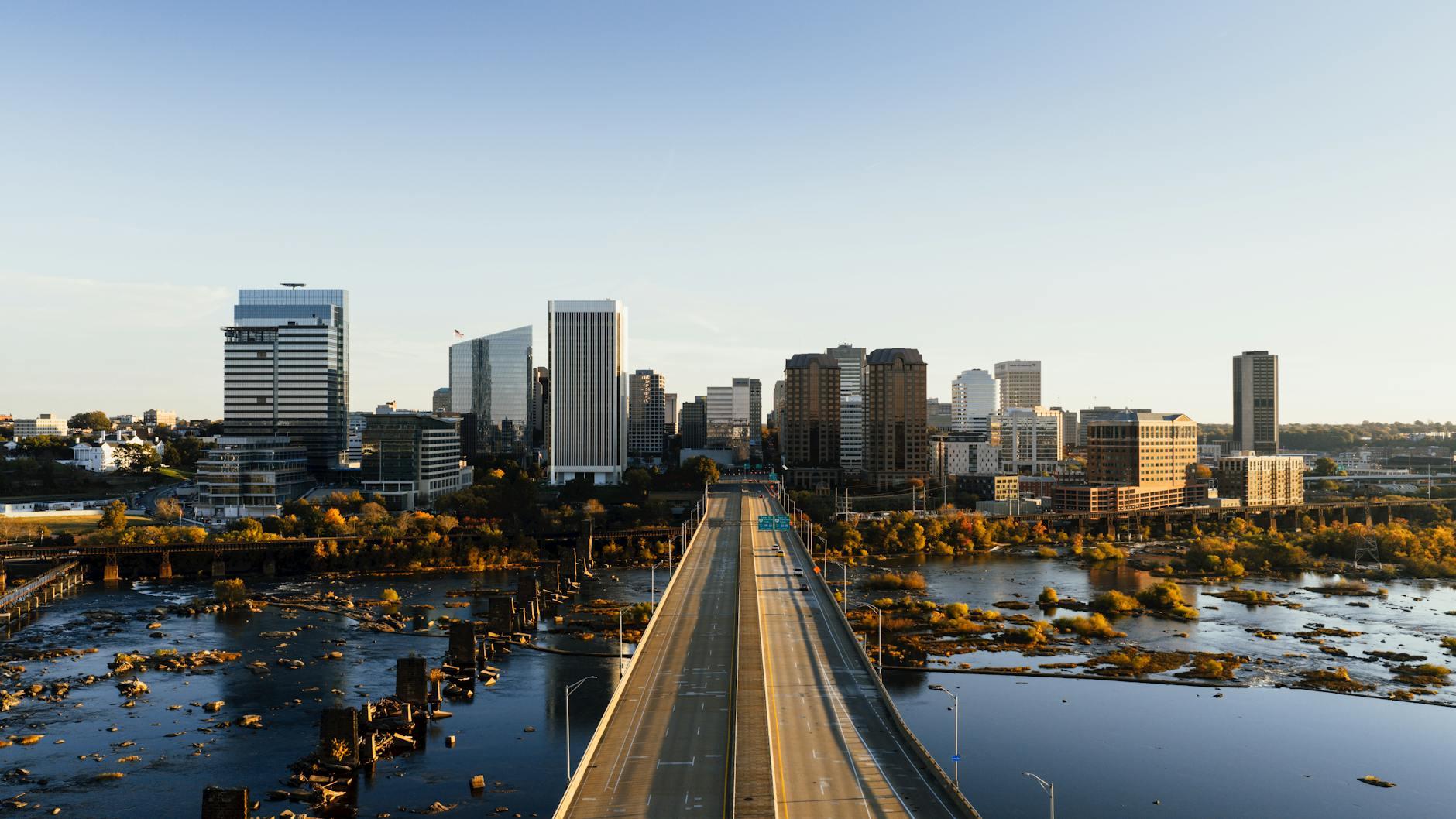
Richmond, Virginia, baut sich neu auf, und die LGBTQ+-Community ist sowohl Teil dieses Wandels als auch Nutznießerin davon. Über weite Strecken des 20. Jahrhunderts lebte die Stadt, die von 1861 bis 1865 die Hauptstadt der Konföderation war, im Schatten der Mythologie der „Lost Cause“. Das war buchstäblich auf dem Monument Avenue zu sehen: massive Statuen konföderierter Generäle, eine ständige Erklärung einer bestimmten südlichen Identität. Diese Statuen begannen 2020 zu fallen, nach George Floyds Ermordung und den darauffolgenden Protesten. Das war das offensichtlichste Zeichen für eine Veränderung in Richmonds Selbstwahrnehmung, die sich über Jahre hinweg entwickelt hatte, angetrieben durch seine zunehmende Vielfalt, eine große und politisch aktive Universität und die sich ändernde Demografie von Vierteln wie Scott's Addition und The Fan.
Das Fan District ist Richmonds queeres Epizentrum. Es ist ein national registriertes historisches Viertel westlich der Innenstadt, voller viktorianischer Reihenhäuser. Die Straßen fächern sich buchstäblich von Monroe Park aus, und seine einheitliche Architektur sowie all die unabhängigen Restaurants, Bars und Cafés haben es zum begehrtesten Wohnort für gebildete, kreative Menschen gemacht, unabhängig von ihrer Identität. Fielden's, an der West Broad Street, ist die Gay-Bar des Fan. Sie ist ein fester Bestandteil des Viertels und bedient die queere Community des Fan und des Museum District, ohne mehr sein zu wollen als eine wirklich gute lokale Bar. Gleich nebenan befindet sich im Museum District das Virginia Museum of Fine Arts – eines der besten Kunstmuseen des Südens –, und sein zukunftsweisendes Programm sowie seine LGBTQ+-inklusiven Veranstaltungen machen es zu einer natürlichen Ergänzung auf der queeren Kulturkarte der Stadt.
Nördlich des Fan hat Scott's Addition eine der dramatischsten Umgestaltungen eines Viertels in Richmond durchgemacht. Früher war es eine Industriezone mit Lagerhäusern und leichter Fertigung. Im letzten Jahrzehnt hat es sich zum wichtigsten Zentrum für Craft Beer und Kreativwirtschaft der Stadt entwickelt, mit über einem Dutzend Brauereien, Met-Brauereien, Cider-Brauereien und Brennereien auf einem fußläufigen Gebiet. Junge Kreative und LGBTQ+-freundliche Menschen, die Richmonds kulturelle Wiederbelebung vorangetrieben haben, strömen hierher. Die Taproom-Kultur – Gemeinschaftstische, Hunde willkommen, Food Trucks draußen – ist eine der ehrlichsten und einladendsten sozialen Szenen der Stadt.
Godfrey's, an der East Grace Street, ist Richmonds wichtigster Gay-Nachtclub. Sein Drag-Programm hat einige der fähigsten und bekanntesten Drag-Künstler Virginias hervorgebracht, von denen viele auch überregional Anerkennung gefunden haben. Der Club zieht ein gemischtes Publikum von schwulen Männern, Lesben und queeren Menschen aus ganz Richmond und der umliegenden Region an, darunter auch eine beträchtliche Anzahl aus den nördlichen Vororten von Washington, D.C., zwei Stunden nördlich auf der I-95. Diese Verbindung zu D.C. ist wichtig: Richmonds queere Community ist nicht isoliert; sie liegt in der Nähe einer der größten Gay-Szenen der Ostküste. Die zweistündige Fahrt, die Richmond zu einem einfachen Wochenendausflug von D.C. aus macht, funktioniert in beide Richtungen.
Die Virginia Commonwealth University (VCU) prägt ebenfalls Richmond. Die Kunstschule der VCU ist national anerkannt, und ihre Studentenschaft bringt über 25.000 Menschen in die Viertel nahe der Innenstadt, viele davon kreativ und LGBTQ+-freundlich. Die Broad Street, die durch den VCU-Campus führt, ist die wichtigste Musikveranstaltungsmeile der Stadt. Clubs wie The Camel veranstalten die Art von queeren, unabhängigen und alternativen Shows, die die LGBTQ+-Community zusammen mit einem breiteren kreativen Publikum anziehen.
Side by Side ist Richmonds LGBTQ+-Jugendorganisation. Sie arbeitet speziell mit queeren jungen Menschen in einem Bundesstaat, in dem es für LGBTQ+-Jugendliche in ländlichen und vorstädtischen Gebieten schwierig sein kann. Ihre Präsenz in den sozialen Diensten der Stadt zeigt das Engagement der Community für ihre nächste Generation.
Richmond Pride, im Oktober, hat sich zu einem der bedeutendsten LGBTQ+-Events im Mid-Atlantic entwickelt und zieht 20.000 Menschen auf die Brown's Island und an die Flussufer der Innenstadt. Das Festival nutzt die industrielle Kulisse des James River – den Kanalweg, das Wasserkraftwerk, die historischen Brücken – als Kulisse, die keine andere Stadt kopieren kann. Der James River selbst ist ein Erholungsgebiet, das die LGBTQ+-Community mit den Outdoor-Enthusiasten von Richmond teilt: Kajakfahren, Paddleboarding und Wandern auf den Belle Isle Trails sind nur wenige Minuten von der Innenstadt entfernt.
Praktische Hinweise: Der Richmond International Airport (RIC) liegt 16 km südöstlich des Stadtzentrums. Große Fluggesellschaften fliegen ihn über Drehkreuze in Charlotte, Atlanta, Philadelphia und Boston an. Der Northeast Regional von Amtrak und andere Züge verbinden Richmond mit Washington, D.C. (zwei Stunden) und New York City (sechs Stunden). Die I-95 erleichtert die Anreise mit dem Auto von Washington und Nord-Virginia. Die besten Reisezeiten sind April bis Juni und September bis Oktober; Juli und August sind sehr heiß und feucht. The Fan, Scott's Addition und die Innenstadt sind alle gut zu Fuß erreichbar; ein Auto oder ein Fahrdienst hilft bei der Fortbewegung zwischen ihnen.



 Freundliche Schwule Bars & Clubs
Empfohlen
(30)
Freundliche Schwule Bars & Clubs
Empfohlen
(30)