








In diesem Guide · 13 Abschnitte
- Die schwule Szene
- Beste Reisezeit
- Bars & Clubs
- Hotels
- Veranstaltungen
- Fortbewegung
- Praktische Informationen
- FAQ
- Wo ist das schwule Viertel in Pittsburgh?
- Wann findet Steel City Pride in Pittsburgh statt?
- Ist Pittsburgh für schwule Reisende erschwinglich?
- Wie schneidet Pittsburgh im Vergleich zu Philadelphia für schwule Besucher ab?
- Verwandte Reiseführer
Die schwule Szene
Die schwule Szene Pittsburggs konzentriert sich auf zwei Hauptbereiche: die Liberty Avenue in Bloomfield und das angrenzende Viertel Shadyside. Die Liberty Avenue zwischen Bloomfield und Garfield ist die Heimat der älteren, etablierten Schwulenbars, und dieser Abschnitt dient seit Jahrzehnten informell als Gayborhood der Stadt. Shadyside, das gehobene Wohnviertel südlich davon, hat einen gemischteren, aber merklich queerenfreundlichen Charakter mit schwulenfreundlichen Geschäften und einer demografischen Zusammensetzung, die progressiv und LGBTQ+-inklusiv ist.
Die schwule Gemeinschaft Pittsburggs betrachtet sich selbst als klarer als die meisten mittelwestlichen oder mittelatlantischen Städte ähnlicher Größe als "Gayborhood" besitzend. Die Bars an der Liberty Avenue sind der Anker, und die Nachbarschaft um sie herum hat ihren queeren Charakter bewahrt, auch wenn die Stadt insgesamt gentrifiziert und sich verändert hat. Die Gemeinschaft ist eng verbunden, so wie Pittsburgh generell ist – Viertel haben hier starke Identitäten und die Menschen sind ihnen treu.
Die breitere Transformation der Stadt von einem Zentrum der Stahlindustrie zu einer Wirtschaft, die auf Universitäten, Gesundheitswesen und Technologie basiert, hat in den letzten 25 Jahren eine gebildetere und vielfältigere Bevölkerung angezogen. Sowohl die Carnegie Mellon als auch die University of Pittsburgh haben aktive queere Gemeinschaften, die in die breitere soziale Szene einfließen. Das Ergebnis ist eine schwule Szene, die kleiner als die Philadelphias, aber kohärenter und deutlich Pittsburgher im Charakter ist.
Beste Reisezeit
Frühling und früher Herbst sind die besten Zeitfenster. April bis Juni bieten zuverlässig gutes Wetter und die Stadt erwacht nach dem Winter zum Leben. Steel City Pride findet im Juni statt, was Ende Juni zu einem natürlichen Ziel für LGBTQ+-Besucher macht. September und Oktober sind ausgezeichnet – gute Temperaturen, das Laub färbt sich in den umliegenden Hügeln, und die Stadt ist nach dem Sommer generell gut gelaunt.
Die Winter in Pittsburgh sind echt: grau, kalt und gelegentlich eisig. Die Barszene hört nicht auf, aber die Energie, auszugehen und sich zwischen den Lokalen zu bewegen, nimmt ab. Der Sommer ist warm und kann feucht sein, ist aber im Allgemeinen erträglich und die Zeit für Outdoor-Veranstaltungen und Festivals. Wenn Sie Steel City Pride besuchen, buchen Sie Ihre Unterkunft mindestens ein paar Monate im Voraus.

Bars & Clubs
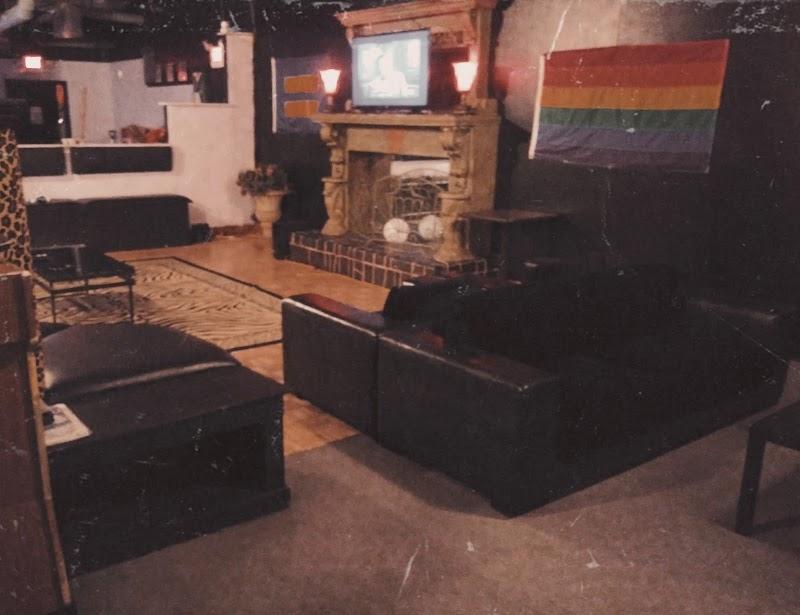
Die Bars an der Liberty Avenue sind der Kern. Einige dieser Lokale existieren seit zwanzig oder dreißig Jahren und haben eine echte Stammkultur. Die Mischung umfasst Tanzbars, Nachbarschaftsbars, Leder- und Bären-freundliche Orte sowie Drag-Show-Locations. Die Atmosphäre ist weniger poliert als in größeren Küstenstädten – Getränke sind billiger, die Leute sind freundlicher, und es gibt weniger von der transaktionalen Qualität, die mit hohem Touristenaufkommen einhergeht.
Shadyside bietet einige weitere Optionen in einem etwas anderen Register: eher queerenfreundlich als spezifisch schwul, mit einem gemischteren Publikum, das auch heterosexuelle Verbündete einschließt. Es lohnt sich, dies zu wissen, wenn Sie eine Abwechslung vom Liberty Avenue-Circuit wünschen.
- Cattivo — Pittsburggs führende queere Bar und Musiklocation in Lawrenceville — Live-Musik, Drag-Performances, DJ-Nächte und eine gemeinschaftsorientierte Atmosphäre im Herzen von Pittsburggs kreativstem Viertel.
- — Gemeinschaftsorientierte queere Bar in Bloomfield — politisch engagiert, einladend und eine echte Nachbarschaftsinstitution für Pittsburggs LGBTQ+-Community. Die queere Bar mit Gewissen.
- Blue Moon Bar — Nachbarschafts-Schwulenbar an der Butler Street in Lawrenceville — ein unaufdringlicher, einladender lokaler Treffpunkt, der die ansässige LGBTQ+-Community eines von Pittsburggs begehrtesten Vierteln bedient.
- — Pittsburggs Schwulen-Badehaus im Cultural District in der Innenstadt — Dampfbad, Sauna, private Kabinen und eine günstige Lage an der Penn Avenue, die es zum zugänglichsten Cruising-Ort der Stadt macht.
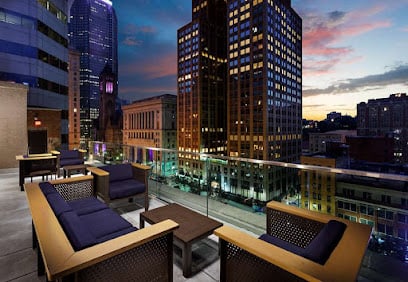
- Kimpton Hotel Monaco Pittsburgh — Pittsburggs Wahrzeichen-Hotel von Kimpton im historischen William Penn Place Gebäude — von Design her schwulenfreundlich, architektonisch prächtig und ideal in der Innenstadt von Pittsburgh gelegen für das volle Stadterlebnis.
- Pittsburgh Pride 2026 — 29. Mai 2026 bis 31. Mai 2026
- Pittsburgh Pride 2027 — 12. Juni 2027 bis 13. Juni 2027
- Pittsburgh Pride 2028 — 10. Juni 2028 bis 11. Juni 2028
- Erschwinglichkeit: Pittsburgh ist eine der erschwinglichsten großen amerikanischen Städte. Hotelpreise, Barpreise und Restaurants sind deutlich günstiger als in vergleichbaren Städten an der Ostküste. Ein wirklich guter Abend kostet hier weniger als in Philadelphia oder New York.
- Navigation: Besorgen Sie sich vor Ihrer Ankunft eine gute Karten-App. Das Straßenlayout von Pittsburgh folgt keinem Raster und die Viertel können verwirrend zu durchqueren sein. Google Maps oder Waze sind unerlässlich.
- Sportkultur: Pittsburgh ist intensiv sportorientiert (Steelers, Penguins, Pirates). Spiele ziehen große Menschenmengen in die Innenstadt und nach South Side. An großen Spielabenden sollten Sie bedenken, dass Parken und Verkehr in diesen Gebieten schwierig sein werden.
- Wetter: Rechnen Sie von November bis März mit Grau und Kälte. Die Stadt ist selbst unter den nordöstlichen Städten überdurchschnittlich bewölkt. Bringen Sie im Frühling und Herbst Schichten mit.
- Essen: Pittsburgh hat eine echte kulinarische Szene, die unterbewertet wird. Abgesehen von Primanti Brothers (dem Sandwichladen – einmal probierenswert) bietet der Strip District gute ethnische Lebensmittelgeschäfte, und der East End hat eine starke unabhängige Restaurantszene.
Sauna-Optionen:
Cruising-Orte:
Hotels
Für den Zugang zur schwulen Szene sind Shadyside oder Bloomfield die bequemsten Ausgangspunkte. Beide sind fußläufig erreichbare Viertel mit guten Essens- und Barangeboten jenseits der spezifisch schwulen Lokale. Die Innenstadt von Pittsburgh ist etwa 10 bis 15 Autominuten entfernt und bietet eine größere Auswahl an Hotels zu verschiedenen Preispunkten; sie ist gut für den Zugang zur gesamten Stadt geeignet, auch wenn Sie eine Mitfahrgelegenheit zur Liberty Avenue benötigen.
Oakland, Heimat von Pitt und CMU, ist eine weitere Option – es liegt in der Nähe von Shadyside und bietet preisgünstige Unterkünfte für Universitätsbesucher. South Side, auf der anderen Seite des Monongahela River, ist ein lebhaftes Ausgehviertel für sich und von Shadyside aus mit einer kurzen Fahrt oder Mitfahrgelegenheit erreichbar.

Veranstaltungen
Steel City Pride ist die wichtigste jährliche Veranstaltung, die Ende Juni mit einer Parade und einem Festival stattfindet, das die gesamte Gemeinschaft anzieht. Sie ist in den letzten zehn Jahren erheblich gewachsen und umfasst nun mehrere Tage Programm. Die Delta Foundation Pittsburgh organisiert viele der lokalen LGBTQ+-Veranstaltungskalender über Pride hinaus; ihre Website ist die zuverlässigste Quelle für aktuelle Geschehnisse. Das Pittsburgh Equality Center veranstaltet das ganze Jahr über Gemeinschaftsveranstaltungen. Pittsburgh profitiert auch von der Nähe zu Philadelphia (5 Stunden), wenn größere Veranstaltungen reizvoll sind.
Fortbewegung
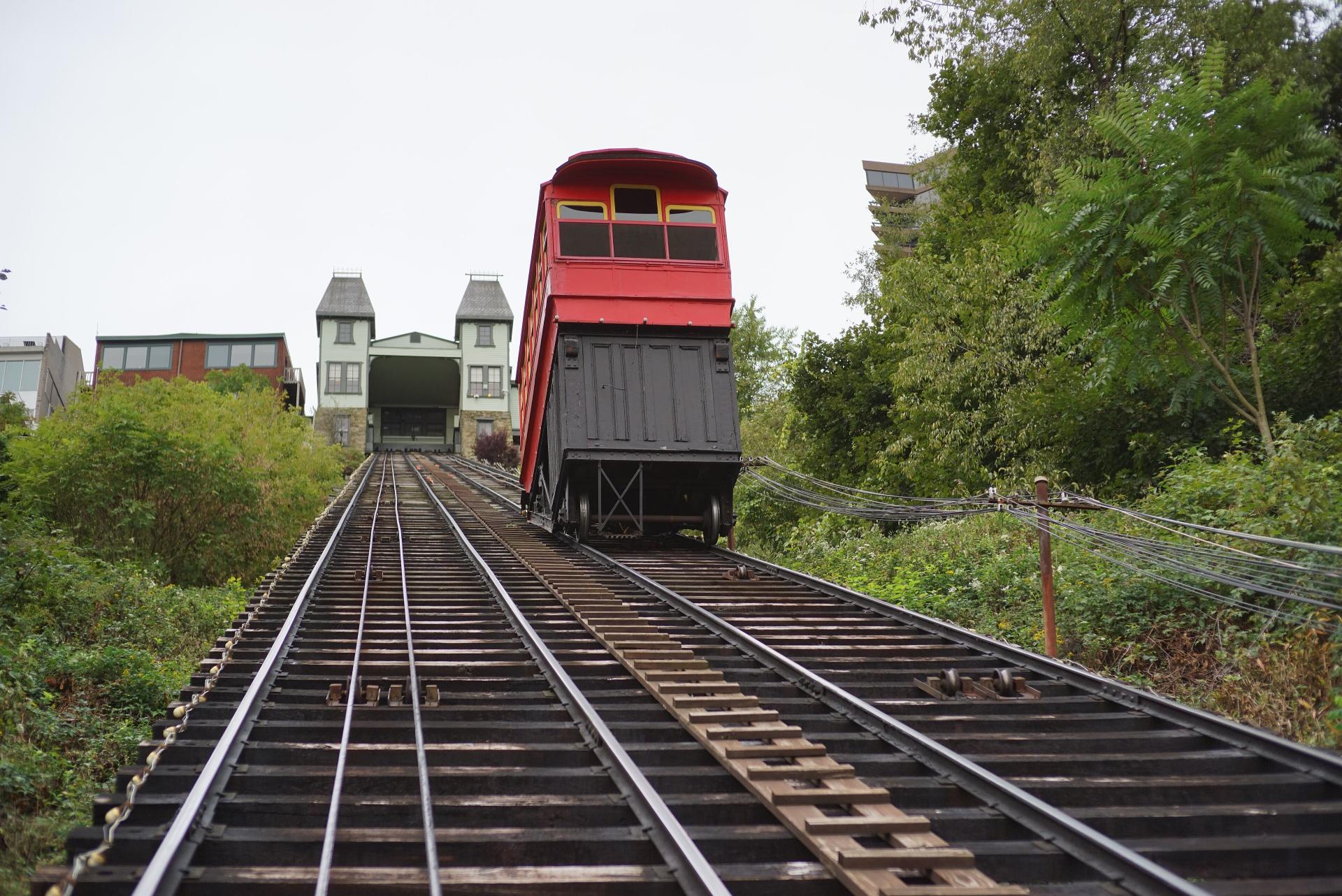
Pittsburgh ist berühmt dafür, schwer zu navigieren zu sein, was größtenteils stimmt. Die Stadt wurde in einem Flusstal mit drei Flüssen und Dutzenden steiler Hügel gebaut, was das Straßennetz diskontinuierlich und verwirrend macht, bis man seine Logik versteht. Brücken sind überall – Pittsburgh hat mehr Brücken als jede andere Stadt der Welt, und zu wissen, welche Brücke für welches Viertel zu benutzen ist, ist eine echte Fähigkeit.
Für Besucher ist der praktische Ansatz die Nutzung von Mitfahrgelegenheiten innerhalb der Stadt. Parkplätze sind vorhanden, aber die Suche in Shadyside und South Side an Wochenenden kann frustrierend sein. Das Busnetz der Port Authority deckt die Stadt ausreichend ab, aber es braucht Zeit, um es zu verstehen. Ein Auto ist nützlich, wenn Sie über die fußläufigen Viertel hinaus erkunden. Innerhalb von Bloomfield und Shadyside ist Gehen die beste Option – beide sind fußgängerfreundliche Stadtviertel.

Praktische Informationen
FAQ
Wo ist das schwule Viertel in Pittsburgh?
Das Hauptviertel der Schwulenbars befindet sich an der Liberty Avenue in Bloomfield, das seit Jahrzehnten als informelle Gayborhood von Pittsburgh dient. Das angrenzende Viertel Shadyside ist queerenfreundlich und bietet zusätzliche Lokale und eine gemeinschaftliche Präsenz. Zusammen bilden diese beiden Gebiete den Kern der LGBTQ+-Szene von Pittsburgh.
Wann findet Steel City Pride in Pittsburgh statt?
Steel City Pride findet typischerweise Ende Juni statt, einschließlich einer Parade und eines mehrtägigen Festivals. Es ist die wichtigste jährliche LGBTQ+-Veranstaltung der Stadt. Überprüfen Sie die Websites der Delta Foundation Pittsburgh oder Steel City Pride für aktuelle Daten und Programme.
Ist Pittsburgh für schwule Reisende erschwinglich?
Ja, deutlich mehr als andere nordöstliche Städte. Hotelpreise, Barpreise, Restaurantmahlzeiten und Kosten für Mitfahrgelegenheiten sind alle merklich günstiger als in Philadelphia, New York oder Washington D.C. Pittsburgh bietet ein gutes Preis-Leistungs-Verhältnis für ein urbanes LGBTQ+-Reiseerlebnis.
Wie schneidet Pittsburgh im Vergleich zu Philadelphia für schwule Besucher ab?
Philadelphia hat eine größere und etabliertere schwule Szene mit der dedizierten Gayborhood im Viertel Washington Square West und mehr Veranstaltungsoptionen. Die Szene von Pittsburgh ist kleiner, aber eng verbunden, erschwinglicher und hat einen ausgeprägten Charakter, der mit der industriellen Arbeitergeschichte der Stadt und ihrer fortlaufenden Neuerfindung verbunden ist. Die beiden Städte sind etwa 5 Stunden mit dem Auto oder Bus voneinander entfernt.
