Todo lo que conviene saber antes de ir.
LGBTQ+ status
Some caution
La historia LGBTQ+ de Budapest está marcada por la transición del comunismo a la integración en la UE. Si bien las relaciones entre personas del mismo sexo se despenalizaron en 1961, la aceptación social ha variado. El ambiente gay contemporáneo surgió en las décadas de 1990 y 2000, con locales que se establecieron en el Barrio Judío. Hoy en día, Budapest alberga una importante comunidad LGBTQ+, aunque las políticas nacionales han afectado las protecciones. La ciudad, especialmente entre sus grupos demográficos más jóvenes y residentes internacionales, ofrece generalmente un ambiente abierto.
El Distrito VII, el Barrio Judío, es el epicentro del ambiente LGBTQ+ de Budapest, con la mayoría de bares, discotecas y cafeterías concentradas en torno a la calle Kazinczy. Esta zona combina arquitectura histórica con negocios contemporáneos, creando una atmósfera distintiva. El barrio es fácilmente transitable a pie y está bien comunicado por transporte público. El Distrito VI, adyacente al Barrio Judío, ofrece opciones adicionales de vida nocturna.
El Distrito V, el Centro, situado cerca del Danubio, es una base práctica con numerosos hoteles, restaurantes y sitios culturales. Aunque no es un barrio dedicado al colectivo LGBTQ+, ofrece acceso central al barrio gay a través de un corto paseo o un viaje en metro.
La calle Kazinczy alberga varios locales LGBTQ+ consolidados. AirBrush es un bar popular en la calle Kazinczy conocido por su clientela mixta. Alterego es otro bar bien valorado en el Barrio Judío. Para la vida nocturna, locales como Kolektif Mühendislik y otros organizan eventos y fiestas para el colectivo LGBTQ+, con noches de club específicas que a menudo cambian. Muchos establecimientos funcionan como bares al principio de la noche antes de transformarse en locales de discoteca con DJs más tarde.
Los baños termales de Budapest, aunque no son espacios exclusivos para personas LGBTQ+, son frecuentados tanto por visitantes como por locales. El Széchenyi Thermal Bath, ubicado en City Park, es un gran complejo termal público. El Gellért Thermal Bath, en el lado de Buda, ofrece una experiencia similar en un entorno más recogido. Estos baños son destinos populares durante el día para viajeros LGBTQ+ que buscan una experiencia local única.
El Budapest Pride se celebra anualmente en julio, generalmente durante una semana, e incluye marchas, fiestas, programas culturales y exposiciones. El desfile principal atrae a miles de participantes. Los principales clubes y bares organizan fiestas oficiales de Pride, y numerosos eventos tienen lugar a lo largo de la semana. El Pride en Budapest ha crecido considerablemente y sigue siendo la mayor celebración LGBTQ+ de la ciudad. Durante todo el año, los locales LGBTQ+ organizan noches temáticas y fiestas regulares.
El Inner City (Distrito V) ofrece una amplia selección de hoteles y alojamientos a poca distancia de las principales atracciones. Esta zona es céntrica y segura, aunque no está específicamente enfocada en la comunidad LGBTQ+. Las opciones de alojamiento van desde hoteles de lujo hasta opciones económicas. Alojarse en el Distrito VII (el Barrio Judío) o cerca de él ofrece acceso directo al ambiente LGBTQ+. Este barrio cuenta con hoteles y casas de huéspedes más pequeñas, lo que proporciona un acceso conveniente a bares y clubes.
Airbnb y otras plataformas de alquiler vacacional ofrecen diversas opciones de alojamiento en toda la ciudad. Muchos apartamentos en los distritos céntricos están disponibles a diferentes precios.
La red de transporte público de Budapest consta de líneas de metro, tranvía y autobús, todas accesibles con un sistema de billete único. El metro es eficiente para llegar a la mayoría de las zonas clave. Los taxis y los servicios de transporte compartido están disponibles y tienen precios razonables. Los distritos centrales, especialmente el V, VI y VII, son fácilmente transitables a pie. Desde el Aeropuerto Internacional Ferenc Liszt, el autobús 100E ofrece servicio directo al centro de Budapest. Se recomiendan tarjetas de transporte de 24 o 72 horas para estancias de varios días.
El centro de Budapest es, en general, seguro para viajeros LGBTQ+. Esto es especialmente cierto en las zonas turísticas y en el Barrio Judío. Se aconsejan las precauciones urbanas habituales. Las muestras públicas de afecto suelen ser seguras en el barrio gay y en los distritos centrales, aunque se recomienda discreción en otros lugares. Si bien las políticas del gobierno nacional se han vuelto más restrictivas en cuanto a los derechos LGBTQ+, esto no afecta directamente a los turistas. Las protecciones legales en Hungría son menos extensas que en Europa Occidental. No obstante, la comunidad LGBTQ+ de Budapest se mantiene activa y muchos turistas LGBTQ+ visitan la ciudad anualmente sin incidentes.
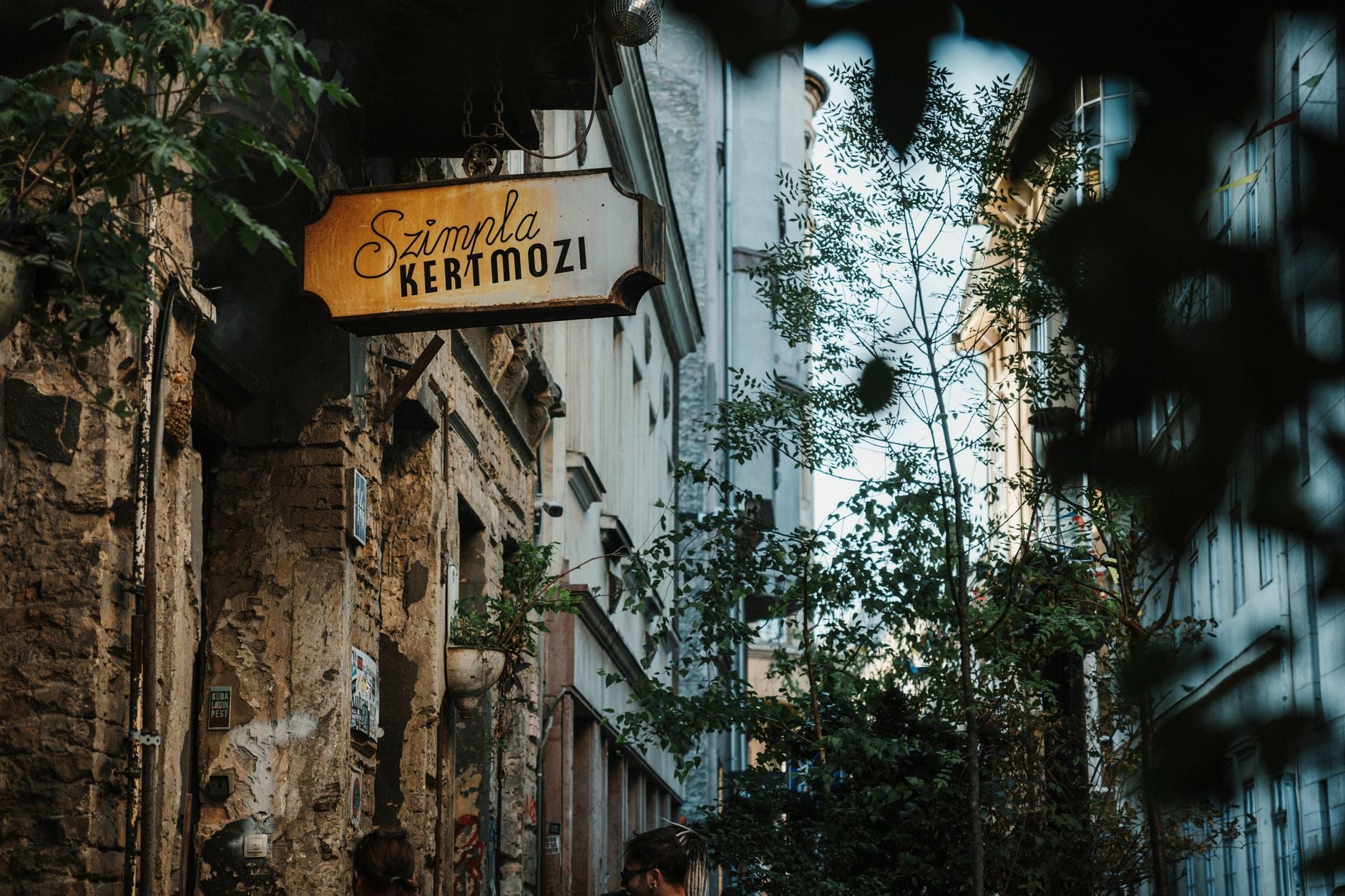
El panorama culinario de Budapest abarca desde platos tradicionales húngaros como el goulash y el lángos hasta restaurantes contemporáneos. Se encuentran muchos cafés y establecimientos de comida acogedores para la comunidad LGBTQ+ en el Barrio Judío y sus alrededores. Los "ruin bars", establecimientos de copas informales en edificios reconvertidos, son una característica local y a menudo atraen a públicos diversos. Los mercados de comida callejera ofrecen cocina local accesible. El Gran Mercado Central es un lugar histórico para productos frescos y comida lista para comer. Los cafés de toda la ciudad sirven café y pasteles.
El lago Balaton, el lago más grande de Europa Central, se encuentra a unos 100 kilómetros al suroeste de Budapest y es accesible en tren. La ciudad de Siófok tiene una cultura de playa veraniega que atrae a visitantes LGBTQ+. Las ciudades del recodo del Danubio, Visegrád y Esztergom, ofrecen vistas panorámicas y sitios históricos, y son accesibles en tren o mediante excursiones organizadas. Estos lugares son adecuados para excursiones de un día, pero tienen una infraestructura LGBTQ+ específica limitada.
Más allá de la escena LGBTQ+, Budapest ofrece numerosas atracciones culturales, como el Edificio del Parlamento, el Castillo de Buda, el Bastión de los Pescadores y varios museos. El monumento "Zapatos a orillas del Danubio" es un sitio histórico importante. Ocasionalmente se celebran eventos culturales y exposiciones con temática LGBTQ+, a menudo anunciados a través de locales LGBTQ+ y sitios web de turismo.
La moneda es el Florín húngaro (HUF), con cajeros automáticos disponibles. El inglés se habla en las zonas turísticas y entre los húngaros más jóvenes. Muchos establecimientos en las zonas céntricas cuentan con personal o menús que hablan inglés. Los ciudadanos de la UE, EE. UU., Canadá, Australia y muchas otras nacionalidades no necesitan visado para estancias inferiores a 90 días. Los veranos son cálidos (25-30°C / 77-86°F), siendo julio y agosto los meses de mayor afluencia turística. La primavera y el otoño ofrecen un clima más suave y menos multitudes. Los inviernos son fríos. El húngaro es el idioma oficial, pero aprender frases básicas es apreciado más que esencial en las zonas turísticas. Las aplicaciones de traducción son útiles.
Julio es el mes principal para el Orgullo y los eventos de verano, coincidiendo con la temporada alta de turismo y precios más elevados. Junio y septiembre ofrecen un clima agradable con menos gente.



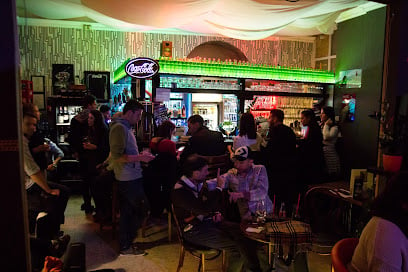 Bares y clubes gay
Destacado
(3056)
Bares y clubes gay
Destacado
(3056)