Igualdad matrimonial desde Obergefell v. Hodges (26 de junio de 2015). La Ley de Respeto al Matrimonio (diciembre de 2022) proporciona un piso congresional, requiriendo el reconocimiento federal de todos los matrimonios válidos entre personas del mismo sexo e interraciales, independientemente de futuras sentencias del Tribunal Supremo. Bostock v. Clayton County (2020) dictaminó que el Título VII de la Ley de Derechos Civiles prohíbe la discriminación laboral por motivos de orientación sexual e identidad de género. No existe una ley federal integral contra la discriminación en vivienda o espacios…
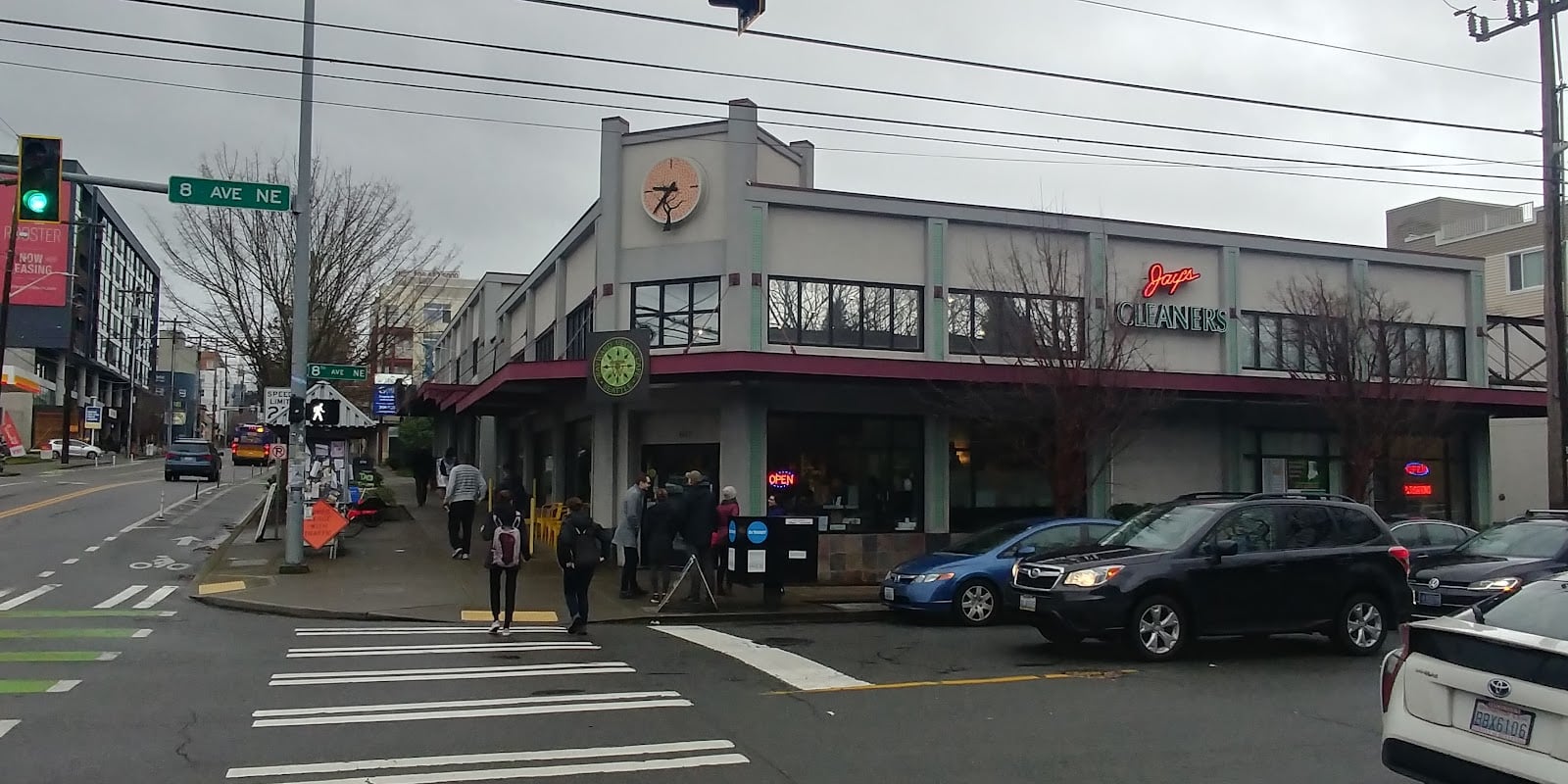
El bar queer más célebre de Capitol Hill — espectáculos de drag, público mixto, instalaciones de arte rotativas y el bar que define la escena queer inclusiva de Seattle para una nueva generación.
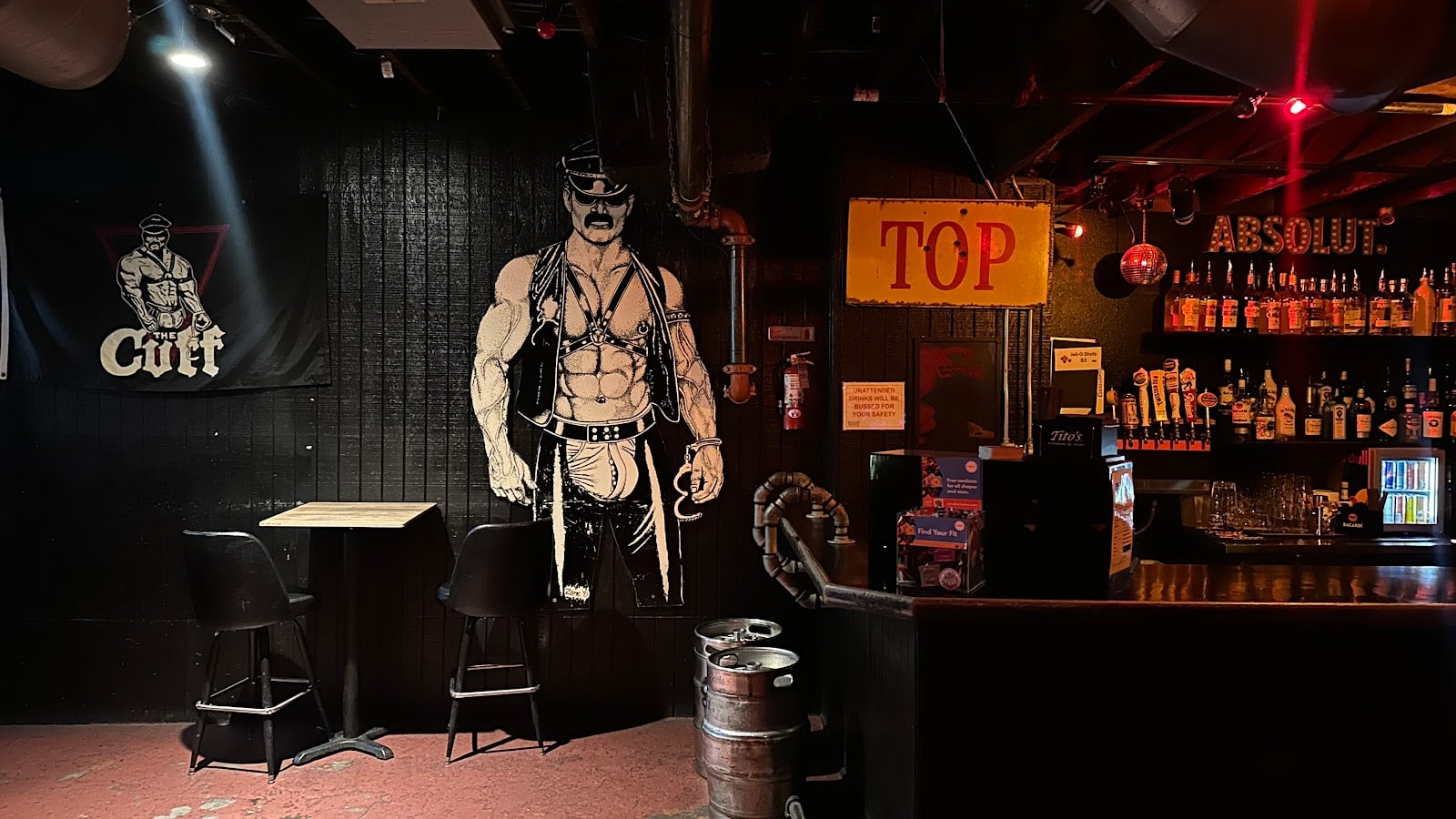
El complejo de cuero y cruceros de Capitol Hill, con una larga trayectoria —dos bares, una mesa de billar, un patio al aire libre, y el destino definitivo para las comunidades de osos y cuero de…
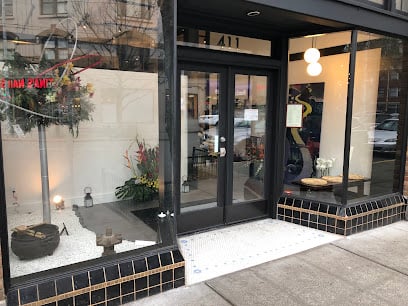
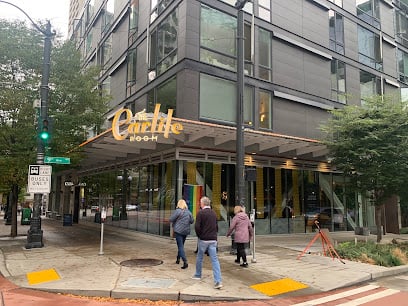
Siendo el lounge gay, lésbico, bisexual y transgénero más nuevo y divertido de Seattle, The Lobby Bar sirve cócteles hechos a mano y deliciosas bebidas elaboradas localmente a cargo de bartenders…
Club Z es un renombrado punto de encuentro gay ubicado en Seattle, Washington. Se ha establecido como un destino vibrante e inclusivo dentro de la comunidad LGBTQ+ de la ciudad.
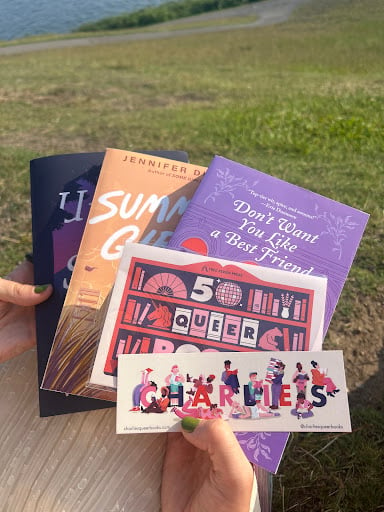
Al ser un club de lectura único para la comunidad LGBT en Seattle, Seattle Gay and Lesbian Book Club ha estado realizando su reunión SSAG desde 2009 los miércoles de 6 a 7:15pm.
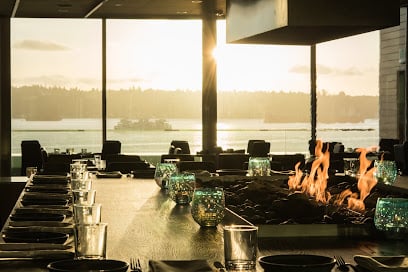
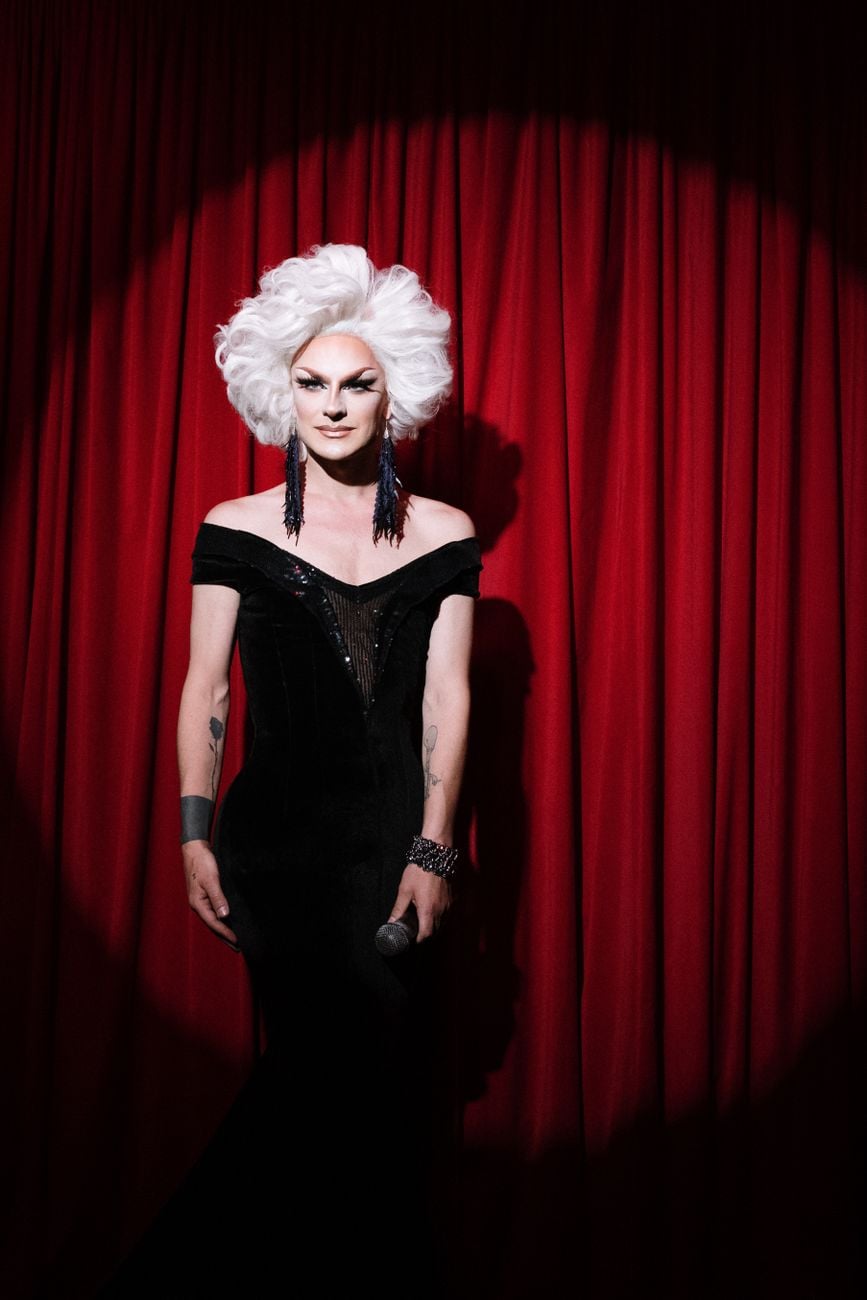
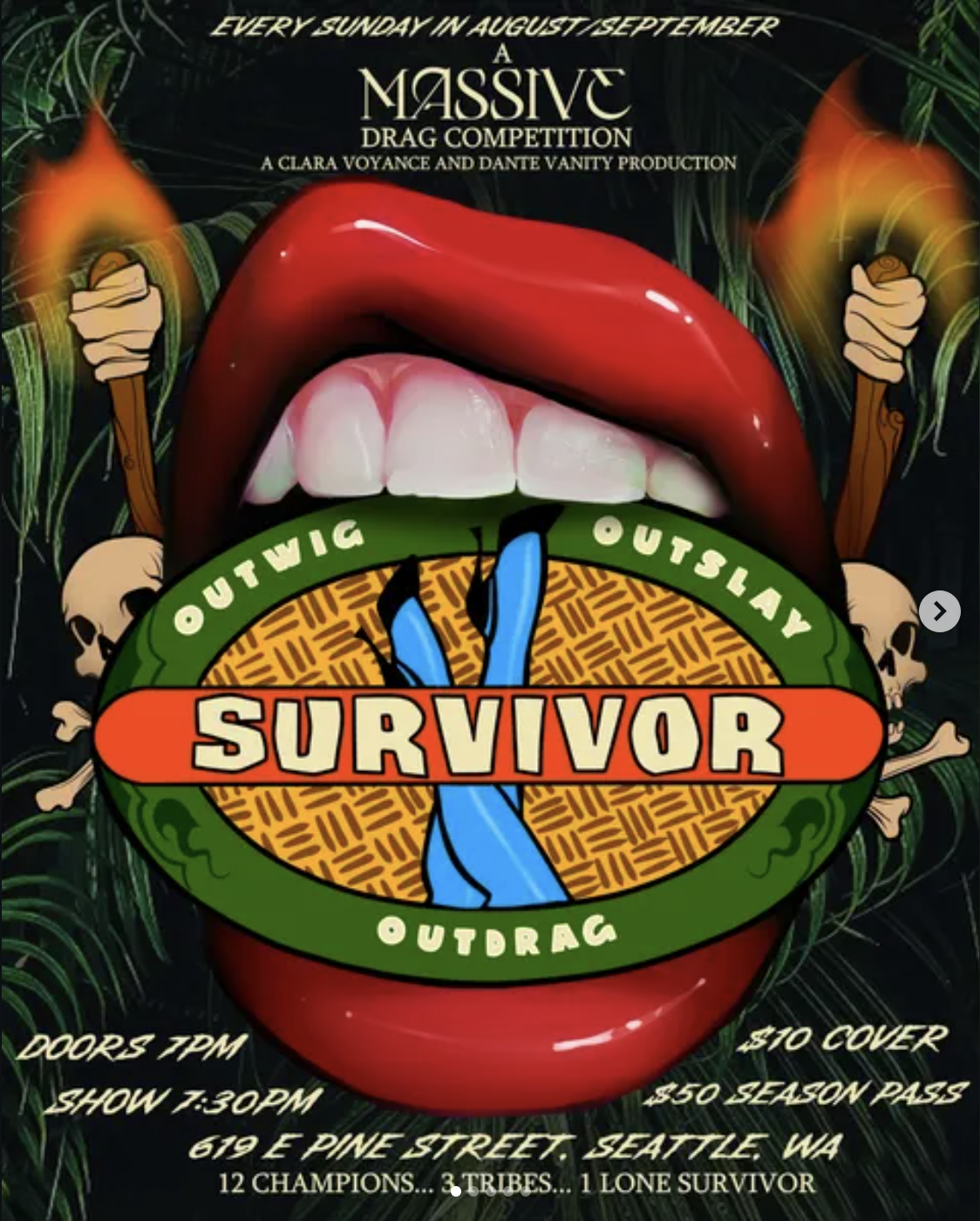
Un moderno Drag Ball y Discotheque. 3 Drag Hauses compiten por derechos de jactancia, dinero y paquete de premios, además de una oportunidad de competir por el Battle Royale.
Greater Seattle Business Association (GSBA), creada en 1981, es una organización que trabaja con empresas pequeñas y grandes, así como con corporaciones y organizaciones sin fines de lucro.
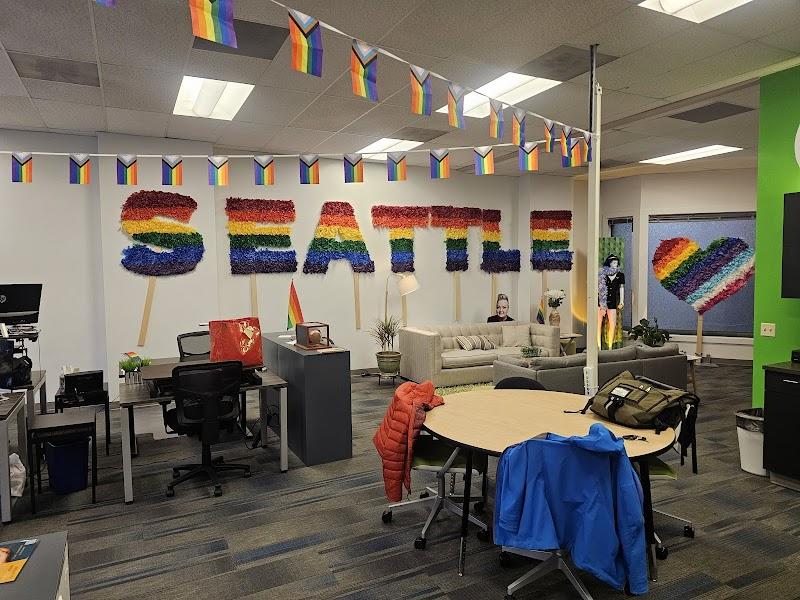
Siendo una organización sin fines de lucro resourceful para la comunidad LGBT en Seattle, Seattle Pride organiza eventos comunitarios anuales en el área de Seattle Metro para personas LGBT.
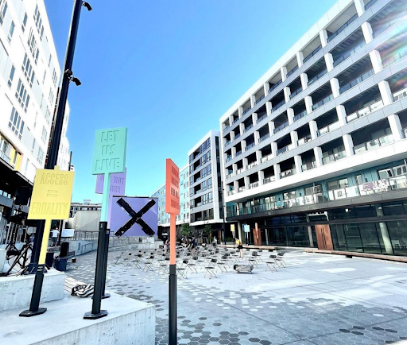
Un monumento permanente de arte público en memoria del SIDA instalado en Capitol Hill en 2021 — cinco obras de arte encargadas que trazan la historia del SIDA en Seattle a lo largo de una ruta…
La primera residencia de atención para el SIDA en la Costa Oeste — inaugurada en Seattle en 1992, ahora la clínica ambulatoria específica para VIH más grande del estado de Washington.
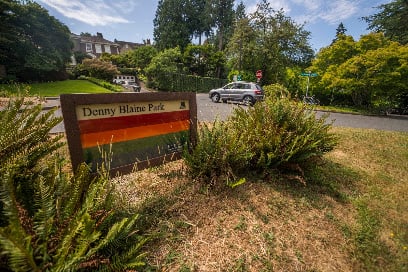
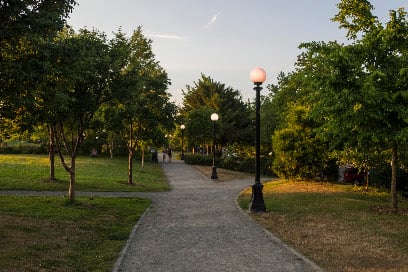
El parque de Capitol Hill renombrado en 2003 en honor al primer legislador abiertamente gay del estado de Washington — Cal Anderson (1948-1995), autor de la primera legislación sobre VIH/SIDA del…
La historia LGBTQ+ de Seattle está profundamente entrelazada con la identidad progresista de la ciudad. La comunidad se hizo cada vez más visible durante las décadas de 1970 y 1980, y Capitol Hill se consolidó como el principal barrio gay. El auge tecnológico de la ciudad en las décadas de 1990 y 2000 trajo consigo prosperidad económica y cambios demográficos, aunque Seattle ha mantenido su reputación como una de las ciudades más acogedoras de Estados Unidos para las personas LGBTQ+. El estado de Washington legalizó las uniones civiles entre personas del mismo sexo en 2007 y la igualdad matrimonial completa en 2012, mucho antes del reconocimiento federal.
CAPITOL HILL Y LOS BARRIOS LGBTQ+
Capitol Hill es el corazón indiscutible de la escena gay de Seattle. Delimitado aproximadamente por la Interestatal 5 al oeste, East Denny Way al norte, East Madison Street al sur, y entre la 15th y la 19th Avenue East al este, el barrio ha sido hogar de generaciones de queer de Seattle. La acción principal se concentra a lo largo del corredor Pike/Pine y Broadway, donde encontrarás bares gay, cafeterías, librerías e instituciones comunitarias una al lado de la otra. Busca los pasos de peatones con los colores del arcoíris en las intersecciones de Pike/Pine y Broadway, y el AIDS Memorial Pathway cerca de la estación de tren ligero de Capitol Hill y el Cal Anderson Park. Volunteer Park, en el extremo norte de la colina, es un hermoso espacio verde diseñado por Olmsted con vistas al perfil de la ciudad y una larga historia como lugar de encuentro comunitario.
Barrios como Fremont, Ballard y West Seattle son acogedores y progresistas, pero no son centros de la comunidad gay. Si vienes por la escena, Capitol Hill es donde querrás alojarte. Dicho esto, la población LGBTQ+ de Seattle está genuinamente integrada en toda la ciudad, por lo que te sentirás cómodo mucho más allá de un solo distrito.
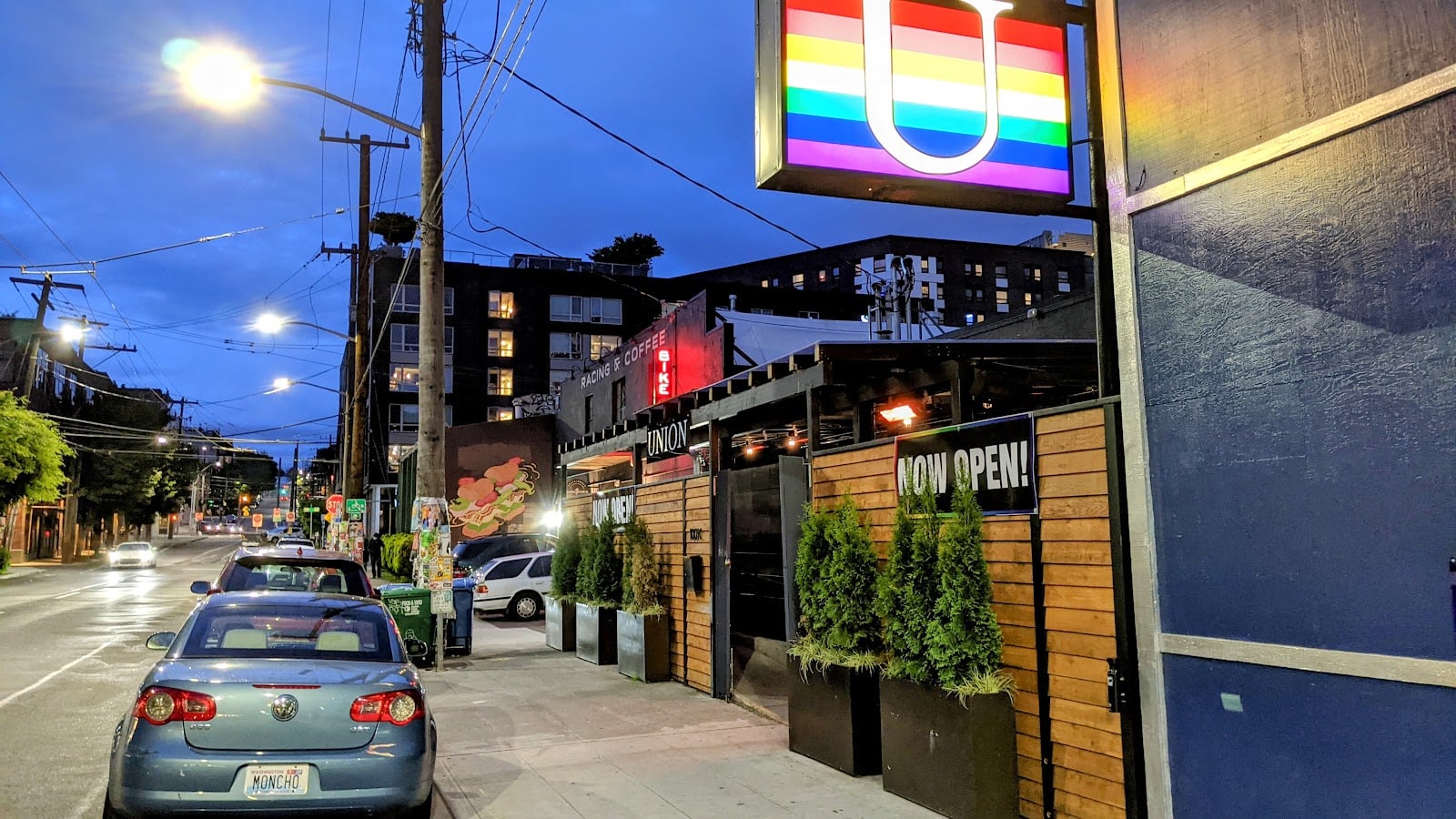
La vida nocturna LGTBQ+ de Seattle se concentra en Capitol Hill, a lo largo del corredor Pike/Pine y Broadway, y es un recorrido que se puede hacer a pie de un extremo a otro. El ancla es Neighbours, una discoteca en Broadway que ofrece noches de drag y DJ desde 1983. Unicorn aporta un ambiente de fiesta ruidoso y temático de carnaval, mientras que Queer Bar y Pony son los lugares de referencia para un público queer más joven y mixto. The Cuff Complex y Seattle Eagle atienden a las comunidades leather, bear y Levi. Massive, inaugurado en 2023 en el antiguo edificio de R Place en East Pine, es la adición más reciente y destacada a la escena de baile.
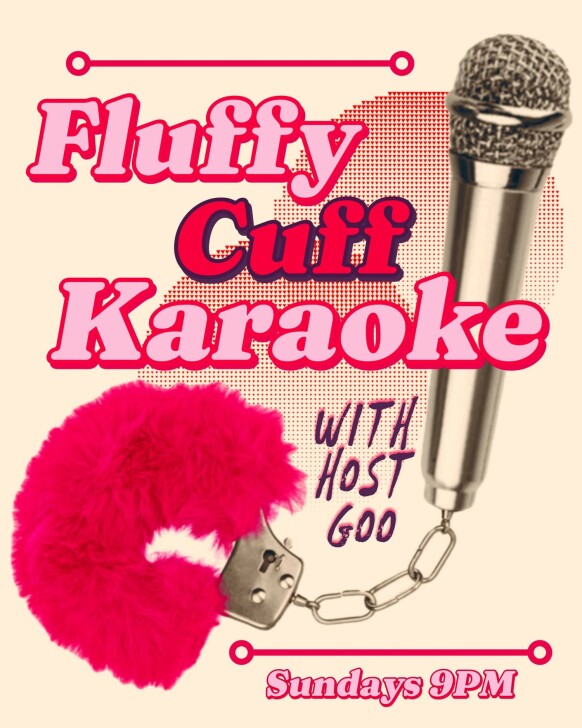
Para una noche más tranquila, CC Attle's, The Lobby Bar, The Hillside Bar, Madison Pub y Diesel ofrecen la calidez de los bares de barrio, mientras que CC Attle's y Crescent Lounge se inclinan por el karaoke y los habituales. Wildrose, en 11th Avenue desde 1984, es uno de los últimos bares lésbicos de toda la Costa Oeste. Kremwerk y su hermano Timbre Room acogen música electrónica y fiestas queer justo al oeste de la colina, y Q Nightclub es la sala para grandes noches de DJ itinerantes. Le Faux en Julia's es el lugar para el drag brunch y el cabaret. Más allá de Capitol Hill, Changes en Wallingford es un pub de barrio gay y acogedor, y Outwest Bar ondea la bandera en West Seattle.
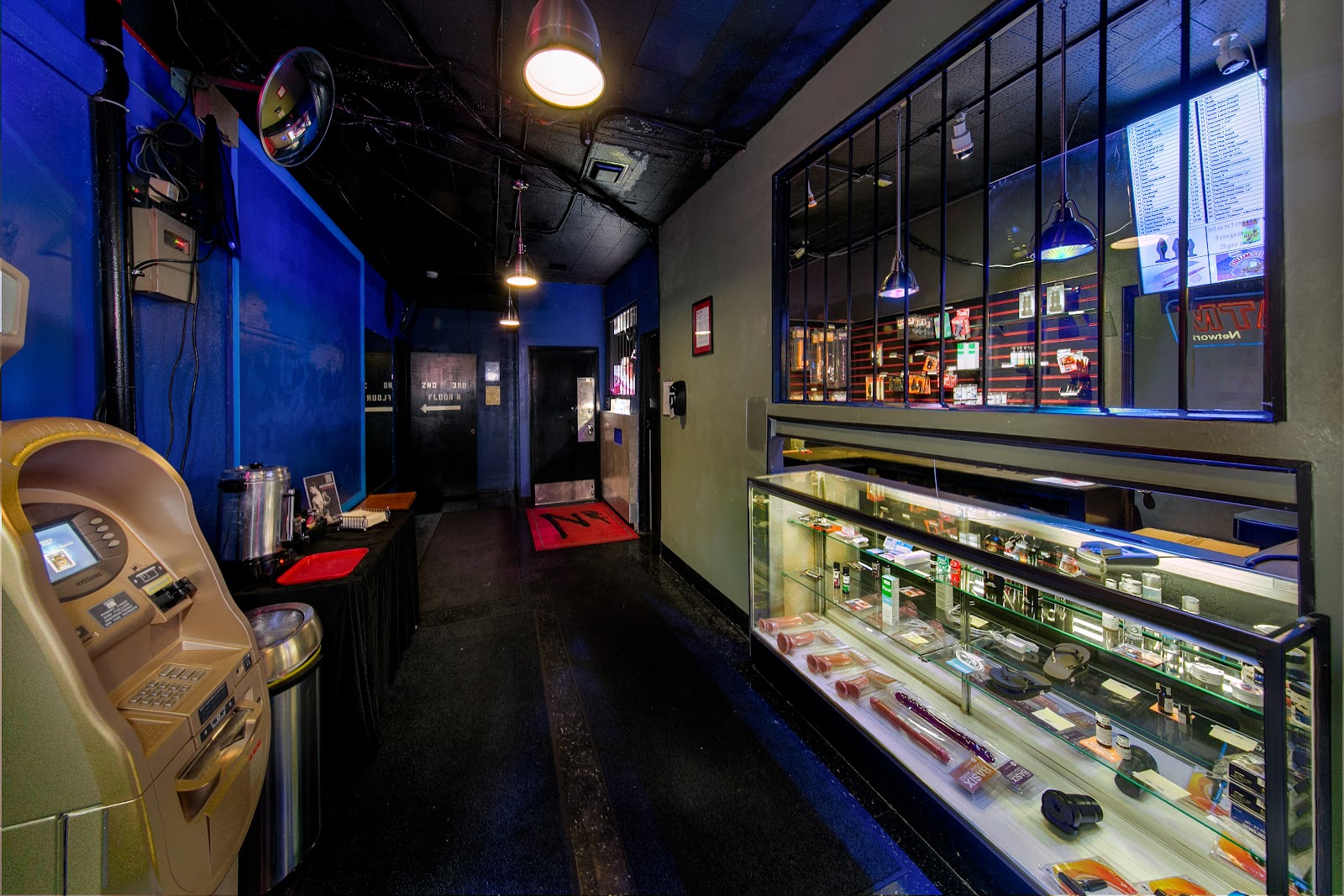
Seattle también cuenta con dos saunas gay, Club Z y Steamworks, ambas en Pike Street o cerca, además de una escena al aire libre de larga data en Volunteer Park y el Washington Park Arboretum.
ORGULLO Y EVENTOS PRINCIPALES
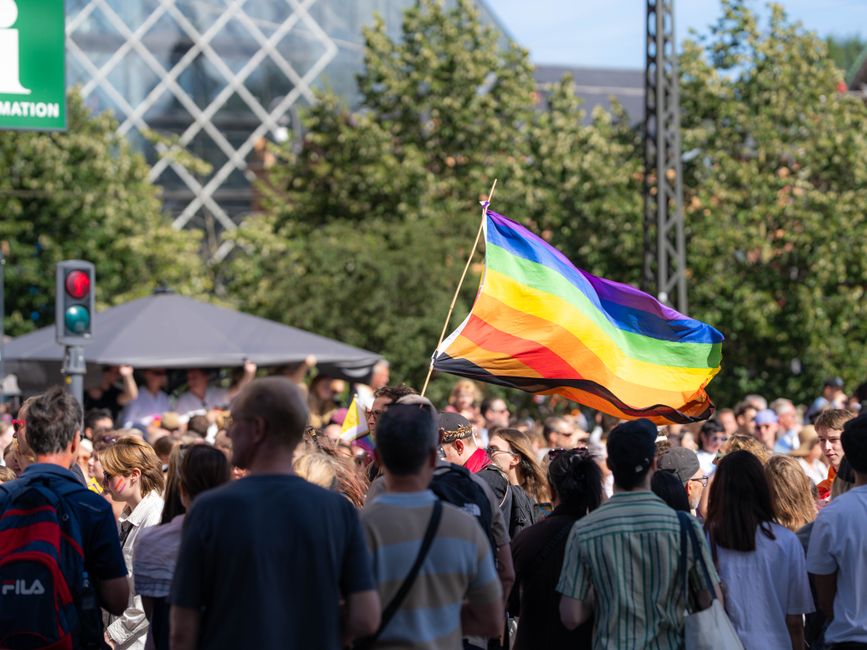
Seattle Pride es una de las celebraciones del Orgullo más grandes de América del Norte. El desfile tiene lugar el último domingo de junio, que en 2026 cae el 28 de junio, recorriendo 4th Avenue en el centro y atrayendo a más de 300.000 espectadores, con PrideFest en Seattle Center el mismo fin de semana. El Mes del Orgullo trae semanas de fiestas, actuaciones y eventos comunitarios por toda la ciudad, con Capitol Hill en el centro de todo. Trans Pride Seattle, que se celebra en Capitol Hill, es un punto culminante importante por derecho propio.
El Seattle Queer Film Festival (anteriormente Seattle Lesbian & Gay Film Festival) es uno de los festivales de cine LGBTQ+ con más trayectoria del país, pero estará en pausa en 2026 mientras su grupo organizador lleva a cabo una revisión financiera y estructural, así que consulta con antelación antes de planificar tu visita. El Seattle International Film Festival, que se celebra cada primavera, no es específico para la comunidad LGBTQ+, pero suele programar un cine queer de calidad.
DÓNDE ALOJARSE
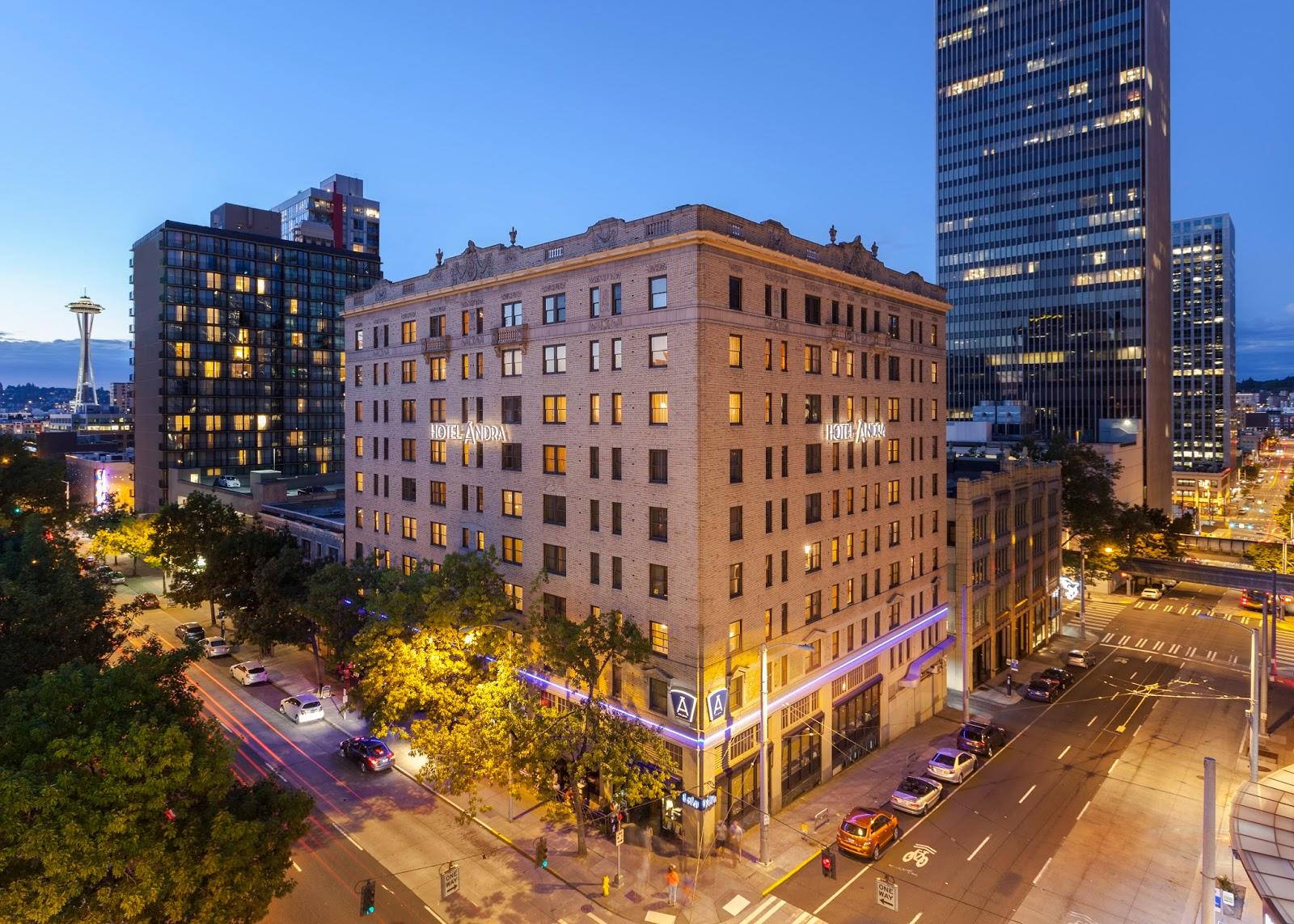
Capitol Hill es el lugar obvio para alojarse si quieres estar en el centro de la acción. Cecil Bacon Manor, un B&B de propiedad gay en una gran mansión de 1909 en Broadway East, y el gay-owned Gaslight Inn, están a poca distancia de los bares. Los hoteles del centro se encuentran a una o dos millas de distancia y están bien conectados con Capitol Hill por tren ligero y autobús. Hostales como HI Seattle y Green Tortoise son ideales para viajeros con presupuesto limitado, y los alquileres a corto plazo son abundantes en Capitol Hill, Fremont y Ballard.
TRANSPORTE Y DESPLAZAMIENTOS
El tren ligero Link de Seattle conecta el aeropuerto Sea-Tac, el centro, Capitol Hill y el University District, lo que facilita y abarata llegar al barrio gay sin coche. El aeropuerto está a unas 15 millas al sur del centro, a unos 40 minutos en tren. Los autobuses de King County Metro cubren el resto de la ciudad. Capitol Hill es muy transitable a pie, y el corredor Pike-Pine se explora mejor caminando. Los servicios de transporte compartido son la forma más fiable de volver a casa después de la última ronda, ya que el tren ligero deja de funcionar antes de que cierren los bares.
GASTRONOMÍA
La escena gastronómica de Seattle es famosa por su marisco fresco, su cultura del café y sus restaurantes de vanguardia. Pike Place Market, en el centro, es la parada icónica para productos frescos, marisco y comida preparada. Capitol Hill está repleto de restaurantes independientes, cafeterías y bares para todos los gustos y presupuestos, desde locales veganos hasta sitios para comer a altas horas de la noche, y las cafeterías queer-owned y queer-friendly del barrio forman una parte genuina de su cultura. Fremont y Ballard tienen sus propias y vibrantes escenas gastronómicas y de cervecerías.
CONSIDERACIONES DE SEGURIDAD
Seattle es una de las principales ciudades de EE. UU. más seguras para viajeros LGBTQ+. El estado de Washington cuenta con sólidas protecciones contra la discriminación y los delitos de odio que cubren la orientación sexual y la identidad de género, y Capitol Hill es un barrio abiertamente queer donde las parejas del mismo sexo son visibles y bienvenidas. Seattle también se considera la ciudad más amigable con las personas trans del estado, con amplios recursos comunitarios. Como en cualquier lugar, usa el sentido común urbano habitual por la noche, pero la hostilidad abierta hacia las personas LGBTQ+ es rara.
EXCURSIONES DE UN DÍA Y ATRACCIONES CERCANAS
El Noroeste del Pacífico ofrece paisajes de clase mundial a un par de horas de la ciudad. El Parque Nacional Mount Rainier, a unas 90 millas al sureste, ofrece senderismo y flores silvestres de verano. El Parque Nacional Olympic, al que se llega en ferry o conduciendo alrededor de Puget Sound, combina selva tropical, playas y montañas. Las San Juan Islands son un pintoresco viaje en ferry desde el paseo marítimo, y Snoqualmie Falls es una escapada rápida al este para ver una espectacular cascada de 270 pies. Más cerca, Alki Beach en West Seattle y el Olympic Sculpture Park te ofrecen costa y arte público sin salir de la ciudad.
LA ESCENA HOY
La escena LGBTQ+ de Seattle sigue evolucionando. Capitol Hill sigue siendo el centro cultural, pero la mayor integración de personas LGBTQ+ en toda la ciudad significa que encontrarás comunidad en todas partes, no solo en un distrito. El aumento de los alquileres ha hecho desaparecer algunas instituciones de larga data del barrio a lo largo de los años, incluso cuando han abierto nuevos espacios como Massive. Consulta la programación actual para conocer las últimas novedades sobre locales y eventos antes de planificar tus salidas nocturnas.
Preguntas frecuentes
Capitol Hill es el epicentro de la vida LGBTQ+ en Seattle. Es conocido por su densidad de bares gay, cafeterías, boutiques y restaurantes.
Sí. Capitol Hill tiene pasos de peatones con arcoíris permanentes en las intersecciones de Pike/Pine y Broadway, instalados en 2015 para honrar a la comunidad LGBTQ+ del barrio. Cerca, el AIDS Memorial Pathway (el AMP) alrededor de la estación de tren ligero de Capitol Hill y el Cal Anderson Park es una conmovedora obra de arte público y un lugar de reunión que recuerda a quienes fallecieron a causa de la epidemia.
En Capitol Hill, Q Nightclub y Kremwerk son locales muy conocidos y populares entre el público LGBTQ+, que ofrecen fiestas de baile y eventos de música electrónica.
Fremont se ha vuelto cada vez más amigable con la comunidad LGBTQ+ con su carácter artístico y sus negocios independientes. Ballard también tiene una creciente visibilidad LGBTQ+, particularmente entre los residentes más jóvenes.
Sí. Seattle es una de las principales ciudades más seguras de EE. UU. para viajeros LGBTQ+. El Estado de Washington cuenta con sólidas protecciones contra la discriminación y los delitos de odio que cubren la orientación sexual y la identidad de género, y Capitol Hill es un barrio abiertamente queer donde las parejas del mismo sexo son visibles y bienvenidas. Seattle también es considerada la ciudad más amigable con las personas transgénero del estado. Usa el sentido común habitual de las grandes ciudades por la noche, pero la hostilidad abierta es rara.
Seattle alberga una próspera población LGBTQ+ integrada, estimada en alrededor del 6-7% de los residentes de la ciudad. Las instituciones comunitarias, las organizaciones sin fines de lucro y las empresas están integradas en el tejido urbano.
Tus opciones de privacidad.
Usamos cookies para que GayOut funcione y, con tu consentimiento, para medir su uso. Saber más
Tus opciones de privacidad
Usamos cookies para que GayOut funcione, recordar tus preferencias y (con tu permiso) medir cómo se usa el sitio. Puedes aceptar todas, rechazar todas o elegir qué permites. Saber más
Esenciales
Necesarias para el inicio de sesión, prevención de fraude, protección CSRF y memorizar tu idioma. No se pueden desactivar.
Siempre activo
Recuerda tus favoritos, modo oscuro y otras preferencias de interfaz entre visitas.
Nos ayudan a saber qué páginas visita la gente (Google Analytics, estadísticas del servidor) para poder mejorar.
Se usan en píxeles de seguimiento de campañas. Ninguna está activa ahora; reservadas para el futuro.
Instalar GayOut
Añade GayOut a tu pantalla de inicio para acceso más rápido, favoritos sin conexión y avisos del Orgullo.


![Myself! Party [in-person] September 2026](https://images.pexels.com/photos/8448547/pexels-photo-8448547.jpeg?auto=compress&cs=tinysrgb&h=650&w=940)









 Bares y clubes gay
Destacado
(170)
Bares y clubes gay
Destacado
(170)