Ranked #1 in Europe on the ILGA-Europe Rainbow Index. Same-sex marriage and full adoption since 2017; self-declaration gender recognition since 2015 (first in Europe); conversion therapy banned 2016; comprehensive anti-discrimination and intersex protections.
Cafe Society calls itself the wrong place for the right person, and the right people in this case include a solid slice of Valletta queer and artistic life.
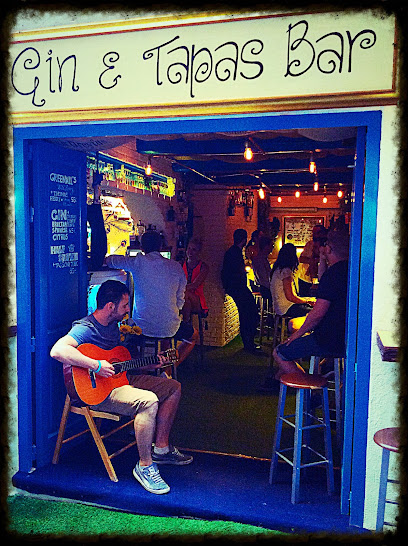
Yard 32 pours more than 200 gins on Strait Street, the narrow lane that was the Mediterranean navy playground of the 1930s and the closest thing Malta ever had to a queer red-light quarter.
Malta's most gay-popular beach day: no official gay beach exists on the island, and Golden Bay's sand and facilities are where the community actually goes; quieter Għajn Tuffieħa next door.
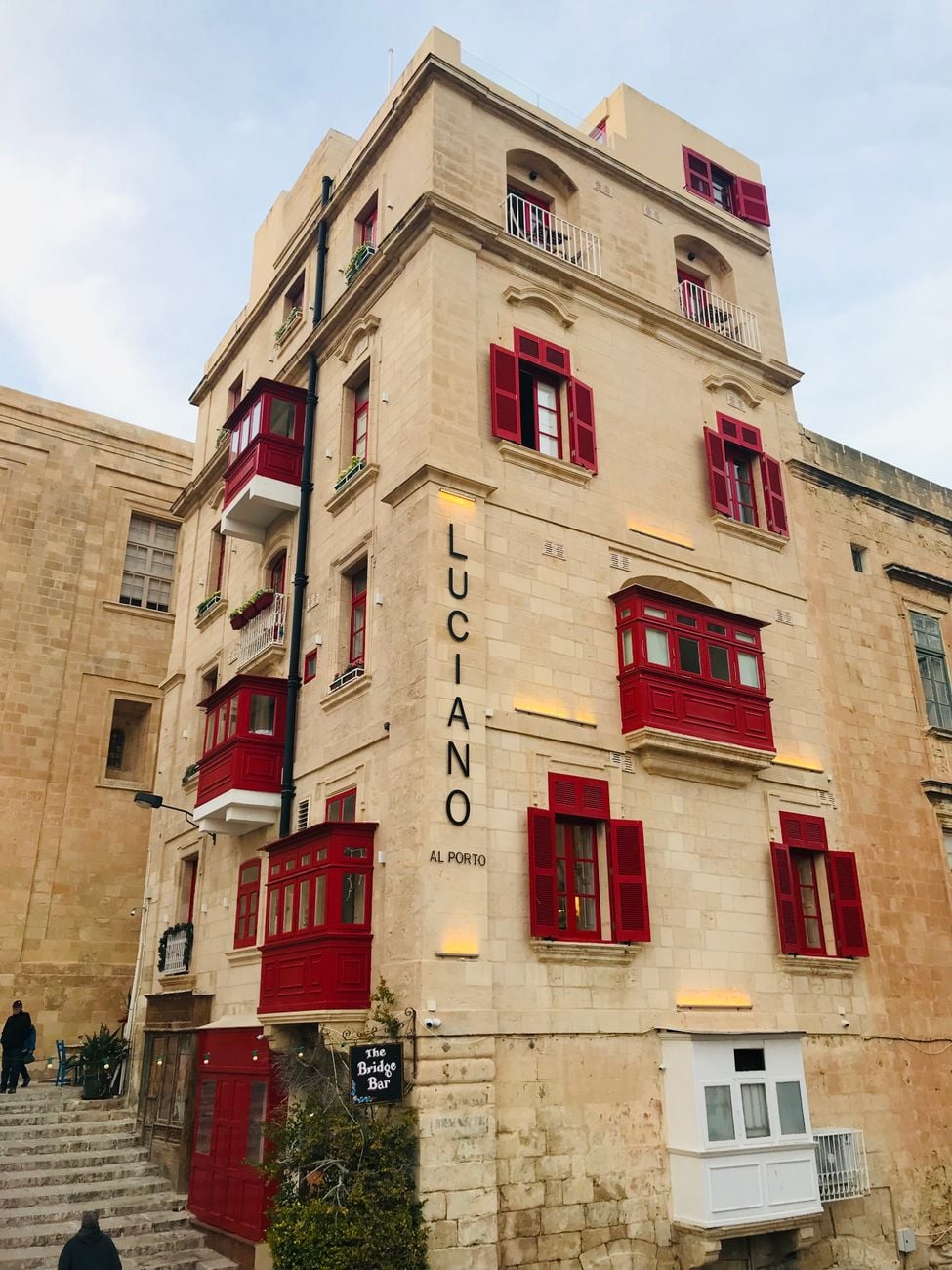
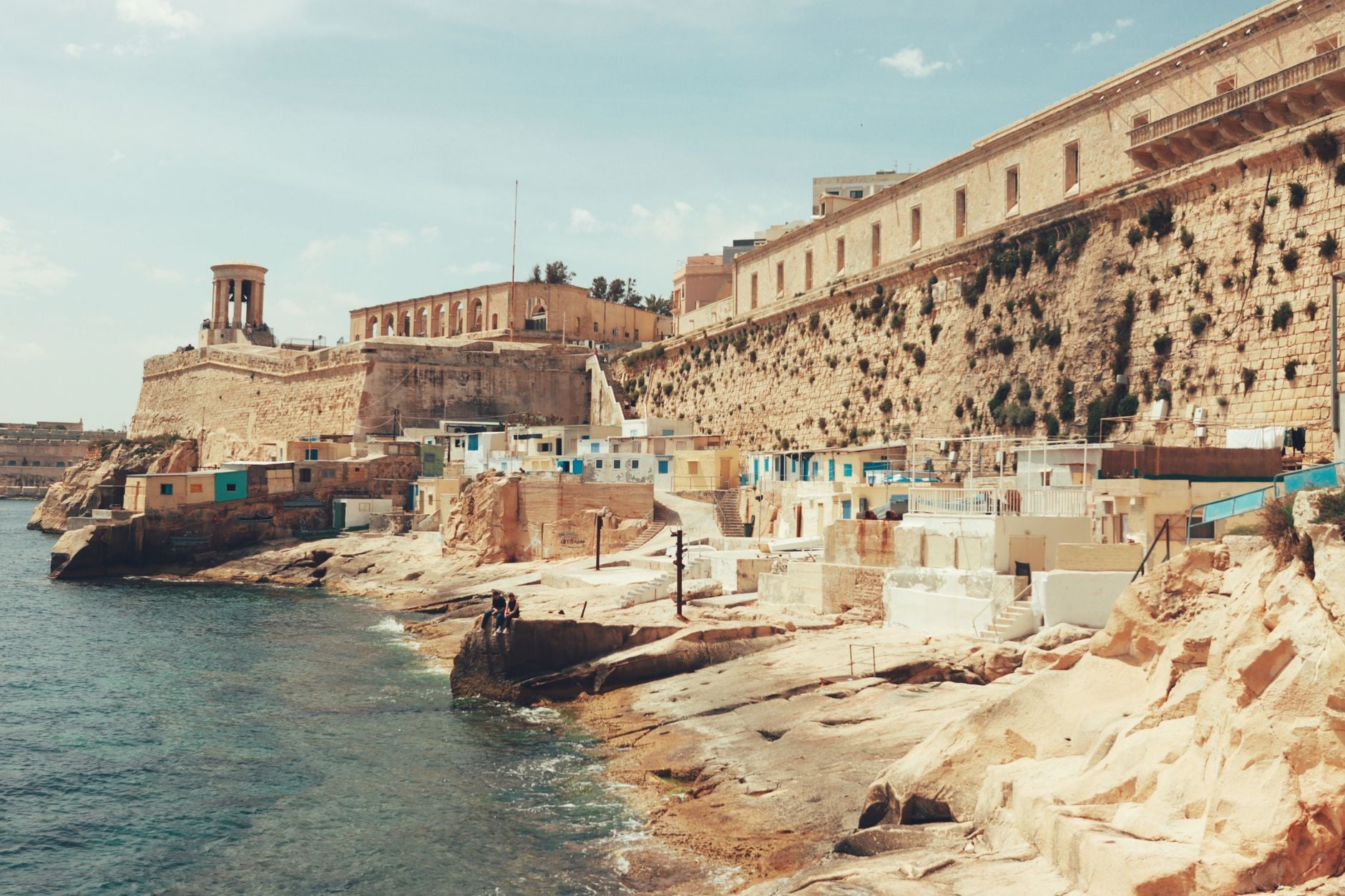
Valletta, the fortified capital of Malta, sits on the Mediterranean with a rich history spanning centuries. For LGBTQ+ travelers, it represents a unique destination where medieval architecture coexists with contemporary queer culture. Malta itself has become increasingly recognized as one of Europe's most progressive countries for LGBTQ+ rights, and Valletta serves as the cultural and social heart of this evolution.
HISTORY OF THE LGBTQ+ SCENE
Malta decriminalized same-sex relationships in 1973, relatively early for Europe, though societal acceptance evolved more gradually. The country introduced same-sex civil partnerships in 2014 and legalized same-sex marriage in 2017, making it one of the first Mediterranean nations to do so. Valletta's gay scene developed gradually, with venues becoming more openly queer-friendly from the 2000s onward. The establishment of EuroPride in Valletta in 2019 was a watershed moment, drawing over 25,000 visitors and signaling Malta's commitment to LGBTQ+ visibility and rights. This event elevated the city's profile significantly within the European gay circuit and demonstrated local government support for the community.
NEIGHBORHOODS AND LAYOUT
Valletta is small enough to navigate entirely on foot, with most points of interest within 15-20 minute walks. The city is built on a peninsula with the Grand Harbour on one side and Marsamxett Harbour on the other. Main streets include Republic Street (Triq Ir-Repubblika), the primary thoroughfare running through the center, and streets radiating outward from the central Castille Square. The harbor-front areas offer restaurants, bars, and scenic views. Most gay-friendly venues cluster around the central and harbor areas, making them accessible without requiring extensive local knowledge.
KEY VENUES AND NIGHTLIFE
Valletta's gay scene, while not large by major European city standards, is genuine and welcoming. Specific venue information changes seasonally and by year, but traditionally the city has hosted gay bars and clubs particularly in the central areas. The scene operates somewhat fluidly, with certain nights designated as queer-friendly at mainstream venues rather than exclusively gay establishments. Travelers should check current resources like Purple Roofs or local LGBTQ+ Malta organizations for up-to-date venue listings, as establishments may change ownership, names, or hours.
During Pride season and summer months, venues actively market to gay clientele, and temporary pop-up events and parties are common. Hotel bars and upscale restaurants throughout the city generally maintain inclusive environments. The broader Maltese culture, particularly among younger generations, is notably accepting of LGBTQ+ individuals, so even non-dedicated venues tend to be welcoming.
Saunas and sexual health facilities exist in Malta, though travelers should research current locations and hours in advance through local LGBTQ+ networks or online directories.
PRIDE AND MAJOR EVENTS
Valletta Pride, held annually in May or June, is the flagship event. Following the EuroPride 2019 success, Pride has become increasingly elaborate, typically running for a week with parades, concerts, film festivals, and community gatherings. The official Pride parade draws thousands of participants and spectators through Valletta's historic streets, culminating in celebrations around the harbors. Multiple stages host performances, and the atmosphere is celebratory and family-friendly during daytime events, with club nights for adults in the evenings.
Beyond Pride, various smaller events occur throughout the year. Summer months (June-September) see increased gay-friendly programming, beach parties on nearby islands, and circuit parties that attract international gay travelers. International LGBTQ+ film festivals, art exhibitions, and cultural events rotate through the calendar.
WHERE TO STAY
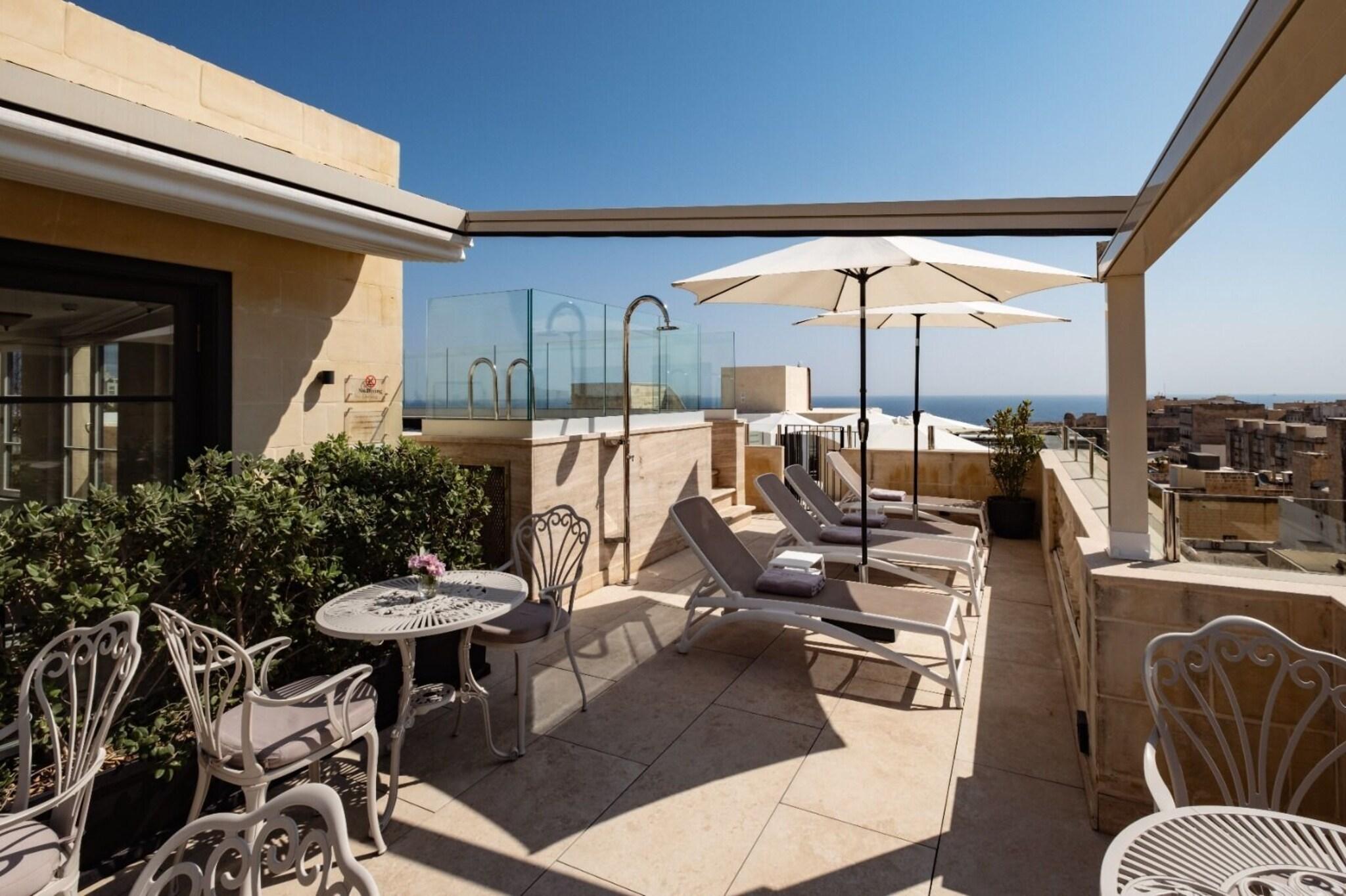
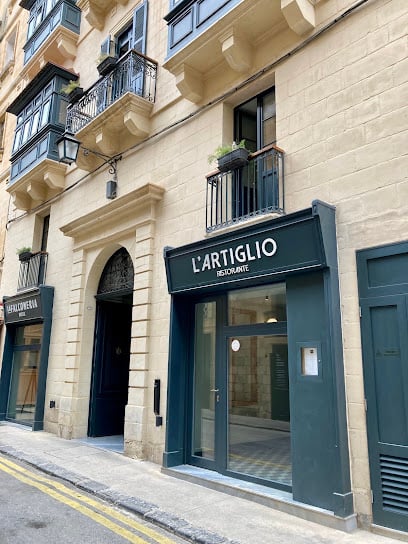
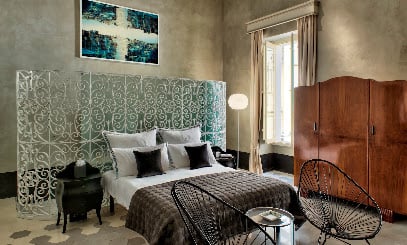
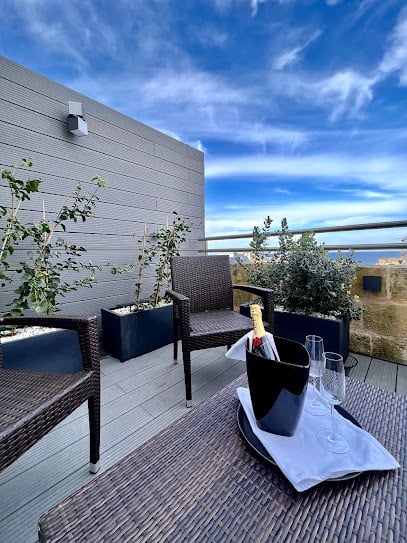
Valletta offers accommodation across price ranges. Several hotels explicitly market themselves to LGBTQ+ travelers and maintain inclusive policies. Boutique hotels in converted historic buildings offer character, while international chains provide familiarity. Guesthouses and Airbnb properties operated by local hosts often provide personalized recommendations for gay venues and activities. Given Valletta's compact size, any accommodation within the city proper is conveniently located; choosing based on specific amenities or views may matter more than proximity to gay venues.
Neighboring towns like Sliema (across Marsamxett Harbour) also host gay-friendly hotels and bars, connected to Valletta by short ferry rides or bus journeys, offering alternative bases.
Malta and Valletta are generally very safe for LGBTQ+ travelers. Legal protections for LGBTQ+ people are robust, with anti-discrimination laws covering employment, housing, and public services. Same-sex couples can marry, adopt, and access all legal protections afforded to different-sex couples. Public displays of affection between same-sex couples are not controversial in the capital, and acceptance is visible and normalized.
Standard urban safety precautions apply—avoid displaying excessive valuables, be aware of surroundings at night, and use registered taxis or ride-sharing apps. The areas frequented by tourists and for nightlife are well-policed and generally secure.
TRANSPORT
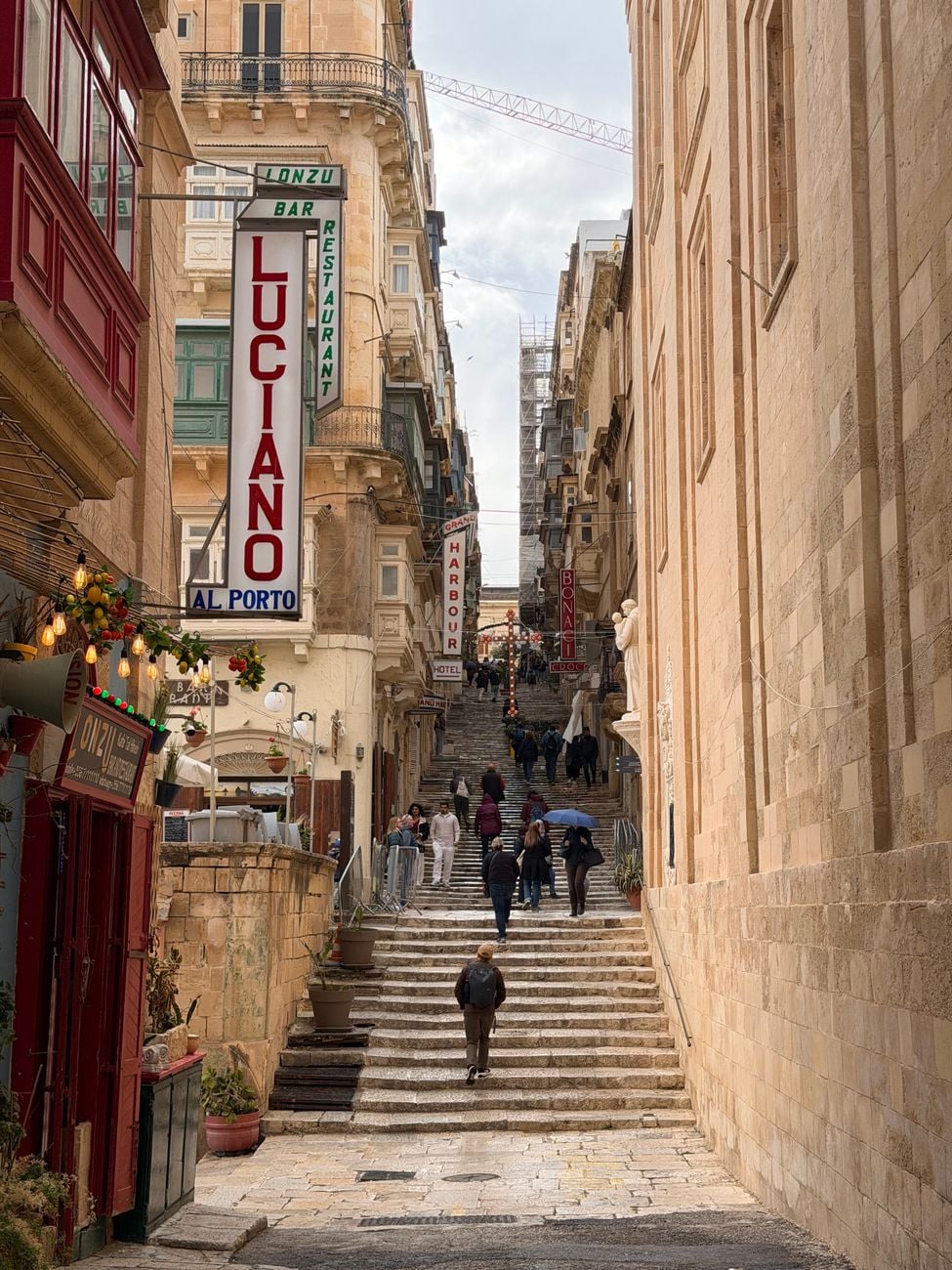
Valletta is compact and walkable. The city is built on steep terrain with many stairs and narrow streets, so comfortable walking shoes are essential. Malta's public bus system, operated by a single company, is affordable and connects Valletta to surrounding areas. Buses depart from the main bus terminal outside the city walls. Ferries connect Valletta to the Three Cities across the Grand Harbour and to Sliema across Marsamxett Harbour, offering both transport and scenic views.
Taxis operate throughout the city; ride-sharing apps like Bolt are available and often cheaper than traditional taxis. Car rental is possible but unnecessary for Valletta itself; it becomes useful for day trips to other parts of the island.
The airport is roughly 10 kilometers away, connected by bus, taxi, or tour services.
FOOD AND DINING
Valletta's dining scene reflects Mediterranean and international cuisines. Traditional Maltese food features seafood, pasta, and dishes influenced by Italian and Arab culinary traditions. Restaurants along the harbors offer scenic settings; casual eateries serve traditional fare at reasonable prices. Several restaurants actively market to gay travelers or are known within the community as welcoming spaces.
Cafés throughout the city offer coffee and light meals; aperitivo culture (early evening drinks with snacks) is popular. Michelin-starred restaurants and casual trattorias coexist, offering choice at various price points.
DAY TRIPS AND SURROUNDING ATTRACTIONS
From Valletta, numerous attractions are easily accessible. The ancient temples of Malta (Hagar Qim, Mnajdra, Tarxien) predate the Egyptian pyramids and are UNESCO sites. Mdina, the ancient capital, sits inland with spectacular views and well-preserved medieval streets. The island of Comino offers beaches and the famous Blue Lagoon for swimming. Ferry trips to Gozo, another island, provide different landscapes and archeological sites.
The Three Cities (Vittoriosa, Senglea, Cospicua) across the Grand Harbour are atmospheric towns with maritime history. Sliema, directly across Marsamxett Harbour, offers shopping, dining, and beach clubs.
Many day trips can be arranged through tour operators or independently via public transport and ferries.
PRACTICAL INFORMATION
Malta's official language is Maltese, but English is widely spoken, particularly in tourism and service sectors. The currency is the Euro. Weather is Mediterranean—hot and dry in summer (June-September, potentially 35°C+), mild in winter. Spring (April-May) and autumn (September-October) offer pleasant temperatures and fewer crowds.
Visa requirements depend on nationality; EU citizens need no visa, while US, Canadian, Australian, and many other passport holders can visit visa-free for up to 90 days.
Where to Stay
Accommodation should be booked in advance during Pride season (May-June) and peak summer, as availability becomes limited.
Valletta offers LGBTQ+ travelers a distinctive Mediterranean experience: a UNESCO-listed fortified city with authentic history, genuine (if not massive) gay scene, and robust legal and cultural protections for queer visitors. It suits travelers seeking cultural immersion, historical exploration, and a queer-friendly base for exploring Malta's islands and attractions.
Frequently asked questions
Valletta is a welcoming city for LGBTQ+ travelers. Malta has made significant legal progress regarding LGBTQ+ rights, including the legalization of same-sex marriage in 2017.
There are no specific LGBTQ+ neighborhoods in Valletta. The entire historic center is compact and accessible, with gay venues clustered within walking distance of each other, particularly around Republic Street and Strait Street.
Valletta's queer nightlife is small but real. Kween, a queer bar on Merchant Street that opened in 2025, is the newest anchor, while Maori - a lesbian-owned bar on the St Elmo Bay waterfront - doubles as the community's arts hangout and hosts a monthly queer dance night. Gay-friendly spots like Yard 32 and Cafe Society fill out the circuit, and the island's only gay nightclub, Michelangelo, is a short taxi ride away in Paceville.
Accommodation in Valletta's historic center places visitors within walking distance of most attractions and LGBTQ+ venues. There is no need for gay-specific neighborhoods as the entire city center is compact and accessible.
The LGBTQ+ scene in Valletta is relatively small compared to major European capitals. However, many visitors find this intimacy refreshing, and the community is integrated into the broader social fabric.
Malta Pride takes place every September in Valletta. In 2026 the Pride week runs from September 4 to 13, with the parade on Saturday, September 12 setting off from Triton Square at 6pm and finishing with performances at St George's Square. The week draws well over 15,000 visitors and includes an opening night at Maori bar and a Gozo Pride march.
Your privacy choices.
We use cookies to run GayOut and, with your consent, measure usage. Learn more
Your privacy choices
We use cookies to keep GayOut running, remember your preferences, and (with your permission) measure how the site is used. You can accept all, reject all, or pick what you allow. Learn more
Essential
Required for sign-in, fraud prevention, CSRF protection and remembering your language. Cannot be disabled.
Always on
Remembers your favourites, dark mode and other interface preferences across visits.
Helps us understand which pages people visit (Google Analytics, server-side stats) so we can improve.
Used by campaign tracking pixels. None are active right now, reserved for future use.
Install GayOut
Add GayOut to your home screen for faster access, offline favourites, and Pride alerts.




 Gay Bars & Clubs
Featured
(300)
Gay Bars & Clubs
Featured
(300)