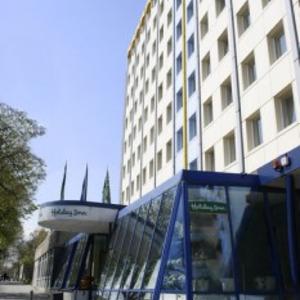
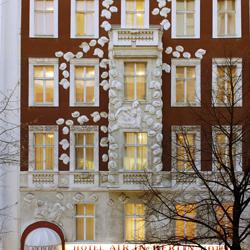
The 140-year-old Grand Hotel is, without doubt, the most famous hotel in Oslo. This historic building has seen has Nobel Peace Prize laureates, Kings & Queens and numerous celebrities pass through…
Thon Hotel Opera has a perfect location right next to Oslo Central Station, making it super convenient for both sightseeing and getting to/from the airport.
Modern, excellent-value for money HTL Grensen is just a few minutes’ walk from Karl Johans Gate shopping area and even closer to Oslo’s main gay club, London Pub.
Oslo Pride er landets største pride-festival, og er Norges største skeive kulturarrangement. - Oslo Pride 2016 - Pride House: Fra fredag 17. juni til fredag 24. juni. Pride Park: Onsdag 22.
Norway has one of the world's most progressive records on LGBTQ+ rights. Sexual orientation was decriminalized in 1972, making Norway an early adopter among European nations. The age of consent was equalized in 1993, same-sex registered partnerships became legal in 1993, and full marriage equality arrived in 2009. Oslo, as the capital, has been at the forefront of this progress, with visible Pride celebrations dating back to the 1970s. Today, discrimination based on sexual orientation or gender identity is illegal across employment, housing, services, and public accommodations. This legal foundation creates a genuinely safe environment for LGBTQ+ travelers and residents.
Neighborhoods and Areas
The city centre (Sentrum) is the heart of gay Oslo: most of the dedicated queer venues cluster within a few minutes' walk of each other around C.J. Hambros plass and Youngstorget, anchored by the London Pub, open since 1979. Grünerløkka, the bohemian neighborhood north of the center, features independent shops, cafes, vintage stores, and LGBTQ+-friendly venues mixed among the residential and artistic community. It has a lived-in, authentic feel rather than a commercialized gay district. The neighborhood is walkable and filled with street art, vintage record stores, and popular cafes like Kaffebrenneriet.
The city center around Karl Johans gate and Stortorget (the main square) is where much of Oslo's commerce and culture centers, including mainstream bars and restaurants with LGBTQ+ clientele. The Sentrum area is easily navigable on foot and hosts museums, shopping, and dining.
Grønland, just east of the center, adds a few more relaxed LGBTQ+-friendly bars, while Oslo's scene overall is increasingly integrated rather than segregated into a specific district. This reflects broader Scandinavian attitudes where queer identity is normalized within mainstream society rather than cordoned off.
Venues and Nightlife
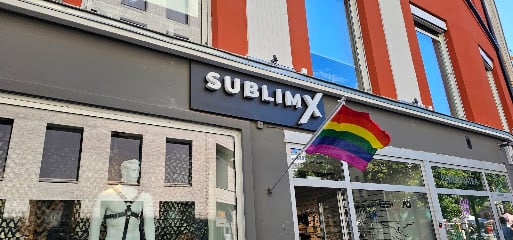
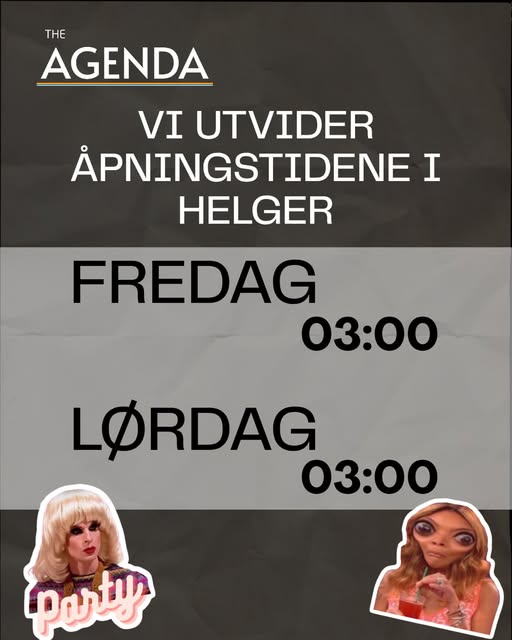
Oslo's gay scene includes several established venues, concentrated in the city centre. The anchor is the London Pub (C.J. Hambros plass, open since 1979), a two-floor bar and club that remains the centre of gay nightlife. Other dedicated venues include Elsker (a late-night queer club), the newer two-floor bar the AGENDA, So, the queer bar Baba on Storgata, César Bar & Café on C.J. Hambros plass, and the traditional, older-crowd Bob's Pub in Grønland. Scandinavian Leather Men (SLM) is a long-running leather and fetish members' club with a darkroom. Note that Oslo no longer has a dedicated gay sauna: Saunahuset Hercules, the last one, closed at the end of 2022.
Beyond dedicated gay venues, Oslo's mainstream bar and club scene is exceptionally welcoming. Many establishments actively market themselves as LGBTQ+-friendly, and same-sex couples will encounter no hostility at any standard bar or club. Popular nightlife areas include Grünerløkka for a casual, artsy vibe and the central Sentrum for more mainstream clubs and lounges.
Coffee culture is huge in Oslo, and LGBTQ+ visitors will find cafes throughout the city welcoming and inclusive. Grünerløkka in particular has numerous cafe hangouts.
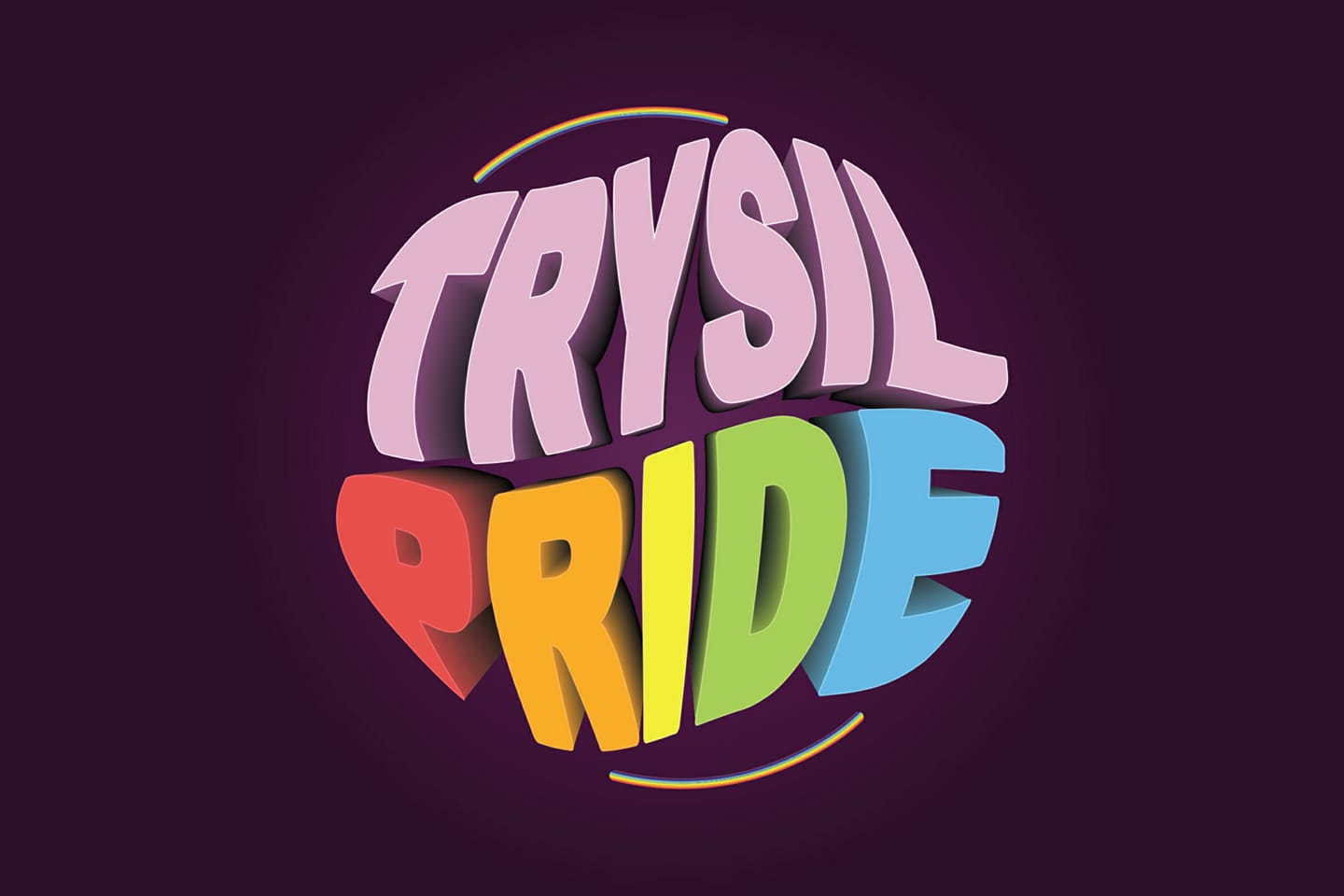
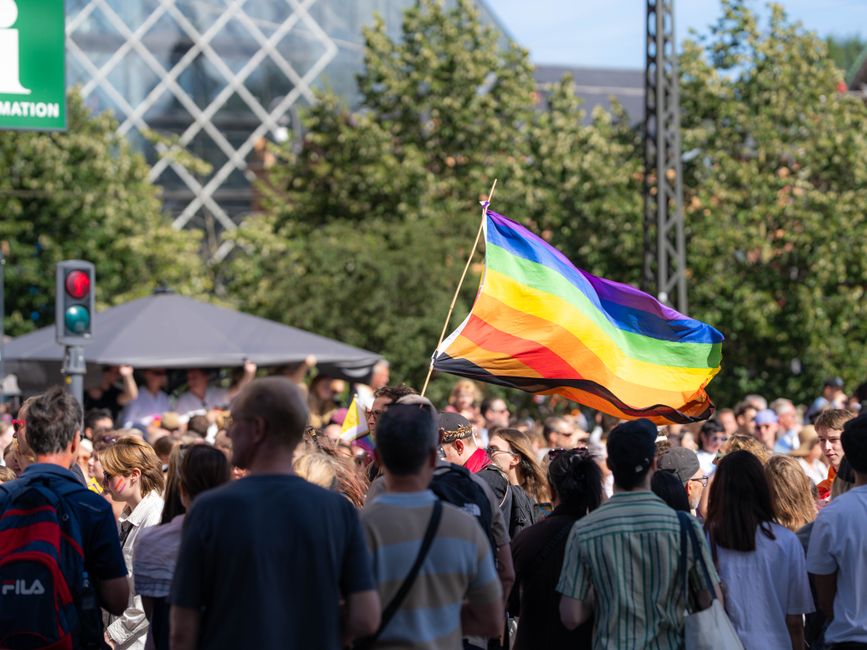
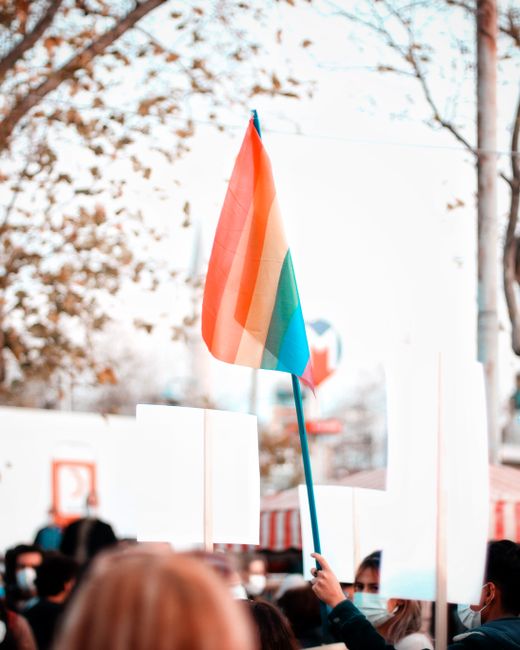
Oslo Pride takes place annually in late June, known in Norwegian as Skeive Dager, and is one of Europe's most significant Pride celebrations, consistently drawing 100,000+ attendees. In 2026 it runs 17-27 June, with the main parade on Saturday 27 June. The festival spans about ten days and includes the iconic Pride Parade through Oslo's streets, multiple stages with live music and performances, parties, seminars, cultural events, and exhibitions. The parade itself is massive and visible, reflecting widespread public support. Participating is a joyful, celebratory experience in an exceptionally safe environment.
Beyond Pride, Oslo's calendar includes various LGBTQ+ cultural events, film festivals, and community gatherings throughout the year. The city hosts occasional circuit parties and dance events, particularly around Pride season.
Where to Stay
Grünerløkka offers a neighborhood experience with boutique hotels, guesthouses, and Airbnb options that feel integrated into a real community. Staying here provides access to cafes, restaurants, and the bohemian atmosphere.
For convenience and proximity to attractions, the Sentrum (city center) area offers larger hotels and is walkable to museums, shopping, dining, and public transit. Hotels around Oslo Central Station provide good transport connections.
Oslo's accommodation is expensive by most international standards but reflects Nordic pricing and quality. Mid-range and luxury options are abundant. Budget travelers may need to look at hostels or stay in suburban areas with good transit connections.
Oslo's public transportation system is excellent. The Oslo metro (T-banen), trams, and buses are clean, frequent, reliable, and run on an integrated ticketing system. A visitor pass can be purchased for 24, 48, or 72 hours, providing unlimited travel on all public transit.
The city is also very bikeable, and bike rentals are available. Walking is feasible for many neighborhoods, particularly Grünerløkka and the city center.
Taxis and ride-share services like Uber operate, though public transit is faster and more economical in most cases.
Food and Dining
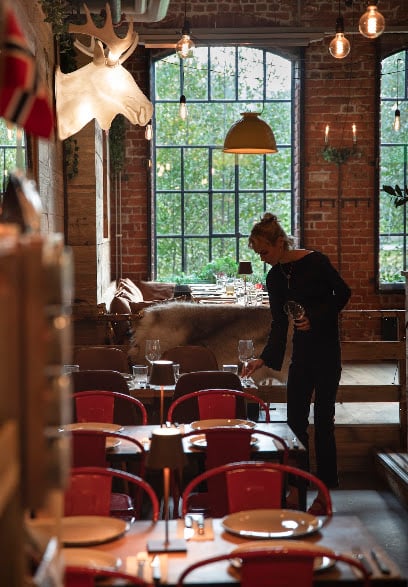
Oslo has an exceptional food scene with everything from casual cafes to Michelin-starred restaurants. Nordic cuisine emphasizes fresh, seasonal ingredients, seafood, and local produce. LGBTQ+-friendly restaurants are abundant and unremarkable—the city simply doesn't separate dining establishments by orientation.
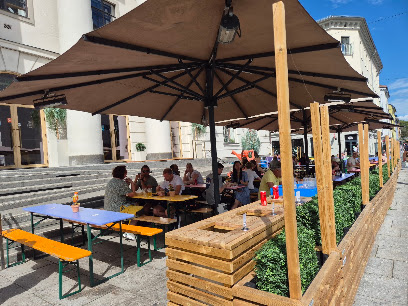
Grünerløkka has numerous casual restaurants, cafes, and food venues with independent character. For fine dining, the city center offers upscale options. Street food and casual markets provide budget-friendly options.
Vegetarian and vegan options are widely available throughout Oslo, reflecting Scandinavian sustainability values.
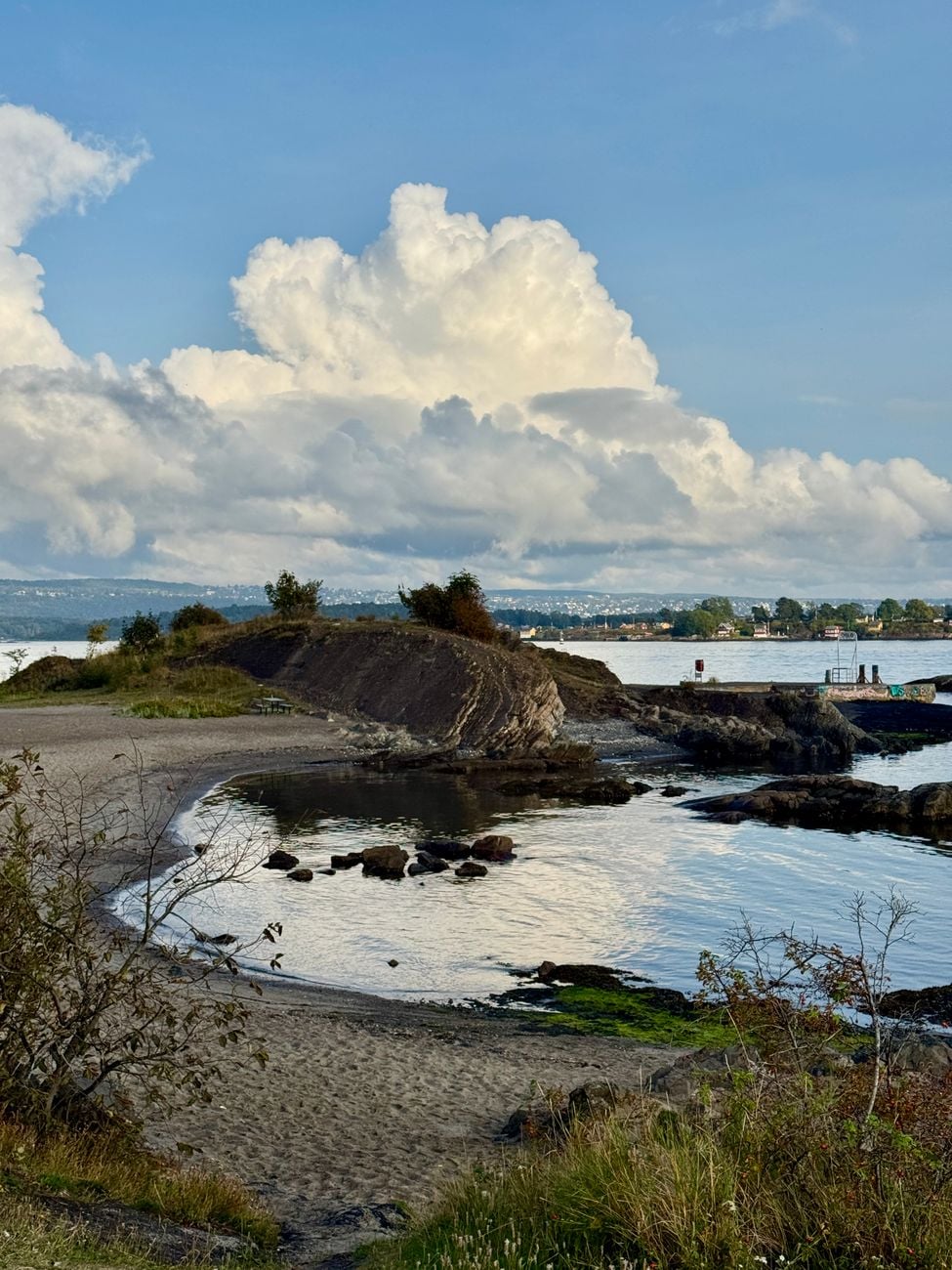
Oslo's location provides access to stunning natural areas. The Oslofjord is minutes from the city and offers islands, beaches, and water activities. Ferries and boats depart from downtown Oslo to nearby islands.
The forests surrounding Oslo (Marka) provide hiking, cross-country skiing in winter, and outdoor recreation. Multiple trails of varying difficulty are accessible by metro to the forest edge.
Neighboring towns like Lillehammer (about 2 hours by train) offer historical sites and outdoor opportunities. The scenic train rides through Norwegian valleys are attractions themselves.
Safety and Legal Considerations
Oslo is exceptionally safe for LGBTQ+ travelers. Public displays of affection by same-sex couples are completely normal and unremarkable. Hate crimes or discrimination are rare and heavily prosecuted when they occur. Legal protections are comprehensive and actively enforced.
Petty theft occurs in any major city, so standard urban precautions apply—watching bags and belongings in crowded areas. However, violent crime affecting tourists is extremely rare.
Accommodations and Services
Hospitals, healthcare providers, and emergency services are excellent and non-discriminatory. Travel insurance is recommended for any major medical situation, though care is exceptional.
Oslo is cash-increasingly-optional, with card payments widespread. ATMs are abundant.
Language is not a barrier; English is spoken fluently by the vast majority of Norwegians, particularly in tourist and service industries.
Oslo is expensive. Accommodation, dining, and attractions cost significantly more than most European cities. Budget travelers should plan accordingly. However, excellent public transit, free outdoor attractions, and quality of life make it worth the investment for many visitors.
Best Times to Visit
Late June is ideal for experiencing Pride (Skeive Dager) and long summer daylight, and July-August bring warm summer weather. June, July, and September offer pleasant weather, long daylight hours (midnight sun in June), and good conditions for outdoor exploration.
Winter (November-March) brings darkness and cold but also unique Nordic experiences like potential northern lights viewing from nearby areas and winter sports.
Spring (April-May) and fall (September-October) are beautiful shoulder seasons with moderate crowds and weather.
Conclusion
Oslo represents one of the world's best destinations for LGBTQ+ travelers seeking safety, legal protection, cultural sophistication, and genuine inclusion. The scene is mature and integrated rather than ghettoized, reflecting broader Scandinavian social values. Oslo Pride is world-class, and the year-round atmosphere is welcoming and progressive. While expensive, the quality of experience justifies the investment.
Frequently asked questions
Yes, Norway consistently ranks among the world's best countries for LGBTQ+ rights and social acceptance, making Oslo a safe and welcoming destination.
Oslo doesn't have a single gay village. Its dedicated gay bars cluster in the city centre (Sentrum), especially around C.J. Hambros plass and Youngstorget, where you'll find the London Pub, César, So and the AGENDA. The bohemian Grünerløkka district and nearby Grønland add more LGBTQ+-friendly cafes and bars.
Oslo's gay scene is relatively small, and visitors often frequent gay-friendly venues rather than exclusively gay ones. The city's LGBTQ+ community has an integrated presence throughout the city.
The London Pub on C.J. Hambros plass, open since 1979, is the long-standing anchor of the scene, with a pub downstairs and a club upstairs. Other popular spots include Elsker, So, the AGENDA, César Bar & Café and the leather club SLM (Scandinavian Leather Men), plus the traditional Bob's Pub in Grønland.
Yes. Oslo Pride, known in Norwegian as Skeive Dager, is held over about ten days in late June and is one of Europe's largest, drawing well over 100,000 people. In 2026 it runs 17-27 June, with the main parade on Saturday 27 June through the city centre.
No. Oslo no longer has a dedicated gay sauna - Saunahuset Hercules, the city's last one, closed at the end of 2022. The city's many floating harbour saunas (KOK, SALT, Oslo Badstuforening) are mainstream and mixed. The leather club SLM has a darkroom, and occasional LGBTQ+ "Queer Sauna Sessions" pop-ups are hosted at mainstream saunas.
Your privacy choices.
We use cookies to run GayOut and, with your consent, measure usage. Learn more
Your privacy choices
We use cookies to keep GayOut running, remember your preferences, and (with your permission) measure how the site is used. You can accept all, reject all, or pick what you allow. Learn more
Essential
Required for sign-in, fraud prevention, CSRF protection and remembering your language. Cannot be disabled.
Always on
Remembers your favourites, dark mode and other interface preferences across visits.
Helps us understand which pages people visit (Google Analytics, server-side stats) so we can improve.
Used by campaign tracking pixels. None are active right now, reserved for future use.
Install GayOut
Add GayOut to your home screen for faster access, offline favourites, and Pride alerts.







 Gay Bars & Clubs
Featured
(513)
Gay Bars & Clubs
Featured
(513)