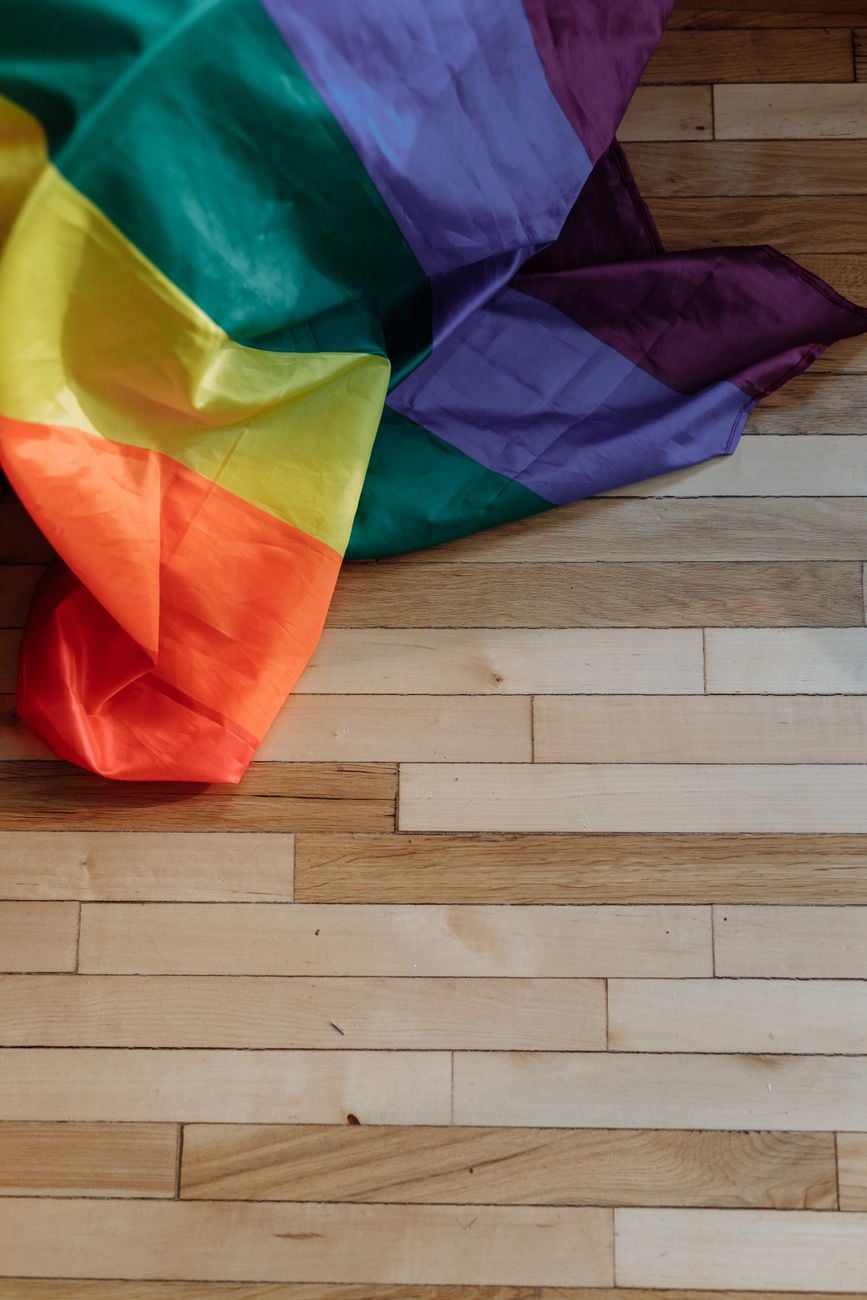
No domestic civil partnership or marriage law — the 2025 bill was vetoed by President Nawrocki in July 2026 — but same-sex marriages concluded in other EU states are recognized (CJEU 2025, confirmed by Poland's top administrative court March 2026). All "LGBT-free zones" were abolished by April 2025, and legal gender recognition was simplified in March 2025. Warsaw and other big cities are open and welcoming; rural areas are more conservative.
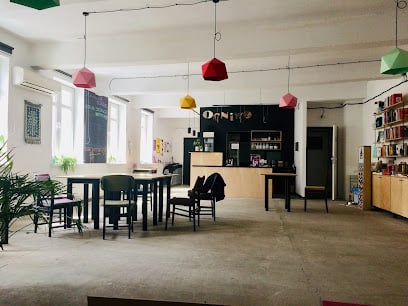
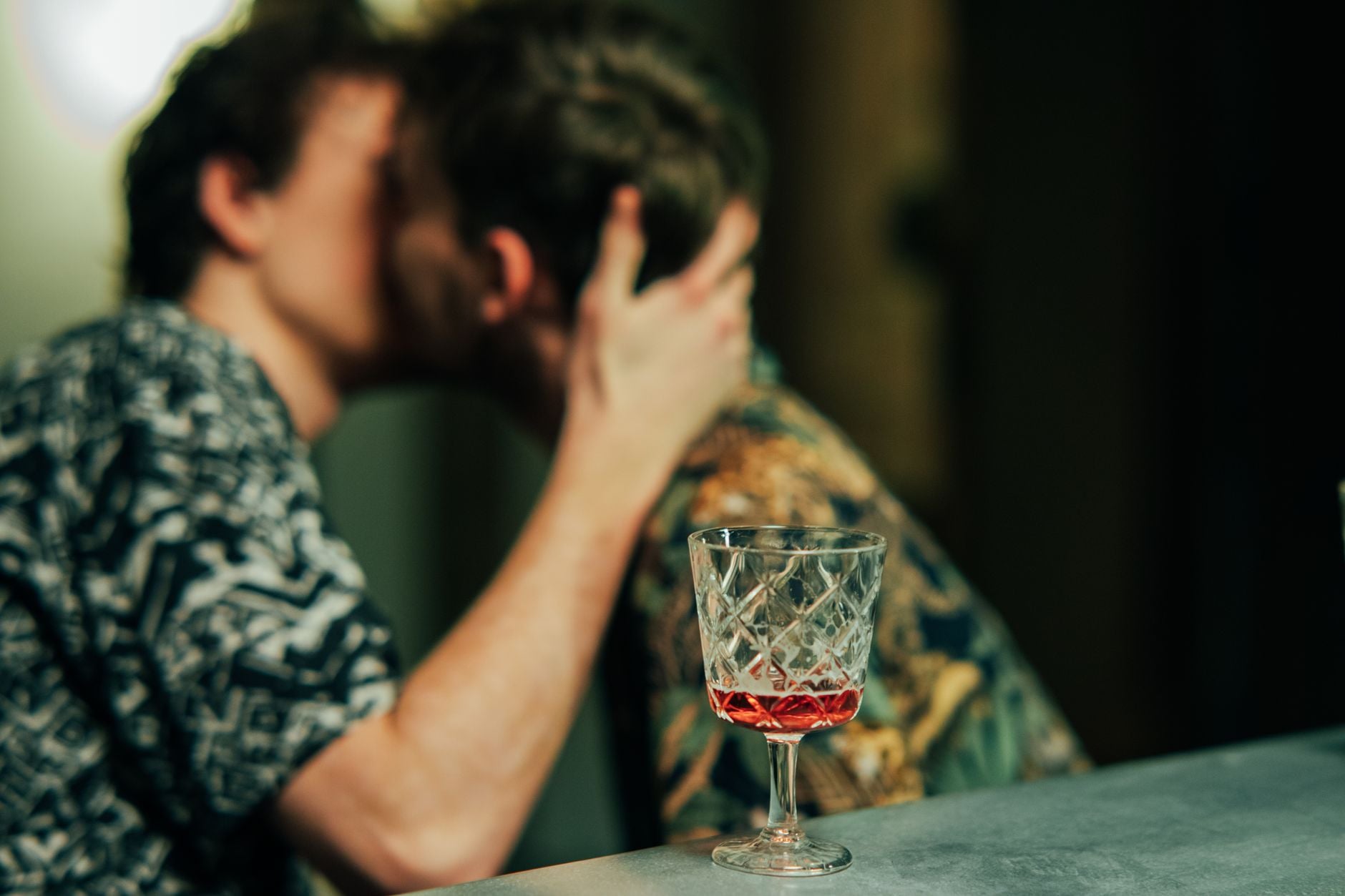
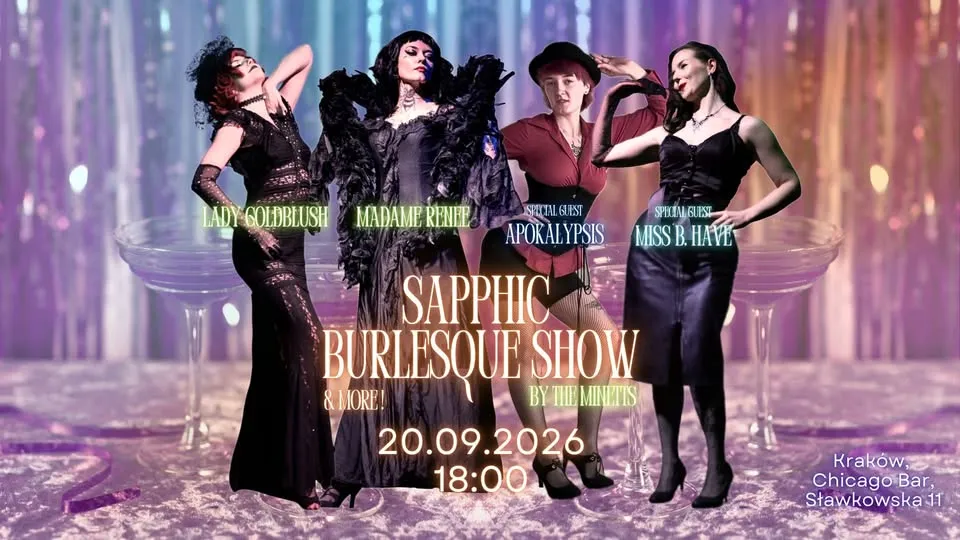
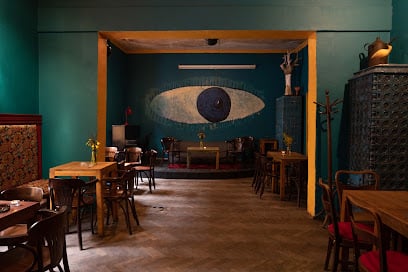
Queer-friendly cultural bar and venue in Kazimierz with LGBTQ+ programming, art exhibitions, and a mixed crowd of artists, activists, and community members.
Kraków chapter of the Campaign Against Homophobia (KPH) — Poland's principal LGBTQ+ rights organisation, providing community support, legal advice, and organising the annual Kraków Equality March.
Kraków's LGBTQ+ community has grown over recent decades within Poland's evolving social and political context. While Poland has seen legal advancements, including the decriminalization of same-sex relationships in 1932 and some anti-discrimination laws, it remains a socially conservative country. Despite this, Kraków, with its significant student population and cultural institutions, offers a comparatively more open environment than many other Polish cities.
The visible LGBTQ+ scene here is younger than in Western European capitals but has expanded since the 2010s. Community organizations, cultural events, and social venues have been established, though Polish law does not yet recognize same-sex marriage or civil unions. Kraków Pride, an annual event since the 2000s, serves as a significant demonstration of solidarity and visibility. Attendees should be aware that counter-protests can occur.
Neighborhoods
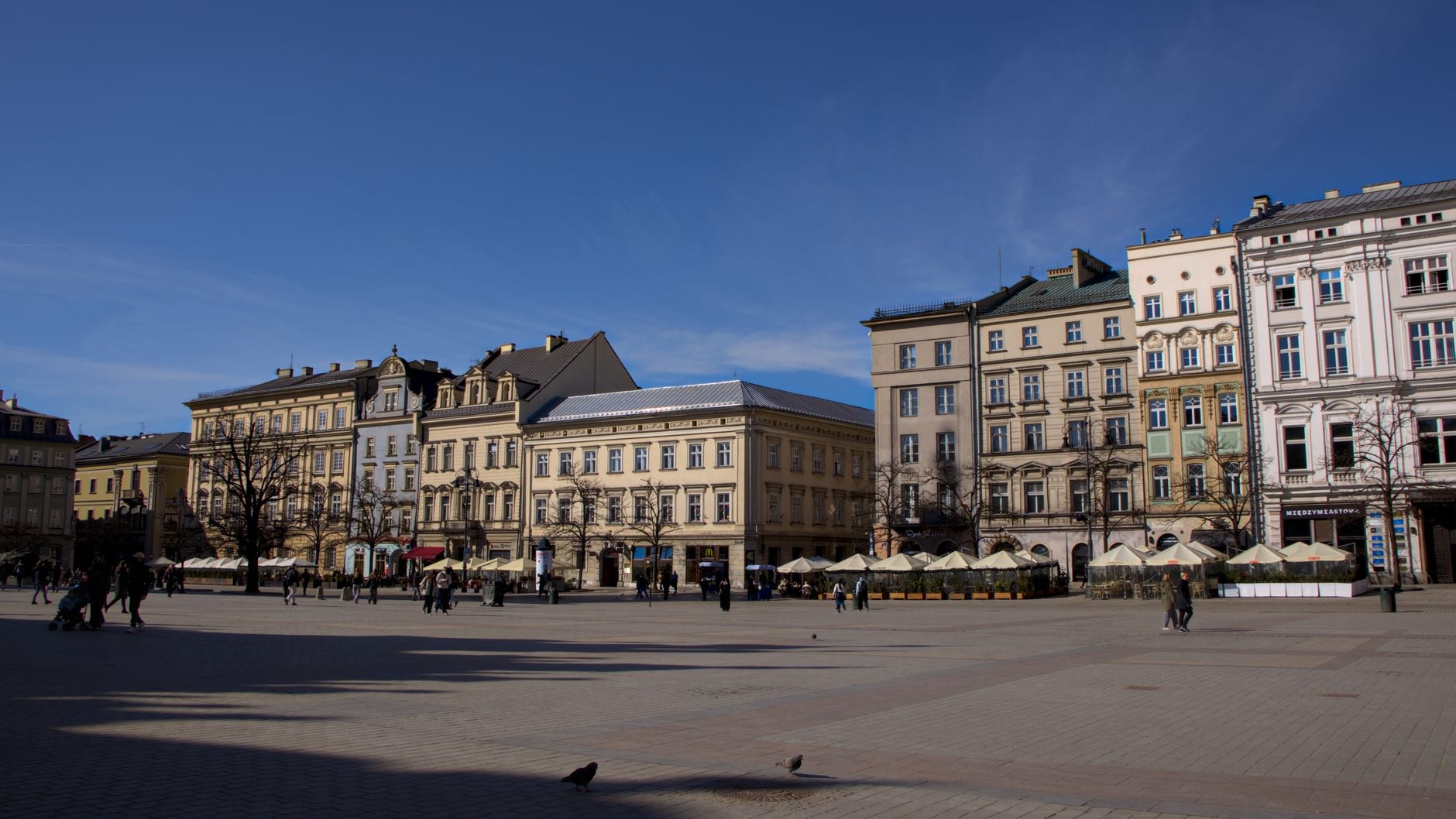
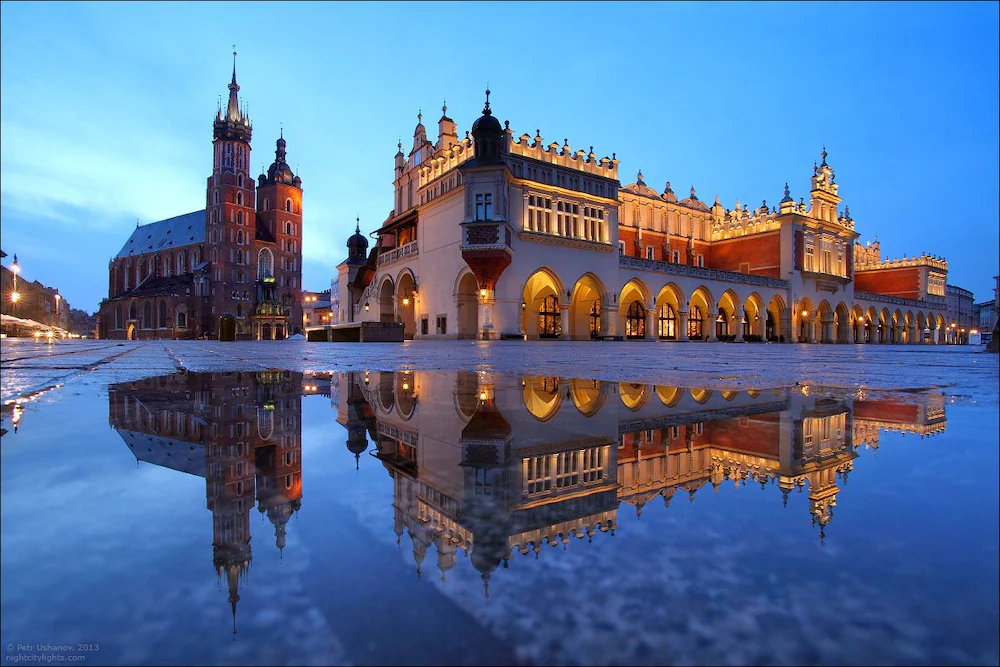
The Old Town (Stare Miasto) is Kraków's historic and cultural core, centered around the Main Market Square. This area contains some establishments that are welcoming to LGBTQ+ patrons, though it is primarily a tourist hub.
South of the Old Town lies Kazimierz, the historic Jewish quarter. It has become Kraków's main bohemian and cultural district, featuring galleries, vintage shops, restaurants, and nightlife. Several bars catering to LGBTQ+ patrons are located here, contributing to the neighborhood's artistic and generally liberal atmosphere. Ulica Szeroka is a central street within Kazimierz, lined with cafes and cultural spaces.
Across the Vistula River, Podgórze is gaining popularity with younger residents and includes some venues with LGBTQ+-friendly atmospheres, alongside restaurants and galleries.
Venues and Nightlife
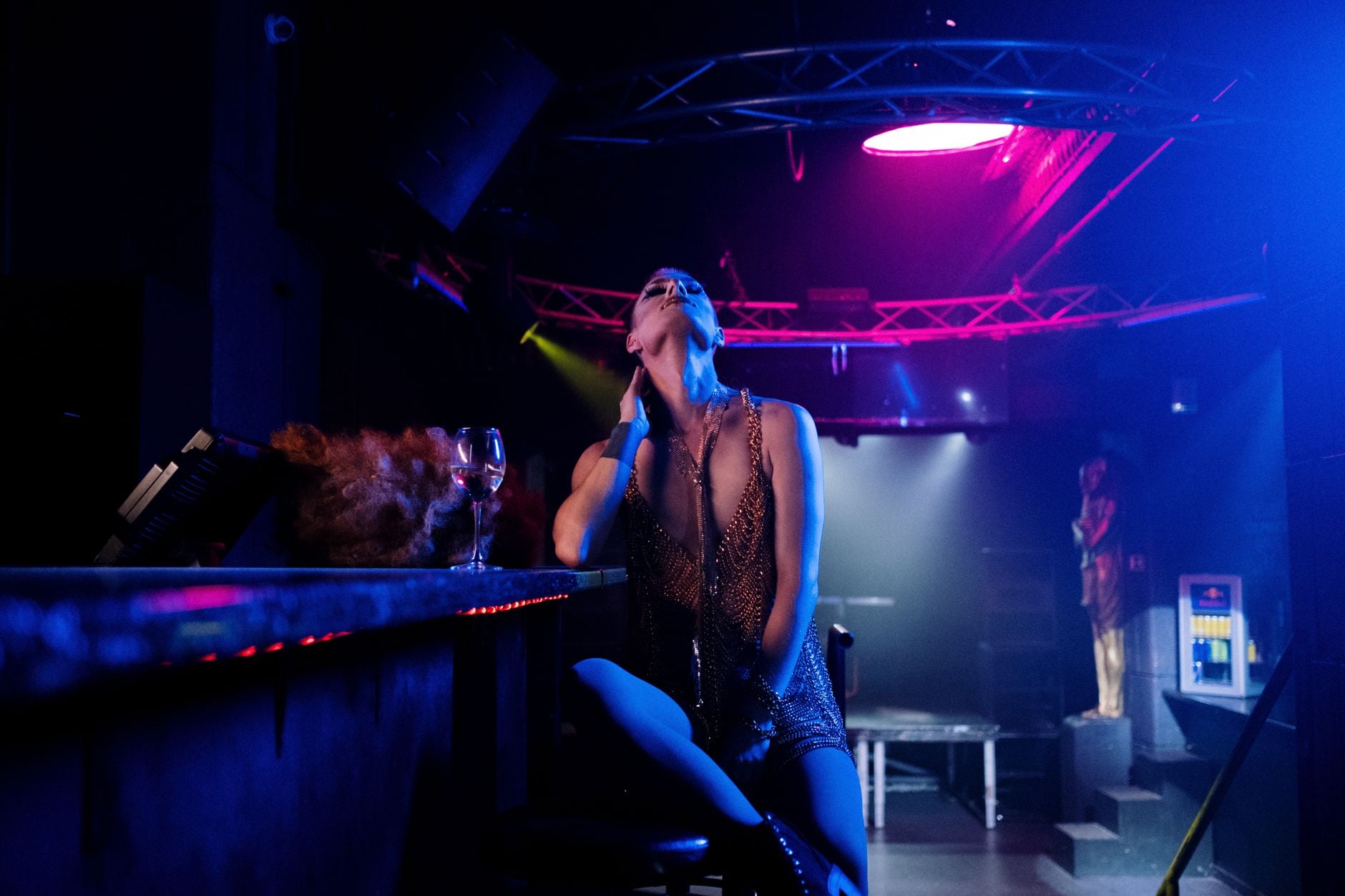
Kraków's LGBTQ+ nightlife is more understated than in major Western European cities, offering gathering places. Several bars in Kazimierz cater to LGBTQ+ clientele. Some venues operate as mixed establishments with a welcoming atmosphere for LGBTQ+ individuals rather than being exclusively gay. The scene tends to be more relaxed, with smaller crowds and less frequent specialized events, which may appeal to those seeking less tourist-focused social spaces. Information on specific venues can change, so consulting local LGBTQ+ resources before visiting is recommended.
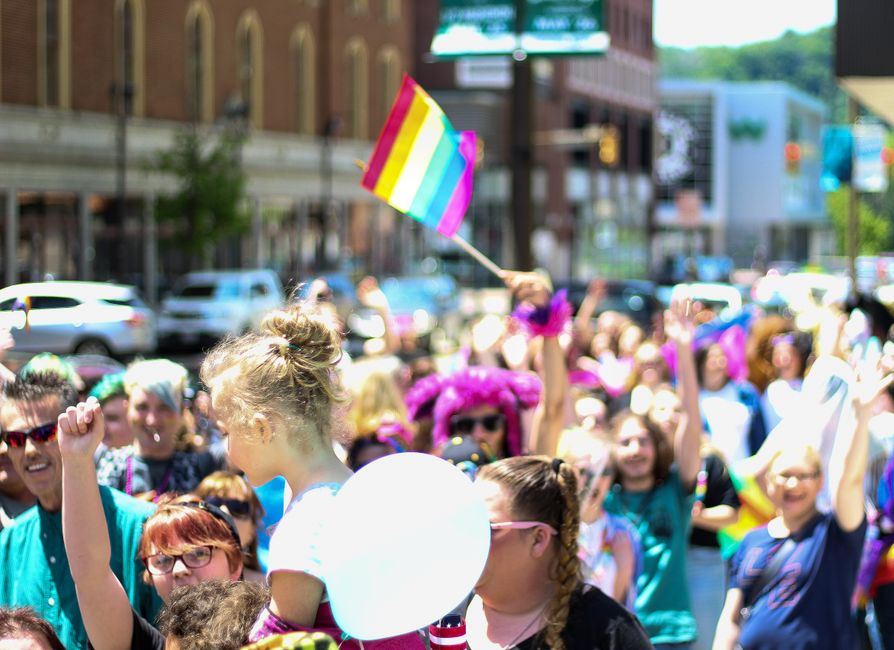
Kraków Pride (Marsz Równości) takes place annually in June and is the city's largest LGBTQ+ event, attracting thousands of participants. The event includes a march through the city center and associated festivities. Counter-protests have occurred in the past, but they have not prevented the event from proceeding. The atmosphere is generally celebratory, with a visible police presence to ensure order.
Beyond Pride, Kraków hosts smaller community gatherings and LGBTQ+-themed programming, often within larger cultural events such as the New Horizons International Film Festival. The summer months typically see an increase in events and outdoor activities.
Where to Stay
Staying in Kazimierz offers proximity to many bars, restaurants, galleries, and cultural venues, contributing to a generally welcoming neighborhood atmosphere. The area is walkable and lively, with accommodation options for various budgets.
The Old Town is a more tourist-focused area but remains centrally located and safe. Hotels here range from budget to luxury.
Podgórze provides an increasingly popular alternative with fewer tourists and a growing number of venues, though it has fewer dedicated LGBTQ+ establishments than Kazimierz.
Kraków is easily explored on foot, particularly the historic center. The tram system is efficient and affordable, connecting different neighborhoods. Taxis and ride-sharing apps are also available. The main train station offers connections to other Polish and European cities.
The city center is largely walkable, with clear signage. LGBTQ+ travelers should feel comfortable walking through Kazimierz and the Old Town, especially during daylight and evening hours.
Food and Culture
Kraków offers traditional Polish cuisine alongside international options. Kazimierz has numerous restaurants and cafes serving dishes like pierogi and zurek. The neighborhood's artistic character attracts cultural tourists and a younger demographic.
Cultural attractions include the Main Market Square, Wawel Castle, Schindler's Factory Museum, and various galleries. These sites are broadly appealing to all visitors. Cafes in Kazimierz and the Old Town provide comfortable spaces for relaxation, with many being mixed and welcoming.
Safety Considerations
Kraków is generally safe for LGBTQ+ travelers, with no specific threats identified in the central districts. The city center and Kazimierz are walkable and well-lit in the evening. Police are visible, and emergency services are reliable.
Travelers should be aware of Poland's conservative political climate, though Kraków residents tend to be more progressive. Public displays of affection between same-sex couples are generally unremarkable in central Kraków but might attract attention in more remote areas. Practical safety concerns in Kraków itself are minimal. While homophobic rhetoric can appear in Polish politics and media, it rarely translates to street-level hostility in Kraków. The city's younger population and cultural scene foster a relatively welcoming environment.
Day Trips
Auschwitz-Birkenau Memorial, located about 70 kilometers from Kraków, is a significant historical site. The journey and visit can be emotionally impactful. Guided tours are available.
The Tatra Mountains are approximately two hours south, offering hiking and mountain scenery, with Zakopane being a notable town.
Wieliczka Salt Mine is situated about 15 kilometers from Kraków and features underground chambers carved from salt.
Practical Tips
Polish is the primary language, but English is increasingly spoken by younger people, service staff, and in tourist areas. Learning a few basic Polish phrases is appreciated.
The currency is the Polish zloty. ATMs are widely available, and credit cards are accepted in most establishments.
Weather varies by season. Summer (June-August) is warm but can be crowded. Winter is cold. Spring and autumn offer milder weather with fewer tourists.
Public toilets are available in the city center, some requiring payment. Major attractions and establishments typically have facilities.
Frequently asked questions
Yes - Krakow is one of the safer large Polish cities for LGBTQ+ travellers. The scene operates openly, the Old Town and Kazimierz are heavily touristed and well policed, and same-sex couples are a normal sight in the centre. Poland has no partnership law yet, but the last so-called LGBT-free zones were abolished in 2025 and the national climate has eased. Use normal big-city judgement, and expect more conservative attitudes outside the city.
Nightlife clusters in two areas. The Old Town holds Lindo Bar near the Main Square, Diva Club on Slawkowska, the Kitsch club on Wielopole and the Ciemnia cruising bar just north of the Planty. Kazimierz, the bohemian former Jewish quarter directly south of the Old Town, has the gay-owned Eszeweria, inclusive clubs like ZOO Klub and several queer-friendly cafes. Across the river, Podgorze and Zablocie host Dom EQ, the city's LGBTQ+ community centre.
Krakow's Equality March (Marsz Rownosci) takes place every May as the finale of the month-long Queerowy Maj festival. The 2026 march - the twenty-second - was held on 23 May, setting off from the National Museum with the Mayor of Krakow as honorary patron. The 2027 date has not been announced yet; expect late May.
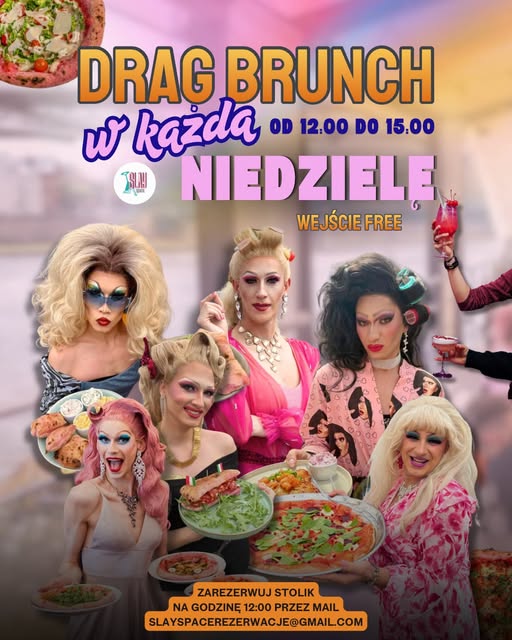
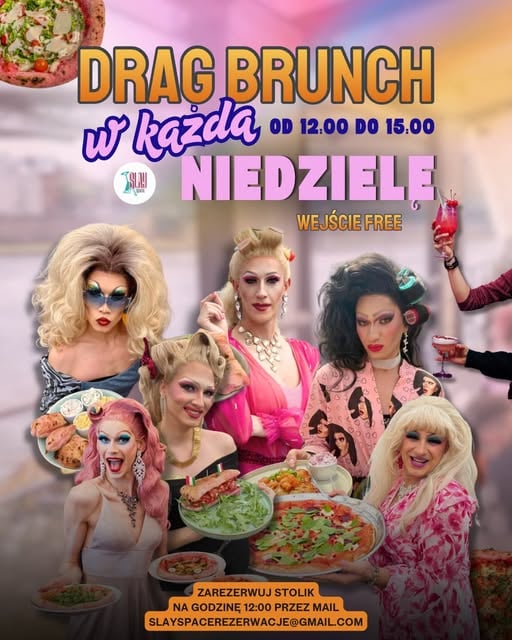
Lindo Bar, a gay cafe-bar near the Main Square, is the easiest first stop. Diva Club on Slawkowska is the city's largest LGBTQ+ club, with go-go and boylesque shows and after-parties until morning, while Kitsch on Wielopole throws Friday and Saturday parties with drag shows. Eszeweria on Jozefa is a candlelit, gay-owned bar with a hidden garden, and SLAY SPACE is a queer restaurant-club on a pink barge on the Vistula. For men-only cruising venues, look to Ciemnia, Blue XL and Twierdza in Debniki.
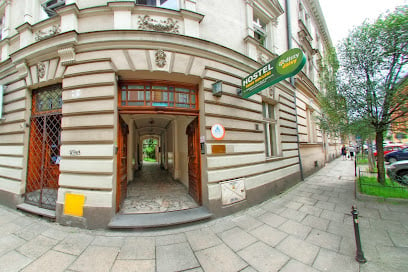
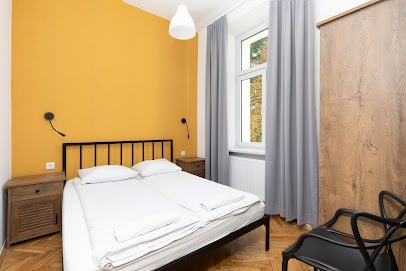
There is no dedicated gay hotel in Krakow, but the city is easy for LGBTQ+ guests. Party hostels like Dizzy Daisy, Little Havana and Atlantis are popular with young queer travellers, and mainstream hotels in the Old Town and Kazimierz are used to same-sex couples. Booking a double room as a couple is not an issue in the city centre.
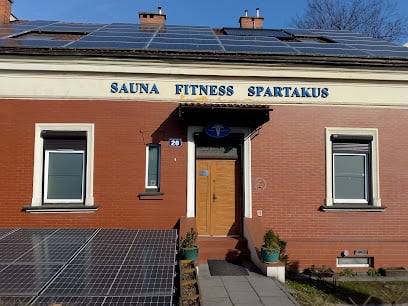
Krakow has Poland's second-largest LGBTQ+ scene after Warsaw and the biggest in the south of the country: a handful of dedicated bars and clubs, one gay sauna (Spartakus, running since 1991), two men-only cruising clubs, a community centre (Dom EQ) and an Equality March each May that draws thousands. It is smaller than Berlin or Prague, but genuinely active.
Your privacy choices.
We use cookies to run GayOut and, with your consent, measure usage. Learn more
Your privacy choices
We use cookies to keep GayOut running, remember your preferences, and (with your permission) measure how the site is used. You can accept all, reject all, or pick what you allow. Learn more
Essential
Required for sign-in, fraud prevention, CSRF protection and remembering your language. Cannot be disabled.
Always on
Remembers your favourites, dark mode and other interface preferences across visits.
Helps us understand which pages people visit (Google Analytics, server-side stats) so we can improve.
Used by campaign tracking pixels. None are active right now, reserved for future use.
Install GayOut
Add GayOut to your home screen for faster access, offline favourites, and Pride alerts.





 Gay-Friendly Bars & Clubs
Featured
(1532)
Gay-Friendly Bars & Clubs
Featured
(1532)