Tout ce qu\'il faut savoir avant de partir.
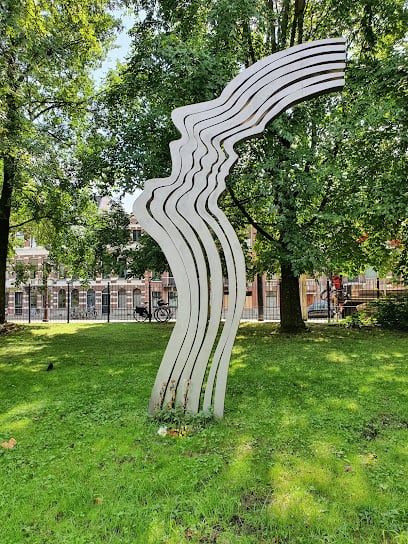
L'histoire LGBTQ+ d'Amsterdam est profondément ancrée dans l'identité de la ville, un havre de progrès. Les Pays-Bas ont dépénalisé l'homosexualité en 1811, plus tôt que la plupart des nations européennes, et Amsterdam est devenue un refuge pour les personnes queer tout au long du XXe siècle. La ville a abrité l'un des premiers bars ouvertement tenus par des homosexuels au monde, le Café 't Mandje, ouvert sur le Zeedijk en 1927 ; il a fonctionné jusqu'aux années 1980 et a rouvert en 2008 en tant que café patrimonial. Les années 1980 ont vu Amsterdam devenir un centre de l'activisme queer pendant la crise du SIDA, et la ville accueille aujourd'hui le célèbre Homomonument, un triangle de pierres de granit rose sur le Westermarkt qui commémore les persécutions LGBTQ+ et reste un lieu de rassemblement pour la communauté.
Les quartiers queer de la ville ont chacun des personnalités distinctes. Le quartier du Canal Ring autour du Westermarkt est considéré comme le cœur historique de la scène gay d'Amsterdam, avec de nombreux bars, cafés et boutiques accessibles à pied. Les canaux pittoresques de ce quartier, ses rues étroites et sa culture de lieux intimes créent une atmosphère à la fois festive et locale. La Kerkstraat traverse cette zone avec le club de cruising Club Church, le bar Spijker et le seul sauna gay de la ville, tandis que la Reguliersdwarsstraat, à quelques pas au sud-est, est la principale artère des bars et clubs gays. Juste au sud, le quartier du Jordaan s'est orienté vers une démographie plus mixte mais toujours LGBTQ+-friendly, avec des cafés décontractés et des lieux culturels. De Pijp, dans le district de De Pijp au sud du centre-ville, est devenu de plus en plus populaire auprès des jeunes personnes queer et offre une expérience plus résidentielle et axée sur le quartier, avec des librairies, des galeries et des bars décontractés. Le Red Light District, bien que célèbre pour le travail du sexe, possède une véritable histoire queer et continue d'accueillir des lieux accueillants pour les gays aux côtés de ses autres attractions.
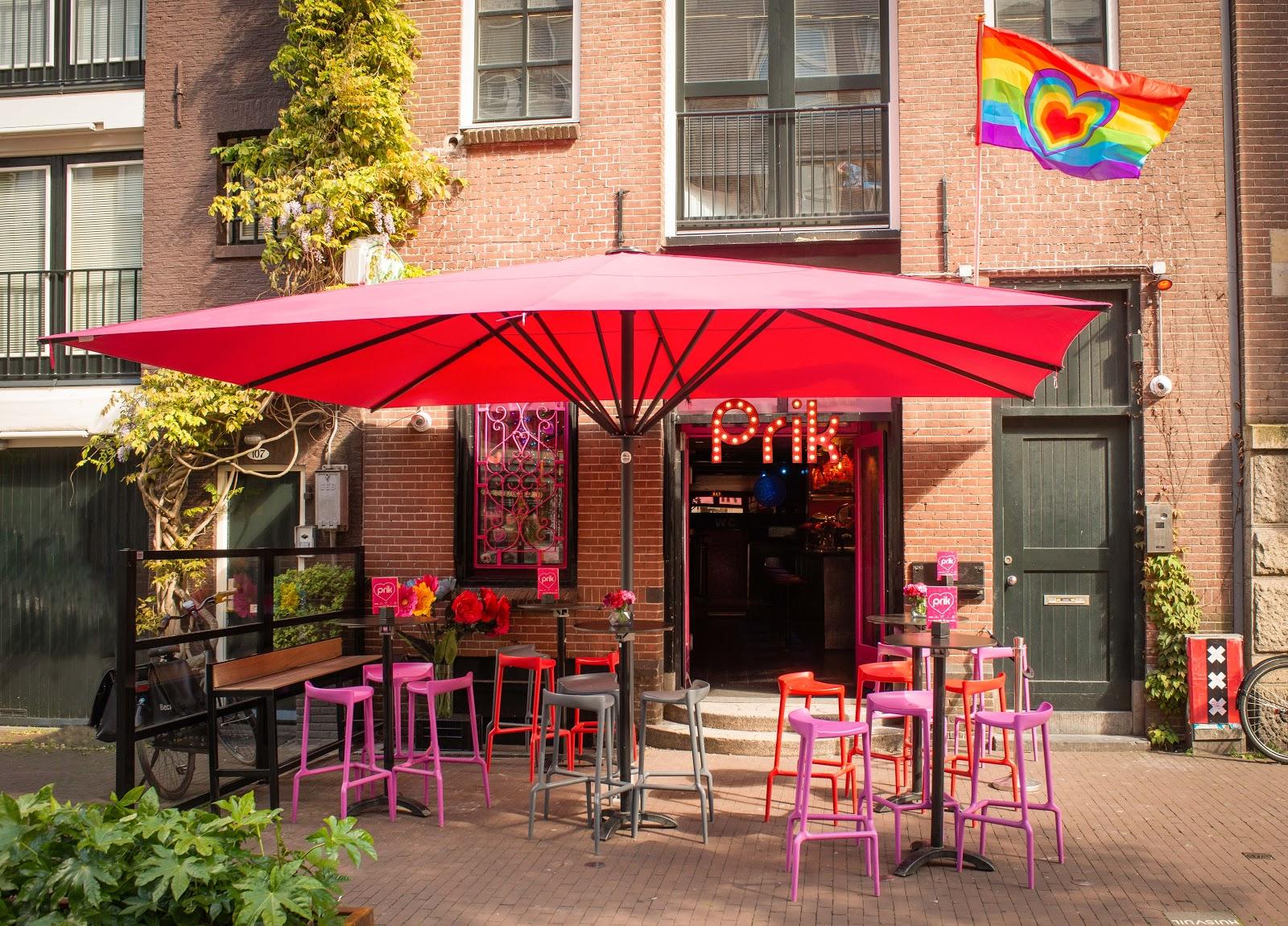
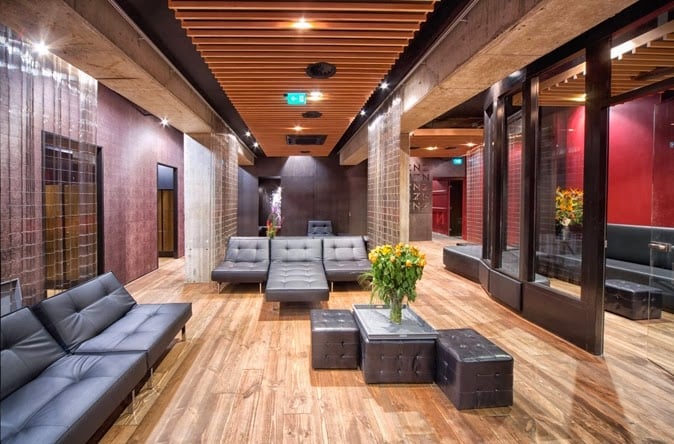
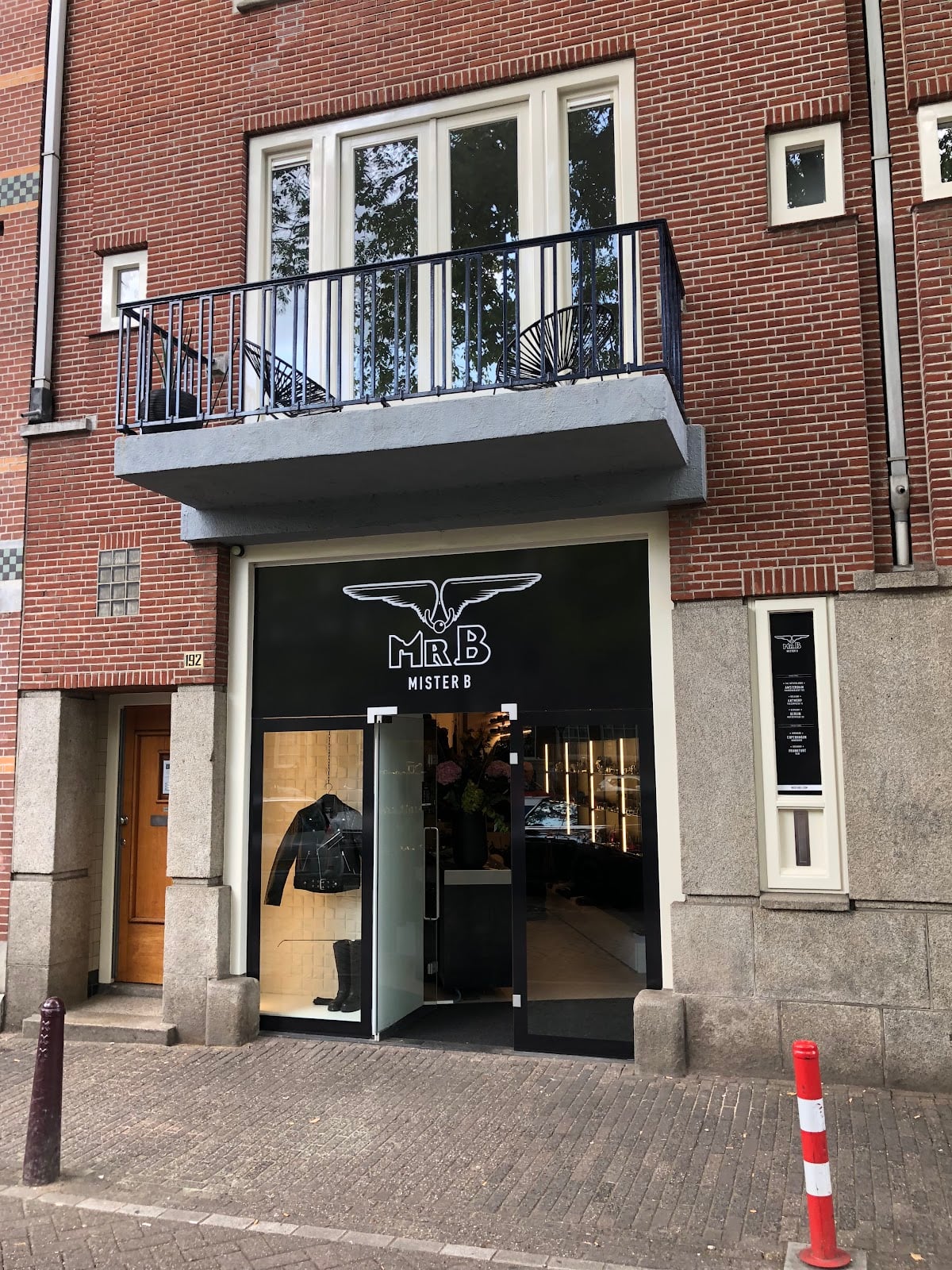
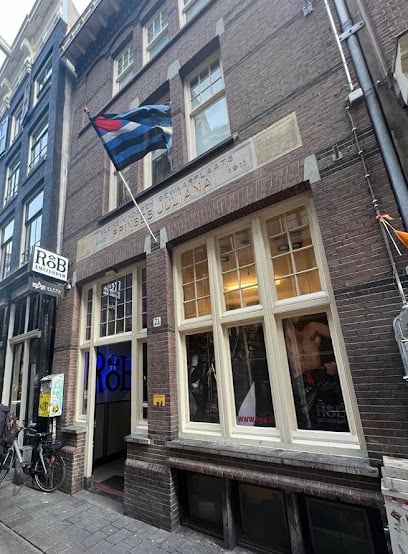
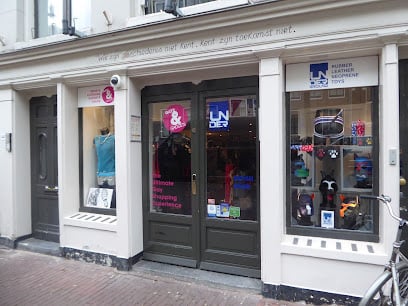
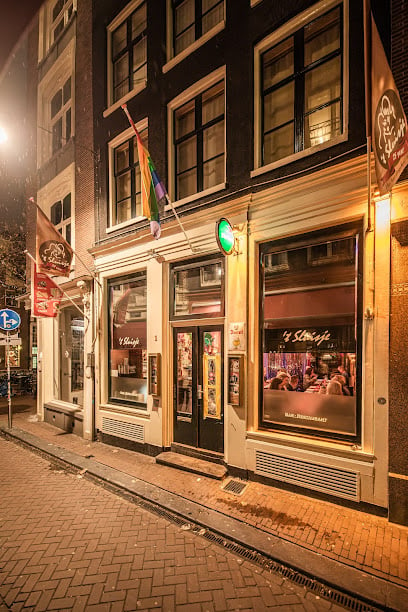
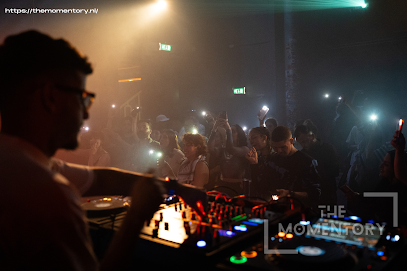
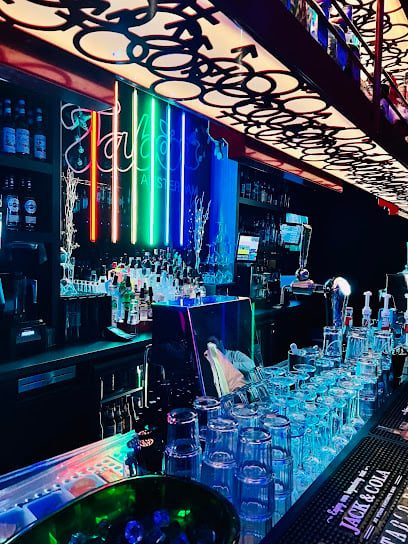
La Reguliersdwarsstraat est le cœur battant de la vie nocturne gay — une seule rue bordée de bars et de clubs, dont le Bar BLEND et son grand frère BLEND XL, le Cafe-club SoHo, Taboo, l'Exit Cafe qui ferme tard, et le Club NYX sur plusieurs étages. À quelques minutes à l'est, l'Amstel et la Halvemaansteeg perpétuent la tradition plus ancienne et plus campy au bar de drag queens Lellebel et au Free Willie, réservé aux hommes, tandis que le Bar Nate et le Cafe Montmartre attirent une clientèle mixte qui aime chanter. La Kerkstraat abrite le club de drague Club Church, le bar Spijker et la Sauna Nieuwezijds, le seul sauna gay restant dans la ville. La Warmoesstraat, à côté du Red Light District, est le quartier du cuir et du fétichisme, avec à sa tête l'Eagle (ouvert depuis 1979), Dirty Dick's, et les boutiques fétichistes RoB et Mister B. Pour l'histoire, passez au Cafe 't Mandje sur la Zeedijk, ouvert depuis 1927, et pour quelque chose de différent, il y a De Trut, la discothèque queer gérée par des bénévoles le dimanche soir à Amsterdam-West. La scène d'Amsterdam est plus intégrée que ségréguée, ainsi les lieux majeurs comme le Melkweg et le Paradiso organisent régulièrement des soirées queer plutôt que d'être des salles exclusivement gays.
Amsterdam Pride a lieu chaque année en août et est l'une des plus grandes célébrations de la Pride en Europe. Le point culminant est le défilé emblématique sur les canaux, où des centaines de bateaux décorés traversent les voies navigables de la ville tandis que les foules bordent les ponts et les rives. Au-delà du défilé, la programmation de la Pride s'étend sur tout le mois avec des fêtes de rue, des événements en club, des expositions culturelles et des spectacles dans plusieurs quartiers. L'atmosphère est festive et inclusive, attirant aussi bien les locaux que les visiteurs internationaux. Parmi les autres événements importants, citons l'Amsterdam Dance Event en octobre, qui comprend une programmation queer, et diverses soirées circuit et week-ends thématiques tout au long de l'année, particulièrement pendant les mois d'été.
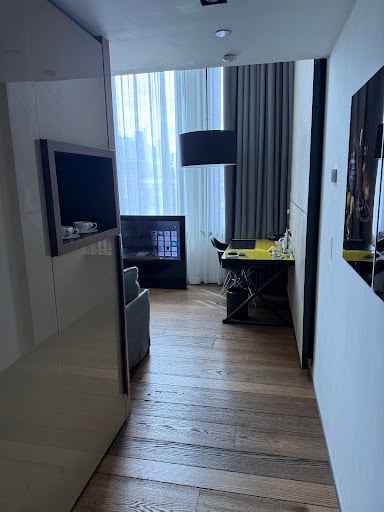
Pour choisir où séjourner, le Quartier des canaux offre l'expérience de quartier gay la plus authentique, avec des hôtels et des maisons d'hôtes en bord de canal qui procurent cette atmosphère typiquement amstellodamoise. Des hôtels comme The Pulitzer Collection et Ambassade Hotel proposent des options de luxe à proximité des lieux de sortie gays. Le quartier du Jordaan offre une expérience plus calme et résidentielle tout en restant central. De Pijp propose des hébergements modernes et une ambiance plus jeune. Oost, la partie est de la ville, bénéficie d'excellentes connexions de transport et gagne en popularité auprès des voyageurs LGBTQ+ en quête de confort et d'espace sans sacrifier la proximité de la scène.
Amsterdam est exceptionnellement sûre pour les voyageurs LGBTQ+. L'affection publique entre personnes de même sexe est généralement acceptée dans toute la ville, et les Néerlandais sont connus pour leur franchise et leur tolérance. La ville dispose de lois anti-discrimination solides et d'une présence policière bien établie dans les zones populaires. Cependant, comme dans toute grande ville européenne, les voyageurs doivent prendre les précautions habituelles concernant leurs effets personnels, en particulier dans les transports en commun et les zones touristiques bondées. Le quartier rouge, bien que généralement sûr, est préférable à explorer d'abord pendant la journée lors des premières visites.
Les transports à Amsterdam sont simples pour les visiteurs. La ville est compacte et très propice au vélo – de nombreux voyageurs louent des bicyclettes pour la durée de leur séjour, bien que cela demande une certaine aisance avec la culture cycliste néerlandaise. Les trams et bus publics sont efficaces, fréquents et desservent toute la ville. GVB (l'autorité locale des transports) vend des tickets à l'unité et des passes journaliers. Les taxis et les services de covoiturage sont disponibles mais moins nécessaires compte tenu de l'excellent réseau de transports en commun. L'aéroport, Amsterdam Airport Schiphol, est relié au centre-ville par train en environ 15 minutes.
La gastronomie à Amsterdam, c'est un peu de tout, du décontracté au plus raffiné. La cuisine de la ville reflète sa population multiculturelle, avec d'excellentes options indonésiennes, méditerranéennes et végétariennes aux côtés des plats traditionnels hollandais. Les restaurants en bord de canal proposent des dîners romantiques avec vue. Les marchés, comme l'Albert Cuyp Market, offrent des repas abordables et informels. La ville compte de nombreux restaurants et cafés ouverts aux personnes LGBTQ+, bien que la scène soit suffisamment intégrée pour que n'importe quel établissement accueille chaleureusement les voyageurs queer. La culture du café est bien ancrée, avec d'excellents établissements un peu partout, notamment dans les quartiers du Jordaan et de De Pijp.
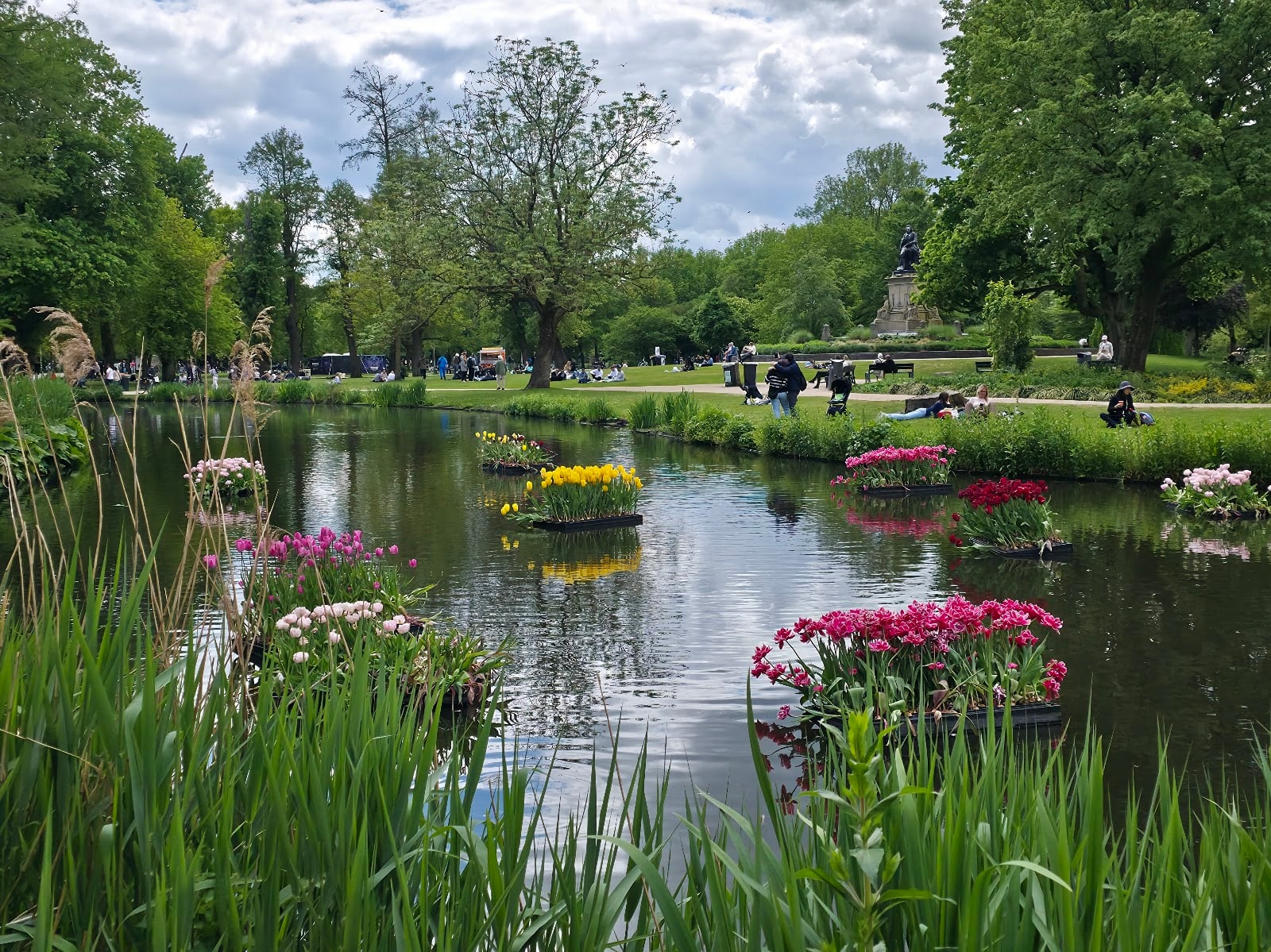
Les excursions d'une journée depuis Amsterdam apportent une touche de variété au-delà de la ville. Zaanse Schans, à environ 15 minutes en train, présente des moulins à vent historiques et une architecture traditionnelle hollandaise. Marken et Volendam, anciens villages de pêcheurs situés à environ 30-40 minutes, offrent de charmantes expériences au bord de l'eau et sont des destinations d'excursion populaires. La saison des tulipes (mi-mars à mi-mai) rend une visite aux Keukenhof Gardens particulièrement intéressante pour ceux qui voyagent au printemps. Les moulins à vent de Kinderdijk, classés au patrimoine mondial de l'UNESCO, sont accessibles en transports en commun. Faire du vélo à travers la campagne environnante est une activité prisée, avec des pistes cyclables balisées reliant d'autres villes. Ces excursions s'adressent aux voyageurs en quête d'un équilibre entre l'exploration de la scène LGBTQ+ urbaine et l'expérience de la campagne hollandaise classique.
Côté pratique, il faut savoir que les Néerlandais attachent de l'importance à la ponctualité. La culture de la boisson (la bière et le genièvre sont au cœur de la vie sociale, mais la consommation reste modérée par rapport à d'autres villes européennes) et les horaires des magasins (beaucoup ferment le dimanche ou ont des horaires limités) sont à prendre en compte. Les pourboires ne sont pas obligatoires, mais arrondir l'addition est une pratique courante. Le temps est le plus clément de mai à septembre, bien qu'Amsterdam se visite toute l'année. Les mois d'hiver sont plus sombres et plus froids, mais attirent moins de touristes. Juin et juillet constituent la haute saison pour les visiteurs internationaux.
La scène queer d'Amsterdam se distingue par son intégration dans la culture néerlandaise générale, plutôt que par son existence en tant qu'enclave séparée. Cela signifie que les lieux queer se mêlent aux lieux hétéros, que les quartiers queer ont des populations mixtes, et que l'identité LGBTQ+ y est normalisée plutôt que spectaculaire. Pour les voyageurs, cela crée une expérience authentiquement néerlandaise tout en offrant des points de ralliement et des lieux clairs pour la communauté queer. Le cadre juridique progressiste de la ville, y compris la reconnaissance du mariage homosexuel, des droits d'adoption et des protections contre la discrimination, reflète les valeurs sous-jacentes à cette intégration.















 Bars & clubs gays
À la une
(560)
Bars & clubs gays
À la une
(560)