Égalité du mariage depuis 2005. Loi sur les droits des personnes trans adoptée en 2023. L'un des pays les plus accueillants pour les personnes LGBTQ+ en Europe.
Billets coupe-file, visites guidées à pied, excursions à la journée et expériences uniques LGBTQ+ friendly — réservation instantanée avec annulation gratuite.
L'essor de Bilbao en tant que destination accueillante pour la communauté LGBTQ+ s'inscrit dans le sillage des changements sociaux plus larges de l'Espagne. Le pays a légalisé le mariage entre personnes de même sexe en 2005, devançant la plupart des pays européens, et le Pays Basque a toujours été l'une des régions les plus progressistes du pays. La scène queer de Bilbao est plus petite et moins visible internationalement que celles de Barcelone ou de Madrid, et elle s'est développée organiquement à partir de l'organisation communautaire locale plutôt que du tourisme de masse. Plutôt qu'un unique "village gay" à l'échelle de Chueca, la ville propose une scène compacte et bien intégrée, répartie dans le centre ancien, animée par une poignée de bars de longue date et une véritable communauté locale.
Quartiers
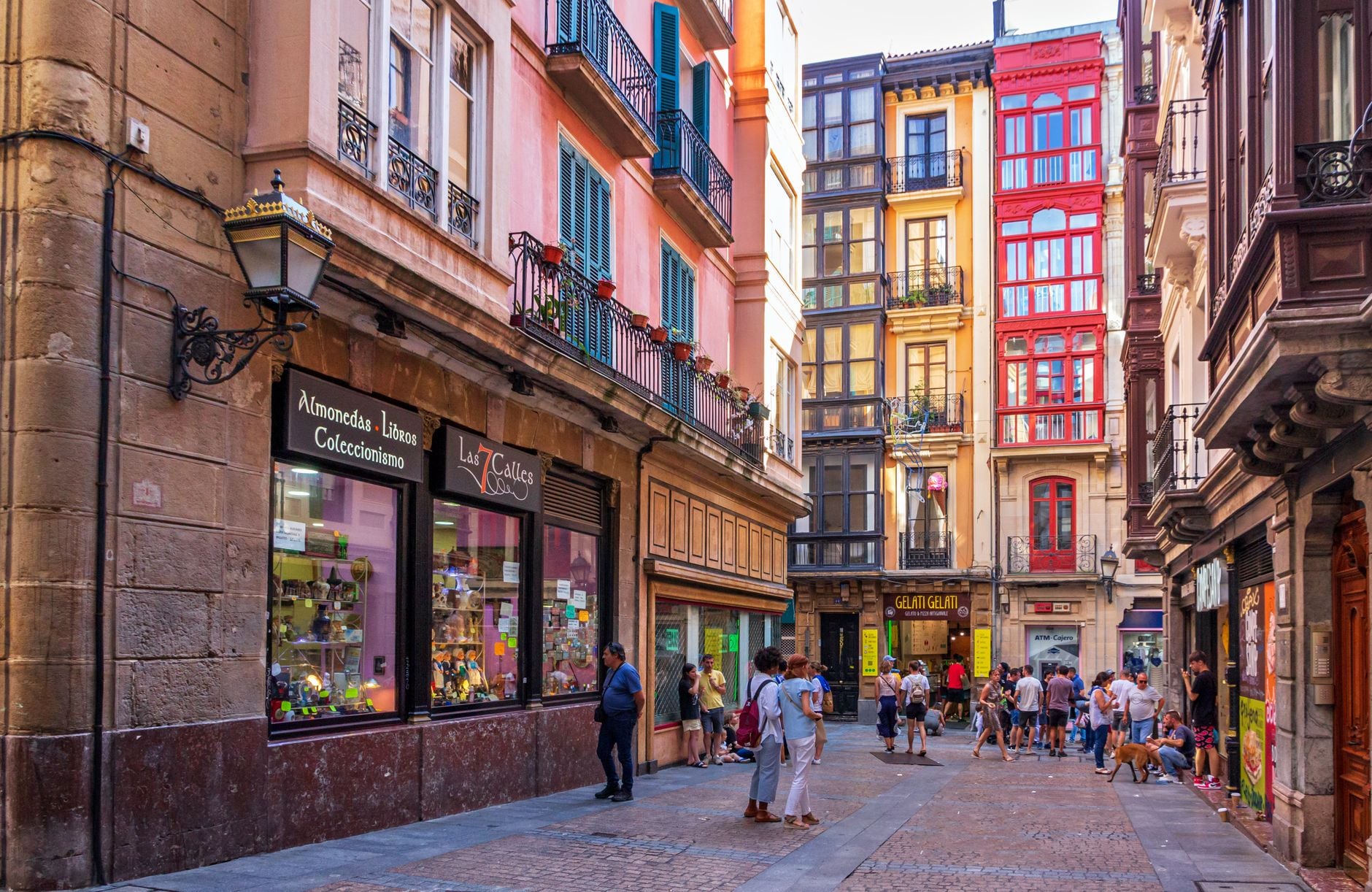
Casco Viejo (Vieille Ville) : Le cœur médiéval est le centre névralgique de la scène en journée et en début de soirée. Autour de la Calle Pelota, de la Barrenkale et de la Calle del Cristo, vous trouverez des bars gays et gay-friendly tels que Lamiak, un bar lesbien et féministe sur deux étages ouvert depuis 1979, le petit bar gay La Korrala sur Barrenkale, et le bar à cocktails Pavoneo. Le quartier a une atmosphère authentique plutôt que gentrifiée, où locaux et visiteurs se côtoient autour de pintxos et de boissons.
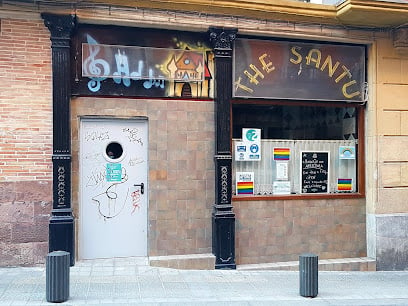
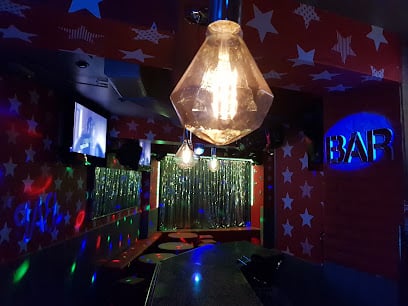
Bilbao La Vieja : Juste de l'autre côté de la rivière par rapport au Casco Viejo, "Bilbi" est le lieu de la scène nocturne et des clubs. La Calle Hernani abrite le Badulake, un café-bar cabaret célèbre pour la troupe de transformistes Las Fellini, tandis que la Calle Bailen, à proximité, accueille El Balcon de la Lola, la principale piste de danse gay de la ville, ouverte jusque tard le week-end. Le Santu Bear, un bar à ours, se trouve également dans ce quartier.
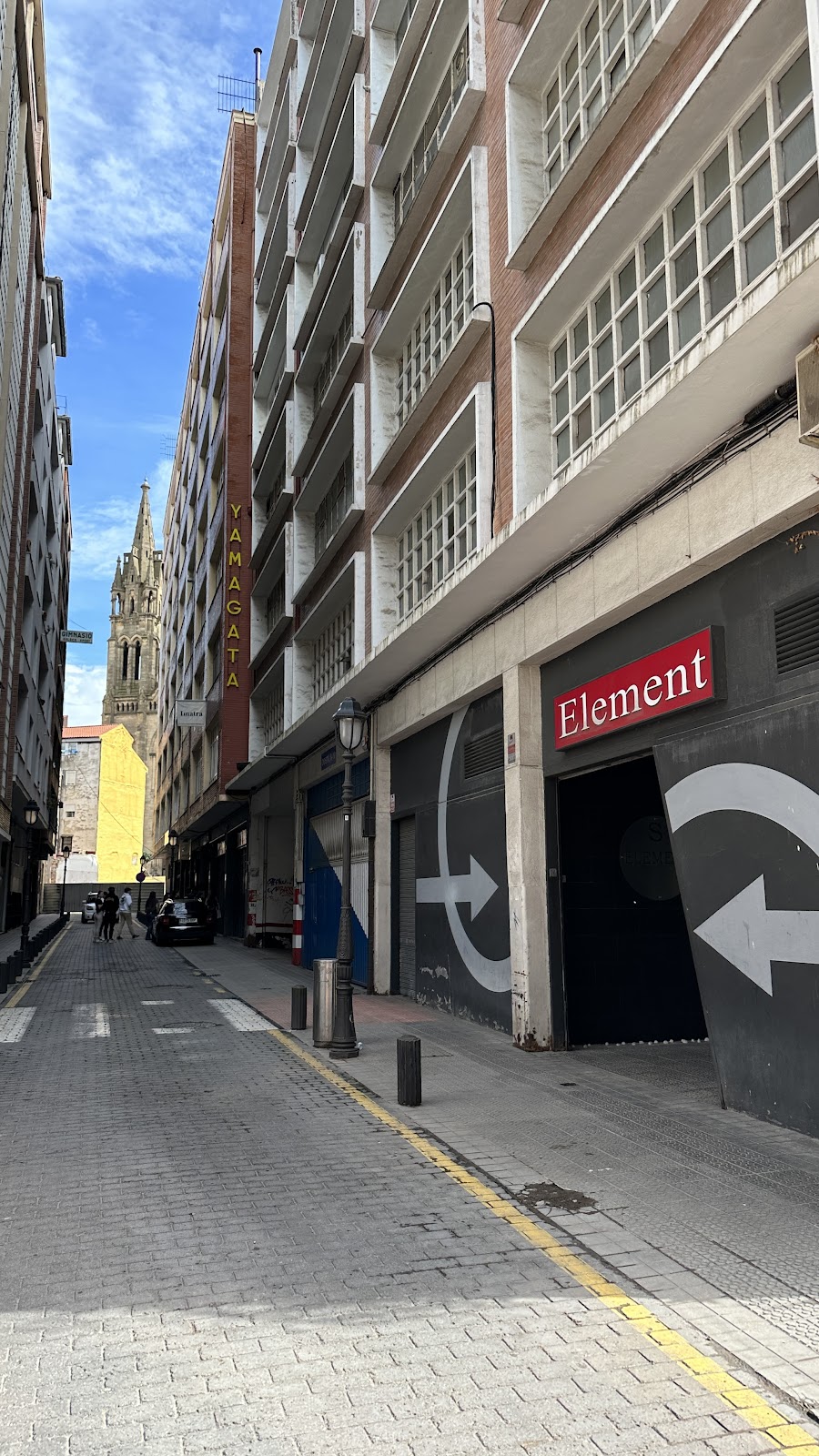
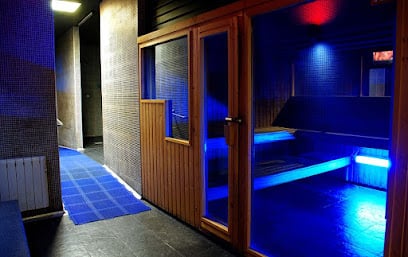
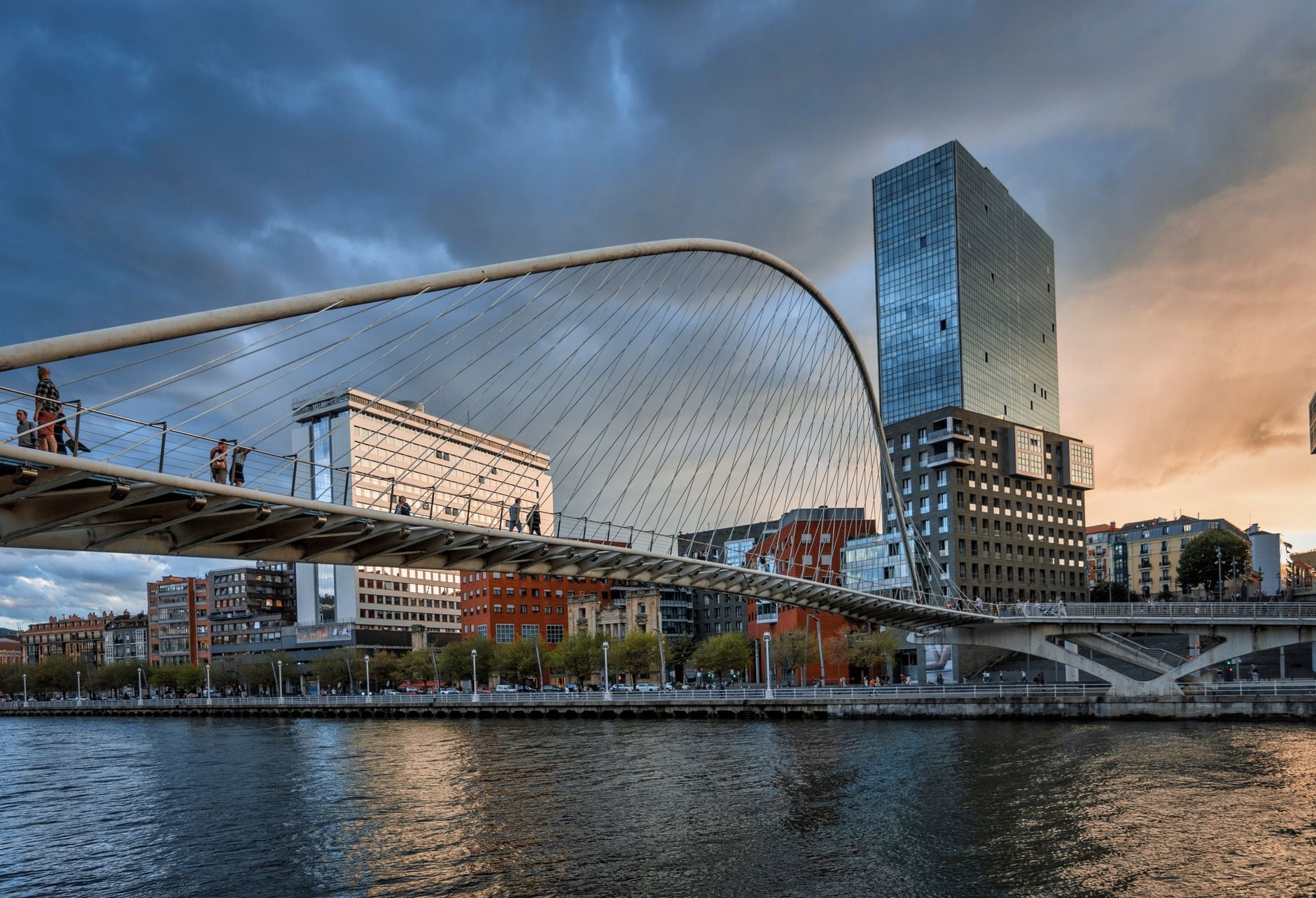
Abando et Indautxu : Le quadrillage du XIXe siècle à l'ouest de la rivière constitue le centre commercial de la ville et abrite la plupart des hôtels, le sauna Element sur la Calle Costa, et les bureaux d'Ortzadar LGBTI+, l'association LGBTI de Bilbao et de Bizkaia. Le quartier d'Abandoibarra, le long du front de mer autour du Guggenheim, accueille plusieurs événements en plein air lors de la Pride.
Lieux
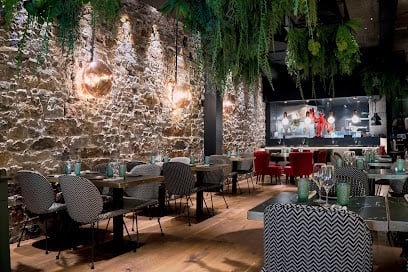
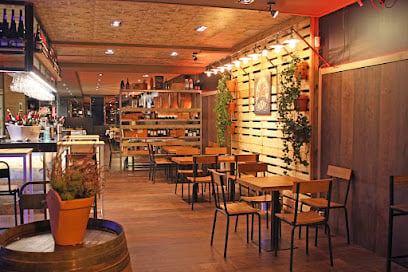
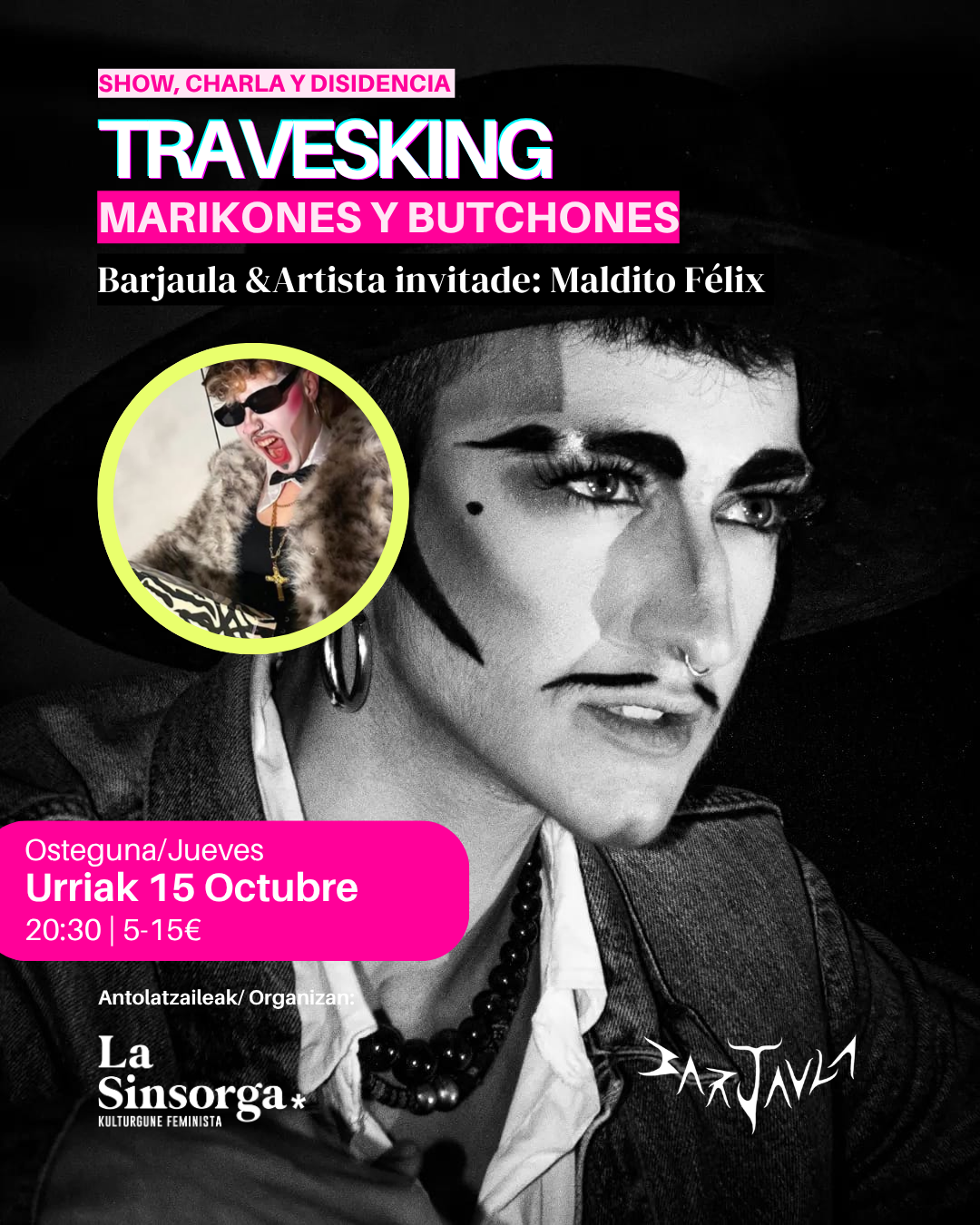
Le paysage des établissements gay de Bilbao est modeste, mais bien réel. Les bars gay les plus établis sont Lamiak (Casco Viejo, ouvert depuis 1979) et Badulake (Bilbao La Vieja), ce dernier étant un café-théâtre dont les soirées drag Las Fellini sont une véritable institution. Pour les nuits qui s'étirent, El Balcon de la Lola est le club principal, avec des DJ sets house et électro jusqu'à environ 6h du matin les vendredis et samedis. Le Pub Key, sur Calle del Cristo, propose des spectacles drag le week-end animés par l'artiste local Asier Bilbao, et La Korrala ainsi que Pavoneo complètent l'offre des bars de la vieille ville avec DJs et soirées à thème. Le Santu Bear s'adresse à la communauté bear et dispose d'une dark room. Il y a deux saunas pour hommes : Ego, un grand complexe près de Zabalburu, et Element, à Abando. Les nuits de week-end, en particulier le vendredi et le samedi, sont les plus animées, les bars ouvrant généralement dès le début de soirée.
Cruising
L'Espagne protège les personnes LGBTQ+ par la loi et Bilbao est une ville sûre, mais le cruising en extérieur demande toujours de la discrétion. Le lieu le plus connu est l'Alto de Santo Domingo sur la route menant au Monte Artxanda, surnommé depuis longtemps la "curva del amor" ; la presse locale a rapporté des frictions avec les résidents, si bien que l'activité s'est en partie dispersée. Le Parque de Dona Casilda, le parc central près du Musée des Beaux-Arts, a une réputation nocturne ancienne mais ambiguë. Restez dans les zones publiques, respectez les autres usagers de ces espaces partagés et suivez la loi locale.
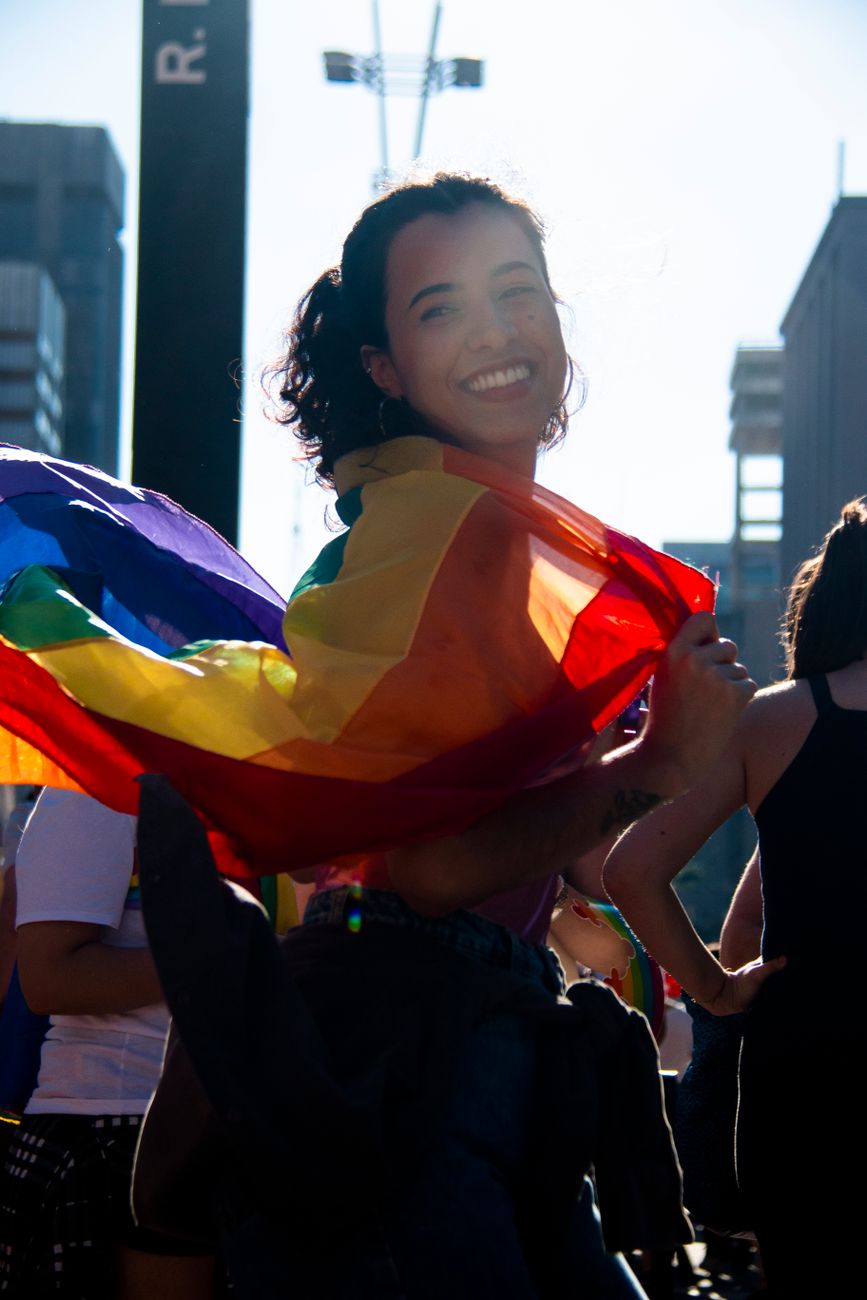
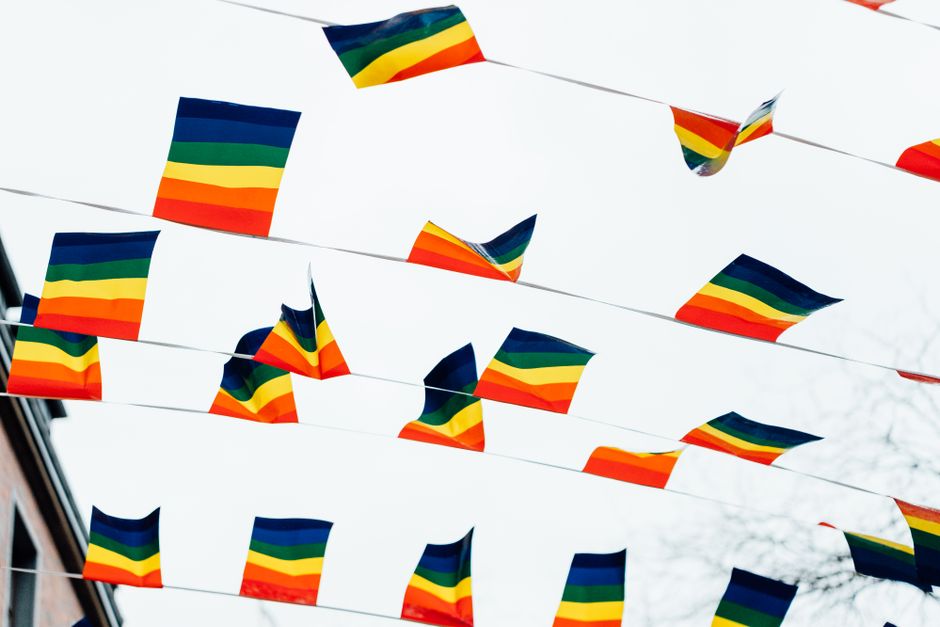
La Pride de Bilbao s'appelle Bilbao Bizkaia Harro (harro signifie "fier" en basque), organisée par Ortzadar LGBTI+ et ses partenaires. En 2026, elle se déroulera du 12 au 28 juin, avec le défilé principal le samedi 27 juin de la Plaza Sagrado Corazon à travers la Gran Via jusqu'au Casco Viejo, ainsi que des concerts, un gala drag et des événements dans les bars de Bilbao La Vieja et de la vieille ville. La ville accueille également Zinegoak, le festival basque de cinéma et d'arts de la scène LGBTIQ+, avec des projections et des spectacles dans des lieux tels que le Teatro Arriaga. Tout au long de l'année, Ortzadar et les établissements locaux organisent des événements culturels et communautaires plus modestes.
Où Séjourner
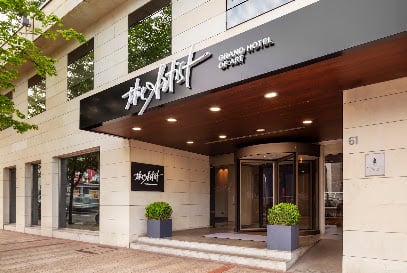
Le Casco Viejo et Bilbao La Vieja vous placent à quelques pas de la plupart des bars ; le quartier voisin d'Abando offre plus d'hôtels et un accès facile aux transports. L'Axel Hotel Bilbao, faisant partie de la chaîne Axel axée sur la clientèle gay, se situe entre les deux, sur la rive sud du fleuve. D'autres options bien placées incluent l'historique Hotel Carlton sur la Plaza Moyua, le design-led Gran Hotel Domine face au Guggenheim, et le Sercotel Arenal central, à côté du Casco Viejo. Les réservations via les plateformes grand public offrent un bon inventaire et des avis.
Transports
L'aéroport de Bilbao (BIO) est relié aux principales villes espagnoles et à plusieurs plateformes européennes ; le bus A3247 et les taxis le relient au centre en environ 20 minutes. Dans la ville, le métro est moderne et efficace, et la plupart des lieux LGBTQ+ sont accessibles à pied dans le centre compact. Les trains régionaux desservent Saint-Sébastien et Vitoria-Gasteiz. La voiture est généralement inutile pour les visiteurs.
Sécurité et considérations pratiques
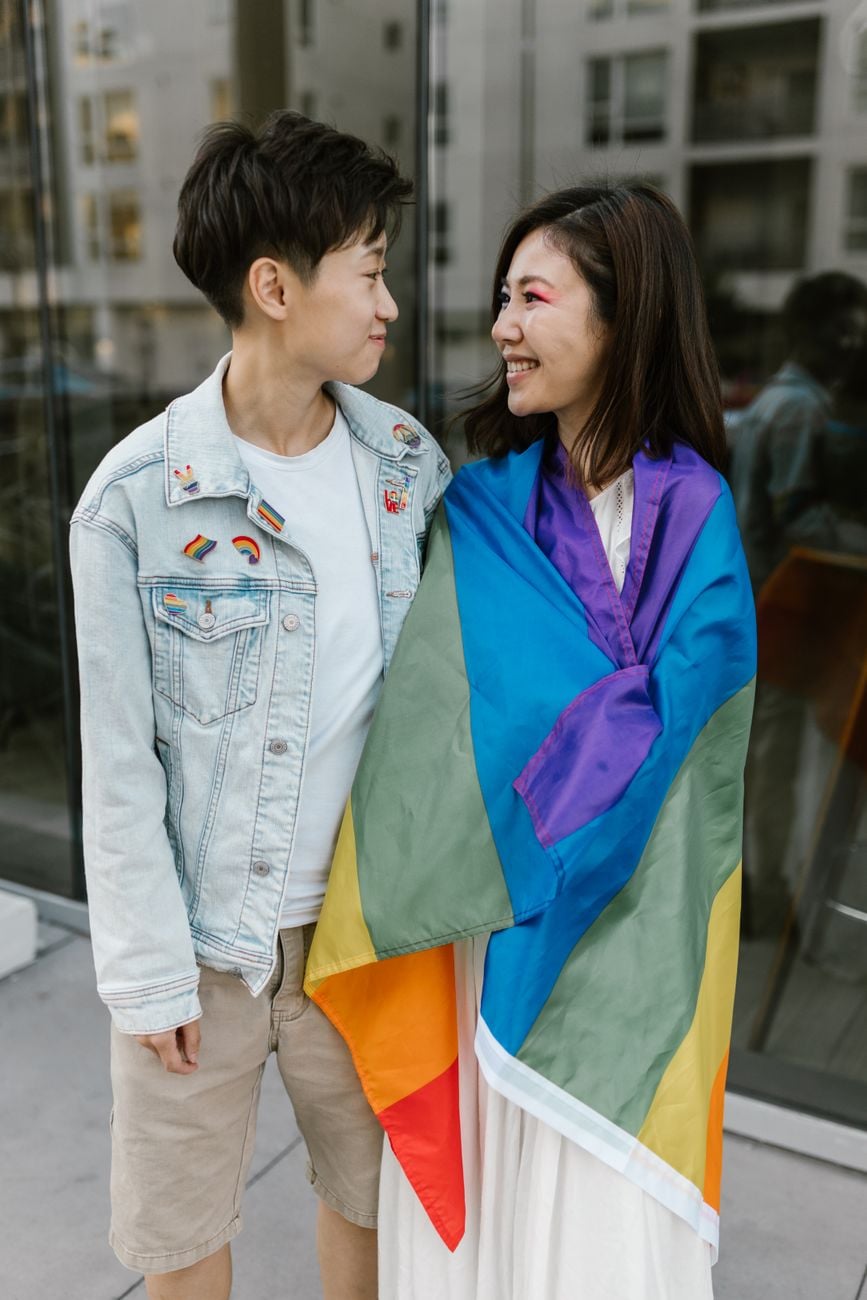
L'Espagne est l'un des pays les plus sûrs au monde pour les voyageurs LGBTQ+, avec de solides lois anti-discrimination et une culture d'acceptation. Les couples de même sexe n'attirent aucune attention négative dans les principaux quartiers de Bilbao, et la visibilité LGBTQ+ est normalisée dans la vie quotidienne. La principale préoccupation pratique concerne la petite délinquance ordinaire, telle que le vol à la tire dans les zones fréquentées. Le Pays Basque est officiellement bilingue en espagnol et en basque (Euskera) ; l'espagnol est universellement parlé et l'anglais est de plus en plus compris dans les lieux touristiques.
Gastronomie
Bilbao est une ville gastronomique exceptionnelle. La culture des pintxos, ces petites tapas servies au bar, est au cœur de la vie sociale, et faire la tournée des bars dans le Casco Viejo et la Plaza Nueva en dégustant des pintxos est une expérience locale par excellence et un moyen facile de rencontrer des gens. Au-delà des pintxos, la ville propose une gamme allant des sidrerias décontractées aux cuisines étoilées Michelin, avec les fruits de mer frais de la mer Cantabrique en spécialité. Les heures de repas espagnoles sont tardives ; le dîner commence généralement vers 21h.
Excursions
Saint-Sébastien, à environ une heure de train, est une destination culinaire de renommée mondiale, réputée pour ses plages et sa propre petite scène gay. Getxo, à 20 minutes en métro, offre un littoral et le spectaculaire pont transbordeur de Bizkaia. La côte basque verdoyante récompense l'exploration en voiture ou par les transports régionaux, et Vitoria-Gasteiz, à l'intérieur des terres, propose une vision plus tranquille de la culture basque.
Culture au-delà de la scène
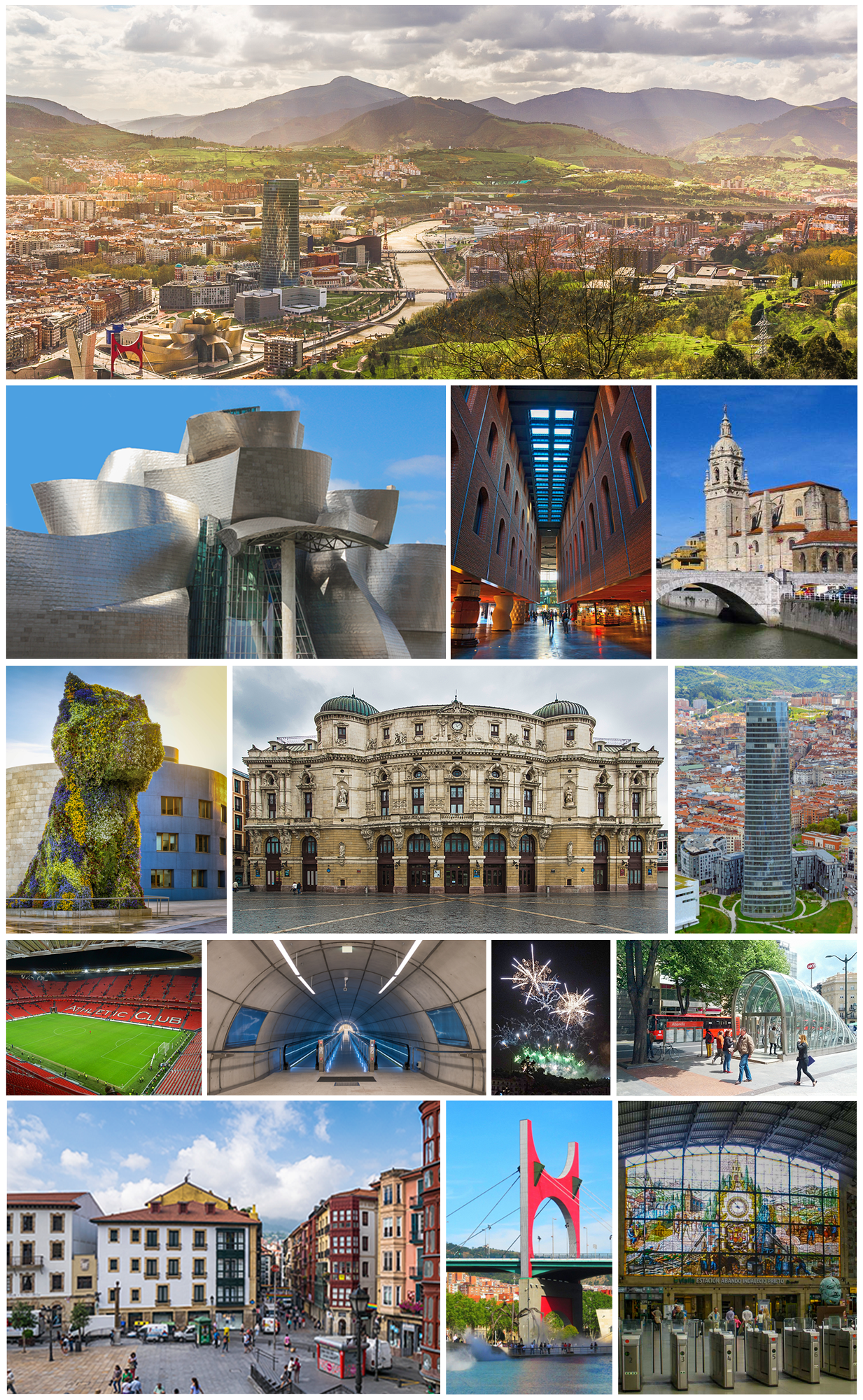
Le musée Guggenheim est l'icône de la ville, sa forme en titane attirant autant que l'art qu'il abrite. Le musée des Beaux-Arts de Bilbao propose une collection plus approfondie et moins fréquentée, tandis que l'Azkuna Zentroa (un ancien entrepôt de vin reconverti) accueille des expositions et des projections. Le Casco Viejo lui-même, avec sa cathédrale et la Plaza Nueva bordée d'arcades, est un plaisir à parcourir sans but.
Conclusion
Bilbao offre aux voyageurs LGBTQ+ une destination basque souvent négligée, qui allie culture authentique, art de classe mondiale, gastronomie exceptionnelle et une scène queer petite mais authentique. Compacte, facile à parcourir à pied et accueillante, avec le Casco Viejo et Bilbao La Vieja en son cœur, elle récompense les visiteurs qui prennent le temps d'explorer au-delà du Guggenheim.
Questions fréquentes
Le principal quartier LGBTQ+ est divisé entre le Casco Viejo (Vieille Ville) et le quartier voisin de Bilbao La Vieja. Le Casco Viejo, autour de la Calle Pelota, de la Barrenkale et de la Calle del Cristo, abrite les bars gay-friendly et les lieux de début de soirée, tandis que Bilbao La Vieja, autour de la Calle Hernani et de la Calle Bailen, est l'endroit où se déroule la scène nocturne et les clubs. Les deux sont compacts et accessibles à pied, et intégrés à la vie quotidienne de la ville plutôt qu'un "quartier gay" séparé.
Bilbao reflète les valeurs progressistes de la région basque, et la visibilité et les droits LGBTQ+ n'ont cessé de croître en Espagne. La scène de la ville est intégrée au tissu culturel et social plus large.
La Pride de Bilbao est Bilbao Bizkaia Harro, un festival d'environ dix jours organisé par Ortzadar LGBTI+ et ses partenaires. En 2026, il se déroulera du 12 au 28 juin, avec le défilé principal le samedi 27 juin à travers le centre-ville et le Casco Viejo. Le programme comprend des concerts, un gala de dragsters, des conférences et des événements dans les bars à travers Bilbao La Vieja et la vieille ville. La ville accueille également Zinegoak, le festival basque de cinéma et des arts de la scène LGBTIQ+.
La scène gay de Bilbao est centrée autour de bars sociaux et de lieux de danse plutôt que de grandes discothèques. Elle est décrite comme plus petite et moins concentrée que dans les grandes villes espagnoles.
La ville est compacte et relativement facile à parcourir. Le système de métro moderne est efficace, et les taxis sont facilement disponibles et à prix raisonnable.
Bien que le Casco Viejo soit le principal centre d'intérêt, le district d'Abando et les environs du musée Guggenheim abritent également des établissements et des services LGBTQ+-friendly. Il est recommandé d'explorer au-delà du Casco Viejo pour une expérience complète.
Vos choix en matière de confidentialité.
Nous utilisons des cookies pour faire fonctionner GayOut et, avec votre consentement, mesurer son utilisation. En savoir plus ↗
Vos choix en matière de confidentialité
Nous utilisons des cookies pour faire fonctionner GayOut, mémoriser vos préférences et (avec votre accord) mesurer l\'utilisation du site. Vous pouvez tout accepter, tout refuser ou choisir précisément ce que vous autorisez. En savoir plus ↗
Essentiels
Nécessaires à la connexion, à la prévention de la fraude, à la protection CSRF et à la mémorisation de votre langue. Ne peuvent pas être désactivés.
Toujours actif
Mémorisent vos favoris, le mode sombre et autres préférences d\'interface entre vos visites.
Nous aident à comprendre quelles pages sont consultées (Google Analytics, statistiques côté serveur) pour améliorer le site.
Utilisés par les pixels de suivi publicitaire. Aucun n\'est actif actuellement, réservé à un usage futur.
Installer GayOut
Ajoutez GayOut à votre écran d\'accueil pour un accès rapide, des favoris hors ligne et les alertes Pride.









 Bars & clubs gays
(629)
Bars & clubs gays
(629)