






















Dans ce guide · 8 sections
Ce que Séville est en tant que destination gay
Séville est la plus grande ville de l'Andalousie, la capitale de la région, et un endroit dont le caractère est profondément enraciné dans ses propres traditions d'une manière qui la distingue des villes espagnoles plus orientées vers l'international. Les processions de la Semana Santa (Semaine Sainte) et la Feria de Abril sont connues dans le monde entier ; la tradition du flamenco est sérieuse et locale plutôt que performative ; la culture gastronomique et des boissons est centrée sur les tapas consommées debout aux bars plutôt que assis à des tables de restaurant. Tout cela est pertinent pour les visiteurs gays car cela façonne le type de ville qu'est Séville, y compris à quoi ressemble et ce que ressent sa scène gay.
La zone gay est centrée sur les rues autour de Calle Amor de Dios dans le quartier Alfalfa, dans le centre historique. C'est une zone compacte de bars gays, de bars mixtes avec une forte clientèle gay, et des espaces sociaux qui s'y accumulent naturellement. Ce n'est pas un quartier gay fermé avec des drapeaux arc-en-ciel à chaque réverbère ; c'est quelques rues de la vieille ville où se rassemble la communauté gay, entourées du tissu résidentiel et commercial plus ancien du centre de Séville. Pour de nombreux visiteurs, cette intégration avec la ville fait partie de l'attrait.
Le problème de la chaleur estivale
Il faut le dire clairement : Séville en juillet et août est brutalement chaud. Les températures atteignent régulièrement 40°C ou plus, et dans une ville dont les rues sont étroites et dont le tissu urbain retient la chaleur, l'expérience de se promener pendant la journée en plein été est véritablement désagréable. Les habitants se sont adaptés à cela depuis des siècles — les commerces ferment pour de longues pauses l'après-midi, la vie se déplace à l'intérieur ou dans des espaces ombragés pendant les heures les plus chaudes, et la ville s'anime à nouveau après 20h quand les températures deviennent plus supportables.
Pour les visiteurs gays, cela signifie que l'été à Séville est une proposition en fin de nuit. La visite touristique de jour nécessite des départs tôt (la Cathédrale et l'Alcázar sont mieux visités avant 11h) et des retraites l'après-midi dans des espaces climatisés, une piscine, ou un bar frais. La vie nocturne commence véritablement tard — les bars ne se remplissent qu'après minuit ou plus tard — et continue jusqu'aux premières heures du matin. Certains trouvent que cet horaire leur convient parfaitement ; d'autres trouvent la chaleur épuisante de toute façon. Si vous êtes sensible à la chaleur, visitez au printemps (mars à mai) ou à l'automne (septembre à novembre), quand la ville est plus confortable pour les activités de jour et les soirées sont agréables.

Semana Santa et Feria : ce que les visiteurs gays doivent savoir
La Semana Santa, la semaine avant Pâques, est l'un des événements les plus intenses du calendrier culturel espagnol. Les processions de Séville sont les plus élaborées du pays : des chars massifs (pasos) portant des sculptures religieuses sont portés dans les rues par des centaines de porteurs, accompagnés par des fanfares, et regardés par des centaines de milliers de personnes qui se tiennent dans les rues pendant des heures. L'événement est profondément catholique dans son imagerie et son organisation, et l'atmosphère dans la ville est incomparable à n'importe quoi d'autre en Espagne.
Les visiteurs gays qui veulent expérimenter la Semana Santa sont les bienvenus pour regarder les processions ; c'est un événement public et n'importe qui peut se tenir dans la rue pour regarder. L'atmosphère est révérencieuse plutôt qu'hostile envers les étrangers. Cela dit, il vaut la peine de savoir que le caractère culturel de Séville au cours de cette semaine est spécifiquement et intensément catholique et conservateur dans son expression, même si les Sévillans individuels peuvent être entièrement acceptants des visiteurs gays dans d'autres contextes. Les bars gays continuent à fonctionner pendant la Semana Santa et certains organisent leurs propres événements.
La Feria de Abril, tenue deux semaines après Pâques, est une célébration d'une semaine de la culture andalouse avec une fête foraine, des défilés à cheval, et les casetas — des marquees privées où la danse flamenco et la consommation de xérès se déroulent toute la journée et la nuit. La plupart des casetas sont privées et nécessitent une invitation d'un membre de la famille pour y entrer. Il y a des casetas publiques où n'importe qui peut aller. Les visiteurs gays trouvent généralement la Feria agréable mais le système des casetas privées peut la rendre exclusive si vous ne connaissez pas de gens. Visiter les casetas publiques pour boire quelque chose et danser est tout à fait possible et amusant.
Ces deux événements sont quand l'hébergement à Séville est le plus cher et le plus rare. Réservez bien à l'avance — des mois avant pour la Semana Santa, au moins deux mois pour la Feria.
La scène gay au-delà du centre
La zone de Calle Amor de Dios est le cœur de la scène, mais Séville a d'autres poches d'activité gay-friendly. Le quartier Triana de l'autre côté du fleuve a un caractère plus local et quelques bars gay-friendly. La zone universitaire a une vie nocturne orientée vers les étudiants qui est généralement gay-acceptante même quand elle n'est pas explicitement gay-focused. Pour une ville de sa taille et ses traditions culturelles conservatrices, la scène gay de Séville est raisonnablement bien développée.

Bars
Consultez le guide des bars gays de Séville pour le tableau complet.
Hôtels
Consultez le guide des hôtels gay-friendly de Séville.

Événements
Vérifiez le calendrier des événements pour les prochains événements LGBTQ+ de Séville et les annonces de Pride.
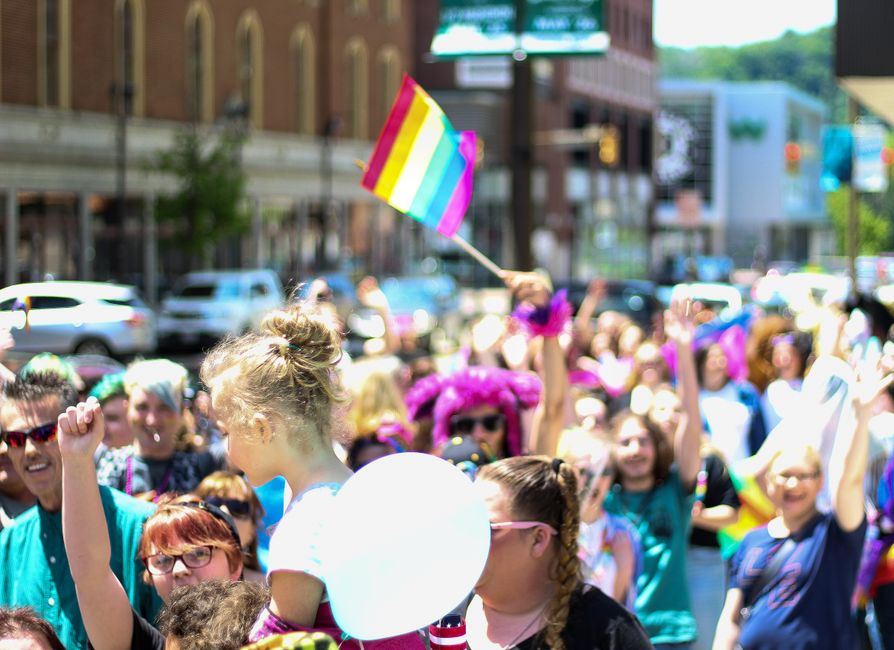
Seville Pride se déroule fin juin ou début juillet. La Semana Santa et la Feria de Abril sont les principaux événements annuels de la ville ; tous deux nécessitent une réservation à l'avance.
Notes pratiques
- S'y rendre : La gare Santa Justa de Séville se connecte à Madrid sur l'AVE à grande vitesse en environ deux heures et demie. De l'aéroport Barajas de Madrid, il y a des vols dir

