Égalité du mariage depuis Obergefell v. Hodges (26 juin 2015). Le Respect for Marriage Act (décembre 2022) établit une base au niveau du Congrès, exigeant la reconnaissance fédérale de tous les mariages valides entre personnes de même sexe et interraciaux, quelles que soient les futures décisions de la Cour suprême. Bostock v. Clayton County (2020) a statué que le Titre VII du Civil Rights Act interdit la discrimination à l'emploi fondée sur l'orientation sexuelle et l'identité de genre. Aucune loi fédérale globale anti-discrimination dans le logement ou les lieux…
Billets coupe-file, visites guidées à pied, excursions à la journée et expériences uniques LGBTQ+ friendly — réservation instantanée avec annulation gratuite.
Asbury Park, située à environ 88 kilomètres au sud de New York, est depuis des décennies une destination singulière pour les voyageurs LGBTQ+ sur la Jersey Shore. Ce n'est pas une ville qui tolère simplement sa communauté queer — elle a été, à bien des égards, reconstruite par elle. Pour comprendre Asbury Park, il faut savoir comment les résidents et entrepreneurs LGBTQ+ ont alimenté son remarquable renouveau urbain. Ils ont transformé une ville en plein déclin en l'une des petites destinations les plus commentées de la côte Est.
La Scène LGBTQ+ : Un Bref Historique
L'histoire queer d'Asbury Park remonte au moins aux années 1970. C'est à cette époque que les hommes gays et les lesbiennes ont commencé à s'y installer discrètement. La ville traversait alors des difficultés économiques et les propriétés étaient bon marché. Cette accessibilité financière, symptôme de ses problèmes, l'a rendue attrayante pour les artistes, les musiciens et les personnes LGBTQ+ qui étaient exclus de New York par les prix. Tout au long des années 1980 et 1990, une petite mais tenace communauté queer s'est implantée, ouvrant des bars et des maisons d'hôtes, même si la ville continuait de vaciller.
Le véritable tournant s'est produit au début des années 2000. Les projets de réaménagement le long du front de mer ont apporté de nouveaux capitaux, et les entreprises appartenant à des personnes LGBTQ+ ont mené la charge sur Cookman Avenue et les rues avoisinantes. Aujourd'hui, Asbury Park est reconnue comme l'une des villes les plus accueillantes pour les personnes queer d'Amérique. Elle porte ce statut avec une fierté sincère. La ville a même élu son premier maire ouvertement gay, et le gouvernement local a constamment soutenu les droits et la visibilité LGBTQ+.
Quartiers et Comment se Déplacer
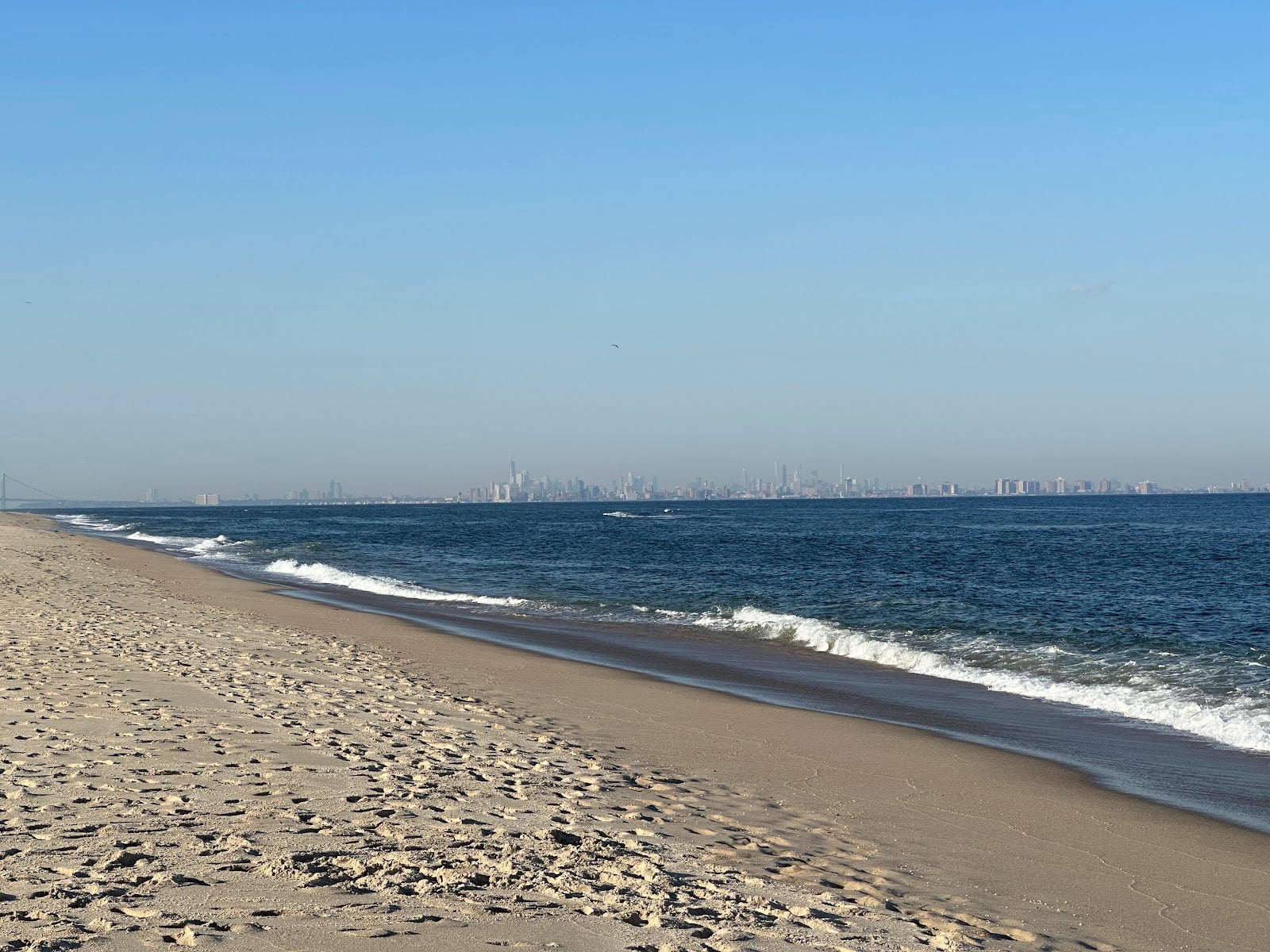
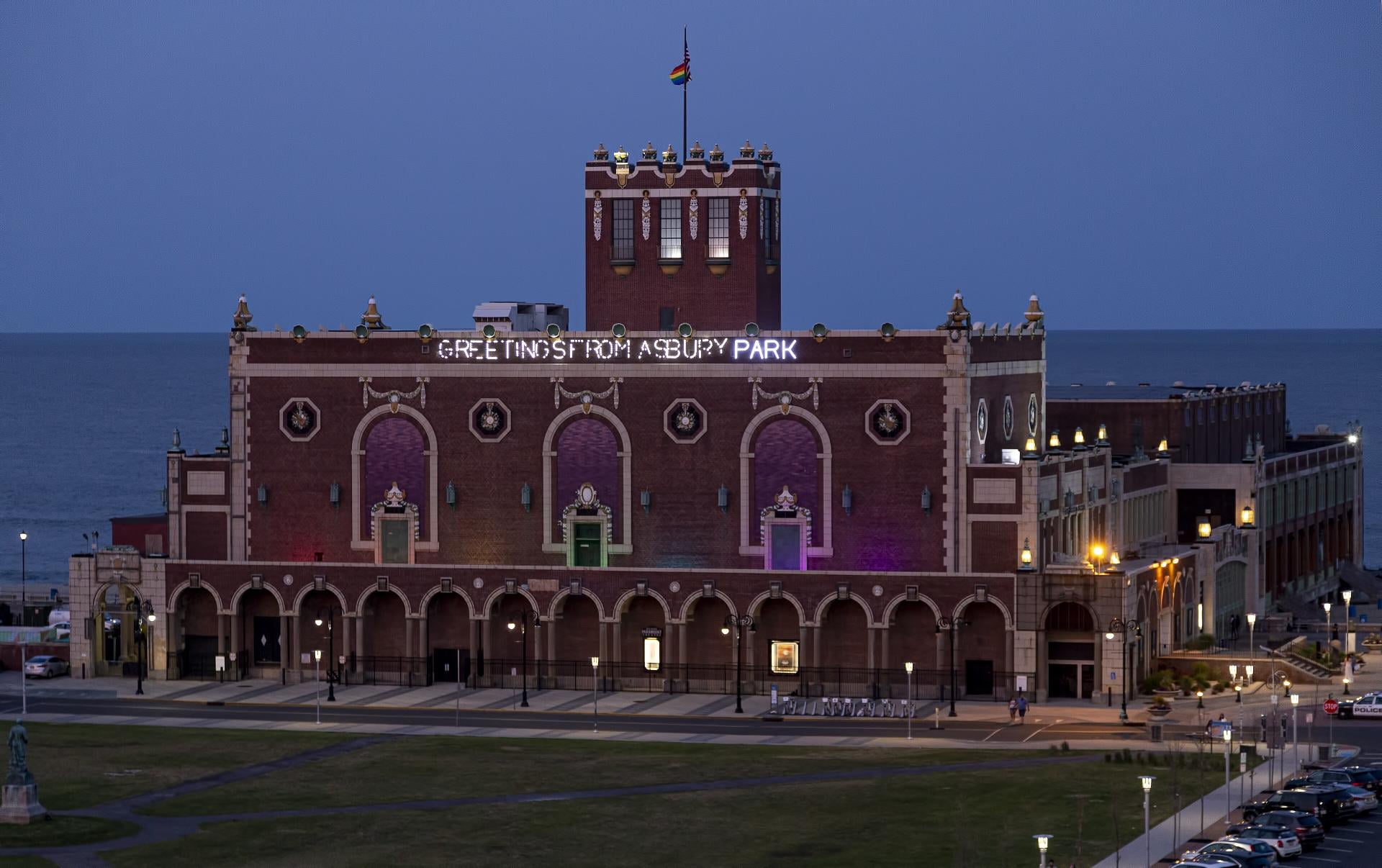
Asbury Park est une petite ville. Ses zones accueillantes pour les personnes queer sont suffisamment proches les unes des autres pour que la plupart des visiteurs puissent se déplacer à pied partout. La promenade (boardwalk) et le front de mer sont le cœur symbolique de la scène LGBTQ+, surtout en été. Le tronçon de sable près du Convention Hall et du Paramount Theatre est depuis longtemps un lieu de rencontre pour les baigneurs gays. Cette ambiance détendue et inclusive vous frappe dès votre arrivée.
Cookman Avenue, l'artère commerciale principale, fait office de rue principale officieuse pour la communauté LGBTQ+ de la ville. C'est ici que vous trouverez la plupart des restaurants, boutiques et lieux de vie nocturne accueillant la communauté. La zone située entre la promenade (boardwalk) et Cookman Avenue, centrée approximativement sur les blocs près de Deal Lake Drive et Kingsley Street, abrite plusieurs des principaux lieux et maisons d'hôtes LGBTQ+.
La partie ouest de la ville est plus résidentielle et attire moins de touristes. Mais Asbury Park, version queer, se découvre facilement à pied et sans prétention. Pas de videurs selects ni de politiques d'entrée discriminatoires. C'est un lieu inclusif, où l'on vient tel que l'on est, accueillant tous les membres du spectre LGBTQ+.
Les incontournables : Bars, clubs et vie nocturne
La vie nocturne d'Asbury Park est particulièrement animée pour sa taille. Georgie's Bar and Grill sur Cookman Avenue est l'un des plus anciens bars gay de la ville, un pilier du quartier qui sert la communauté LGBTQ+ depuis des années. C'est un bar et restaurant complet, avec une clientèle locale sympathique et des spectacles de drag queens et soirées à thème réguliers. C'est le genre d'endroit où les habitués se connaissent et où les nouveaux visages se sentent instantanément les bienvenus.
L'Empress Hotel est sans doute l'établissement LGBTQ+ le plus emblématique d'Asbury Park. Cette maison d'hôtes en bord de mer, détenue par des propriétaires gays, est un centre communautaire depuis des années. Même si vous n'y séjournez pas, vous y croiserez souvent des gens attablés à son bar ou participant à des événements. L'hôtel bénéficie d'une clientèle fidèle et d'une atmosphère à la fois glamour et décontractée.
Le Bar Anticipation, dans la ville voisine de Lake Como (juste au sud d'Asbury Park), est un grand établissement qui accueille souvent des événements LGBTQ+. Il est populaire auprès des vacanciers gays depuis des années, surtout en été. Bien qu'il ne soit pas exclusivement un bar gay, il a toujours joué un rôle important dans la scène sociale queer plus large.
La House of Independents est une salle de concert qui accueille souvent des artistes très appréciés par la communauté LGBTQ+ et organise des événements à thématique queer. Le riche héritage musical d'Asbury Park – c'est la ville natale de Bruce Springsteen, après tout – fait que la scène du divertissement en général se mêle souvent à la communauté queer.
Les spectacles de drag queens sont une constante de la vie nocturne d'Asbury Park. Vous trouverez des représentations régulièrement dans plusieurs établissements, tout au long de l'année, pas seulement pendant la Pride. La ville possède une forte culture drag et a vu naître des artistes qui ont acquis une reconnaissance nationale.
Asbury Park Pride est l'événement LGBTQ+ phare de la ville, et l'une des célébrations de la Pride les plus populaires du Nord-Est. Elle se déroule généralement sur un week-end début juin, attirant des foules de 30 000 personnes ou plus. Le festival comprend un défilé dans les rues, un grand festival en plein air sur la plage et la promenade, des concerts, des spectacles de drag queens et des marchés de vendeurs. La taille d'Asbury Park Pride, comparée à la population de la ville, est remarquable – elle transforme véritablement toute la ville le temps d'un week-end.
Au-delà de la Pride, Asbury Park accueille plusieurs événements LGBTQ+ récurrents tout au long de l'année. Bearfest, généralement à la fin de l'été ou au début de l'automne, est un rassemblement populaire pour la communauté bear, attirant des visiteurs de toute la région. Divers événements cuir et fétichistes ont également trouvé leur place ici. Halloween apporte son lot de bar crawls costumés et d'événements à thème qui sont particulièrement appréciés par la clientèle LGBTQ+.
L'été, de Memorial Day à Labor Day, est la haute saison pour les visiteurs LGBTQ+. Les beach parties, les événements sur les toits et les rassemblements en plein air ont lieu la plupart des week-ends. Mais Asbury Park attire de plus en plus de visiteurs queer tout au long de l'année, d'autant plus que les scènes gastronomique et artistique de la ville se sont renforcées.
Où Séjourner
L'Empress Hotel est le premier choix évident pour les visiteurs LGBTQ+ qui souhaitent être au cœur de l'animation gay. Les chambres partent vite pour le week-end de la Pride et les week-ends d'été en général, alors réservez à l'avance. L'emplacement de l'hôtel, face à l'océan, est vraiment spectaculaire.
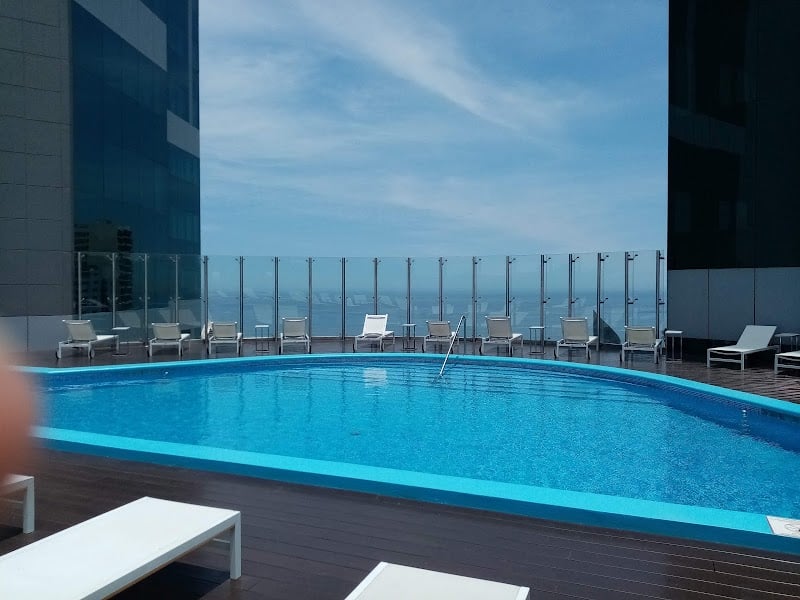
Asbury Park compte plusieurs chambres d'hôtes et hôtels de charme ; certains sont détenus par des personnes gays ou ouverts à la communauté gay. L'Asbury Hotel est un établissement plus grand et stylé, près de la promenade. Il est devenu populaire auprès d'une clientèle plus jeune et créative, et il est particulièrement accueillant pour les personnes LGBTQ+. Il dispose d'un bar sur le toit qui est un lieu prisé par beau temps.
Si vous souhaitez plus d'espace ou un cadre plus familial, les plateformes de location à court terme offrent de nombreuses options à Asbury Park et dans la ville voisine d'Ocean Grove. Ocean Grove est une ville sèche (pas de vente d'alcool) à l'atmosphère victorienne, un contraste intéressant. Mais elle est facilement accessible à pied de la vie nocturne d'Asbury Park.
Gastronomie et Restaurants
La scène culinaire d'Asbury Park a vraiment pris son essor au cours de la dernière décennie. Reyla, sur Cookman Avenue, est un lieu populaire à l'atmosphère animée et accueillante pour la communauté LGBTQ+, servant une cuisine d'inspiration mondiale. Toast, un restaurant de brunch très apprécié, est souvent bondé les matins de week-end avec une clientèle mixte qui penche fortement vers l'ouverture d'esprit. Porta est un grand et animé restaurant de pizzas et de bières artisanales, situé dans un espace magnifiquement restauré près de la promenade, et il attire constamment une clientèle ouverte à la communauté queer.
Le corridor de Cookman Avenue propose des options de restauration, du plus décontracté au plus chic. L'ambiance générale de la scène culinaire d'Asbury Park est inclusive et accueillante. Les couples de même sexe manifestant leur affection ne font pas de vagues dans presque tous les établissements de la ville.
Sécurité et Ambiance Générale
Asbury Park est l'un des endroits les plus sûrs et les plus accueillants des États-Unis pour les voyageurs LGBTQ+. Les couples de même sexe ne rencontreront aucune hostilité en se promenant main dans la main sur la promenade ou en dînant dans les restaurants locaux. L'identité queer de la ville n'est pas un argument marketing – elle est véritablement ancrée dans la culture et la politique locales.
Comme dans toute ville, il est judicieux de faire preuve de la vigilance habituelle en matière de sécurité, surtout tard le soir dans les zones moins fréquentées. Mais en ce qui concerne la sécurité spécifique à la communauté LGBTQ+, Asbury Park ne présente pratiquement aucune inquiétude. C'est une ville qui célèbre sa communauté queer ouvertement et de manière constante.
Comment s'y rendre et se déplacer
Le réseau ferroviaire NJ Transit dessert Asbury Park, ce qui permet de s'y rendre facilement depuis New York Penn Station sans voiture. Le trajet en train depuis New York dure environ 90 minutes à deux heures, selon le service. Depuis Philadelphie, le trajet est un peu plus long et nécessite généralement une correspondance. En été, NJ Transit propose des trains express supplémentaires vers la côte les week-ends ; ceux-ci sont populaires auprès des excursionnistes et des vacanciers de fin de semaine.
Une fois à Asbury Park, les quartiers accueillants pour la communauté LGBTQ+ sont entièrement accessibles à pied. La gare se trouve à quelques pas de Cookman Avenue et de la promenade (boardwalk). Vous n'aurez pas besoin de voiture pour la plupart des visites, bien qu'elle puisse être utile pour des excursions d'une journée.
Excursions d'une journée et attractions à proximité
Asbury Park constitue une excellente base pour explorer la côte du New Jersey (Jersey Shore). Spring Lake et Belmar se trouvent à une courte distance en voiture et possèdent de jolies plages. Red Bank, à environ 15 minutes au nord, offre un charmant centre-ville avec d'excellents restaurants et une longue histoire artistique et culturelle.
New York City est une excursion d'une journée évidente si vous séjournez à Asbury Park plus longtemps. L'inverse est également vrai : Asbury Park est une destination d'évasion de fin de semaine très prisée pour échapper à la chaleur et à l'intensité de New York. L'accès à la plage, une vie nocturne animée et une communauté queer accueillante en font une destination de court séjour particulièrement satisfaisante.
Si vous êtes amateur d'histoire musicale, le Stone Pony – l'un des premiers lieux de Bruce Springsteen – se trouve à Asbury Park et accueille encore régulièrement des concerts. La zone plus large de la promenade, avec ses bâtiments historiques restaurés et son développement continu, vaut le détour rien que pour voir à quoi ressemble un renouveau urbain piloté par la communauté lorsque les personnes LGBTQ+ sont au cœur de l'histoire.
Questions fréquentes
Downtown Asbury Park, centered on Main Street and the oceanfront promenade, is the primary area of interest. The Cookman Avenue corridor is also a vibrant entertainment district. The West Side residential neighborhoods are popular with LGBTQ+ residents seeking quieter areas.
The boardwalk and beach function as social spaces, particularly during summer months and Pride weekend. Specific event dates are not detailed in the guide.
Asbury Park's bar scene is relatively modest compared to larger LGBTQ+ destinations. Established venues have included LGBTQ+-friendly bars and clubs downtown, though the specific landscape changes periodically. Rather than traditional gay clubs, the guide notes the scene appeals to those seeking authentic community.
The guide mentions established LGBTQ+-friendly bars and clubs downtown, but notes that the specific landscape changes periodically with closures and openings. It also highlights The Stone Pony as a legendary music venue that attracts a diverse audience.
Asbury Park is recognized as one of New Jersey's most LGBTQ+-friendly communities. The gay population is integrated throughout the city rather than concentrated in a single neighborhood.
The provided guide does not mention specific LGBTQ+ friendly hotels in Asbury Park.
Vos choix en matière de confidentialité.
Nous utilisons des cookies pour faire fonctionner GayOut et, avec votre consentement, mesurer son utilisation. En savoir plus ↗
Vos choix en matière de confidentialité
Nous utilisons des cookies pour faire fonctionner GayOut, mémoriser vos préférences et (avec votre accord) mesurer l\'utilisation du site. Vous pouvez tout accepter, tout refuser ou choisir précisément ce que vous autorisez. En savoir plus ↗
Essentiels
Nécessaires à la connexion, à la prévention de la fraude, à la protection CSRF et à la mémorisation de votre langue. Ne peuvent pas être désactivés.
Toujours actif
Mémorisent vos favoris, le mode sombre et autres préférences d\'interface entre vos visites.
Nous aident à comprendre quelles pages sont consultées (Google Analytics, statistiques côté serveur) pour améliorer le site.
Utilisés par les pixels de suivi publicitaire. Aucun n\'est actif actuellement, réservé à un usage futur.
Installer GayOut
Ajoutez GayOut à votre écran d\'accueil pour un accès rapide, des favoris hors ligne et les alertes Pride.



 Bars & clubs gays
(10)
Bars & clubs gays
(10)