Égalité du mariage depuis Obergefell v. Hodges (26 juin 2015). Le Respect for Marriage Act (décembre 2022) établit une base au niveau du Congrès, exigeant la reconnaissance fédérale de tous les mariages valides entre personnes de même sexe et interraciaux, quelles que soient les futures décisions de la Cour suprême. Bostock v. Clayton County (2020) a statué que le Titre VII du Civil Rights Act interdit la discrimination à l'emploi fondée sur l'orientation sexuelle et l'identité de genre. Aucune loi fédérale globale anti-discrimination dans le logement ou les lieux…
Inspiré du film dramatique américain de 1950 « All About Eve » et situé au cœur de la nature au New Hope Lodge, The Cub Room offre une atmosphère remarquable pour se détendre et se relaxer en famille…
installée dans une grange rustique du 18ème siècle, propose une magnifique sélection de vins et une salle de dégustation douillette qui accueille souvent de la musique en direct et d'autres…
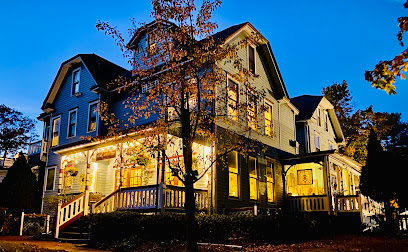
L'hospitalité, le charme et la chaleur définissent la Wishing Well Guest House. La propriété fonctionnait à l'origine comme une ferme et possédait toutes les terres environnantes au sud.
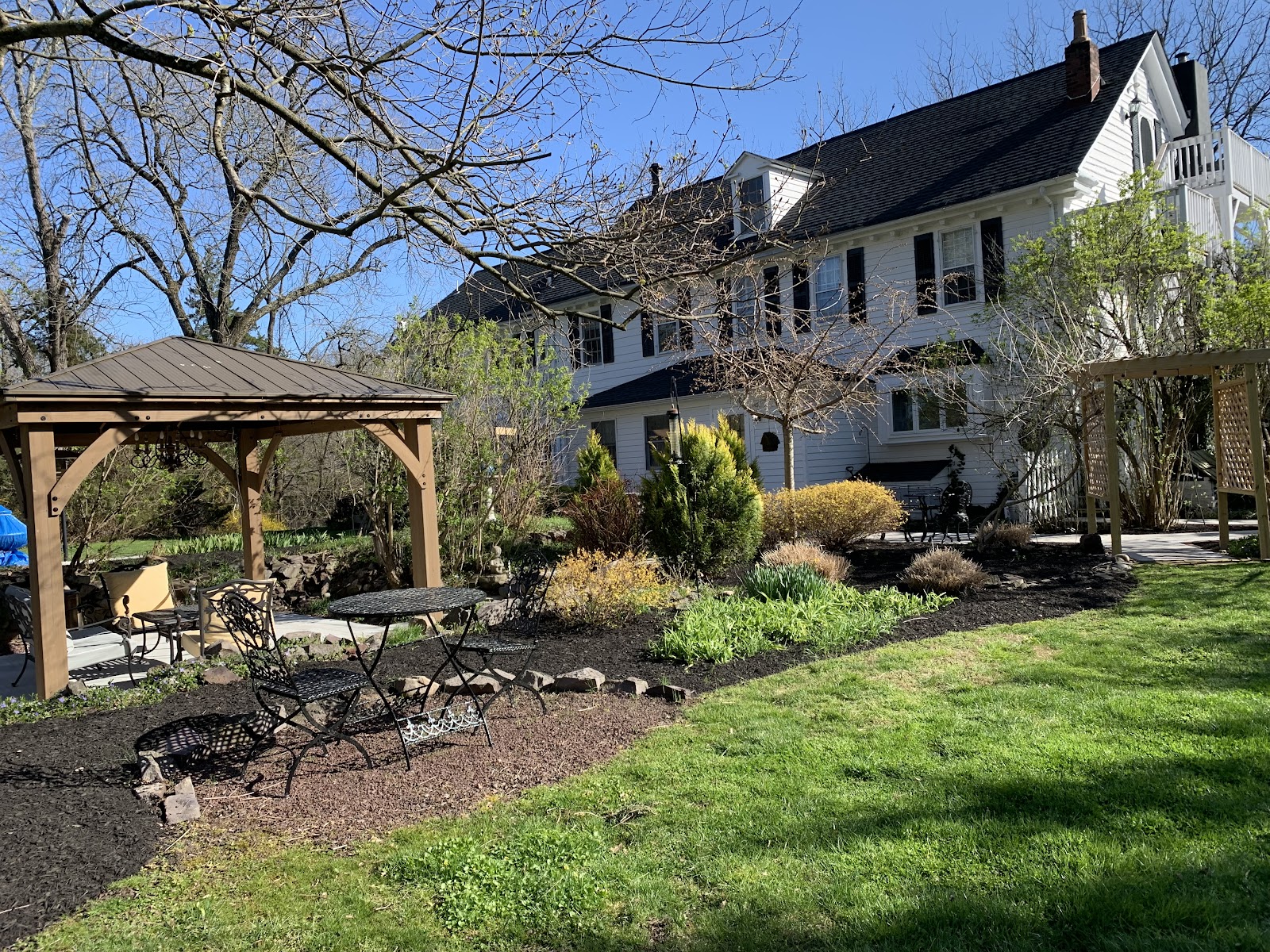
Cette maison de ferme du XVIIIe siècle rénovée propose des chambres d'hôtes haut de gamme à 4,5 miles en aval de la rivière Delaware depuis New Hope PA, la porte d'entrée de Bucks County, avec son…
Une auberge élégante de type Bed and Breakfast, construite en 1857 et inscrite au Registre national des lieux historiques, située en bordure de la Delaware River.
Billets coupe-file, visites guidées à pied, excursions à la journée et expériences uniques LGBTQ+ friendly — réservation instantanée avec annulation gratuite.
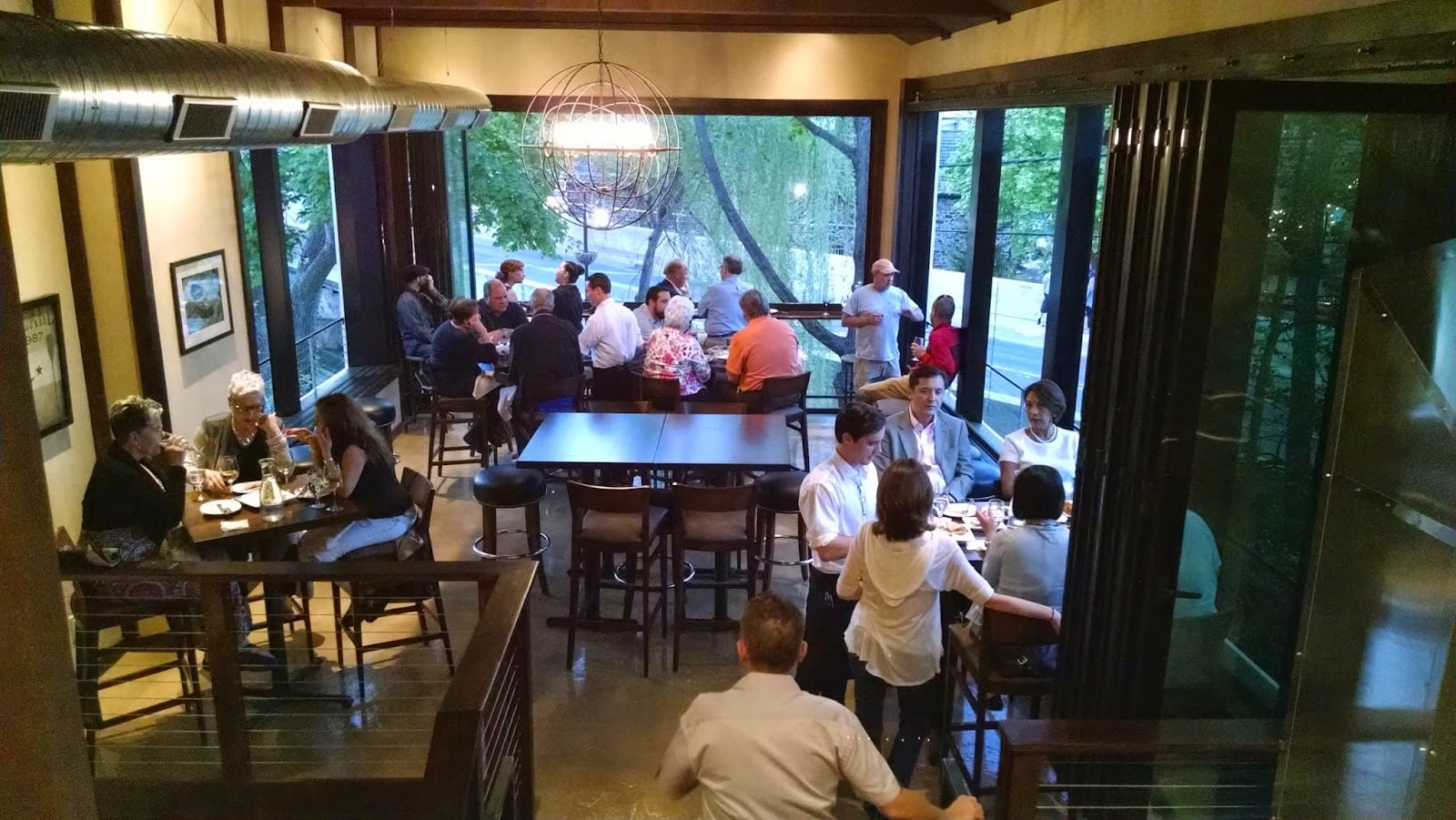
Situé dans un ancien péage fluvial aussi proche de la Delaware qu'on peut l'être sans se mouiller, Martine's RiverHouse propose une cuisine élégante et une cuisine américaine contemporaine présentées…
New Hope : Le Guide Complet pour les Voyageurs LGBTQ+
Histoire et Aperçu
New Hope accueille les voyageurs LGBTQ+ depuis le milieu du XXe siècle, passant d'une paisible colonie d'artistes à l'une des destinations gay les plus emblématiques du nord-est des États-Unis. La transformation de la ville a débuté dans les années 1960 et 1970, lorsque des artistes, des acteurs de théâtre et des personnes LGBTQ+ ont été attirés par son charme, son immobilier abordable et son esprit bohème. Au cours des années 1980 et 1990, une scène d'accueil gay animée a prospéré, portée par des lieux légendaires comme la boîte de nuit The Cartwheel et le resort The Raven. Bien que cette scène se soit réduite ces dernières années, New Hope demeure une petite ville fièrement accueillante, avec une communauté LGBTQ+ visible toute l'année et une célébration de la Fierté qui attire des milliers de personnes.
L'attrait de la ville tient en partie à sa petite taille et à sa facilité de déplacement à pied : la plupart des attractions se trouvent dans un centre-ville compact et agréable à parcourir. Les autorités locales et la communauté des affaires ont depuis longtemps accueilli les visiteurs LGBTQ+, faisant de New Hope un lieu constamment accueillant et sûr.
Quartiers et Aménagement
Le cœur de New Hope est compact. Le centre-ville principal s'étend le long de South Main Street et West Bridge Street, où se concentrent la plupart des bars, restaurants, boutiques et galeries, au milieu d'une architecture des XVIIIe et XIXe siècles. Au nord et à l'ouest du centre-ville se trouvent les rues résidentielles où opèrent de nombreuses auberges et maisons d'hôtes. Le front de mer du fleuve Delaware, en bordure du centre-ville, offre des promenades pittoresques le long du chemin de halage du canal. Un pont piétonnier gratuit relie New Hope à Lambertville, New Jersey, juste de l'autre côté de la rivière – les deux villes fonctionnent comme une seule destination.
Lieux et Vie Nocturne
La vie nocturne de New Hope est aujourd'hui intime plutôt qu'étendue. The Cub Room, situé dans le New Hope Lodge sur West Bridge Street, est le seul bar gay dédié de la ville – un bar à piano chaleureux avec des séances de karaoké, une soirée dansante avec clips vidéo le samedi soir, et des thés dansants saisonniers en extérieur. Il perpétue l'esprit communautaire de l'époque des premiers bars gay de la ville.
Le Havana Bar & Restaurant, situé sur South Main Street, est le lieu le plus animé de la ville pour la programmation LGBTQ+ : un restaurant gay-friendly et un bar musical qui accueille tout au long de l'année les Tea Dances de New Hope Celebrates, des soirées drag et des spectacles de cabaret. À proximité, des établissements gay-friendly bien établis comme le Nektar Wine Bar, le New Hope Winery et le favori de longue date de la communauté, Karla's, complètent les options pour la vie nocturne et les dîners.
Deux institutions très appréciées font désormais partie de l'histoire locale plutôt que de la scène actuelle : The Cartwheel, la discothèque gay sur plusieurs niveaux juste à l'extérieur de la ville, a été détruite par un incendie en 2005, et The Raven – pendant des décennies un complexe hôtelier, un bar et une piscine gay sur West Bridge Street – a fermé en 2019 et a été démoli l'année suivante.
Événements et Fierté
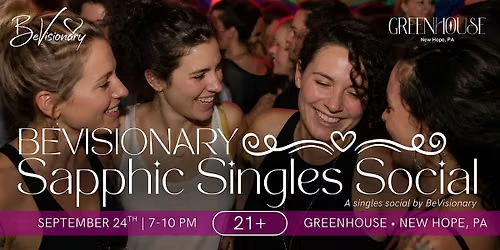
L'événement phare de New Hope est le New Hope PrideFest, produit chaque année en mai par l'organisation à but non lucratif New Hope Celebrates. Présenté comme l'un des premiers Prides de la saison, c'est un festival de plusieurs jours qui culmine avec un défilé le samedi au départ de Lambertville, New Jersey, traversant le pont de la rivière Delaware pour arriver à New Hope, suivi d'une foire en plein air avec des vendeurs, de la nourriture et de la musique live. Le week-end remplit les hôtels des mois à l'avance et attire plus de 15 000 visiteurs dans la région des deux villes. New Hope Celebrates organise également OUT In October, un week-end LGBTQ+ d'automne, ainsi que des Tea Dances et d'autres événements tout au long de l'année.
Au-delà de la Fierté, les week-ends d'été attirent des foules de Philadelphie et de New York pour des escapades fluviales décontractées, et Halloween fin octobre apporte des soirées costumées et des événements spéciaux.
Où Séjourner
New Hope et Lambertville offrent une multitude d'auberges historiques, de chambres d'hôtes et d'hôtels de charme, dont beaucoup appartiennent à des personnes gay ou sont depuis longtemps habitués aux clients LGBTQ+. Les options vont des auberges riveraines et des B&B du XVIIIe siècle aux hôtels avec services complets ; de plus petites maisons d'hôtes bordent les rues résidentielles et offrent des séjours intimes et personnalisés. Il est essentiel de réserver bien à l'avance, surtout pour le week-end du PrideFest en mai, lorsque les chambres se remplissent rapidement et que les tarifs augmentent.
Restaurants et Gastronomie
La scène culinaire de New Hope est variée et accessible à pied. Karla's est un établissement de longue date, très apprécié de la communauté LGBTQ+, pour le brunch et le dîner, tandis que Havana propose une cuisine américano-latine accompagnée de spectacles. Les rues environnantes et la voisine Lambertville ajoutent des restaurants gastronomiques, des bistrots décontractés, des cafés et des glaciers pour satisfaire tous les budgets et tous les régimes.
New Hope possède une scène artistique dynamique. Le Bucks County Playhouse, un théâtre historique au bord de la rivière, présente des comédies musicales et des pièces de théâtre, et le centre-ville regorge de galeries d'art et de boutiques d'antiquités. Les visiteurs peuvent se promener ou faire du vélo sur le chemin de halage du Delaware Canal, faire du kayak ou de la bouée sur la rivière, ou simplement flâner entre New Hope et Lambertville en traversant le pont piétonnier.
Sécurité et Informations Pratiques
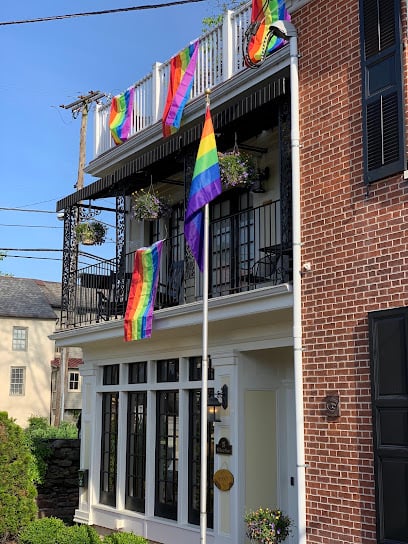
New Hope est considérée comme une destination très sûre pour les voyageurs LGBTQ+, avec des drapeaux arc-en-ciel bien visibles et de solides relations communautaires avec les autorités locales. Le vol à la tire peut survenir dans les zones touristiques, comme partout ailleurs, mais la criminalité violente est rare ; les précautions de voyage habituelles s'appliquent.
Transports et Comment s'y Rendre
New Hope se trouve à environ 50 kilomètres au nord de l'aéroport international de Philadelphie (PHL), le principal aéroport le plus proche – à environ 45 minutes à une heure de route. Depuis New York (environ 160 kilomètres), le trajet dure 2 à 2,5 heures ; le service de bus est limité, donc une voiture est l'option la plus simple. Dans la ville, le centre de New Hope et Lambertville sont entièrement accessibles à pied, avec des taxis et des services de covoiturage disponibles pour les trajets plus longs.
Météo et Quand Visiter
New Hope connaît quatre saisons distinctes. Le printemps (mars-mai) apporte un temps doux, des fleurs épanouies et le PrideFest. L'été (juin-août) est la haute saison avec un temps chaud et des festivals en plein air. L'automne (septembre-novembre) offre des températures agréables, le feuillage le long de la rivière et OUT In October. L'hiver (décembre-février) est calme et intime, avec des décorations de fêtes et des chutes de neige occasionnelles. Le week-end du PrideFest en mai et les samedis d'été sont les périodes les plus fréquentées et les plus chères ; les saisons intermédiaires sont plus calmes mais toujours festives.
Excursions et Attractions à Proximité
Lambertville, dans le New Jersey, juste de l'autre côté de la rivière, propose des restaurants, des galeries et des boutiques d'antiquités, reliée par le pont piétonnier. Philadelphie, à 30 miles au sud, offre des musées de renommée mondiale, des sites historiques et une vie nocturne gay urbaine. Les vignobles et les espaces naturels du comté de Bucks sont à une courte distance en voiture.
Considérations Culturelles
Si New Hope en elle-même célèbre la diversité ouvertement et visiblement, certaines zones rurales environnantes sont plus conservatrices. Dans la ville, les voyageurs transgenres et non-binaires devraient se sentir à l'aise ; comme les auberges et les commerces sont petits et personnels, une communication préalable sur vos besoins peut être utile.
Conseils aux Visiteurs
Réservez votre hébergement bien à l'avance, surtout pour le week-end de PrideFest en mai. Attendez-vous à des prix plus élevés lors des événements majeurs. De nombreux bars et lieux n'ouvrent qu'en soirée. Le stationnement dans le centre-ville est limité — de nombreuses auberges proposent un parking. La ville est propice à la marche ; ceux qui recherchent une visite plus tranquille devraient venir pendant les saisons intermédiaires, au printemps ou à l'automne.
Questions fréquentes
New Hope est depuis longtemps une destination accueillante pour les personnes LGBTQ+. La propriété d'entreprises gays et la visibilité sont normalisées dans toute la ville, et la communauté représente une part importante des résidents et des visiteurs.
Le centre-ville, centré sur Main Street et Bridge Street, est le principal pôle commercial et social. Ces rues abritent de nombreux bars, restaurants et boutiques. Le quartier historique propose également des galeries, des boutiques et des options de restauration.
New Hope a connu d'importantes célébrations annuelles de la Fierté. Bien que les dates précises des événements actuels ne soient pas détaillées, les visiteurs doivent savoir que les chambres se remplissent rapidement pendant la haute saison, qui comprend le week-end de la Fierté.
La scène nocturne de New Hope a toujours inclus plusieurs bars et salles de danse gays. Le guide note que les lieux spécifiques et leur statut opérationnel peuvent varier.
New Hope propose de nombreux bed-and-breakfasts, dont beaucoup sont détenus par des gays ou accueillants pour les gays. Des hôtels et des auberges sont également disponibles dans tout le centre-ville et les environs, certains se positionnant explicitement comme accueillants pour les LGBTQ+.
New Hope est une petite ville, ce qui la rend facilement accessible à pied et navigable pour les visiteurs. Le principal centre commercial et social est centré sur Main Street et Bridge Street.
Vos choix en matière de confidentialité.
Nous utilisons des cookies pour faire fonctionner GayOut et, avec votre consentement, mesurer son utilisation. En savoir plus ↗
Vos choix en matière de confidentialité
Nous utilisons des cookies pour faire fonctionner GayOut, mémoriser vos préférences et (avec votre accord) mesurer l\'utilisation du site. Vous pouvez tout accepter, tout refuser ou choisir précisément ce que vous autorisez. En savoir plus ↗
Essentiels
Nécessaires à la connexion, à la prévention de la fraude, à la protection CSRF et à la mémorisation de votre langue. Ne peuvent pas être désactivés.
Toujours actif
Mémorisent vos favoris, le mode sombre et autres préférences d\'interface entre vos visites.
Nous aident à comprendre quelles pages sont consultées (Google Analytics, statistiques côté serveur) pour améliorer le site.
Utilisés par les pixels de suivi publicitaire. Aucun n\'est actif actuellement, réservé à un usage futur.
Installer GayOut
Ajoutez GayOut à votre écran d\'accueil pour un accès rapide, des favoris hors ligne et les alertes Pride.







 Bars & clubs gays
À la une
(83)
Bars & clubs gays
À la une
(83)