כל מה שכדאי לדעת לפני הנסיעה.
דוברובניק הפכה ליעד מסביר פנים יותר ויותר למטיילי LGBTQ+, אם כי חשוב להבין את העיר בהקשר החברתי הרחב יותר של קרואטיה. בעוד שצעירים קרואטים אורבניים נוטים לעמדות פרוגרסיביות, המדינה נותרת בעיקרה קתולית ושמרנית חברתית באזורים רבים. דוברובניק עצמה – כמרכז תיירות בינלאומי מרכזי – פיתחה ידידותיות אמיתית לקהילת הלהט"ב, במיוחד בחודשי הקיץ.
היסטוריה והסצנה הנוכחית
קרואטיה ביטלה את הפללת ההומוסקסואליות בשנת 1977 (כאחת מרפובליקות יוגוסלביה לשעבר), ושותפויות לחיים של בני אותו מין הפכו לחוקיות בשנת 2014. קהילת הלהט"ב בדוברובניק והנראות שלה גדלו באופן משמעותי בעשור האחרון, מונעות בחלקן על ידי תיירות והשקעות בינלאומיות. הסצנה הגאה בעיר קטנה יחסית אך מבוססת, עם מספר מצומצם של מקומות ייעודיים ועוד רבים שפשוט מקבלים בברכה את כל המבקרים. בניגוד לערים אירופאיות גדולות יותר, בדוברובניק אין שכונה גאה מובהקת – במקום זאת, חללים ידידותיים לקהילת הלהט"ב מפוזרים ברחבי העיר העתיקה ואזורי הנמל.
גאוגרפיה ושכונות
העיר העתיקה של דוברובניק קומפקטית להפליא, בערך 350 מטר ממזרח למערב ו-220 מטר מצפון לדרום, מוקפת כולה בחומות מימי הביניים. ה-Stradun, הרחוב הראשי המרוצף גיר שחוצה את המרכז, מחבר את שער Pile (הכניסה המערבית) לשער Ploče (הכניסה המזרחית). רחוב זה והכיכרות הסובבות אותו – במיוחד כיכר Luža ליד הנמל – מהווים את הלב החברתי והמסחרי של העיר.
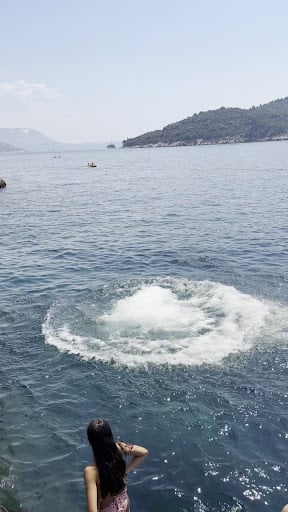
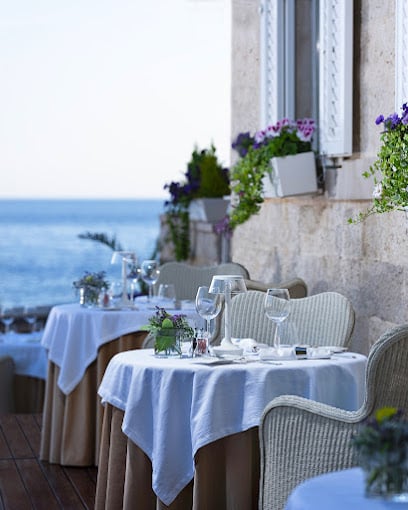
טיילת הנמל, הנגישה מכיכר Luža, עברה פיתוח משמעותי וכעת כוללת בתי קפה, ברים ומסעדות רבים עם ישיבה בחוץ המשקיפים על נופי הים האדריאטי. אזור זה פופולרי בקרב מבקרים בינלאומיים ומטיילי LGBTQ+, עם אווירה קוסמופוליטית מובהקת.
האזור סביב המנזר הדומיניקני והחלקים המזרחיים של העיר העתיקה נוטים להיות שקטים יותר ופחות תיירותיים, אם כי עדיין מסבירי פנים.
מקומות מרכזיים
סצנת הלהט"ב בדוברובניק אינטימית יותר מאשר נרחבת. המבקרים צריכים להיות מודעים לכך שמקומות ספציפיים עשויים להשתנות עונתית או לעבור שינויים לאורך זמן; לפי דיווחים אחרונים, המקומות הבאים היו פופולריים בקרב מבקרי להט"ב:
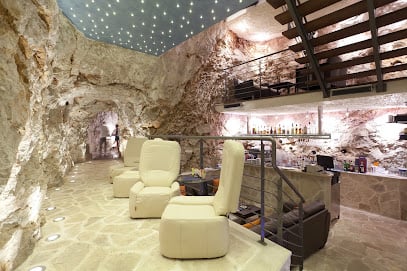
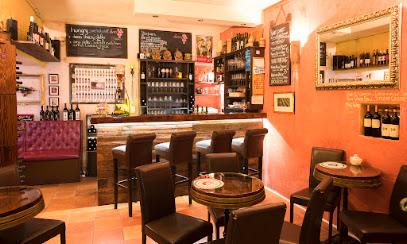
המקום הגאה הייעודי היחיד בדוברובניק הוא MILK fun area & cocktails (Ul. Marojice Kaboge 8), שנפתח בעיר העתיקה בשנת 2022 כבר כפאב גאה ראשון בעיר – מקום קוקטיילים קטן בבעלות גאה עם דיג'ייז וקהל מעורב ונינוח. מעבר ל-MILK, מספר בתי עסק על קו המים ובעיר העתיקה ידועים בכך שהם מקבלים בברכה פטרוני להט"ב: ה-Buža Bar הממוקם על צוק ומשולב בחומות העיר, ה-Cave Bar More האטמוספרי בלפאד, וה-D'Vino Wine Bar בעיר העתיקה – כולם מושכים קהל מעורב, כולל מבקרי להט"ב, גם אם אינם משווקים במפורש כמקומות גאים. בית קפה הג'אז Troubadour ב-Bunićeva poljana הוא עוד מקום ותיק וידידותי לקהילה הגאה.
מועדונים וחיי לילה: חיי הלילה בדוברובניק צנועים יחסית בהשוואה לערים אירופאיות גדולות. מועדוני ריקודים פועלים באופן עונתי ועם פופולריות משתנה, ו-MILK משמש כדבר הקרוב ביותר שיש לעיר העתיקה כנקודת ריקוד קווירית בלילות הקיץ העמוסים.
לא ידוע על סאונות או בתי מרחץ גאים ייעודיים הפועלים בדוברובניק עצמה, אם כי ייתכנו אפשרויות באזור הרחב יותר.
מצעד גאווה ואירועים
בדוברובניק אין מצעד גאווה משלה. אירועי הגאווה של קרואטיה מתקיימים במקומות אחרים: Zagreb Pride (Povorka ponosa) בכל יוני בבירה הוא הגדול ביותר, ו-Split Pride, גם הוא ביוני, הוא החגיגה המרכזית הקרובה ביותר בחוף הדלמטי. מטיילי להט"ב המתבססים בדוברובניק נוהגים בדרך כלל לשלב את ביקורם עם אחד מאלה, או פשוט ליהנות מסצנת הקיץ הרגועה של העיר.
לוח השנה הקיצי של דוברובניק עצמה נשלט על ידי פסטיבל הקיץ של דוברובניק (Libertas) לתיאטרון ומוזיקה מאמצע יולי עד סוף אוגוסט, אשר מושך קהל מגוון, בינלאומי וידידותי ללהט"ב.
אירועי קיץ נוספים, הכוללים פסטיבלי מוזיקה ותיאטרון בינלאומיים, מציעים לעיתים קרובות תכנים ידידותיים לקהילה הלהט"בית ומושכים קהלים מגוונים.
היכן ללון
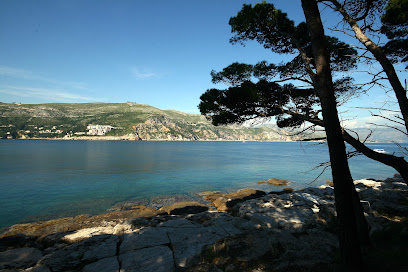
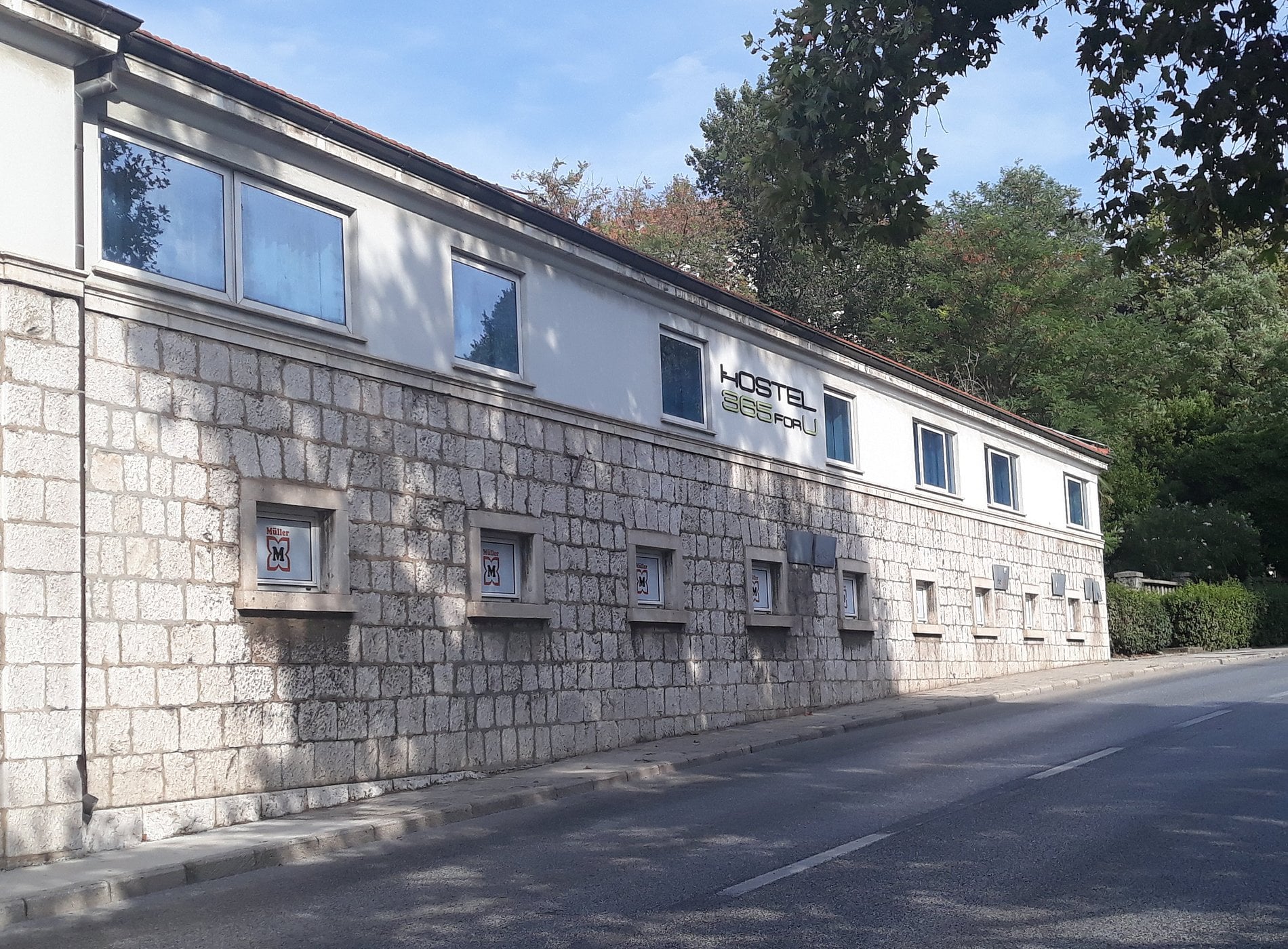
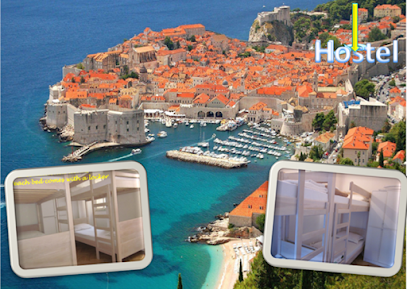
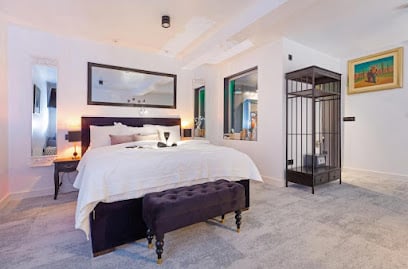
מגוון מקומות הלינה נע בין מלונות יוקרה לדירות פרטיות והוסטלים. מספר מלונות ובתי הארחה, במיוחד אלו הפונים לתיירים בינלאומיים, ידועים כמקבלים במיוחד אורחי להט"ב. העיר העתיקה (Old Town) מציעה את המיקום המרכזי ביותר, אך היא גם היקרה והתיירותית ביותר. שכונת Lapad, במרחק נסיעת אוטובוס קצרה או 20 דקות הליכה מערבה, מציעה אווירה יותר מגורים עם חופים, יערות אורן ומגוון אפשרויות לינה. Gruž, אזור הנמל מצפון לעיר העתיקה, כולל מלונות מודרניים ופחות צפיפות תיירותית מימי הביניים.
פלטפורמות הזמנות כמו Airbnb, Booking.com, ואתרים ידידותיים במיוחד לקהילה הגאה כמו misterb&b מציעים אפשרויות ברחבי העיר. במהלך שבוע הגאווה (Pride week), מקומות הלינה נחטפים לחלוטין – הזמנה מראש (חודשים מראש) אינה רק מומלצת אלא הכרחית.
בטיחות ואווירה חברתית
Dubrovnik עצמה בטוחה מאוד באופן כללי, עם נוכחות משטרתית גבוהה ומצלמות אבטחה נרחבות. אזורי התיירות מאובטחים ומקבלים בברכה. הליכה בעיר העתיקה בלילה היא דבר נפוץ ומרגיש בטוח. כיעד תיירותי בינלאומי, העיר שומרת על אווירה קוסמופוליטית שבה מבקרי להט"ב וזוגות אינם יוצאי דופן או אינם רצויים.
עם זאת, הפגנת חיבה פומבית בין זוגות מאותו המין עשויה למשוך תשומת לב בהקשרים מסוימים, במיוחד מחוץ לאזורי התיירות העיקריים או מחוץ לעונת הקיץ. החזקת ידיים או נשיקה בפומבי אינן מסוכנות אך עשויות למשוך מבטים באזורים פחות תיירותיים. בתוך העיר העתיקה ובאזורי התיירות, הנראות של קהילת הלהט"ב מנורמלת.
כדאי לציין שבעוד ש-Dubrovnik ו-Zagreb הן הערים הידידותיות ביותר לקהילת הלהט"ב בקרואטיה, הגישות בערים קטנות יותר ובאזורים כפריים נותרות שמרניות יותר. נסיעה כזוג להט"ב מוצהר באזורי תיירות מרכזיים היא פשוטה; במקומות אחרים בקרואטיה נדרשת מעט יותר דיסקרטיות, אם כי קרואטיה אינה מדינה מסוכנת למטיילי להט"ב.
תחבורה
ל-Dubrovnik יש קשרים מצוינים לאזור הרחב. נמל התעופה של Dubrovnik (Čilipi) נמצא 18 קילומטרים דרומה; אוטובוסי הסעות, מוניות ושירותי שיתוף נסיעות מחברים אותו למרכז העיר (כ-30-45 דקות, תלוי בתנועה). שירות האוטובוסים אמין וזול.
בתוך Dubrovnik, העיר העתיקה ניתנת להליכה מלאה ורוב האטרקציות נמצאות במרחק של 15 דקות הליכה מכיכרות מרכזיות. אוטובוסים מקומיים משרתים את שכונות Lapad ו-Gruž. מוניות זמינות ובמחירים סבירים. השכרת קטנועים ומכוניות נפוצה לחקר אזורים מחוץ לעיר המיידית.
מעבורות מחברות את Dubrovnik לאיים סמוכים, כולל Lopud, Šipan ו-Koločep (איי Elafiti). שירות המעבורות מתרחב גם לאיים דלמטיים אחרים ולבלקן. טיולי יום אלו פשוטים ופופולריים.
אוכל וסעודה
סצנת האוכל של Dubrovnik משקפת את המטבח הדלמטי: פירות ים טריים, יינות מקומיים (במיוחד יינות לבנים מהאזור), בשרים בגריל וירקות ים תיכוניים. אזור הנמל, למרות שהוא תיירותי, מציע איכות אמינה. מסעדות רבות משרתות מבקרים בינלאומיים מבלי להתפשר על האותנטיות. מנות מקומיות מיוחדות כוללות peka (בשר וירקות מבושלים לאט), ריזוטו עם פירות ים, ודגים טריים בגריל.
Nautika ו-Proto, יחד עם מקומות דומים, מציעים סעודה מקומית יוקרתית. טברנות חוף לא רשמיות הן אטמוספריות וזולות יותר. מספר בר יין ברחבי העיר העתיקה מציגים יינות קרואטיים. העיר מתאימה להעדפות ודרישות תזונתיות בקלות, שכן התיירות היא התעשייה העיקרית.
טיולי יום והאזור שמסביב
מספר טיולי יום מרתקים נמתחים מדוברובניק:
איי אלאפיטי (Elafiti Islands): מעבורות (20-30 דקות) מקשרות את האיים Lopud, Šipan ו-Koločep. איים פחות מתויירים אלו מציעים חופים, מסלולי הליכה, כפרים קטנים ואווירה רגועה.
קאבטאט (Cavtat): עיירה קטנה ומקסימה במרחק 20 קילומטרים דרומה, אליה מגיעים בקלות באוטובוס מקומי (30 דקות). העיירה מציעה מוזיאונים, חופים וקצב חיים איטי יותר.
טיולי הרים: הרי הדלמטיה שמסביב מציעים מסלולי הליכה עם נופים פנורמיים. הר Srđ (בגובה 412 מטרים) משקיף על העיר; רכבל עולה מהצד הצפוני (אם כי גם הטיפוס ברגל פופולרי).
אזורי יין: אזורי יין סמוכים מייצרים יין מצוין מסוג Malvasia ויינות לבנים נוספים. סיורים מאורגנים או ביקורים עצמאיים ביקבים משפחתיים קטנים הם טיולי יום אפשריים.
מנזרים ואתרים היסטוריים: ארבורטום טרסטנו (Trsteno Arboretum), כפרי קונאבלה (Konavle) ומנזרים שונים פזורים ברחבי האזור.
מפרץ קוטור (Bay of Kotor, מונטנגרו): כשעה וחצי דרומה ברכב או באוטובוס, מעבר לגבול המונטנגרי. המפרץ הדרמטי דמוי הפיורד הזה, עם עיירות היסטוריות, הוא טיול צדדי קלאסי.
שיקולים תרבותיים
בעוד שדוברובניק ידידותית לקהילה הלהט"בית בהקשר תיירותי, היא חלק מקרואטיה, מדינה קתולית ברובה ושמרנית חברתית בסטנדרטים של מערב אירופה. קרואטים להט"בים פועלים ללא הרף למען קבלה וזכויות גדולות יותר. התנהלות מכבדת עם התרבות המקומית – הבנה שהקבלה גדלה אך עדיין מתפתחת – משקפת מודעות לדינמיקה זו.
אנשים וארגונים מקומיים רבים מהקהילה הלהט"בית בדוברובניק ובכל רחבי קרואטיה פועלים למען נראות וזכויות. מבקרים בינלאומיים שמוציאים כסף בעסקים ידידותיים לקהילה הלהט"בית מספקים תמריץ כלכלי לעסקים לשמור על סביבות מסבירות פנים.
הערות אחרונות
דוברובניק מציעה למטיילי LGBTQ+ חוויה אותנטית: עיר היסטורית יפהפייה עם נראות הולכת וגוברת של הקהילה, במיוחד בחודשי הקיץ. הסצנה קטנה יותר ומשולבת יותר מאשר ביעדים אחרים, אך הדבר משקף את אופי העיר באופן כללי – אינטימי, נוח להליכה, חברתי, ומסביר פנים באמת למבקרים בינלאומיים.
הזמן הטוב ביותר לביקור הוא יוני עד ספטמבר, למזג אוויר חם ולתכנות חברתי מקסימלי. האביב והסתיו מציעים פחות קהל ומזג אוויר נעים. החורף שקט יותר, אם כי מתון יותר מצפון אירופה; חלק מהמקומות נסגרים באופן עונתי.
העיר עובדת הכי טוב כחלק מטיול דלמטי או קרואטי רחב יותר, עם חיבורים קלים לאיים, עיירות חוף אחרות וזאגרב. עבור מטיילי LGBTQ+ המחפשים תיירות תרבות, יופי טבעי ומרחבים חברתיים מסבירי פנים ללא תשתית סצנה גאה מסיבית, דוברובניק היא בחירה אמינה יותר ויותר.



 בארים ומועדונים לקהילה הגאה
מומלץ
(1173)
בארים ומועדונים לקהילה הגאה
מומלץ
(1173)