New York City stands as a monumental beacon for the lgbtq+Q+ community, a vibrant tapestry woven with threads of history, resilience, and boundless celebration. It is far more than just a collection of streets and skyscrapers; it is a living, breathing entity, constantly evolving, yet deeply rooted in its past. For queer individuals, whether residents or visitors, New York offers an unparalleled spectrum of experiences, from the quiet dignity of historic landmarks to the exhilarating pulse of its nightlife. This exploration delves into the heart of queer life in the Big Apple, revealing its diverse neighborhoods, iconic gathering spots, and unforgettable annual events. For those looking to discover gay events and venues around the world, including those in New York, platforms like serve as a global directory, helping users find specific locations and happenings. This resource organizes information by geographical location, with events and cities categorized under continents, then specific countries and cities, allowing for a structured approach to planning. One could, in theory, navigate through the "USA/Canada" category, then "New York," and finally "New York City, NY" to find local listings.
New York City, NY: A Kaleidoscope of Queer Life and Celebration
Neighborhoods: The Heartbeat of Queer Life
New York City's queer identity is not confined to a single district; instead, it pulses through distinct neighborhoods, each possessing its own unique rhythm and character. Understanding these areas provides a valuable guide to the city's most dynamic lgbtq+Q+ enclaves.
The West Village: Where History Echoes and Community Thrives
Stepping into the West Village is akin to walking on sacred ground for many in the lgbtq+Q+ community. This historic neighborhood, with its charming cobblestone streets and quaint boutique shops, is widely recognized as the very birthplace of the modern lgbtq+Q+ rights movement. Rainbow flags are a common sight, proudly displayed from windows and storefronts, serving as a constant, colorful reminder of the struggles faced and the triumphs achieved. The atmosphere here is imbued with a profound sense of community, a blend of enduring resilience and unbridled joy. The deep historical roots of this area continue to shape its present-day identity, making it a place where the past is not merely remembered but actively experienced. The visible symbols of pride and the enduring presence of historic sites demonstrate a strong, living connection between the foundational struggles and the vibrant community that exists today.
At the core of the West Village experience is The Stonewall Inn. This is more than just a bar; it is a national monument, the pivotal site of the 1969 riots that ignited the Gay Liberation Movement. Remarkably, it remains open and continues to be a popular destination. To step inside is to pay homage to the queer ancestors who bravely stood their ground, refusing to be silenced or intimidated. It stands as a powerful testament to the long journey the community has undertaken and the ongoing pursuit of equal rights.
Just a few doors down from Stonewall, Duplex offers a different, yet equally captivating, experience. This lively establishment functions as both a piano bar and a cabaret, with an upstairs area that hosts a wide array of entertainment, from comedy nights to drag shows and bar trivia. It is celebrated as an "awesomely funky and queer space" that welcomes a diverse crowd, making it a fun and inclusive spot for everyone, regardless of their identity.
On a warm, sunny day, many gay locals gravitate towards the Christopher Street Pier. This small public park, built on pedestals above the Hudson River, provides ample open space to relax on the grass, enjoy a snack, or stroll along the pathway to the park's lookout point. It offers a peaceful contrast to the city's usual hustle, a place for quiet contemplation and genuine connection.
Other notable spots in the West Village include Monster, a consistently popular choice ,
Cubbyhole, a beloved lesbian-centric haven , and
Ty's, which tends to attract the bear community. For those who appreciate theater but prefer a more intimate setting than a large club,
Marie's Crisis is an essential visit. While technically a bar, its atmosphere is distinct, operating as a piano bar where patrons enthusiastically sing along to show tunes with a passionate crowd.
To truly immerse oneself in the area's rich heritage, an lgbtq+Q+ historical walking tour through the West Village is highly recommended. These tours offer a deeper understanding of the neighborhood's significance and provide an opportunity to meet new people. Options even include Greenwich and West Village lgbtq+Q+ history and food tours, blending cultural exploration with culinary delights. This comprehensive approach to the West Village experience highlights its role not just as a historical site, but as a dynamic and welcoming community hub.
Hell's Kitchen: The Electric Pulse of Nightlife
For many seeking the quintessential New York gay nightlife experience, Hell's Kitchen often serves as the primary destination. This neighborhood, alongside Chelsea, is home to what many consider the "traditional" gay bars and clubs. The energy here is unmistakable, characterized by lively atmospheres, often featuring shirtless bartenders, a predominantly gay-male clientele, and pulsating music that keeps the party going well into the late hours. This concentration of high-energy, party-focused venues demonstrates Hell's Kitchen's role as a contemporary epicenter of mainstream gay nightlife, distinct from the historical weight of the West Village. It represents a commercial and specialized evolution of queer spaces, catering to a desire for overt, celebratory environments.
Among the standout venues, Industry is frequently cited by locals and visitors as New York's premier gay bar. Its striking stained-glass display shimmers under disco balls and neon lights, creating an ideal club atmosphere. Industry is renowned for its nightly drag shows, running from Sunday through Thursday, while on Friday and Saturday, DJs spin tracks until 4 AM. It's a place where the lighting is dim, the music is loud, and the energy remains consistently high.
For those who prefer a more playful or kitschy vibe, Flaming Saddles offers a fun and spirited alternative.
Beyond the vibrant nightlife, Hell's Kitchen also boasts a commendable culinary scene. Cheeseboat Hell's Kitchen is a unique traditional Georgian restaurant, known for its distinctive dishes and humorously named cocktails, such as "Putin's Tears," all served with exceptionally friendly service.
Amy's Bread is a charming coffee shop, popular among gay locals for its delicious breakfast treats, perfect for a relaxed start to the day.
Norma provides authentic Sicilian cuisine, praised for its incredibly friendly staff, traditional cocktails, and inviting outdoor seating, making it a cherished spot for many. These culinary offerings underscore that Hell's Kitchen provides more than just late-night entertainment; it offers a comprehensive experience for its patrons.
Chelsea: Art, Style, and Sophisticated Gatherings
Situated just south of Hell's Kitchen, Chelsea presents a slightly more refined, yet equally dynamic, atmosphere. While it shares some characteristics of the "traditional" gay bar and club scene with its northern neighbor , Chelsea is also well-known for its numerous art galleries and a diverse array of dining options. This suggests a neighborhood that blends vibrant social life with cultural sophistication. Chelsea appears to offer a more rounded queer experience, integrating elements of lively nightlife with established dining and cultural pursuits, suggesting a place where queer life is deeply woven into daily activities beyond just evening entertainment. This appeals to a demographic that might seek a more settled or lifestyle-oriented gay hub.
A prominent fixture in Chelsea's dining landscape is Elmo, one of New York City's most iconic gay restaurants. Established in 2001, Elmo serves American comfort cuisine and consistently draws a large crowd of gay men. Its popularity stems not only from its food but also from its lively atmosphere and the welcoming presence of its gay servers and bartenders, firmly cementing its status as a true community staple.
Brooklyn's Bold Spirit: A New Wave of Queer Culture
Crossing the East River into Brooklyn reveals a distinctly different, yet equally compelling, queer scene. Brooklyn's lgbtq+Q+ community tends to attract a younger, more diverse demographic, often characterized by a more underground, rebellious, and art-focused sensibility. It is a borough where individuality is celebrated, and new trends frequently emerge, setting it apart from Manhattan's more established scenes. This dynamic suggests that Brooklyn serves as a vanguard for evolving queer identity, moving beyond traditional definitions and spaces. It signifies a desire for more diverse, intersectional, and artistically driven expressions of queerness, appealing to those who seek something beyond the conventional "gayborhood" experience.
Brooklyn's nightlife is particularly vibrant, hosting two of New York's most popular spots: 3 Dollar Bill and House of Yes. These venues are favored by a young, sex- and body-positive crowd , often pushing boundaries and offering unique, immersive experiences that reflect the borough's innovative spirit.
Iconic Hotspots: Where to Connect, Celebrate, and Unwind
Beyond the distinct character of its neighborhoods, New York City is dotted with individual hotspots that have become foundational pillars of the lgbtq+Q+ community. These are the places where connections are forged, celebrations unfold, and cherished memories are created. The sheer number and variety of these venues demonstrate that queer life in NYC extends far beyond just bars and clubs, encompassing a broad spectrum of social interactions and cultural engagements. This diversity points to a mature and integrated queer community that seeks varied forms of social interaction, from casual daytime gatherings to upscale dining and vibrant nightlife, allowing individuals to find community and connection in ways that suit their preferences.
Legendary Bars and Clubs: From Historic Haunts to Thumping Beats
While some neighborhood favorites have been mentioned, a closer look at specific venues highlights the incredible variety within New York's queer nightlife.
- Industry (Hell's Kitchen): As previously noted, Industry remains a standout for its high-energy club atmosphere, striking stained-glass features, and consistent schedule of drag shows and DJ sets that keep the dance floor packed until the early hours. It is a prime destination for a spirited night out.
- Duplex (West Village): This versatile venue truly offers something for every mood. Whether patrons are in the mood for a lively singalong at the piano bar, a captivating cabaret performance, or an evening of laughter and trivia upstairs, Duplex consistently provides a uniquely funky and inclusive experience.
- Cubbyhole (West Village): A much-loved lesbian-centric bar, Cubbyhole provides an essential space for women and their friends to gather, socialize, and foster community in a genuinely welcoming environment.
- Ty's (West Village): Catering specifically to the bear community, Ty's offers a comfortable and friendly atmosphere, fostering a strong sense of specific community connection.
- 3 Dollar Bill & House of Yes (Brooklyn): These Brooklyn venues are renowned for their vibrant, often experimental, parties and events. They attract a younger, sex- and body-positive demographic seeking immersive nightlife experiences , representing the edgier, more contemporary side of queer clubbing.
Culinary Delights: Dining Experiences with a Queer Flavor
New York’s food scene is legendary, and its queer-friendly restaurants are no exception, offering everything from comforting, familiar dishes to sophisticated, upscale dining experiences.
- Elmo (Chelsea): A true icon, Elmo has been a staple since 2001, serving American comfort cuisine. It consistently draws a large number of gay men, not only for its food but also for its lively atmosphere and the welcoming presence of its gay servers and bartenders, making it a genuine community hub.
- La Pulpería: This establishment is particularly famous for its energetic drag brunches, which include unlimited cocktails, all served in a rustic Latin-style setting. It offers an experience that seamlessly blends entertainment with delicious food.
- Cheeseboat Hell's Kitchen: For a truly distinctive culinary adventure, this traditional Georgian restaurant in Hell's Kitchen offers unique dishes and humorously named cocktails, such as "Putin's Tears," alongside some of the friendliest service one can find in the city.
- Amy's Bread (Hell's Kitchen): A charming coffee shop, Amy's Bread is a popular spot for gay locals to grab breakfast treats and enjoy a relaxed start to their day.
- Norma (Hell's Kitchen): This authentic Sicilian restaurant is highly praised for its exceptionally friendly staff, traditional cocktails, and inviting outdoor seating, establishing it as a favorite for many.
- La Pecora Bianca (NoMad): A fantastic gay-friendly Italian restaurant, La Pecora Bianca is well-regarded for its enjoyable group dinners, excellent wine selection, and attentive service.
- Pastis (Meatpacking District): For an upscale dining experience reminiscent of a Parisian bistro, Pastis offers five-star service and truly unforgettable food. Reservations are highly recommended due to its immense popularity.
- ilili Restaurant (Fifth Avenue): An authentic upscale Lebanese restaurant, ilili provides a sophisticated dining experience on one of New York's most famous avenues.
Annual Celebrations and Unforgettable Events
New York City's calendar is perpetually filled with events, and its lgbtq+Q+ community celebrates with unparalleled energy and purpose. These gatherings are more than just parties; they are powerful statements of visibility, unity, and shared joy.
Pride in the City: A Kaleidoscope of Joy and Activism
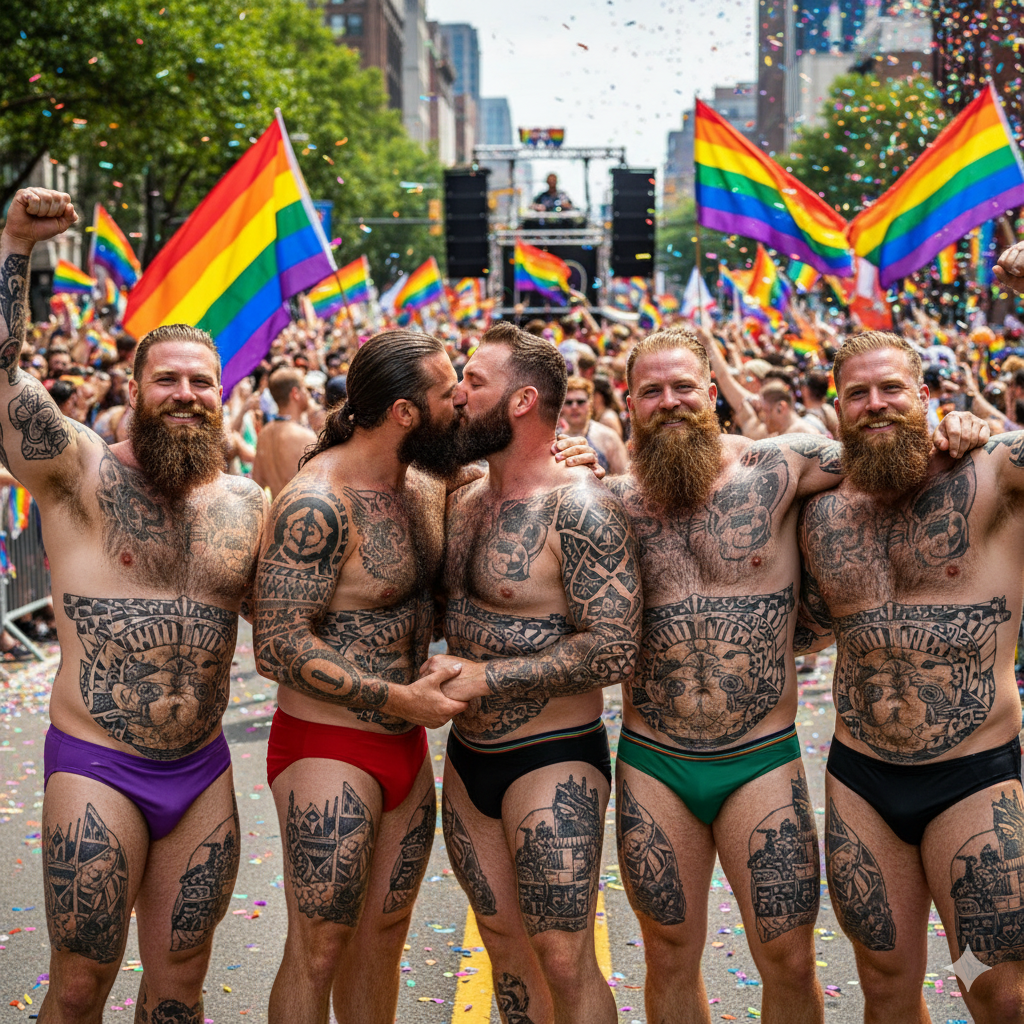
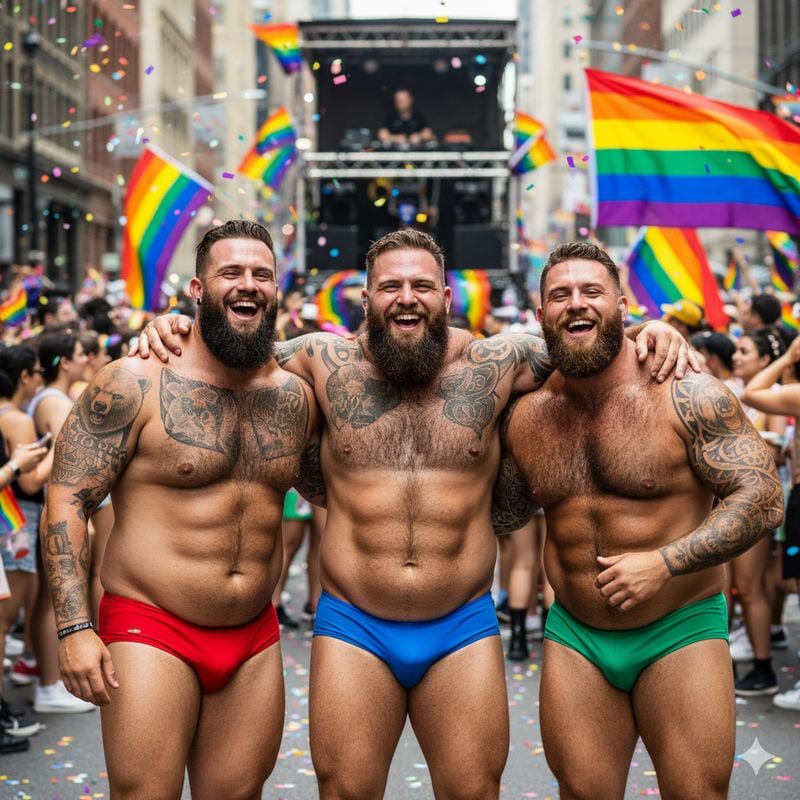
June in New York is synonymous with Pride, a month-long celebration that culminates in some of the world's most iconic events. The city’s Pride celebrations showcase a fascinating duality: mainstream visibility alongside subcultural expression.
- NYC Pride: The main NYC Pride celebration is a truly massive spectacle, renowned for its iconic parade and Pride Island, a huge music festival. It represents a vibrant, city-wide outpouring of queer joy and activism, drawing millions to the streets. This grand scale serves as a highly visible, broad demonstration of lgbtq+Q+ presence and rights, appealing to a wide audience.
- Brooklyn Pride: Often taking place before NYC Pride in June, Brooklyn Pride offers a distinct flavor. It tends to attract a younger, more diverse crowd and is known for its more underground, rebellious, and art-focused vibe. This celebration serves as a more culturally specific and perhaps more authentic expression of queer identity, catering to a different segment of the community. This differentiation highlights a rich and complex lgbtq+Q+ ecosystem in NYC, capable of supporting both large-scale, mainstream events for broad visibility and smaller, more culturally specific celebrations that cater to diverse sub-communities.
Performance and Art: The Stages and Galleries of Queer Expression
Beyond the grand parades, New York's queer scene thrives on performance and artistic expression, offering a rich cultural calendar throughout the year.
- Drag Shows and Cabaret: Venues like Industry and Duplex regularly host drag shows and cabaret nights, showcasing the incredible talent, wit, and artistry within the community. These performances are not merely entertainment; they serve as vital platforms for queer expression, storytelling, and cultural commentary.
- Broadway Bares: This unique and highly anticipated event features performers dancing and stripping for a noble cause, with all proceeds dedicated to HIV/AIDS research. Tickets for these events can be expensive due to their immense popularity, but it is considered a powerful and worthy experience to witness. It beautifully blends entertainment with philanthropy, demonstrating the community's ongoing commitment to critical health causes.
Community Gatherings: Finding Your Tribe in the Big Apple
Sometimes, the most meaningful events are simply opportunities to connect, learn, and feel part of something larger.
- The Center: As the city's primary resource for lgbtq+IQ+ people, The Center is an invaluable hub for both locals and visitors. It serves as a fantastic place to find community, get answers to questions about the city, and access a wealth of resources. It embodies the robust supportive infrastructure available to the queer community in NYC, providing a central point for connection and assistance.
- Christopher Street Pier: As mentioned earlier, this pier functions as a casual gathering spot, particularly on sunny days, where locals relax and connect by the Hudson River. It stands as a simple, yet powerful, example of an informal community space where connections are made organically.
Cultural Landmarks: Tracing the Threads of lgbtq+Q+ History
New York City is deeply steeped in lgbtq+Q+ history, and its cultural landmarks offer profound opportunities to reflect on the past and celebrate the progress that has been made. The presence of these sites, alongside cultural institutions and community centers, suggests a holistic support system for the lgbtq+Q+ community, where history, art, and direct support are deeply intertwined. The historical struggles gave rise to the need for community support and cultural expression, and these elements continue to reinforce each other.
- Stonewall National Monument & Inn (West Village): The very birthplace of the modern gay rights movement, the Stonewall Inn and its surrounding area, now designated as a National Monument, are essential pilgrimage sites for anyone interested in lgbtq+Q+ history. A visit here offers a powerful way to connect with the legacy of those who fought tirelessly for the rights and freedoms enjoyed today.
- Leslie-Lohman Museum of Gay and Lesbian Art (SoHo): This institution holds the distinction of being the world's first gay art museum, making it a truly unique and significant cultural landmark. Located in SoHo, not far from the Stonewall Inn, it offers a perfect itinerary for an enjoyable and walkable afternoon exploring lgbtq+IQ+ history through the lens of art. This museum stands as a testament to the rich artistic contributions of the community and serves as a vital space for preserving its visual culture and narratives. The proximity of the museum to Stonewall further emphasizes the interconnectedness of historical struggle, artistic expression, and community identity.
Embracing the NYC Experience: Tips for the Queer Traveler
Navigating the vastness of New York City can initially feel overwhelming, but with a few strategic pointers, visitors can truly immerse themselves in its vibrant queer spirit. The advice on where to stay and how to find local insights goes beyond mere logistics, suggesting a deliberate approach to maximizing the queer travel experience. This implies that proximity to queer life significantly enhances a visitor's journey, making it less about simply finding a place to sleep and more about integrating into the community's daily rhythm.
- Where to Stay: For gay travelers, Hell's Kitchen, the West Village, or Chelsea come highly recommended as they are considered New York's premier gay neighborhoods, offering an abundance of entertainment and cultural experiences. The Standard High Line, situated on the edge of the Meatpacking District, is a beloved gay-friendly hotel, known for its popular rooftop and bar. It is generally advised to consider alternatives to hotels in Midtown East, the Financial District, and Chinatown, likely due to a relative lack of queer-specific amenities or atmosphere in those areas.
- Getting Around: New York is famously a walking city, but its extensive and efficient subway system is the fastest way to connect all the key neighborhoods and hotspots. Embracing public transit is an essential part of the authentic New York experience.
- Finding Local Insights: Beyond the well-known attractions, visitors are encouraged to strike up conversations with locals in bars, coffee shops, or community centers like The Center. These informal interactions often yield the best insider tips and can lead to discoveries of hidden gems or specific events happening during a visit. Actively seeking out local perspectives through conversations or community centers suggests that the most authentic experiences come from direct engagement with the local queer population, rather than just visiting tourist spots.
- Beyond the Queer Scene: While the focus here is on lgbtq+Q+ life, it is important to remember that New York City offers a universe of experiences. Visitors should take time to explore iconic attractions like SUMMIT One Vanderbilt, a truly jaw-dropping observatory featuring all-glass levels and glass-floor ledges suspended over 1000 feet above street level. It is an unforgettable experience that adds another dimension to any trip, showcasing the city's broader appeal.
- Planning Your Visit: To stay updated on events and venues, platforms like are designed to help users discover gay events and venues worldwide. While specific New York City event listings might require deeper navigation within the platform, it serves as a valuable global directory for planning adventures.