Równość małżeńska od Obergefell v. Hodges (26 czerwca 2015 r.). Respect for Marriage Act (grudzień 2022 r.) stanowi gwarancję kongresową, wymagającą federalnego uznania wszystkich ważnych małżeństw osób tej samej płci i międzyrasowych, niezależnie od przyszłych orzeczeń Sądu Najwyższego. Bostock v. Clayton County (2020 r.) orzekł, że tytuł VII Ustawy o prawach obywatelskich zakazuje dyskryminacji w zatrudnieniu ze względu na orientację seksualną i tożsamość płciową. Brak kompleksowego federalnego prawa antydyskryminacyjnego w zakresie mieszkalnictwa lub miejsc publicznych.
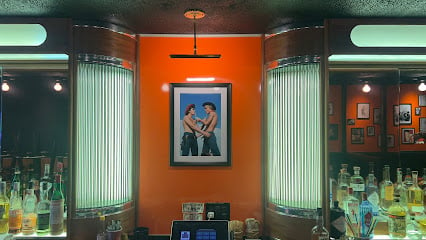
n addition to being an awesome neighborhood gay LGBT bar, the Adam's Apple is the premier Trans bar / TS bar in Detroit. It's even owned and operated by a..
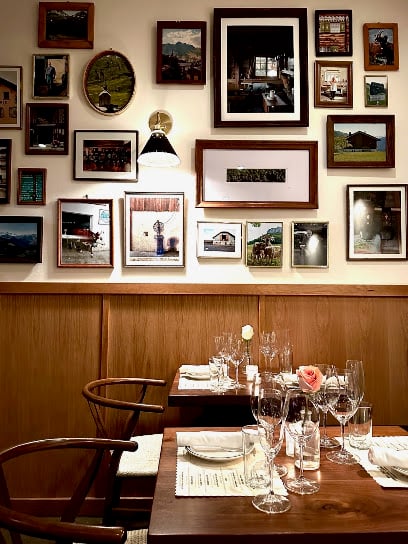
Great spot with great food and a fun staff. We're new to town so we've been trying to find hangouts that we can visit regularly. We will definitely be...
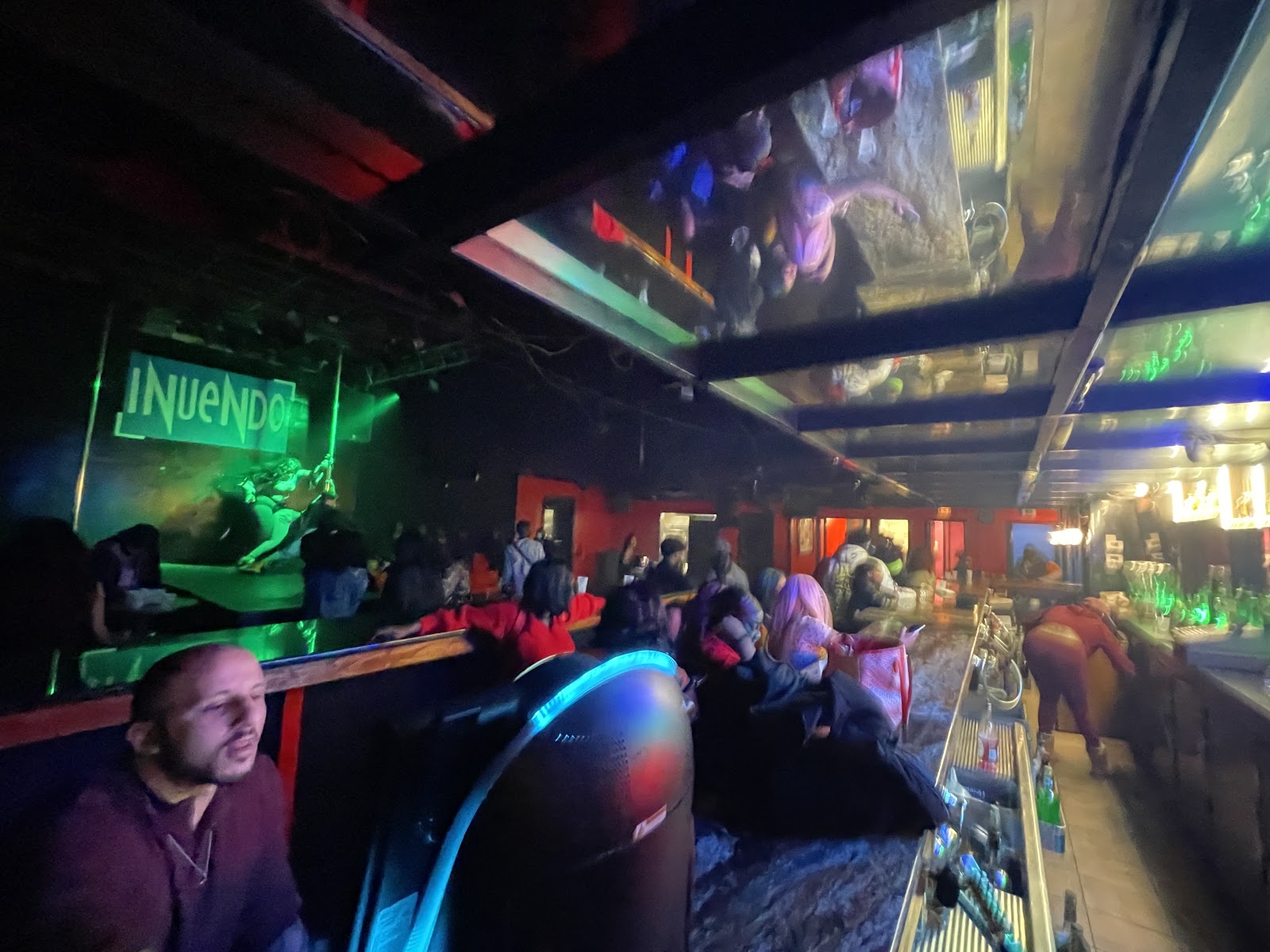
Safe place with cheap drinks, fast service, delicious bar food, nice big closed-in patio, local artists rap and sing live, dancers on Fridays, fun hosts on..
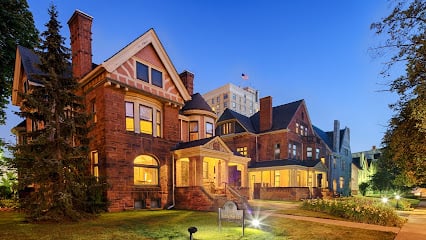
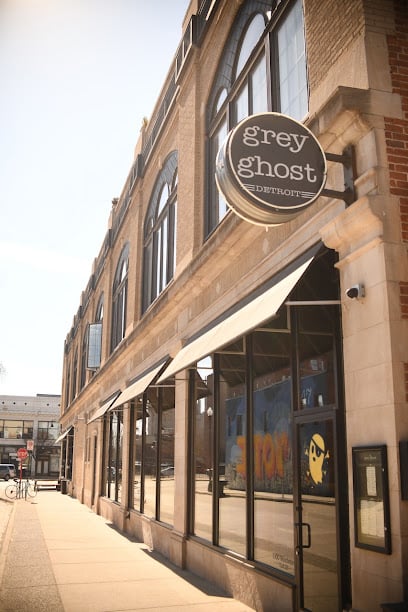
Butikowy hotel designerski w dzielnicy Corktown w Detroit — przyjazny dla osób LGBT, blisko Midtown, stanowiący idealną bazę wypadową do odkrywania historii odrodzenia Detroit z miejsca, które samo…
Bilety bez kolejki, spacery z przewodnikiem, jednodniowe wycieczki i unikalne doświadczenia przyjazne LGBTQ+ — rezerwacja od ręki z bezpłatnym anulowaniem.
The Detroit metro's premier LGBTQ+ community centre in Ferndale — comprehensive social services, mental health support, youth programming, community events, and 35 years of service to Michigan's…
Historia queer w Detroit jest nierozerwalnie związana z muzyczną i robotniczą tożsamością miasta. Jako kolebka Motown, a później techno, a także centrum kultury ballroom i drag, Detroit dawało swoim społecznościom LGBTQ+ przestrzeń do organizacji i występów na długo przed tym, zanim stało się to modne. W latach 70. i 80. XX wieku północna dzielnica wokół Palmer Park była bijącym sercem gejowskiego Detroit, pełnym barów, mieszkań i życia nocnego. Wraz ze zmianami losów miasta, duża część tej energii przeniosła się wzdłuż Woodward Avenue do przedmieścia Ferndale, które stało się centrum kultury queer w aglomeracji. Scena Detroit rozwijała się dzięki oddolnym inicjatywom i ekspresji artystycznej, a nie komercyjnej gentryfikacji, a ta historia nadal kształtuje społeczność ceniącą autentyczność, wzajemną pomoc i kreatywność.
DZIELNICE
Ferndale to centrum przyciągania życia LGBTQ+ w aglomeracji Detroit. To przedmieście, po którym można spacerować, znajduje się około 15 kilometrów na północ od centrum miasta, z jego sercem wzdłuż West Nine Mile Road, gdzie przecina się z Woodward Avenue. Ferndale jest siedzibą Affirmations, największego centrum społeczności LGBTQ+ w Michigan, dedykowanego gejowskiego baru SOHO, brunchów drag, firm należących do osób queer oraz największego w stanie darmowego Pride. Jest przyjazne, swobodne i łatwe do zwiedzania pieszo.
Palmer Park, na północnej stronie Detroit, tuż przy Woodward w pobliżu McNichols (Six Mile), jest historycznym epicentrum gejowskiego Detroit i nadal stanowi kotwicę najstarszego skupiska życia nocnego miasta – kompleks Menjo's i sąsiedni skórzany bar Eagle znajdują się tuż na jego skraju. Okoliczny park jest również od dawna znanym miejscem spotkań.
West Side, wzdłuż West Warren Avenue w rejonie Warrendale, skupia zgraną grupę lokalnych gejowskich i trans barów, w tym Gigi's, Adams Apple i HALO. Są to raczej miejsca spotkań społeczności "przyjdź, jak jesteś", niż błyszczące kluby.
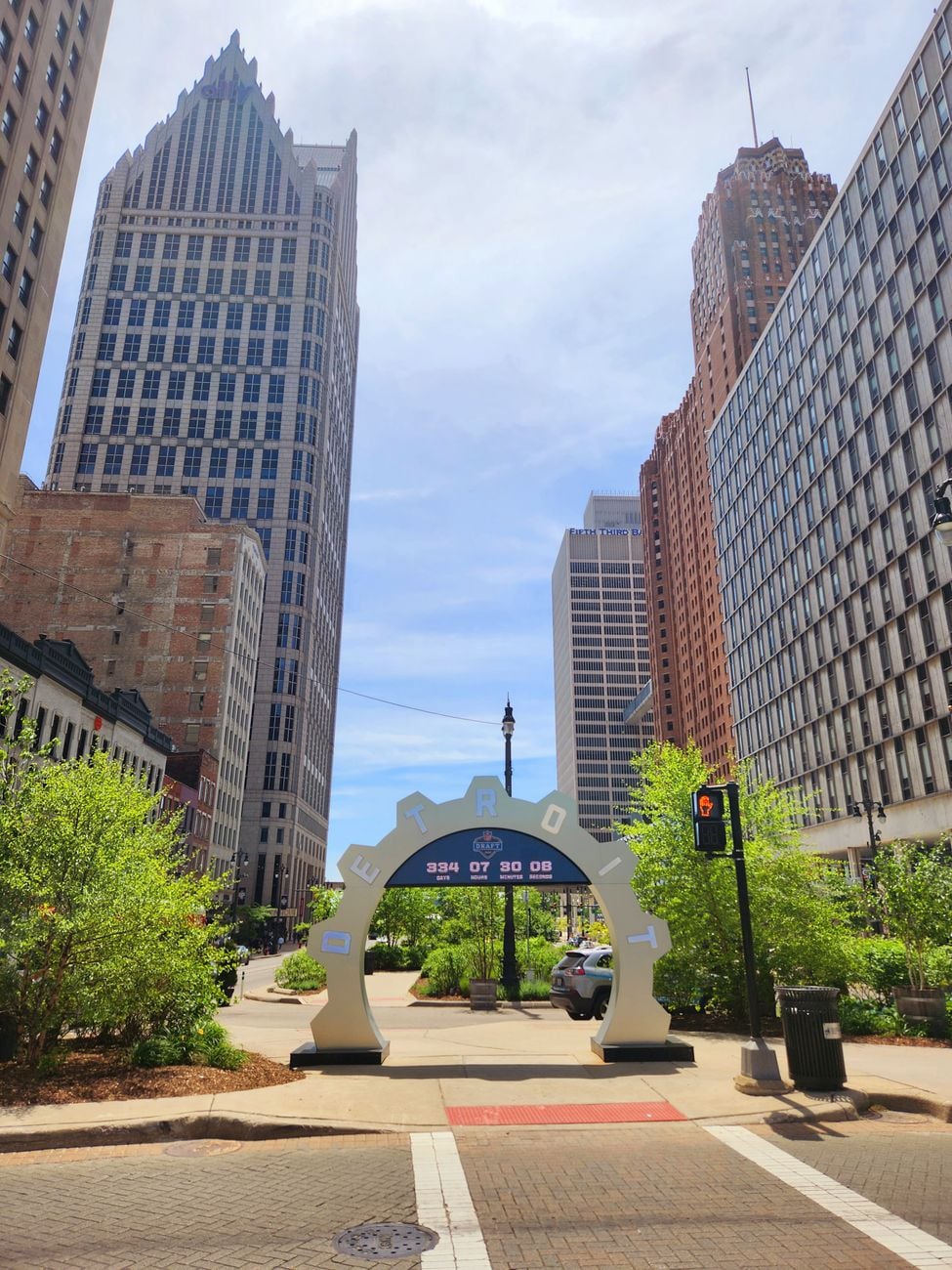
Downtown, Midtown i New Center dopełniają obrazu. W okolicach Woodward Avenue i QLINE znajdziesz przyjazne społeczności LGBTQ+ miejsca rozrywki i restauracje, a bliżej New Center – ulubiony bar gejowski Woodward Bar & Grill. Zrewitalizowane centrum miasta cechuje się otwartą i zróżnicowaną atmosferą. Pobliskie Royal Oak, kolejny podmiejski obszar wzdłuż Woodward Avenue, oferuje popularne wśród osób LGBTQ+ miejsca, takie jak kompleks Pronto/Five15.
KLUCZOWE MIEJSCA
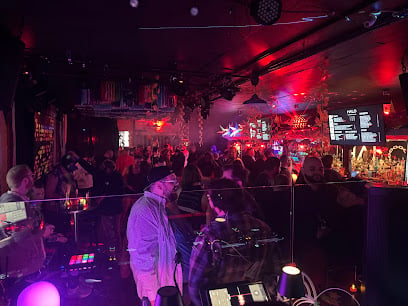
Scena barowa Detroit jest mniejsza i bardziej rozproszona niż w nadmorskich mekkach gejowskich, ale tutejsze lokale są autentyczne i przyjazne. Najłatwiejszym sposobem przemieszczania się między skupiskami lokali jest korzystanie z usług przewozu lub własny samochód.
Menjo's Complex (928 W McNichols Rd, Palmer Park) to kultowe miejsce dla gejów w Detroit, działające od 1974 roku, z parkietem do tańca, występami drag, karaoke i wieczorami tematycznymi; przylegający bar skórzany Eagle jest przeznaczony dla miłośników skóry i niedźwiedzi. SOHO (205 W Nine Mile Rd, Ferndale) to lokalny bar gejowski w tej podmiejskiej miejscowości, znany z bingo drag, karaoke i swobodnego patio. Gigi's (16920 W Warren Ave) to długo działający kabaret z zachodniej strony miasta, słynący z rewii z udziałem artystów wcielających się w role kobiece. Adams Apple (18939 W Warren Ave) to należący do osoby transpłciowej bar osiedlowy, będący bezpieczną i inkluzywną przestrzenią. HALO Detroit (8070 Greenfield Rd), dawniej Hayloft Saloon, to klasyczny, prosty bar gejowski ze sporymi porcjami alkoholu i patio z tyłu. Woodward Bar & Grill (6426 Woodward Ave) to uwielbiany, w przeważającej mierze czarnoskóry bar i grill dla gejów, położony w okolicy New Center. Inuendo uzupełnia ofertę tanimi drinkami, jedzeniem barowym i swobodnym patio.
Jeśli chodzi o łaźnie, Body Zone (1617 E McNichols Rd) to ostatnie działające w aglomeracji Detroit sauna dla gejów, otwarta przez całą dobę.
SPOŁECZNOŚĆ I ORGANIZACJE
Affirmations (290 W Nine Mile Rd, Ferndale) to centrum lokalnej społeczności queer, oferujące grupy wsparcia, usługi zdrowotne i bogaty kalendarz wydarzeń. LGBT Detroit, organizacja prowadzona przez osoby czarnoskóre, działająca w północno-zachodniej części miasta, organizuje festiwal Hotter Than July i pielęgnuje historię queer Detroit. Ruth Ellis Center, nazwane na cześć pionierskiej starszej lesbijki afroamerykańskiego pochodzenia Ruth Ellis, jest jedną z czołowych agencji świadczących usługi dla młodzieży LGBTQ+ w kraju. Equality Michigan działa na rzecz równości w całym stanie.
DUMA I WYDARZENIA
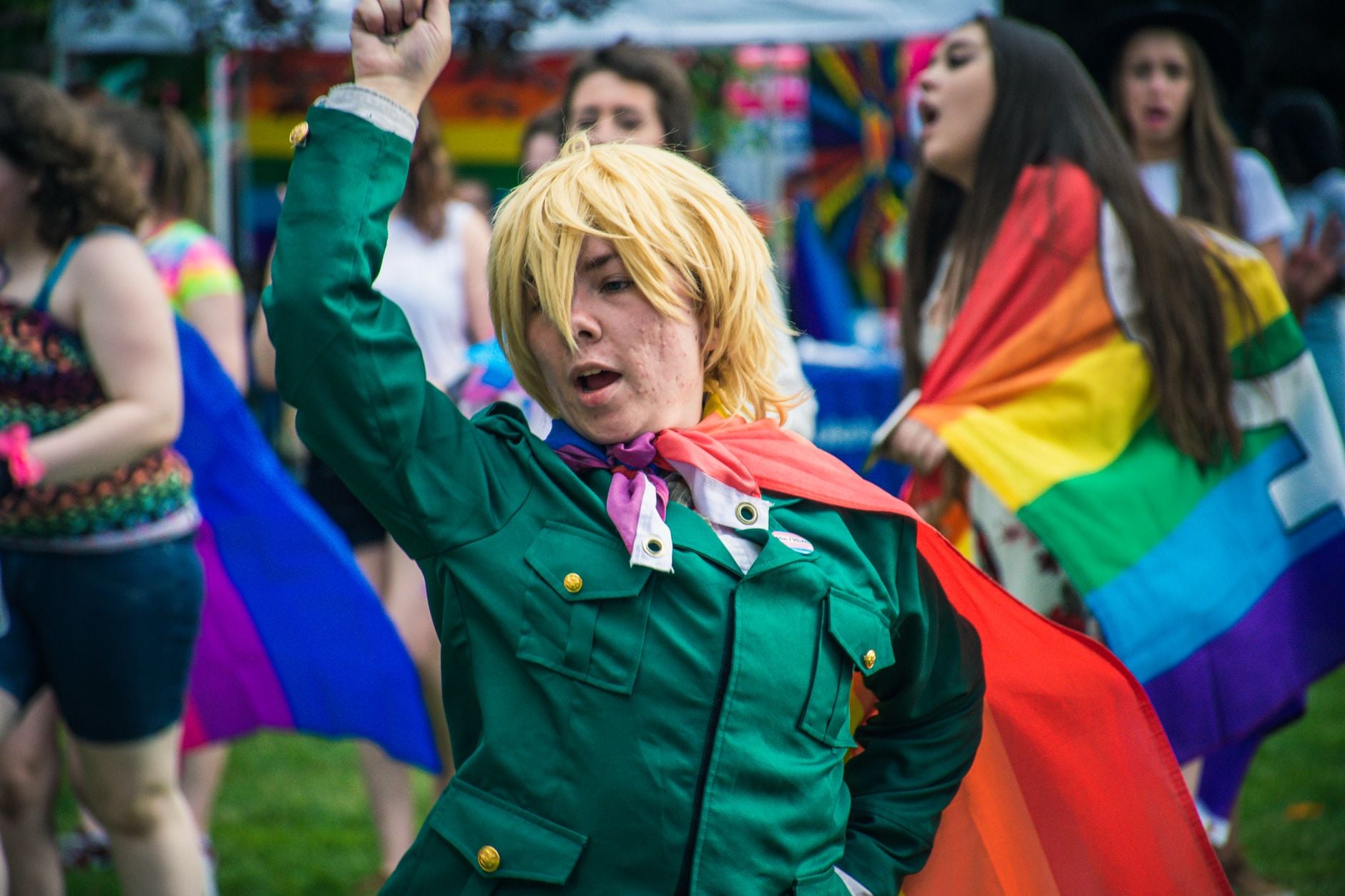
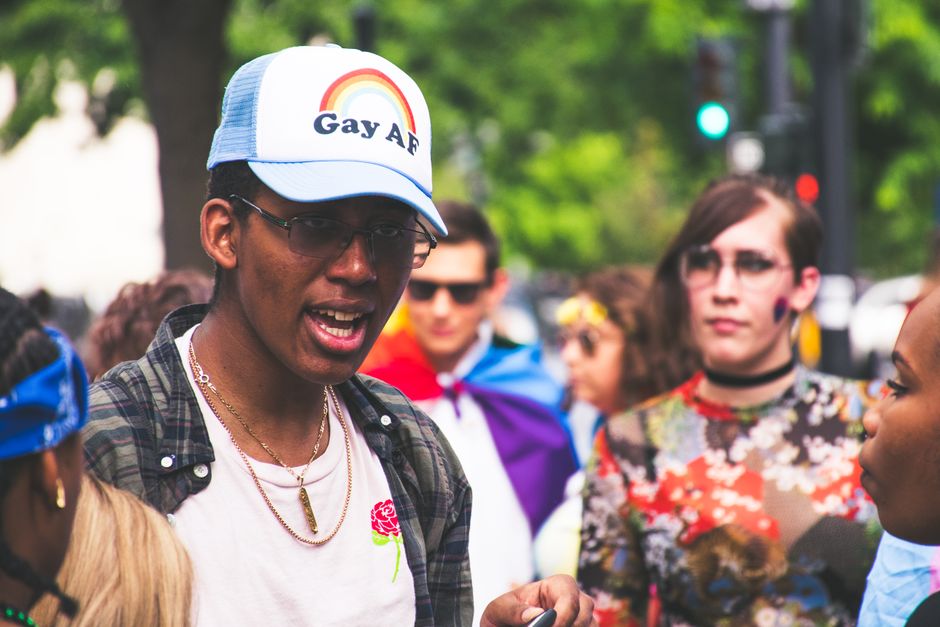
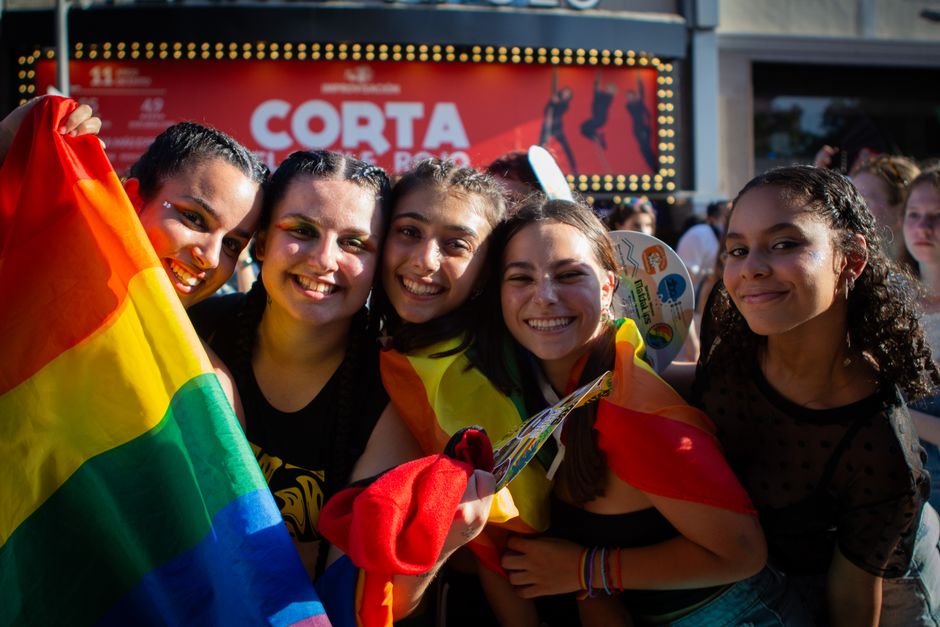
Motor City Pride to największe święto LGBTQ+ w aglomeracji, odbywające się na początku czerwca w Hart Plaza nad rzeką w centrum miasta, z paradą, wieloma scenami, sprzedawcami i dziesiątkami tysięcy uczestników. Ferndale Pride, reklamowane jako największy darmowy Pride w Michigan, zamyka West Nine Mile Road w centrum Ferndale późną wiosną, oferując dzień pełen występów na scenach i setki sprzedawców. Hotter Than July, organizowany przez LGBT Detroit, jest jednym z najstarszych festiwali Black Pride na świecie, którego centralnym punktem jest piknik w Palmer Park w lipcu. Przez cały rok scena queer ożywa dzięki pokazom drag, pokazom filmowym, wydarzeniom ballroom i zbiórkom pieniędzy na cele społeczne.
GDZIE SIĘ ZATRZYMAĆ
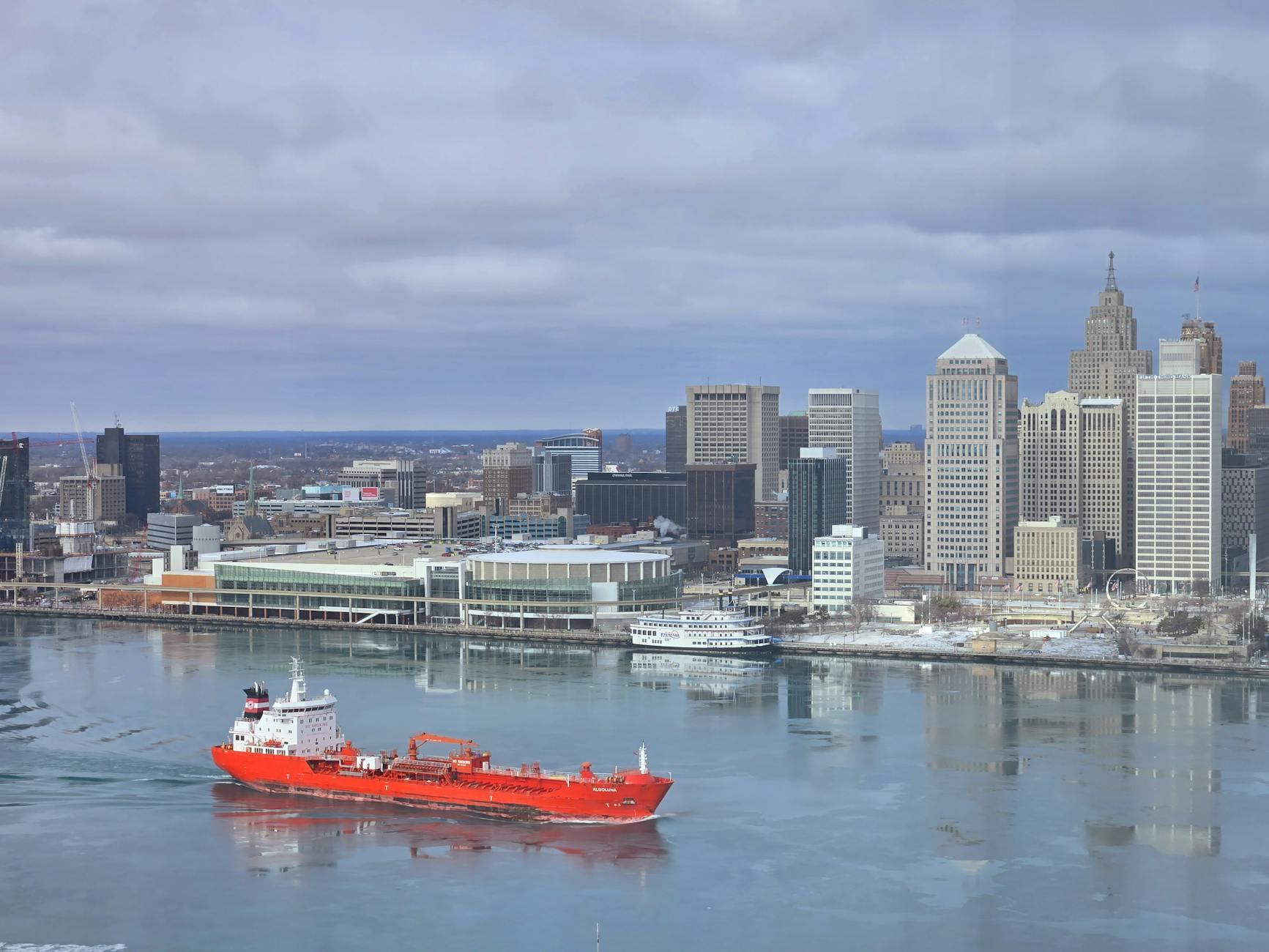
W Detroit nie ma dedykowanego hotelu dla gejów, ale centrum miasta stanowi najwygodniejszą bazę wypadową, z łatwym dostępem do restauracji, kasyn, teatrów i nabrzeża, a także tramwajem QLINE wzdłuż Woodward do Midtown i New Center. Ferndale i Royal Oak to dobre alternatywy podmiejskie, jeśli chcesz być bliżej nocnego życia przy Nine Mile.
PORUSZANIE SIĘ PO MIEŚCIE
Detroit to miasto dla zmotoryzowanych. Tramwaj QLINE kursuje wzdłuż Woodward między centrum, Midtown i New Center, a People Mover okrąża centrum miasta, ale korzystanie z usług przewozowych (Uber i Lyft) jest praktycznym sposobem na przemieszczanie się między skupiskami społeczności queer w Ferndale, Palmer Park i na zachodniej stronie. Wielu odwiedzających wynajmuje samochód.
BEZPIECZEŃSTWO
Detroit jest generalnie przyjazne, a dzielnice, które najczęściej odwiedzają turyści – downtown, Midtown, Ferndale, Royal Oak – są bezpieczne, pod warunkiem zachowania zwykłych środków ostrożności w mieście. Jak w każdym dużym mieście, zachowaj świadomość otoczenia późnym wieczorem i korzystaj z usług przewozu zamiast długich spacerów między dzielnicami po zmroku.
Najczęściej zadawane pytania
Corktown jest uważana za główną dzielnicę LGBTQ+, znaną ze zintegrowanej obecności osób LGBTQ+. Downtown Detroit i Midtown również mają lokale LGBTQ+ i przyjazne biznesy.
Woodward Bar w Corktown to uznany bar LGBTQ+ z sąsiedzką atmosferą. Club Dime również był miejscem wydarzeń LGBTQ+.
Przestrzenie LGBTQ+ w Detroit skłaniają się ku inkluzywności i autentyczności. Społeczność LGBTQ+ charakteryzowała się historycznie silnymi więziami międzyrasowymi i międzyklasowymi.
Detroit ma tętniącą życiem społeczność LGBTQ+ z historią gejowskich barów i przestrzeni społecznych. Scena charakteryzuje się inkluzywnością i autentycznością, z odnowionymi inwestycjami w przestrzenie wspólnotowe i instytucje kulturalne w ostatnich latach.
Informacje o terminach wydarzeń Pride w Detroit nie są dostępne w dostarczonym przewodniku.
Informacje o konkretnych hotelach przyjaznych osobom LGBTQ+ w Detroit nie są dostępne w dostarczonym przewodniku.
Twoje wybory dotyczące prywatności.
Używamy plików cookie, aby uruchomić GayOut i, za Twoją zgodą, mierzyć jego użytkowanie. Dowiedz się więcej
Twoje wybory dotyczące prywatności
Używamy plików cookie, aby GayOut działał sprawnie, zapamiętywał Twoje preferencje i (za Twoją zgodą) mierzył, jak korzystasz ze strony. Możesz zaakceptować wszystkie, odrzucić wszystkie albo wybrać, na co się zgadzasz. Dowiedz się więcej
Niezbędne
Wymagane do logowania, ochrony przed oszustwami, zabezpieczeń CSRF i zapamiętania języka. Nie można ich wyłączyć.
Zawsze aktywne
Zapamiętują ulubione, tryb ciemny i inne preferencje interfejsu między wizytami.
Pomagają nam zrozumieć, które strony są odwiedzane (Google Analytics, statystyki serwera), żebyśmy mogli się rozwijać.
Wykorzystywane przez piksele kampanii marketingowych. Obecnie żaden nie jest aktywny, zarezerwowane na przyszłość.
Zainstaluj GayOut
Dodaj GayOut do ekranu głównego — szybszy dostęp, ulubione offline i powiadomienia Pride.








 Gejowskie bary i kluby
Wyróżnione
(175)
Gejowskie bary i kluby
Wyróżnione
(175)