Równość małżeńska od Obergefell v. Hodges (26 czerwca 2015 r.). Respect for Marriage Act (grudzień 2022 r.) stanowi gwarancję kongresową, wymagającą federalnego uznania wszystkich ważnych małżeństw osób tej samej płci i międzyrasowych, niezależnie od przyszłych orzeczeń Sądu Najwyższego. Bostock v. Clayton County (2020 r.) orzekł, że tytuł VII Ustawy o prawach obywatelskich zakazuje dyskryminacji w zatrudnieniu ze względu na orientację seksualną i tożsamość płciową. Brak kompleksowego federalnego prawa antydyskryminacyjnego w zakresie mieszkalnictwa lub miejsc publicznych.
North Carolina's premier gay nightclub in downtown Raleigh — multiple rooms, drag shows, themed nights, and the most important LGBTQ+ nightlife venue in the state.
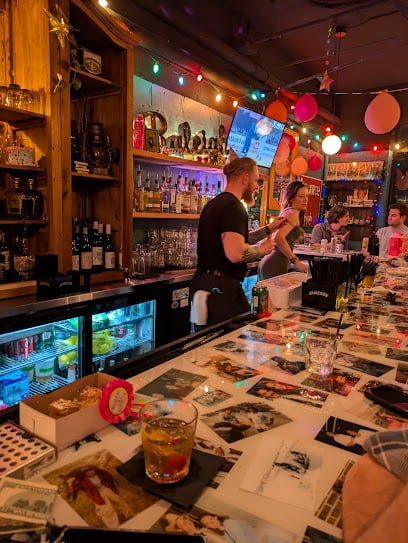
Leather and cruise bar in downtown Raleigh — the Triangle's primary venue for leather and bear culture, with the specific atmosphere and loyal community of the American gay leather bar tradition.
Motel 6 Raleigh, NC - Downtown South oferuje przyjazne zakwaterowanie dla podróżujących LGBTQ+ w Raleigh w Karolinie Północnej. Zarezerwuj pobyt już dziś!
Bilety bez kolejki, spacery z przewodnikiem, jednodniowe wycieczki i unikalne doświadczenia przyjazne LGBTQ+ — rezerwacja od ręki z bezpłatnym anulowaniem.
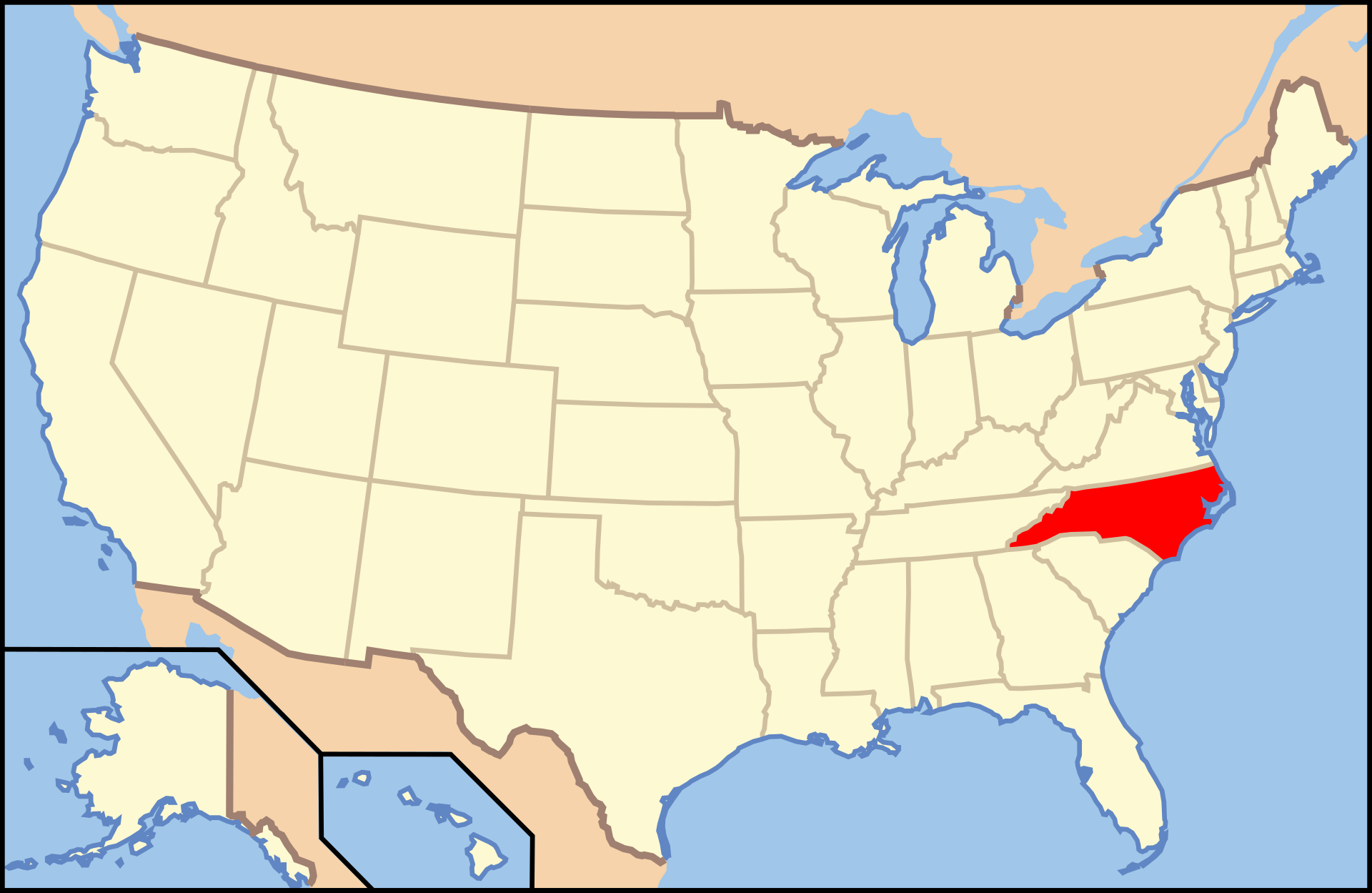
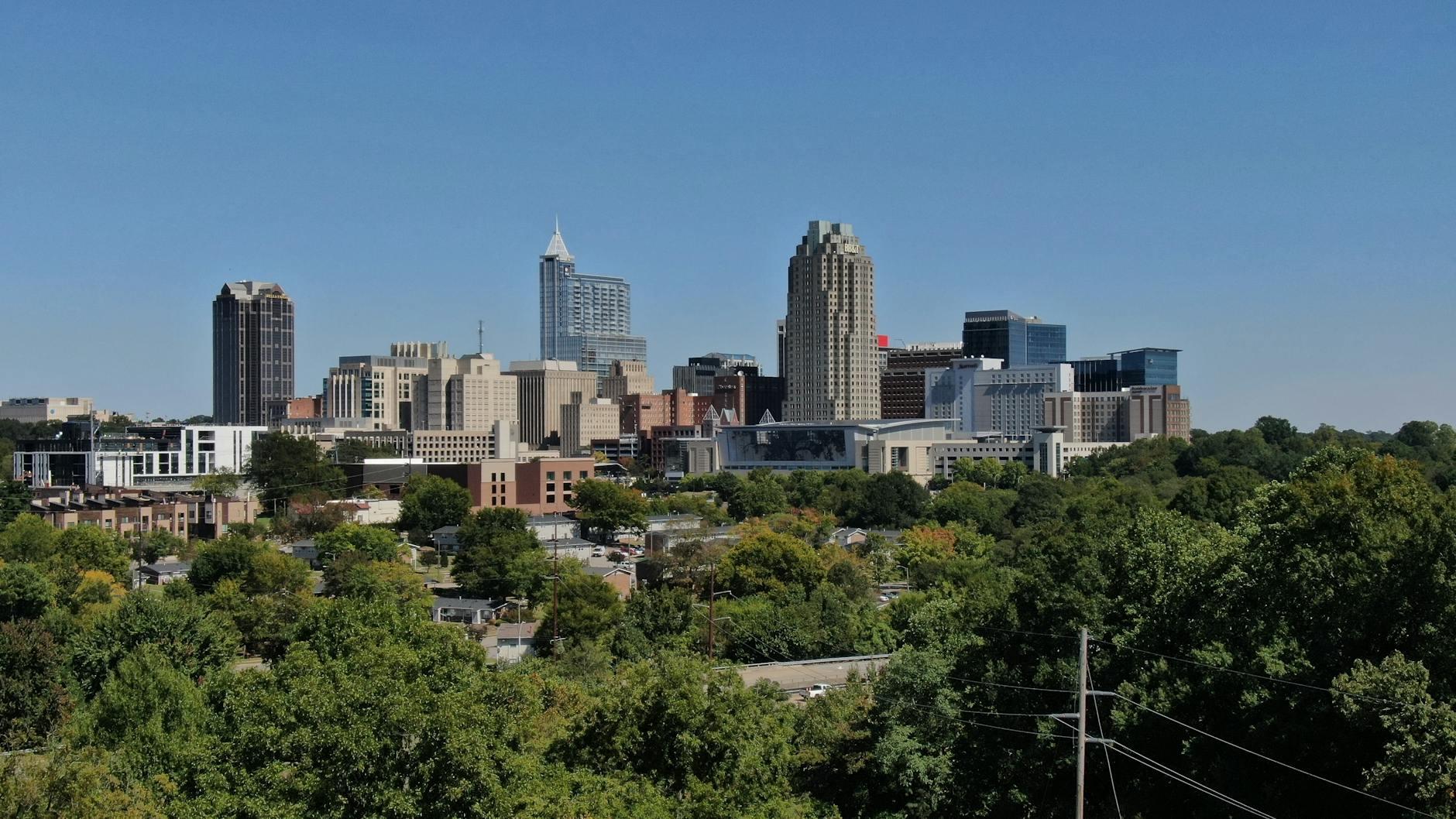
Raleigh, stolica Karoliny Północnej i część Research Triangle, może pochwalić się niewielką, ale autentyczną sceną LGBTQ+, skupioną wokół kilku długo działających barów gejowskich, centrum społeczności w centrum miasta i jednego z największych festiwali Pride w stanie. Nie jest to co prawda główny gejowski kurort, ale tutejsze miejsca są prawdziwe, mają swoje nazwy i łatwo je znaleźć – skupione w odległości spaceru od siebie w centrum i jego okolicach.
Historia sceny LGBTQ+ w Raleigh
Współczesna społeczność LGBTQ+ w Raleigh rozwijała się równolegle z uniwersytetami Research Triangle – NC State w samym mieście, a także Duke i UNC w pobliżu – które od lat 90. przyciągały młodszych, bardziej progresywnych mieszkańców. Legends Nightclub, działający od 1991 roku, przez ponad trzy dekady stanowił serce tej sceny. Ostatnie lata przyniosły zmiany: uwielbiany bar queerowy Ruby Deluxe zamknął się w maju 2025 roku, a małe bary Night Rider i Wicked Witch zakończyły działalność pod koniec 2025 roku. Mimo to, Legends i Flex nadal stanowią trzon aktywnej sceny w centrum miasta, a LGBT Center of Raleigh oferuje całoroczne programy dla społeczności.
Dzielnice i miejsca, które warto odwiedzić
Raleigh nie ma jednej, wydzielonej dzielnicy gejowskiej; scena skupia się w centrum i jego okolicach. Korytarz West Hargett Street na zachodnim skraju centrum jest najbliższy temu, co można nazwać centrum wydarzeń, mieszczącym zarówno Legends, jak i Flex. Pobliskie Warehouse District i Glenwood South oferują bary, restauracje i hotele przyjazne społeczności LGBTQ+. Hillsborough Street, prowadząca w kierunku NC State, jest centrum latynoskiego życia nocnego LGBTQ+ w mieście. Te obszary są zwarte i można je zwiedzać pieszo lub w krótkiej podróży z wykorzystaniem aplikacji do zamawiania przejazdów.
Bary i życie nocne
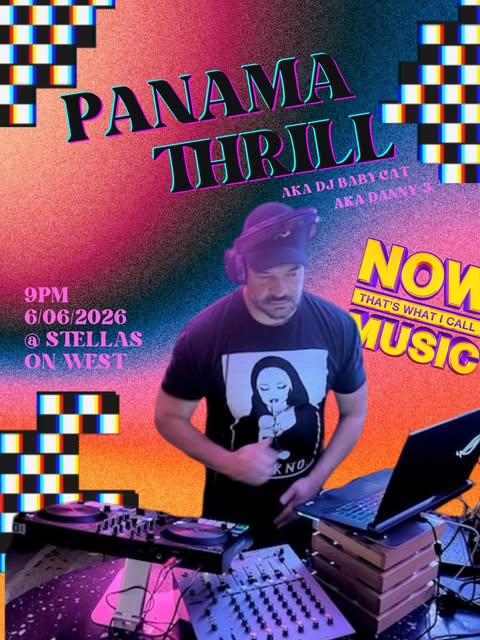
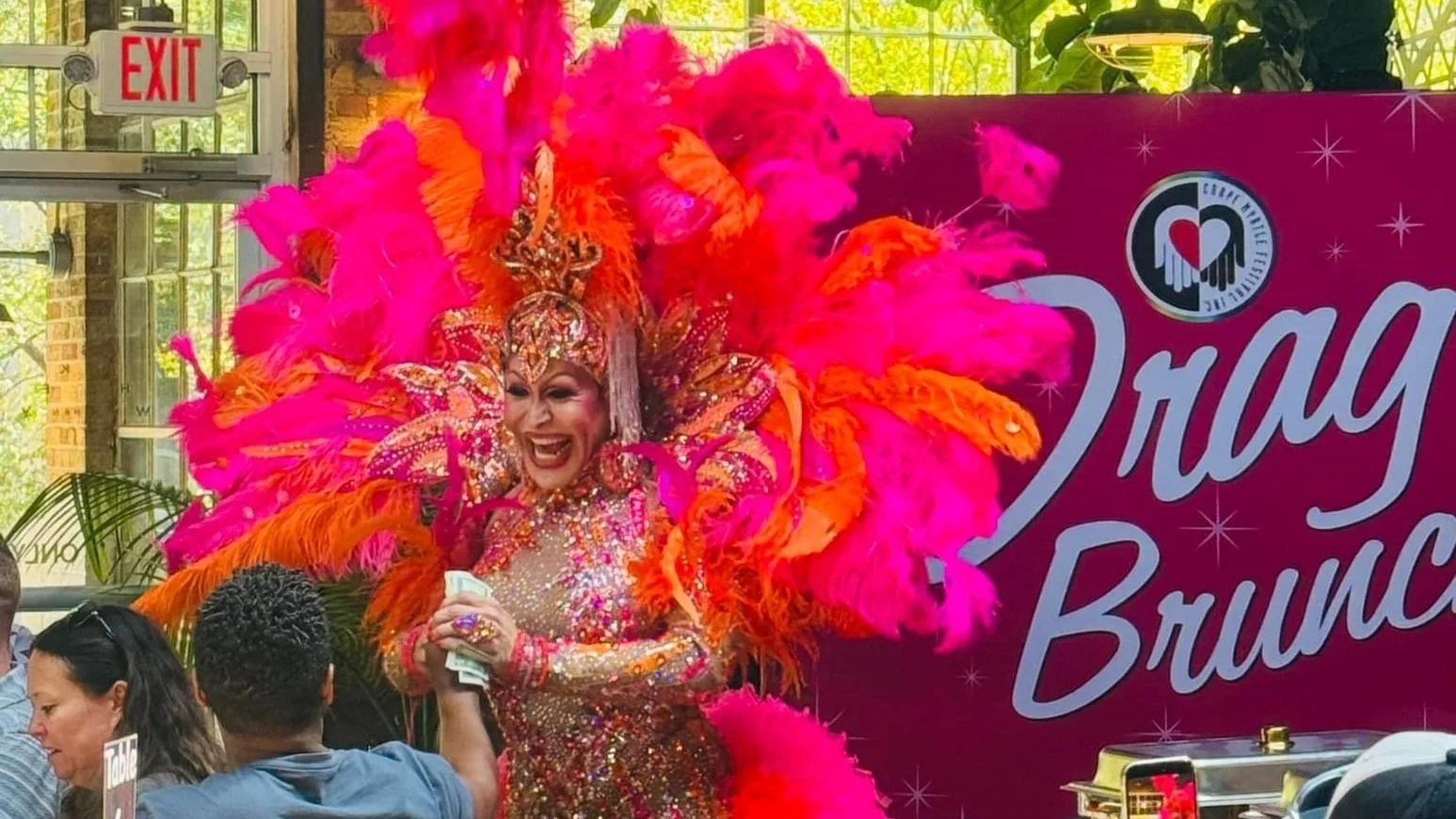
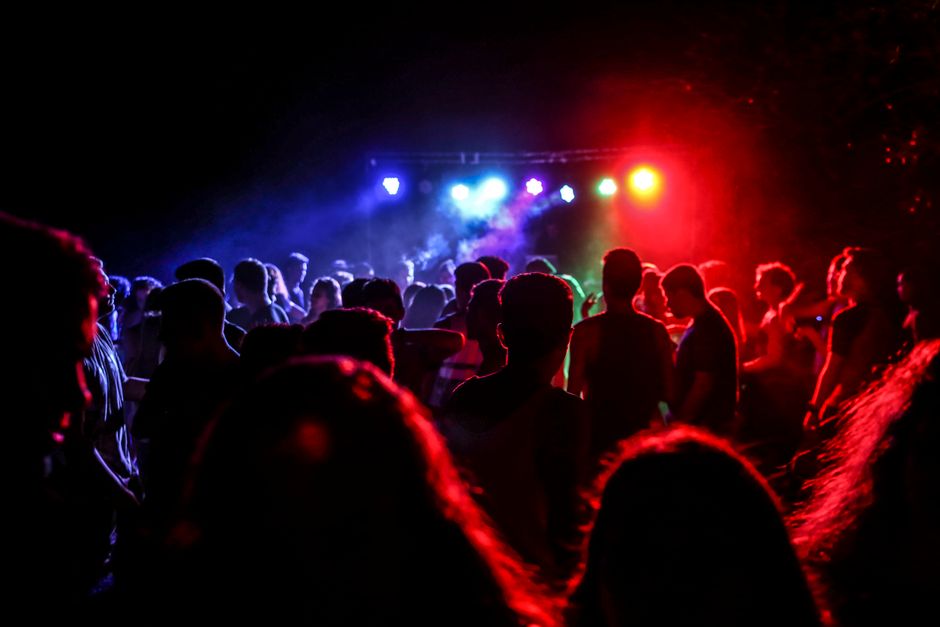
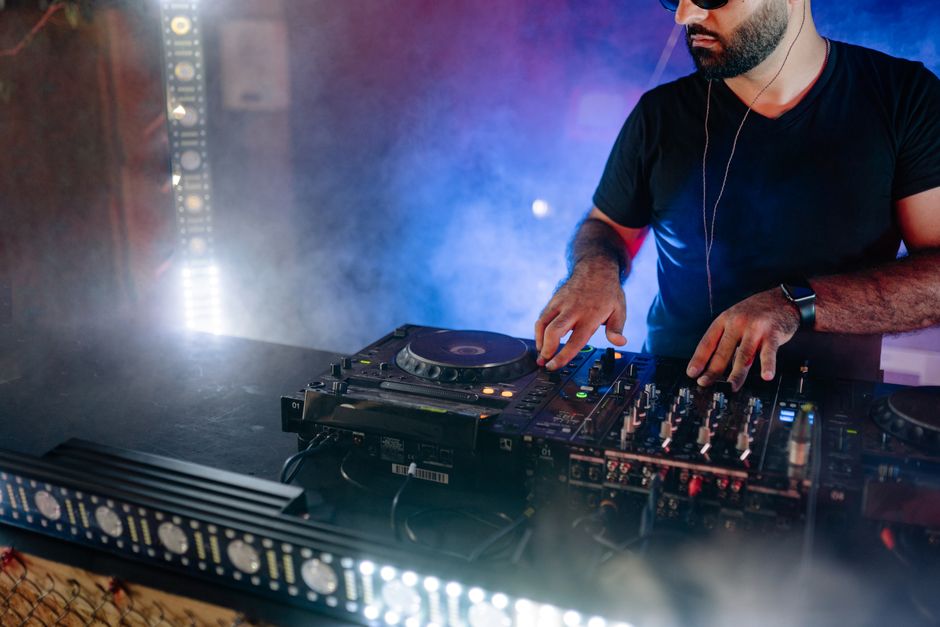
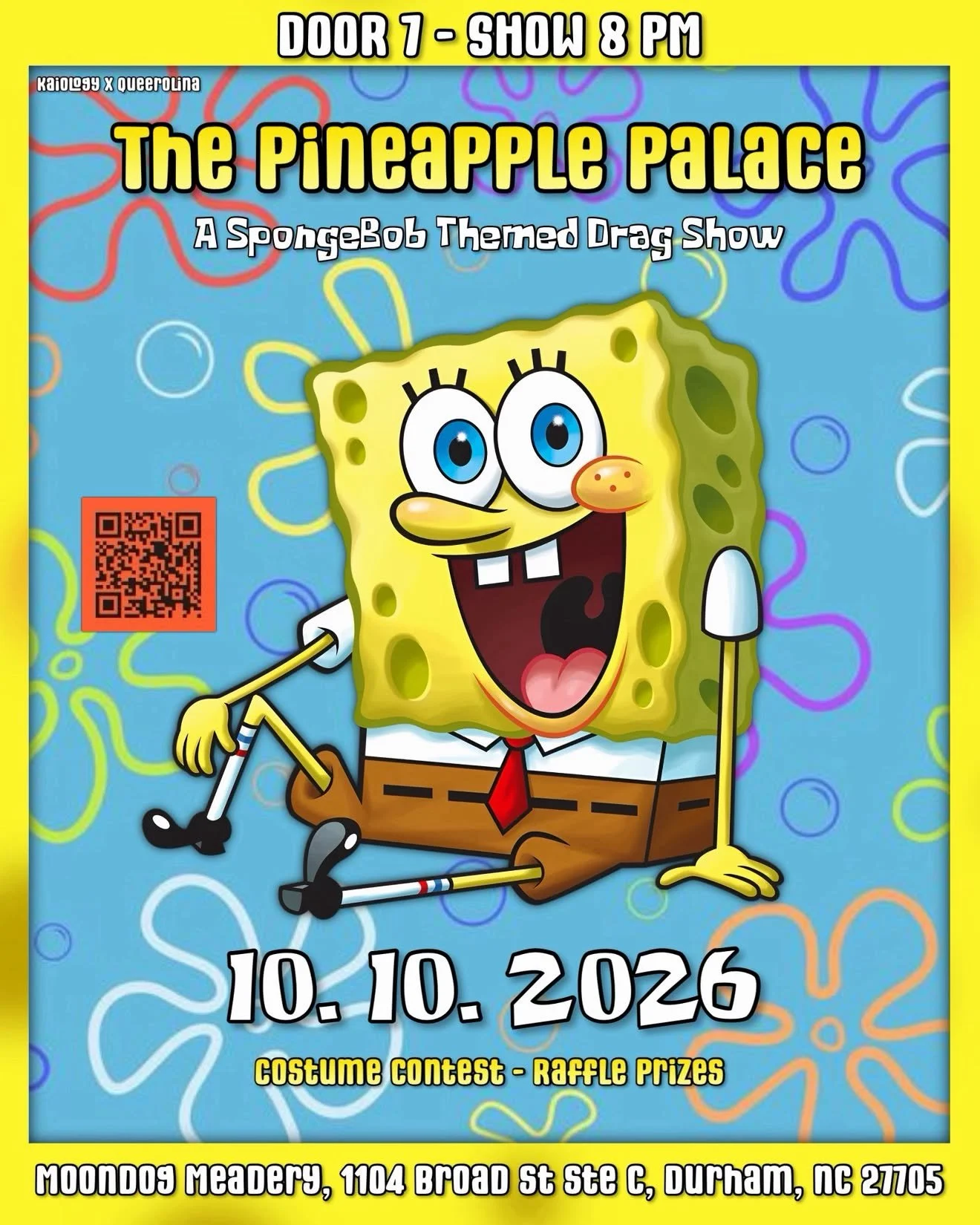
Legends Nightclub (330 W Hargett St) to wizytówka Raleigh – to rozległy, wielopoziomowy kompleks działający od 1991 roku, z parkietem do tańca, barem wideo, pokojem gier, patio i teatrem słynącym z pokazów drag i występów drag queen. Piątki i soboty to dni, kiedy dzieje się najwięcej. Flex (615 W Hargett St) to bardziej swobodny bar w gejowskiej dzielnicy miasta, oferujący karaoke, występy drag, tancerzy go-go, wieczory z muzyką country i tańcami liniowymi, a także comiesięczny wieczór skórzany/fetyszowy organizowany przez Red Lions Leather Club. 440 Nightclub (2526 Hillsborough St) to latynosko-gejowski klub w Raleigh, gdzie usłyszycie salsę, bachata i merengue, a w sobotnie wieczory odbywają się pokazy drag. View Bar & Gameroom (119 S Harrington St) to przyjazne, lokalne miejsce z bilardem, grami zręcznościowymi i pokazami drag – idealne na spokojny początek wieczoru. Stella's on West (911 N West St, Glenwood South) to klimatyczny bar w stylu lat 80./90., który jest otwarcie przyjazny dla osób LGBTQ+, choć przyciąga zróżnicowaną publiczność, a nie tylko gejowską.
Raleigh nie posiada dedykowanej gejowskiej łaźni ani sauny, podobnie jak inne miejsca w aglomeracji Raleigh-Durham. Dostępne w mieście sauny wellness i studia terapii kontrastowej (w Seaboard Station i poza nim) to zwykłe, ogólnodostępne spa, a nie miejsca dla gejów. Podróżni szukający łaźni nie znajdą jej na miejscu.
Społeczność i organizacje
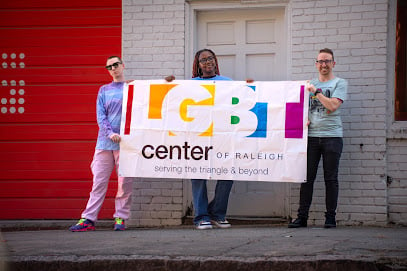
The LGBT Center of Raleigh (128 E Cabarrus St) to centrum społeczności LGBTQ+ w mieście, oferujące godziny otwarte, grupy wsparcia, inicjatywę Transpłciową, programy dla młodzieży i seniorów oraz coroczny festiwal Pride; w grudniu 2025 roku otworzyło nową, stałą siedzibę w centrum miasta. Equality North Carolina, najstarsza stanowa organizacja rzecznicza LGBTQ+ w Stanach Zjednoczonych, ma swoją siedzibę w centrum Raleigh (5 W Hargett St).
Pride i wydarzenia
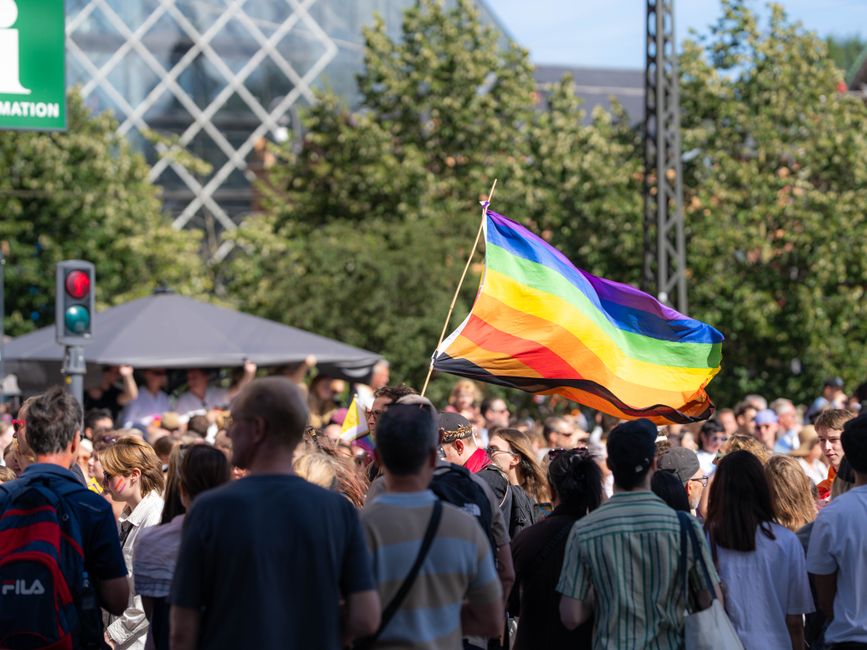
Out! Raleigh Pride, organizowany przez LGBT Center of Raleigh, to flagowe miejskie święto – bezpłatny festiwal uliczny na Fayetteville Street w centrum miasta, odbywający się w czerwcu. Wydarzenie, zainaugurowane w 2011 roku, rozrosło się do rangi jednego z największych wydarzeń Pride w Karolinie Północnej, przyciągając około 90 000 osób. Oferuje festiwal w sobotę przyjazny rodzinom oraz wieczorną część w piątek skierowaną do dorosłych. Poza Pride, lokalna scena oferuje bogaty kalendarz pokazów drag (szczególnie w Legends i Flex), „tea dances”, karaoke i spotkań społeczności. Należy pamiętać, że Pride: Durham, odrębna i większa regionalna tradycja, odbywa się około 25 mil dalej pod koniec września i nie jest wydarzeniem związanym z Raleigh.
Gdzie się zatrzymać
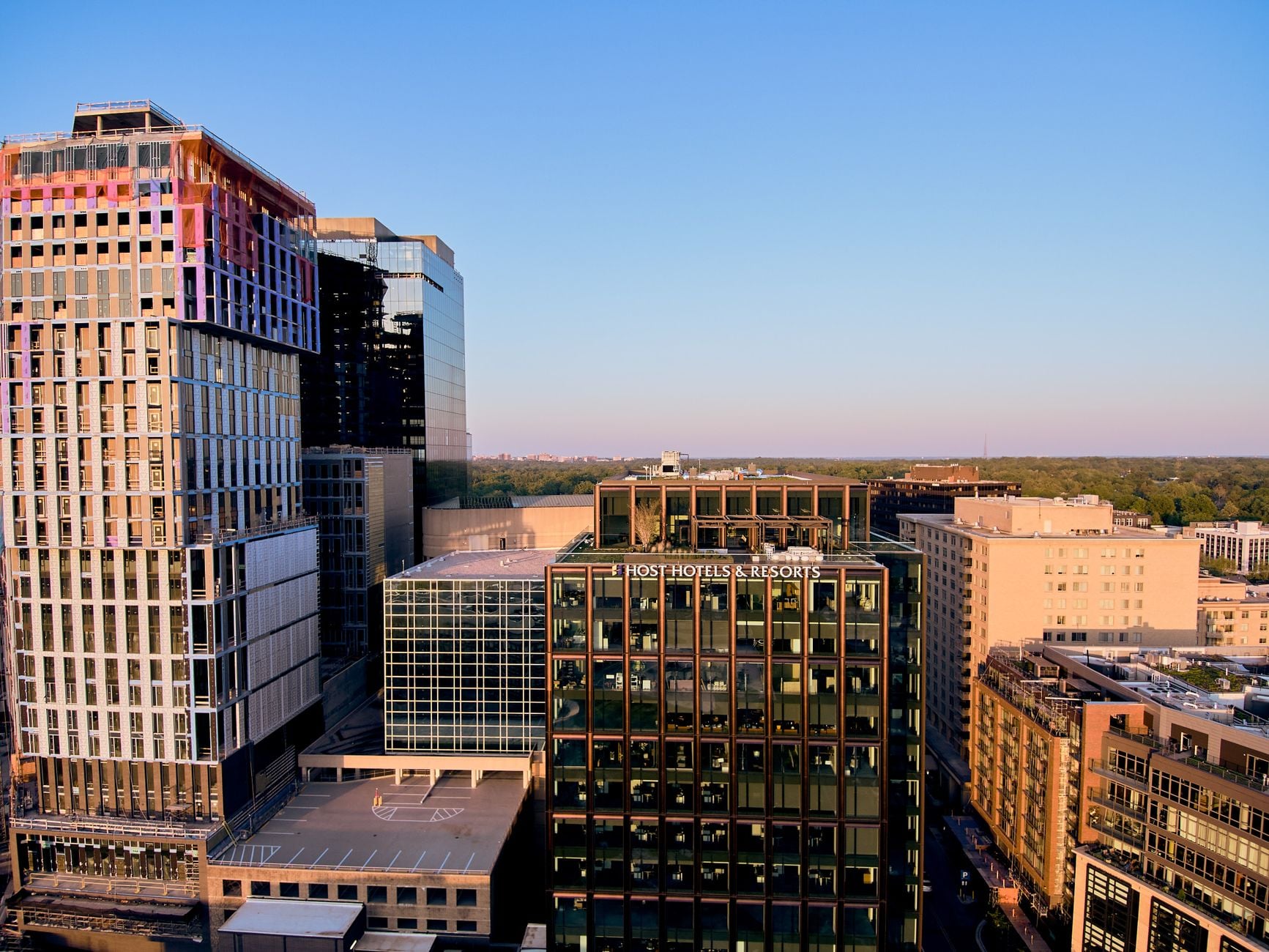
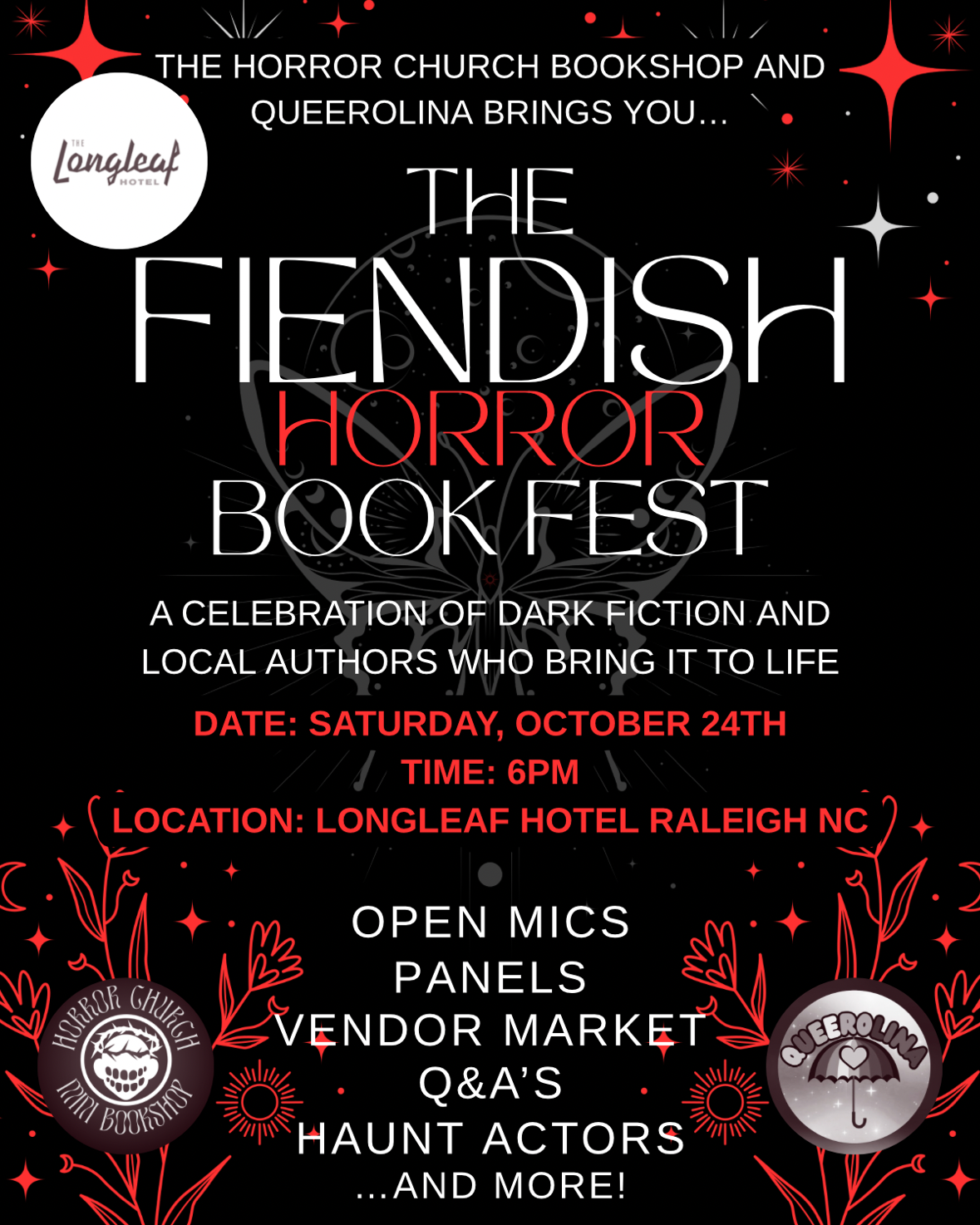
Downtown Raleigh i Warehouse District zapewnią Ci najbliższy dostęp do barów. Znajdziesz tu nowoczesne hotele, takie jak Longleaf, Tempo by Hilton, Sheraton, a także butikowe opcje, jak Heights House i Guest House Raleigh. Pobyt w centrum oznacza, że możesz dojść pieszo lub odbyć krótki przejazd do Legends, Flex i View Bar.
Bezpieczeństwo, status prawny i poruszanie się po mieście
Raleigh to progresywne miasto, generalnie bezpieczne i przyjazne dla podróżujących LGBTQ+. Należy jednak pamiętać, że Karolina Północna nie posiada kompleksowych ogólnostatycznych przepisów antydyskryminacyjnych, dlatego obowiązuje standardowa ostrożność. Małżeństwa osób tej samej płci są legalne w całym stanie od 2014 roku. Raleigh jest miastem zorientowanym na samochody, ale centrum jest łatwo dostępne pieszo, a przejazdy z wykorzystaniem aplikacji typu Uber/Lyft to najłatwiejszy sposób poruszania się między lokalami wieczorem; w ciągu dnia po mieście kursują autobusy GoRaleigh.
Wycieczki jednodniowe
Położenie w Research Triangle sprawia, że Durham i Chapel Hill to łatwe cele jednodniowych wycieczek, każde z własną, przyjazną społeczności queer sceną – w Durham znajdziesz Arcana (jedyny bar lesbijski w stanie), The Pinhook i Club ERA. W pobliżu znajdują się również North Carolina Museum of Art, Umstead State Park i Jordan Lake, oferujące opcje spędzenia czasu na świeżym powietrzu.
Najczęściej zadawane pytania
Raleigh stworzyło przyjazną i coraz bardziej widoczną społeczność LGBTQ+. Chociaż nie ma infrastruktury wielkich gejowskich mekk, oferuje autentyczne przestrzenie społecznościowe i prawdziwą gościnność.
Życie nocne LGBTQ+ w Raleigh jest skoncentrowane w centrum miasta i jego okolicach, zwłaszcza wzdłuż West Hargett Street, gdzie Legends Nightclub i Flex znajdują się blisko siebie. Warehouse District, Glenwood South i Hillsborough Street dodają więcej miejsc dla gejów i przyjaznych gejom w pobliżu.
Out! Raleigh Pride, festiwal Pride miasta organizowany przez LGBT Center of Raleigh, odbywa się w czerwcu jako darmowy festiwal uliczny na Fayetteville Street w centrum miasta. Uruchomiony w 2011 roku, przyciąga obecnie około 90 000 osób. (Oddzielny, większy Pride: Durham odbywa się około 25 mil dalej pod koniec września.)
Tak. Dedykowane bary gejowskie w Raleigh to Legends Nightclub (330 W Hargett St, flagowy od 1991 roku), Flex (615 W Hargett St, swobodny bar z występami drag, karaoke i wieczorami skórzanymi), 440 Nightclub (2526 Hillsborough St, latynoski klub LGBTQ+) i View Bar & Gameroom (119 S Harrington St). Stella's on West to przyjazny bar gejowski w stylu retro. Należy pamiętać, że Ruby Deluxe został zamknięty w 2025 roku.
Downtown Raleigh – szczególnie korytarz West Hargett Street, Warehouse District i Glenwood South – jest głównym centrum LGBTQ+, z barami gejowskimi i LGBT Center of Raleigh w pobliżu. Hillsborough Street w kierunku NC State gości latynoskie życie nocne LGBTQ+, a Five Points to swobodna, przyjazna dla queerów okolica kawiarniana.
Scena LGBTQ+ w Raleigh jest skromna, ale aktywna. Chociaż nie ma infrastruktury wielkich mekk gejowskich, takich jak San Francisco czy Nowy Jork, oferuje autentyczne przestrzenie społecznościowe i rosnące obchody Pride.
Twoje wybory dotyczące prywatności.
Używamy plików cookie, aby uruchomić GayOut i, za Twoją zgodą, mierzyć jego użytkowanie. Dowiedz się więcej
Twoje wybory dotyczące prywatności
Używamy plików cookie, aby GayOut działał sprawnie, zapamiętywał Twoje preferencje i (za Twoją zgodą) mierzył, jak korzystasz ze strony. Możesz zaakceptować wszystkie, odrzucić wszystkie albo wybrać, na co się zgadzasz. Dowiedz się więcej
Niezbędne
Wymagane do logowania, ochrony przed oszustwami, zabezpieczeń CSRF i zapamiętania języka. Nie można ich wyłączyć.
Zawsze aktywne
Zapamiętują ulubione, tryb ciemny i inne preferencje interfejsu między wizytami.
Pomagają nam zrozumieć, które strony są odwiedzane (Google Analytics, statystyki serwera), żebyśmy mogli się rozwijać.
Wykorzystywane przez piksele kampanii marketingowych. Obecnie żaden nie jest aktywny, zarezerwowane na przyszłość.
Zainstaluj GayOut
Dodaj GayOut do ekranu głównego — szybszy dostęp, ulubione offline i powiadomienia Pride.












 Gejowskie bary i kluby
Wyróżnione
(387)
Gejowskie bary i kluby
Wyróżnione
(387)