Tudo o que vale saber antes de ir.
Tessalónica, a segunda maior cidade da Grécia, tem visto a sua comunidade LGBTQ+ tornar-se mais visível e confiante nas últimas décadas. Após a adesão da Grécia à União Europeia, a cidade passou por significativas mudanças sociais e legais. Embora a homossexualidade tenha sido descriminalizada em 1987, a aceitação e visibilidade mais amplas levaram tempo. Hoje, Tessalónica é conhecida pelas suas organizações LGBTQ+ ativas, celebrações anuais do Orgulho e uma cena gay em desenvolvimento.
O movimento LGBTQ+ na cidade ganhou força nos anos 2000, alinhando-se com as tendências europeias rumo à igualdade. As uniões civis entre pessoas do mesmo sexo tornaram-se legais na Grécia em 2015, e o casamento entre pessoas do mesmo sexo foi legalizado em 2024, refletindo a evolução das atitudes, particularmente em centros urbanos como Tessalónica.
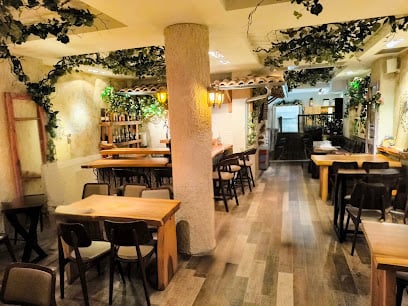
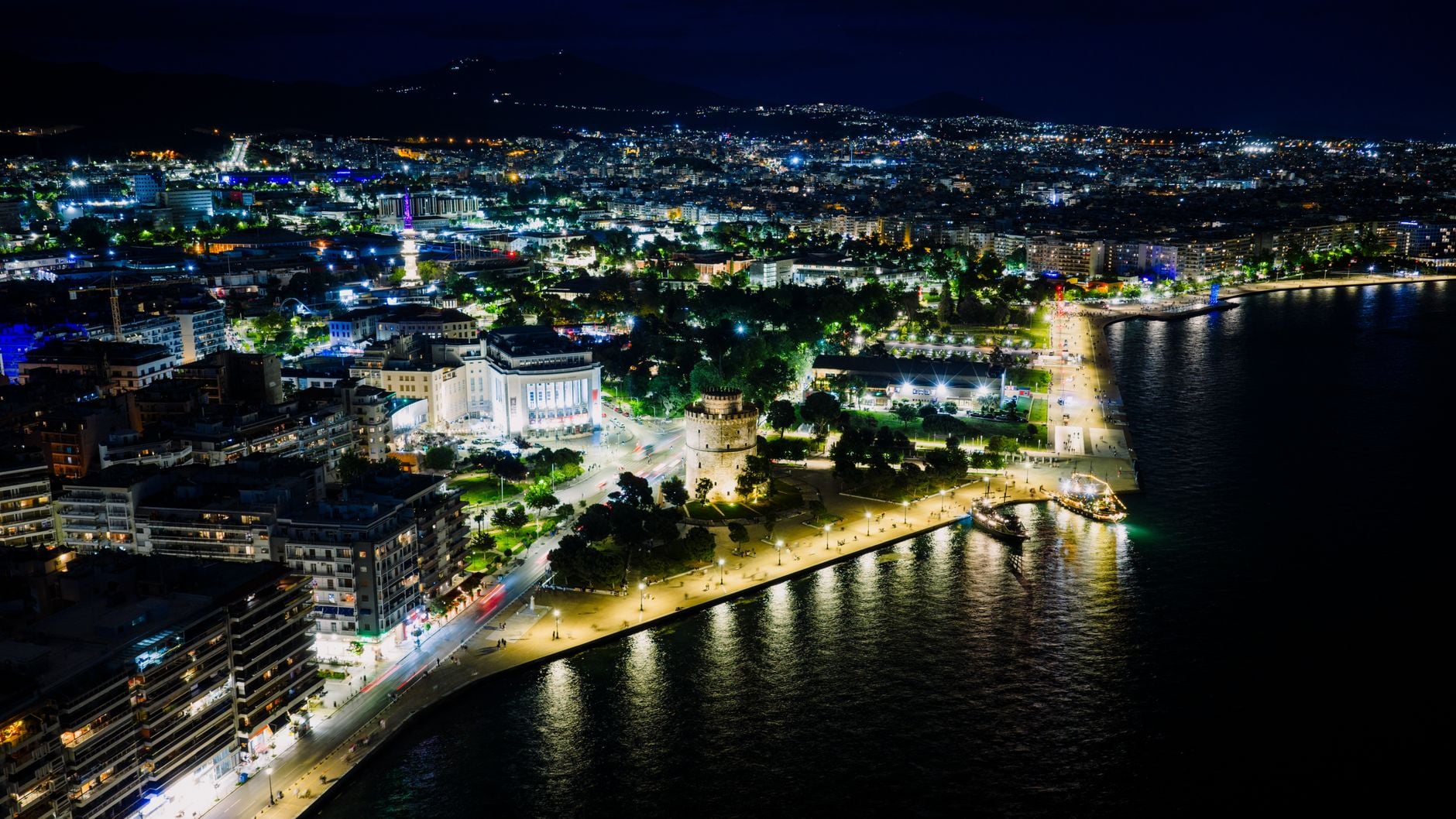
A área principal com uma concentração de estabelecimentos amigos da comunidade LGBTQ+ é Ladadika, o histórico bairro de armazéns e mercado perto da frente ribeirinha. Este distrito revitalizado acolhe agora inúmeros bares e restaurantes. A área oferece uma mistura de estabelecimentos especificamente para o público gay e locais mais gerais que acolhem clientes LGBTQ+.
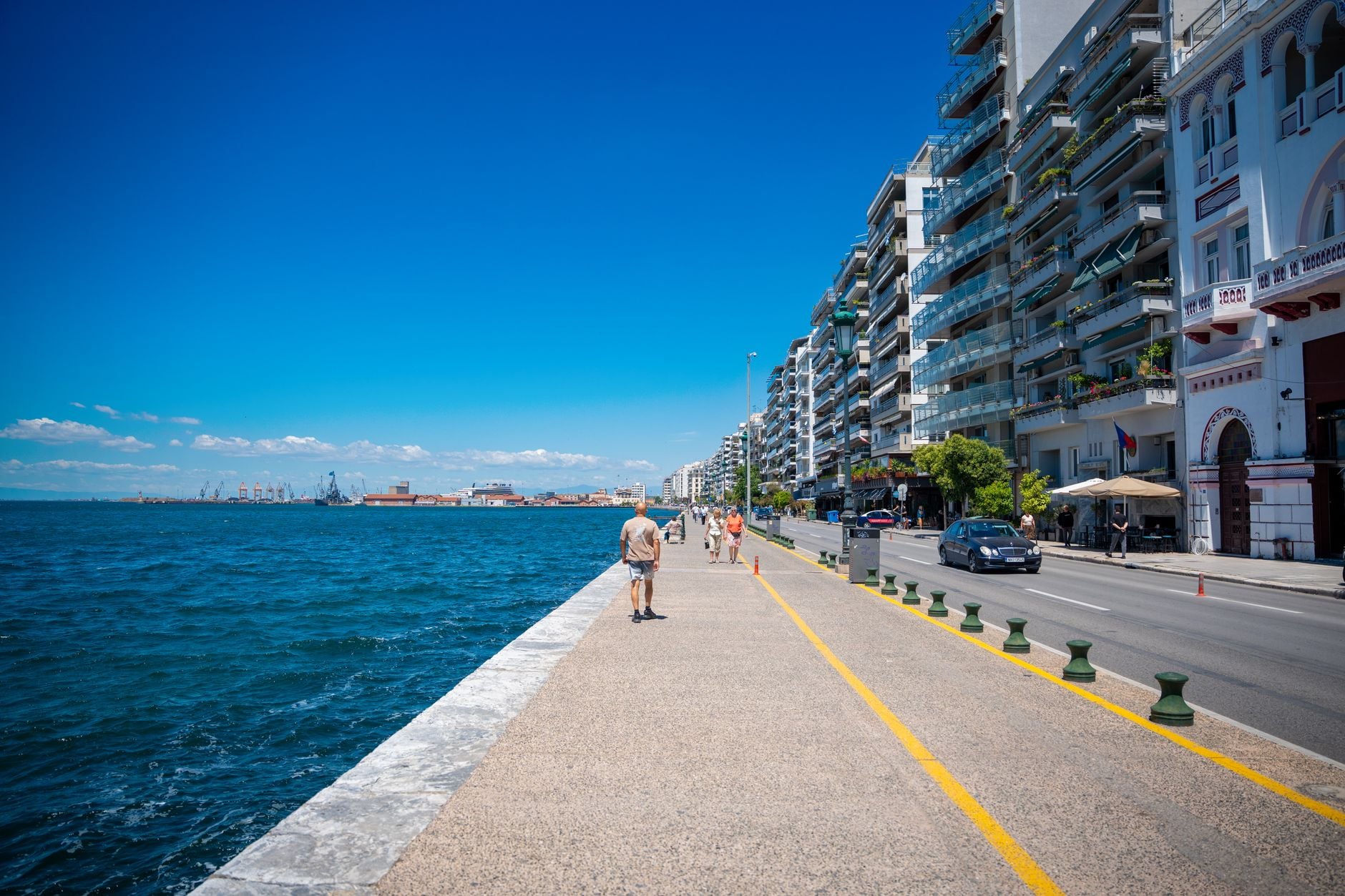
A rua Valaoritou e a área circundante perto da Praça Aristotelous também apresentam vários bares gays e são consideradas parte de um bairro gay alargado. Este distrito funde-se com o centro geral da cidade e é facilmente acessível a partir da maioria das acomodações. A frente ribeirinha (Paralia) é popular para passeios noturnos, com bares e cafés que servem um público misto, mas acolhedor para a comunidade LGBTQ+.
Embora os detalhes específicos dos locais possam mudar, a cena LGBTQ+ de Tessalónica tem estado tradicionalmente centrada em Ladadika. Este bairro costuma ter vários bares LGBTQ+ que atendem a diferentes preferências, desde locais casuais para o fim de tarde a espaços de dança até tarde da noite. Muitos estabelecimentos na área são de mente aberta e acolhedores, sem serem exclusivamente LGBTQ+. A cidade não parece ter saunas LGBTQ+ dedicadas no momento, mas isto está sujeito a alterações e deve ser verificado localmente. Clubes e bares convencionais em todo o centro da cidade são geralmente amigáveis para LGBTQ+, especialmente em áreas influenciadas pela população universitária. Para obter as informações mais atuais sobre locais, é aconselhável consultar recursos online ou organizações LGBTQ+ locais.
O Tessalónica Pride geralmente acontece em junho e tornou-se um evento anual significativo. Inclui um desfile pelas ruas da cidade, muitas vezes com a participação de funcionários e organizações locais. A semana do Pride geralmente apresenta eventos culturais, exibições de filmes e festas. Para além do Pride, a presença universitária da cidade contribui para um calendário regular de eventos culturais e artísticos que muitas vezes atraem o público LGBTQ+, incluindo festivais de cinema e semanas culturais ao longo do ano.
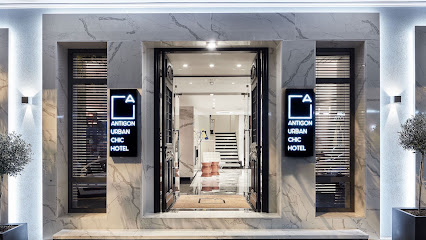
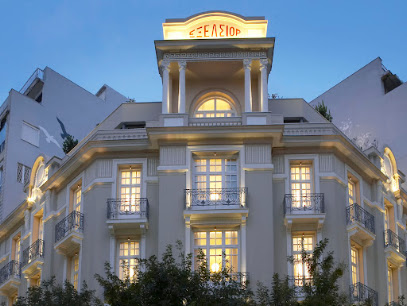
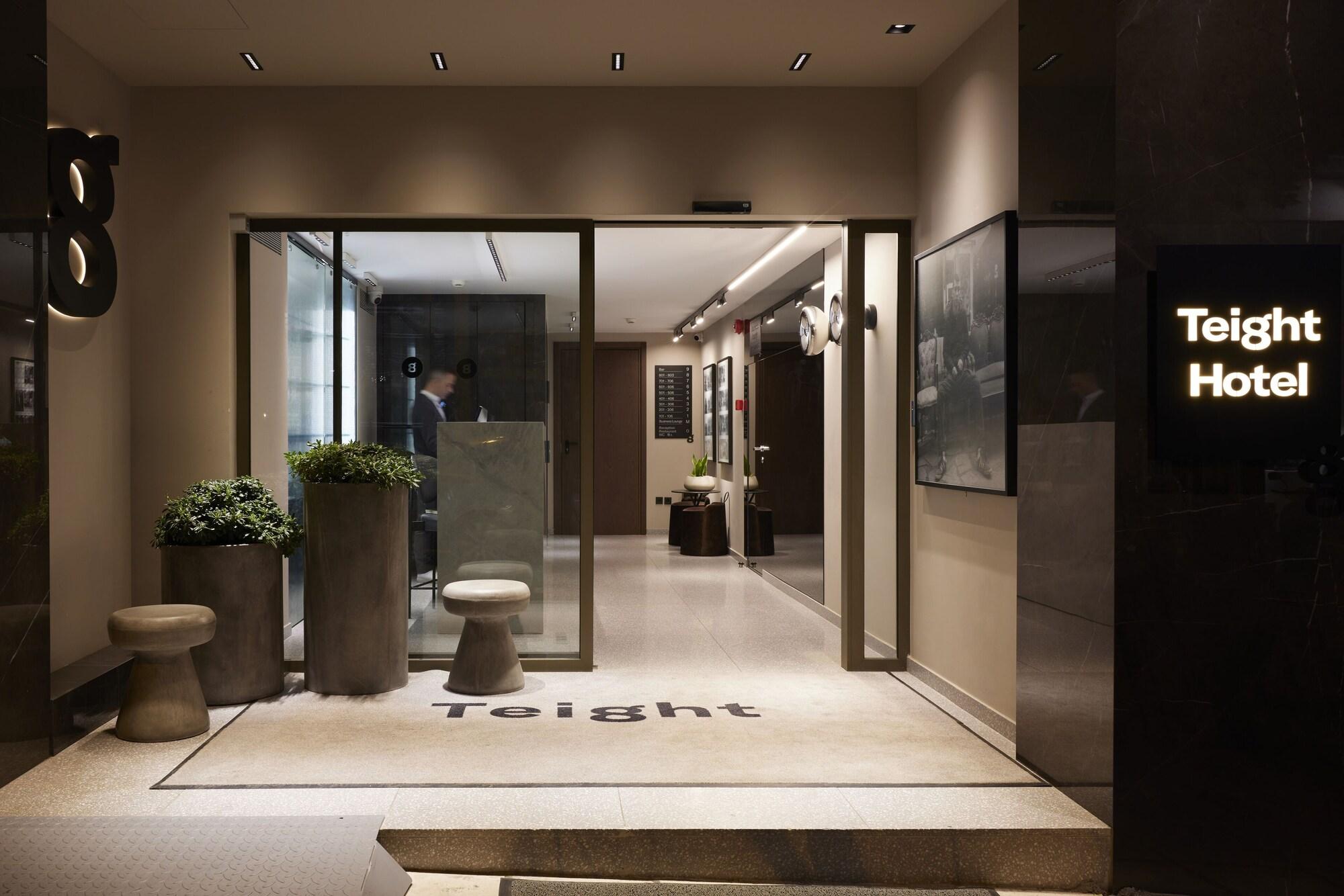
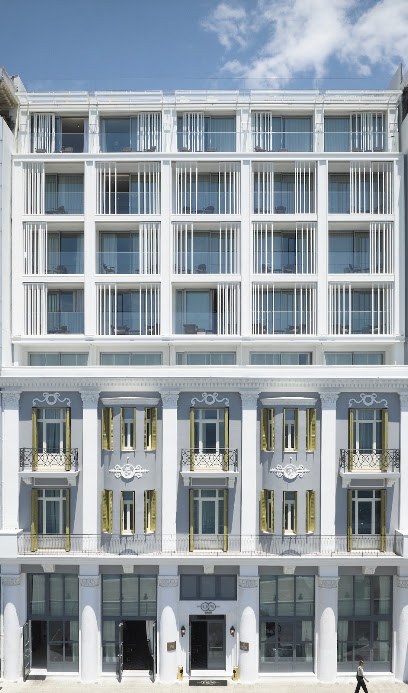
O alojamento em Tessalónica varia de hostels a hotéis. Ladadika oferece hotéis próximos da cena LGBTQ+, embora esta área possa ser barulhenta à noite devido à sua animada atividade de restaurantes e bares. O centro da cidade, perto da Praça Aristotelous, oferece bom acesso a locais amigáveis para LGBTQ+ e atrações gerais. Existem hostels económicos disponíveis e populares entre os viajantes mais jovens. Hotéis de gama média são abundantes e oferecem preços razoáveis. A área da frente marítima inclui alguns hotéis de luxo com vista para o Golfo de Salónica.
Tessalónica dispõe de um sistema de autocarros eficiente (OASTH) com uma cobertura extensa. Os táxis são facilmente encontrados e têm preços razoáveis. O centro da cidade e os seus bairros LGBTQ+ são compactos e fáceis de percorrer a pé. Alugar um carro geralmente não é necessário, a menos que planeie fazer excursões fora da cidade. O Aeroporto de Macedónia, localizado a cerca de 15 quilómetros do centro, liga a grandes cidades europeias e é acessível por autocarro ou táxi.
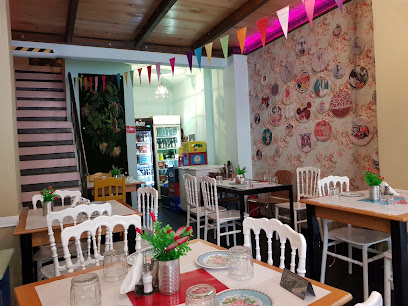
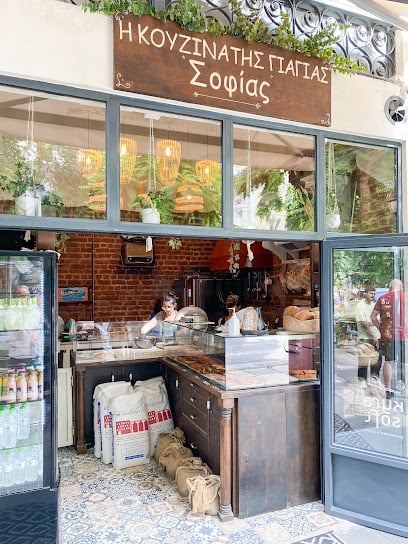
A gastronomia de Tessalónica oferece uma mistura de cozinha grega tradicional e restaurantes contemporâneos. As especialidades locais incluem a bougatsa e vários pratos de marisco. Ladadika apresenta inúmeros restaurantes, desde tavernas tradicionais a estabelecimentos modernos. O centro da cidade oferece diversas opções gastronómicas. O estilo de refeição "mezze", onde pequenos pratos são partilhados, é uma forma popular e social de comer.
Vários destinos encontram-se a uma distância de uma viagem de um dia. Os mosteiros de Meteora, a cerca de 90 quilómetros de distância, são locais classificados pela UNESCO. Estes podem ser visitados através de tours organizados ou de forma independente. Praias e áreas costeiras próximas são acessíveis por transporte público ou carro, com a Península de Kassandra a oferecer praias e aldeias. As ilhas de Thassos e Skopelos podem ser alcançadas de ferry. O Monte Olimpo, a aproximadamente 90 quilómetros a sul, oferece trilhos para caminhadas e paisagens montanhosas.
Tessalónica e a Grécia são geralmente seguras para viajantes LGBTQ+, com uma comunidade LGBTQ+ visível e proteções legais contra a discriminação. Recomenda-se precauções de segurança urbanas padrão, como estar atento aos arredores e guardar os seus pertences. As demonstrações públicas de afeto são geralmente seguras e cada vez mais comuns nas áreas centrais.
A Grécia utiliza o Euro, e os multibancos estão amplamente disponíveis. O inglês é falado na maioria das áreas turísticas, bares e hotéis. A cidade opera no Horário da Europa Central (CET/CEST). Locais culturais notáveis incluem a Torre Branca, igrejas e mosteiros bizantinos, monumentos romanos e vários museus.
Visitar durante a época do Pride em junho pode significar maior procura por alojamento e preços mais elevados. É aconselhável reservar alojamento com antecedência. Fora do Pride, a cidade continua acolhedora, com menos multidões e preços mais baixos. Os meses de verão (junho-setembro) oferecem tempo quente, ideal para atividades à beira-mar, embora julho e agosto sejam os meses de maior afluência turística.
Tessalónica proporciona uma experiência mediterrânica com uma comunidade LGBTQ+ visível. A cidade combina valores europeus modernos com a tradição grega, oferecendo gastronomia, cultura, história e hospitalidade.


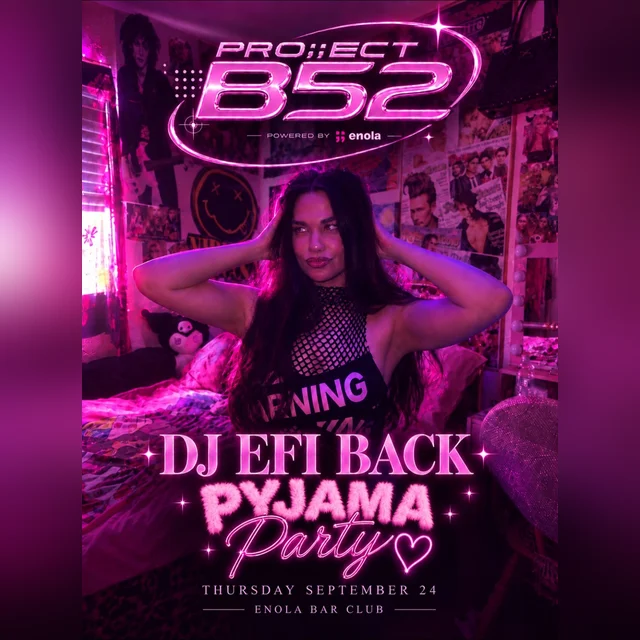



 Bares e Clubes Gays
Em destaque
(619)
Bares e Clubes Gays
Em destaque
(619)