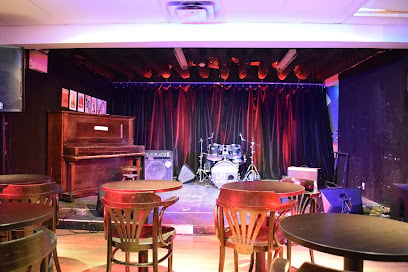
Wilde's Bar & Grill
Bares e Clubes Gays
Ottawa's most popular gay bar on Bank Street — named for Oscar Wilde, warm and welcoming atmosphere.
Guia de Viagem LGBTQ+ e Diretório de Cidades · Ontario
Com base nas leis nacionais a partir de 2025
Marriage equality since 2005. Charter of Rights protects against discrimination. Trans identities protected federally since 2017.
Bares e Clubes Gays
Ottawa's most popular gay bar on Bank Street — named for Oscar Wilde, warm and welcoming atmosphere.
Bares e Clubes Gays
Ottawa's rooftop patio gay bar near the Byward Market — popular summer venue with panoramic views.
Bares e Clubes Gays
Ottawa's queer arts and performance space — Gallery SAW's nightlife arm, where art meets LGBTQ+ community.
Bares e Clubes Gays
Neighbourhood gay pub in the heart of Centretown — relaxed, unpretentious, and beloved by Ottawa locals.
Saunas Gays
Ottawa's premier gay bathhouse on Bank Street — part of the international Steamworks chain, in the heart of the gay v…
Saunas Gays
3.5 (121)
Saunas Gays
Old school bathhouse No frills bathhouse in Westboro area. Steam room, sauna, showers, videos, play area and gloryhol…
Hotéis Gays
Ottawa's iconic downtown hotel on Elgin Street — gay-welcoming, steps from Parliament Hill and close to the gay village.
Academias Gays
4.1 (320)
Academias Gays
You can hang out with all the boys... Yes, it's fun to stay at the YMCA, or so the song goes! The main Y has literall…
Ottawa, Canada
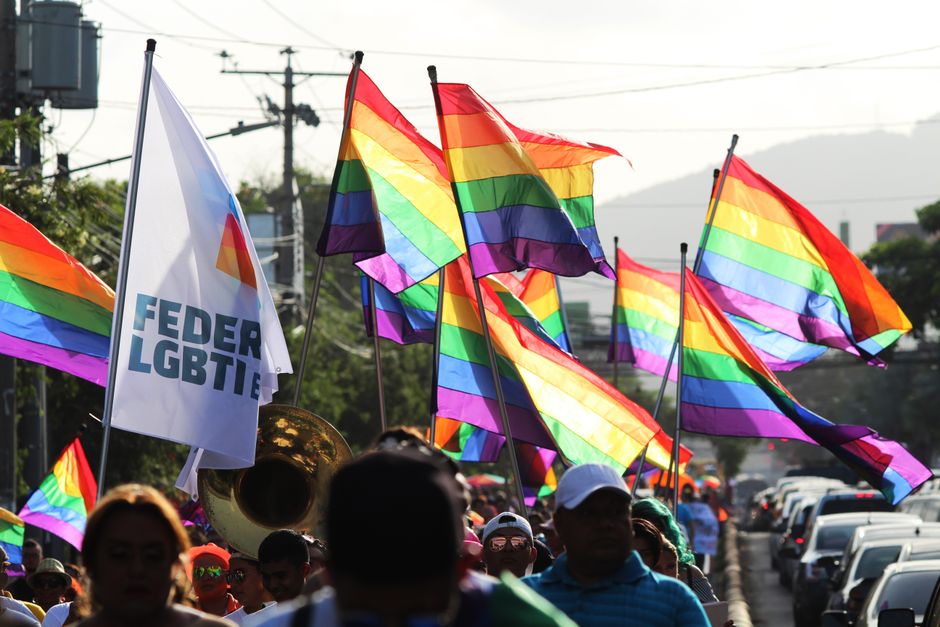
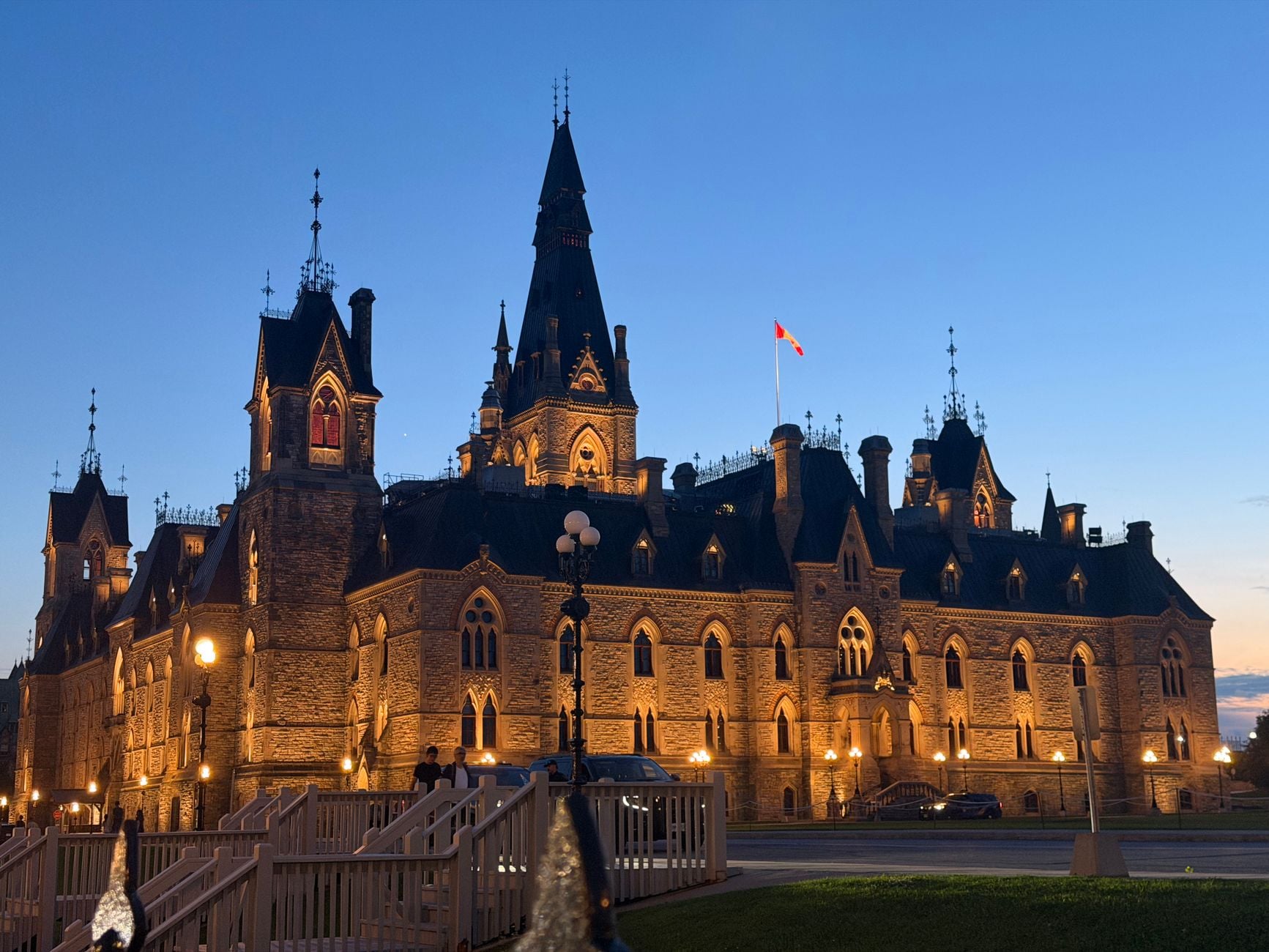
Capital Pride is Ottawa's annual LGBTQ+ Pride celebration and one of Canada's most significant Pride events — distinguished above all by its setting: the Parliament Hill backdrop that no other Pride celebration in the world can claim. Held each August, Capital Pride brings approximately 100,000 participants and spectators to Ottawa's downtown core for a week of events culminating in the Pride Parade, which marches through the streets of the national capital with the Centre Block and Peace Tower visible on the skyline. The August timing sets Capital Pride apart from the June cluster of major Canadian Prides — the scheduling is deliberate, taking advantage of Ottawa's warmest and sunniest month while allowing the event to stand on its own rather than competing with Toronto, Montreal, or Vancouver. Capital Pride week programming includes the parade, community events, performances at venues along Bank Street and across the city, human rights programming, and bilingual events that reflect Ottawa's official languages character. The presence of Parliament as backdrop gives the celebration an explicitly political dimension unique among Canadian Prides: this is the LGBTQ+ community gathering at the seat of the federal government, in a country that has legalised same-sex marriage, decriminalised homosexuality, and progressively extended rights over the past half-century. Attendance of 100,000 in a metropolitan area of one million represents extraordinary community mobilisation.
Ottawa, Canada
Capital Pride — Ottawa's annual LGBTQ+ Pride celebration, held each August with the Parliament Hill backdrop that makes it unique among Canadian Prides. Approximately 100,000 participants and spectators across a week of events culminating in the Pride Parade through the streets of the national capital. The bilingual event reflects Ottawa's official languages character and the Hull-Gatineau francophone community across the river.
Ottawa, Canada
Capital Pride — Ottawa's annual LGBTQ+ Pride celebration in August, with the iconic Parliament Hill backdrop. One of Canada's significant Pride events, drawing approximately 100,000 people to the national capital for a week of community events, performances, and the Pride Parade.
Guia de Viagem
Tudo o que vale a pena saber antes de ir.
Ottawa is Canada's capital and, more than any other Canadian city, a place where politics, identity, and public life are inextricably bound together. For the LGBTQ+ community, this has always carried a particular significance: Parliament Hill — the seat of the federal government — is the literal backdrop against which Capital Pride takes place each August, a visual statement available to no other Pride celebration in the country. When tens of thousands of people march through the streets of downtown Ottawa with the Parliament Buildings in frame, the symbolism is impossible to miss. This is a city where the federal government's relationship with its LGBTQ+ citizens has been defined and redefined over decades of law-making, landmark court decisions, and eventually the legalisation of same-sex marriage in 2005. Ottawa's queer community has always been close to power — close enough to lobby it, close enough to celebrate when it finally moved in the right direction, close enough to still feel the weight when it does not.
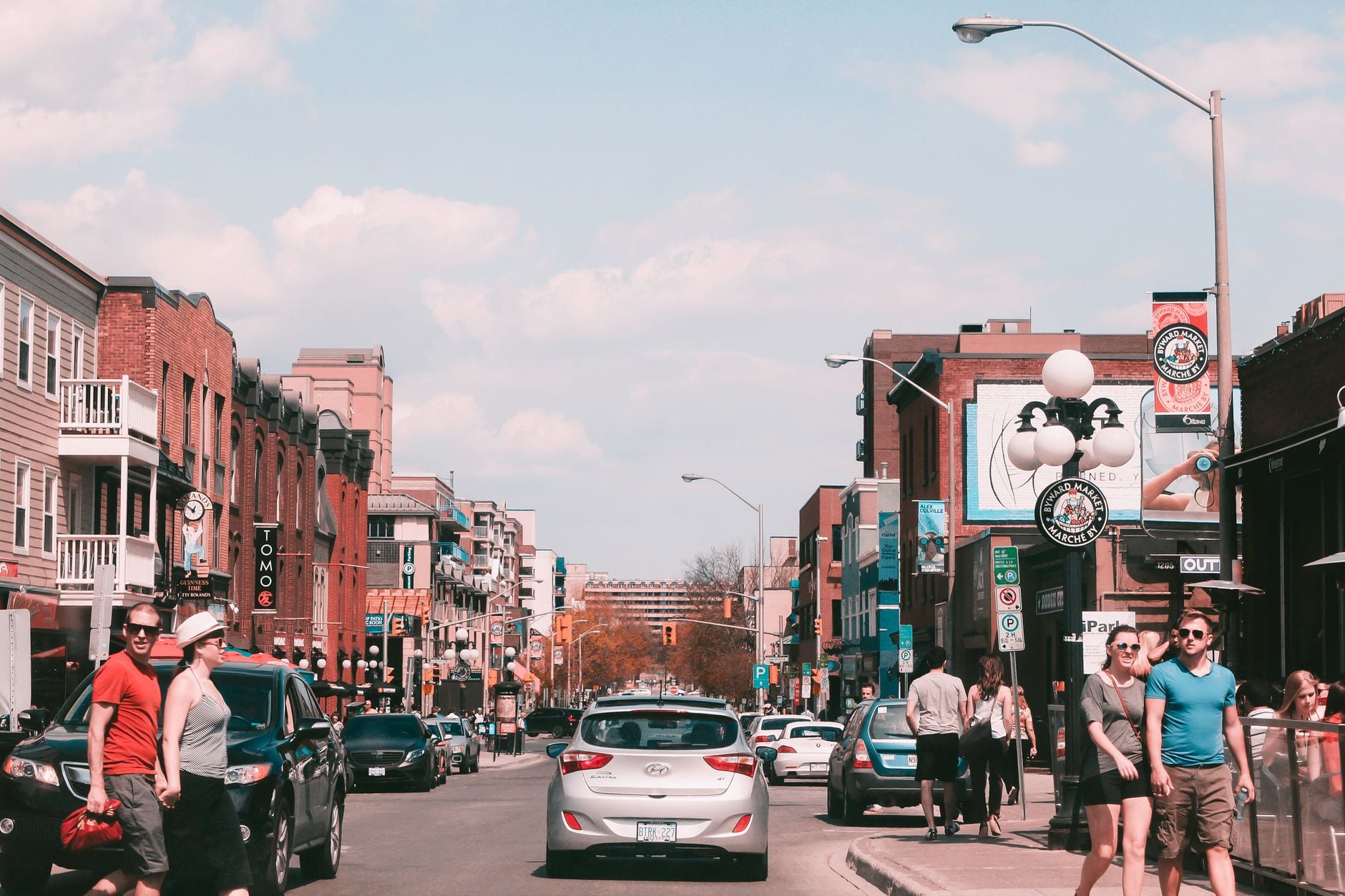
The gay neighbourhood is centred on Bank Street between Gladstone Avenue and Somerset Street West — Ottawa's village, compact by the standards of Montreal or Toronto but genuinely present and long-established. The strip of bars, restaurants, and community organisations along Bank Street has served as the social heart of Ottawa's LGBTQ+ community for decades. The neighbourhood is walkable from the downtown core and from the Somerset area's mix of apartments and townhouses that have long attracted LGBTQ+ residents. It lacks the density of Church Street in Toronto, but its character is distinctive: a government city's queer neighbourhood, somewhat quieter and more neighbourhood-oriented than those of larger cities, but with real institutions and genuine community depth.
Ottawa's bilingual character — mandatory under the Official Languages Act, with approximately a quarter of the metropolitan population identifying as francophone — gives the city a distinct texture that its English-only residents sometimes overlook and its francophone community rightly defends. The queer community reflects this duality: Capital Pride programming has historically operated in both official languages, and the Hull/Gatineau side of the Ottawa River, technically in Quebec, adds a Francophone dimension to the regional LGBTQ+ community. The bridge across the river is a short bus or taxi ride, and the Gatineau queer community is part of the same regional fabric.
The Rideau Canal, a UNESCO World Heritage Site running through the heart of the city, is central to Ottawa's seasonal identity in ways that affect the queer community directly. In winter — genuinely harsh, with temperatures regularly reaching -25°C — the canal becomes the world's largest naturally frozen skating rink, an extraordinary urban spectacle. In summer, the canal pathways and Dows Lake are cycling and outdoor recreation infrastructure that connects the city's green spaces. Ottawa's winters are a social leveller: when it is cold enough that people stay home, the bars and community spaces that remain open serve a correspondingly important function as warm, welcoming gathering places.
Capital Pride, held annually in August, is the city's defining LGBTQ+ event and one of Canada's significant Pride celebrations. The August timing — later than most major Pride events, which cluster in June — is deliberate: summer in Ottawa is reliably warm and sunny, and August avoids the competition from Toronto, Montreal, and Vancouver that June would entail. The Parliament Hill backdrop is unique. Attendance of approximately 100,000 people across the week of events represents extraordinary penetration for a metropolitan area of a million people. The parade route through the downtown core, ending near Parliament, is a genuinely moving experience — the combination of community visibility and national institutional backdrop makes Ottawa's Pride unlike any other in Canada.
For visitors, Ottawa offers a compact and walkable downtown that rewards exploration beyond the gay village. The National Gallery of Canada, the Canadian Museum of History across the river in Gatineau, the Byward Market neighbourhood (one of Canada's oldest and most vibrant public market districts), and the Rideau Canal all lie within comfortable walking distance of the Bank Street strip. The city is two hours by road or train from Montreal — French Canada's great metropolis and one of North America's most LGBTQ+-welcoming cities — making a combined visit natural and rewarding. Ottawa's airport connects directly to Toronto, Montreal, New York, and an increasing number of international destinations. The city rewards visitors who appreciate political history, institutional architecture, genuinely good museums, and the specific pleasure of a mid-sized city that punches well above its weight on cultural infrastructure.
Ajude a comunidade adicionando-o ao nosso diretório — é gratuito e revisado em 48 horas.
Receba os últimos eventos LGBTQ+ e novidades de locais direto no seu e-mail.