Равенство браков с мая 2013 г. (Loi Taubira). Декриминализовано в 1791 г. — старейшее в мире. Вспомогательные репродуктивные технологии/ЭКО для лесбийских пар — с 2021 г. Конверсионная терапия запрещена в феврале 2022 г. Юридическое изменение гендера для трансгендерных лиц без операции — с 2017 г., но требуется судебное решение (не самосертификация). Небинарные гендеры юридически не признаются. Ограничения на донорство крови полностью сняты в 2022 г. Март 2024 г.: государство признало преследование геев до 1980 г. Париж — одно из ведущих ЛГБТК+-направлений в мире; Le Marais…
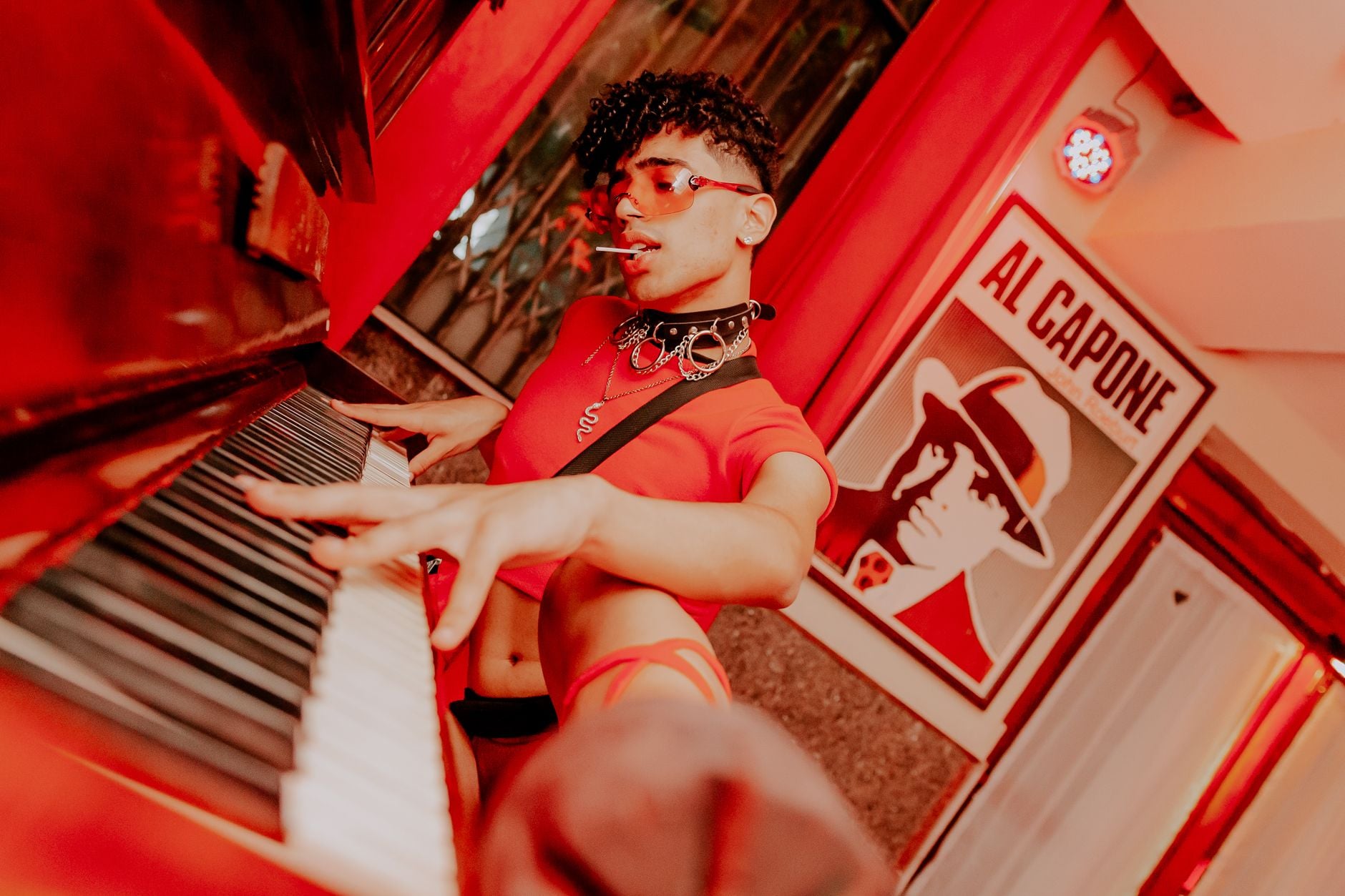
Самый легендарный гей-клуб Марселя, открытый с 1975 года — настоящая марсельская достопримечательность с дрэг-шоу, тематическими вечерами и преданной местной публикой.
Крупнейший ночной клуб Marseille на Old Port — не исключительно гей-клуб, но здесь проходят одни из крупнейших LGBTQ+ вечеров на юге Франции, привлекая более 1500 человек в три зала в…
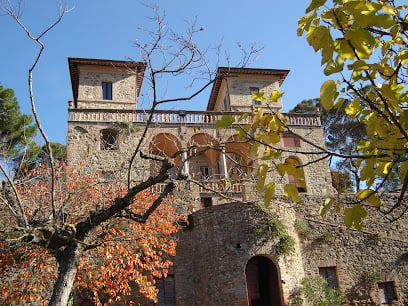
Элегантный гей-френдли бутик-отель в провансальской вилле XIX века в 8-м округе — бассейн, сад, тихое жилое расположение, 10 минут езды от центра города.
Стильный, дизайнерский отель в 6-м округе на окраине Cours Julien — самый дружелюбный к ЛГБТК+ крупный отель в Марселе, с террасой на крыше и неизменно высокими оценками.
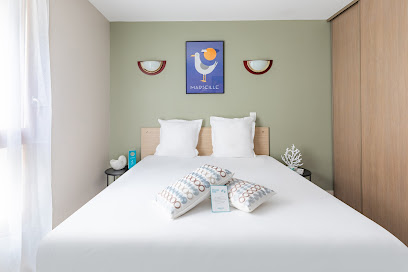
Откройте для себя Maison Sénac, инклюзивный и гостеприимный отель для ЛГБТК+ в оживленном сердце Марселя, Франция, идеально подходящий для вашего отдыха в Провансе-Альпах.
Откройте для себя The People Hostel - Marseille, инклюзивный и гостеприимный отель для ЛГБТК+ в самом сердце Марселя, Франция, идеально подходящий для исследования Прованса-Альп.
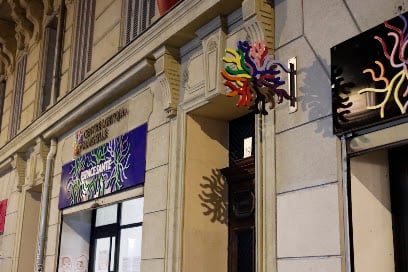
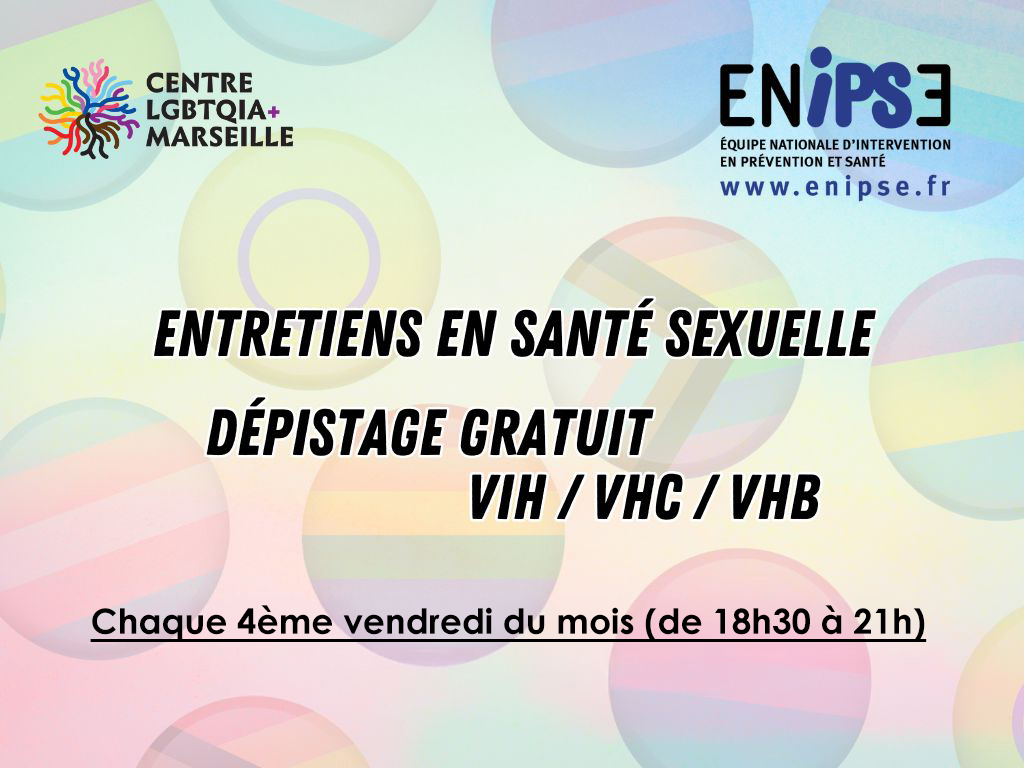
Главный центр LGBTQ+ сообщества для региона Provence-Alpes-Côte d'Azur — адвокатская деятельность, группы поддержки, услуги здравоохранения, мероприятия и центр организации Marseille Pride.
История Марселя, связанная с ЛГБТК+, неразрывно переплетена с его портом. Веками портовые города по всему миру были более открыты для разных людей, в том числе для тех, кто выходил за рамки гетеронормативного большинства. Франция декриминализовала гомосексуальность в 1791 году, а однополые браки легализовала в 2013 году, но Марсель развивал свою собственную, особую квир-культуру. Это смесь рабочего колорита, иммигрантских сообществ и долгого артистического наследия.
Путешественники и жители, принадлежащие к ЛГБТК+ сообществу, начали приезжать сюда во второй половине XX века. Местная сцена никогда не была такой заметной или коммерциализированной, как в Париже, но она существовала. Сейчас Марсель стремится стать известным ЛГБТК+ направлением, получая поддержку города для проведения Прайда и развивая больше бизнесов, принадлежащих квир-сообществу.
Куда пойти
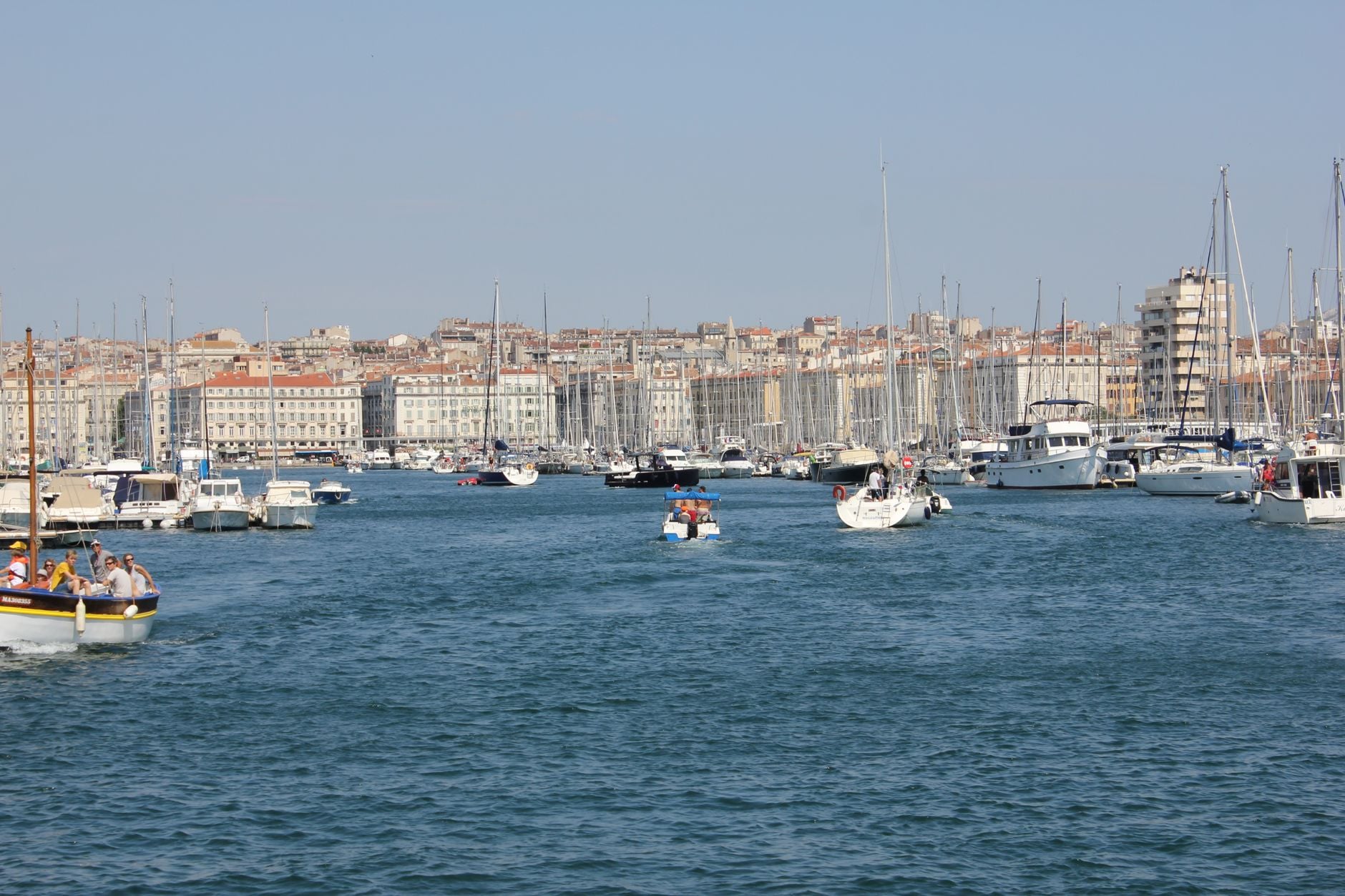
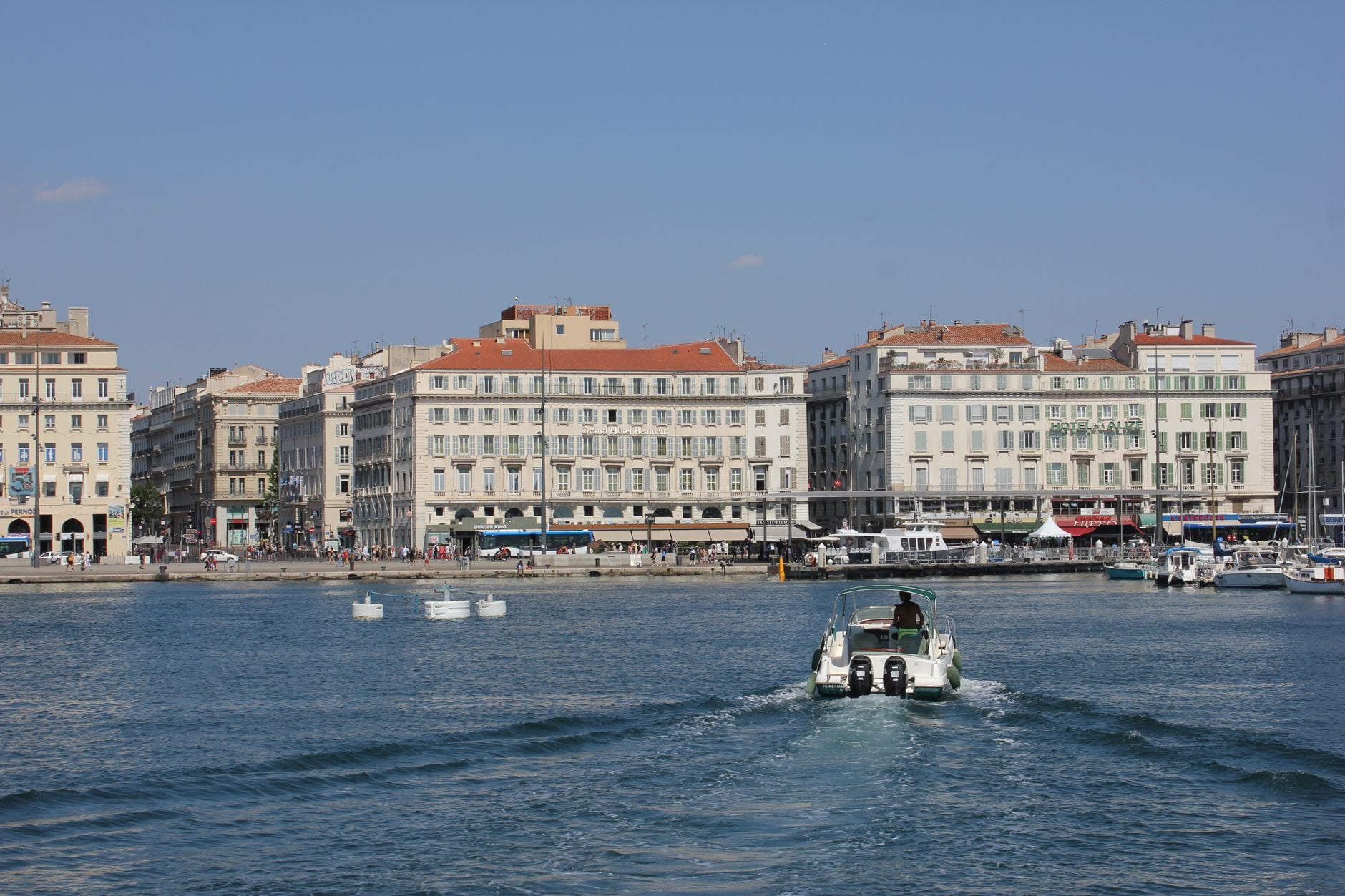
Район Vieux Port, старое сердце города, остается центральным. На набережной расположено множество ресторанов, кафе и баров, многие из которых привлекают разнообразную публику, включая местных представителей квир-сообщества. Улицы вокруг него также предлагают другие места, дружелюбные к ЛГБТК+.
Чуть выше Vieux Port находится Le Panier — богемный лабиринт узких улочек, независимых галерей и винтажных магазинов. Он стал более туристическим, но по-прежнему ощущается аутентично творческим и приветствует квир-путешественников. Отличное место для прогулок, поиска кафе и погружения в местную жизнь.
Course Julien, в центре города, — еще одно место с эклектичным сочетанием магазинов, ресторанов и баров. Здесь царит молодая, артистическая атмосфера, и это место популярно как среди местных жителей, так и среди гостей, включая ЛГБТК+ сообщество.
Ночная жизнь
В Марселе нет одного сконцентрированного гей-квартала. Бары и клубы разбросаны. Вы найдете бары и кафе, ориентированные на гей-аудиторию, особенно в районе Vieux Port и центральных кварталах. Некоторые предназначены только для геев, другие — смешанные и дружелюбные к квир-посетителям.
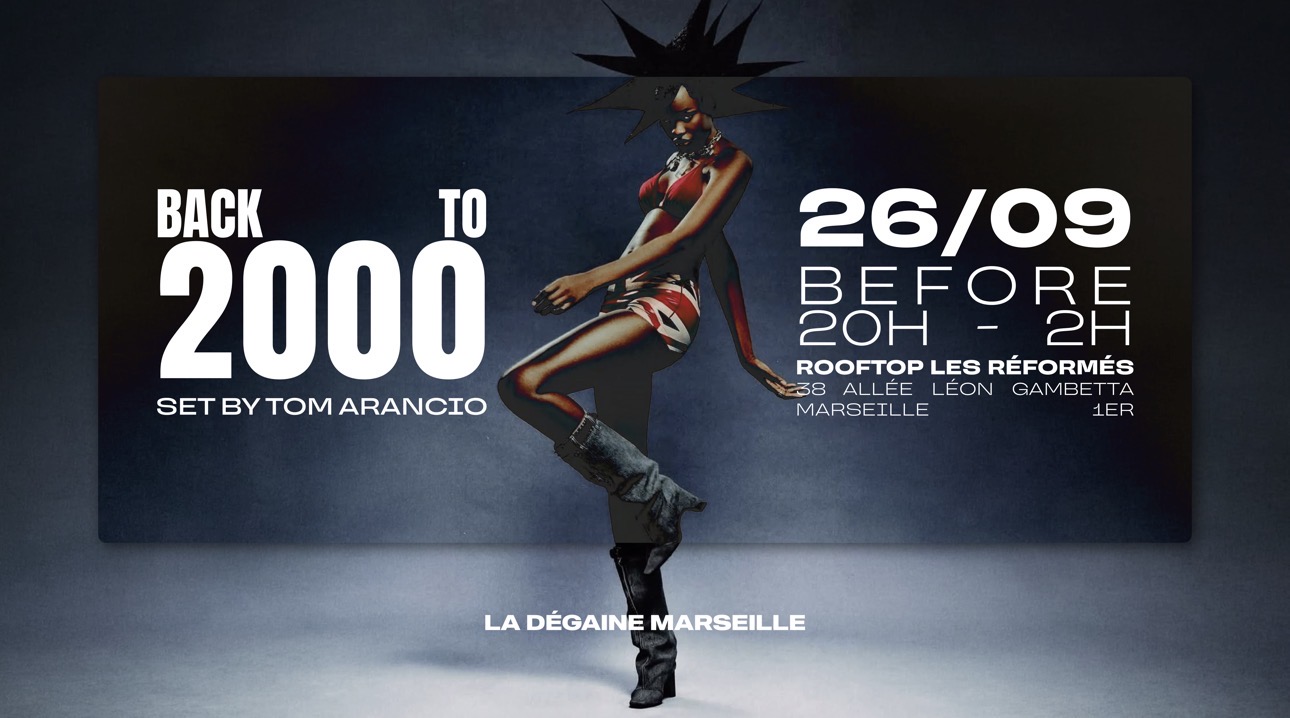
Ночная жизнь здесь менее масштабна, чем в Париже, но очень аутентична. Летом больше открытых пространств, а бары и террасы на набережной становятся естественными местами встреч. В некоторых заведениях проводятся тематические вечеринки, выступают диджеи и иногда устраиваются представления для ЛГБТК+ публики.
Прайд и мероприятия
Marseille Pride (Marche des Fiertés de Marseille) обычно проходит в мае. Это главное ЛГБТК+-событие города, включающее парад, концерты, культурную программу и вечеринки. В последнее время оно набирает обороты благодаря поддержке городских властей.
Помимо Прайда, Марсель круглый год предлагает разнообразные культурные мероприятия. В городе проводятся кинофестивали и художественные выставки, которые часто включают контент на ЛГБТК+-тематику, даже если это не всегда афишируется. Летом, в июле и августе, когда туристический поток достигает пика, ищите пляжные вечеринки и клубные мероприятия.
Где остановиться
Проживание недалеко от Vieux Port обеспечивает легкий доступ к ресторанам на набережной, достопримечательностям и большей части светской жизни. Отели здесь варьируются от роскошных до бюджетных. Это самый туристический район, но и самый удобный.
Le Panier предлагает более богемную атмосферу. Здесь вы найдете гостевые дома, небольшие отели и апартаменты для отдыха. Район удобен для пеших прогулок и очень атмосферный, но может быть многолюдным, особенно на главных улицах.
Районы Course Julien и City Center позволят вам быть ближе к ресторанам, барам и местной жизни, минуя туристическую суету Vieux Port. Эти районы имеют хорошее транспортное сообщение и больше напоминают повседневный Марсель.
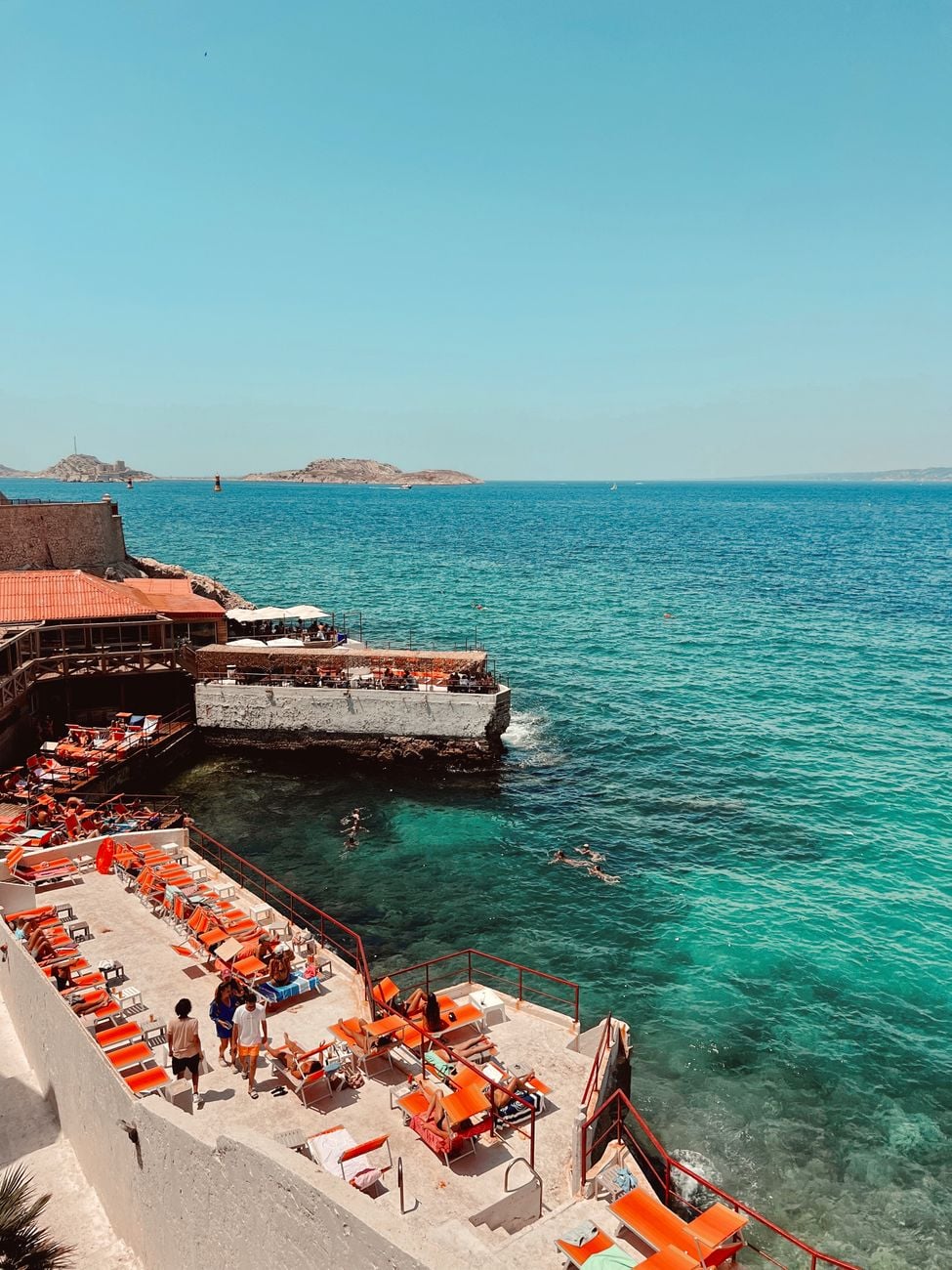
Если вы хотите провести время на пляже, остановитесь в близлежащем Cassis или в небольших прибрежных городках. Просто имейте в виду, что городская ЛГБТК+-сцена там будет не такой активной.
Как передвигаться
В Марселе действует эффективная система общественного транспорта (RTM) с линиями метро, автобусов и трамваев. Метро соединяет основные районы, делая передвижение по городу легким и недорогим. В центральных районах также удобно передвигаться пешком, особенно между Vieux Port и близлежащими кварталами.
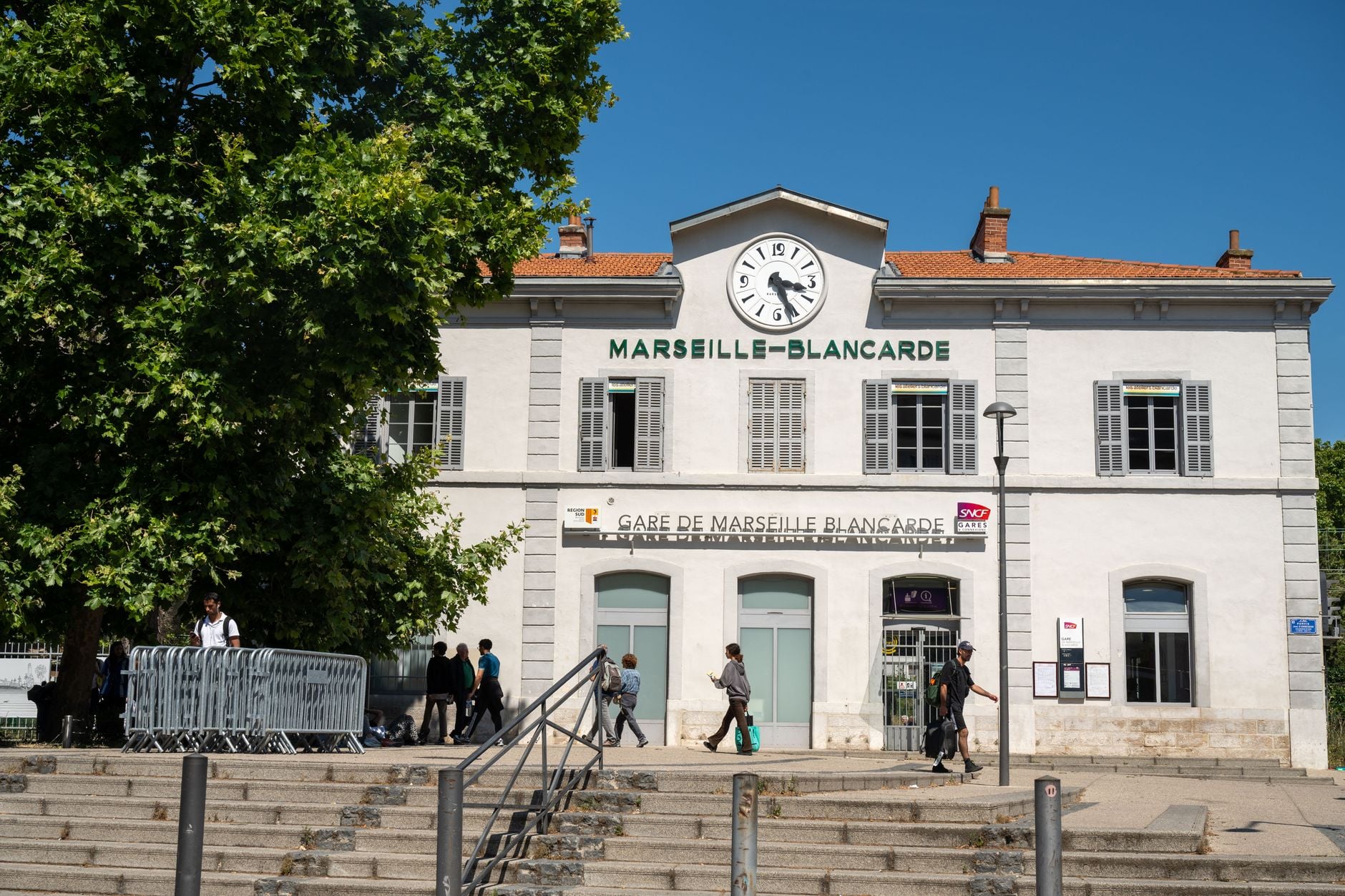
Город хорошо связан региональными поездами (SNCF). Вы можете добраться до Парижа примерно за 3 часа, а Лион, Ницца и другие французские города также доступны прямыми рейсами. Аэропорт Marseille-Provence (MPR) находится примерно в 25 километрах к северу от центра города, откуда до города можно добраться на шаттлах, такси или арендованном автомобиле.
Безопасность
Марсель в целом безопасен для ЛГБТК+ путешественников, особенно в центральных туристических районах. Во Франции действуют строгие антидискриминационные законы и легализованы однополые браки. Тем не менее, как и в любом большом городе, соблюдайте обычные меры предосторожности, особенно ночью или в безлюдных местах. На Vieux Port, несмотря на обилие туристов, случаются мелкие кражи; следите за своими вещами. За пределами основных туристических зон в целом безопасно, но после наступления темноты там меньше людей.
В Марселе проживают большие иммигрантские общины из Северной Африки и других регионов. Это добавляет городу колорита, но также означает, что отношение к ЛГБТК+ людям может различаться в зависимости от района, несмотря на законодательную защиту. Центральные, туристические районы и артистические сообщества в Le Panier и Course Julien отличаются особой дружелюбностью к ЛГБТК+.
Еда и культура
Марсельская кухня — это средиземноморская и провансальская, с обилием морепродуктов. Буйабес, традиционное рыбное рагу, — местный специалитет, хотя в туристических местах оно может быть дорогим. Город отлично подходит для непринужденного ужина: рестораны и кафе на любой вкус и кошелек расположены по всему Vieux Port и в центральных районах.
Культурно вы найдете Musée des Beaux-Arts, пространства современного искусства и галереи, особенно в Le Panier и вокруг Cours Julien. Базилика Нотр-Дам-де-ла-Гард возвышается над городом и стоит посещения. Набережная прекрасно подходит для прогулок, особенно на закате.
В Марселе сильная музыкальная и художественная сцена, с живыми выступлениями, выставками и мероприятиями. Творческое сообщество города проявляется в уличном искусстве, независимых галереях и концертных площадках в центральных районах.
Однодневные поездки
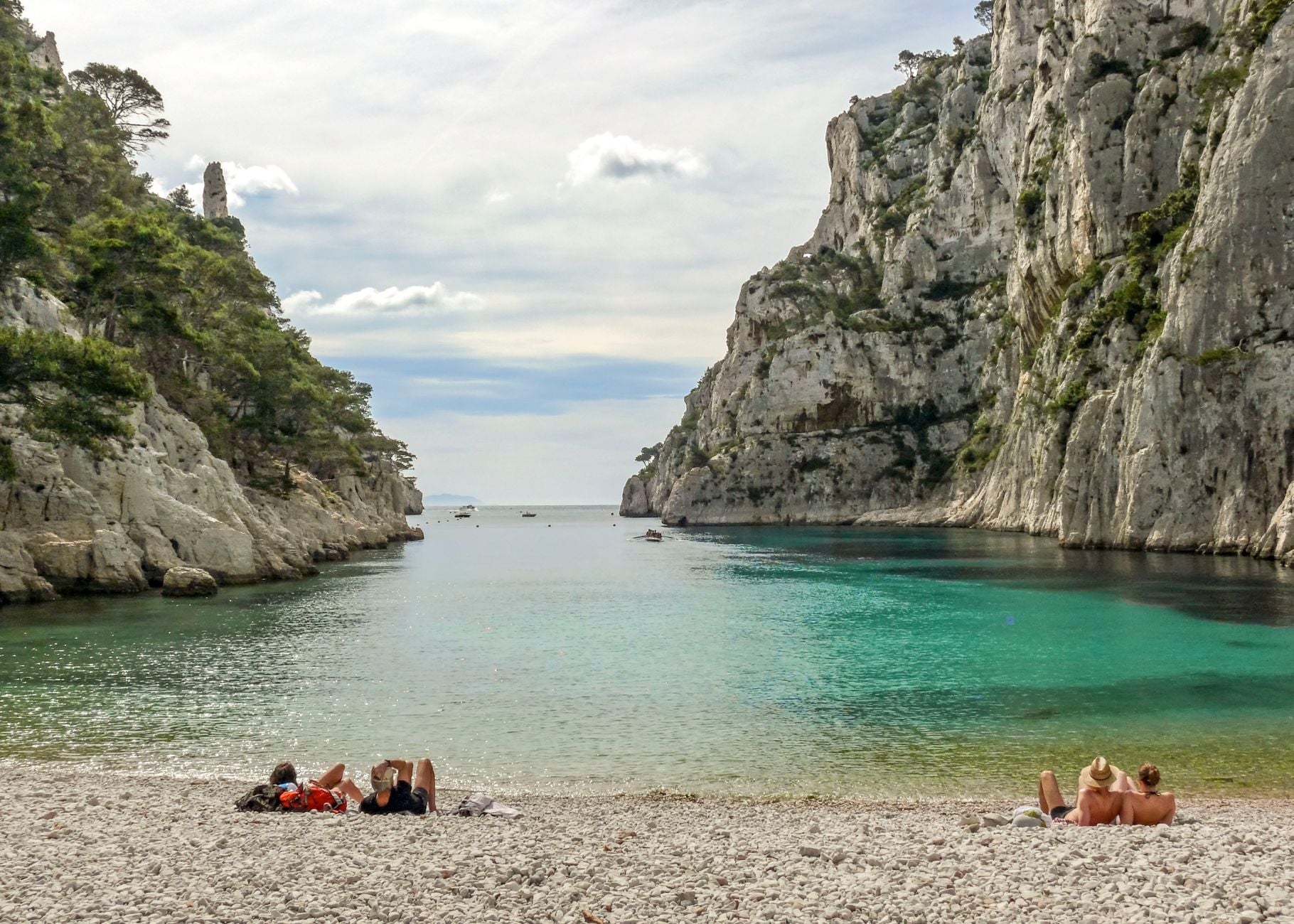
Кассис (Cassis), расположенный примерно в 30 километрах к юго-востоку, — это прибрежная деревня с живописными известняковыми скалами, небольшими пляжами и хорошими морепродуктами. Каланки (известняковые бухты) между Кассисом и Ла-Сьота (La Ciotat) потрясающи, и их можно осмотреть с борта лодки или во время пешего похода. Кассис легко доступен на поезде (около 40 минут) и является отличным вариантом для однодневной поездки.
Авиньон, расположенный в 30 километрах к северу, — это элегантный университетский город с прекрасной архитектурой и оживленной общественной жизнью. До него около 45 минут езды на поезде из Марселя, и он предлагает более утонченный провансальский опыт.
До островов Йерских островов — Поркероля, Пор-Кро и острова Левант — можно добраться на пароме из близлежащего Йера (примерно час езды от Марселя). На этих островах есть пляжи, природные заповедники, и нет автомобилей. Остров Левант давно ассоциируется с нудизмом и альтернативными сообществами.
С июля по август цветут лавандовые поля Прованса. Районы вокруг Валанса и в департаменте Дром доступны для однодневных поездок или более длительных экскурсий из Марселя.
Практическая информация
Основной язык — французский. Английскую речь вы услышите в туристических местах и от молодежи, но не повсеместно. Знание основ французского языка пригодится.
Во Франции используется евро. Марсель дешевле Парижа, но все же требует умеренного бюджета. Обычный обед обойдется в €7-15; изысканный ужин — от €30+. Цены на проживание зависят от места и сезона.
С мая по сентябрь стоит теплая погода, а летние месяцы — пик сезона. В мае проходит Прайд. Весна и ранняя осень предлагают приятную погоду с меньшим количеством туристов.
Большинству посетителей потребуются действующие паспорта. Гражданам ЕС/ЕЭЗ и многих других стран виза для въезда во Францию не требуется. Уточняйте актуальные требования в консульствах Франции.
Часто задаваемые вопросы
В Марселе растет принятие гей- и лесбийского сообщества, разнообразие стало нормой. Район Vieux Port описывается как безопасный и хорошо освещенный с постоянным потоком людей.
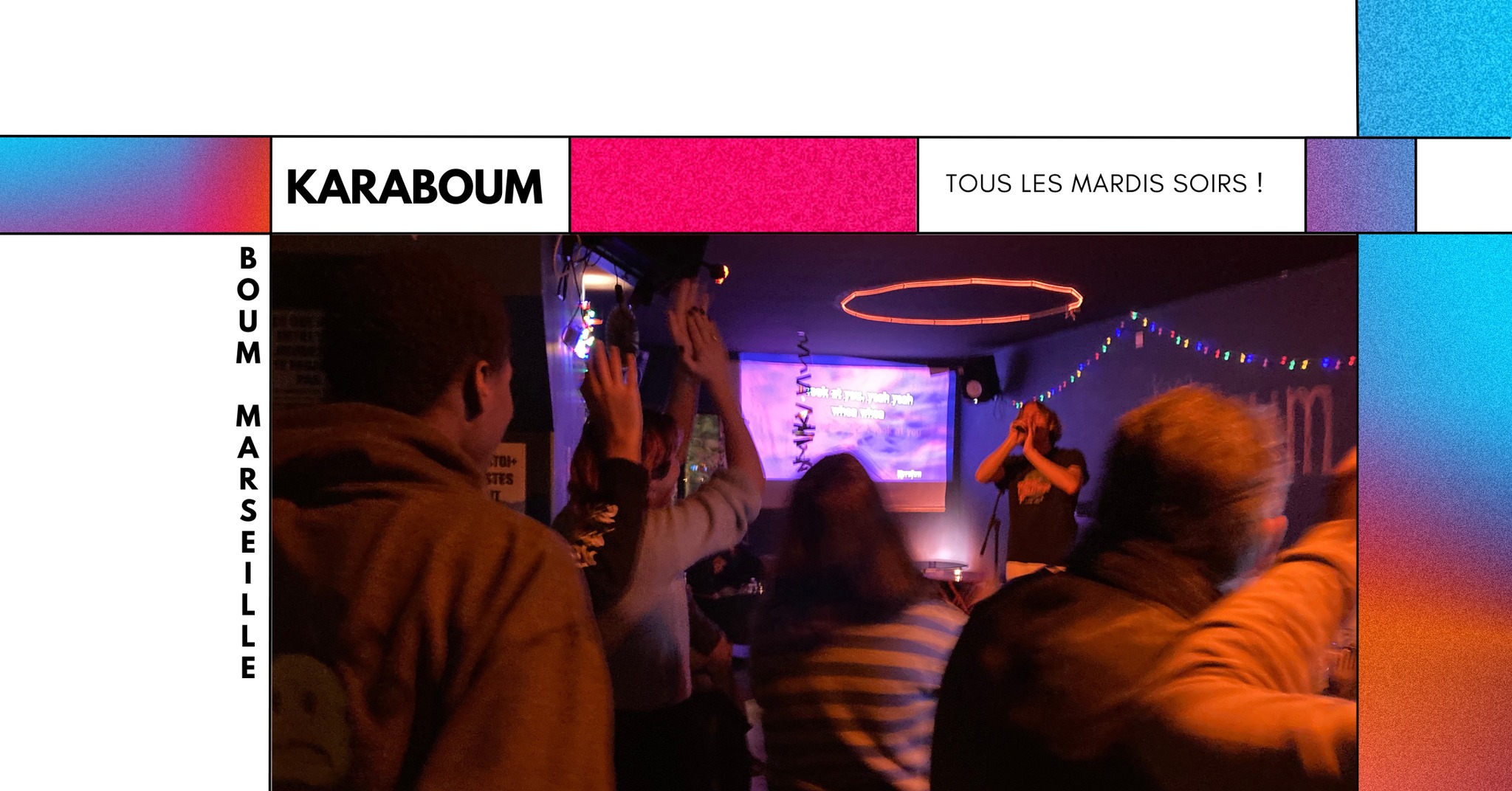
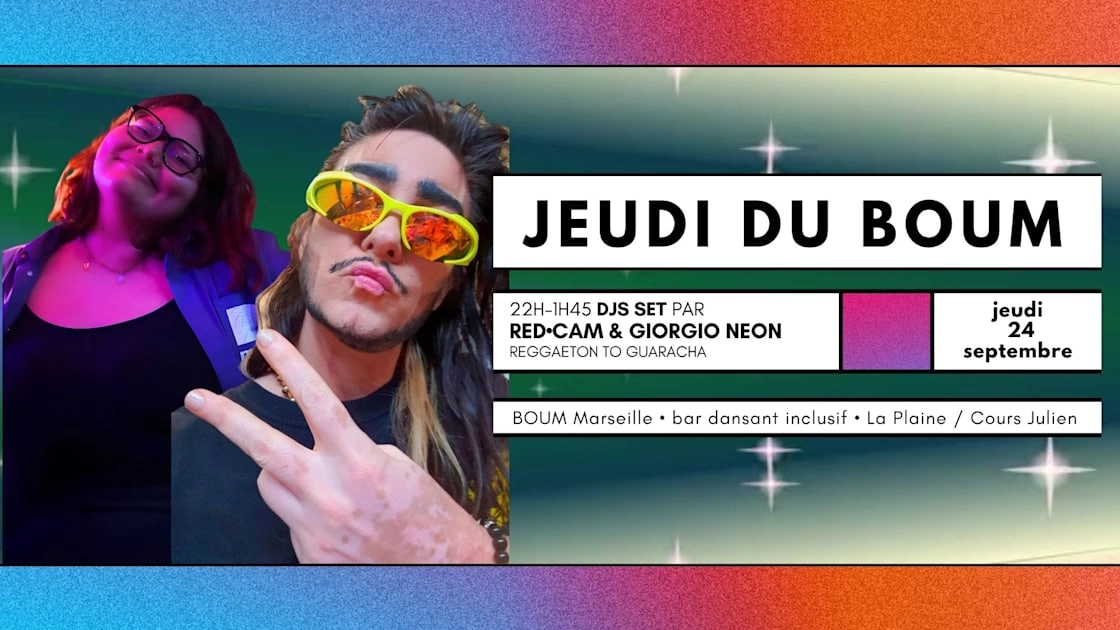
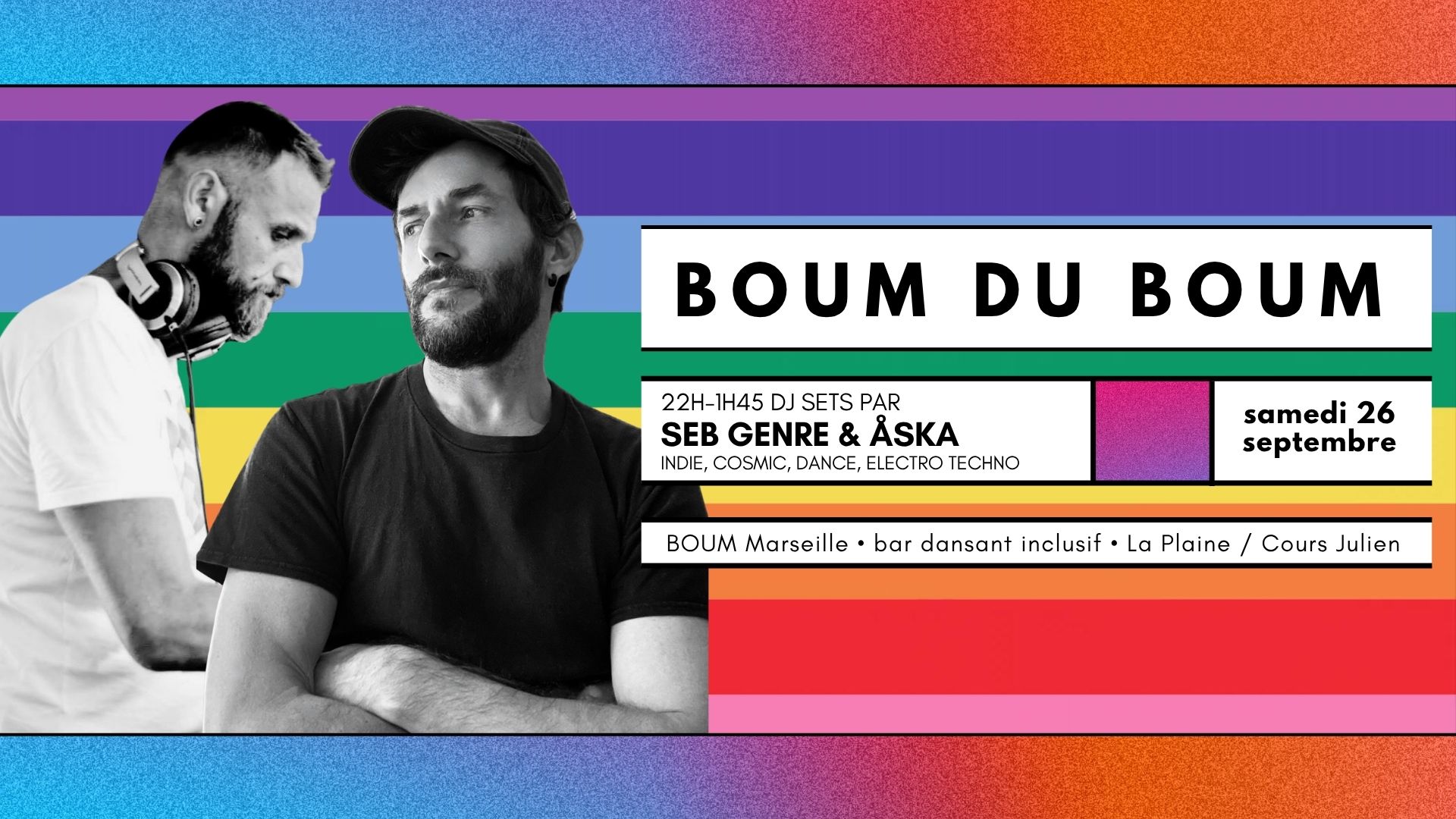
В Марселе нет единого гей-квартала в стиле Marais, но его сцена сконцентрирована. Основной центр сегодня — это Cours Julien / La Plaine (6-й округ), где расположены Le Pulse, L Annexe и Le Boum, а также более старый кластер баров и клубов недалеко от Vieux-Port и Noailles (Le New Cancan, L Enigme, Le Mineshaft, The Trash Bar).
Марсельский гей-ночной жизни сосредоточен вокруг Cours Julien / La Plaine (Le Pulse на 94 Cours Julien, L Annexe, квир-бар Le Boum), а также более старого кластера недалеко от Vieux-Port — давно существующий гей-клуб Le New Cancan, клуб для знакомств L Enigme, кожаный клуб Le Mineshaft и бар с darkroom The Trash Bar. Он меньше и больше управляется сообществом, чем парижская сцена.
Единого официального гей-района нет, но гей-сцена узнаваемо сконцентрирована вокруг Cours Julien / La Plaine (6-й округ) с барами, а второй, более старый ночной кластер находится недалеко от Vieux-Port и Noailles. Сообщество хорошо интегрировано в более широкий город, а не сосредоточено на одной улице.
Pride Marseille (Marche des Fiertés) проводится в начале июля и организуется Fierté Marseille Organisation. В 2025 году (32-й по счету, проводится ежегодно с 1993 года) собралось около 40 000 человек; в 2026 году марш стартовал на Place Castellane. Отдельный, более радикальный Pride Radicale проходит в пятницу вечером перед этим.
Ночная жизнь Марселя для геев более скромная, чем в крупных французских городах, и подходит путешественникам, ищущим спокойного общения. Сцена не обладает коммерческой плотностью, характерной для больших городов.
Настройки приватности.
Мы используем файлы cookie, чтобы обеспечить работу GayOut и, с вашего согласия, измерять использование. Подробнее
Настройки приватности
Мы используем куки, чтобы сайт работал, запоминал ваши настройки и (с вашего согласия) собирал статистику использования. Вы можете принять всё, отклонить или выбрать сами. Подробнее
Необходимые
Нужны для входа, защиты от мошенничества, защиты CSRF и сохранения языка. Отключить нельзя.
Всегда включено
Запоминают избранное, тёмный режим и другие настройки интерфейса между визитами.
Помогают нам понять, какие страницы посещают (Google Analytics, серверная статистика), чтобы мы могли улучшать сайт.
Используются пикселями отслеживания рекламы. Сейчас не активны, оставлены на будущее.
Установить GayOut
Добавьте GayOut на главный экран — быстрый доступ, избранное офлайн и анонсы Прайдов.













 Гей-бары и клубы
Рекомендуем
Гей-бары и клубы
Рекомендуем