








![🃏 Wild Card Energy: A Queer Uno Tournament [by QuizHer Collective] 💲](https://secure.meetupstatic.com/photos/event/2/5/d/600_535020605.jpeg)


В этом гиде · 6 разделов
/
Gay Atlanta Guide 2026
/
?>
Гей-сцена Атланты: столица квир-культуры Юга
Атланта — не самая очевидная столица ЛГБТК+ в американском воображении — этот статус принадлежит Нью-Йорку, Сан-Франциско, Лос-Анджелесу. Но для каждого, кто проводил время в этом городе, особенно во время фестиваля Atlanta Pride в октябре или во время Labor Day, когда Black Gay Pride преобразует метрополию, это утверждение невозможно оспорить: Атланта — столица квир-культуры американского Юга и один из самых важных ЛГБТК+ городов Соединённых Штатов.
Причины глубокие. Чёрное сообщество Атланты — самое крупное и влиятельное на любом Южном городе — включает чёрное ЛГБТК+ население необычайной живости, которое сформировало национальную культуру далеко за пределами города. Исторически чёрные университеты (HBCU), сосредоточенные в Атланте (Morehouse, Spelman, Clark Atlanta, Morris Brown), привносят поколения молодых чёрных интеллектуалов и культурных деятелей в город, и их квир-выпускники создали институты и сообщества, которые распространяют влияние. Цепочка вечеринок с центром в Jungle Atlanta, культура драга, сцена ball, религиозные учреждения, выбравшие поддержку вместо исключения — всё это отражает чёрную квир-культуру, специфичную для Атланты и отличающуюся от чего-либо в Нью-Йорке или Лос-Анджелесе.
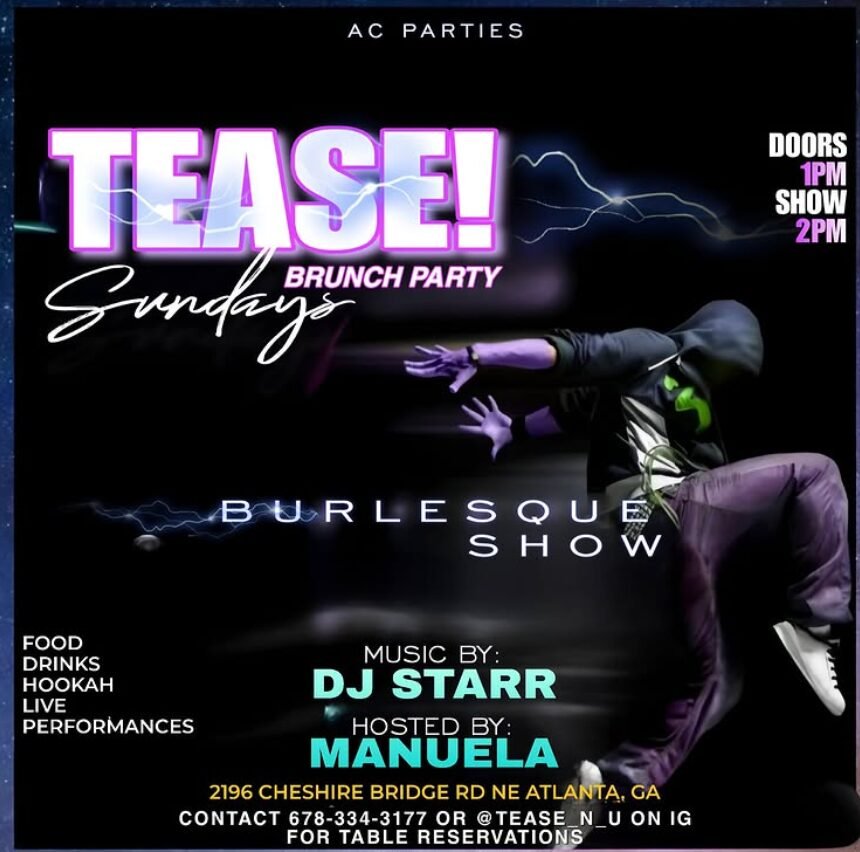
Одновременно белое и латинское гей-сообщества Атланты превратили Midtown в один из самых концентрированных гей-районов Юга: 10-я улица и проспект Piedmont, Ansley Square, участок парка Piedmont Park, который становится фестивалем Pride каждый октябрь. Коридор Cheshire Bridge Road вмещает заведения для взрослых — сауны, бар кожаной культуры, ночной клуб — в полосе, которая функционирует как эквивалент Атланты в Castro или Boystown, если бы эти районы располагались в пригороде Джорджии и требовали автомобиля для удобной навигации.
Midtown: сердце гей-сцены Атланты
Midtown Atlanta — это место, где сосредоточивается гей-география города. Район простирается примерно от 10-й улицы на север до 17-й улицы, ограничен проспектом Piedmont на востоке и улицей Peachtree на западе, с парком Piedmont Park в центре. Сам парк является социальным центром гей-сообщества Атланты — люди, выгуливающие собак, бегуны, люди с пикниками, и летнее солнце собираются в пространстве, которое становится сценой для Atlanta Pride каждый октябрь.
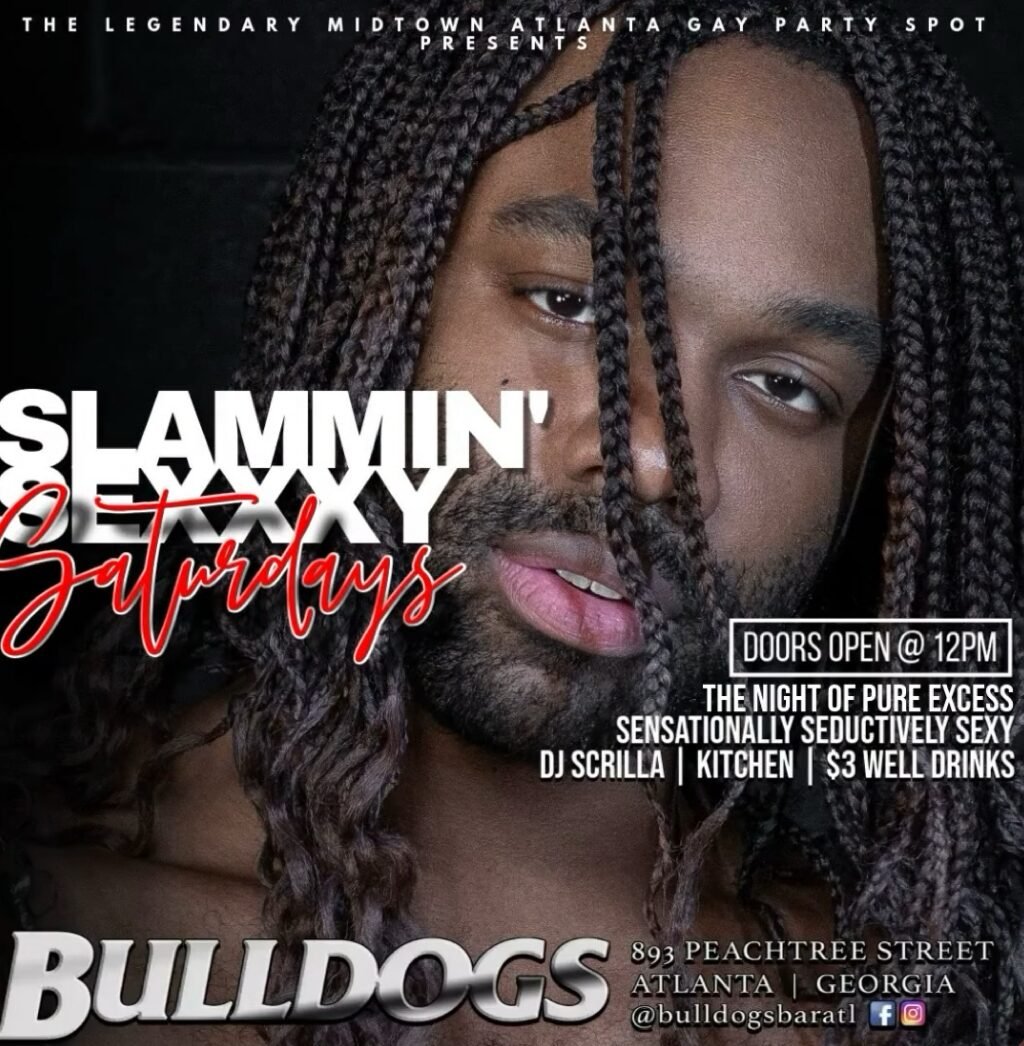
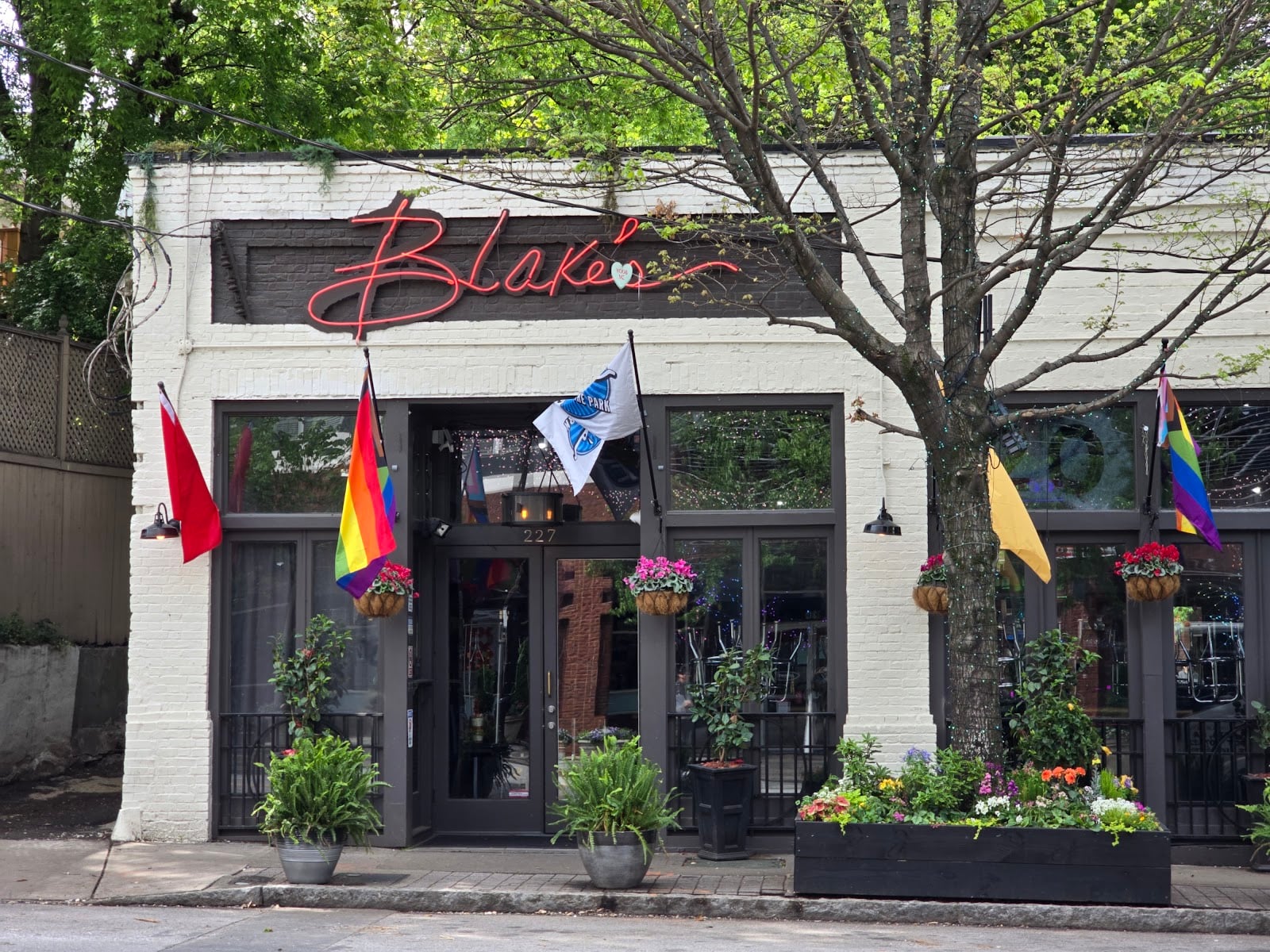
Барный район центрирован вокруг 10-й улицы NE и проспекта Piedmont Avenue NE. Blake's on the Park на углу 10-й и Piedmont якорит эту полосу более тридцати лет — терраса на крыше с видом на парк — это необходимый опыт открытого гей-бара Атланты. Короткая прогулка вверх по проспекту Piedmont Avenue приводит к Burkhart's в Ansley Square, видео-бару, цены и атмосфера которого напоминают более простые времена. Барный район Friends on Ponce связывает Midtown с коридором Ponce de Leon, где Hotel Clermont и его легендарный подвальный стрип-клуб (Clermont Lounge, работающий с 1965 года) представляют самый сконцентрированный слой ЛГБТК+ культурной истории города.
Парк Piedmont Park играет центральную роль за пределами фестиваля Pride. Парк принимает ежегодный фестиваль Dogwood Festival, мероприятия Atlanta Film Festival и в течение тёплых месяцев обеспечивает коммунальное открытое пространство, которое заставляет гей-сцену Атланты функционировать иначе, чем в северных городах: люди собираются, общаются и гуляют по парку так, как это возможно только в городе, где климат позволяет это восемь месяцев в году.

Cheshire Bridge Road: коридор для взрослых
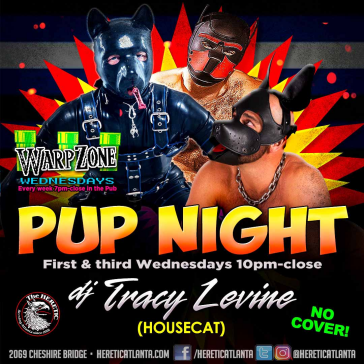
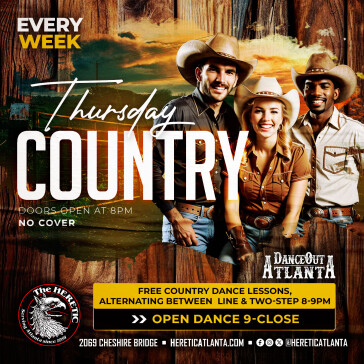
Cheshire Bridge Road, к северу от Midtown рядом с границей Buckhead, — это коридор взрослого развлечения Атланты — полоса, где ночной клуб, сауна и бар кожаной культуры собираются вместе так, как такие заведения когда-то делали в каждом крупном американском городе до того, как давление недвижимости их рассредоточило. Jungle Atlanta, самый крупный гей-ночной клуб города, якорит эту площадь. Steam Atlanta обеспечивает сауну поблизости. Бар The Heretic leather bar находится на той же полосе.
Эта концентрация — одновременно удобство и отражение того, как гей-сцена Атланты организовала себя вокруг автомобиля: Cheshire Bridge Road не проходима пешком из барного района Midtown, но это десятиминутная поездка и легко найти. Для посетителей, арендующих автомобиль — чем занимается большинство посетителей Атланты — коридор полностью доступен и стоит поездки.
Чёрная ЛГБТК+ Атланта: культура и сообщество
Ни один аспект ЛГБТК+ сцены Атланты не более отличительный и не более важный, чем её чёрная квир-культура. Атланта привлекает чёрное ЛГБТК+ население со всего Юга десятилетиями, функционируя как убежище в регионе, где быть чёрным и гей исторически означало навигацию по двум видам маргинализации одновременно. Чёрные церкви города — многие из которых явно поддерживают ЛГБТК+ — обеспечивают духовную инфраструктуру, которая ни один другой американский город не может предоставить. HBCU обеспечивают интеллектуальное и социальное сообщество.
Цепочка вечеринок — это место, где чёрная квир-Атланта наиболее видна для посторонних: выходные Black Gay Pride в день Labor Day, организованные In The Life Atlanta, — это самое крупное чёрное ЛГБТК+ собрание Pride в мире. Отели забронированы месяцы заранее. Jungle Atlanta проводит самые посещаемые мероприятия года. Дневные вечеринки у бассейнов в Buckhead, пикники в парках, богослужения в поддерживающих конгрегациях — выходные функционируют одновременно как ночная жизнь, сбор сообщества и культурное празднество.
Сцена ball — конкурентная культура вог и перформанса, возникшая в Нью-Йорке и изображённая в Paris Is Burning и Pose — имеет крупное отделение в Атланте, которое конкурирует на национальном уровне. Сцена драга включает исполнителей, появившихся на RuPaul's Drag Race, и других, которые выступают исключительно в цепочке Атланты и сохраняют локальную известность, которую национальное телевидение не может захватить.
Lost-N-Found Youth, организация ЛГБТК+ молодёжных бездомных услуг, и организации, такие как ZAMI NOBLA (National Organization of Black Lesbians on Aging), говорят о глубине инфраструктуры чёрного квир-сообщества Атланты — услуги, которые существуют потому, что сообщество их создало, а не потому, что основной сектор социальных услуг их предоставил.

Atlanta Pride: октябрь в парке Piedmont Park
Atlanta Pride проходит в октябре — необычно в национальном календаре, где большинство крупных мероприятий Pride сосредоточены в июне около годовщины Stonewall. Выбор октября намеренный: летняя жара и влажность Атланты, которые могут поднять ощущаемую температуру выше 100°F в июне и июле, делают парковый открытый фестиваль намного более комфортным осенью. Результат — один из самых физически прекрасных параметров Pride в стране: парк Piedmont Park в октябре Джорджии, с тёплым золотистым послеполуденным светом и температурами в семидесятых Фаренгейтах.
Событие привлекает более 300 000 человек в течение его двух основных дней, делая его одним из самых крупных мероприятий Pride в Соединённых Штатах. Фестиваль заполняет парк Piedmont Park несколькими концертными сценами, деревней продавцов, палатками организаций сообщества и общим зрелищем города, празднующего своё ЛГБТК+ сообщество во всю силу. Парад в воскресенье через Midtown, вниз по улице Peachtree и в парк, — это кульминация: сотни поплавков, групп сообщества и контингентов со всего Юга маршируют в событии, которое для многих жителей ЛГБТК+ Атланты — самый важный день года.
Atlanta Pride была основана в 1970 году — один год после Stonewall — и непрерывно развивалась из небольшого собрания в парке Piedmont Park в один из главных ЛГБТК+ фестивалей Америки. Её октябрьское расписание стало особенностью американского календаря Pride: Атланта закрывает сезон со стилем.
Практическое руководство
Как добраться: Hartsfield-Jackson Atlanta International Airport (ATL) — самый загруженный аэропорт мира по объёму пассажиров, с прямыми соединениями практически со всеми крупными городами США и международными соединениями на Delta (домашняя авиакомпания Атланты) и другими авиакомпаниями. Аэропорт находится в 17 км южнее центра города. MARTA (Metropolitan Atlanta Rapid Transit Authority) обеспечивает прямое железнодорожное сообщение из аэропорта на станцию Five Points в центре и Midtown — наиболее удобный вариант для посетителей, остающихся в гей-районе Midtown.
Как передвигаться: Атланта спроектирована вокруг автомобиля. Система железных дорог MARTA имеет четыре линии и обслуживает основные направления — Midtown, Downtown, Buckhead — но не достигает Cheshire Bridge Road, East Atlanta Village или других ключевых мест. Большинство посетителей захотят арендованный автомобиль или будут полагаться на приложения для совместного использования (Uber и Lyft оба широко работают в Атланте). Барный район Midtown около 10-й улицы и проспекта Piedmont можно пройти пешком как район; коридор сауны и ночного клуба на Cheshire Bridge Road требует транспорта.
Когда посетить: Октябрь для Atlanta Pride — очевидный выбор — забронируйте жилье за четыре-шесть месяцев заранее для выходного дня Pride. Выходной день Labor Day (конец августа / начало сентября) для Black Gay Pride, что требует ещё более ранней бронировки, так как инвентарь отеля в метро полностью заполнится. Весна (март–май) и ранняя осень (сентябрь–октябрь) предлагают наиболее комфортную погоду. Избегайте конца июня по август для открытых мероприятий: жара и влажность экстремальны.
Где остановиться: Отели Midtown — лучшая база для гей-сцены. Hotel Clermont на Ponce de Leon предлагает наибольший характер. W Midtown, Loews Atlanta и многочисленные бутик-отели находятся в пешей доступности от парка Piedmont Park и барного района. Buckhead, к северу от Midtown, — жизнеспособная альтернатива с простым доступом через rideshare к гей-району.
Приложения**: Grindr доминирует в Атланте, как везде в США. Scruff имеет сильное присутствие в сообществе bear и leather. Jack'd исторически был важен в чёрном гей-сообществе Атланты и сохраняет более активных пользователей, чем в других крупных городах США.

