Legal since 1924; equal age of consent since 2012. No marriage, civil unions or adoption. Decree 1323 (2017) added sexual orientation and gender identity to Penal Code discrimination and hate-crime rules, but there is no broad civil anti-discrimination law. A May 2024 Health Ministry decree listed trans identities as mental-health codes; a June 2024 resolution reversed that. Discretion advised outside Lima's tourist districts.
Lima's LGBTQ+ history reflects broader Peruvian social developments. While same-sex relations have been legal in Peru since 1924 (much earlier than many Latin American countries), with an equal age of consent confirmed by the Constitutional Tribunal in 2012, legal protections remain incomplete. Despite these limitations, Lima has developed a visible and increasingly confident queer community, particularly among younger residents and in cosmopolitan neighborhoods. The city's LGBTQ+ activism gained momentum through the 1990s and 2000s, and Pride has grown into one of South America's largest and most vibrant celebrations.
LGBTQ+ cultural figures have contributed significantly to Lima's arts, music, film, and culinary scenes. The community has created spaces for expression despite legal constraints, and tourism from abroad has further energized the scene. Lima's status as a major international hub—drawing business travelers, tourists, and expatriates—has fostered a more accepting atmosphere than in more conservative Peruvian regions.
NEIGHBORHOODS
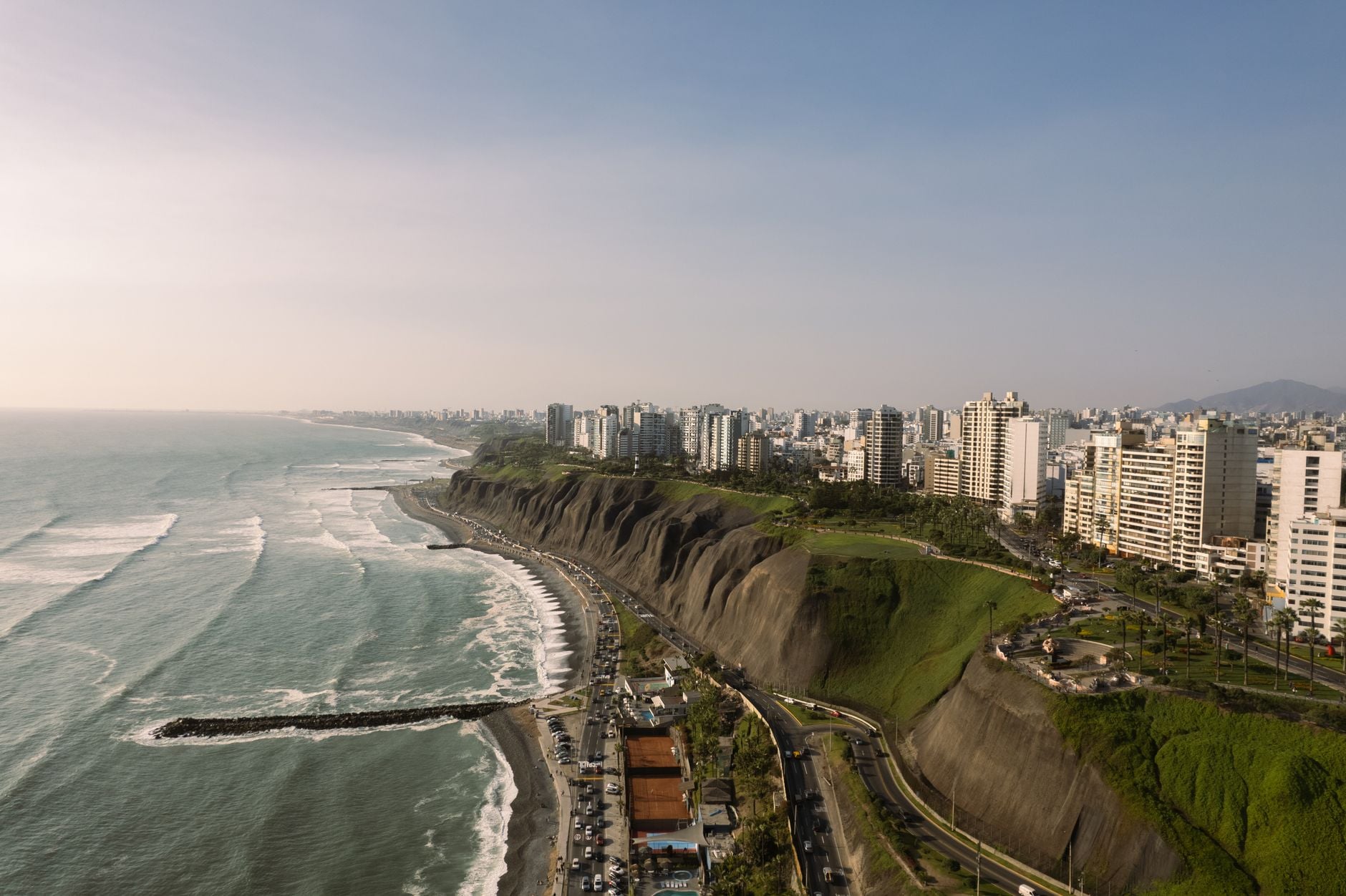
MIRAFLORES is the primary gay neighborhood and the heart of LGBTQ+ Lima. Perched on cliffs overlooking the Pacific Ocean, Miraflores is upscale, walkable, and filled with restaurants, galleries, shops, and bars. The area around the Óvalo Gutiérrez and Parque Kennedy holds the densest cluster of gay-oriented venues, including ValeTodo Downtown (Lima's flagship gay megaclub, on Pasaje Los Pinos) and the Open Deck cocktail lounge on Avenida la Paz. The neighborhood attracts affluent Limeños and international visitors, and it's generally very safe and welcoming. Parque Kennedy, the central plaza, is a hub for dining and people-watching. Miraflores offers beachfront access via Malecón (the coastal promenade), with parks and views perfect for daytime exploration.
BARRANCO, the city's bohemian seaside district, is the other key area for queer nightlife: it is home to Espacio Culpa, Lima's buzziest queer bar and cultural space on Avenida Pedro de Osma, plus gay-welcoming spots like Picas near the Puente de los Suspiros. LINCE and CERCADO DE LIMA (Centro) hold a grittier cluster of long-running gay bars, karaoke-drag venues and saunas (Out & Pride in Lince; Sagitario and the Barrio Rosa strip in Centro), while SAN BORJA has the veteran gay club La Cueva. SAN ISIDRO, adjacent to Miraflores, is upscale and quiet with galleries and cafes — a calm base rather than a nightlife district.
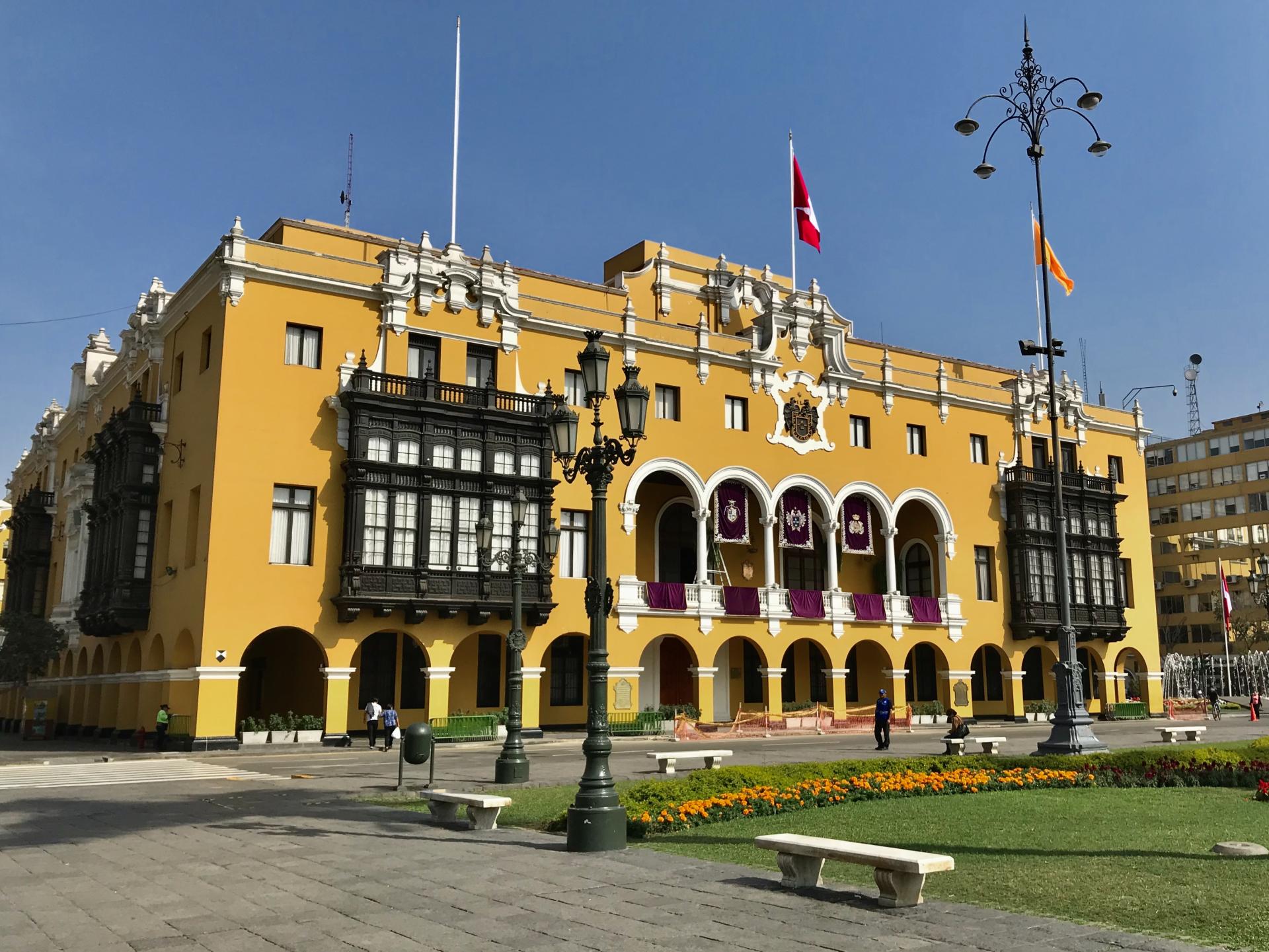
DOWNTOWN LIMA (Lima Centro) contains the historic colonial core and major museums but is less developed for LGBTQ+ tourism. The area is generally safe in busy tourist zones but requires more caution, especially at night. Most LGBTQ+ visitors base themselves in Miraflores or San Isidro.
VENUES AND NIGHTLIFE
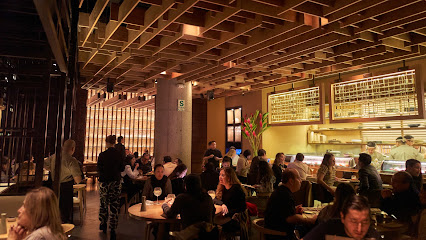
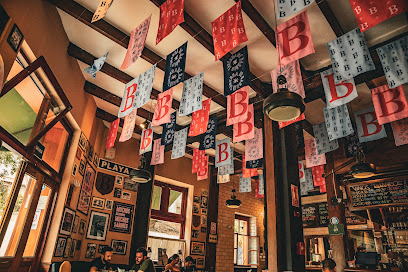
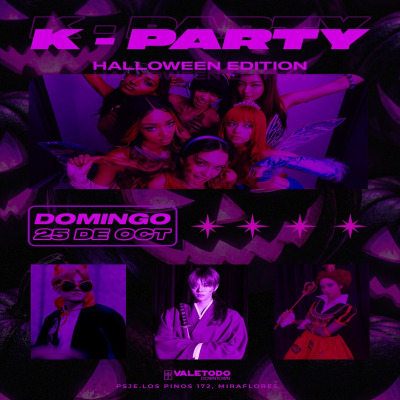
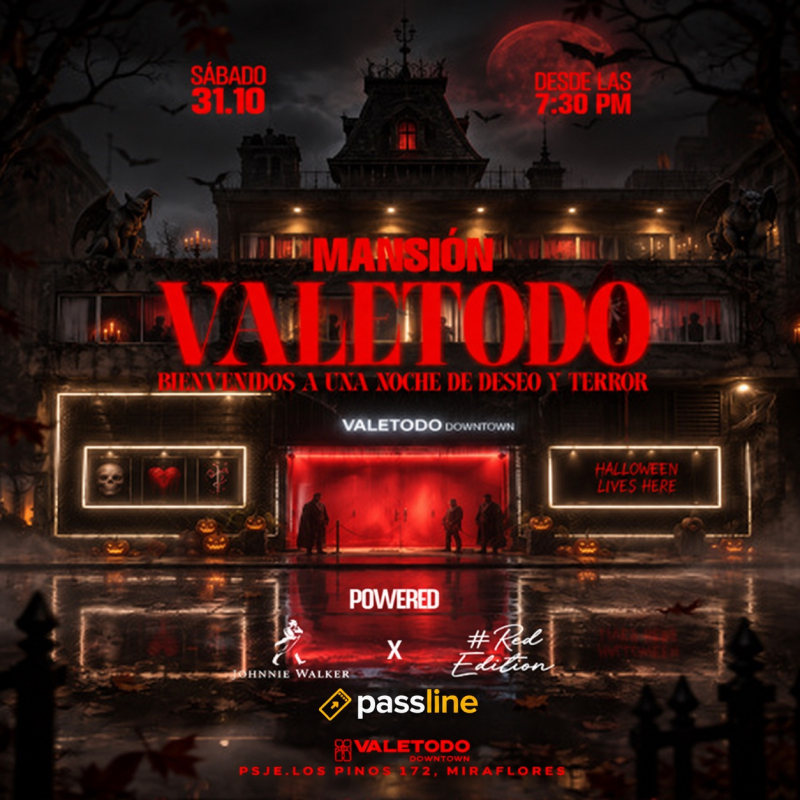
Lima's gay nightlife is spread across several districts rather than one strip. The anchor is ValeTodo Downtown in Miraflores — a two-floor megaclub with drag shows, go-go dancers and a cruise bar — alongside the Open Deck lounge and the Gay Coffee Bar café. Barranco brings Espacio Culpa's queer parties and film nights; Lince adds the Saturday-night favourite Out & Pride and karaoke-drag bars like Andel; and the Cercado de Lima / Barrio Rosa area in the historic centre keeps cheaper, wilder options such as Sagitario Disco & Sauna. As always, opening nights vary, so check current listings before heading out.
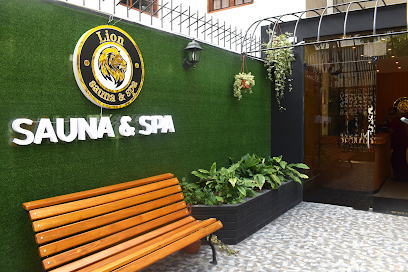
Lima has a well-established gay sauna scene. Standouts include 240Club (Baños Turcos 240) in the historic centre — often cited as the cleanest and most popular — plus Assia Spa for Men in Surquillo near Miraflores, the two branches of Sauna 69, Spartakus gym-spa in San Borja and Oupen Sauna downtown. Most are men-only; hours and crowds vary by day.
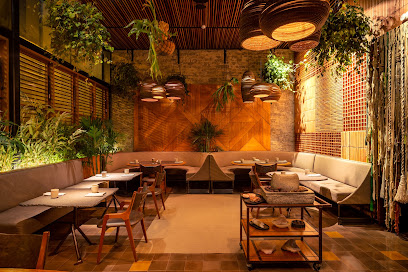
Miraflores and San Isidro also contain numerous general bars, restaurants, and clubs (not exclusively gay) that are LGBTQ+-friendly and welcoming to diverse crowds. Lima's dining scene is world-renowned, and most upscale restaurants welcome LGBTQ+ couples without issue.
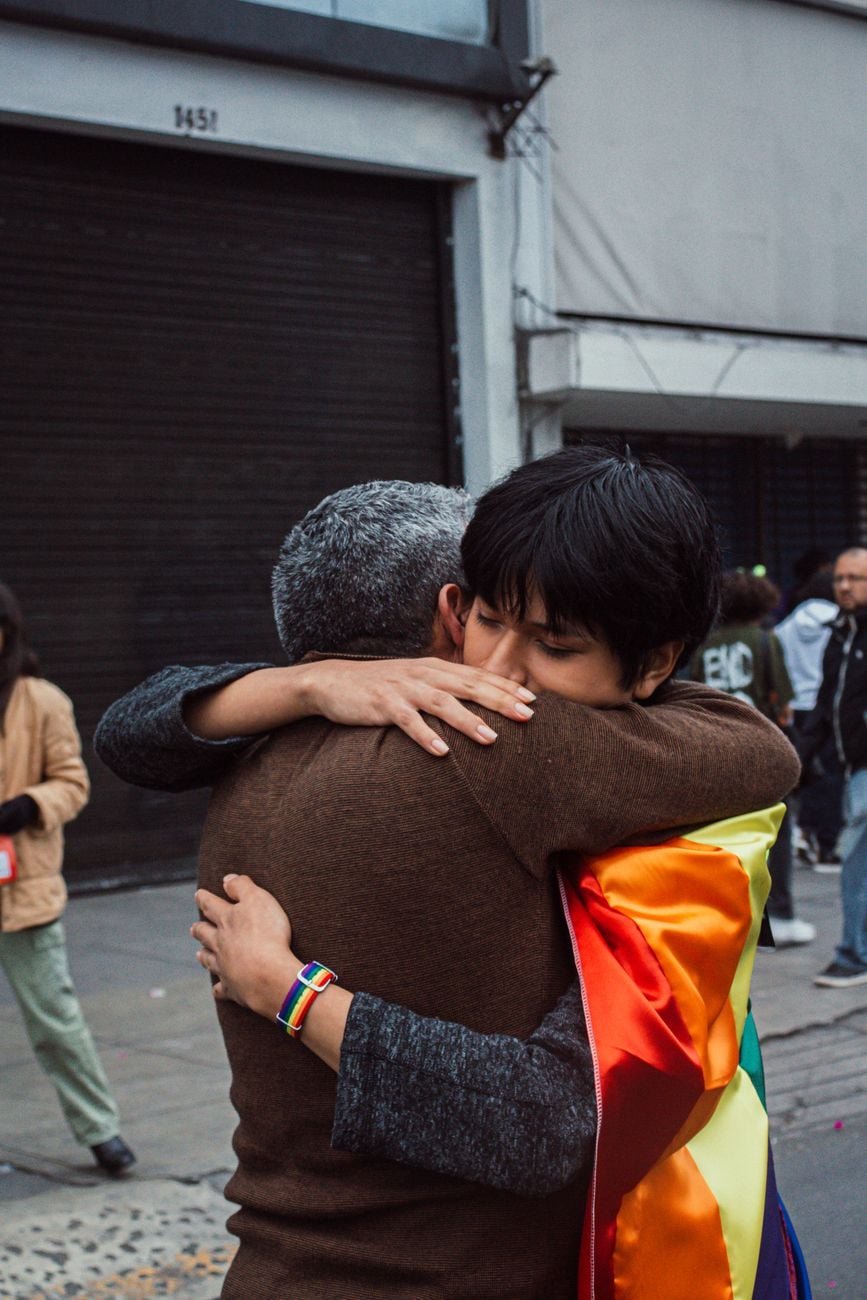
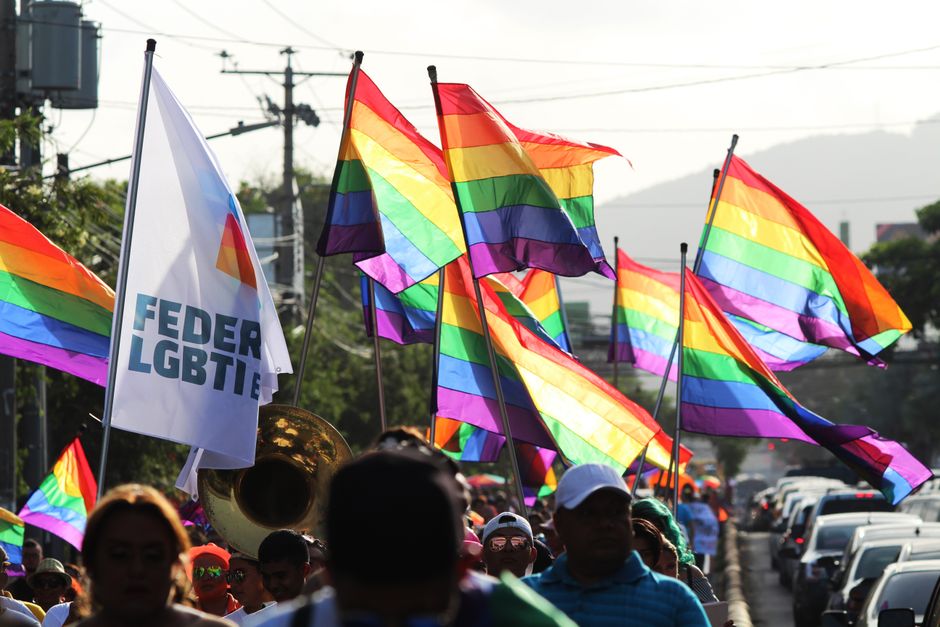
Lima Pride — the Marcha del Orgullo Lima, organised by the Colectivo Marcha del Orgullo Perú — is held in late June (Saturday 27 June in 2026), and is one of South America's largest Pride celebrations. The march gathers at the Campo de Marte in Jesús María and heads through central Lima along Garcilaso de la Vega and Avenida Nicolás de Piérola, drawing tens of thousands of participants, with concerts, parties and cultural events around it. The OutfestPerú LGBT+ film festival also runs each June. June pride festivities span multiple days and venues. The celebration has grown significantly and now rivals major Pride events on the continent in scale and visibility.
Other events include LGBTQ+-focused film festivals and cultural programming throughout the year, though specific dates vary annually.
WHERE TO STAY
MIRAFLORES is the most convenient base. Hotels range from budget hostels to luxury beachfront resorts. The neighborhood has high-quality accommodations at various price points, and staying there puts travelers within walking distance of most gay venues, restaurants, and attractions. Many boutique hotels and guesthouses actively welcome LGBTQ+ guests.
SAN ISIDRO offers similar accommodation options with a different atmosphere—more cultural, less nightlife-focused. Both neighborhoods are connected by short taxi rides or public transit.
Lima is globally recognized as a culinary destination, with numerous Michelin-starred and acclaimed restaurants. Miraflores and San Isidro contain the highest concentration of fine dining. Ceviche (raw fish in citrus marinade) is Peru's national dish and widely available. Lima's food scene reflects fusion of Spanish, Indigenous, African, Asian, and modern influences. LGBTQ+ couples will find the dining scene welcoming and sophisticated.
Casual dining options are abundant—street food, markets, and informal restaurants offer authentic Peruvian cuisine at lower prices. The Surquillo market (Mercado de Surquillo) in Miraflores is a colorful food market worth visiting.
SAFETY CONSIDERATIONS
Miraflores and San Isidro are among Peru's safest neighborhoods and generally welcoming to LGBTQ+ visitors. Standard urban safety precautions apply: avoid displaying expensive items, don't walk alone late at night in unfamiliar areas, and use registered taxis or ride-sharing apps rather than hailing taxis on the street. The tourist infrastructure is well-developed, and police presence in main tourist areas is visible.
Public displays of affection between same-sex couples are generally accepted in Miraflores and San Isidro but may attract attention in other areas. However, instances of harassment in tourist neighborhoods are uncommon.
Peruvian law does not provide anti-discrimination protections based on sexual orientation in all contexts, though enforcement varies. Same-sex marriage and adoption are not legal. However, these limitations primarily affect residents; tourists are unlikely to encounter legal issues. The Peruvian constitution does not explicitly protect LGBTQ+ rights, but Lima's progressive culture and tourism infrastructure make it generally safe for LGBTQ+ visitors.
PUBLIC TRANSIT
Lima's public transit includes buses, the Metro (underground rapid transit), and taxis. The Metro is affordable, efficient, and safe for daytime travel. Buses are extensive but can be crowded. Ride-sharing apps (Uber, Didi) operate in Lima and are convenient and safe options. Taxis should be registered (look for official markings). Most visitors in Miraflores and San Isidro can walk to attractions or use short taxi rides.
DAY TRIPS AND ATTRACTIONS
Within Lima: Museums include the Museo Larco (extensive art collection), Museo de la Nación (Peruvian history), and numerous others. The historic center (UNESCO World Heritage Site) contains colonial architecture and the main plaza. Coastal parks and beaches offer views and relaxation.
Nearby: Machu Picchu is approximately 560 miles away and typically requires a train journey to Cusco followed by transport to the site. Many visitors spend 3-4 days on a Machu Picchu trip. The trip is accessible but involves high altitude (affecting some travelers). Organized tours from Lima are widely available.
Nazca Lines are geoglyphs in the desert south of Lima, viewable by small plane tours departing from Lima or the town of Nazca.
Cuzco, Peru's ancient Incan capital, is 4 hours away by plane. It offers colonial architecture and proximity to Machu Picchu.
The beach towns south of Lima — such as Punta Hermosa and the summer resort strip of Asia — offer coastal relaxation and are reachable by car or bus.
CLIMATE AND WHEN TO VISIT
Lima's climate is mild and dry year-round due to its coastal desert location. June (Pride month) is winter in the Southern Hemisphere, with temperatures around 60-66°F (15-19°C), overcast mornings, and sunny afternoons. It's cool but generally pleasant. December-March is summer (70-80°F/21-27°C), warmer and sunnier, though the city's desert climate means humidity is relatively low year-round.
When to Visit
Best times to visit depend on preference: June for Pride, December-March for warmest weather, or May or September-October for pleasant temperatures and smaller crowds.
VISAS AND ENTRY
Most visitors from Western countries (US, Canada, UK, Australia, EU) do not need visas for Peru and receive 90-180 day tourist permits upon arrival. Passport validity of at least 6 months is typically required. Travelers should verify current requirements based on citizenship before travel.
Frequently asked questions
Same-sex relationships are not criminalized in Peru, and Lima generally maintains a tolerant atmosphere, especially in tourist and business districts. Miraflores is considered safe and walkable. Barranco requires more caution at night, and travelers should stick to main streets and established venues after dark.
Miraflores is Lima's premier gay destination, known for its upscale atmosphere and concentration of visible gay venues. Barranco, the artistic heart, also has LGBTQ+ venues alongside mainstream nightlife. Downtown Lima (Centro) is less developed for LGBTQ+ tourism and requires more caution.
Lima Pride — the Marcha del Orgullo Lima — takes place in late June each year (Saturday 27 June in 2026), organised by the Colectivo Marcha del Orgullo Perú. The march gathers at the Campo de Marte in Jesús María and moves through central Lima. June is also when the OutfestPerú LGBT+ film festival runs.
Yes. The flagship is ValeTodo Downtown in Miraflores, a large two-floor gay club with drag shows and a cruise bar. Other options include the Open Deck cocktail lounge and Gay Coffee Bar in Miraflores, Out & Pride in Lince, Sagitario Disco & Sauna in the historic centre, and Espacio Culpa, the queer bar and cultural space in Barranco.
While same-sex marriage and civil unions remain unsupported by national law, same-sex relationships are not criminalized. Lima's urban culture has become increasingly liberal and accepting.
Miraflores is recommended as it is an upscale residential and commercial district with modern infrastructure, excellent restaurants, shops, and hotels, and most visible gay venues cluster here. Barranco also has a vibrant nightlife scene that includes LGBTQ+ venues.
Your privacy choices.
We use cookies to run GayOut and, with your consent, measure usage. Learn more
Your privacy choices
We use cookies to keep GayOut running, remember your preferences, and (with your permission) measure how the site is used. You can accept all, reject all, or pick what you allow. Learn more
Essential
Required for sign-in, fraud prevention, CSRF protection and remembering your language. Cannot be disabled.
Always on
Remembers your favourites, dark mode and other interface preferences across visits.
Helps us understand which pages people visit (Google Analytics, server-side stats) so we can improve.
Used by campaign tracking pixels. None are active right now, reserved for future use.
Install GayOut
Add GayOut to your home screen for faster access, offline favourites, and Pride alerts.







 Gay Bars & Clubs
Featured
(1653)