Çek Cumhuriyeti'nin ikinci büyük şehri Brno, Prag'ın yaklaşık 200 kilometre güneydoğusunda, Moravia bölgesinde yer alıyor. Yaklaşık 380.000 nüfusu ve geniş öğrenci kitlesiyle, başkente kıyasla daha rahat, otantik bir Orta Avrupa deneyimi sunuyor. LGBTQ+ sahnesi kompakt ama samimi ve misafirperver: birkaç gay bar, bir gay sauna, köklü bir topluluk örgütü ve yerel bir Pride haftası; hepsi yürüyerek gezilebilen, hoşgörülü bir üniversite şehrinde bir araya geliyor.
BRNO'DA LGBTQ+ SAHNESİNİN TARİHİ
Çekoslovakya, eşcinselliği 1961'de, birçok Batı Avrupa ülkesinden çok daha önce suç olmaktan çıkardı. 1989'da komünizmin çöküşünün ardından LGBTQ+ görünürlüğü ve örgütlenmesi arttı ve Brno — entelektüel ve kültürel bir merkez olarak — bu alanda önemli bir Moravian merkezi haline geldi. Yerel sivil toplum kuruluşu STUD 1996'da kuruldu ve bugün de topluluğun bel kemiği olmaya devam ediyor. Brno Pride Week 2021'de başladı ve 2024'te uzun bir aradan sonra bir sokak Pride geçidi şehre geri dönerek halka açık görünürlükte yeni bir dönemi işaret etti.
GAY BARLAR, KULÜPLER VE GECE HAYATI
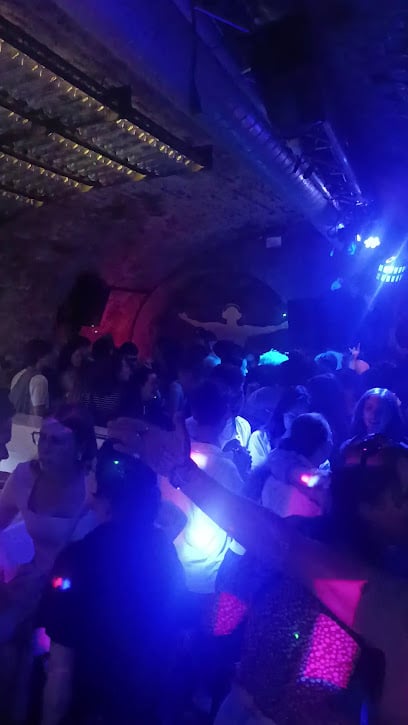
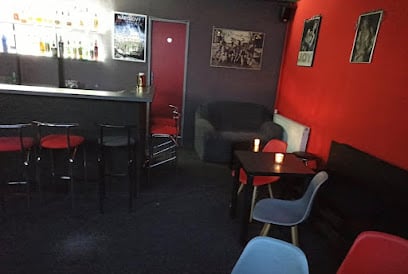
Brno'nun queer gece hayatı küçük ve şehir merkezine (Brno-střed) ve bitişiğindeki Staré Brno (Eski Brno) bölgesine odaklanmış durumda. Doğal ilk durak, şehrin en bilinen ve ziyaretçilere en açık gay barı olan Husova caddesindeki BUT Bar; hafta sonları drag şovları ve temalı gecelerle rahat, İngilizce konuşulan, hem gay hem de heteroseksüel dostu bir mekan. Dans etmek için Staré Brno'daki Pekařská'da bulunan Lemon Music Club, şehirdeki tek işlevsel queer dans kulübü olarak biliniyor; DJ setleri ve alternatif, öğrenci odaklı partiler sunuyor. En uzun süredir hizmet veren mekan ise "Háčko" olarak bilinen Bar Club H46; orijinal adresi Hybešova 46'dan Křížová'ya taşınmadan önce adını buradan alan, sakin bir mahalle gay ve lezbiyen barı.
Özel mekanların ötesinde, LGBTQ+ yerel halkı náměstí Svobody (Özgürlük Meydanı) ve Zelný trh (Lahana Pazarı) çevresindeki pek çok ana akım bar ve kafede rahatça kaynaşıyor. Buradaki ortam ticari olmaktan çok samimi, bu yüzden her mekanın sosyal medyasını güncel açılış geceleri için kontrol etmek faydalı olacaktır.
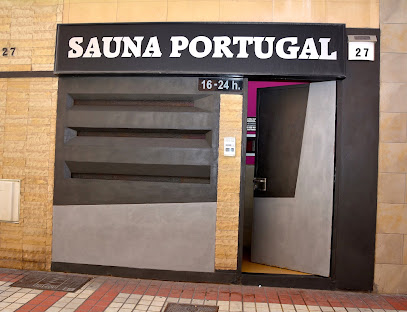
Brno'da tek bir özel gay sauna bulunuyor: Las Palmas. Şehir merkezinin kuzeyinde kısa bir tramvay yolculuğu mesafesindeki Královo Pole semtinde yer alan bu mekanda kuru sauna, buhar odası, jakuzi, video kabinleri ve bar bulunuyor (Pazartesi ve Perşembe-Pazar günleri açık; Salı-Çarşamba kapalı). Gezinti ve fetiş mekanı arayanlar için ise eski şehrin hemen doğusundaki Zábrdovice bölgesinde bulunan DarkCat'i tercih edebilirsiniz. Video kabinleri, karanlık odası ve rezervasyonlu özel salonlarıyla her yönelimden yetişkini ağırlayan gizli bir kulüp burası. Her ikisi de şehirdeki türünün tek örneği mekanlar; en yakın ek gay saunalar Prag'da bulunuyor. Gezinti alanlarında her zaman olduğu gibi, gizlilik ve karşılıklı rıza beklenmektedir.
Brno'nun merkezi kompakt ve yürüyerek gezilebilir. Brno-střed semtindeki Zelný trh ve náměstí Svobody çevresindeki tarihi çekirdek, eski şehri, restoranların çoğunu ve BUT Bar'ı barındırıyor. Komşu Staré Brno (Eski Brno) ise Lemon Music Club ve Bar Club H46'ya ev sahipliği yapıyor. Kuzeydeki Královo Pole'de gay sauna bulunurken, merkezin hemen doğusundaki Zábrdovice'de gezi kulübü yer alıyor. Bu semtlerin tümü Brno'nun mükemmel tramvay ağıyla kolayca birbirine bağlı.
ONUR VE KUİR KÜLTÜR
Brno Onur Haftası, STUD tarafından organize ediliyor ve ilkbahar sonlarında gerçekleşiyor. 2026 etkinliği 31 Mayıs - 6 Haziran tarihleri arasında yapıldı ve Gökkuşağı yürüyüşü 6 Haziran Cumartesi günüydü. Yürüyüş, Zelný trh civarından başlayıp şehir merkezinden náměstí Svobody'ye doğru ilerliyor. Bu etkinlik etrafında bir hafta boyunca söyleşiler, drag şovları, film gösterimleri ve kulüp geceleri düzenleniyor. Bilinçli olarak tabandan ve topluluk tarafından yürütülen bu etkinlik, güçlü bir öğrenci ve sanatçı ruhuna sahip ve çok daha büyük olan Prag Onur Haftası'ndan (Ağustos'ta düzenlenir) daha samimi bir atmosfere sahip. Kasım ayında, Mezipatra Queer Film Festivali (yine STUD tarafından ortaklaşa organize ediliyor), Brno programını Kino Art'a taşıyarak şehrin diğer önemli queer kültür etkinliği haline geliyor. Toplulukla bağlantı kurmak isteyen herkes, ülkedeki tek queer kütüphanesini de işleten STUD (stud.cz) veya öğrenci platformu Queer Masaryk University ile başlayabilir.
GÜVENLİK VE YASAL HUSUSLAR
Çek Cumhuriyeti, Orta Avrupa'nın daha ilerici ülkelerinden biridir. Eşcinsel kayıtlı birliktelikler 2006'dan beri mevcut ve Ocak 2025'ten itibaren bunlar, ortak mülkiyet, dul maaşı ve ikinci ebeveyn (üvey çocuk) evlat edinme hakları dahil olmak üzere evliliğe yakın haklar taşıyan geliştirilmiş bir "ortaklık" statüsüne yükseltildi. Ancak bu tam evlilik değildir ve ortak evlat edinme hala hariç tutulmuştur. Hizmetlerde ayrımcılık yasa dışıdır ve Brno'nun liberal, öğrenci odaklı karakteri, LGBTQ+ ziyaretçileri için rahat bir ortam sunar. Merkezi bölgelerde halka açık sevgi gösterileri olağandışı değildir; herhangi bir şehirde olduğu gibi, gece geç saatlerde standart şehir önlemleri geçerlidir.
ULAŞIM
Brno, DPMB tarafından işletilen tramvay ve otobüslerden oluşan mükemmel bir toplu taşıma ağına sahiptir. Tramvaylar, ana tren istasyonunu (Brno hlavní nádraží) eski şehir ve banliyö bölgeleriyle birbirine bağlayarak en hızlı ulaşım yoludur. Tek biletler ucuzdur ve günlük biletler mevcuttur. Sık sefer yapan trenler Brno'yu Prag'a (yaklaşık 2,5 saat) ve Viyana'ya (yaklaşık 1,5 saat) bağlar ve Brno–Tuřany Havalimanı, birkaç Avrupa şehrine bağlantı sunar. Eski şehir ve ana gay mekanları yürüyerek gezilebilir.
YEMEK VE İÇME
Brno, Çek mutfağının en seçkin örneklerini ve giderek çeşitlenen uluslararası lezzetleri sunuyor. Gulaş, şnitzel, svíčková ve alabalık gibi geleneksel yemekler başı çekiyor, bira ise olağanüstü (Brno, Starobrno bira fabrikasına ev sahipliği yapıyor). Eski şehrin dört bir yanındaki kafeler kahve ve pastalarla dolu, çevredeki Moravian şarap bölgesi ise keşfedilmeye değer. Freedom Square çevresindeki restoranlar İngilizce menüler ve samimi atmosferleriyle ziyaretçileri karşılıyor.
KÜLTÜR, GEZİLECEK YERLER VE GÜNLÜK TURLAR
Brno, özellikle fonksiyonelist ve modernist binalarıyla mimari açıdan önemli bir şehir; Mies van der Rohe'nin tasarladığı Villa Tugendhat, UNESCO Dünya Mirası listesinde yer alıyor. Špilberk Kalesi şehrin silüetine hakimken, Gotik Aziz Peter ve Paul Katedrali şehrin her yerinden görülebiliyor. Günlük turlar arasında Pernštejn Kalesi, kuzeydeki Moravian Karst'ın mağaraları ve Macocha Uçurumu ile Moravian şarap bölgesindeki Lednice ve Valtice kaleleri bulunuyor. Lužánky Parkı ise merkeze yakın yeşil bir alan sunuyor.
SONUÇ
Brno, Orta Avrupa'da giderek daha erişilebilir hale gelen bir LGBTQ+ destinasyonu. Mekanlar küçük — birkaç bar, bir sauna, bir cruise club ve sıkı bir topluluk ağı — ancak samimi, dost canlısı ve kolayca gezilebilir. Prag dışındaki otantik bir Çek şehrini, zengin mimariyi, harika bir birayı ve rahat, öğrenci odaklı bir açıklığı arayan ziyaretçiler, Moravia'yı keşfetmek için Brno'yu sıcak bir üs olarak bulacaklar.
Sıkça sorulan sorular
Çek Cumhuriyeti'nin ilerici LGBTQ+ politikaları vardır ve Brno liberal bir sosyal ortama sahiptir. LGBTQ+ topluluğu görünür ve kabul görmektedir, ancak sahne büyük şehirlere göre daha az ticarileşmiştir.
Şehir merkezi, özellikle Náměstí Svobody ve Eski Şehir sokakları çevresinde en fazla LGBTQ+ dostu mekana ev sahipliği yapmaktadır. Černá Pole, LGBTQ+ sakinleri arasında popülerdir ve Staré Brno, LGBTQ+ ziyaretçilerinin sıkça uğradığı büyüleyici kafeler ve restoranlar sunmaktadır.
Brno Onur Yürüyüşü (Brno Pride) genellikle Ağustos ayında gerçekleşir.
Brno'nun gay bar ve kulüp sahnesi mütevazı ama aktiftir. Güncel mekan bilgileri için, sahne geliştikçe ve mekanlar yerel müşterilere hitap ettikçe yerel LGBTQ+ turizm web sitelerini, sosyal medya gruplarını ve ziyaretçi merkezlerini kontrol edin.
Brno'nun LGBTQ+ sahnesi Prag'ınkinden daha küçük ve daha az ticarileşmiştir, otantik yerel deneyimler ve daha samimi bir atmosfer sunar. LGBTQ+ bireyler genellikle ana akım mekanları da tercih etmektedir.
Rehberde Brno'da belirli LGBTQ+ otellerinden bahsedilmemektedir. Ancak, şehir merkezi ve çevresi genellikle misafirperver ve yürüyerek gezilebilir bir yerdir.
Gizlilik tercihlerin.
GayOut'u çalıştırmak ve onayınızla kullanımı ölçmek için çerezler kullanıyoruz. Daha fazla bilgi
Gizlilik tercihlerin
GayOut'u çalışır tutmak, tercihlerini hatırlamak ve (izninle) sitenin nasıl kullanıldığını ölçmek için çerez kullanıyoruz. Tümünü kabul edebilir, tümünü reddedebilir veya neye izin vereceğini seçebilirsin. Daha fazla bilgi
Zorunlu
Giriş, dolandırıcılık önleme, CSRF koruması ve dil tercihinin hatırlanması için gerekli. Devre dışı bırakılamaz.
Her zaman açık
Favorilerini, koyu modu ve diğer arayüz tercihlerini ziyaretler arasında hatırlar.
İnsanların hangi sayfaları ziyaret ettiğini anlamamıza yardımcı olur (Google Analytics, sunucu tarafı istatistikler) — böylece geliştirebiliriz.
Kampanya takip pikselleri tarafından kullanılır. Şu anda hiçbiri aktif değil, ileride kullanılmak üzere ayrılmıştır.
GayOut'u Yükle
GayOut'u ana ekranına ekle; daha hızlı erişim, çevrimdışı favoriler ve Pride bildirimleri kazan.


 Gay Barlar ve Kulüpler
Öne Çıkan
(206)
Gay Barlar ve Kulüpler
Öne Çıkan
(206)