2009'dan beri evlilik eşitliği. Kapsamlı ayrımcılık karşıtı korumalar. 2016 tarihli yeni Cinsiyet Tanıma Yasası, kendi kendini tanımlamaya izin veriyor.
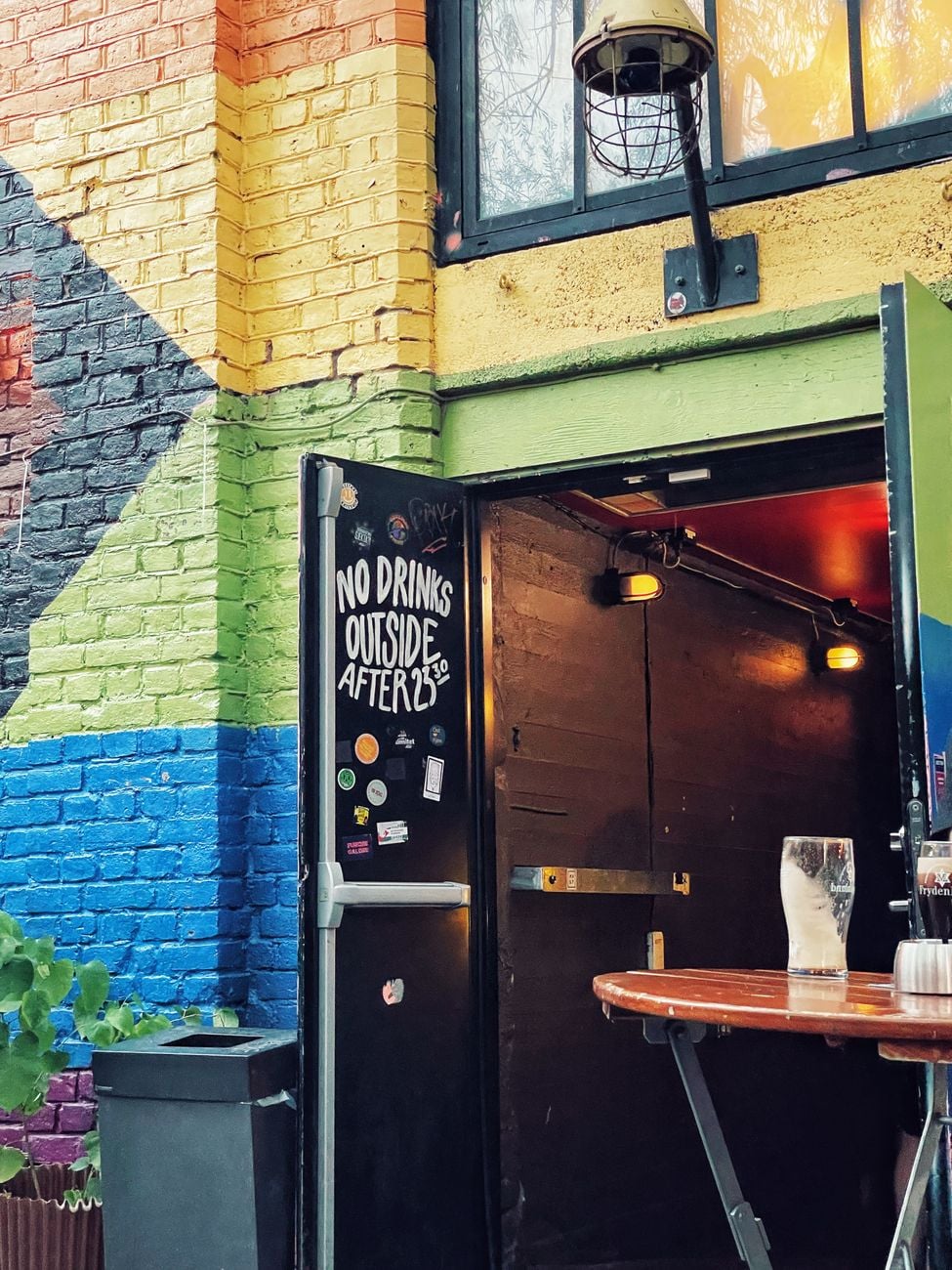
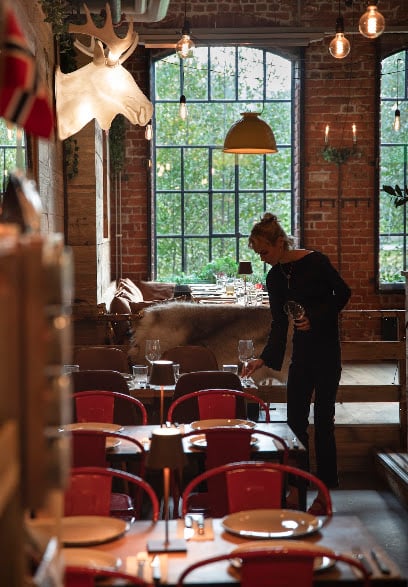
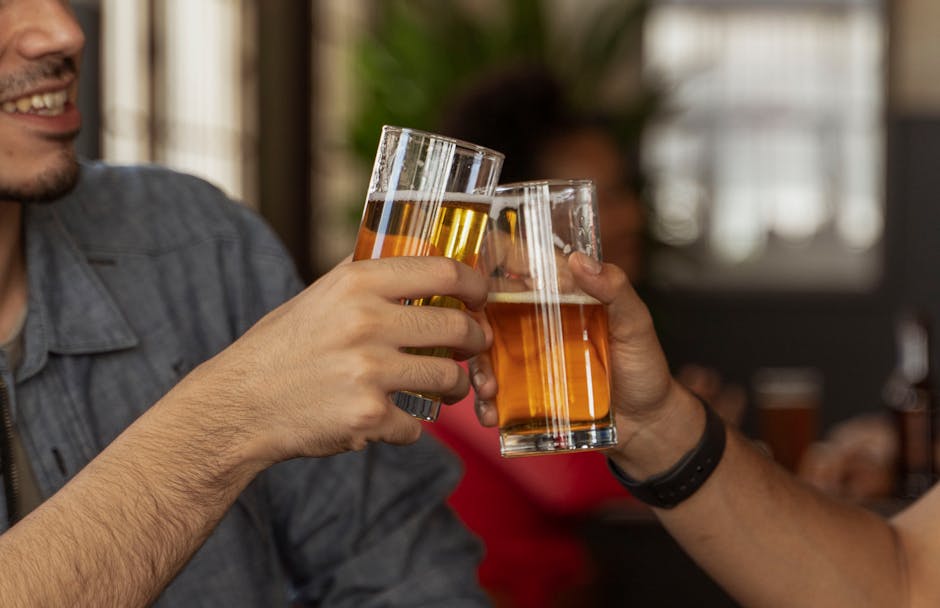
Eşcinsel kitleye hitap eden geleneksel bir bar. Bob's Pub aynı zamanda yemek servisi yapıyor ve yaz aylarında açık hava oturma alanına sahip. Çoğunlukla yaşlı erkekler.
140 yıllık Grand Hotel, kuşkusuz Oslo'nun en ünlü oteli. Bu tarihi bina, Nobel Barış Ödülü sahipleri, Krallar & Kraliçeler ve çok sayıda ünlü kişinin kapılarından geçişine tanıklık etmiştir.
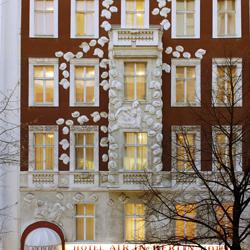
Modern ve mükemmel fiyat-performans oranına sahip HTL Grensen, Karl Johans Gate alışveriş bölgesinden sadece birkaç dakika yürüyüş uzaklığında ve Oslo'nun ana gay kulübü London Pub'a daha da yakındır.
ülkenin en büyük pride festivali ve Norveç'in en büyük queer kültür etkinliğidir. - Oslo Pride 2016 - Pride House: 17 Haziran Cuma'dan 24 Haziran Cuma'ya kadar.
Norveç, LGBTQ+ hakları konusunda dünyanın en ilerici ülkelerinden birine sahip. Cinsel yönelim 1972'de suç olmaktan çıkarılarak Norveç, Avrupa ülkeleri arasında erken bir adım atmış oldu. Rıza yaşı 1993'te eşitlendi, aynı cinsiyetten çiftlerin resmi birliktelikleri 1993'te yasallaştı ve tam evlilik eşitliği 2009'da geldi. Başkent Oslo, 1970'lere dayanan görünür Pride kutlamalarıyla bu ilerlemenin ön saflarında yer aldı. Günümüzde cinsel yönelim veya cinsiyet kimliğine dayalı ayrımcılık, istihdam, konut, hizmetler ve kamuya açık mekanlarda yasa dışıdır. Bu yasal temel, LGBTQ+ gezginler ve sakinler için gerçekten güvenli bir ortam yaratıyor.
Mahalleler ve Bölgeler
Şehir merkezi (Sentrum), gay Oslo'nun kalbidir: özel queer mekanlarının çoğu, 1979'dan beri açık olan London Pub'ın demirlemesiyle C.J. Hambros plass ve Youngstorget çevresinde birbirine birkaç dakikalık yürüme mesafesinde kümelenmiştir. Merkezin kuzeyindeki bohem mahalle Grünerløkka, yerleşim ve sanatçı topluluğu arasında bağımsız dükkanlar, kafeler, vintage mağazalar ve LGBTQ+-dostu mekanlar barındırır. Ticari bir gay bölgesinden ziyade yaşanmış, otantik bir hisse sahiptir. Mahalle yürüyerek gezilebilir ve sokak sanatı, vintage plak dükkanları ve Kaffebrenneriet gibi popüler kafelerle doludur.
Karl Johans gate ve Stortorget (ana meydan) çevresindeki şehir merkezi, LGBTQ+ müşterileri olan ana akım barlar ve restoranlar da dahil olmak üzere Oslo'nun ticaret ve kültürünün büyük bir kısmının merkezidir. Sentrum bölgesi yaya olarak kolayca gezilebilir ve müzeler, alışveriş ve yemek mekanlarına ev sahipliği yapar.
Merkezin hemen doğusunda yer alan Grønland, daha rahat LGBTQ+-dostu birkaç bar daha eklerken, Oslo'nun genel sahnesi belirli bir bölgeye ayrılmak yerine giderek daha fazla bütünleşmektedir. Bu, queer kimliğin ana akım toplum içinde ayrı bir yere konulmak yerine normalleştirildiği daha geniş İskandinav tutumlarını yansıtmaktadır.
Mekanlar ve Gece Hayatı
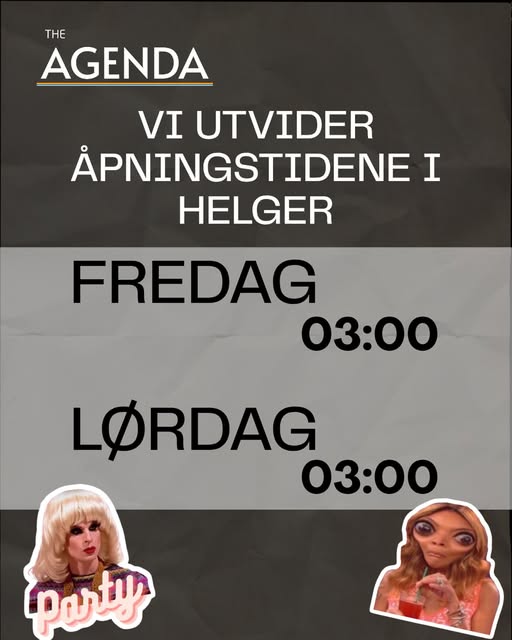
Oslo'nun LGBTİ+ yaşamı, şehir merkezinde yoğunlaşmış birkaç köklü mekânı barındırıyor. Bu mekânların başında, 1979'dan beri açık olan ve gece hayatının merkezi konumundaki iki katlı bar ve kulüp London Pub (C.J. Hambros plass) geliyor. Diğer özel mekânlar arasında ise geç saatlere kadar açık olan queer kulüp Elsker, daha yeni açılan iki katlı bar AGENDA, Storgata'daki queer bar Baba, C.J. Hambros plass'taki César Bar & Café ve Grønland'da daha olgun bir kitleye hitap eden geleneksel Bob's Pub bulunuyor. Scandinavian Leather Men (SLM) ise uzun süredir faaliyet gösteren, üyelerine özel deri ve fetiş kulübü olarak biliniyor ve bir darkroom'u da mevcut. Oslo'da artık özel bir gay sauna bulunmadığını belirtmekte fayda var: Sonuncusu olan Saunahuset Hercules, 2022 sonunda kapandı.
Özel LGBTİ+ mekânlarının ötesinde, Oslo'nun genel bar ve kulüp ortamı olağanüstü derecede misafirperver. Birçok işletme kendisini aktif olarak LGBTİ+ dostu olarak tanıtıyor ve herhangi bir standart bar veya kulüpte aynı cinsiyetten çiftler herhangi bir düşmanlıkla karşılaşmayacaktır. Popüler gece hayatı bölgeleri arasında rahat ve sanatsal bir atmosfer için Grünerløkka ve daha popüler kulüp ve salonlar için merkezi Sentrum yer alıyor.
Kahve kültürü Oslo'da çok yaygın ve LGBTİ+ ziyaretçiler şehir genelinde samimi ve kapsayıcı kafeler bulacaklardır. Özellikle Grünerløkka'da çok sayıda kafe bulunuyor.
Pride ve Yıllık Etkinlikler
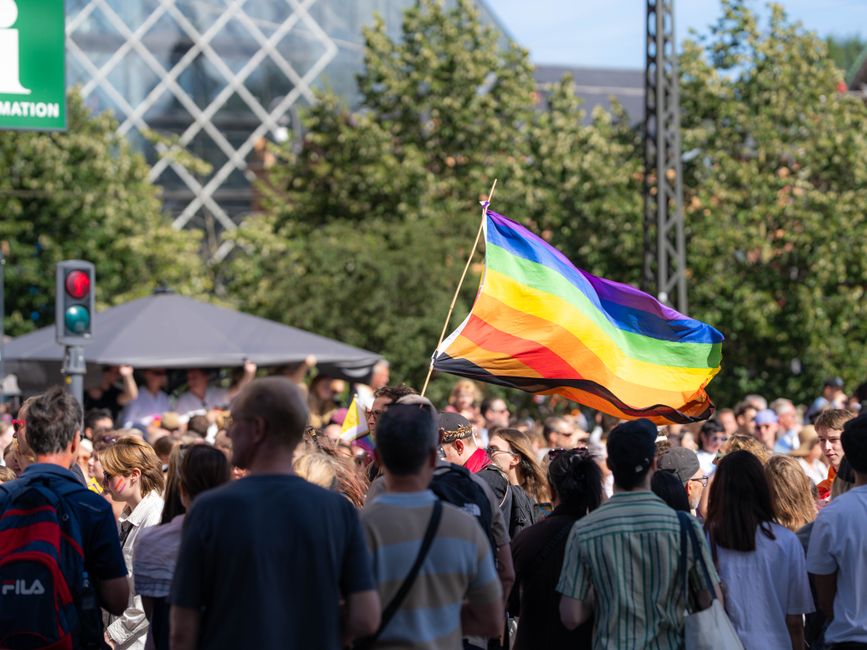
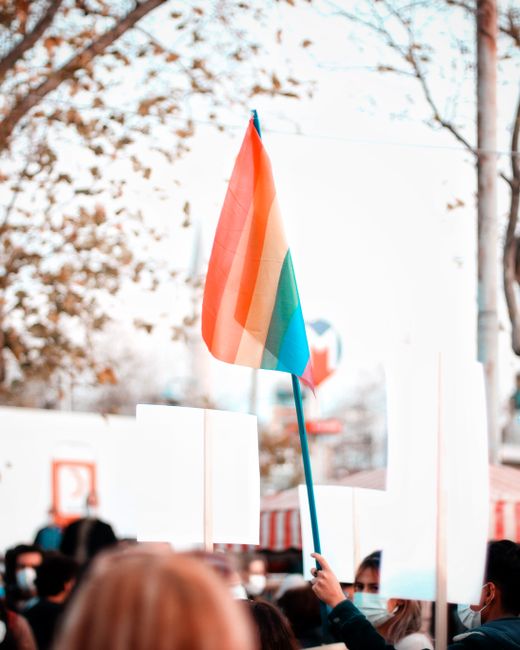
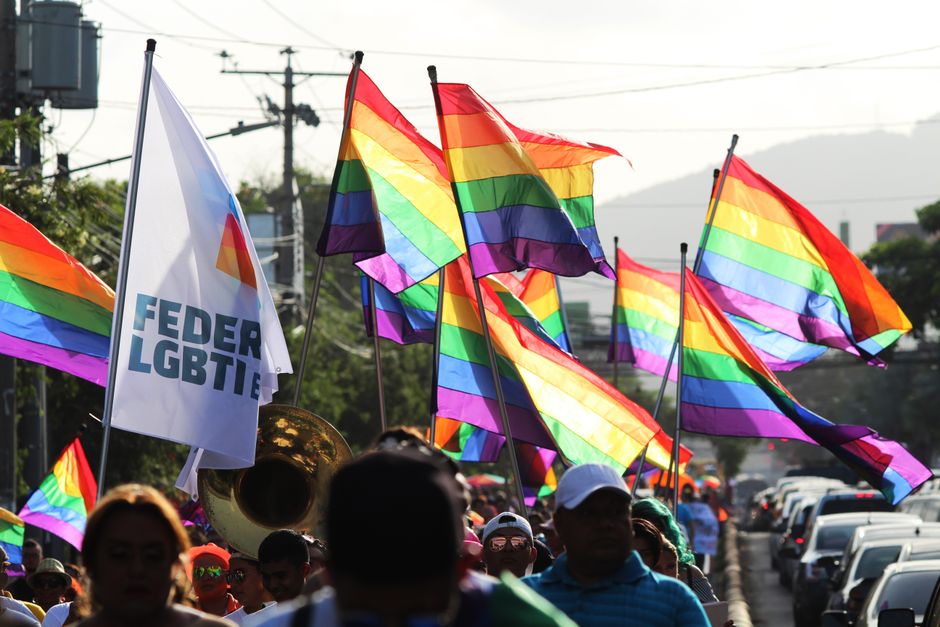
Oslo Pride, Norveç'te Skeive Dager olarak bilinen ve her yıl Haziran sonunda gerçekleşen, Avrupa'nın en önemli Pride kutlamalarından biri olup, düzenli olarak 100.000'den fazla katılımcıyı ağırlıyor. 2026 yılında 17-27 Haziran tarihleri arasında düzenlenecek olan etkinlikte ana geçit töreni 27 Haziran Cumartesi günü yapılacak. Festival yaklaşık on gün sürüyor ve Oslo sokaklarındaki ikonik Pride Geçit Töreni'ni, canlı müzik ve performansların yer aldığı çok sayıda sahneyi, partileri, seminerleri, kültürel etkinlikleri ve sergileri kapsıyor. Geçit töreninin kendisi devasa ve göz alıcı olup, geniş bir kamu desteğini yansıtıyor. Katılmak, son derece güvenli bir ortamda neşeli ve kutlayıcı bir deneyim sunuyor.
Pride & Events
Pride dışında, Oslo'nun takviminde yıl boyunca çeşitli LGBTQ+ kültürel etkinlikleri, film festivalleri ve topluluk buluşmaları yer alıyor. Şehir, özellikle Pride sezonu civarında ara sıra circuit partilerine ve dans etkinliklerine ev sahipliği yapıyor.
Nerede Kalmalı
Grünerløkka, gerçek bir topluluğun içine entegre olmuş hissi veren butik oteller, misafirhaneler ve Airbnb seçenekleriyle bir mahalle deneyimi sunuyor. Burada konaklamak, kafelere, restoranlara ve bohem atmosfere erişim sağlar.
Kolaylık ve turistik yerlere yakınlık için Sentrum (şehir merkezi) bölgesi daha büyük oteller sunar ve müzelere, alışverişe, yemek mekanlarına ve toplu taşımaya yürüme mesafesindedir. Oslo Merkez İstasyonu çevresindeki oteller iyi ulaşım bağlantıları sağlar.
Oslo'nun konaklama seçenekleri çoğu uluslararası standarda göre pahalıdır ancak İskandinav fiyatlandırmasını ve kalitesini yansıtır. Orta sınıf ve lüks seçenekler boldur. Bütçe dostu seyahat edenler hostel arayabilir veya iyi toplu taşıma bağlantılarına sahip banliyö bölgelerinde kalabilirler.
Ulaşım
Oslo'nun toplu taşıma sistemi mükemmeldir. Oslo metrosu (T-banen), tramvaylar ve otobüsler temiz, sık, güvenilir ve entegre bir biletleme sistemiyle çalışır. Tüm toplu taşıma araçlarında sınırsız seyahat imkanı sunan 24, 48 veya 72 saatlik ziyaretçi kartı satın alınabilir.
Şehir aynı zamanda bisiklet için de çok elverişlidir ve bisiklet kiralama hizmetleri mevcuttur. Yürüyerek gezmek, özellikle Grünerløkka ve şehir merkezi gibi birçok mahalle için mümkündür.
Uber gibi taksi ve araç paylaşım hizmetleri faaliyet göstermektedir, ancak çoğu durumda toplu taşıma daha hızlı ve ekonomiktir.
Yeme İçme
Oslo, salaş kafelere ve Michelin yıldızlı restoranlara kadar her şeyi kapsayan olağanüstü bir yemek sahnesine sahiptir. İskandinav mutfağı taze, mevsimlik malzemeler, deniz ürünleri ve yerel ürünleri vurgular. LGBTQ+ dostu restoranlar boldur ve dikkat çekici değildir—şehir, yemek mekanlarını basitçe yönelime göre ayırmaz.
Grünerløkka, bağımsız bir karaktere sahip çok sayıda rahat restoran, kafe ve yeme-içme mekanıyla dolu. Şehir merkezinde ise daha lüks ve rafine yemek seçenekleri bulabilirsiniz. Sokak lezzetleri ve yerel pazarlar da bütçe dostu alternatifler sunuyor.
İskandinav sürdürülebilirlik değerlerini yansıtan vejetaryen ve vegan seçenekleri Oslo'nun her yerinde yaygın olarak mevcut.
Günübirlik Geziler ve Doğal Güzellikler
Oslo'nun konumu, nefes kesici doğal alanlara erişim imkanı sunuyor. Oslofjord, şehre sadece birkaç dakika uzaklıkta olup adalar, plajlar ve su sporları için harika fırsatlar sunar. Şehir merkezinden kalkan feribot ve teknelerle yakındaki adalara kolayca ulaşabilirsiniz.
Oslo'yu çevreleyen ormanlar (Marka), yürüyüş, kışın kros kayak ve çeşitli açık hava aktiviteleri için idealdir. Metro ile orman kenarına ulaşılabilen, farklı zorluk seviyelerinde birçok patika bulunmaktadır.
Lillehammer gibi komşu kasabalar (trenle yaklaşık 2 saat mesafede), tarihi yerler ve doğa aktiviteleri için başka seçenekler sunar. Norveç vadilerindeki manzaralı tren yolculukları başlı başına birer cazibe merkezidir.
Güvenlik ve Yasal Durum
Oslo, LGBTQ+ gezginler için olağanüstü derecede güvenlidir. Aynı cinsiyetten çiftlerin halka açık yerlerde sevgi gösterilerinde bulunması tamamen normal ve sıradan karşılanır. Nefret suçları veya ayrımcılık nadirdir ve meydana geldiğinde ağır şekilde cezalandırılır. Yasal korumalar kapsamlıdır ve aktif olarak uygulanmaktadır.
Her büyük şehirde olduğu gibi ufak tefek hırsızlıklar görülebilir, bu nedenle kalabalık alanlarda çanta ve eşyalara dikkat etmek gibi standart şehir önlemleri geçerlidir. Ancak turistleri etkileyen şiddet suçları son derece nadirdir.
Konaklama ve Hizmetler
Hastaneler, sağlık kuruluşları ve acil servisler mükemmel ve ayrımcı olmayan bir hizmet sunar. Herhangi bir büyük tıbbi durum için seyahat sigortası önerilir, ancak sunulan bakım kalitesi olağanüstüdür.
Oslo'da nakit kullanımı giderek azalmakta, kartlı ödemeler yaygınlaşmaktadır. ATM'ler bol miktarda bulunur.
Dil bir engel değildir; Norveçlilerin büyük çoğunluğu, özellikle turizm ve hizmet sektörlerinde İngilizceyi akıcı bir şekilde konuşmaktadır.
Maliyet Değerlendirmeleri
Oslo pahalı bir şehir. Konaklama, yeme-içme ve gezilecek yerler, Avrupa'daki çoğu şehre kıyasla belirgin şekilde daha maliyetli. Bütçeyle seyahat edenlerin buna göre plan yapması gerekiyor. Ancak, mükemmel toplu taşıma, ücretsiz açık hava etkinlikleri ve yaşam kalitesi, pek çok ziyaretçi için bu yatırımı değerli kılıyor.
Ziyaret İçin En Uygun Zamanlar
Haziran sonu, Pride (Skeive Dager) ve uzun yaz gün ışığını deneyimlemek için idealdir. Temmuz-Ağustos ayları ise sıcak yaz havasını getirir. Haziran, Temmuz ve Eylül ayları, hoş hava koşulları, uzun gün ışığı saatleri (Haziran'da gece yarısı güneşi) ve açık hava keşifleri için iyi koşullar sunar.
Kış (Kasım-Mart), karanlığı ve soğuğu getirir, ancak aynı zamanda yakındaki bölgelerden kuzey ışıklarını izleme potansiyeli ve kış sporları gibi eşsiz İskandinav deneyimleri de sunar.
İlkbahar (Nisan-Mayıs) ve sonbahar (Eylül-Ekim), ılıman kalabalıklar ve hava koşullarıyla güzel geçiş mevsimleridir.
Sonuç
Oslo, güvenlik, yasal koruma, kültürel incelik ve gerçek kapsayıcılık arayan LGBTQ+ gezginler için dünyanın en iyi destinasyonlarından birini temsil ediyor. Buradaki ortam, daha geniş İskandinav sosyal değerlerini yansıtarak, gettolaşmış olmaktan ziyade olgun ve entegre bir yapıya sahip. Oslo Pride dünya standartlarında ve yıl boyunca süren atmosferi samimi ve ilerici. Pahalı olsa da, deneyimin kalitesi yatırımı haklı çıkarıyor.
Sıkça sorulan sorular
Evet, Norveç sürekli olarak dünyanın en iyi LGBTQ+ hakları ve sosyal kabul gören ülkeleri arasında yer alıyor, bu da Oslo'yu güvenli ve misafirperver bir destinasyon haline getiriyor.
Oslo'nun tek bir gay mahallesi yok. Özel gay barları şehir merkezinde (Sentrum), özellikle C.J. Hambros plass ve Youngstorget çevresinde yoğunlaşmıştır; burada London Pub, César, So ve AGENDA'yı bulabilirsiniz. Bohem Grünerløkka semti ve yakındaki Grønland, daha fazla LGBTQ+-dostu kafe ve bar ekliyor.
Oslo'nun gay sahnesi nispeten küçüktür ve ziyaretçiler genellikle yalnızca gay mekanları yerine gay-dostu mekanları tercih ederler. Şehrin LGBTQ+ topluluğu şehir genelinde entegre bir varlığa sahiptir.
C.J. Hambros plass'taki London Pub, 1979'dan beri açık olan, sahnenin uzun süredir devam eden çıpasıdır; alt katta bir pub ve üst katta bir kulüp bulunmaktadır. Diğer popüler mekanlar arasında Elsker, So, AGENDA, César Bar & Café ve deri kulübü SLM (Scandinavian Leather Men) ile Grønland'daki geleneksel Bob's Pub bulunmaktadır.
Evet. Norveççe'de Skeive Dager olarak bilinen Oslo Pride, Haziran sonlarında yaklaşık on gün boyunca düzenlenir ve Avrupa'nın en büyüklerinden biridir, 100.000'den fazla insanı çeker. 2026'da 17-27 Haziran tarihleri arasında düzenlenecek, ana geçit töreni 27 Haziran Cumartesi günü şehir merkezinden geçecektir.
Hayır. Oslo'da artık özel bir gay sauna bulunmuyor - şehrin sonuncusu olan Saunahuset Hercules, 2022 sonlarında kapandı. Şehrin birçok yüzen liman saunası (KOK, SALT, Oslo Badstuforening) ana akım ve karma kullanıma açıktır. Deri kulübü SLM'nin bir darkroom'u var ve ana akım saunalarda ara sıra LGBTQ+ "Queer Sauna Sessions" pop-up'ları düzenleniyor.
Gizlilik tercihlerin.
GayOut'u çalıştırmak ve onayınızla kullanımı ölçmek için çerezler kullanıyoruz. Daha fazla bilgi
Gizlilik tercihlerin
GayOut'u çalışır tutmak, tercihlerini hatırlamak ve (izninle) sitenin nasıl kullanıldığını ölçmek için çerez kullanıyoruz. Tümünü kabul edebilir, tümünü reddedebilir veya neye izin vereceğini seçebilirsin. Daha fazla bilgi
Zorunlu
Giriş, dolandırıcılık önleme, CSRF koruması ve dil tercihinin hatırlanması için gerekli. Devre dışı bırakılamaz.
Her zaman açık
Favorilerini, koyu modu ve diğer arayüz tercihlerini ziyaretler arasında hatırlar.
İnsanların hangi sayfaları ziyaret ettiğini anlamamıza yardımcı olur (Google Analytics, sunucu tarafı istatistikler) — böylece geliştirebiliriz.
Kampanya takip pikselleri tarafından kullanılır. Şu anda hiçbiri aktif değil, ileride kullanılmak üzere ayrılmıştır.
GayOut'u Yükle
GayOut'u ana ekranına ekle; daha hızlı erişim, çevrimdışı favoriler ve Pride bildirimleri kazan.














 Gay Barlar ve Kulüpler
Öne Çıkan
(513)
Gay Barlar ve Kulüpler
Öne Çıkan
(513)