Marriage equality since Obergefell v. Hodges (26 June 2015). The Respect for Marriage Act (December 2022) provides a congressional floor, requiring federal recognition of all valid same-sex and interracial marriages regardless of future Supreme Court rulings. Bostock v. Clayton County (2020) held that Title VII of the Civil Rights Act prohibits employment discrimination on the basis of sexual orientation and gender identity. No comprehensive federal anti-discrimination law in housing or public…
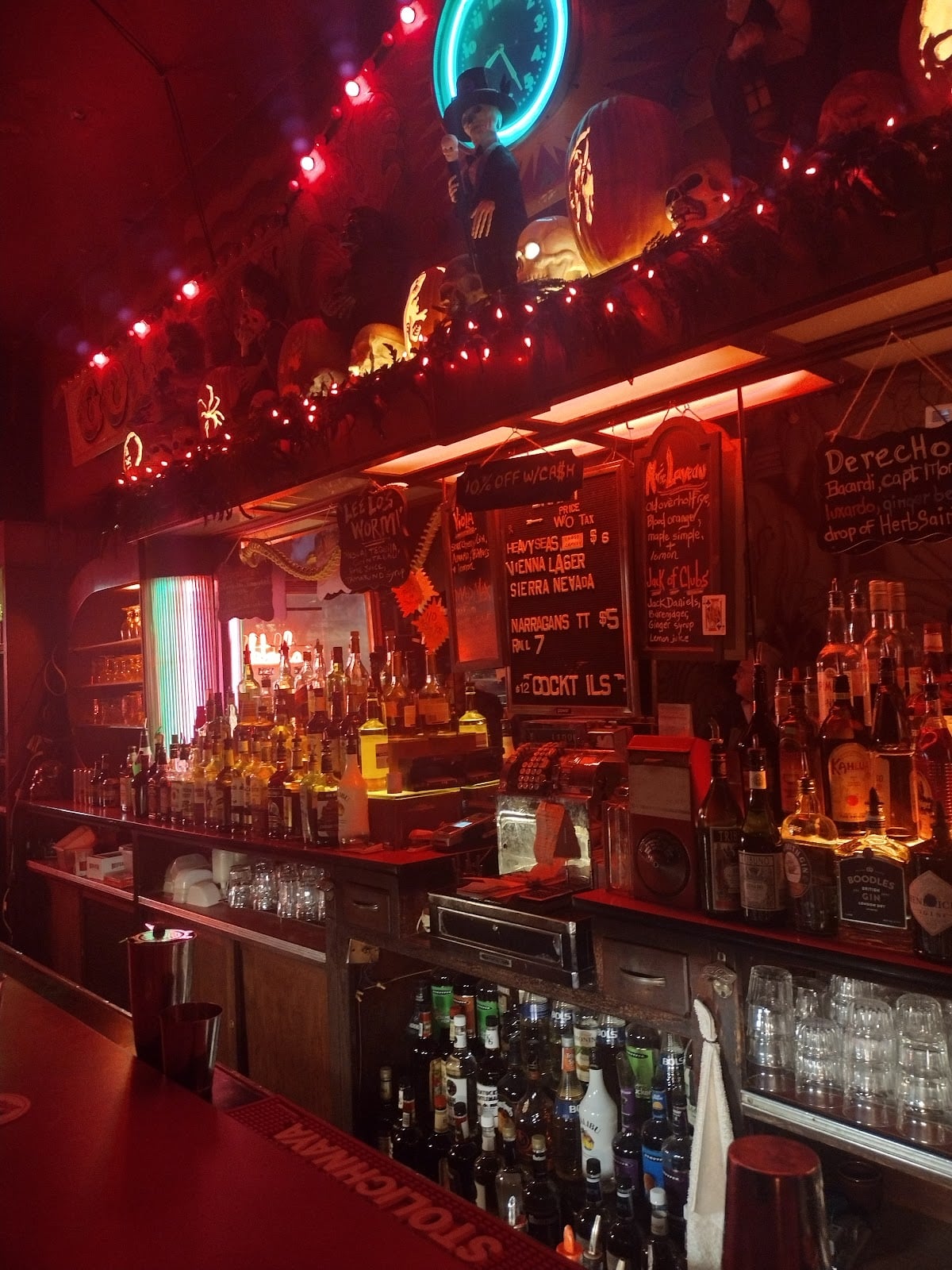
A leather bar that's been serving the gay community in Baltimore since 1957. In the early years, customers were asked if they were a "friend of Dorothy" before entering, a reference to Judy Garland's…
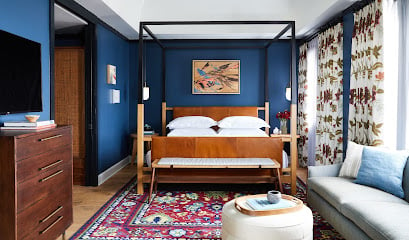
Boutique hotel in the heart of Mount Vernon — gay-welcoming, architecturally interesting, and literally in Baltimore's gay neighbourhood. The best-positioned hotel for LGBTQ+ visitors to Baltimore.
Baltimore's LGBTQ+ community centre in Mount Vernon — social services, support groups, programming, and the institutional foundation of Baltimore's queer community.
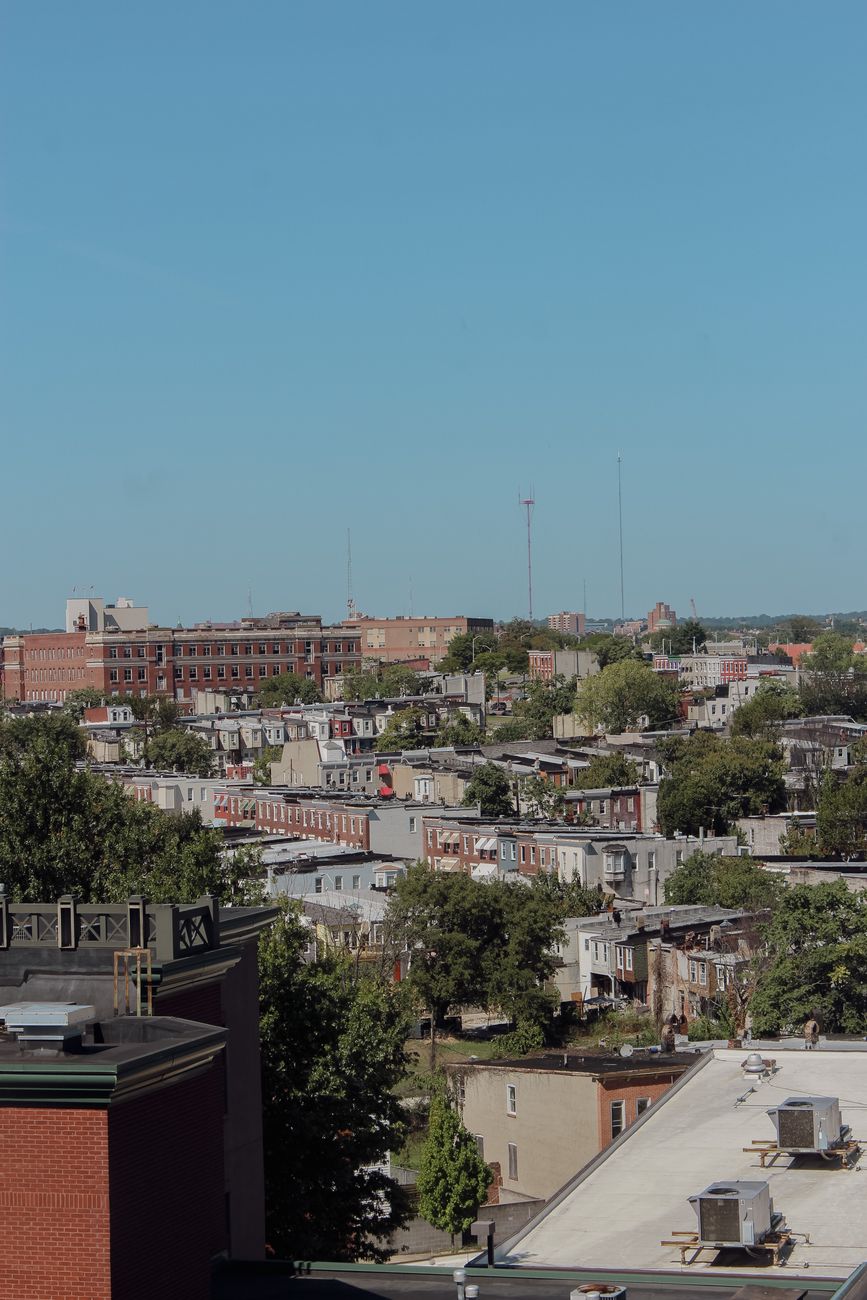
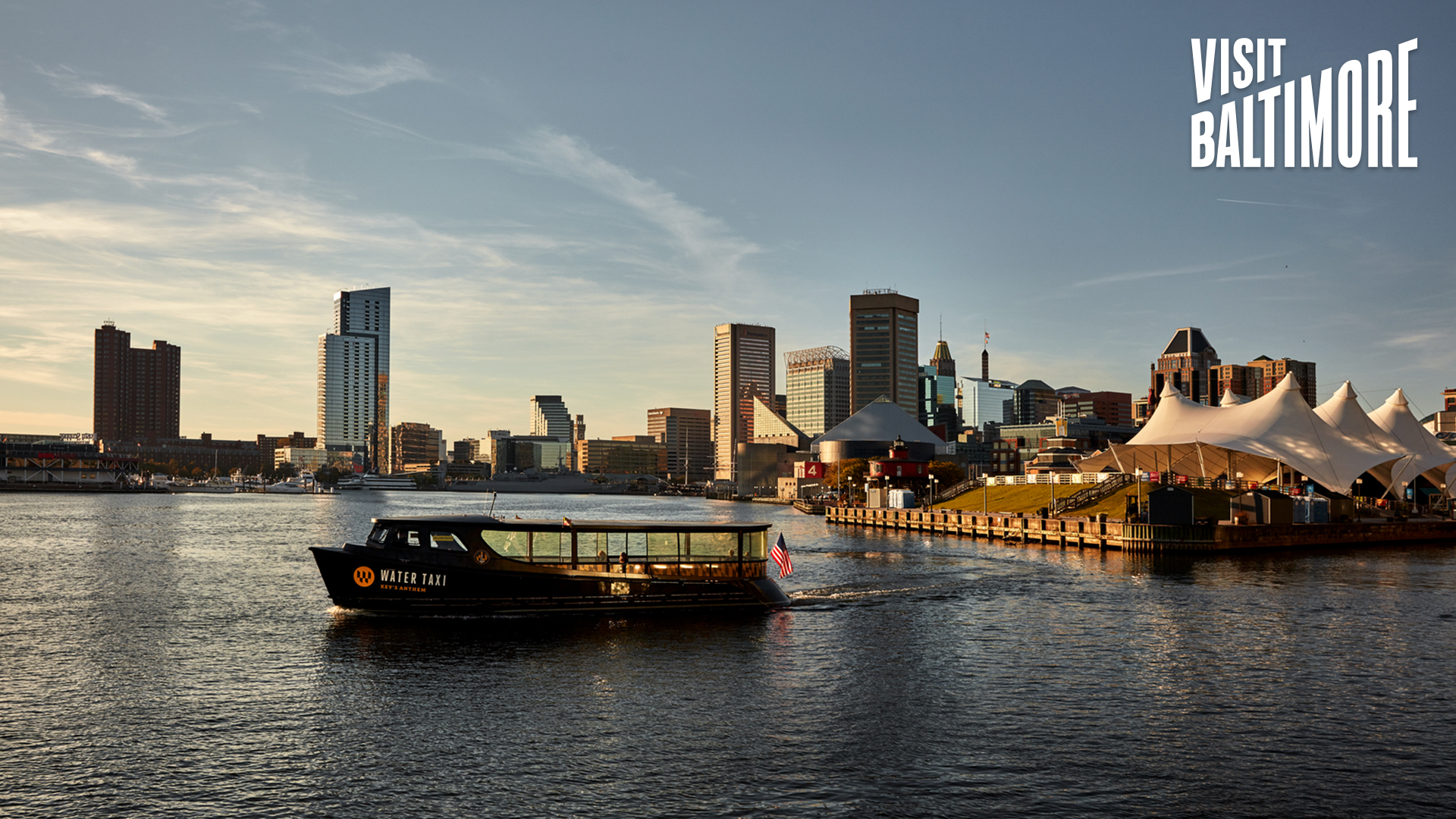
Baltimore has one of the mid-Atlantic's oldest continuously active LGBTQ+ scenes, with gay bars operating in the city since the 1950s. Charm City's community is tight-knit, unpretentious and deeply local, centered on the historic rowhouse blocks of Mount Vernon and spilling into the arts corridors of Station North, Federal Hill and Northeast Baltimore. Drag is a major part of the culture, and the city takes pride in institutions that have survived for decades.
Key Neighborhoods
Mount Vernon is the heart of gay Baltimore. The elegant district around the Washington Monument — along North Charles Street, Park Avenue and West Read and Chase Streets — has been the community's gathering place for generations and still holds the greatest concentration of LGBTQ+ bars, the Pride Center of Maryland and Chase Brexton Health Care. It is walkable, historic and lined with restaurants, cultural institutions and row-house bars.
Station North / Charles North, the arts district just north of Mount Vernon, is home to the Baltimore Eagle, Iron Crow Theatre and a cluster of galleries, music venues and queer-friendly bars. Federal Hill, south of the Inner Harbor, has a gay-owned cocktail bar (Rowan Tree) and a lively young-professional nightlife scene. Hamilton and the northeast neighborhoods hold a long-running neighborhood gay bar (Mixers), while Charles Village and Remington round out the creative, LGBTQ+-welcoming core.
Bars and Nightlife
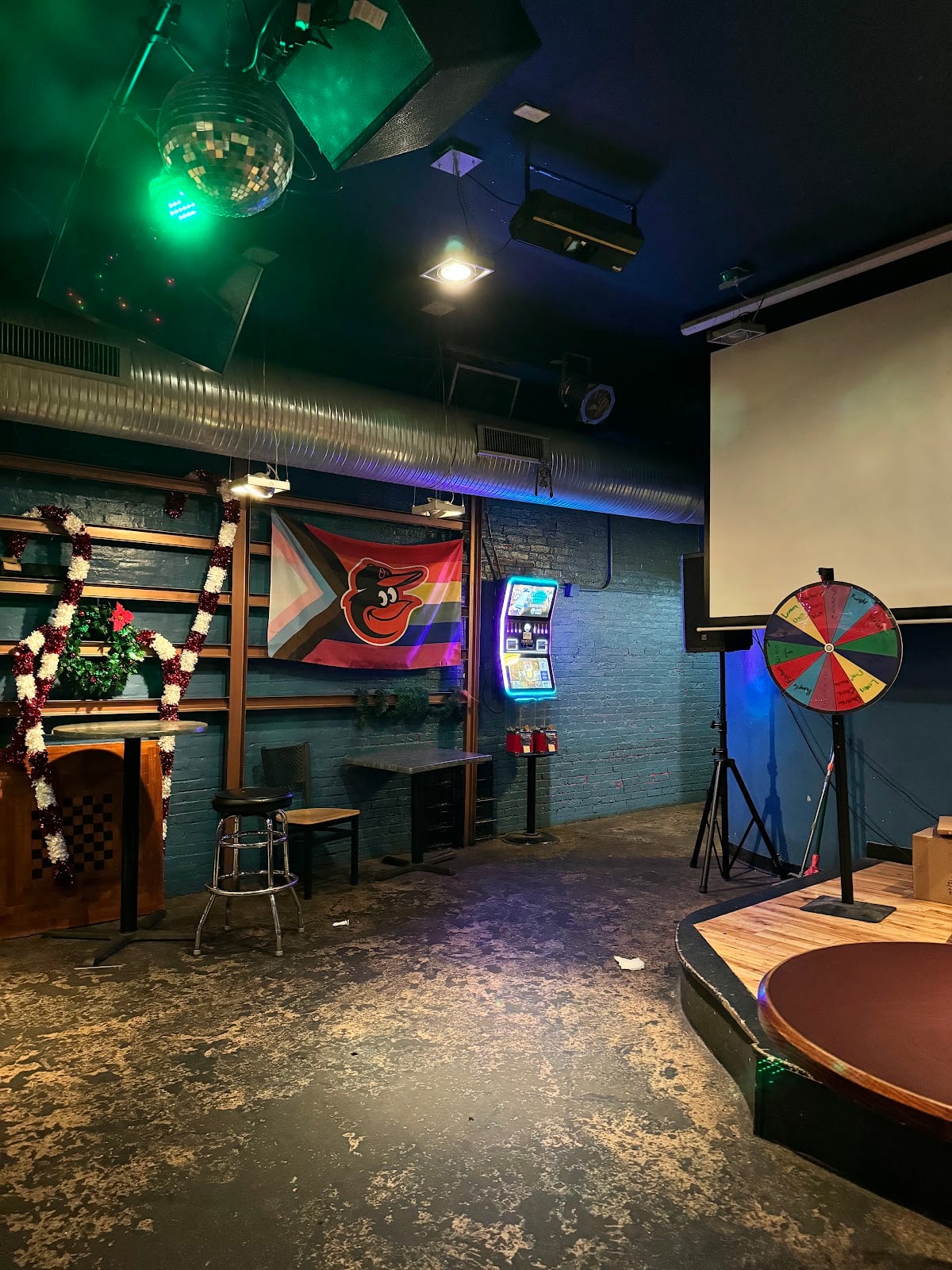
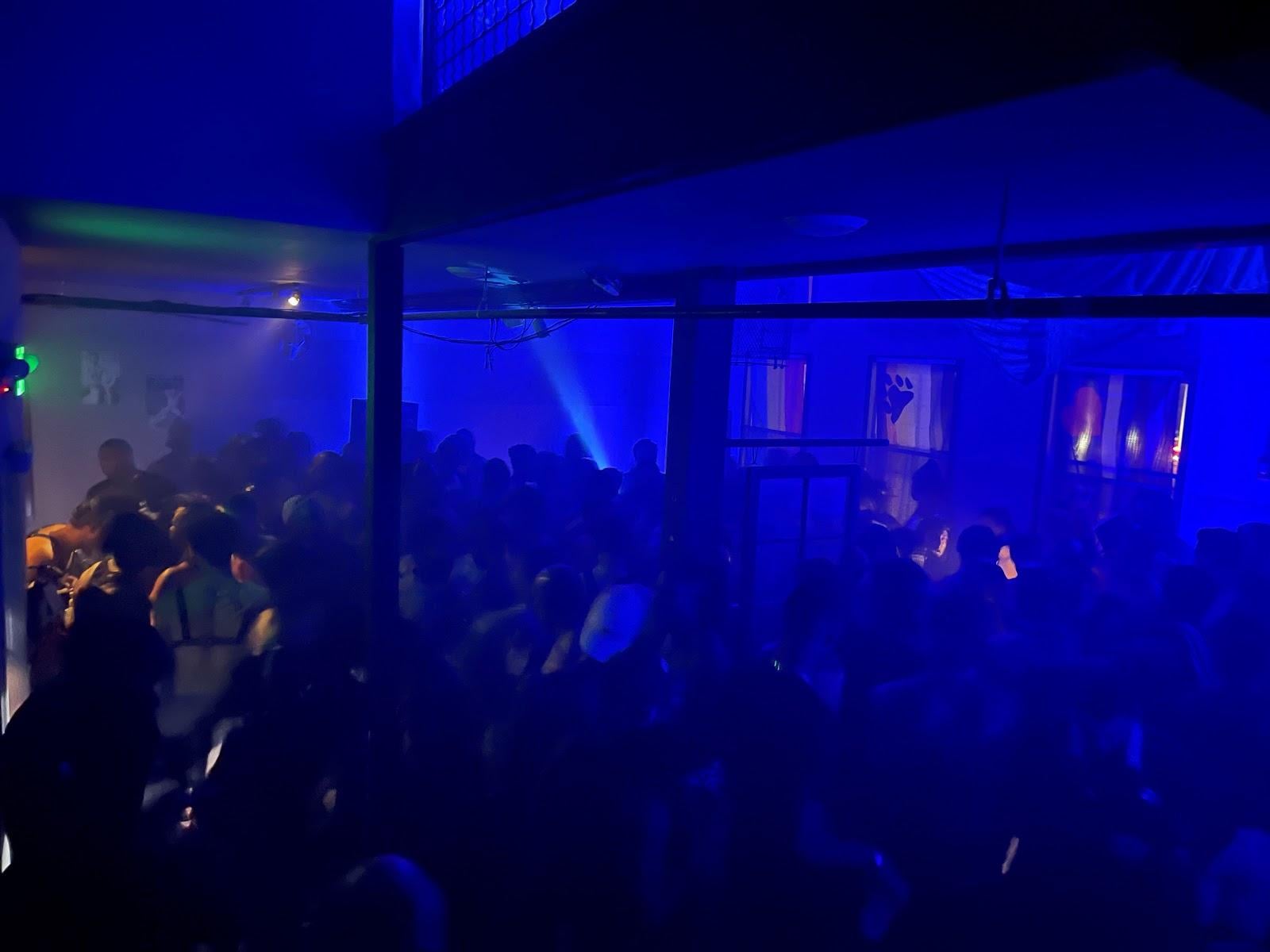
The Baltimore Eagle (2022 N. Charles St) is the city's premier gay leather and fetish bar and nightclub, spread over multiple levels in Charles North. In Mount Vernon, Leon's — on the corner of Park Avenue and Chase Street — is Baltimore's oldest gay bar, running continuously since 1957 and among the oldest in the country, with its adjoining Backroom hosting karaoke and drag; following the death of its longtime owner in 2026 it temporarily closed, with the community working to reopen it. Nearby, The Drinkery (205 W. Read St) is a beloved gay dive with karaoke, and Turp's (1317 N. Charles St) bills itself as Baltimore's gay sports bar with games, brunch and drag. Mixers, in Hamilton, is a friendly northeast-side neighborhood gay bar, and Rowan Tree brings the scene to Federal Hill. Club Charles, an artsy Station North dive with deep ties to John Waters, is a gay-friendly Baltimore institution.
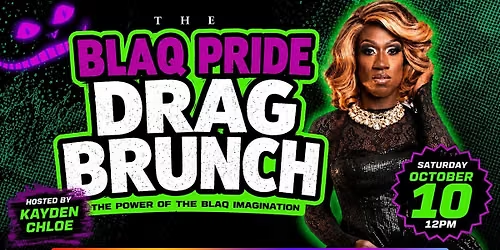
Drag runs throughout the scene, from Backroom shows to Turp's brunches, and the queer cabaret collective Charm City Kitty Club stages recurring performances around town.
Baltimore has no operating gay bathhouse or sauna today; the nearest is Crew Club in Washington, D.C., about an hour south. For cruising, Druid Hill Park in northwest Baltimore has a long-standing but informal and ambiguous reputation after dark — the park is patrolled and closes at night, so discretion and awareness of local law and personal safety are essential.
Pride and Events
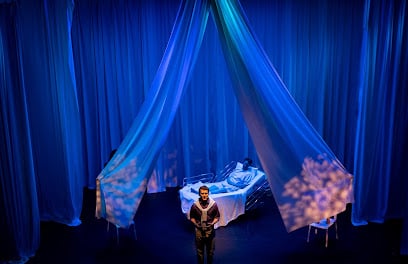
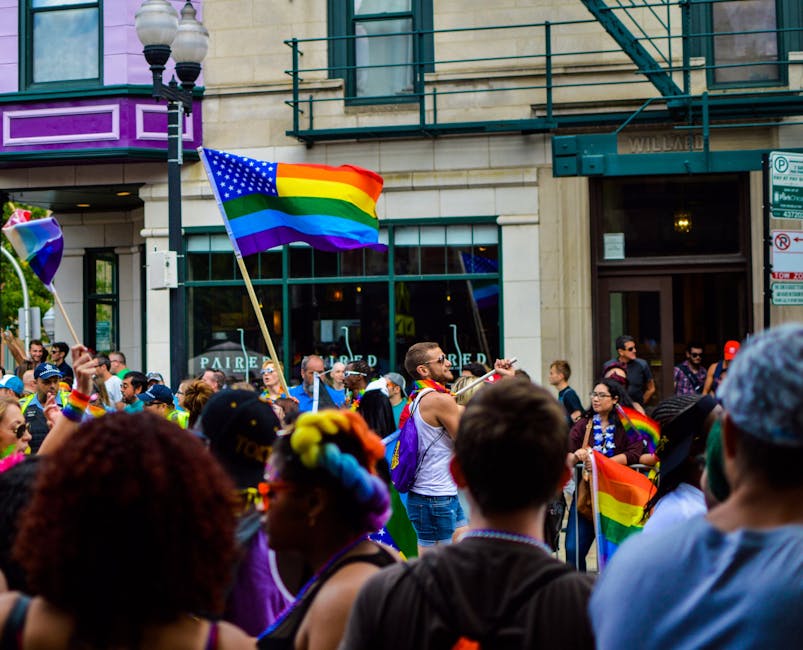
Baltimore Pride, organized by the Pride Center of Maryland, is the city's largest annual LGBTQ+ celebration and takes place in June. The parade runs up the North Charles Street corridor from Station North toward Charles Village, with a block party and a festival in and around Druid Hill Park; 2025 marked the event's 50th anniversary. Iron Crow Theatre, Baltimore's professional queer theatre company, produces a full season and in 2026 secured its first permanent home in Remington. The Maryland Film Festival, held each spring at the Parkway Theatre in Station North, regularly features LGBTQ+ programming.
Community and Health
The Pride Center of Maryland (2418 St. Paul St), founded in 1977 as the GLCCB and renamed in 2019, is the state's leading LGBTQ+ community organization, running health, wellness and youth programs and organizing Pride. Chase Brexton Health Care (1111 N. Charles St), which grew out of the gay community in the 1970s, is a federally qualified health center with a nationally recognized Center for LGBTQ Health Equity. FreeState Justice provides statewide LGBTQ+ legal advocacy and name/gender-marker change clinics.
Where to Stay
Mount Vernon puts visitors within walking distance of the bars and cultural sites; Hotel Revival, a boutique hotel on Mount Vernon Place, is a stylish LGBTQ+-friendly favorite. Downtown and Inner Harbor hotels — including the Lord Baltimore, Hotel Ulysses, Sonesta and Hotel Brexton — place guests near transit and attractions, a short ride or walk from the nightlife.
Baltimore's MTA runs buses, light rail and the Charm City Circulator (free downtown shuttle). Mount Vernon, Station North and the Inner Harbor are walkable and connected by transit; rideshare is widely available and often the easiest way to move between neighborhoods after dark.
Food and Culture
Baltimore is famous for crab and seafood, and the neighborhoods with LGBTQ+ venues offer everything from natural-wine bars and neighborhood bistros to acclaimed independent restaurants. Cultural draws include the Walters Art Museum, the Baltimore Museum of Art, the National Aquarium and the theaters and galleries of Station North.
Washington, D.C., about 40 miles south and reachable by MARC train, has its own large LGBTQ+ scene and the region's nearest gay bathhouse. Rehoboth Beach, Delaware — roughly two and a half hours east — is the mid-Atlantic's premier gay beach resort, with Poodle Beach and a full summer scene. Annapolis, Maryland's waterfront capital, makes an easy half-day trip.
Safety Considerations
Mount Vernon, Station North, Federal Hill and Canton are generally comfortable and walkable for LGBTQ+ visitors, day and night. Maryland has strong anti-discrimination protections and same-sex marriage has been legal since 2013. As in any large city, stay aware of your surroundings, stick to trafficked streets late at night, and use rideshare rather than walking alone through unfamiliar areas after dark.
Practical Information
Baltimore/Washington International (BWI) is about 10 miles south, connected downtown by the MARC train and light rail. Spring and fall bring mild weather; summers are hot and humid, with Pride season in June anchoring the community calendar.
Frequently asked questions
Mount Vernon is the historic heart of Baltimore's LGBTQ+ scene, holding the greatest concentration of gay bars along North Charles Street, Park Avenue and West Read and Chase Streets, plus the Pride Center of Maryland and Chase Brexton Health Care. The adjoining Station North / Charles North arts district is home to the Baltimore Eagle and Iron Crow Theatre. Federal Hill has a gay-owned cocktail bar (Rowan Tree), and Hamilton in the northeast has a long-running neighborhood gay bar (Mixers).
The Baltimore Eagle (2022 N. Charles St) is the city's premier gay leather bar and nightclub. In Mount Vernon, Leon's is Baltimore's oldest gay bar (open since 1957), with an adjoining Backroom for karaoke and drag; The Drinkery is a beloved gay dive; and Turp's is Baltimore's gay sports bar. Mixers is a friendly northeast neighborhood bar, and Rowan Tree serves Federal Hill. Note: the once-famous Hippo nightclub closed in 2015, and Grand Central closed in 2020.
Baltimore Pride, organized by the Pride Center of Maryland, takes place each June and is one of the region's largest LGBTQ+ celebrations. The parade runs up the North Charles Street corridor from Station North toward Charles Village, with a block party and a festival in and around Druid Hill Park. 2025 marked the event's 50th anniversary.
Yes. The Station North / Charles North arts district just north of Mount Vernon is home to the Baltimore Eagle, Iron Crow Theatre and Club Charles. Federal Hill, south of the Inner Harbor, has the gay-owned Rowan Tree, and the northeast neighborhood of Hamilton has Mixers. Charles Village and Remington are creative, LGBTQ+-welcoming neighborhoods as well.
Baltimore's LGBTQ+ community is tight-knit, unpretentious and deeply local, with roots stretching back to the 1950s. Leon's has run continuously since 1957, making it one of the oldest gay bars in the United States, and the community places a strong value on the institutions and drag culture that have endured for generations.
Baltimore's gay bars and LGBTQ+ organizations cluster in Mount Vernon and the adjacent Station North district rather than the central business district. Downtown itself is primarily commercial, but it is walkable and just minutes from Mount Vernon's nightlife, the Pride Center of Maryland and Chase Brexton Health Care.
Your privacy choices.
We use cookies to run GayOut and, with your consent, measure usage. Learn more
Your privacy choices
We use cookies to keep GayOut running, remember your preferences, and (with your permission) measure how the site is used. You can accept all, reject all, or pick what you allow. Learn more
Essential
Required for sign-in, fraud prevention, CSRF protection and remembering your language. Cannot be disabled.
Always on
Remembers your favourites, dark mode and other interface preferences across visits.
Helps us understand which pages people visit (Google Analytics, server-side stats) so we can improve.
Used by campaign tracking pixels. None are active right now, reserved for future use.
Install GayOut
Add GayOut to your home screen for faster access, offline favourites, and Pride alerts.




 (20).-17b5339037bc1bcc1a4c6d833becef7f.jpg)






 Gay Bars & Clubs
Featured
(238)
Gay Bars & Clubs
Featured
(238)