غابورون

دليل مجتمع الميم في غابورون

دليل السفر لمجتمع الميم+ ودليل المدن

غابورون | الحانات والنوادي المثلية (12) ساونات مثلية (7) فنادق مثلية (9) | خريطة

الحانات والنوادي المثلية في غابورون

عرض جميع 12 →

ساونات مثلية في غابورون

عرض جميع 7 →

فنادق مثلية في غابورون

عرض جميع 9 →

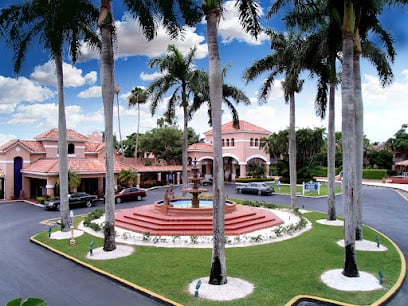
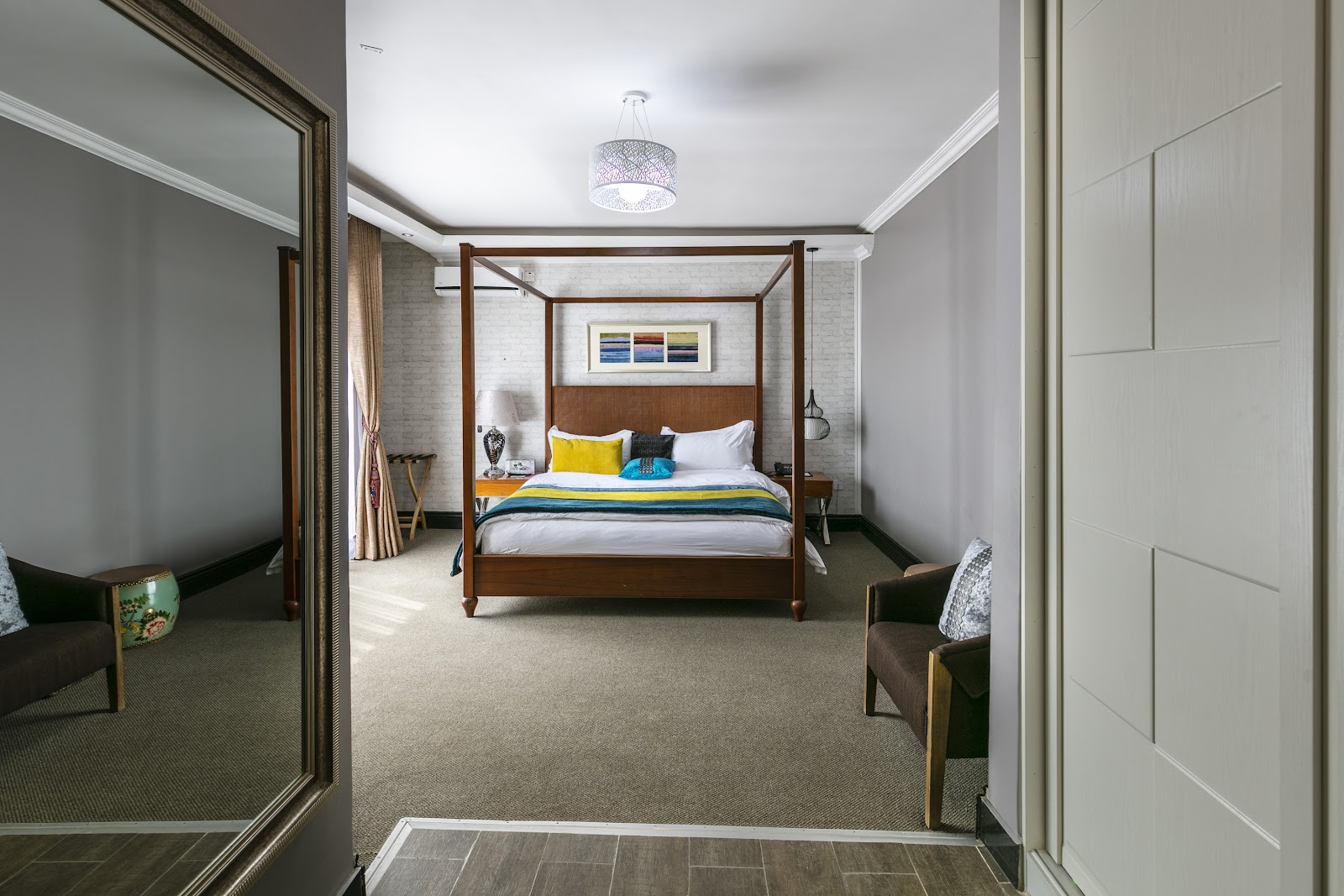
Grand Palm Hotel

Gay-Friendly Hotel

Gaborone's most prominent leisure hotel — casino, multiple restaurants, pool complex, and conference facilities. International brand…

موثّق من GayOut تم التحديث اليوم

🏨 Where to stay in غابورون

via Stay22
Where to stay in غابورون
Loading map…

دليل السفر

مجتمع الميم في غابورون — دليلك الشامل

كل ما يستحق المعرفة قبل السفر.

Gaborone, the capital of Botswana, is one of the more complex LGBTQ+ travel destinations on the African continent. It is not a city with a visible gay nightlife district, rainbow-flagged bars, or an annual Pride parade. What it does have is something arguably more remarkable: a determined, organised, and articulate LGBTQ+ civil society that has navigated a legal and social landscape that remains hostile, and that has at times achieved extraordinary legal victories before seeing them reversed. Understanding Gaborone as an LGBTQ+ destination means understanding this history and engaging with it honestly.

The legal context is essential for any visitor to grasp. Botswana criminalised same-sex intimacy under colonial-era penal code provisions, and these laws remained on the books into the twenty-first century. In 2019, the Botswana High Court issued a landmark ruling decriminalising consensual same-sex relations between adults, a decision celebrated across the continent and the world as a sign of progress. However, the Botswana Court of Appeal overturned that ruling in 2023, reinstating criminal provisions. As of 2024, same-sex intimacy remains technically illegal in Botswana under the penal code. Penalties can include imprisonment. This legal reality does not mean that LGBTQ+ people do not exist or socialise in Gaborone — they very much do — but it does mean that public displays of affection between same-sex couples carry legal and social risk, and that visitors must travel with awareness and discretion.

The organisation that sits at the centre of LGBTQ+ life in Gaborone is LEGABIBO, which stands for Lesbians, Gay and Bisexual people of Botswana. Founded in the early 2000s, LEGABIBO has been the primary vehicle for community organising, legal advocacy, and social support for queer Batswana. The organisation fought a years-long legal battle simply for the right to be registered as a formal civil society organisation — a battle it won at the High Court level in 2014, and which was upheld by the Court of Appeal in 2016. LEGABIBO has also run community wellness programmes, HIV and health outreach, and has worked in coalition with regional and international human rights organisations. For any LGBTQ+ traveller visiting Gaborone, reaching out to LEGABIBO before arrival is strongly recommended. The organisation can provide current guidance on social spaces, community events, and safety considerations that no travel guide can fully substitute.

In terms of geography, Gaborone is a relatively compact, modern city. There is no recognised gay neighbourhood or gayborhood in the way that cities like Johannesburg or Cape Town have identifiable LGBTQ+ districts. The city centre and the area around the Gaborone Mall and Game City Mall are commercial hubs where residents socialise broadly. The Village, an older residential suburb close to the centre, is home to cafes, small restaurants, and a relatively cosmopolitan resident population. Upscale residential areas like Phakalane and Gaborone North are where many professionals and expatriates live, and social gatherings in these areas tend to be more private and home-based.

Because there are no openly gay-identified bars or clubs operating in Gaborone, the social scene for LGBTQ+ people operates largely through private networks. House parties and invite-only gatherings are common ways for the community to socialise. Some mixed-crowd bars and restaurants in areas like the Village and around the central business district are known informally as relatively welcoming spaces, but these can change over time and visitors should seek current recommendations through LEGABIBO or trusted community contacts rather than relying on outdated listings. Attempting to identify or list specific venues as gay venues without current verification risks both inaccuracy and potential safety implications for those venues and their patrons.

There is no formal Pride parade or festival in Gaborone. LEGABIBO and allied organisations have held community events, film screenings, panel discussions, and health outreach days that serve social and celebratory functions for the community, but these are typically private or semi-private events rather than public street celebrations. The legal environment makes a public parade or festival of the kind seen in Johannesburg or Nairobi difficult to organise safely. Travellers interested in participating in community events should contact LEGABIBO directly, as schedules and formats vary from year to year depending on the political and legal climate.

For accommodation, Gaborone has a solid range of international-standard hotels that cater primarily to business travellers and government visitors, given the city's role as a capital and regional hub. The Avani Gaborone Resort and Casino is one of the largest and best-known properties, offering good facilities in a central location. The Masa Square Hotel is another well-regarded option close to the central business district. Smaller boutique guesthouses and serviced apartments can be found in residential areas. All of these properties operate professionally and will not discriminate against LGBTQ+ guests at the level of service — hotel staff and management in business-oriented properties are accustomed to international visitors. That said, same-sex couples should be aware that public affection, including in hotel lobbies and restaurants, may draw attention in a way it would not in more permissive destinations. Booking a room as a couple should not present a practical problem at established hotels.

On the question of safety more broadly, Gaborone is considered one of the more stable and relatively safe capital cities in sub-Saharan Africa. Street crime exists, as it does in any city, and normal urban precautions apply — being aware of your surroundings, not displaying expensive items unnecessarily, and using reputable taxis or ride-hailing apps rather than walking alone at night in unfamiliar areas. The specific safety consideration for LGBTQ+ travellers relates to the legal status of same-sex relations and the potential for harassment or targeting by law enforcement or members of the public if same-sex intimacy or identity is made visible. Discretion in public is genuinely advisable, not as a matter of shame but as a practical response to the legal and social environment. Travellers from countries with diplomatic missions in Gaborone should register with their embassy and be aware of their consular rights.

Gaborone's food scene reflects the city's modern, aspirational character. There are good restaurants serving Botswana staples such as seswaa (slow-cooked meat), bogobe (sorghum porridge), and morogo (wild spinach), alongside a wide range of international cuisine. The Gaborone Mall and Game City areas have multiple dining options from casual to more formal. Independent restaurants in the Village and around the CBD offer a more relaxed atmosphere. Food is generally not a concern for LGBTQ+ travellers in the way that social spaces might be — restaurants serve all customers and the dining experience is unlikely to be affected by the traveller's identity.

For transit, Gaborone is well connected by road to South Africa, and the Sir Seretse Khama International Airport receives flights from Johannesburg, Nairobi, and other regional hubs. Within the city, minibuses (known locally as combis) are the primary public transport for most residents, but many visitors and expatriates rely on taxis or ride-hailing services for convenience and safety. Bolt operates in Gaborone and is a practical option. Car rental is available for those who want to explore the country independently.

Day Trips

Day trips from Gaborone offer genuinely excellent options for wildlife and nature lovers. The Mokolodi Nature Reserve, located just south of the city, is a small but rewarding private reserve where visitors can see white rhino, giraffe, zebra, and a variety of antelope on guided game drives. It is one of the easiest wildlife experiences to access from the capital. Slightly further afield, the Khama Rhino Sanctuary near Serowe, approximately three hours north of Gaborone, is a community-run conservation project focused on white and black rhino and offers an authentic and uncrowded experience. Gaborone itself sits relatively close to the border with South Africa, making it easy to combine a visit with time in Johannesburg or the Pilanesberg area.

For LGBTQ+ travellers considering Botswana more broadly, it is worth noting that some of Africa's most spectacular safari destinations — the Okavango Delta, the Central Kalahari Game Reserve, and Chobe National Park — are all within this country. High-end safari lodges and camps in these areas cater to international tourists with professionalism and discretion, and the wilderness setting makes questions of legal exposure less practically relevant. Combining a Gaborone visit with a broader Botswana itinerary makes strong geographic and experiential sense.

Ultimately, Gaborone is a destination best approached not as a place to experience a thriving gay scene, but as a place to understand a community that continues to exist, organise, and advocate under difficult circumstances. The LGBTQ+ people of Gaborone and Botswana are not waiting to be discovered by tourists — they are engaged in the serious work of building rights and community. Travellers who approach the city with respect, humility, a desire to learn, and genuine solidarity with local advocates will find a meaningful and memorable experience. Those seeking a carefree, openly queer holiday with visible infrastructure should look first to Cape Town or Johannesburg. But for those who want to understand the full spectrum of LGBTQ+ life in Africa, Gaborone has much to offer.

🎟️ جولات وتجارب في غابورون

عبر GetYourGuide

تذاكر بدون انتظار وجولات سيراً على الأقدام ورحلات يومية وتجارب ودية لمجتمع LGBTQ+ — احجزها بسهولة مع إمكانية الإلغاء المجاني.

الأسئلة الشائعة

Yes — غابورون has an active LGBTQ+ scene with bars, clubs and Pride events. Browse the venues on this page for the most-reviewed spots, and check the calendar for upcoming events.

We list the top-reviewed gay bars and clubs in غابورون on this page. Filter by category and rating to find dance clubs, cocktail bars, cruise bars and more — every venue is verified by the GayOut community.

Pride season (typically June–July in the northern hemisphere) is the most lively time, with parades and parties. Spring and early autumn are also great for sightseeing without summer crowds. Check the events calendar above for specific dates.

Yes — see the "Where to stay in غابورون" map above for hotels with current prices, including LGBTQ+ welcoming properties recommended by our community.

غابورون is generally safe for LGBTQ+ visitors in tourist and central areas. Standard travel-safety advice applies. Check the country page for an LGBTQ+ rights overview specific to Botswana.

Cities like غابورون

مجتمع الميم+ في غابورون على يوتيوب

🎥 مقاطع فيديو من بوتسوانا

Botswana - Gay and lesbian travel - Exclusively Pride

Botswana - Gay and lesbian travel - Exclusively Pride

هل تعرف مكانًا رائعًا في غابورون؟

ساعد المجتمع بإضافته إلى دليلنا — مجاني ويتم مراجعته خلال 48 ساعة.

مثلي غابورون — خريطة تفاعلية

ابقَ على اطلاع

أحدث فعاليات مجتمع الميم+ وافتتاحات الأماكن الجديدة — مباشرة إلى بريدك.

Enter your email to receive Pride event updates and new-venue alerts.