كل ما يستحق المعرفة قبل السفر.
LGBTQ+ status
Some caution
فِيَنتِيَان: عاصمة نهر الميكونغ الهادئة
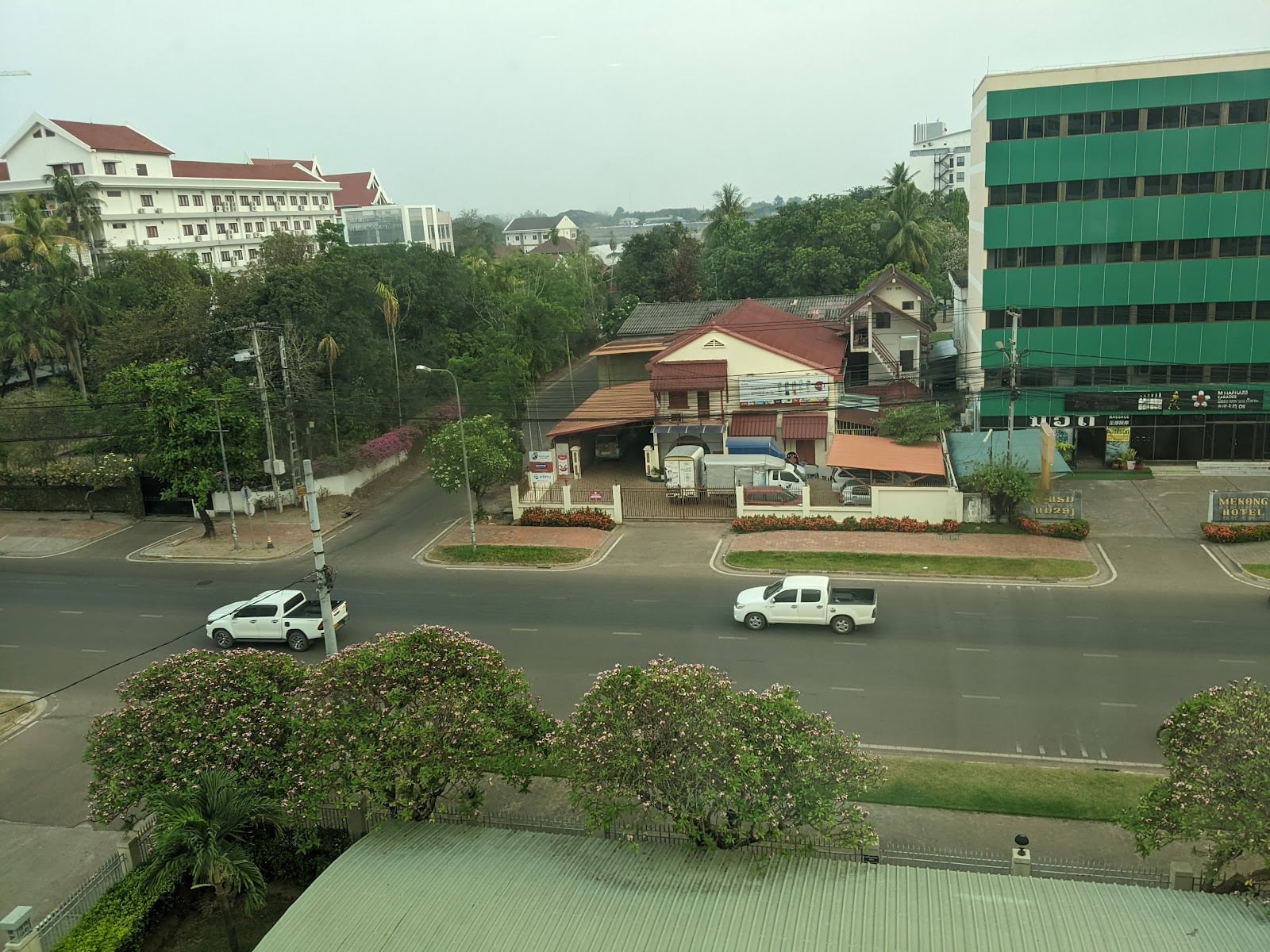
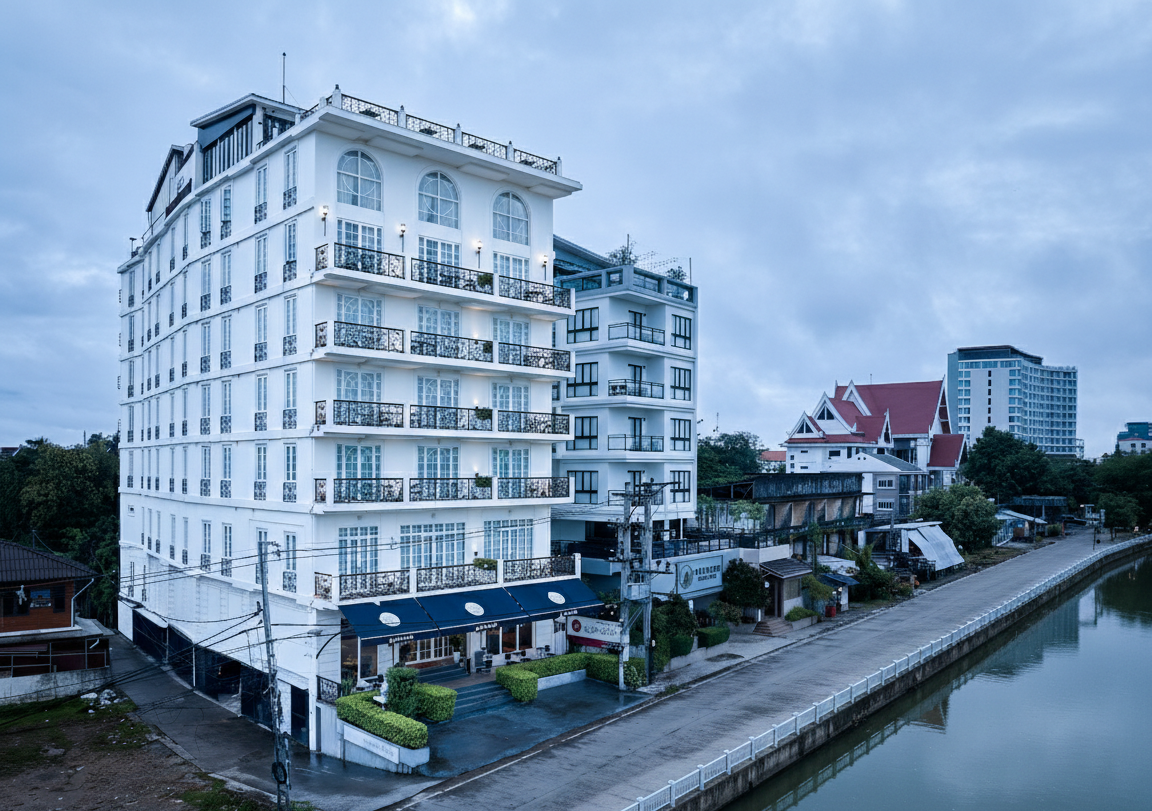
فِيَنتِيَان هي العاصمة الأكثر تواضعًا في جنوب شرق آسيا. شوارعها واسعة، ومعابدها بوذية، وهندستها المعمارية مستوحاة من الحقبة الاستعمارية الفرنسية. وتيرة الحياة هنا بطيئة حقًا مقارنة بأي مكان آخر في المنطقة. عدد السكان قليل، والحجم حميمي، والأجواء مريحة. هذه ليست مدينة بها "مشهد للمثليين" بالمعنى الموجود في بانكوك أو تايبيه، ولكن الزوار الدوليين مرحب بهم، وثقافة الحانات متسامحة، والمجتمع المغترب الذي يقود الحياة الاجتماعية في المدينة يضم شريحة من مجتمع الميم المفتوح.
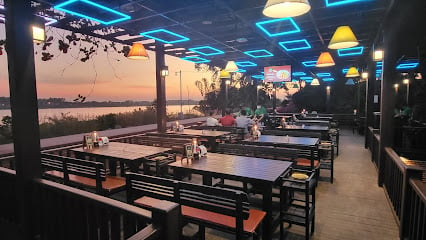
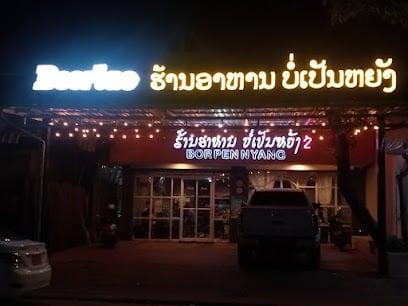
تتجمع الحانات في منطقتين. ممشى نهر الميكونغ، الذي يمتد على طول الضفة الشمالية للنهر، يضم سلسلة من الأماكن التي تمتلئ في أمسيات عطلة نهاية الأسبوع بحشد مختلط من المغتربين والسياح. منطقة نافورة نام فو في وسط المدينة تضم مجموعة أخرى من الحانات في منطقة دولية راقية قليلاً. لا توجد أماكن مخصصة للمثليين حصريًا في أي من المنطقتين، لكن كليهما معروفان كأماكن مرحبة بمجتمع الميم بين مجتمعات المغتربين والرحالة. Bor Pen Nyang Bar، بالقرب من نهر الميكونغ، هو المكان الأكثر ذكرًا باستمرار كمكان مرحب بمجتمع الميم. Kong View Bar يوفر إطلالة على النهر مع جو متسامح. Jazzy Brick، في منطقة نام فو، هو خيارك لحانات الكوكتيل في وسط المدينة.
السياق الاجتماعي لفِيَنتِيَان ينبع من وجودها الدولي الكبير. تستضيف العاصمة اللاوية قطاعًا كبيرًا من الأمم المتحدة والمنظمات غير الحكومية، والعديد من السفارات الكبرى، ومجتمعًا متنوعًا في قطاع التنمية. هذه الطبقة الدولية تخلق فقاعة اجتماعية متسامحة حول حانات ومطاعم المدينة. لن يواجه الأزواج من نفس الجنس الذين يتناولون الطعام أو يتواصلون اجتماعيًا في الأماكن الموجهة للمغتربين أي عداء. فقط كن متحفظًا في الأماكن العامة والأسواق ومناطق المعابد، حيث تظل الأعراف الاجتماعية اللاوية محافظة.
لا يوجد احتفال رسمي بفخر المثليين في فيينتيان. لا تعمل منظمات مجتمعية مثل Blue Diamond Society أو RoCK بشكل علني. يستخدم مجتمع الميم عين شبكات التواصل الاجتماعي والشبكات الخاصة. يعكس تقييم السلامة هذا: لا يوجد تجريم ذو معنى، لكن غياب الإطار المؤسسي يعني عدم وجود هيكل دعم رسمي في حال نشوء صعوبات.
ما وراء فيينتيان: فانغ فيينغ، على بعد ثلاث إلى أربع ساعات شمالاً بالحافلة، تتمتع بأجواء مرحبة تمامًا بمجتمع الميم عين في ثقافة حانات الرحالة والأنشطة المائية. لوانغ برابانغ، أبعد شمالاً، هي واحدة من أجمل المدن في جنوب شرق آسيا: موقع تراث عالمي لليونسكو، ومعابد على ضفاف نهر الميكونغ، وقطاع ضيافة راقٍ يرحب بجميع الزوار الدوليين. لا تعتبر أي منهما وجهة للمثليين بحد ذاتها، لكن كلاهما مريحتان ولا تُنسيان للمسافرين من مجتمع الميم عين.
ملاحظات عملية: من نوفمبر إلى فبراير هو أفضل موسم - بارد وجاف. من أكتوبر إلى أبريل هو موسم الذروة؛ الأمطار الموسمية من مايو إلى سبتمبر تجلب أمطارًا غزيرة ولكنها تبقي البلاد خضراء. التوك توك وسيارات الأجرة هي وسائل النقل الرئيسية داخل فيينتيان؛ اتفق على الأجرة مسبقًا. الكيب اللاوسي هو العملة؛ الدولار الأمريكي والبات التايلاندي مقبولان على نطاق واسع في المناطق السياحية.


 حانات ونوادٍ مثلية ودودة
مميز
(47)
حانات ونوادٍ مثلية ودودة
مميز
(47)