

In diesem Guide · 11 Abschnitte
- Erst lesen
- Was verloren ging, was bleibt
- Die Szene jetzt: unbeschriftete Türen
- Wie die versteckte Szene funktioniert
- Das ehrliche Bild, Kategorie für Kategorie
- Lebensadern der Community
- Digitale Sicherheit – was „vorsichtig“ wirklich bedeutet
- Die Zonenkarte
- Wo man schläft
- Praktische Überlebensliste
- Das letzte Wort
Erst lesen
Libanons Artikel 534 bestraft "sexuelle Handlungen gegen die natürliche Ordnung" mit bis zu einem Jahr Gefängnis. Gerichte haben seit 2007 wiederholt entschieden, dass einvernehmliche gleichgeschlechtliche Beziehungen nicht darunter fallen – und Staatsanwälte klagen trotzdem Leute an. Manche Richter verurteilen, aber setzen die Strafe aus, was trotzdem bis zu fünf Jahre Vorstrafe bedeutet. Artikel 521, der einen Mann, der sich als Frau verkleidet, kriminalisiert, ist ein separates, reales Risiko für Transfrauen und alle, die mit Drag zu tun haben. Dating-Apps wurden als Beweismittel verwendet. Selbstjustiz-Angriffe auf queere Veranstaltungsorte blieben ungestraft. Das Land steckt in einer Wirtschaftskrise, und jeder Waffenstillstand seit November 2024 wurde gebrochen. Die wirkliche Gefahr im Libanon ist kein klares Gesetz – es ist ein willkürliches: das Risiko ist Unvorhersehbarkeit, keine konsequente Durchsetzung. Seien Sie äußerst diskret. Keine öffentlichen Zuneigungsbekundungen, nirgends, zu keiner Stunde. Prüfen Sie die Reisehinweise Ihrer Regierung am Tag Ihrer Buchung, nicht eine Woche vor Ihrem Flug – mehrere raten derzeit von jeglicher Reise in den Libanon ab.
Was verloren ging, was bleibt
Beirut war einst die queere Hauptstadt der arabischen Welt, und der Fall von dort war lang und absichtlich. Die Razzien Ende der 2010er Jahre lichteten die Szene; die Explosion im Hafen im August 2020 verwüstete Mar Mikhael und Gemmayzeh, sein geografisches Herz. Dann schloss sich der Staat an. Im Juni 2022 ordnete der amtierende Innenminister die Sicherheitskräfte an, jede Versammlung zu verbieten, die "sexuelle Perversion fördert", und reagierte damit auf Rufe religiöser Autoritäten. Helem und Legal Agenda reichten Klage ein, und im November 2022 setzte der Staatsrat – Libanons höchstes Verwaltungsgericht – das Verbot aus; der Minister erließ innerhalb von Stunden ein neues, breiteres Verbot und erklärte, er werde die Gerichtsentscheidung so behandeln, als ob sie nicht existiere. Der Sommer 2023 war schlimmer: Boykottkampagnen von der Kanzel, ein Gesetzesentwurf zur Abschaffung von Artikel 534, der auf Belästigung stieß, die einen Abgeordneten dazu brachte, seine Unterschrift zurückzuziehen, und zwei Gegenentwürfe, die explizite Kriminalisierung plus Gefängnis für die "Förderung von Homosexualität" vorsahen. Keiner der drei Gesetzentwürfe wurde verabschiedet. Der Gesetzentwurf zur Abschaffung wartet immer noch.
Am 23. August 2023 griffen Männer von Jnoud el-Rab ("Soldaten Gottes") einen Veranstaltungsort in Mar Mikhael während einer Drag-Show an – sie verwüsteten den Ort, schlugen Besucher, die zu fliehen versuchten. Sicherheitskräfte trafen während des Angriffs ein und griffen laut Amnesty nicht ein; stattdessen befragten sie den Besitzer und Gäste zur Aufführung. Niemand wurde dafür verhaftet. Verstehen Sie, was diese Gruppe ist, denn "Bar-Rowdies" unterschätzt es: eine bewaffnete rechtsextreme Miliz, gegründet 2020, über hundert Mitglieder, mit Sitz in Achrafieh – das sie "Gottesland" nennen. Regenbogenfarbene Schaufensterpuppen für eine Brustkrebs-Ausstellung, eine Blumen-Plakatwand, eine Drag-Nacht: alles angegriffen. Im Dezember 2024 kam es zu einer Auseinandersetzung zwischen der Gruppe und Mitgliedern der Lebanese Forces, bei der ein LF-Funktionär getötet wurde; es folgten Rufe nach Auflösung, und nichts geschah. Ihr Territorium umfasst den Sassine Square und ganz Achrafieh – die gleichen Straßen wie das Nachtleben.
Und dann die Kriege. Die Hisbollah und Israel begannen im Oktober 2023 mit dem gegenseitigen Beschuss; im September 2024 brach der volle Krieg aus. Im November trat ein Waffenstillstand in Kraft, der nicht gehalten wurde. Im März 2026 folgten mehr als sechs Wochen voller Krieg; ein neuer Waffenstillstand ab dem 17. April 2026 wird seitdem kontinuierlich verletzt, mit Angriffen im ganzen Süden den ganzen Sommer über und gelegentlichen Angriffen, die die südlichen Vororte von Beirut erreichten. Das Gemeindezentrum von Helem fungiert während all dessen weiterhin als Krisenzentrum – und seine Mitarbeiter beschreiben, was Krieg speziell mit queeren Menschen macht: Ausschluss von Gemeinschaftsunterkünften, Obdachlosigkeit, Gewalt, blockierte Gesundheitsversorgung.

Die Szene jetzt: unbeschriftete Türen
Es gibt keine festen öffentlichen Schwulenbars; die Szene läuft über unbeschriftete Speakeasies und private Gästelisten. Das ist keine Niederlage – es ist eine bewusste Entscheidung, die Veranstaltungsorte nach August 2023 getroffen haben, und sie funktioniert. Mar Mikhael und Gemmayzeh beherbergen immer noch die Überlebenden, hinter Türen, die sich nicht ankündigen, innerhalb des Bezirks, in dem auch die Miliz operiert. Respektieren Sie das Modell, das Menschen am Leben hält: kein Geotagging, keine Außenaufnahmen posten, keine Orte öffentlich benennen, die sich nicht selbst benennen.
Beiruts queeres Nachtleben ist nicht verschwunden. Es ist zu seinen Wurzeln zurückgekehrt: private Wohnungsfeiern, diskrete Räume, die man durch Mundpropaganda erreicht, Veranstaltungen, die einen Tag vor ihrem Stattfinden in verschlüsselten Gruppen angekündigt werden. Erscheinen Sie vorsichtig und respektvoll, und Türen öffnen sich.
Wie die versteckte Szene funktioniert
Die Partys werden nicht auf Grindr oder öffentlichem Instagram angekündigt – sie bewegen sich durch geschlossene Signal- und Telegram-Gruppen und private Listen, die von lokalen Produzenten geführt werden. Der Einlass erfolgt über eine Überprüfung: Organisatoren wünschen sich normalerweise eine Vorstellung von einem bekannten lokalen Kontakt, oder sie prüfen Ihr Profil, bevor etwas geteilt wird. Ein höflicher, respektvoller Umgang mit Community-Mitgliedern online kann diese Tür öffnen. Jemanden nach Adressen zu drängen, schließt sie – und markiert Sie als genau die Art von Fremdem, die die Überprüfung herausfiltern soll.

Das ehrliche Bild, Kategorie für Kategorie
Dedizierte Veranstaltungsorte: Ein Club in der Stadt nennt sich immer noch öffentlich schwul und erscheint in unseren Listen mit einer eigenen vollständigen Risikoeinschätzung. Darüber hinaus – null. Ein paar Cafés in der Stadt haben den leisen Ruf, offene Räume zu sein, und dieser Reiseführer wird sie nicht namentlich nennen: Nachdem die Angreifer von 2023 Medienbeschreibungen einer "queer-freundlichen Bar" genutzt hatten, um ihr Ziel auszuwählen, erbt jeder Ort, den wir so kennzeichnen, das Risiko.
Hammams: Schwule Saunen im westlichen Sinne gibt es in Beirut nicht – keine. Traditionelle Hammams dienten einst als geheime Treffpunkte, und gerade deshalb sind sie heute gefährlich: Im August 2014 stürmte das Moralschutzbüro der ISF das Hammam al-Agha in Hamra und verhaftete alle Anwesenden – 27 Männer wurden festgehalten und zu ihrer Sexualität befragt, 28 letztendlich angeklagt – mit anschließenden Razzien in zwei weiteren Hammams Tage später, insgesamt 45 Verhaftungen. Ein Hammam in Beirut ist keine schwule Sauna und kein sicherer Treffpunkt; die Behörden haben sie schon zuvor als Verhaftungspunkte genutzt. Wir katalogisieren sie nicht, und niemand sollte von einer App dorthin navigieren. Ein normaler Touristenbesuch in einem Hammam wegen der Architektur und des Dampfes ist eine andere Aktivität – behalten Sie es dabei, ganz und gar.
Cruising: Funktional ausgestorben. Verdeckte Polizeipräsenz, Erpressungsversuche und Milizrisiko haben die Parks und die Corniche zerstört. Was überlebte, hat sich vollständig auf die Apps verlagert – mit den unten genannten Regeln. Unsere Cruising-Kategorie für Beirut ist bewusst leer: Eine leere Kategorie mit einem ehrlichen Grund schützt Menschen; eine aufgefüllte bringt sie ins Gefängnis.
Lebensadern der Community
Helem (helem.net) – die erste LGBTQ+-Organisation der arabischen Welt, immer noch aktiv, immer noch die richtige erste Anlaufstelle: Community-Unterstützung, Rechtsberatung, Überweisungen zur psychischen Gesundheit und eine Krisenstation während der Kriegsjahre. Aktuelle Geschäftsführerin: Sandy Mteirik. Wir veröffentlichen nicht die Adresse des Zentrums – nur Link und Telefon. Bekanntwerte Lebenszeichen: 2025 eröffnete eine queere Bibliothek im Zentrum, und Helem betreibt mit MOSAIC ein Heim an einem Ort, der aus gutem Grund geheim ist und es auch bleibt.
Marsa Sexual Health Center (marsa.me) – die unverzichtbare Adresse für Gesundheit, in Badaro: kostenlose oder subventionierte HIV/STI-Tests, Beratungen, psychosoziale Beratung, Informationen zu PrEP/PEP, Zusammenarbeit mit dem Nationalen AIDS-Programm des Ministeriums für öffentliche Gesundheit. Als die Eskalation von 2024 die Dienste in der ganzen Stadt zum Erliegen brachte, organisierte sich Marsa neu, anstatt zu schließen. Ein Reiseplan für die Gesundheit eines Reisenden in Beirut beginnt und endet mit Helem und Marsa.
Legal Agenda (legal-agenda.com) – das Rechtsteam, das 2022 zweimal vor dem Staatsrat gegen die Verbote kämpfte; die beste öffentliche Aufzeichnung darüber, wie es tatsächlich um die Strafverfolgung nach Artikel 534 steht. Proud Lebanon – Dienstleistungen plus der Gesetzesentwurf zur Aufhebung von Artikel 534. Qorras – trans-fokussiert, aktiv während des Notstands von 2026. Und eine Warnung, die für die gesamte libanesische Zivilgesellschaft gilt: Auswanderung und die Wirtschaftskrise haben die Belegschaften ausgehöhlt – eine Zahl, die 2023 funktionierte, kann 2026 ins Leere laufen. Gehen Sie in jedem Fall zuerst über Helem; sie wissen, wer derzeit operativ ist.

Digitale Sicherheit – was „vorsichtig“ wirklich bedeutet
Staatsanwälte bauen Artikel 534-Fälle auf Handy-Inhalten auf, und Beirut hat physische Kontrollpunkte, die plötzlich auftauchen können. Die goldene Regel: Wenn Sie hier Dating-Apps nutzen, betreiben Sie sie nur in einem separat passwortgeschützten Bereich (Secure Folder unter Android, ein gesperrtes verstecktes Profil) – oder tragen Sie ein zweites, komplett sauberes Gerät bei sich, wenn Sie das Hotel verlassen. Das Löschen des Chatverlaufs vor dem Verlassen ist hier routinemäßige Hygiene, keine Paranoia. Entscheiden Sie, bevor Sie landen, welches Setup Sie verwenden; Improvisation an einem Kontrollpunkt ist, wie Leute erwischt werden.
Gehen Sie davon aus, dass Lockvogelprofile existieren: Treffen Sie sich zuerst öffentlich, bei Tageslicht, an einem Ort Ihrer Wahl, und sagen Sie jemandem, wo Sie sind. Kennen Sie die dokumentierte Abfolge: Digitale Erpressung kommt oft vor jeder Verhaftung – ein Screenshot Ihres Profils ist der Beweis, und ein VPN schützt nichts, wenn Ihre Galerie voll ist. Machen Sie keine Screenshots, leiten Sie keine Profile weiter, enttarnen Sie niemanden: kleine Stadt, langes Gedächtnis. Schalten Sie die genaue Entfernung aus – Beirut ist dicht genug für eine Triangulation. SMEX, die libanesische Organisation für digitale Rechte, veröffentlicht aktuelle Anleitungen zur Gerätesicherheit an Kontrollpunkten.
Die Zonenkarte
Dahieh (südliche Vororte) – absolute rote Zone für Besucher. Hier haben sich die Streiks konzentriert und die Sicherheitspräsenz ist am dichtesten. Das gilt auch für die Apps: Öffnen Sie sie dort nicht, verabreden Sie sich dort nicht mit jemandem. In Dahieh gibt es nichts für einen Reisenden, der diesem Reiseführer folgt.
Achrafieh – das Zentrum der Szene und der Miliz. Der gesamte Bezirk: Sassine Square genauso wie Mar Mikhael und Gemmayzeh. Das beste Nachtleben und bewaffnete Männer teilen sich dieselben Straßen. Gehen Sie hin, aber gehen Sie informiert: unmarkierte Türen, keine Außenfotos, ein Fluchtplan.
Hamra und Badaro – die sicherere Wahl für Übernachtungen und ruhige Abende. Liberaler, gemischter, außerhalb des Einflussbereichs der Milizen – und Badaro beherbergt Marsa. Eine "sichere Zone" bedeutet sicherere Straßen und Unterkünfte; sie hat nie sicheres Ausgehen bedeutet. Nirgendwo in dieser Stadt. Eine Buchungsregel, die jedes Angebot übertrumpft: Nimm niemals ein Zimmer "in Flughafennähe", ohne eine Karte zu prüfen – die Flughafenstraße führt durch die Streikzone.

Wo man schläft
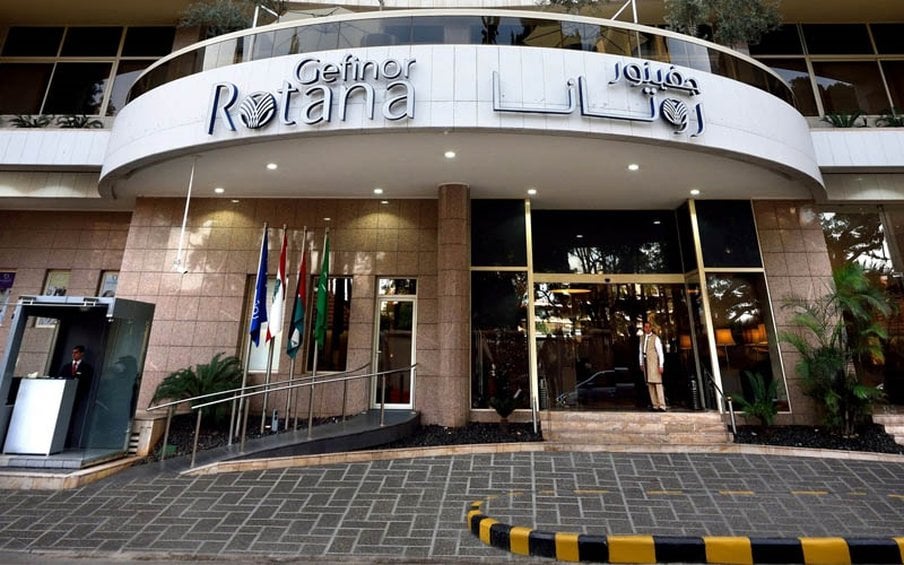
Schlage dein Lager in Hamra auf – Radisson Blu Martinez, Gefinor Rotana, 1866 Court & Suites – für die Energie des Universitätsviertels und kosmopolitische Menschenmengen, oder in Badaro – The Smallville Hotel, Urban Central Suites – für das ruhige Café-Viertel mit einem gebildeten zivilen Publikum, sehr angenehm für Paare, die unauffällig bleiben wollen. Dies sind Unterkünfte nach internationalem Standard mit reputationsgemäß nicht diskriminierenden Unternehmensrichtlinien – nicht von Paaren vor Ort aus erster Hand verifiziert; die stadtweite Regel gegen öffentliche Zuneigungsbekundungen gilt auch in Lobbys.
Praktische Überlebensliste
Bargeld regiert alles: Kreditkarten existieren außerhalb von Luxushotels kaum – bringe neue, unbeschädigte USD in kleinen Stückelungen ($10er und $20er); Wechselstuben lehnen zerrissene Scheine ab, Geldautomaten sind unzuverlässig. Strom kommt und geht; lade auf, wann immer du kannst. Speichere die Nummer deiner Botschaft und die von Helem. Wenn der Flughafen schließt – was bei Eskalationen schon passiert ist – gibt es keine Landroute für dich hinaus; habe einen Plan, um vor Ort Schutz zu suchen.

Das letzte Wort
Die Szene ist nicht tot. Sie hat sich zurück in die Wohnungen, die privaten Listen, die verschlüsselten Gruppen verlagert. Komme vorsichtig und respektvoll an, und du wirst Zugang erhalten. Komme mit einer Kamera und einem Geotag an, und du schließt Türen – nicht für dich selbst, sondern für die Menschen, die hier weiterleben müssen, nachdem du nach Hause geflogen bist.
