
כל מה שכדאי לדעת לפני הנסיעה.
Colombo, Sri Lanka: An Honest LGBTQ+ Travel Guide
Travelling to Colombo as an LGBTQ+ visitor requires honest preparation. Sri Lanka retains Sections 365 and 365A of the Penal Code, inherited from British colonial rule, which criminalise "carnal intercourse against the order of nature" and acts of "gross indecency" between persons of the same sex. Penalties can include up to ten years in prison, though prosecutions of tourists are rare in practice. This legal reality shapes everything about the LGBTQ+ experience in Colombo — it is a city where queer life exists, quietly and resiliently, rather than openly and visibly.
With that context firmly in mind, Colombo has more to offer LGBTQ+ travellers than its legal climate might suggest. A small, educated, and internationally connected queer community has built social and advocacy networks over the past two decades, and visitors who engage respectfully with those networks will find warmth, intelligence, and community.
A Brief History of the LGBTQ+ Scene
For much of the twentieth century, Sri Lanka's queer community had no visible public presence at all. The founding of EQUAL GROUND in 2004 by activist Rosanna Flamer-Caldera marked a turning point. EQUAL GROUND became the country's most prominent LGBTQ+ rights organisation, advocating for law reform, running community programmes, and connecting Sri Lankan queer people with international networks. The organisation has faced periodic harassment and legal threats, but has continued operating, making it the most reliable point of contact for visitors seeking community connection.
In the years following EQUAL GROUND's founding, a small number of private social gatherings, occasional club nights, and informal meetups began to form the backbone of Colombo's queer social life. These events are typically not advertised publicly and circulate through word of mouth or private social media groups. The situation has not dramatically liberalised — there is no gay bar strip, no Pride parade, and no openly gay-owned venue operating under a rainbow flag — but there is a community, and it is more connected than it has ever been.
Neighbourhoods to Know
Colombo 3, known as Kollupitiya, is the district where most LGBTQ+-friendly activity in the city is concentrated, largely because it houses the greatest density of international hotels, upscale restaurants, and cosmopolitan bars. The area along Galle Road in Colombo 3 is the closest thing the city has to a social hub for queer visitors. Hotels here cater to international guests and tend to be professionally neutral in their treatment of all guests.
Colombo 7, known as Cinnamon Gardens, is the city's most elegant residential and cultural neighbourhood. Tree-lined streets, colonial bungalows, the Viharamahadevi Park, the National Museum, and several of the city's best restaurants are found here. It is a neighbourhood where a cosmopolitan crowd — artists, professionals, NGO workers — tends to gather, and LGBTQ+ visitors generally move through it without incident.
Colombo 1, the Fort district, is the commercial and historic heart of the city. While it is more functional than social for queer travellers, it is worth exploring for its colonial architecture and proximity to the Pettah market district. The nearby Galle Face Green esplanade, a vast oceanfront promenade between Fort and Kollupitiya, is a popular gathering spot for all Colombo residents at sunset and is a relaxed environment for a leisurely walk.
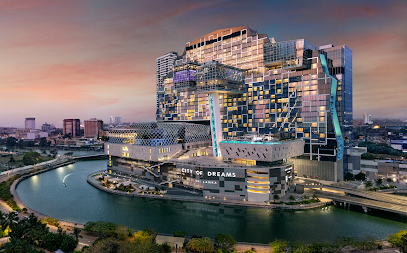
Colombo 2, Slave Island (officially Kompanna Veediya), sits between Fort and Kollupitiya and has undergone significant development in recent years with new hotel properties and restaurants. It is worth knowing as a location for accommodation options at various price points.
Key Venues and Social Spaces
Because there are no dedicated LGBTQ+ bars or clubs operating openly in Colombo, the venues that matter most to queer visitors are those that maintain a cosmopolitan, internationally oriented atmosphere where discretion is respected and diversity is the norm rather than the exception.
The rooftop bars and lobbies of Colombo's international hotels — including properties such as the Shangri-La Colombo, Cinnamon Grand, and Taj Samudra — function as de facto social spaces for queer visitors and local LGBTQ+ professionals. These spaces operate under international hospitality standards and their staff are trained to treat all guests professionally regardless of background.
Café culture in Colombo 7 and Colombo 3 offers another layer of social space. Coffee shops and brunch spots in these areas attract a young, educated, and relatively open-minded crowd. While none operate explicitly as LGBTQ+ venues, they provide comfortable environments for socialising.
EQUAL GROUND (equalground.org) is the single most important contact for any LGBTQ+ visitor to Colombo seeking community connection. The organisation periodically organises community events, film screenings, discussions, and social gatherings, and can advise visitors on current conditions and how to connect with the local queer community safely.
Private parties and informal social events do circulate within Colombo's queer community, typically through private WhatsApp groups and social media. The best way to access these as a visitor is through prior contact with EQUAL GROUND or connections made through international LGBTQ+ travel networks.
Pride and Key Events
Colombo does not have a public Pride parade. Attempts to organise public LGBTQ+ demonstrations have historically faced obstruction from authorities. However, EQUAL GROUND organises annual events around IDAHOBIT — the International Day Against Homophobia, Biphobia and Transphobia — which falls on May 17th each year. These events have taken various forms including community gatherings, film screenings, and advocacy events. The organisation also marks Transgender Day of Remembrance in November.
For those seeking circuit events or Pride festivals in the broader region, Bangkok, Singapore, and Taipei are the nearest cities with established annual Pride events and visible gay nightlife, and are popular destinations for Sri Lankan LGBTQ+ travellers as well.
Where to Stay
International chain hotels in Colombo 3 and Colombo 7 are the safest and most comfortable options for LGBTQ+ visitors. These properties adhere to international standards and their staff are accustomed to hosting diverse international guests. The Shangri-La Colombo, Cinnamon Grand, Cinnamon Lakeside, and Taj Samudra are all centrally located and consistently professional.
Boutique guesthouses in Colombo 7 offer a more intimate experience and many are run by cosmopolitan, educated hosts who are unlikely to cause difficulties for LGBTQ+ guests. Booking through reputable platforms and reading recent guest reviews — including any comments from LGBTQ+ travellers — is advisable when selecting smaller properties.
Avoiding displays of affection in hotel lobbies and public areas is strongly recommended regardless of which property you choose. Same-sex couples should be aware that even in international hotels, the broader legal context means there is no formal legal protection if an issue arises.
Safety Considerations
Safety is the most important topic for any LGBTQ+ visitor to Colombo to understand thoroughly. The criminalisation of same-sex conduct is a real legal fact, not a theoretical one. While enforcement against tourists is historically uncommon, the law exists and is enforceable. Public displays of affection between same-sex couples carry genuine legal risk and should be avoided entirely.
Harassment from members of the public is relatively uncommon in the tourist-frequented districts of Colombo 3 and Colombo 7, where residents are accustomed to international visitors. However, attitudes vary widely across the city and country, and moving through less tourist-oriented neighbourhoods requires additional discretion.
Digital safety matters. Dating apps including Grindr are used by Sri Lanka's gay community, but caution is warranted. There have been reported cases regionally of entrapment via dating apps, and while such incidents specifically in Colombo are not widely documented, the risk is real enough to warrant careful judgment. Avoid sharing identifying information with strangers online, and meet any new contacts in public, established settings first.
Registering with your home country's embassy upon arrival is a practical precaution. Knowing the contact details for EQUAL GROUND and for legal aid organisations before you arrive is also sensible.
Getting Around
Colombo is navigating a transport transition. The city has long relied on tuk-tuks (three-wheelers), buses, and taxis. App-based ride-hailing services including PickMe and Uber are both operational in Colombo and are the most practical way for visitors to move around the city comfortably and safely. They remove the need to negotiate fares and avoid the occasional overcharging that can affect tourists using informal taxis.
Colombo's road traffic is heavy and the city's layout can be confusing. Keeping your accommodation's address in both English and Sinhala script on your phone is useful for directing drivers.
Food and Drink
Colombo has an exceptional food scene that is one of the most compelling reasons to visit regardless of any other considerations. Sri Lankan cuisine — built around rice, coconut, curry, and an extraordinary range of spices — is outstanding. Hoppers (bowl-shaped fermented rice-flour pancakes), kottu roti (chopped flatbread stir-fried with vegetables and egg or meat), and pol sambol (fresh coconut relish) are dishes every visitor should try.
For a casual local experience, the small "short eats" bakeries and lunchtime rice-and-curry spots throughout the city are inexpensive and excellent. For upscale dining, Ministry of Crab (located in the Dutch Hospital shopping precinct in the Fort district) is one of the most celebrated restaurants in the country and worth booking well in advance. The Dutch Hospital precinct itself is a pleasant colonial-era complex with several good restaurant and bar options in a relatively relaxed setting.
Alcohol is freely available in hotel bars and licensed restaurants. Beer and locally produced arrack (a coconut-based spirit) are the most common drinks. Some restaurants do not serve alcohol, so checking in advance is worthwhile if that matters to your plans.
Day Trips from Colombo
Colombo is an excellent base for exploring Sri Lanka more broadly. The ancient city of Anuradhapura (approximately four hours by road or train) and the rock fortress of Sigiriya in the Cultural Triangle are among the most impressive historical sites in Asia and worth prioritising if time allows.
The colonial-era hill station of Nuwara Eliya, set among tea plantations in the central highlands, can be reached by the famous scenic train journey from Kandy — one of the most beautiful rail routes on the island. Kandy itself, home to the Temple of the Tooth Relic, is roughly two and a half hours from Colombo and is a standard day trip or overnight stop.
For beach time, the south coast between Unawatuna and Tangalle offers some of Sri Lanka's best swimming beaches and has a well-developed tourism infrastructure. Galle, a UNESCO-listed Dutch colonial fort town about two hours south of Colombo, is one of Sri Lanka's most atmospheric and walkable historic destinations.
Final Thoughts
Colombo is not a destination for LGBTQ+ travellers seeking visibility, celebration, or the experience of open queer culture. It is a destination for travellers who are drawn to Sri Lanka's remarkable history, landscape, food, and warmth, and who are prepared to navigate a restrictive legal environment with care and discretion. The queer community that exists in Colombo is genuine, resilient, and quietly remarkable given the conditions it operates under. Engaging with that community respectfully, supporting organisations like EQUAL GROUND, and travelling thoughtfully will make for a meaningful and rewarding experience.
