Zdekryminalizowane w 2007 r. przez Sąd Najwyższy. Trzecia płeć uznana konstytucyjnie w 2015 r. – pierwsza w Azji. Dyrektywa Sądu Najwyższego w sprawie równości małżeńskiej wydana w 2023 r.; wdrażanie w toku od 2026 r. Blue Diamond Society to główna organizacja pozarządowa. Nepal Pride odbywa się corocznie w Katmandu, zazwyczaj w sierpniu.
Centralny park w Katmandu przy starym dworcu autobusowym — historycznie najbardziej znane miejsce spotkań i cruisingu gejowskiego w ciągu dnia, choć dyskrecja jest kluczowa.
Bilety bez kolejki, spacery z przewodnikiem, jednodniowe wycieczki i unikalne doświadczenia przyjazne LGBTQ+ — rezerwacja od ręki z bezpłatnym anulowaniem.
Nepal's leading organisation for LBT women — lesbian, bisexual and transgender women — running advocacy, support groups and safe spaces from Kathmandu since 2005.
Poglądy Nepalu na temat płci i seksualności sięgają daleko w przeszłość, zanim powstał nasz współczesny ruch na rzecz praw LGBTQ+. Kultury hinduskie i buddyjskie w Dolinie Katmandu od dawna uznają "trzecią płeć", zwaną tutaj metis. Tradycja hijra, powszechna w całej Azji Południowej, istnieje w Nepalu od wieków. To, co wyróżnia Nepal – a zwłaszcza Kathmandu – na tle regionu, to szybkość, z jaką to kulturowe uznanie przerodziło się w formalną ochronę prawną.
The Blue Diamond Society, pierwsza formalna organizacja LGBTQ+ w Nepalu, powstała w Kathmandu w 2001 roku z inicjatywy aktywisty Sunila Babu Panta. Ich praca doprowadziła do ważnego orzeczenia Sądu Najwyższego z 2007 roku. Nakazywało ono rządowi zaprzestanie dyskryminacji osób LGBTQ+ i rozważenie legalizacji małżeństw osób tej samej płci. Uczyniło to Nepal liderem w dziedzinie praw osób queer w Azji Południowej, w czasie, gdy homoseksualizm w sąsiednich Indiach i Bangladeszu wciąż był przestępstwem. Nepal stał się również jednym z pierwszych krajów na świecie, który pozwolił ludziom na wybór opcji trzeciej płci w oficjalnych dokumentach, w tym w paszportach.
Postęp trwa nieprzerwanie od tamtej pory, choć pełna równość małżeńska powoli posuwała się naprzód w legislaturze. Pod koniec 2023 roku Sąd Najwyższy wydał kolejne ważne tymczasowe orzeczenie, zezwalające parom tej samej płci na rejestrację ich małżeństw. Był to historyczny krok, stawiający Nepal w czołówce równości LGBTQ+ w Azji. Jako stolica i centrum życia politycznego, Kathmandu odegrało kluczową rolę w tych zmianach. To sprawia, że jest to ważne miejsce dla podróżujących LGBTQ+, daleko wykraczające poza jego życie nocne.
Dzielnice
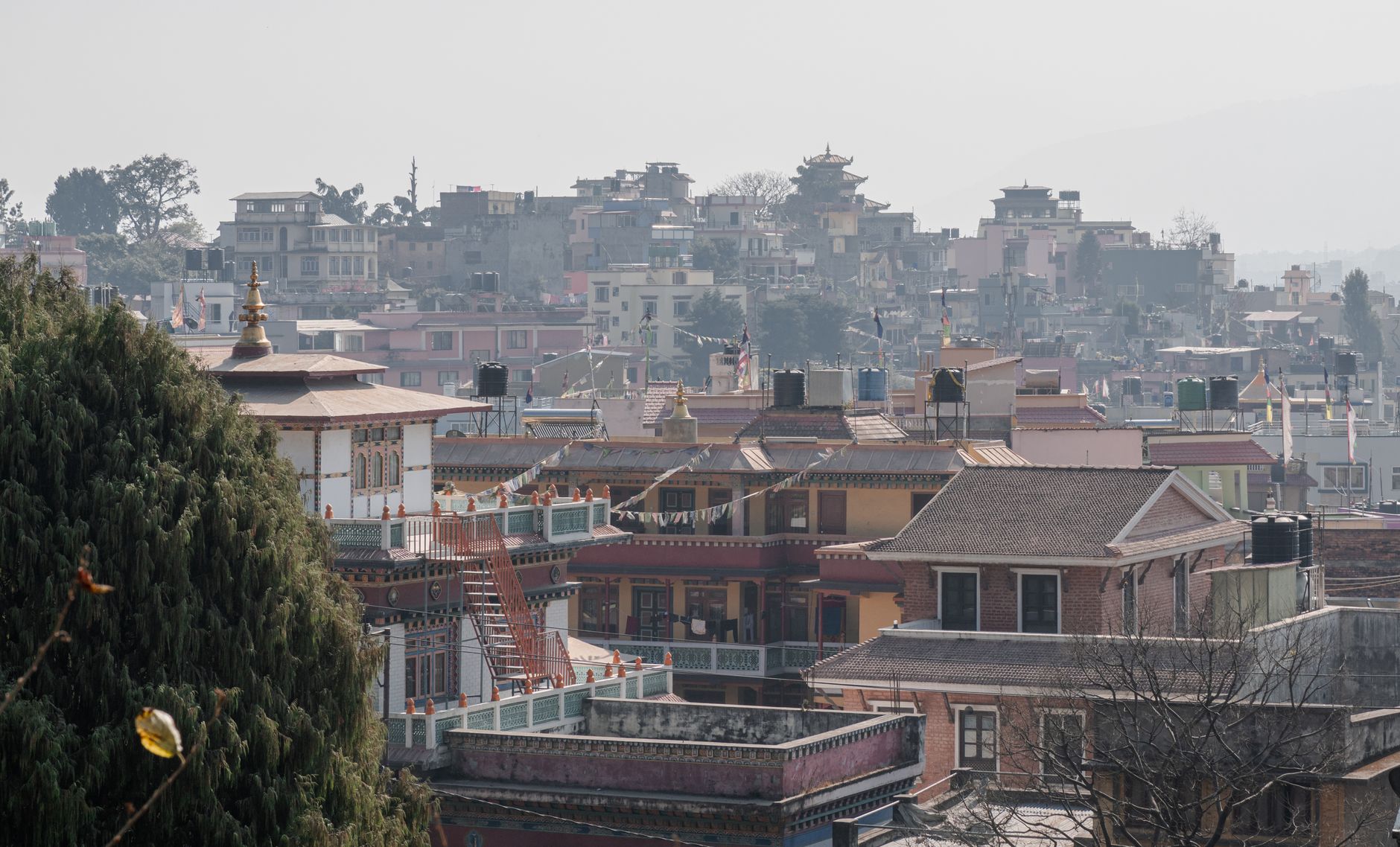
Thamel to serce turystycznego Kathmandu. Większość odwiedzających z kręgu LGBTQ+ spędzi tu najwięcej czasu. Ta gęsta, labiryntowa dzielnica na północy miasta oferuje pensjonaty, restauracje, agencje trekkingowe i bary. Nie jest to "dzielnica gejowska" w stylu Soho czy Castro, ale jest to najbardziej swobodna obyczajowo część miasta. Kilka z jej barów i pensjonatów jest otwarcie przyjaznych osobom LGBTQ+ lub prowadzonych przez queerowych właścicieli. Ponieważ w Thamel cudzoziemcy są generalnie tolerowani, podróżujący LGBTQ+ rzadko czują się tu niekomfortowo.
Lazimpat, na północ od Thamel, to spokojniejsza, bardziej zielona okolica. Lubią ją dyplomaci, pracownicy organizacji pozarządowych oraz podróżujący o średnich i wyższych dochodach. Ma bardziej międzynarodowy charakter i kilka przyjaznych osobom LGBTQ+ pensjonatów oraz kilka miejsc spotkań towarzyskich. W tej części miasta znajdują się biura niektórych grup działających na rzecz społeczności LGBTQ+, w tym placówki związane z Blue Diamond Society.
Boudha (Boudhanath), na wschodzie miasta, wokół wielkiej stupy, przyciąga duchowy, międzynarodowy tłum i ma swobodną, otwartą atmosferę. Nie jest to specyficzne centrum LGBTQ+, ale znana jest z postępowych, otwartych umysłów praktyków buddyzmu tybetańskiego, artystów i długoterminowych ekspatów. Pary tej samej płci zazwyczaj czują się tu komfortowo.
Patan (Lalitpur), po drugiej stronie rzeki Bagmati od centrum Kathmandu, to miejsce, gdzie mieszka wielu bardziej wykształconych, postępowych mieszkańców miasta. Niektórzy Nepalczycy z kręgu LGBTQ+ spotykają się w kawiarniach Patan, które nie są tak nastawione na turystów jak Thamel.
Kluczowe Miejsca
Venture Restaurant and Bar w Thamel to historycznie jedno z najbardziej otwarcie przyjaznych osobom LGBTQ+ miejsc w Kathmandu. To swobodne, kameralne miejsce popularne wśród lokalnych Nepalczyków z kręgu LGBTQ+ i zagranicznych gości. Atmosfera jest luźna i przyjazna, a miejsce to od dawna jest nieformalnym punktem spotkań społeczności queerowej.
The Blue Diamond Society często pełni funkcję centrum społecznego i wspólnotowego, obok swojej działalności rzeczniczej. Osoby odwiedzające Nepal, które chcą nawiązać kontakt z lokalną społecznością LGBTQ+, mogą skontaktować się z organizacją; ta okazjonalnie organizuje wydarzenia i spotkania towarzyskie. Jej biuro w Kathmandu jest znaną i szanowaną instytucją.
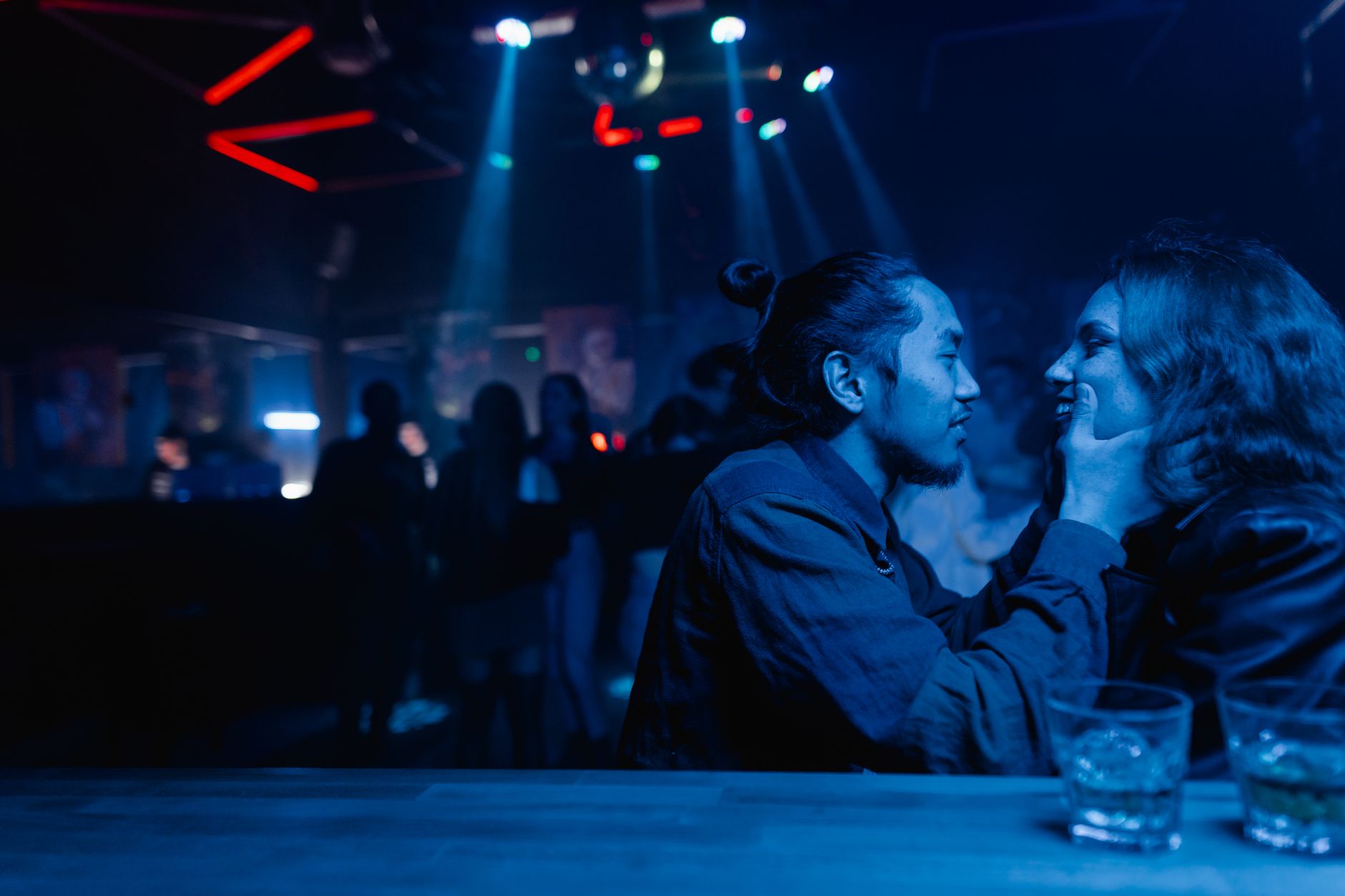
Thamel oferuje szerszą gamę barów i klubów, które generalnie tolerują klientów LGBTQ+. Kluby i bary na dachach w tej dzielnicy przyciągają zróżnicowaną międzynarodową publiczność. Scena ta nie jest tak skomercjalizowana jak w Bangkoku czy Singapurze; scena LGBTQ+ w Kathmandu jest bardziej napędzana przez społeczność niż przez życie nocne.
Dla osób zainteresowanych sztuką i kulturą, Kathmandu ma małą, ale aktywną społeczność queerowych artystów, filmowców i pisarzy. Wydarzenia w galeriach i niezależnych ośrodkach kulturalnych czasami obejmują tematykę LGBTQ+. Śledzenie lokalnych zapowiedzi wydarzeń i grup w mediach społecznościowych to najlepszy sposób, aby je znaleźć.
Parada Równości i Główne Wydarzenia
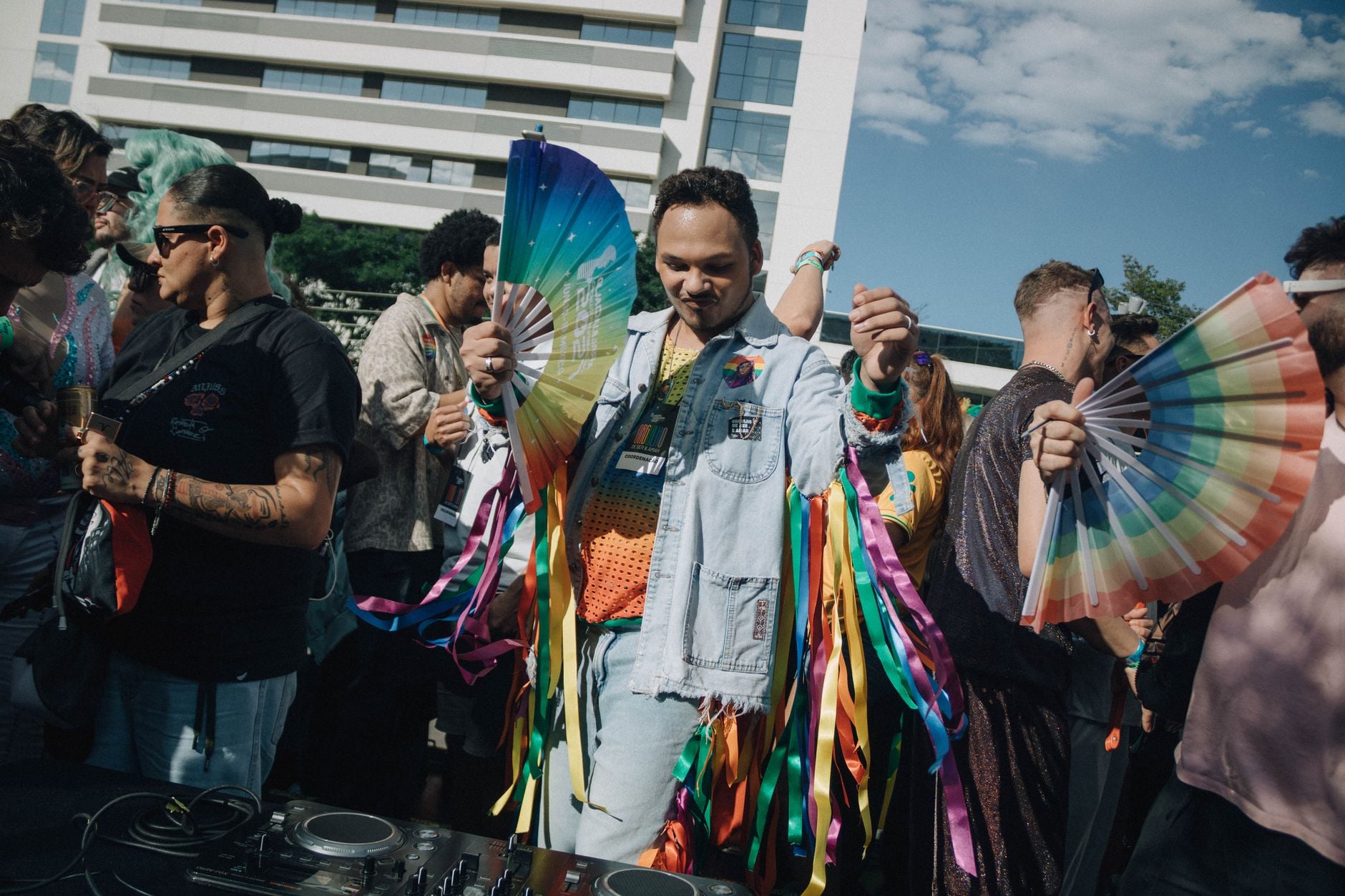
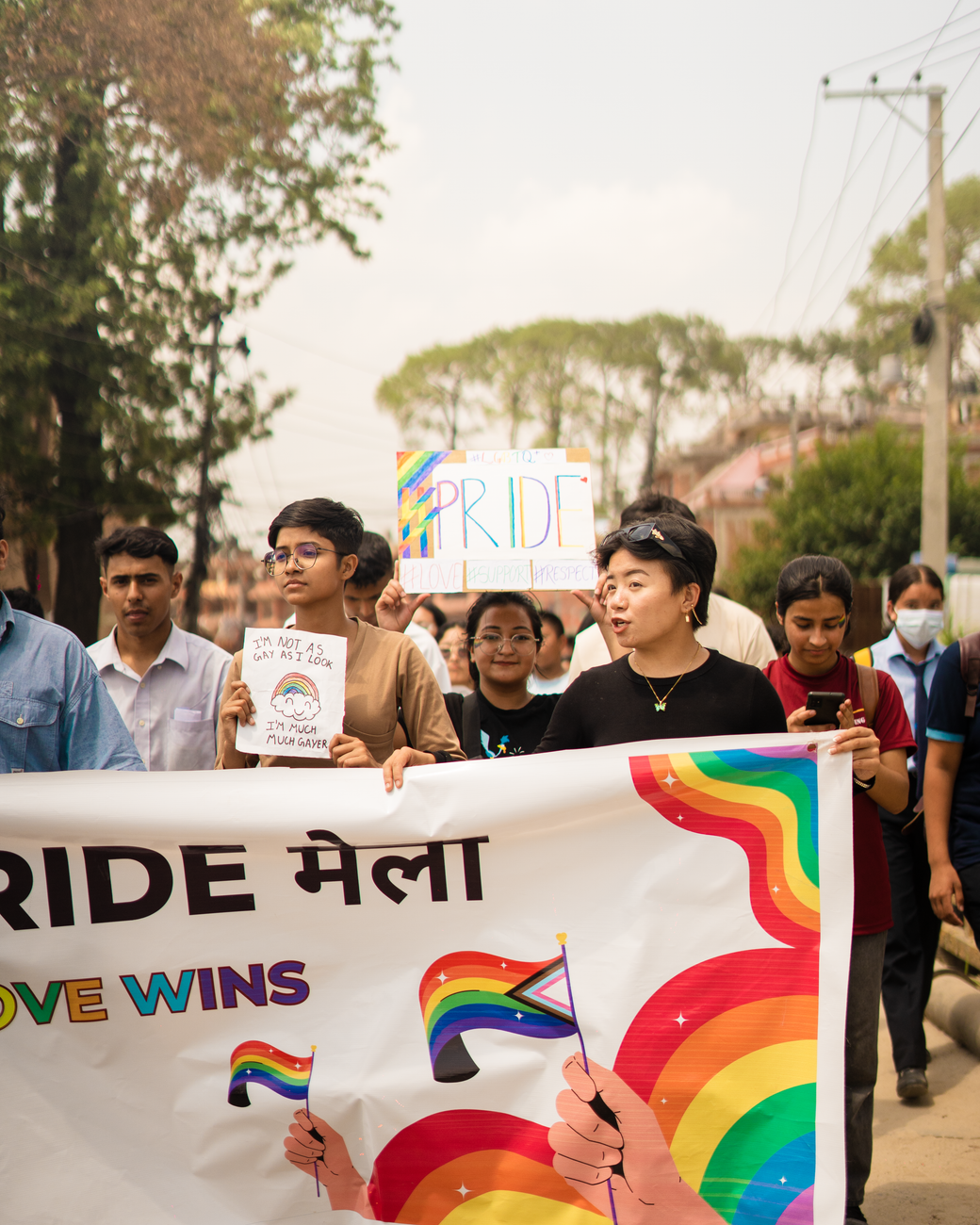
Nepal Pride Parade, odbywająca się corocznie w Kathmandu, zazwyczaj ma miejsce w sierpniu. Jest to jedno z największych i najważniejszych wydarzeń Pride w Azji Południowej, które znacznie się rozrosło od swojego początku. Parada przechodzi przez centrum Kathmandu i kończy się publiczną celebracją. W przeciwieństwie do wydarzeń Pride w niektórych zachodnich miastach, Pride w Kathmandu wciąż ma silny aktywistyczny charakter, odzwierciedlając trwające prace na rzecz równości prawnej. Międzynarodowi goście są mile widziani. Wydarzenie jest barwne, pokojowe i głęboko znaczące, biorąc pod uwagę kontekst regionalny.
The Blue Diamond Society organizuje wydarzenia przez cały rok, w tym warsztaty, pokazy filmowe i programy kulturalne. Te wydarzenia pozwalają na znaczące zaangażowanie się w lokalną społeczność LGBTQ+, zamiast tylko obserwowania z boku.
Rainbow Tourism Nepal, queerowy operator turystyczny z siedzibą w Kathmandu, organizuje trekkingi i wycieczki kulturalne skierowane do społeczności LGBTQ+. Są one szczególnie popularne wśród podróżnych, którzy chcą doświadczyć Himalajów w przyjaznej grupie.
Gdzie się zatrzymać
W Thamelu znajduje się najwięcej obiektów noclegowych i pensjonatów przyjaznych osobom LGBTQ+ w całym mieście. Podróżujący z ograniczonym budżetem znajdą tu wiele pensjonatów, które od lat chętnie przyjmują gości LGBTQ+. Butikowe hotele średniej klasy w Thamelu i Lazimpat zazwyczaj mają międzynarodowe podejście i są odpowiednie dla par tej samej płci.
Jeśli szukacie czegoś bardziej luksusowego, Dwarika's Hotel w dzielnicy Battisputali to jeden z najbardziej znanych hoteli dziedzictwa kulturowego w Kathmandu. Słynie z gościnnego i kulturowo wrażliwego podejścia do wszystkich gości. Podobnie Hyatt Regency Kathmandu i inne międzynarodowe marki hotelowe w mieście stosują globalne polityki niedyskryminacji.
Pary tej samej płci powinny sprawdzić opinie na platformach podróżniczych dedykowanych społeczności LGBTQ+ przed rezerwacją mniejszych, lokalnych pensjonatów, ponieważ podejście może być różne. Rzadko jest to problem w Thamelu i Lazimpat, ale warto to sprawdzić w przypadku zakwaterowania poza głównymi obszarami turystycznymi.
Kwestie bezpieczeństwa
Nepal jest zdecydowanie najbezpieczniejszym i najbardziej przyjaznym dla osób LGBTQ+ krajem w Azji Południowej dla podróżujących queer. Żadne prawo nie kryminalizuje związków tej samej płci, a system prawny aktywnie chroni prawa osób LGBTQ+ w sposób nietypowy dla regionu. W samym Kathmandu otwarta obecność Blue Diamond Society i coroczna Parada Równości świadczą o poziomie akceptacji instytucjonalnej, który jest naprawdę postępowy.
Niemniej jednak, Nepal pozostaje krajem o społecznie konserwatywnym charakterze poza głównymi miastami i obszarami turystycznymi. Publiczne okazywanie uczuć między parami tej samej płci może przyciągnąć niepożądaną uwagę w mniej kosmopolitycznych dzielnicach lub poza Kathmandu. Obowiązuje tu ta sama ostrożność, co w większości azjatyckich miast: dyskrecja w bardziej tradycyjnych lub wiejskich środowiskach jest dobrym pomysłem.
Drobne przestępstwa w Thamelu – kradzieże torebek, oszustwa skierowane przeciwko turystom – są problemem dla wszystkich podróżnych, nie tylko dla gości LGBTQ+. Obowiązują standardowe środki ostrożności podczas podróży miejskich.
Społeczność osób transpłciowych i meti w Nepalu, choć prawnie uznana, wciąż boryka się ze znaczną dyskryminacją społeczną i marginalizacją ekonomiczną. Zachęca się do pełnego szacunku i przemyślanego kontaktu z tymi społecznościami, zwłaszcza za pośrednictwem Blue Diamond Society i organizacji partnerskich.
Poruszanie się po mieście
Drogi w Katmandu są notorycznie zakorkowane, a ulice bywają chaotyczne. Taksówki są wszędzie i stosunkowo tanie według zachodnich standardów. Przed wyjazdem negocjuj cenę lub upewnij się, że taksometr jest włączony. Aplikacje do zamawiania przejazdów, takie jak Pathao i InDriver, działają w Katmandu i oferują przejrzyste ceny.
Najlepszym sposobem na poruszanie się po Thamel, który jest częściowo wyłączony z ruchu kołowego, jest spacer. Dzielnica jest na tyle mała, że do większości miejsc można dojść pieszo. Do Boudha, Patan i innych części miasta potrzebna jest taksówka lub usługa przewozu.
Lotnisko Tribhuvan International Airport znajduje się około sześciu kilometrów od Thamel. Przejazd taksówką trwa od dwudziestu minut do ponad godziny, w zależności od natężenia ruchu.
Jedzenie i picie
Scena kulinarna Katmandu jest zróżnicowana i doskonała. Nepalskie specjały, takie jak dal bhat (zupa z soczewicy z ryżem), momo (gotowane na parze pierożki) i thukpa (zupa z makaronem), są dostępne wszędzie i pyszne. Zarówno Thamel, jak i Patan mają bogatą ofertę restauracji międzynarodowych, od kuchni japońskiej po włoską, a także doskonałe jedzenie indyjskie i tybetańskie.
Katmandu ma silną kulturę kawiarnianą, a wiele z najlepszych znajduje się w Patan i Lazimpat. Zazwyczaj przyciągają one kreatywną, progresywną lokalną publiczność i są komfortowymi miejscami dla odwiedzających LGBTQ+.
Alkohol jest szeroko dostępny w restauracjach i barach Katmandu. Popularne są lokalne piwa Everest i Gorkha, a w mieście rozwija się niewielka scena piw rzemieślniczych. Warto spróbować tongba, tradycyjnego napoju z fermentowanego prosa z gór.
Wycieczki jednodniowe i dalsza podróż po Nepalu
Kathmandu to punkt wyjścia do odkrywania jednych z najbardziej niezwykłych krajobrazów świata. Pokhara, miasto nad jeziorem położone kilka godzin na zachód, jest bazą wypadową na trekkingi w region Annapurny i sprawia wrażenie jeszcze bardziej swobodnej i bohemicznej niż Kathmandu. Wielu podróżujących LGBTQ+ uważa Pokharę za niezwykle komfortową.
Zabytki Doliny Kathmandu – świątynia Pashupatinath, Swayambhunath (Małpia Świątynia), stupa Boudhanath oraz królewskie place w Bhaktapurze i Patanie – to łatwe jednodniowe wycieczki i jedne z najwspanialszych historycznych miejsc Azji.
Trekking w Nepalu to nadal jedno z najsłynniejszych przeżyć na świeżym powietrzu na świecie. Rainbow Tourism Nepal i inni operatorzy oferują przyjazne dla społeczności LGBTQ+ trekkingi grupowe do Bazy pod Mount Everestem, na Annapurna Circuit i krótsze trasy dla mniej doświadczonych turystów. Te wyprawy cieszą się rosnącą popularnością wśród queerowych podróżników, którzy chcą połączyć przygodę ze wspólnym doświadczeniem.
Kathmandu nie jest miastem z rozbudowaną komercyjną sceną gejowską. Zamiast tego oferuje coś, co można uznać za cenniejsze: autentyczną, wywalczoną historię praw LGBTQ+, przyjazną społeczność oraz niezwykłe bogactwo kulturowe i przyrodnicze. Dla podróżujących LGBTQ+, którzy szukają czegoś więcej niż barów i klubów – którzy pragną historii, krajobrazów, głębszego znaczenia i więzi – Kathmandu oferuje to w sposób, w jaki niewiele miast w Azji potrafi.
Najczęściej zadawane pytania
Nepal poczynił znaczące postępy prawne w zakresie praw LGBTQ+, w tym dekryminalizację związków osób tej samej płci i uznanie trzeciej płci. Chociaż ośrodki miejskie, takie jak Katmandu, są generalnie bardziej progresywne, postawy społeczne mogą nadal być mieszane, od progresywnych po konserwatywne.
Thamel, główna dzielnica turystyczna Katmandu, jest de facto sercem sceny LGBTQ+. Większość podróżujących LGBTQ+ i wielu przyjaznych lokali jest tu skoncentrowanych.
W Katmandu bary i kluby gejowskie są ograniczone. Scena LGBTQ+ skupia się bardziej na przestrzeniach społecznościowych, kawiarniach i pensjonatach, gdzie naturalnie gromadzą się podróżujący LGBTQ+ i miejscowi.
Blue Diamond Society to główna organizacja rzecznicza i społeczna LGBTQ+ w Katmandu, organizująca obchody Pride i świadcząca usługi. Inne lokalne organizacje również wspierają społeczność poprzez wydarzenia i networking.
Katmandu ma dwa oddzielne wydarzenia Pride. Większa Nepal Pride Parade & Gai Jatra Celebration jest organizowana przez Blue Diamond Society i przypada na festiwal Gai Jatra w porze monsunowej (koniec sierpnia/wrzesień — 29 sierpnia 2026 r.), przemierzając centrum Katmandu; edycja z 2025 roku zgromadziła około 1200 osób. Druga, prowadzona przez społeczność Nepal Pride Parade odbywa się w drugą sobotę czerwca (13 czerwca 2026 r.), organizowana przez Queer Youth Group i partnerów, biegnąc od Ratna Park do Narayan Chaur. Oba wydarzenia nieznacznie przesuwają się z roku na rok w zależności od kalendarza księżycowego, dlatego przed podróżą należy potwierdzić daty lokalnie.
Thamel oferuje wiele pensjonatów i hoteli przyjaznych gościom gejowskim i lesbijskim. Wiele obiektów w tej okolicy jest komfortowych dla turystów LGBTQ+ ze względu na międzynarodową klientelę.
Twoje wybory dotyczące prywatności.
Używamy plików cookie, aby uruchomić GayOut i, za Twoją zgodą, mierzyć jego użytkowanie. Dowiedz się więcej
Twoje wybory dotyczące prywatności
Używamy plików cookie, aby GayOut działał sprawnie, zapamiętywał Twoje preferencje i (za Twoją zgodą) mierzył, jak korzystasz ze strony. Możesz zaakceptować wszystkie, odrzucić wszystkie albo wybrać, na co się zgadzasz. Dowiedz się więcej
Niezbędne
Wymagane do logowania, ochrony przed oszustwami, zabezpieczeń CSRF i zapamiętania języka. Nie można ich wyłączyć.
Zawsze aktywne
Zapamiętują ulubione, tryb ciemny i inne preferencje interfejsu między wizytami.
Pomagają nam zrozumieć, które strony są odwiedzane (Google Analytics, statystyki serwera), żebyśmy mogli się rozwijać.
Wykorzystywane przez piksele kampanii marketingowych. Obecnie żaden nie jest aktywny, zarezerwowane na przyszłość.
Zainstaluj GayOut
Dodaj GayOut do ekranu głównego — szybszy dostęp, ulubione offline i powiadomienia Pride.



 Gejowskie bary i kluby
(184)
Gejowskie bary i kluby
(184)