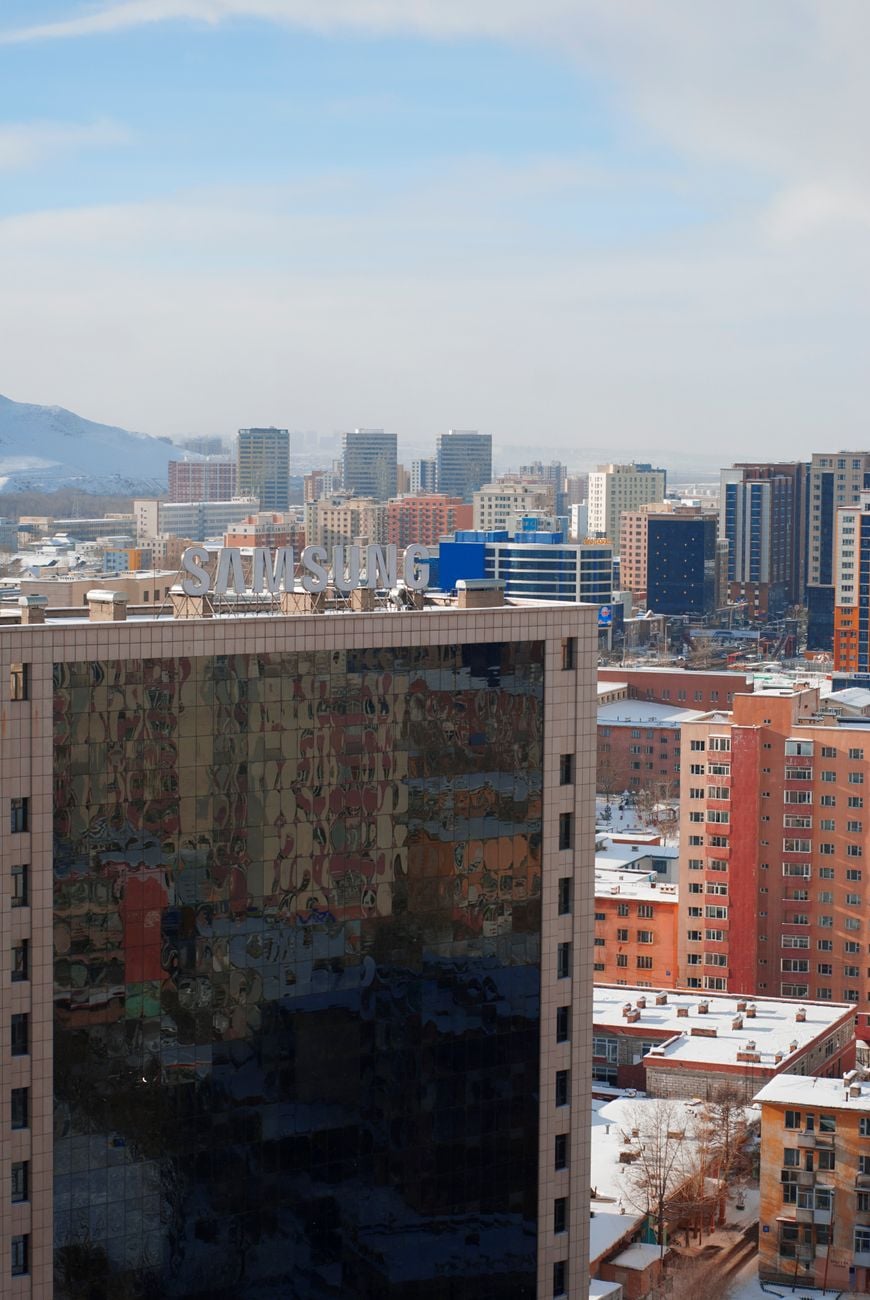
Всё, что стоит знать перед поездкой.
LGBTQ+ status
Legal but conservative
ПРАВОВОЙ СТАТУС
Статья 16.3.3 Уголовного кодекса Монголии криминализирует «неестественные половые отношения» — расплывчатая формулировка, которая технически применима к однополым связям. Наказание по закону — до двух лет лишения свободы, хотя реальные преследования крайне редки. На практике власти гораздо больше сосредоточены на общественном порядке, борьбе с наркотиками и экономических преступлениях, чем на частных отношениях по обоюдному согласию. Закон в последние годы активно не применялся к посетителям или жителям, но само его существование оказывает сдерживающее влияние на общественную жизнь и официальное признание ЛГБТК+ идентичностей.
Нет никакого юридического признания однополых отношений, никакой защиты от дискриминации, никаких прайд-мероприятий или публичной ЛГБТК+ адвокации. Отношение к этому вопросу сильно зависит от монгольских буддийских и шаманских традиций, консерватизма советской эпохи и сильных семейных ценностей, которые отдают приоритет гетеронормативным структурам. Молодые, городские, образованные монголы, как правило, более терпимы, чем старшее поколение, но общественная поддержка равенства ЛГБТК+ остается низкой.
ПРАКТИЧЕСКАЯ БЕЗОПАСНОСТЬ
Сдержанность — это не опция, а необходимость. Не думайте, что раз Улан-Батор — столица, он работает как Бангкок или Хошимин; это не так. Полностью избегайте публичных проявлений чувств. Не держитесь за руки, не целуйтесь и не демонстрируйте поведение, свойственное парам, в общественных местах, в общественном транспорте или где бы то ни было, где вас могут увидеть местные жители. Это касается даже однополых дружеских отношений: физическая привязанность, которая может быть невинной в западном контексте, здесь воспринимается совершенно иначе.
Приложения для знакомств и поиска партнеров (Grindr, Hornet, Jack'd) теоретически доступны, но пользоваться ими следует с крайней осторожностью. Интернет в Монголии находится под наблюдением, и эти приложения могут раскрыть ваше местоположение и профиль любому, кто вас ищет. Их использование повышает вашу заметность и риски. Считайте их запретными, если вы не встречаетесь с проверенными знакомыми в максимально уединенных местах. Никогда не пользуйтесь этими приложениями в хостелах или местах общего проживания.
При бронировании жилья международные гостиничные сети (Shangri-La, Hilton, Kempinski) без проблем примут однополые пары в общие номера. Бюджетные гостевые дома и местные хостелы менее предсказуемы; некоторые владельцы могут отказать однополой паре или вести себя холодно, узнав о ваших отношениях. Не сообщайте о своем семейном положении, если это абсолютно не необходимо. По возможности бронируйте номера в международных отелях или хорошо зарекомендовавших себя гостевых домах, ориентированных на иностранных туристов.
Избегайте пар ночью, держитесь подальше от районов с большим количеством бездомных или видимой наркоактивностью (особенно к северу от Проспекта Мира) и не вступайте в контакт с уличной преступностью любого рода. Мелкие кражи и мошенничество нацелены на туристов; будучи явно иностранцем, вы становитесь мишенью. Это общие советы по безопасности, но они приобретают дополнительный вес, если вы явно ЛГБТК+ или если люди подозревают это.
Не пытайтесь искать места для гей-круизинга, сауны или заведения, связанные с секс-работой. В Улан-Баторе их открыто не существует. Поиск таких мест подвергает вас юридическому и личному риску и может привести к столкновению с полицейскими под прикрытием или преступниками, стремящимися использовать иностранцев.
ДИСКРЕТНОЕ ОБЩЕНИЕ
В отличие от многих азиатских столиц, в Улан-Баторе нет гей-баров, гей-клубов или заведений, специально предназначенных для ЛГБТК+, где вы могли бы легально и открыто общаться. Социальные связи для ЛГБТК+ людей происходят исключительно в частном порядке или в обычных местах, где соблюдается конфиденциальность.
Экспатское сообщество — особенно дипломаты, сотрудники НПО, преподаватели и бизнесмены — как правило, более либерально настроено и терпимо в частной жизни. Социальная жизнь ЛГБТК+ в основном сосредоточена в закрытых жилых комплексах для экспатов, на частных ужинах и в кругу доверенных друзей. Это в значительной степени скрыто от посторонних глаз, если у вас нет уже налаженных связей. Одинокому туристу, не имеющему таких знакомств, будет сложно попасть в эти круги.
Бары в международных отелях (особенно в пятизвездочных) привлекают космополитичную публику — экспатов, молодых монголов, профессионалов — где смешанные компании друзей могут сидеть вместе, не вызывая подозрений. Эти заведения не являются ЛГБТК+ пространствами, но они толерантны, и здесь вероятность столкнуться с враждебностью ниже. Персонал международных отелей обучен профессиональному гостеприимству и, как правило, не делает предположений или суждений.
Университетские районы и культурные учреждения (Национальный музей, театральные кварталы, галереи современного искусства) собирают молодую, более либеральную публику. Завести разговор в таких местах, как правило, безопаснее, чем в традиционных барах или районах юрточных построек (гэр).
Если вы являетесь частью действующей НПО, дипломатической миссии или международной компании, внутри этих организаций могут существовать свои сети и частные мероприятия. Однако и в этих кругах осмотрительность остается первостепенной.
ОСНОВНЫЕ ДОСТОПРИМЕЧАТЕЛЬНОСТИ ДЛЯ ТУРИСТОВ
Главные достопримечательности Улан-Батора доступны всем посетителям и заслуживают внимания. Монастырь Гандан — самый активный буддийский монастырь в городе — открыт для посетителей и стоит утреннего визита ради его духовной атмосферы и архитектурного интереса. Национальный музей Монголии дает отличное представление об истории страны, от окаменелостей динозавров до советской оккупации и обретения независимости — на него стоит выделить полдня.
Площадь Сухэ-Батора — церемониальное сердце города, окруженное правительственными зданиями и кафе с ресторанами. Прилегающий район, особенно проспект Мира (Enkh Taivny Urgon Chuloo), является главной коммерческой и культурной артерией Улан-Батора с магазинами, ресторанами и галереями.
Гер-лагеря на окраинах предлагают квинтэссенцию монгольского опыта: проживание в традиционной войлочной юрте, часто с визитами в местные семьи, верховой ездой и наблюдением за звездами. Многие операторы могут организовать однодневные поездки или ночные пребывания. Атмосфера в этих лагерях полностью гетеронормативна, но они не враждебны, если вы соблюдаете осторожность.
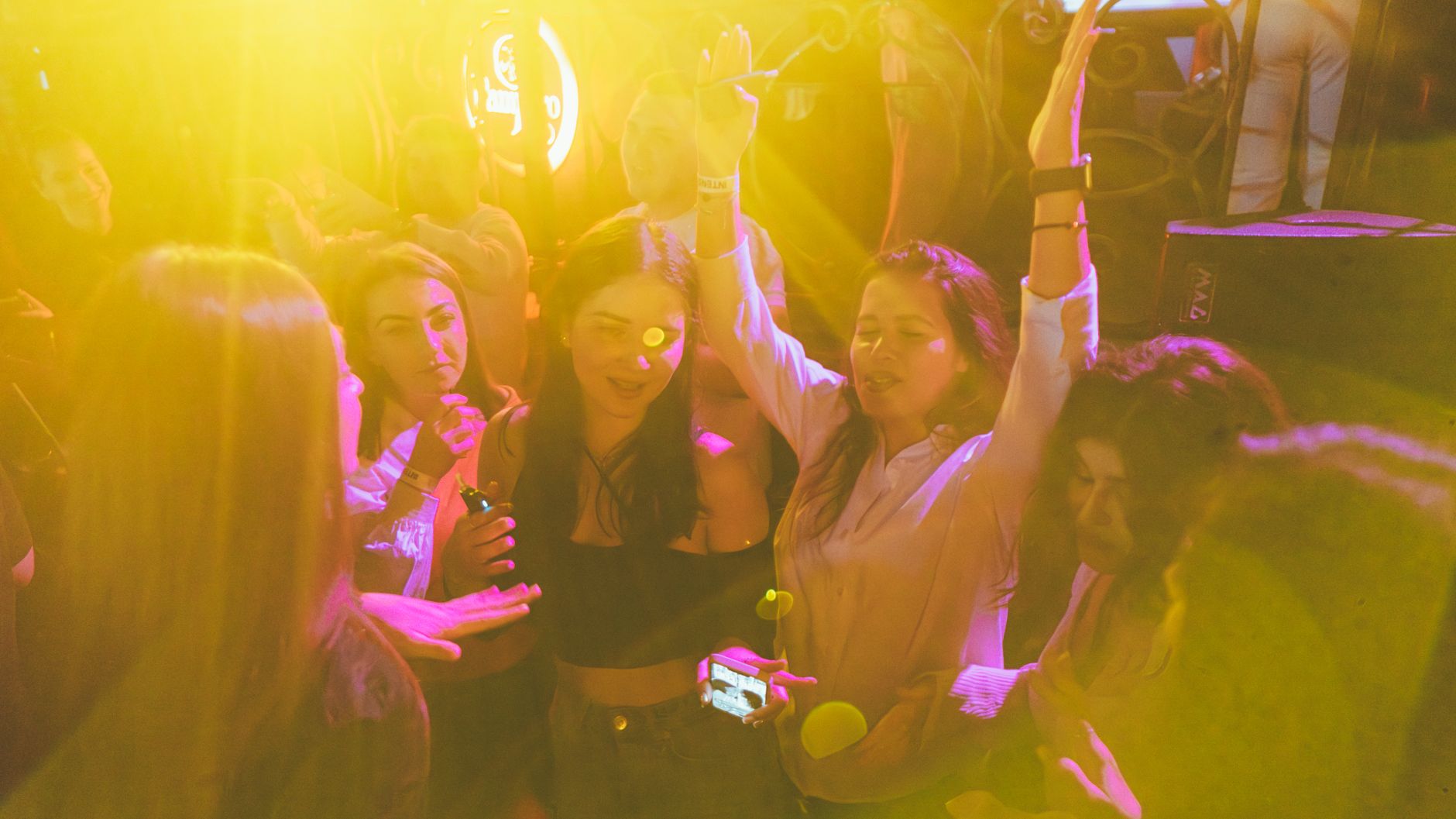
Ночная жизнь Улан-Батора не ориентирована в первую очередь на гей-сообщество. Барная и клубная сцена мейнстримная: караоке-бары чрезвычайно популярны, ирландские пабы привлекают экспатов, а монгольские пивные заведения (часто называемые «аймаг-барами» по названию провинций) собирают местных жителей. В клубах обычно звучит электронная или поп-музыка, и они, как правило, смешанные; персоналу неважно гендерное соотношение в вашей компании, пока вы покупаете напитки. В некоторых клубах есть небольшие танцполы, другие больше напоминают лаунжи.
Еда — настоящее удовольствие. Монгольская кухня сосредоточена на мясе (баранина, говядина, як); хорхог (тушеное мясо в тяжелом горшке) и буузы (паровые пельмени) — основные блюда. Супы с лапшой и молочные продукты (кислое молоко, йогурт) также широко представлены. Ресторанная сцена значительно расширилась, предлагая японскую, корейскую, китайскую, тайскую и западную кухни. Уличная еда и посещение рынков — аутентичные и недорогие способы познакомиться с местной кулинарной культурой.
ГДЕ ОСТАНОВИТЬСЯ
Международные сети — самый безопасный выбор для ЛГБТК+ путешественников. Shangri-La Ulaanbaatar, Hilton Garden Inn и Kempinski — профессиональные, сдержанные отели, привыкшие принимать международных гостей любого происхождения. Обучение персонала гарантирует, что к однополым парам относятся так же, как и к гетеросексуальным. Цены высокие (от 150–300 долларов США за ночь), но они оправданы спокойствием.
Варианты среднего ценового сегмента, такие как Blue Sky Hotel или Chinggis Khaan Hotel, принадлежат монголам, но соответствуют международным стандартам и, как правило, без проблем размещают однополые пары. Внимательно изучайте отзывы и, если сомневаетесь, свяжитесь с отелем напрямую, задав общий вопрос, а не раскрывая статус отношений.
Избегайте бюджетных хостелов и гостевых домов, если у вас нет убедительных отзывов от ЛГБТК+ путешественников или вы не останавливаетесь с доверенными друзьями. Хостелы для бэкпекеров и семейные гостевые дома сильно различаются по уровню принятия. Некоторые владельцы совершенно не против, другие могут создать дискомфорт. Сэкономленные деньги не стоят такого стресса.
Местоположение имеет значение. Центральные районы рядом с проспектом Мира (Peace Avenue), вокруг площади Сухэ-Батора (Sukhbaatar Square) или в районе Зайсан (Zaisan) наиболее безопасны для туристов и обеспечивают лучший доступ к услугам. Избегайте проживания в очень жилых или очень отдаленных районах.
КОМУ СТОИТ ПОСЕТИТЬ; КОМУ НЕ СТОИТ
Улан-Батор можно посетить ЛГБТК+ путешественникам, но не так, как Бангкок, Тайбэй или Мехико. Это требует иного подхода.
Хорошими кандидатами для посещения являются: опытные ЛГБТК+ путешественники, которые ранее бывали в консервативных странах; люди, искренне интересующиеся монгольской культурой и историей, независимо от ночной жизни или ЛГБТК+ общения; путешественники, имеющие связи (друзья, коллеги, организации) в городе; люди, которым комфортно полностью соблюдать дискретность на публике и которые не ищут гей-сцену; одиночные путешественники или пары, готовые на публике представляться друзьями.
Плохими кандидатами являются: ЛГБТК+ путешественники, впервые посещающие страну и ищущие гей-направление или сцену; люди, ожидающие мероприятий Pride, гей-баров или открытого ЛГБТК+ общения; пары, желающие открыто проявлять нежность на публике; путешественники, которых в первую очередь привлекает ночная жизнь или знакомства; люди, которым некомфортно полное соблюдение дискретности на публике; любой, кто не может принять, что этот город действует в рамках правовых и социальных ограничений, которые действительно являются сдерживающими.
Улан-Батор стоит посетить ради его культуры, истории и уникального положения между Восточной Азией и Россией. Но приезжайте с ясным пониманием: жизнь ЛГБТК+ здесь ограничена, невидима и одинока по сравнению с крупными ЛГБТК+ туристическими центрами. Город обладает огромным потенциалом для культурного туризма, но не для ЛГБТК+ туризма как такового.
ПОСЛЕДНИЕ ЗАМЕЧАНИЯ
Путешественникам следует зарегистрироваться в своем посольстве или консульстве до прибытия, особенно если они планируют остаться на срок более нескольких недель. Держите под рукой информацию для экстренных контактов. В случае возникновения любых юридических проблем немедленно свяжитесь со своим посольством — они смогут оказать поддержку и защиту, которые местные жители предоставить не могут.
Монгольское правительство не преследует ЛГБТК+ людей, и насильственные преступления, направленные конкретно против туристов, не являются повсеместными. Риск реален, но им можно управлять, соблюдая разумные меры предосторожности. Многие ЛГБТК+ люди безопасно посещают Улан-Батор и путешествуют через него, соблюдая сдержанность и уважая местные нормы.
Проявляйте уважение к монгольской культуре, истории и ценностям, даже если они противоречат вашим собственным убеждениям. Вы — гость в стране со своими традициями и правовой системой. Активная пропаганда, активизм или намеренное нарушение правил подвергают риску вас самих и местных ЛГБТК+ людей, и являются неуместными.



 Дружелюбные Гей-бары и клубы
(3)
Дружелюбные Гей-бары и клубы
(3)