
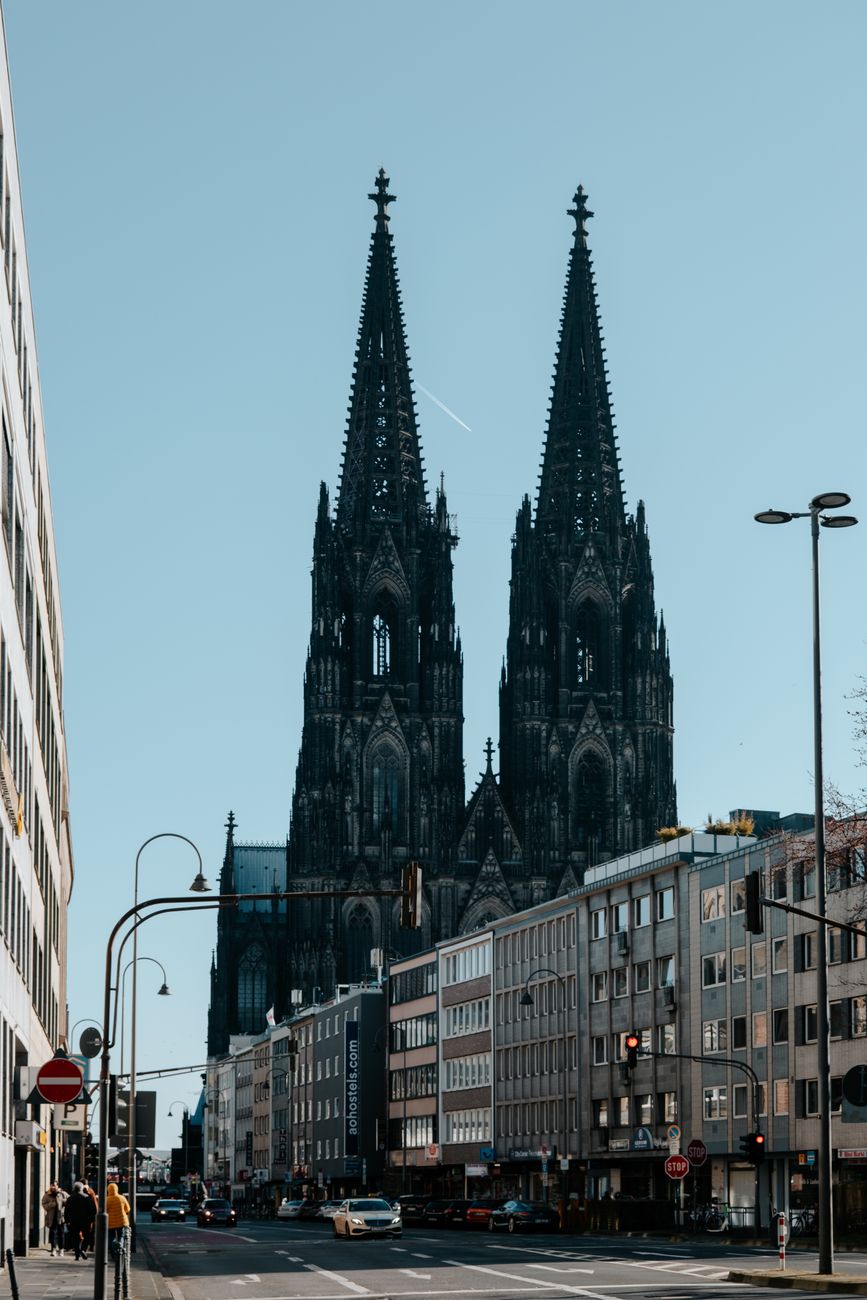
Rosa-Winkel-Mahnmal (Cologne)
Отели рядом с Rosa-Winkel-Mahnmal (Cologne)
via Stay22Об этом месте Rosa-Winkel-Mahnmal (Cologne)
Особенности
Советы изнутри
Отзывы сообщества
Написать отзывОтзывы в Google
Проверено GoogleПо 13 отзывам Google.

Not gay enough, wasn't easy to spot, but at least nice that they made a memorial in the first place

Memorial to Gays and Lesbians Victims of Nazism 📖 In the 1930s, the Nazi regime drastically strengthened Article 175 of the Reich Criminal Code, deeming homosexuality a "racial threat" that would hinder the reproduction of the Aryan race. Consequently, tens of thousands of male homosexuals were arrested and sent to concentration camps. After being sent to concentration camps, the Nazis assigned inmates a classification system: homosexuals were assigned a pink triangle (Rosa Winkel). This classification placed them at the lowest level within the camps and subjected them to harsh labor and biological experiments. Article 175, strengthened by the Nazis after World War II, remained in place for a time under the West German government. Survivors returning from the camps were forced to either return to prison or hide their pasts to avoid social stigma. In other words, even after the war, LGBTQ+ victims were not recognized as "victims." In the 1980s, with the AIDS crisis and the rise of the LGBTQ+ rights movement, calls grew louder for historical recognition of the "forgotten victims" of the Nazi era. Civic groups and activists in Cologne launched a campaign to build a memorial. With the support of the Cologne City Council and donations from citizens, the memorial was finally completed on June 24, 1995. Cologne is one of the most open and LGBTQ-friendly cities in Germany. This urban atmosphere provided the social backdrop for the first LGBTQ+ memorial in Germany. The memorial is made of pink granite, and its base is engraved with a message commemorating the victims of the Nazi era. The pink color symbolizes the "pink triangle" of the concentration camps, and the cold texture of the stone is a metaphor for the inhumane treatment of those incarcerated. 📍 The memorial was built because this area was historically a cruising area for gays. So it's made up of symbolic places where police would lie in wait to crack down on and arrest LGBTQ+ people during the Nazi era.

An important memorial: Since 1995, this memorial on the banks of the Rhine in Cologne, near the Hohenzollern Bridge, has commemorated the persecution of homosexuals. On June 24, 1995, Cologne became only the second memorial in Germany dedicated to the persecution of homosexuals, and not designed as a plaque. Since December 11, 1994, Frankfurt am Main has had the Frankfurt Angel, a memorial dedicated to this topic. On May 27, 2008, the Memorial to Homosexuals Persecuted under National Socialism was inaugurated in Berlin. Until then, the only memorials in German-speaking countries were plaques at the former concentration camps of Mauthausen, Neuengamme, Dachau, and Sachsenhausen, and a plaque in Berlin at Nollendorfplatz. The Cologne memorial was presented to the City of Cologne as a gift by its initiator, the Cologne branch of the Public Services, Transport and Traffic Union (ÖTV, now the United Services Union Ver.di).


The memorial to the gay and lesbian victims of National Socialism in Cologne is an important symbol of remembrance and commemoration of the persecution of homosexuals during the Nazi era. It serves as a reminder of the systematic discrimination, persecution, and murder of gay men and lesbians, who were considered "asocial" by the Nazis. During the Nazi era, homosexuality, especially male homosexuality, was rigorously persecuted under the intensified Paragraph 175 of the Penal Code. Homosexual men were deported to concentration camps and marked with the pink triangle, a symbol used for stigmatization. It is estimated that approximately 50,000 homosexual men were convicted, many of whom died in concentration camps. Lesbian women were also persecuted, but less systematically and often under different pretexts, as lesbian love was not explicitly criminalized. They were often accused of "asociality." The memorial to the gay and lesbian victims of National Socialism in Cologne was inaugurated in June 1995. It is one of the first memorials in Germany specifically dedicated to these victims. The memorial is relatively simple in design. It consists of a triangular stele, reminiscent of the pink triangle used to mark homosexual men in concentration camps. The triangular shape is a deliberate symbol, a reminder of this stigmatization and the cruel persecution. An inscription on the memorial reads: "Beaten to death – Silenced," referring both to the physical extermination and the decades of taboo and silence surrounding the issue after the war. The memorial serves a dual purpose: On the one hand, it commemorates the victims who were persecuted, imprisoned, and killed during the Nazi regime. On the other hand, it is a memorial against forgetting and a symbol of the ongoing work for equality and recognition of the rights of gay men and lesbians. It stands for collective memory and the necessary public discourse about the discrimination and persecution of homosexuals, not only during the Nazi era, but also in the decades that followed, since Paragraph 175 was not finally abolished in the Federal Republic of Germany until 1994. Cologne is known for its open LGBTQ+ community and was one of the first cities in Germany to officially recognize the persecution of gay men and lesbians. The memorial is part of the City of Cologne's commitment to honoring the crimes committed against these groups and advocating for their rights. Commemorative events are held at the memorial every year, especially on the International Day Against Homophobia and Transphobia and Christopher Street Day, honoring the victims and raising awareness of current issues. Status: January 23, 2021 *You have to endure many things in life, but you can stop some things.*

Size matters after all. It is too small!


Написать отзыв
Join 13 travelers who shared their experience here
Предложить правку — Rosa-Winkel-Mahnmal (Cologne)
Обновлено 29 сентябрь 2026