Gözaltına alınmanız durumunda: Anlamadığınız hiçbir belgeyi imzalamayın.. Büyükelçiliğiniz ve bir avukatla derhal iletişime geçin. Hukuki tavsiye almadan telefon aramalarına izin vermeyin.
1997'de gözden geçirilmiş Ceza Yasası ile eşcinsellik suç olmaktan çıkarıldı. 2001'de Ruhsal Bozukluklar Sınıflandırması'ndan çıkarılması o dönem için tarihi bir adımdı. Eşcinsel birliktelikler, medeni birliktelikler veya evlilikler için yasal tanınma yok. Eşcinsel çiftler için evlat edinme hakkı yok. Cinsel yönelim veya cinsiyet kimliğini kapsayan federal ayrımcılık karşıtı koruma yok. Sınırlı koşullarda yasal cinsiyet değişikliği mümkün (tıbbi teşhis ve çoğu ilde cerrahi müdahale gerektirir).
Wuhan Shi'de hiçbir gay etkinliğini kaçırmayın
Haftada bir e-posta — hafta sonu etkinlikleri, partiler ve fırsatlar. Spam yok, istediğiniz zaman aboneliği iptal edebilirsiniz.
While China decriminalised homosexuality in 1997 and removed it from its list of psychiatric illnesses in 2001, this legal change does not translate to societal acceptance or legal recognition of same-sex relationships. Same-sex marriage is not legal, and there are no provisions for joint adoption, medical decision-making, or inheritance rights for same-sex couples. Recent years have seen increased government control over LGBTQ+ content, activism, and online spaces. The official stance often frames LGBTQ+ issues as a foreign influence that challenges traditional values and social stability. Consequently, LGBTQ+ advocacy, public gatherings, and media representation face significant restrictions. While there haven't been recent high-profile prosecutions of foreign tourists for same-sex conduct, the prevailing atmosphere is one of suppression rather than tolerance. Travellers should understand that decriminalisation does not equate to acceptance or guaranteed safety.
PRACTICAL CONSIDERATIONS AND DISCRETION
Unlike some other Asian destinations, Wuhan does not have a visible underground gay scene. Travellers should be aware of the following:
Digital surveillance is a significant concern. Popular dating and socialising apps common elsewhere are either blocked or heavily monitored in China. WeChat, the primary messaging platform, is subject to state surveillance. Foreign visitors using Western apps like WhatsApp or Telegram may experience slow connections or intermittent blocking. Assume that any digital communication could be accessed by authorities.
Where to Stay
Accommodation policies vary. International hotel chains such as Marriott, Hilton, and InterContinental generally accommodate same-sex couples without issue. However, smaller local hotels and some mid-range establishments may refuse bookings or question relationships if guests are identified as a same-sex couple. Booking separate rooms as "friends" is sometimes used as a workaround, but this can be awkward and is not always reliable. International chain hotels are recommended for greater certainty.
Public displays of affection are not common and can attract negative attention. Even for heterosexual couples, overt affection is less prevalent than in Western countries. Same-sex couples should refrain from holding hands or engaging in any physical intimacy in public. While this is unlikely to lead to police intervention in crowded areas, it can cause discomfort and potential confrontation with bystanders. Discretion is advised for personal safety.
Travellers should avoid any form of activism, protest, or public expression of LGBTQ+ identity. This includes refraining from wearing pride symbols, flags, or activist clothing. Do not photograph or attempt to attend any gatherings advertised as LGBTQ+-related, as these are rare and likely monitored. Limit extensive social media posts about your LGBTQ+ identity while in China, as these can be visible to authorities. Avoid discussing sexual orientation with strangers, officials, or in public.
Wuhan has a substantial international student population, particularly at institutions like Wuhan University. These communities often exhibit greater openness, and private gatherings among friends within these circles can be a space for LGBTQ+ individuals to socialise. Upscale bars in international hotels in the city centre can serve as relatively neutral social spaces for international travellers of various backgrounds, offering an alternative to the intense scrutiny that might be experienced in purely local venues. Hotel lounges at international chains provide a similar sense of a neutral social environment.
While some LGBTQ+ Chinese nationals and expatriates utilise private WeChat groups, joining these as a visitor carries potential risks and is not straightforward. For visitors, connecting with other travellers through hostel communities or expatriate groups offers a safer approach to social connection without the surveillance risks associated with dedicated LGBTQ+ apps or networks.
MAIN ATTRACTIONS
Wuhan offers significant historical, cultural, and culinary attractions independent of any LGBTQ+ context. The Yangtze River is a defining geographical feature. East Lake (Dong Hu) is one of China's largest lakes, providing parks and walking paths in a relatively peaceful setting. The Yellow Crane Tower is a historic pagoda offering city and river views.
Museums in Wuhan are accessible and informative. The Hubei Provincial Museum houses important Bronze Age artifacts and features rotating exhibitions. The Wuhan Museum focuses on local history.
The city is renowned for its breakfast culture and street food, with hot dried noodles (re gan mian) being a signature dish. Street food markets and small restaurants offer an authentic glimpse into local life. Night markets and riverside food stalls provide diverse and affordable options.
For general nightlife, the city centre, particularly around the Hankou and Wuchang districts, has bars, KTV (karaoke) venues, and clubs that cater to mixed crowds of locals and tourists. These are mainstream establishments without a specific LGBTQ+ focus. KTV is a common social activity in China for groups and is not exclusively associated with LGBTQ+ culture.
Cultural events, art exhibitions, and performances are often hosted by Wuhan's universities. These venues are generally welcoming to international visitors and provide insight into Chinese intellectual and student life.
ACCOMMODATION
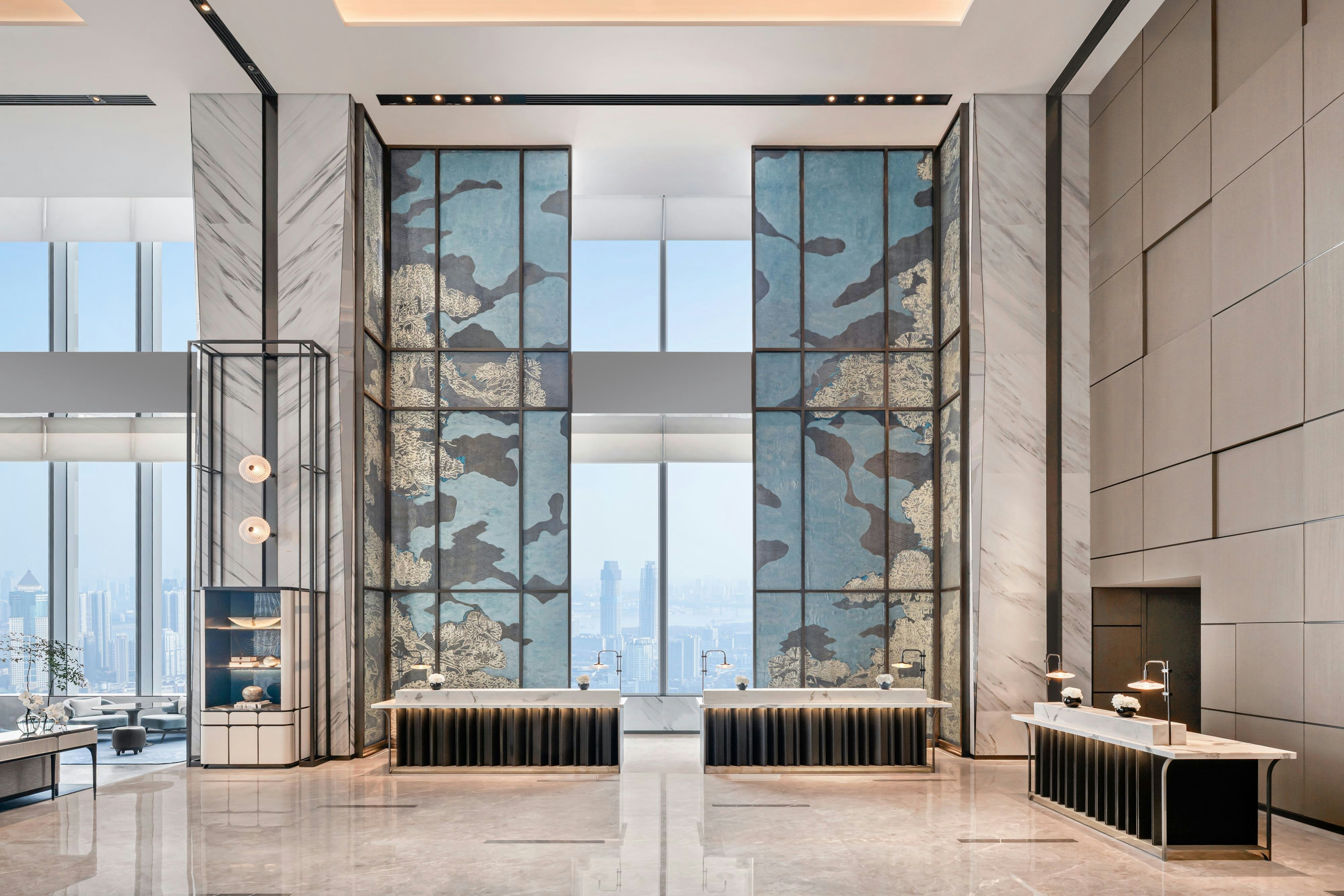
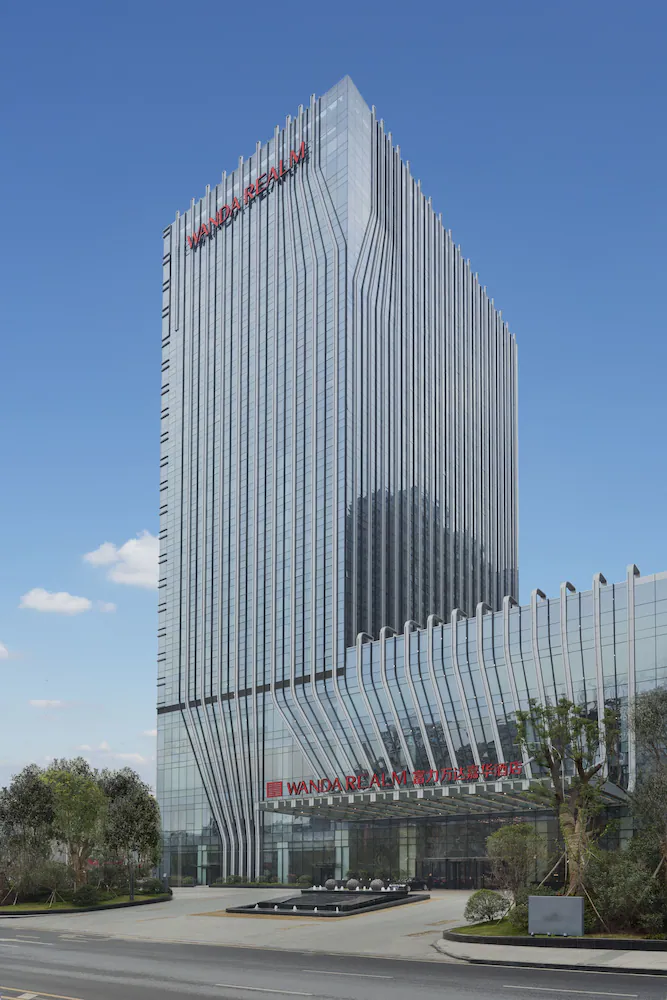
International hotel chains are the recommended choice for accommodation. In Wuhan, chains with a notable presence include Hilton Garden Inn Wuhan, Marriott Hotels and Renaissance, InterContinental Wuhan Hankou, and Crowne Plaza. These establishments typically have policies that accommodate same-sex couples without issue, and their staff are accustomed to international customer service standards. Rates are generally comparable to international standards.
Mid-range international chains, such as some Accor properties, can also be a reliable option, though consistency may vary.
It is advisable to avoid small local guesthouses or budget hotels unless you have specific recommendations from other travellers, as some may refuse bookings to same-sex couples or create uncomfortable situations.
Hostels are available in Wuhan, and some are traveller-friendly. However, the social atmosphere can vary, and some may primarily offer dormitory-style accommodation without communal spaces.
LGBTQ+ travellers visit China and Wuhan regularly, but the experience is nuanced.
Travellers who are comfortable with discretion, who do not require open expression of their LGBTQ+ identity while travelling, and who are primarily interested in the city's cultural and culinary offerings rather than its social scene, will likely find their visit manageable. Solo travellers and small groups of international visitors often report positive experiences. Couples staying in international hotels are generally not subject to scrutiny. Travellers with prior experience in China are likely to be more familiar with navigating local norms.
Travellers who need or desire to be openly LGBTQ+, who are seeking an LGBTQ+ social life or scene, who are uncomfortable with discretion, or who are newly exploring their identity may find China a challenging destination. Individuals with a significant social media presence may wish to reconsider due to surveillance concerns. Younger or less experienced travellers venturing into countries with restrictive environments should carefully consider their visit. Activists or those who strongly value visible pride and representation may find the environment in China frustrating and potentially emotionally taxing.
Gizlilik tercihlerin.
GayOut'u çalıştırmak ve onayınızla kullanımı ölçmek için çerezler kullanıyoruz. Daha fazla bilgi
Gizlilik tercihlerin
GayOut'u çalışır tutmak, tercihlerini hatırlamak ve (izninle) sitenin nasıl kullanıldığını ölçmek için çerez kullanıyoruz. Tümünü kabul edebilir, tümünü reddedebilir veya neye izin vereceğini seçebilirsin. Daha fazla bilgi
Zorunlu
Giriş, dolandırıcılık önleme, CSRF koruması ve dil tercihinin hatırlanması için gerekli. Devre dışı bırakılamaz.
Her zaman açık
Favorilerini, koyu modu ve diğer arayüz tercihlerini ziyaretler arasında hatırlar.
İnsanların hangi sayfaları ziyaret ettiğini anlamamıza yardımcı olur (Google Analytics, sunucu tarafı istatistikler) — böylece geliştirebiliriz.
Kampanya takip pikselleri tarafından kullanılır. Şu anda hiçbiri aktif değil, ileride kullanılmak üzere ayrılmıştır.
GayOut'u Yükle
GayOut'u ana ekranına ekle; daha hızlı erişim, çevrimdışı favoriler ve Pride bildirimleri kazan.