







In this guide · 4 sections
⚠️ Safety Notice — China (LGBTQ+ Score: 66/100)
Same-sex activity isn't illegal in China (decriminalized in 1997), but LGBTQ+ people have no legal protections. Since 2021, official scrutiny has increased. Be discreet in public. You'll need a VPN — download and set one up before you arrive in China. Read our full China safety guide.
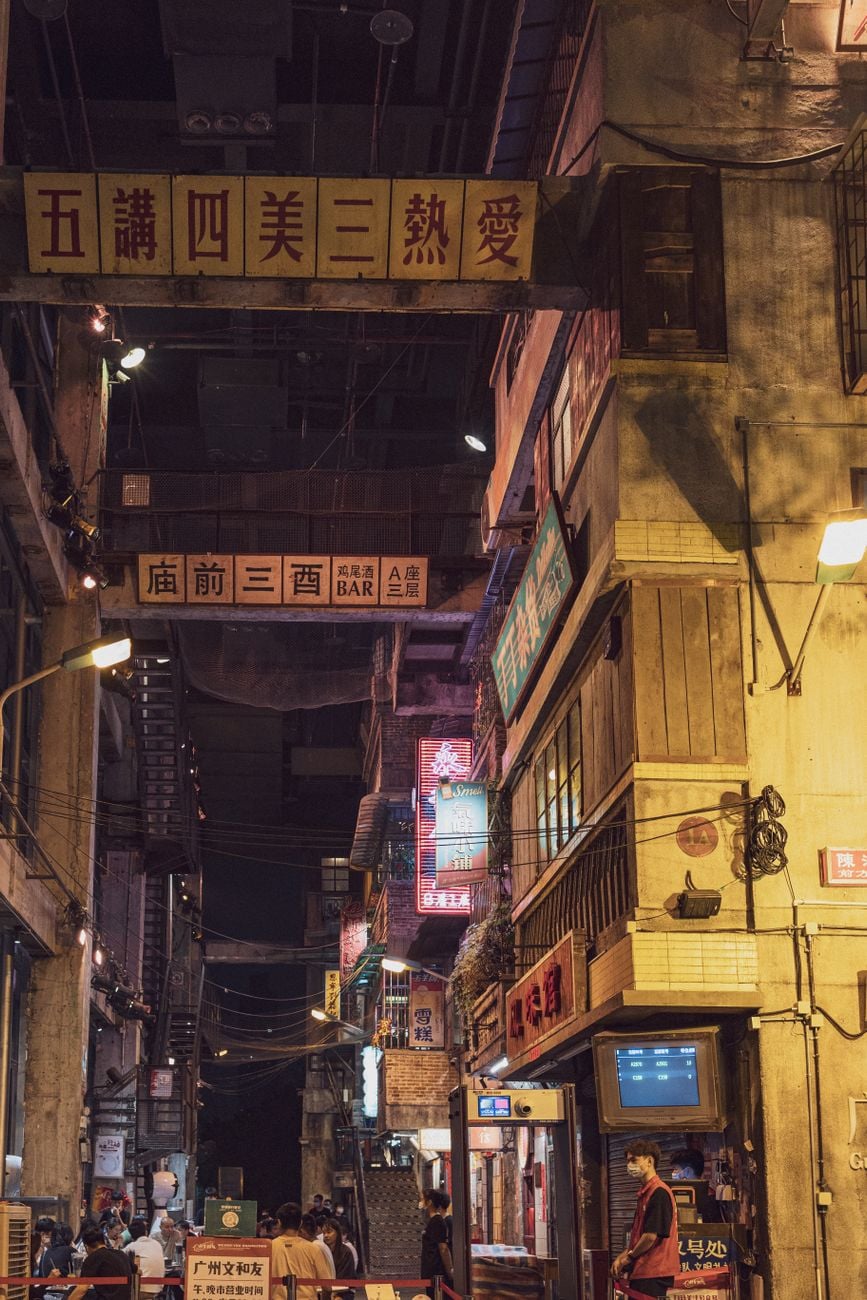
Guangzhou: Pragmatic South China
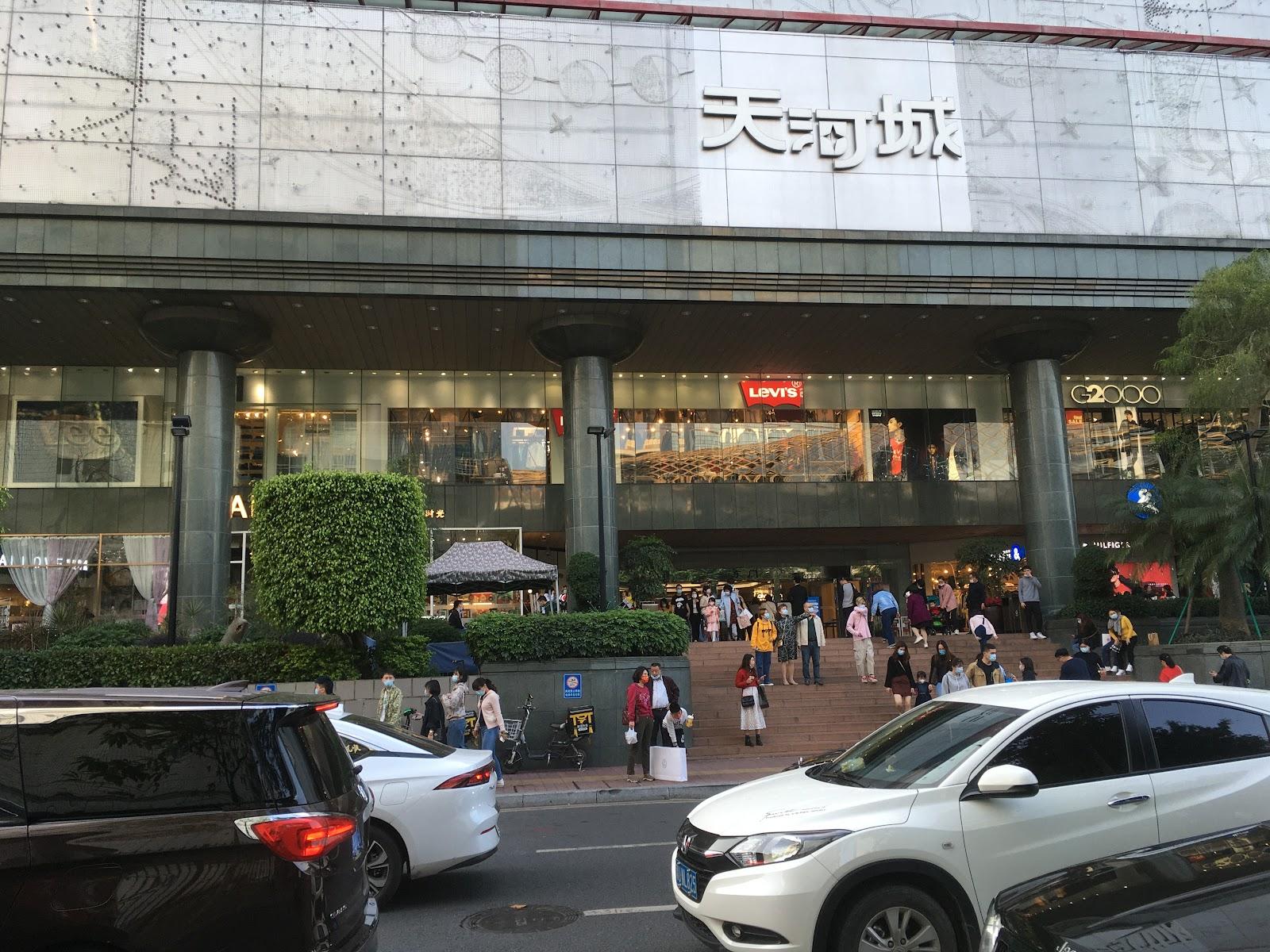
Guangzhou's LGBTQ+ scene mirrors the city itself: practical, focused on commerce, and less about public identity than Chengdu or pre-2021 Shanghai. The Tianhe District is where things happen. Propaganda is the main gay club. Moonbar works for an easy early-evening drink. Neither place has visible LGBTQ+ signage, which is typical for China right now.
Guangzhou has one big plus for some travelers: it's close to Hong Kong. A two-hour high-speed train connects mainland China's most accessible international city with Hong Kong's legally protected LGBTQ+ scene. Some visitors pair both cities in one trip.

Academic Context
Guangzhou has one of China's more active academic LGBTQ+ communities. Sun Yat-sen University has put on LGBTQ+ studies events, and the city has produced important queer scholarship. This academic background, even with post-2021 restrictions, creates a social environment that engages with LGBTQ+ issues more theoretically than most Chinese cities.
Apps: Blued is the main app to use — it works without a VPN and has a lot of local users. Grindr needs a VPN.
Getting There
Guangzhou Baiyun International Airport (CAN) is a major airport. Guangzhou South station is the main high-speed rail hub for the Pearl River Delta, with trains to Hong Kong West Kowloon (2 hours), Shenzhen North (35 minutes), and Chengdu (8 hours). You can get to the Tianhe gay area by Metro Line 3 (Tianhe Coach Terminal) or the APM line.

