Same-sex marriage is legal in all states (Supreme Court ruled in 2022 that bans are unconstitutional). Federal anti-discrimination protections exist. Safety varies greatly by region.
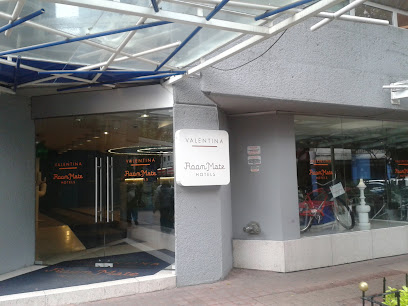
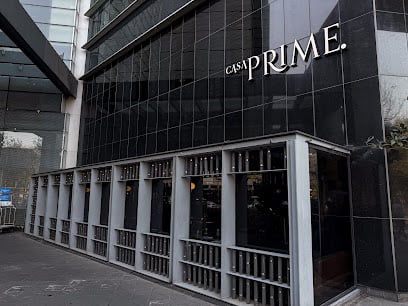
This is a great spot for a long weekend solo trip. The staff is friendly and helpful, the breakfast is good and the rooms are clean, bright, and comfortable.
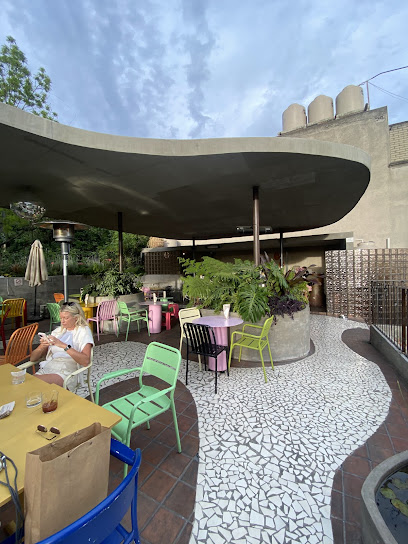
Set in a restored 19th-century townhouse, this eco- and gay-friendly guest house offers attractive garden courtyards and stylish rooms with free Wi-Fi. San Cosme Metro Station is just 150 metres away.
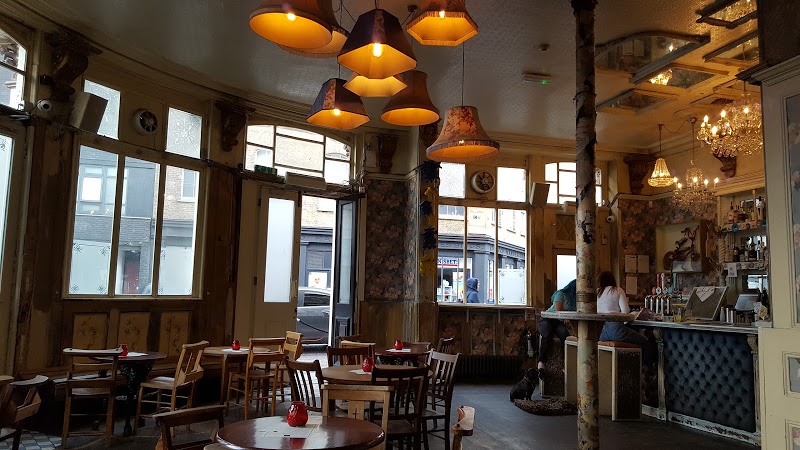
An amazing place, that holds so much history! Service is great, the staff is very helpful. The bistro inside the hotel is good and breakfast is great. They have available taxis there as well.
Mexico's most established gay district since the 1970s — pedestrianised Calle Amberes, 'the gayest street in Mexico', with roots in El Nueve, the country's first licensed gay nightclub (1974).
The community's 'reparation plaque' for the 1901 Dance of the 41 — the police raid that founded Mexican queer history — by sculptor Reynaldo Velázquez, placed on the raid's centenary.
Mexico City stands as one of Latin America's premier LGBTQ+ destinations, combining a sophisticated gay scene with world-class culture, food, and nightlife. The city has transformed dramatically over the past two decades, evolving from a place where LGBTQ+ life was largely underground to a metropolis where queer culture is visible, celebrated, and legally protected.
History of Mexico City's LGBTQ+ Scene
Mexico City's gay history stretches back further than many realize. The 1970s and 1980s saw the emergence of underground gay bars and bathhouses, though LGBTQ+ people faced significant social stigma and legal harassment. The modern pride movement began in the 1980s, with early marches drawing small but determined crowds. The turning point came in the 1990s and 2000s, when Mexico City's legal landscape shifted. In 2009, Mexico City became the first jurisdiction in Latin America to legalize same-sex marriage, followed by progressive gender recognition laws. This legal shift reflected broader cultural changes, particularly among younger generations and in the city's thriving creative and artistic communities. Today, Mexico City's LGBTQ+ scene is one of the most open and celebratory in the Spanish-speaking world.
Neighborhoods
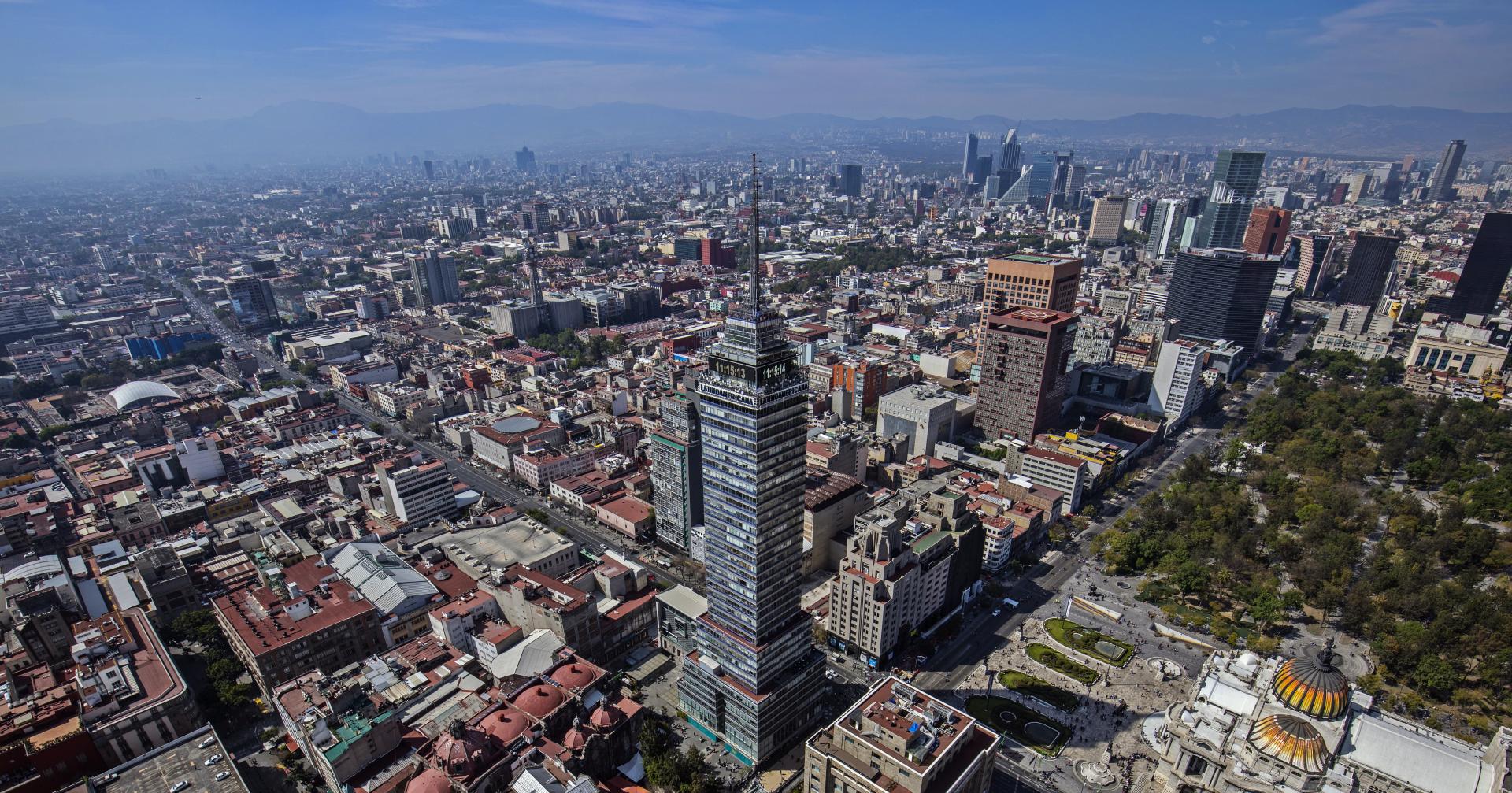
Zona Rosa remains the heart of Mexico City's gay scene. Located in the Cuauhtémoc borough near Paseo de la Reforma, Zona Rosa has been the traditional gay neighborhood since the 1980s. The area is compact and walkable, centered around Avenida Amberes and Avenida Paseo de la Reforma. Here, visitors will find a concentration of gay bars, clubs, restaurants, and hotels. The neighborhood has evolved from a purely nightlife-focused area to include cafés, bookstores, and cultural venues. Zona Rosa remains busy most nights, with weekend crowds particularly lively.
The Historic Center (Centro Histórico) offers a different experience. This ancient heart of Mexico City, built on the site of the Aztec capital, contains colonial-era architecture, museums, and government buildings. It was historically considered a working-class area but has undergone significant revitalization. LGBTQ+-friendly venues now dot the Centro, and the neighborhood offers visitors a chance to experience Mexico City's history and culture. The area can feel grittier than Zona Rosa, with typical urban challenges, but the cultural payoff—Templo Mayor, Palacio Nacional, stunning plazas—is substantial.
Condesa and Roma are fashionable residential neighborhoods where younger LGBTQ+ people live and socialize. These areas feature trendy restaurants, independent galleries, and eclectic nightlife venues that attract a diverse crowd. While not exclusively gay, these neighborhoods have become popular with LGBTQ+ visitors seeking a more integrated, culturally immersive experience. The architecture is beautiful, with tree-lined streets and early 20th-century buildings.
Coyoacán, in the south of the city, is known for its bohemian, artistic character. Home to Frida Kahlo's house (Casa Azul) and Diego Rivera's studios, Coyoacán attracts intellectuals, artists, and creatives. The LGBTQ+ scene here is more diffuse and alternative than Zona Rosa, with smaller bars, cafés, and cultural spaces. It appeals to visitors interested in culture and authenticity rather than mainstream nightlife.
Key Venues
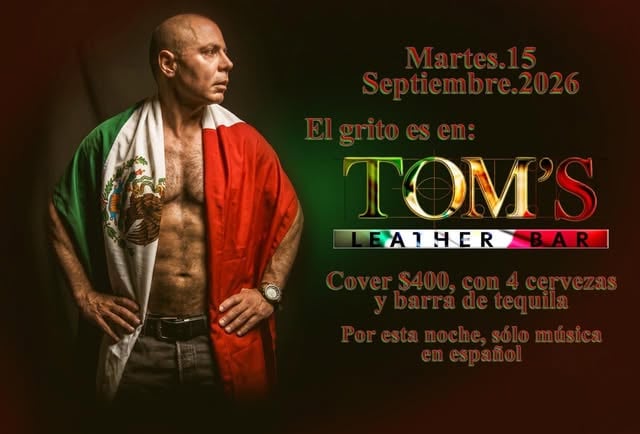
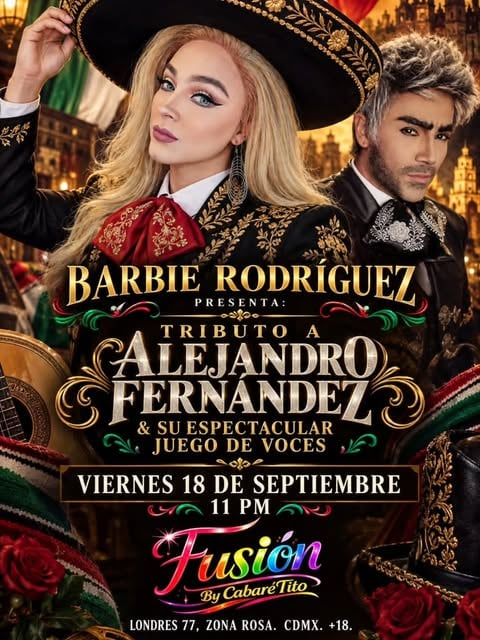
Zona Rosa hosts numerous gay bars and clubs. The biggest weekend draws are Kinky Bar and the Cabaretito venues, while Nicho Bears and Vaqueros anchor the bear and leather crowd. In the Centro Histórico, long-running cantina-cabarets like La Purísima, El Almacén, Soberbia and El Marra (Marrakech Salón) run drag shows most nights, and newer spots such as Baby and Malva keep the scene fresh. The neighborhood's walkability means visitors can easily explore multiple venues in one evening; most open Thursday to Sunday and stay busy well past midnight.
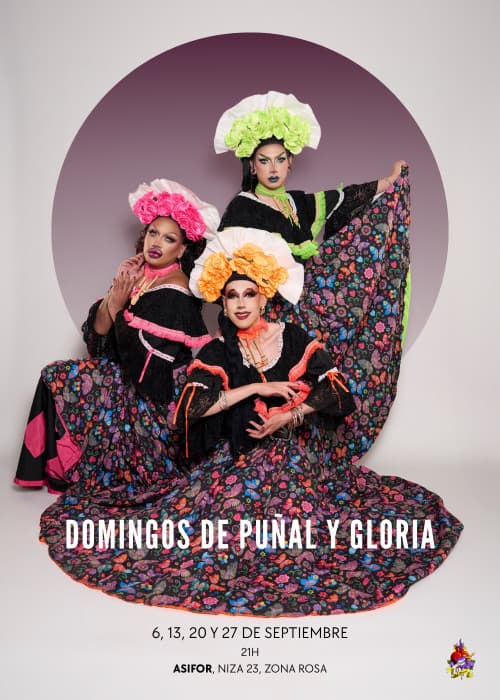
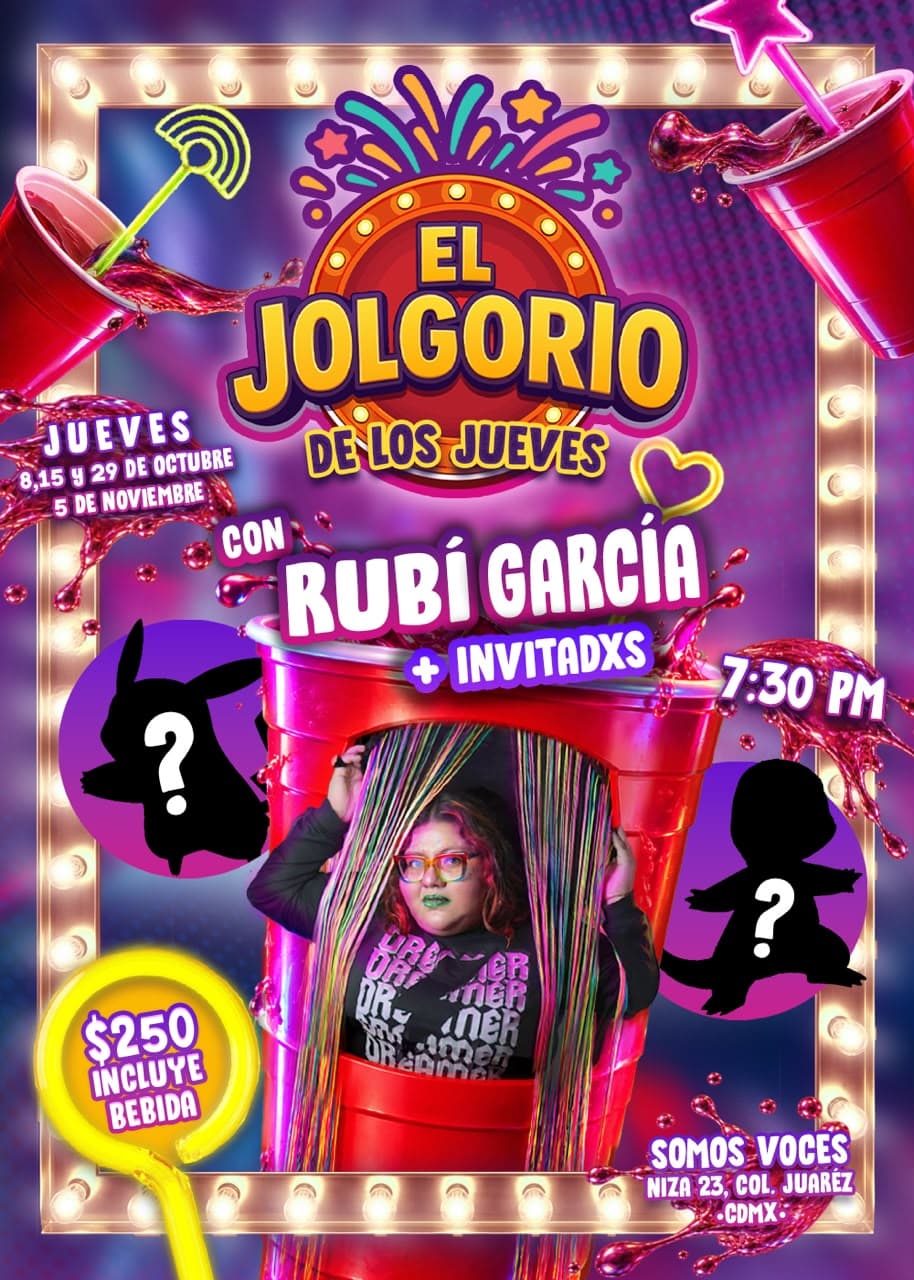
Beyond Zona Rosa, bars and clubs catering to LGBTQ+ clientele exist throughout the city. Drag shows are particularly popular and can be found in various neighborhoods, often at clubs or theatrical venues. Cultural venues, including theater and arts spaces, frequently host LGBTQ+-focused performances and events.
Saunas
Saunas and bathhouses remain a real part of Mexico City's gay scene. The best-known modern venues are SoDoMe and Finisterre, with steam rooms, dry saunas and busy weekend crowds; Club Olimpo near Zona Rosa and the traditional Baños San Ciprián offer a more old-school bathhouse experience. Hours vary, so it is worth checking before visiting.
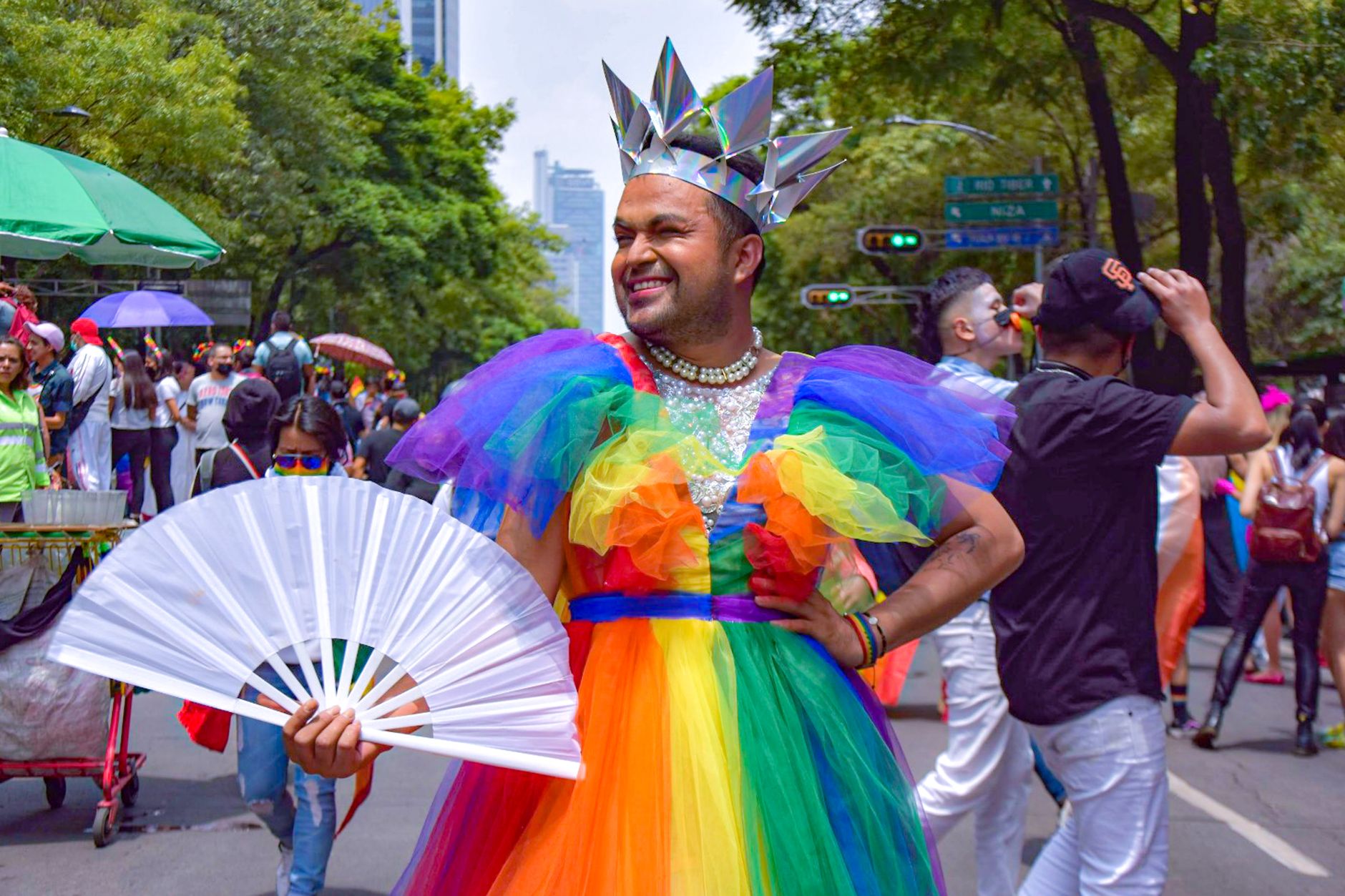
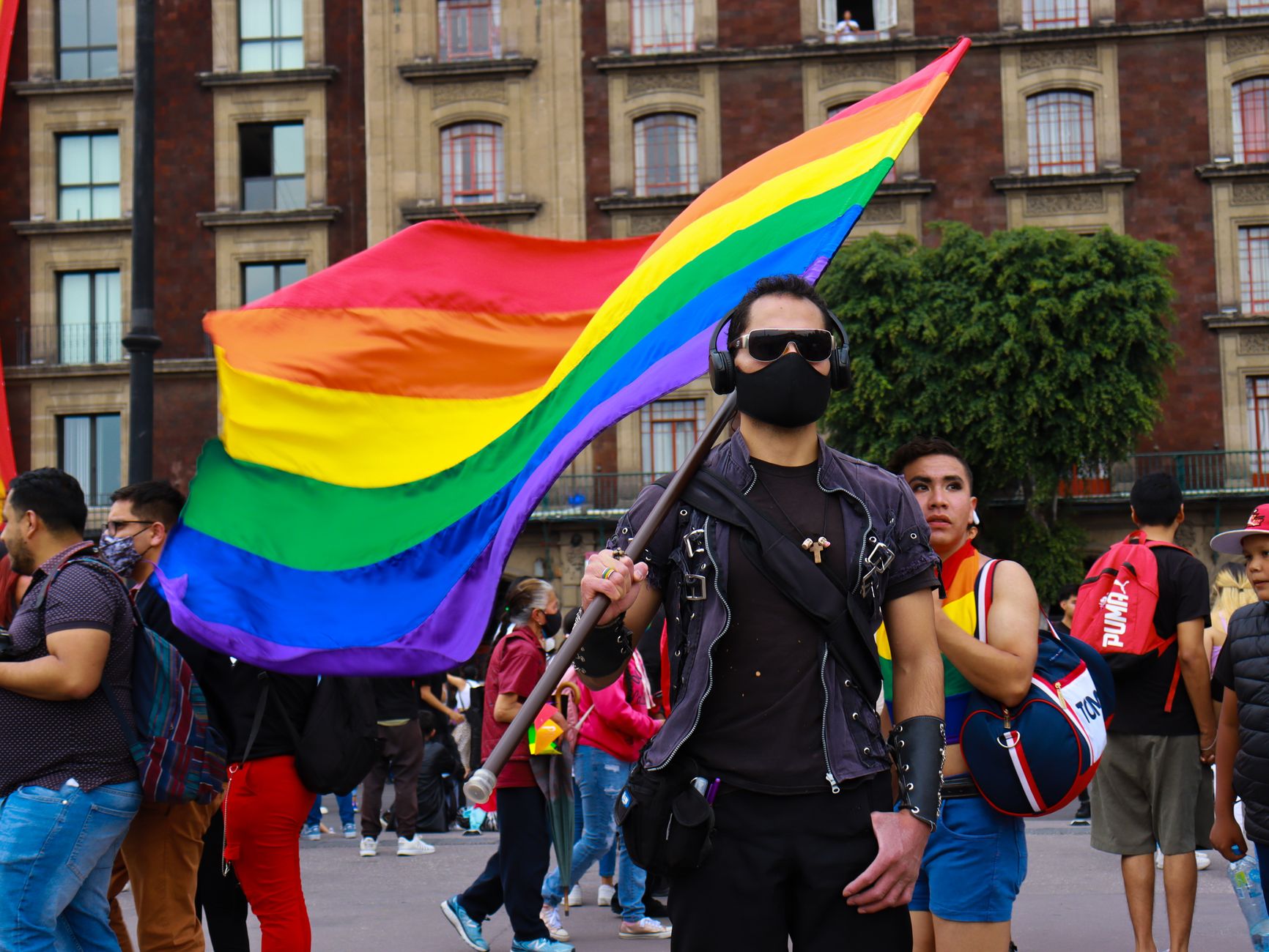
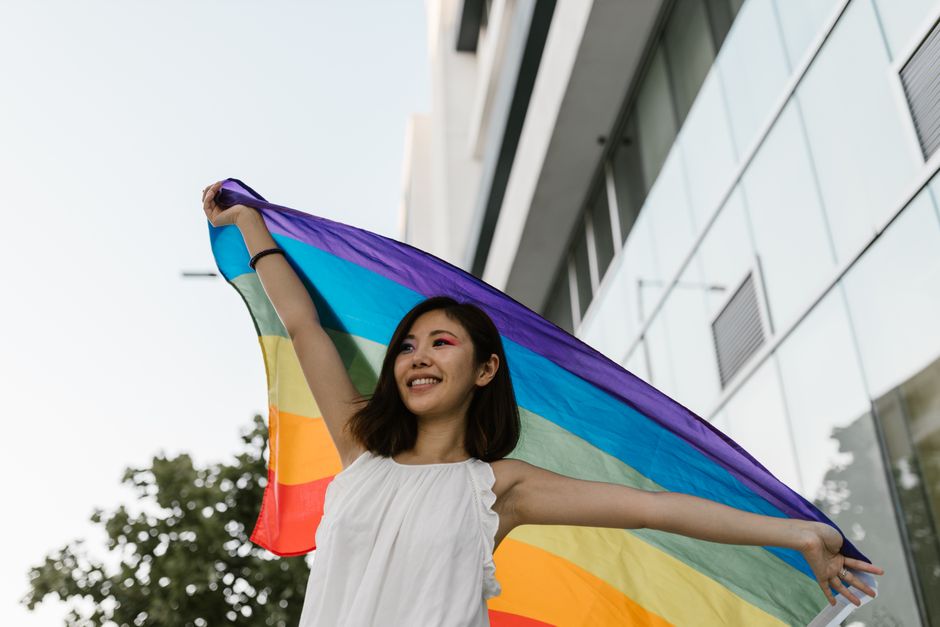
Mexico City Pride (Orgullo LGBTQ+) takes place in June and has grown into one of the largest LGBTQ+ pride celebrations in the world. The main parade typically draws hundreds of thousands of participants and takes place on the Paseo de la Reforma, one of the city's most iconic thoroughfares. Pride weekend and the weeks leading up to it feature parties, club events, cultural performances, and community gatherings. Hotels book far in advance during Pride, and airfares increase significantly.
Beyond Pride, Mexico City's gay scene remains active year-round. Circuit parties and themed events occur throughout the year, with New Year's and Easter weekends traditionally attracting large LGBTQ+ crowds.
Where to Stay
Zona Rosa offers the highest concentration of gay-friendly and LGBTQ+-owned or operated hotels. Budget options, mid-range hotels, and upscale properties all exist in the neighborhood. Staying in Zona Rosa provides convenience—most gay nightlife is within walking distance or a short taxi ride—but it is more touristy and expensive than other areas.
Condesa and Roma offer stylish boutique hotels and vacation rentals that appeal to travelers seeking a more local, less gay-focused but still LGBTQ+-friendly experience. These neighborhoods feel more residential and less dominated by tourism.
The Historic Center has budget-friendly options and some upscale properties, offering direct access to cultural sites. The trade-off is that it feels less integrated and more fragmented than Zona Rosa.
Beyond these areas, neighborhoods like Polanco (upscale) and Coyoacán (bohemian) offer different experiences for different traveler types.
Mexico City is a sprawling metropolis of over 20 million people in the greater metro area. The Metro (subway system) is extensive, affordable, and generally reliable, though it can be extremely crowded during rush hours. Taxis and ride-sharing apps like Uber are widely available and relatively affordable. Walking is feasible in central neighborhoods like Zona Rosa, Condesa, and the Historic Center. Traffic and pollution are concerns for visitors walking long distances, particularly on heavy traffic days.
Safety Considerations
Mexico City is a large urban center with typical big-city crime challenges. Petty theft, robbery, and pickpocketing occur, particularly in crowded areas and at night. Visitors should use standard urban travel precautions: avoid displaying expensive items, don't travel alone late at night, use registered taxis or apps, stay aware of surroundings. The Zona Rosa gay neighborhood is generally well-traveled and has visible police presence. The Historic Center is more variable; parts are quite safe and busy with tourists, while other parts warrant caution, particularly after dark.
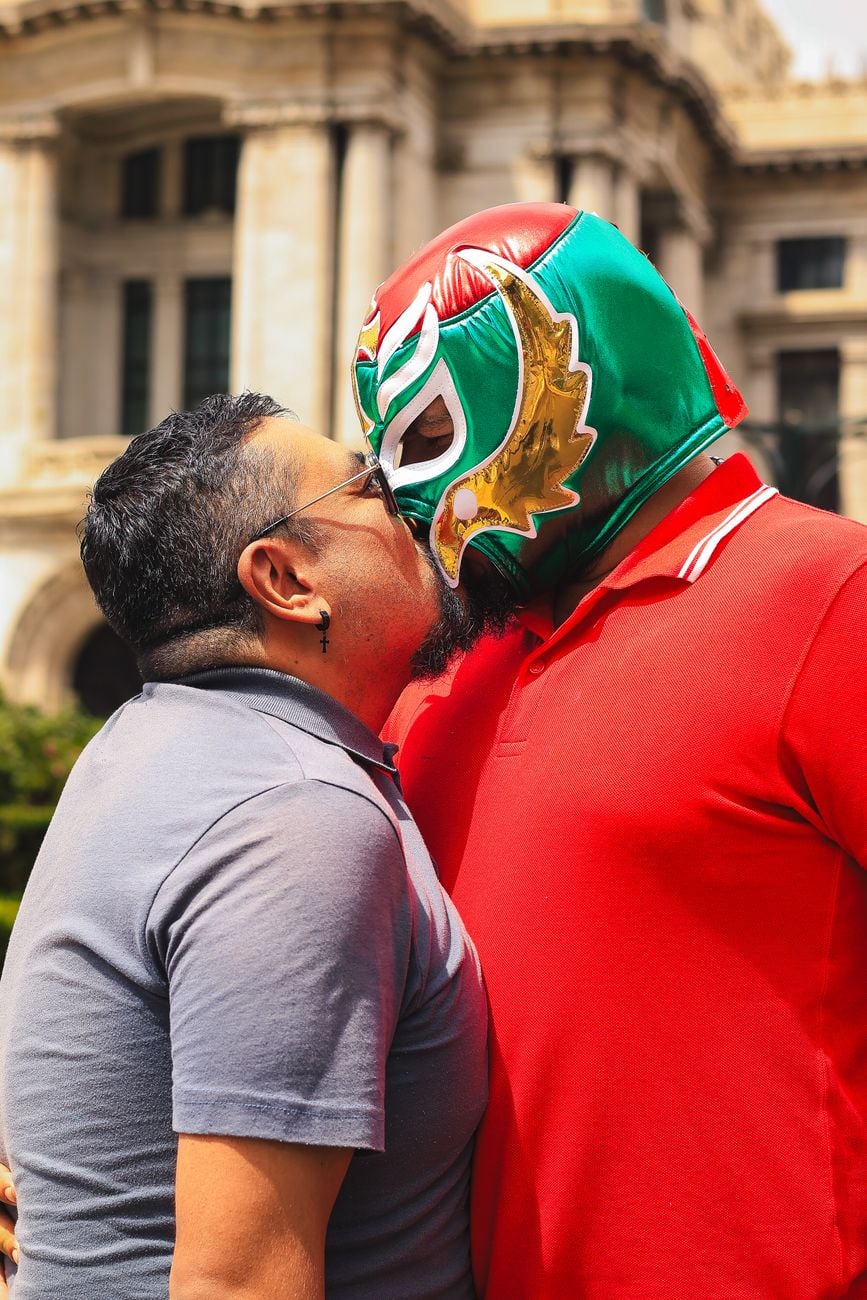
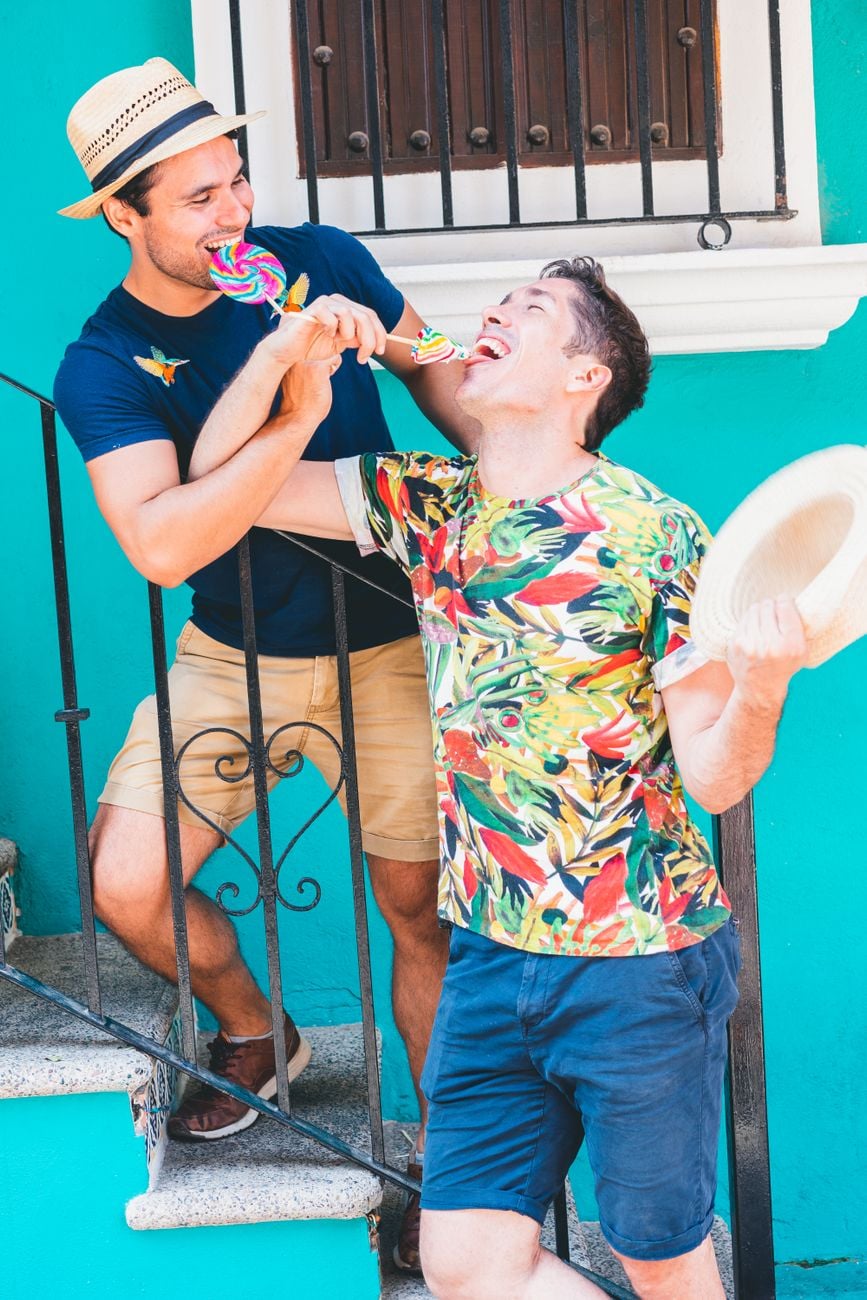
Regarding LGBTQ+-specific safety: Mexico City is significantly safer for LGBTQ+ travelers than many other parts of Mexico or Latin America. Public displays of affection between same-sex couples are generally accepted in central neighborhoods and among younger generations. However, outside tourist areas and progressive spaces, attitudes can vary. Violent crime targeting LGBTQ+ people does occur in Mexico, though Mexico City—as the capital and most progressive city—has less of this than other regions. LGBTQ+ travelers should use the same common sense they would in any large city and be aware of their surroundings.
Food and Dining
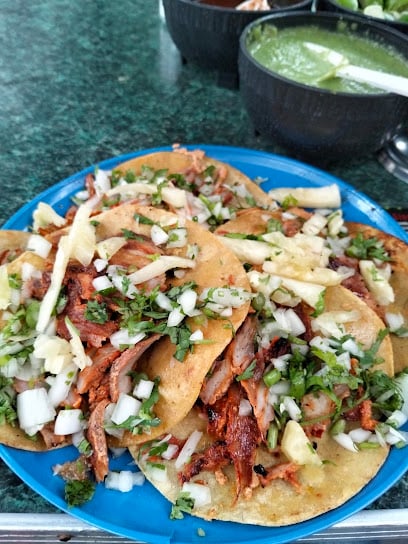
Mexico City is universally considered one of the world's great food cities. Traditional Mexican cuisine ranges from street tacos and markets to fine dining. The city has a robust food culture, and LGBTQ+ travelers will find everything from casual eateries to Michelin-starred restaurants. Gay-friendly restaurants and cafés exist throughout the city, and the overall dining culture is very welcoming. Zona Rosa has numerous gay-friendly restaurants, while Condesa, Roma, and the Historic Center offer exceptional dining experiences across price points.
Mexico City's cultural offerings are extraordinary. The Museo de Antropología (National Museum of Anthropology) houses one of the world's most important pre-Hispanic collections. The Frida Kahlo Museum in Coyoacán is essential for many visitors. The historic center offers colonial architecture, religious sites, and plazas. Street art and graffiti culture, particularly in neighborhoods like Santa María la Ribera, attract many visitors. Museums, galleries, and cultural centers operate throughout the city.
Day Trips
Day trips include Teotihuacán, the massive pre-Aztec archaeological site just outside the city, featuring enormous pyramids. Xochimilco's floating gardens offer a traditional, scenic experience. Both are accessible by public transport or organized tours.
Transportation Within Mexico
Mexico City's airport (Benito Juárez International) is well-connected internationally. Flights to other Mexican destinations and throughout the Americas depart regularly. Buses and flights connect the city to beach destinations like Cancún and Puerto Vallarta, both popular with LGBTQ+ travelers.
Best Time to Visit
June is ideal for Pride but also the most crowded and expensive. The dry season (November-April) offers pleasant weather and fewer crowds. May and September-October are warm and less busy than summer or December holidays. December and January see holiday crowds and higher prices.
Frequently asked questions
Mexico City is recognized as one of Latin America's most LGBTQ+-friendly capitals. However, like any major city, discrimination and violence can still occur, particularly affecting transgender and non-binary individuals and those from marginalized socioeconomic backgrounds.
Zona Rosa is the primary gay district, known for its concentrated LGBTQ+ venues. Roma and Condesa are neighboring bohemian areas with a strong and integrated queer presence, featuring independent cafes, galleries, and restaurants.
Mexico City's Marcha del Orgullo LGBT — one of the largest Pride marches in the world — takes place on the last Saturday of June, falling on 27 June 2026. The parade runs along Paseo de la Reforma from the Ángel de la Independencia to the Zócalo and draws hundreds of thousands of people. The city also held the first Pride march in Latin America back in 1978, and the surrounding weeks are packed with parties and cultural events.
Yes, Zona Rosa offers the highest concentration of explicitly LGBTQ+ venues, including bars, clubs, and restaurants. Roma and Condesa also have a significant LGBTQ+ presence with a variety of establishments.
Homosexuality was decriminalized in Mexico City in 1979. Same-sex civil unions were legalized in 2006, and same-sex marriage was legalized in 2009, making it the first jurisdiction in Latin America to do so.
Zona Rosa is considered the primary gay district with a high concentration of explicitly LGBTQ+ venues and a touristy feel. Roma and Condesa offer a more integrated scene, skewing younger, with queer people mixing freely in cafes, galleries, and restaurants.
Your privacy choices.
We use cookies to run GayOut and, with your consent, measure usage. Learn more
Your privacy choices
We use cookies to keep GayOut running, remember your preferences, and (with your permission) measure how the site is used. You can accept all, reject all, or pick what you allow. Learn more
Essential
Required for sign-in, fraud prevention, CSRF protection and remembering your language. Cannot be disabled.
Always on
Remembers your favourites, dark mode and other interface preferences across visits.
Helps us understand which pages people visit (Google Analytics, server-side stats) so we can improve.
Used by campaign tracking pixels. None are active right now, reserved for future use.
Install GayOut
Add GayOut to your home screen for faster access, offline favourites, and Pride alerts.





 Gay Bars & Clubs
(524)
Gay Bars & Clubs
(524)