




















In this guide · 6 sections
Gay Paris: Medieval Streets, Gay Terraces, and One Sunday Ritual You Cannot Skip
No city in Europe carries the queer history Paris does. France decriminalised homosexuality in 1791—during the Revolution, two years before Napoleon's armies spread the same legal principle across Europe—making it the first modern nation-state to do so. Oscar Wilde died here. James Baldwin wrote some of his best work here. Gertrude Stein and Alice B. Toklas held salons here. The FHAR—France's equivalent of the Stonewall moment—launched here in 1971, when gay men and lesbians occupied the streets and demanded visibility. That history is felt on the ground in a way that "gay-friendly city" doesn't capture.
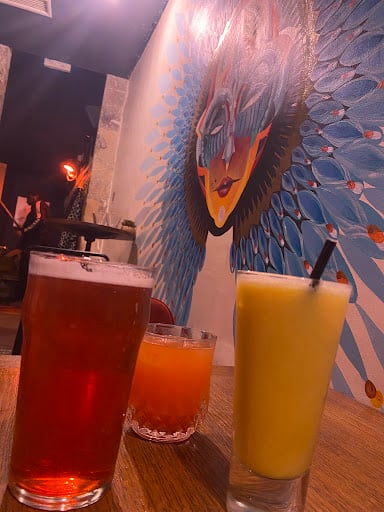
For visitors in 2026, Paris has one of Europe's best concentrations of LGBTQ+ life. It's anchored by Le Marais, a gay neighborhood that's also a medieval architectural heritage zone, a Jewish cultural quarter, and one of the world's most beautiful urban environments. You can drink a beer on a 17th-century cobblestone terrace at , walk to a fetish leather shop, buy a queer novel, and visit a memorial to homosexual victims of Nazi deportation, all within fifteen minutes.
Le Marais: The Neighborhood
Le Marais takes up the 4th arrondissement's western half. It started becoming Paris's gay district in the early 1980s, when cheap rents and sympathetic local politics brought in the first bars, bookshops, and community organizations. The neighborhood's since gotten expensive and famous, but its character remains: dense, walkable, always alive, and unapologetically queer.
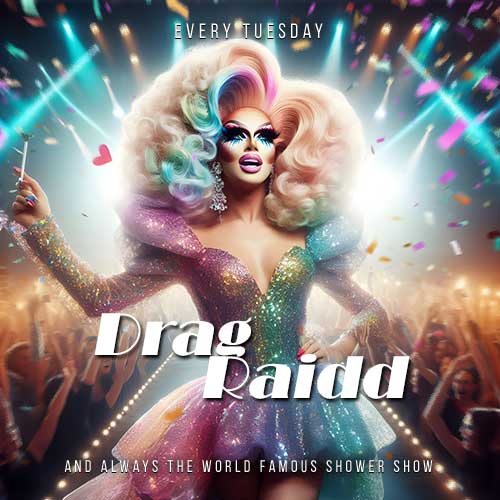
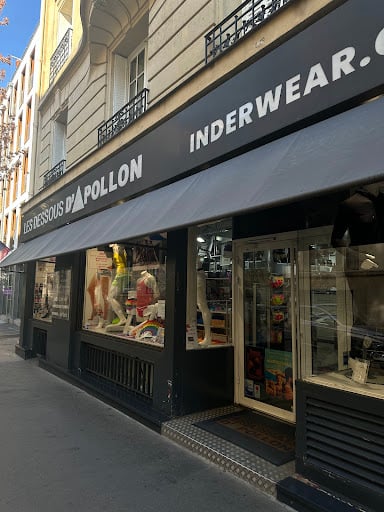
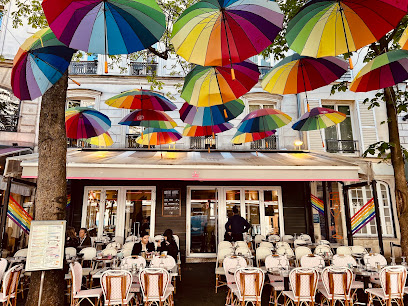
The main streets are Rue des Archives—where anchors the terrace bar culture, and where Open Café stood for decades before closing in June 2022—and Rue Sainte-Croix de la Bretonnerie, a pedestrianized street with adult shops IEM Le Marais (Men-Shop) and RoB Paris, historic gay bars, and the Centre LGBTQI+ Paris–Île-de-France. One block east on Rue du Temple, does its daily Shower Show. Hôtel Duo is on the same street for anyone wanting to sleep within walking distance of everything. Le Duplex on Rue Michel Lecomte has been around since 1980, with its art-on-the-walls, New York-influenced feel, and a steady local crowd that's never needed an update.
The Marais's lesbian and feminist scenes are a bit separate from the main gay male strip. La Champmeslé near Palais-Royal is Paris's oldest lesbian bar, open since the late 1970s and still doing its Tuesday tarot nights and rotating art shows. La Mutinerie on Rue Saint-Martin is the queer feminist bar, with DJ sets, drag king performances, and a community-first spirit. Check its current status before you go.

After Midnight: Clubs and Saunas
The Marais's terrace bars stay busy until 2am. After that, the serious nightlife moves east. Gibus Club on Rue du Faubourg du Temple in the 11th is Paris's main gay club: 900 capacity, multiple floors, Playroom, and regular party nights (Bitch Party Fridays, Menergy Saturdays). It's a fifteen-minute walk from Le Marais, or take the Metro to République.
Paris's sauna scene is big and usually good. IDM Sauna near Grands Boulevards is the most elaborate, with five floors, over 40 themed rooms, and all the facilities. Sun City on Boulevard de Sébastopol says it's the largest by floor area and is a ten-minute walk from the Marais. Key West Sauna on Rue La Fayette was completely rebuilt in 2025 and is now the best-equipped sauna in the city, convenient for those arriving by Eurostar at Gare du Nord. Euro Men's Club in the 2nd arrondissement is smaller, focused on daytime, and better if you want a sauna without the scale of the bigger places.
Rosa Bonheur: The Sunday Ritual
Everything else in this guide is optional. Rosa Bonheur isn't.
Rosa Bonheur is a guinguette—a traditional French outdoor dancehall—inside the Parc des Buttes-Chaumont in the 19th arrondissement. It's been open since 2008. Every Sunday from noon, it fills with queer people of all ages, genders, and styles. They drink wine on the terrace, lie on the grass, and slowly start dancing as afternoon turns to evening. Entry is free. The park's trees and hills block out city noise. By 8pm, the music's loud and the floor's packed. Get there before 5pm for a good spot. Take Line 7bis Metro to Botzaris or Buttes Chaumont. This is gay Paris at its most natural, most itself.
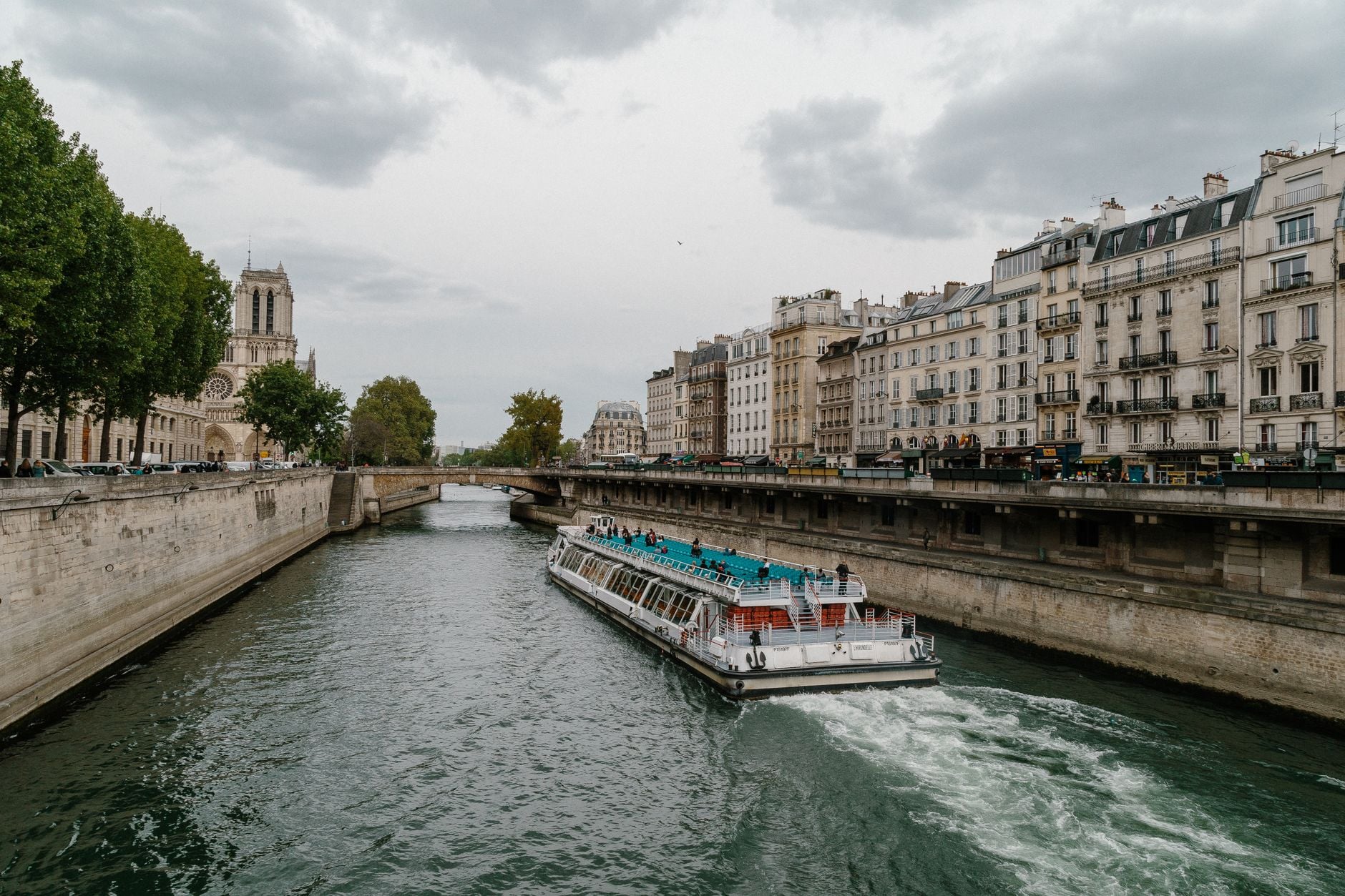
The Seine barge version, , is a different experience. It's more central, more accessible to tourists, with the Paris skyline as a backdrop. It was the Official Pride House during the 2024 Olympics. Good to know for a central early-evening option.

Paris Pride (Marche des Fiertés, postponed to September 2026)
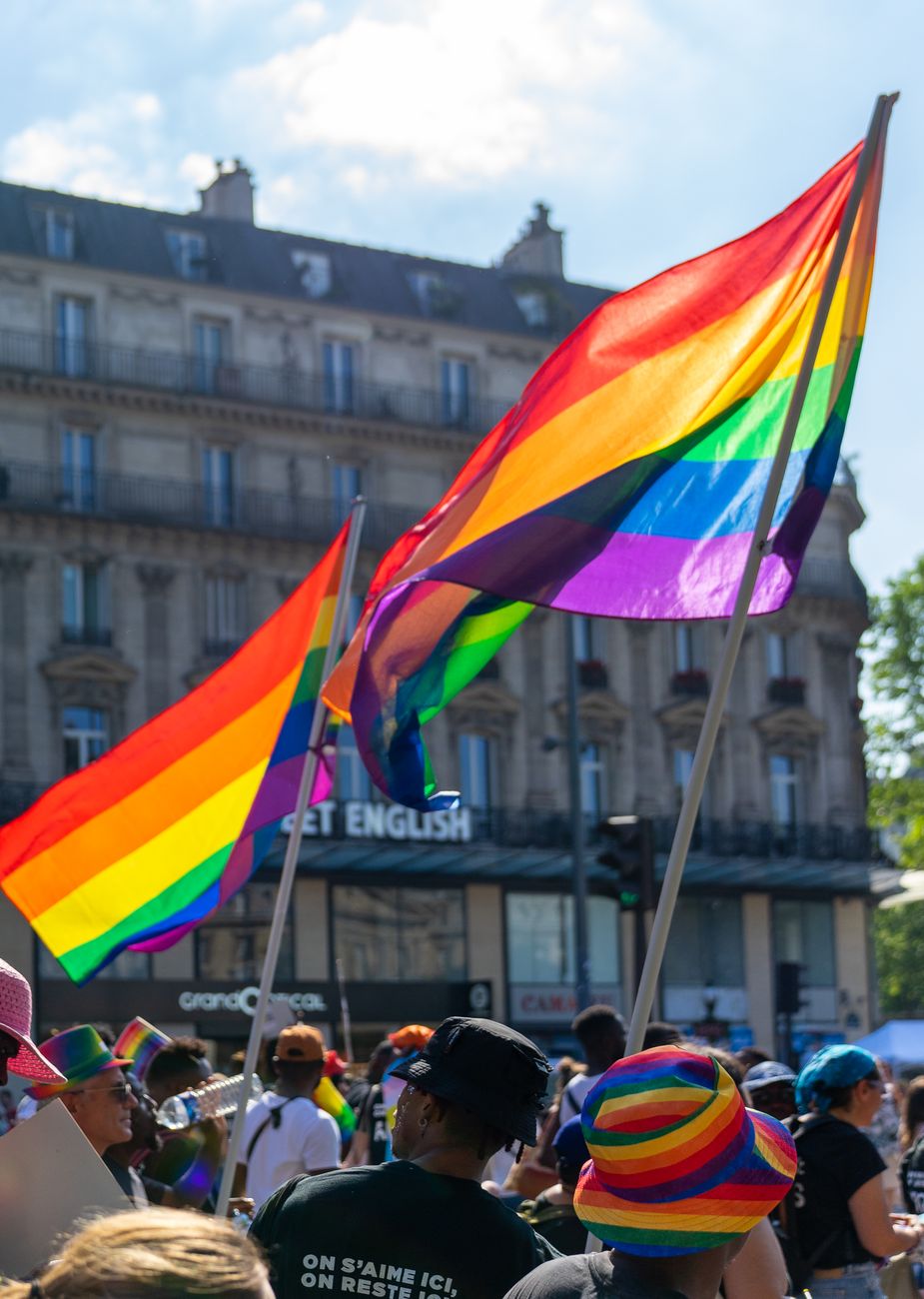
The 2026 Marche des Fiertés was originally set for Saturday, June 27, 2026, but was postponed to September 2026 after a record-breaking red-alert heatwave; organiser Inter-LGBT will confirm the exact September date. In a normal year it leaves from Palais-Royal at about 1:30pm. The route goes east along Rue de Rivoli past the Louvre, through the Marais and Place de la Bastille, and ends at Place de la Nation with a free outdoor concert (Podium des Fiertés) from 5pm. Expect 500,000 to 600,000 people.
Pride Week (the days around the march) adds screenings, concerts, and club events, including the Matinée Paris La Leche edition at the YOYO venue at Palais de Tokyo. Le Marais is closed to traffic on Pride day and completely transforms. Book accommodation in the 4th arrondissement at least six months ahead.
Practical Tips
Location: Stay in the Marais (4th arrondissement) for the full experience, or the 3rd for slightly lower prices with easy walking access. Hotels on or near Rue du Temple, Rue des Archives, or Place des Vosges are ideal.
Airports: Charles de Gaulle (CDG) is served by RER B (38-45 minutes to Châtelet, then a short walk to Le Marais; €12-15). Orly (ORY) now has direct Metro Line 14 (opened 2024) to Châtelet in about 26 minutes (€2.15). Taxis from CDG run around €55-75; from Orly €35-50.
Getting Around: The Marais is small enough to walk everywhere. For clubs and saunas outside the Marais, the Metro is fast and runs until 1am (2am Fri/Sat). Taxis and Uber are available after Metro hours.
Venue verification: Several major Paris venues have closed recently—Queen Club (March 2026), Open Café (June 2022). Les Souffleurs and Le Dépôt have uncertain status. Check parislgbt.com and queer.paris for current listings before relying on older guides.
Language: French is appreciated everywhere. In Le Marais, bar and hotel staff almost universally speak English. A basic "bonjour" before speaking English smooths every interaction.
Events calendar: parislgbt.com and queer.paris are the most reliable sources for current Paris LGBTQ+ event listings. Paris's event culture relies heavily on one-off and monthly events rather than permanent weekly schedules.
Paris rewards those who spend enough time to understand its rhythms: the terrace culture that starts at 3pm and runs to midnight, the Sunday Rosa Bonheur ritual, the late-starting clubs, the quieter culture of La Champmeslé on a Tuesday evening. Stay for at least three days. Stay for the Sunday.

