Marriage equality since May 2013 (Loi Taubira). Decriminalised 1791 — oldest in the world. ART/IVF for lesbian couples since 2021. Conversion therapy banned February 2022. Trans legal gender change without surgery since 2017, but requires court order (not self-certification). Non-binary gender not legally recognised. Blood donation restrictions fully lifted 2022. March 2024: state recognised persecution of gay men pre-1980. Paris is one of the world's top LGBTQ+ destinations; Le Marais is a…
Marseille holds a unique place in French LGBTQ+ history. As France's oldest major city and Mediterranean gateway, it has hosted queer communities since at least the 18th century, with documented gay and lesbian networks embedded in its working-class neighborhoods. Unlike Paris's more visible and commercialized gay scene, Marseille's queer culture developed organically within immigrant, bohemian, and artistic communities. The city's LGBTQ+ activism has historically been more grassroots and intersectional, often closely tied to labor movements, anti-colonial politics, and class struggle. This legacy means the contemporary scene, while smaller, maintains strong community bonds and resistance to commodification.
LE PANIER: THE HEART OF QUEER MARSEILLE
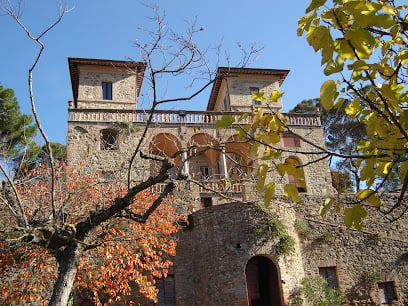
Le Panier, the Old Town district above the Vieux Port, is the epicenter of LGBTQ+ Marseille. This labyrinth of 17th-century stone buildings, winding alleys, and hidden courtyards has long attracted artists, migrants, and queer people seeking affordable housing and community outside mainstream society. The neighborhood buzzes with LGBTQ+-friendly cafés where locals gather for coffee and conversation. Rue des Trois-Rois and streets radiating from Place des Moulins host bars and small venues with genuine neighborhood character. Unlike gay districts in other cities, Le Panier isn't segregated—LGBTQ+ spaces exist alongside traditional Provençal restaurants, immigrant-run shops, and family businesses, creating an authentically mixed social fabric.
Walking through Le Panier reveals the neighborhood's history: renovation projects share walls with older structures, contemporary art galleries sit next to centuries-old buildings, and the community reflects decades of migration and settlement. It's a place where LGBTQ+ identity intersects visibly with class, ethnicity, and artistic practice. Visitors should expect worn cobblestones, steep stairs, and buildings that haven't been polished for Instagram—this authenticity is the neighborhood's appeal.
VIEUX PORT AND SURROUNDING AREAS
The Vieux Port waterfront, while touristy, hosts several LGBTQ+-friendly bars and cafés with harbor views. The area around Quai des Belges fills with people in warm months, and multiple establishments cater to mixed crowds including LGBTQ+ clientele. The neighborhood of Belsunce, just inland from the port, contains additional LGBTQ+ venues and is gradually gentrifying, attracting young professionals and creative types.
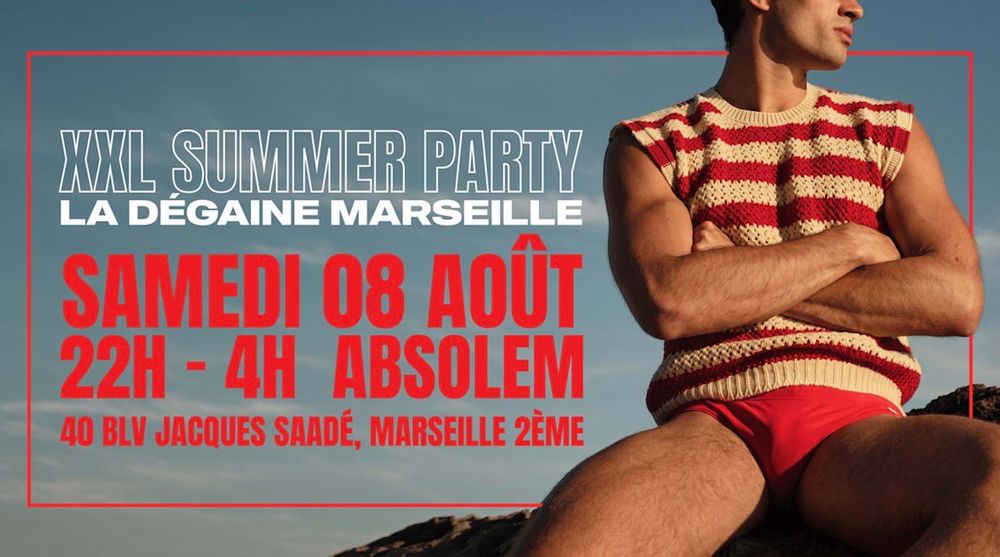
Venues and nightlife in Marseille shift seasonally and can change frequently. Rather than relying on outdated venue lists, visitors should ask locally in cafés or contact LGBTQ+ community organizations upon arrival. The community remains vibrant but less commercially developed than Paris, meaning word-of-mouth remains important for finding current gatherings and events.
PRIDE AND SEASONAL EVENTS
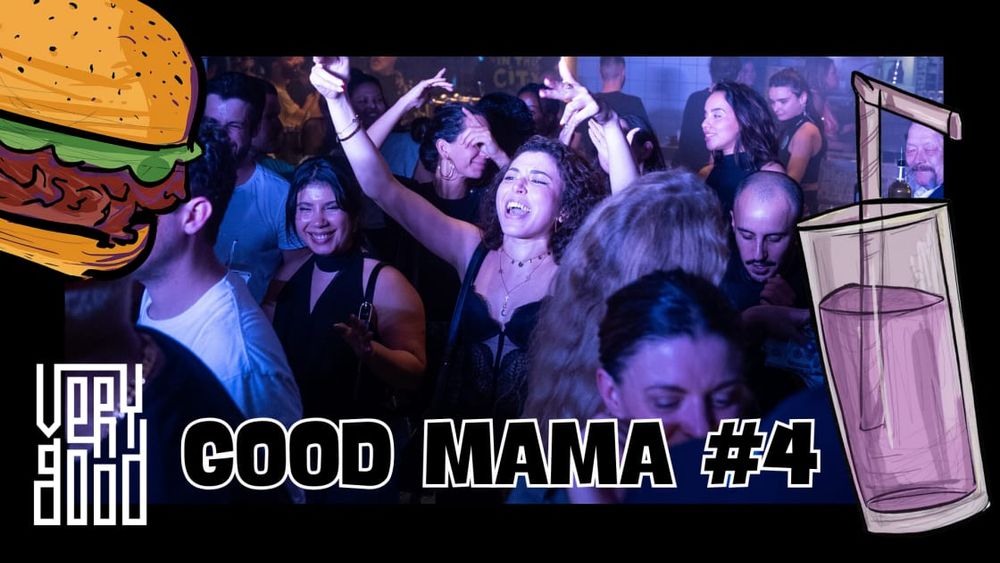
Marseille Pride (Marche des Fiertés) typically occurs in early to mid-June, centered on the Vieux Port. The march draws participants through central streets, with the main celebrations and DJ sets happening along the waterfront. The event, while smaller than Paris Pride, captures Marseille's grassroots spirit—less commercial, more community-focused. Participation ranges from 5,000 to 15,000 depending on the year, creating an intimate yet vibrant atmosphere.
Beyond Pride, Marseille hosts various LGBTQ+ cultural events throughout the year. The city has an active queer cinema community, with LGBTQ+ film screenings and festivals occurring regularly. Community organizations often host discussion groups, art exhibitions, and social events; these are best discovered through local LGBTQ+ centers or online community boards.
WHERE TO STAY
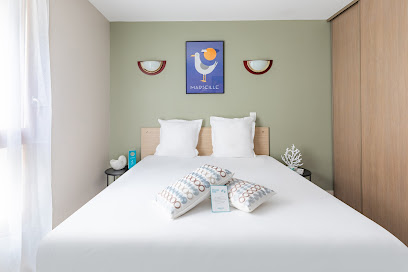
Le Panier offers the most authentic experience, with several small hotels and guesthouses in converted historic buildings. Staying here puts visitors in the neighborhood's heart and often at better prices than more touristy areas. The location provides walkable access to bars, cafés, and galleries while offering genuine neighborhood immersion.
Alternatives include hotels near the Vieux Port for waterfront access, or the Canebière district (the city's main commercial avenue) for central location and transport connections. These areas are safe and convenient, though less characterful than Le Panier.
Marseille's metro system connects key areas, including lines serving the Vieux Port and reaching outlying neighborhoods. Buses cover the city extensively. Walking is feasible in central areas, though Le Panier's stairs and narrow alleys require comfort with steep terrain. The city sprawls more than Paris, so metro or taxi use is essential for distant neighborhoods.
SAFETY CONSIDERATIONS
Marseille's reputation for crime is often exaggerated, though standard urban awareness applies. LGBTQ+ travelers should be comfortable with typical metropolitan caution: avoiding isolated areas late at night, being aware of surroundings, and keeping valuables secure. Le Panier and the Vieux Port areas are well-traveled and safe during day and evening hours. Some outer neighborhoods are less touristy and require greater caution, but most LGBTQ+ venues are in safe, frequented areas. France overall has strong legal protections for LGBTQ+ people, and Marseille's cosmopolitan character means LGBTQ+ visibility is normalized.
FOOD AND DINING
Marseille's food scene reflects Mediterranean and North African influences. Bouillabaisse, the famous fish stew, originated here. Le Panier hosts traditional Provençal restaurants alongside newer establishments catering to younger crowds. Many LGBTQ+-friendly establishments double as restaurants and cafés, offering casual meals and drinks in welcoming environments.
DAY TRIPS AND SURROUNDINGS
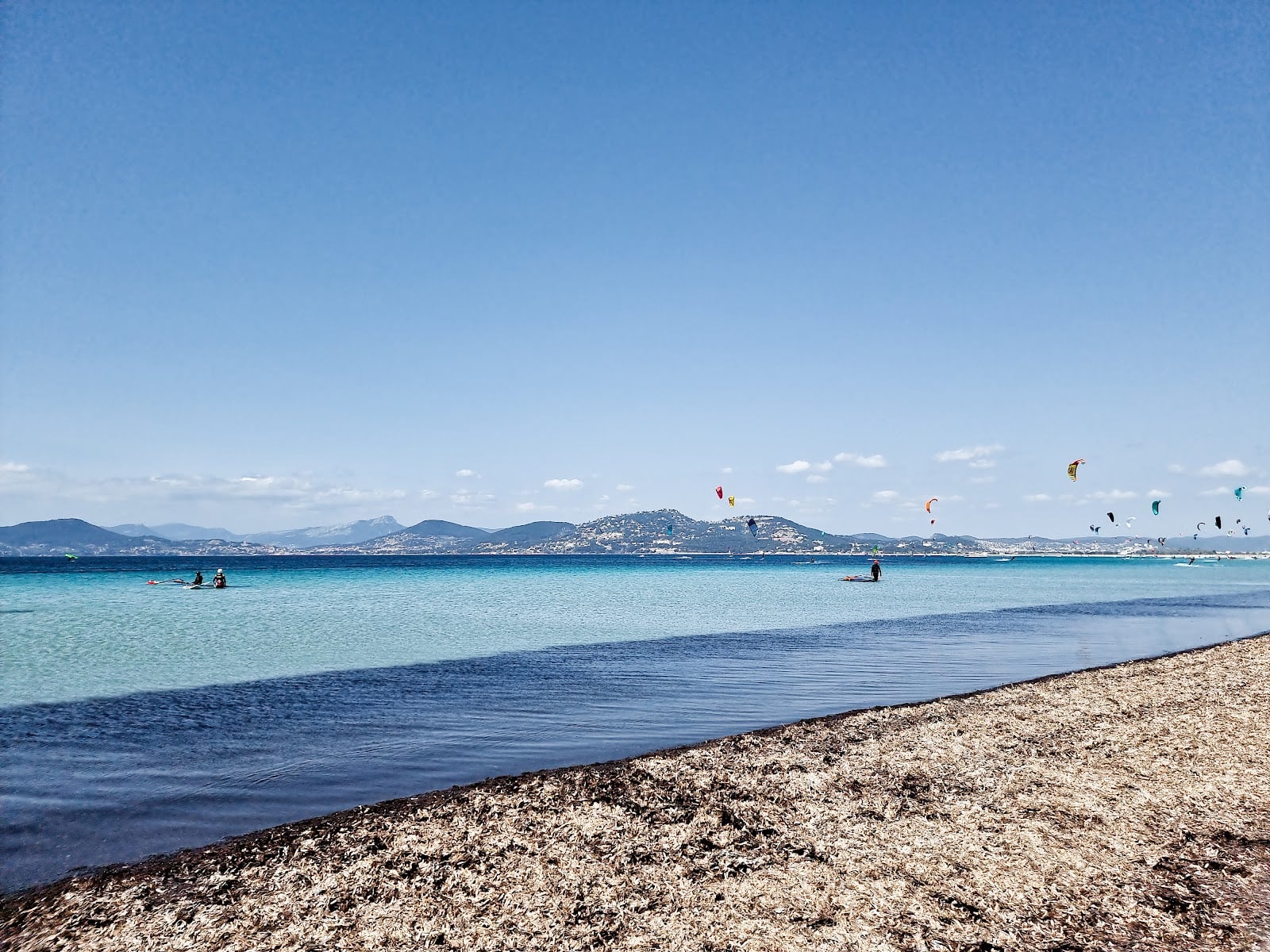
Marseille serves as a base for exploring Provence and the Mediterranean coast. The Calanques, dramatic limestone cliffs and coves east of the city, offer stunning day trip hiking and swimming. The Île d'If, home to the Château d'If from "The Count of Monte Cristo," is a short ferry ride away. Aix-en-Provence, 30 kilometers north, is an elegant university city easily reached by train. The Côte Bleue (Blue Coast) offers beach villages and Mediterranean scenery.
COMMUNITY RESOURCES
Marseille has LGBTQ+ community centers and organizations offering resources, information, and social activities. These provide current venue information, event calendars, and social integration opportunities for visitors seeking deeper community connection. Local tourism offices can provide contact information.
WHO MARSEILLE IS FOR
Marseille suits travelers seeking authentic Mediterranean culture with genuine queer community rather than packaged gay tourism. It appeals to those interested in LGBTQ+ history beyond Western Europe's wealthy centers, to people who value working-class and intersectional activism, and to those comfortable navigating neighborhood life rather than relying on tourist infrastructure. The city rewards curiosity and conversation—asking locals, lingering in cafés, and exploring winding alleys reveal Marseille's character more than any guidebook.
Frequently asked questions
Marseille has a growing acceptance of its gay and lesbian community, with diversity normalized. The Vieux Port area is described as safe and well-lit with constant foot traffic.
Le Panier (Old Town) is the primary area of interest, featuring independent cafes, bars, and shops with a bohemian atmosphere. The Vieux Port and Cours Julien neighborhoods are also welcoming.
Marseille's gay nightlife is modest, with venues often shifting. Historically, establishments in Le Panier have included gay-friendly bars and cafes that function as community gathering spaces.
Marseille's LGBTQ+ scene has remained relatively under-the-radar, with an integrated community rather than dedicated gay districts. LGBTQ+ life blends naturally with the broader city culture.
The provided guide does not mention specific dates for Pride events in Marseille.
Marseille's gay nightlife is more modest than major French cities, suiting travelers seeking low-key socializing. The scene lacks the commercial density of larger cities.
Your privacy choices.
We use cookies to run GayOut and, with your consent, measure usage. Learn more
Your privacy choices
We use cookies to keep GayOut running, remember your preferences, and (with your permission) measure how the site is used. You can accept all, reject all, or pick what you allow. Learn more
Essential
Required for sign-in, fraud prevention, CSRF protection and remembering your language. Cannot be disabled.
Always on
Remembers your favourites, dark mode and other interface preferences across visits.
Helps us understand which pages people visit (Google Analytics, server-side stats) so we can improve.
Used by campaign tracking pixels. None are active right now, reserved for future use.
Install GayOut
Add GayOut to your home screen for faster access, offline favourites, and Pride alerts.