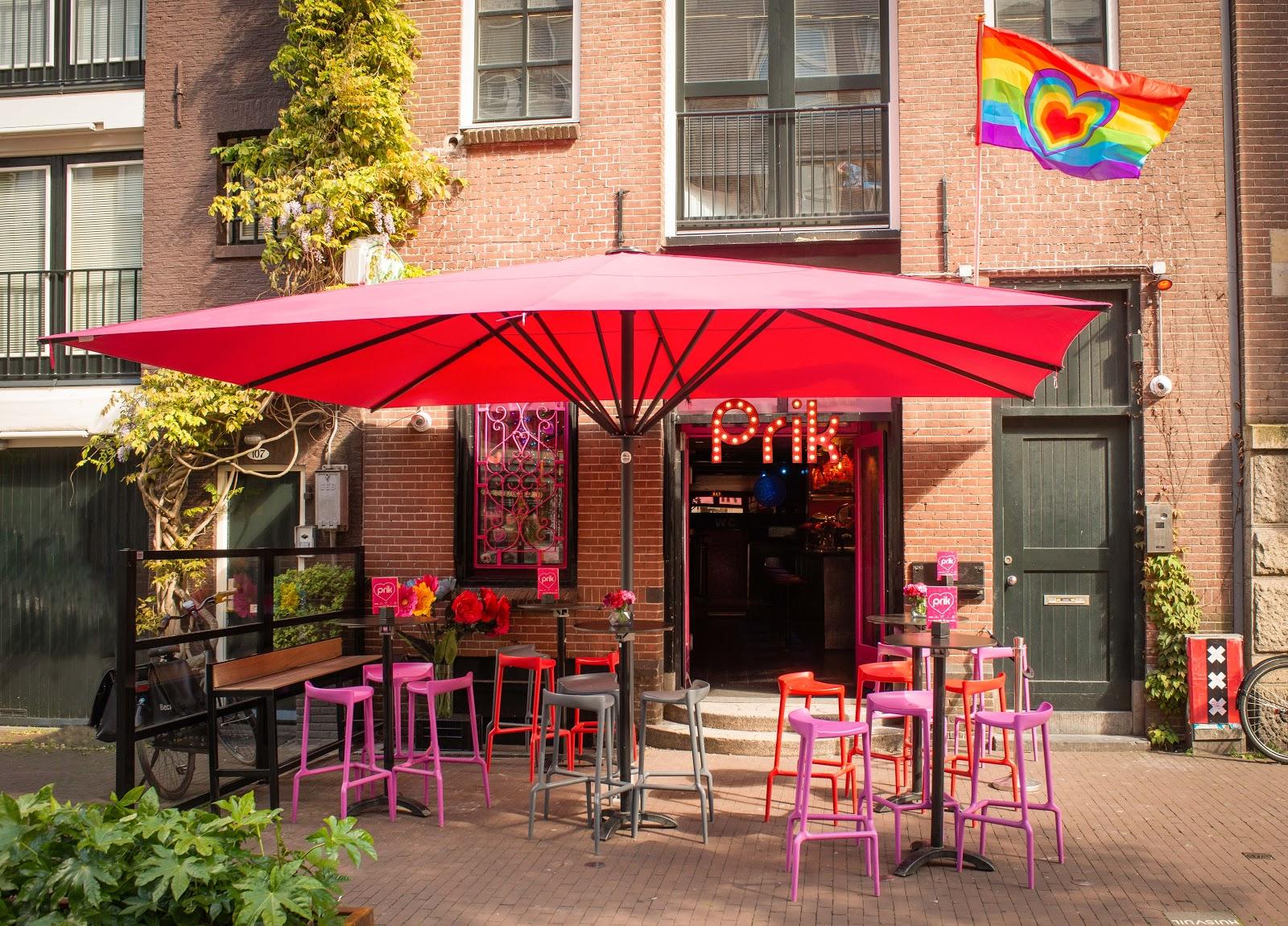
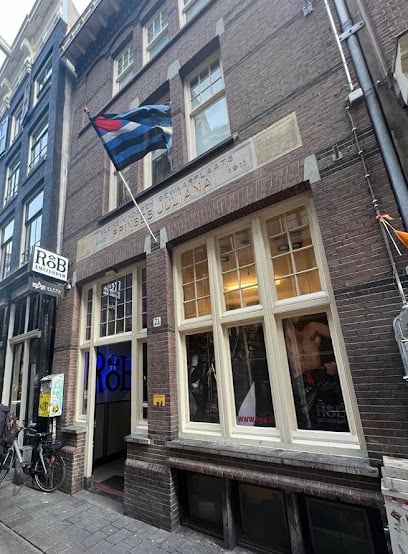
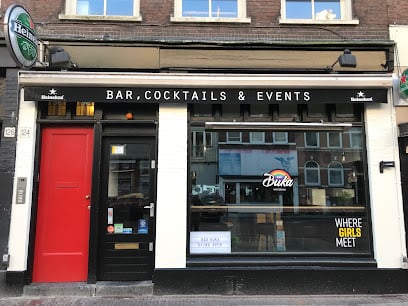
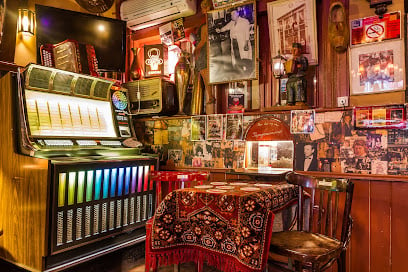
The oldest gay bar in the Netherlands, open since 1927 — a tiny Zeedijk institution covered in leather memorabilia, biker jackets, and a century of queer Amsterdam history.
Original old-style tavern with great music and people. There are also pool tables. Really chilled out bar with good music, lovely friendly staff, pool table and indoor smoking area.
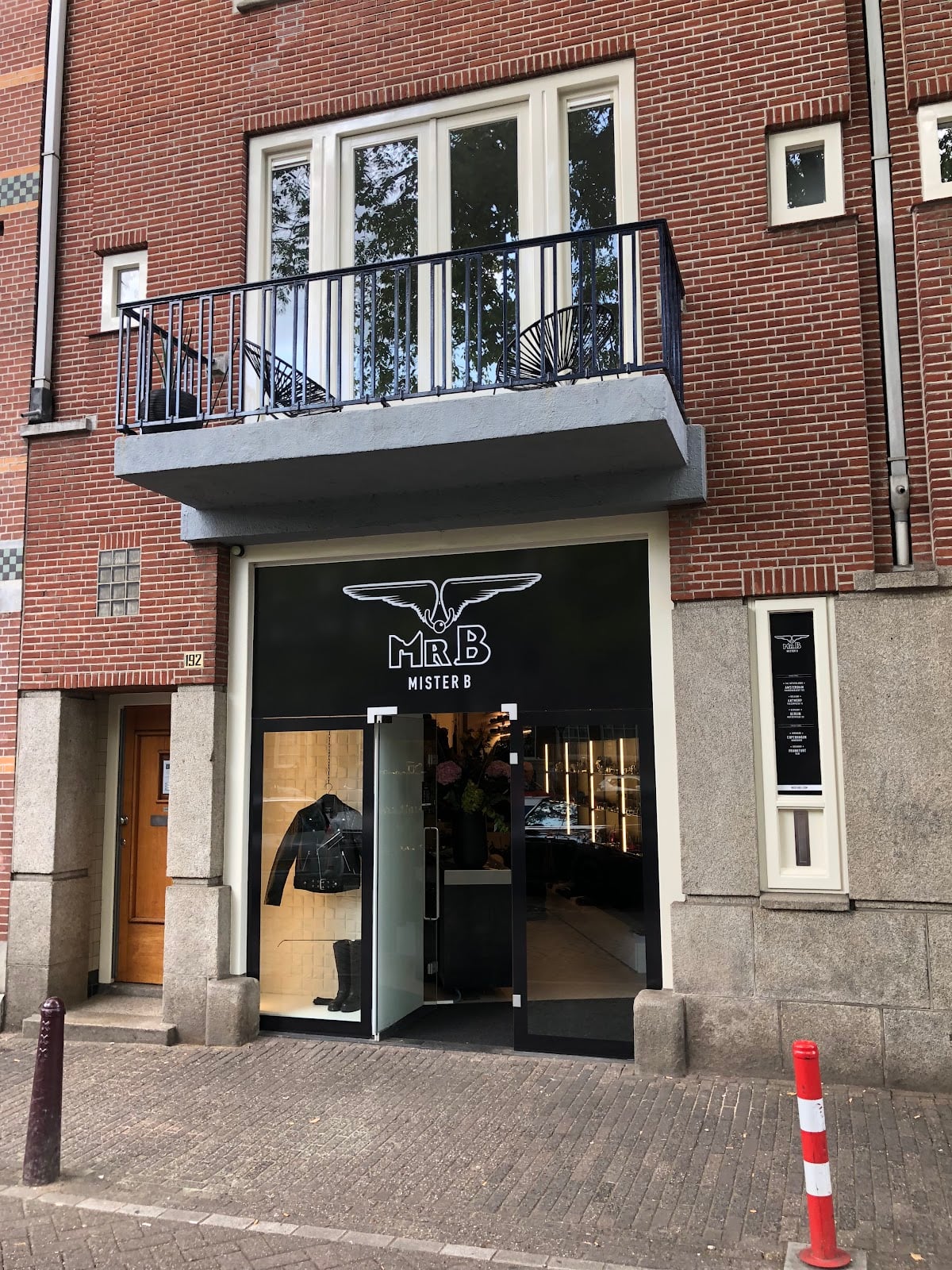
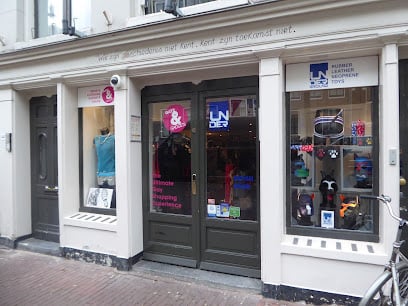
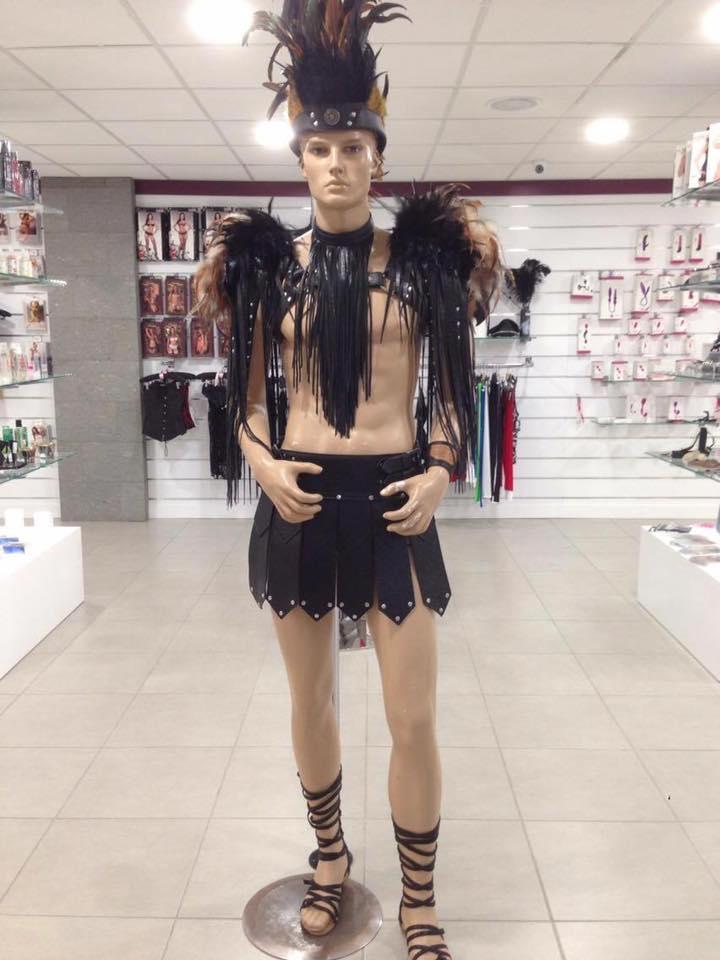
Amsterdam's leading leather and rubber fetish shop — the go-to destination on Warmoesstraat for custom leather, rubber clothing, harnesses, and the full range of fetish gear.
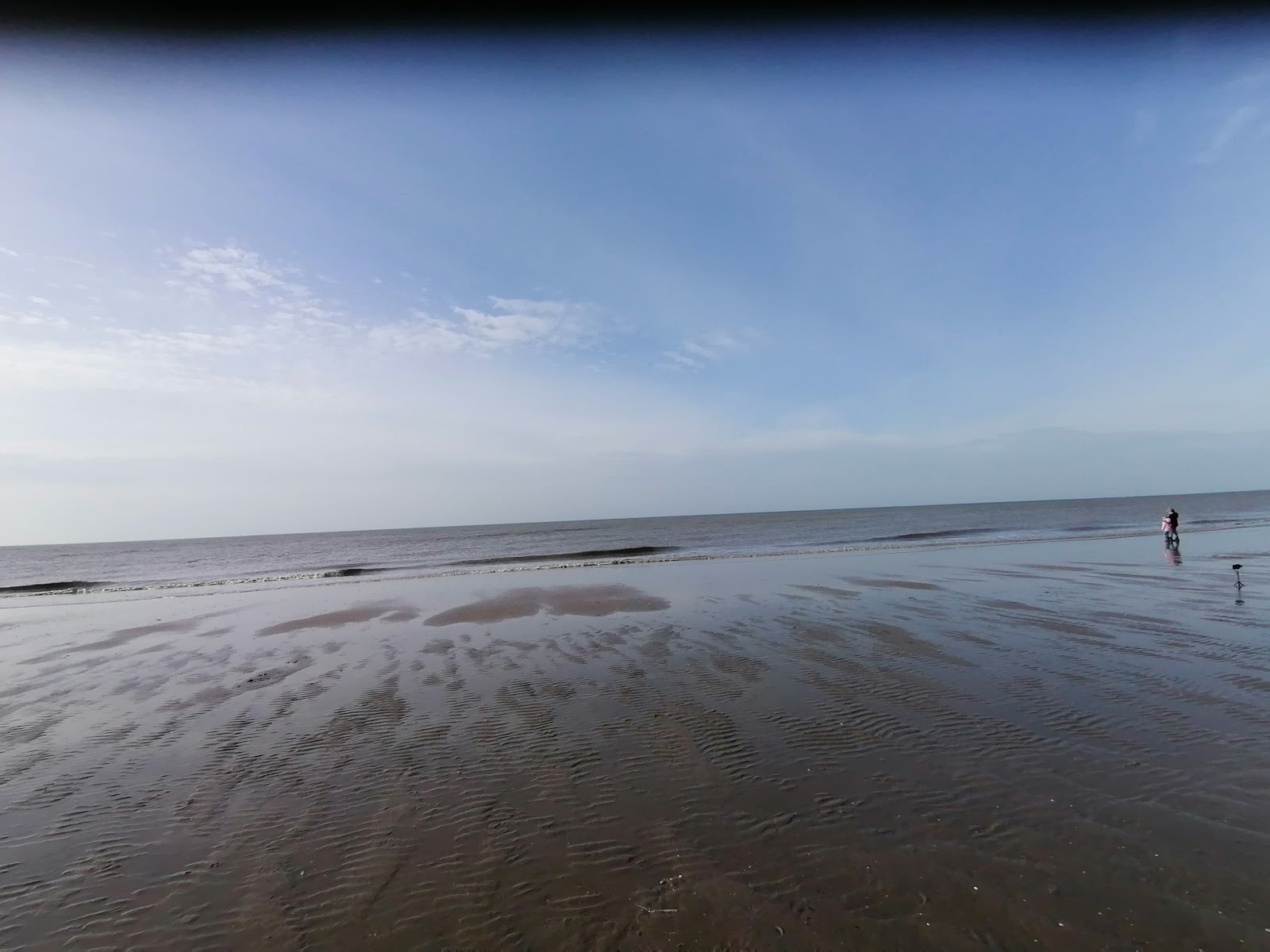
The officially tolerated cruising area of Amsterdam on the Nieuwe Meer lake shore — nude sunbathing by the water, wooded zone behind, marked on municipal signs.
Long-standing cruising area in the wooded corners of the Oosterpark — one of the recognized meeting places in the city, patrolled by the police LGBTQ+ unit.
One of Europe's most beloved gay hotels — a canal-house property on the Prinsengracht with a dedicated gay clientele, a welcoming host culture, and the specific charm of a small Amsterdam hotel that…
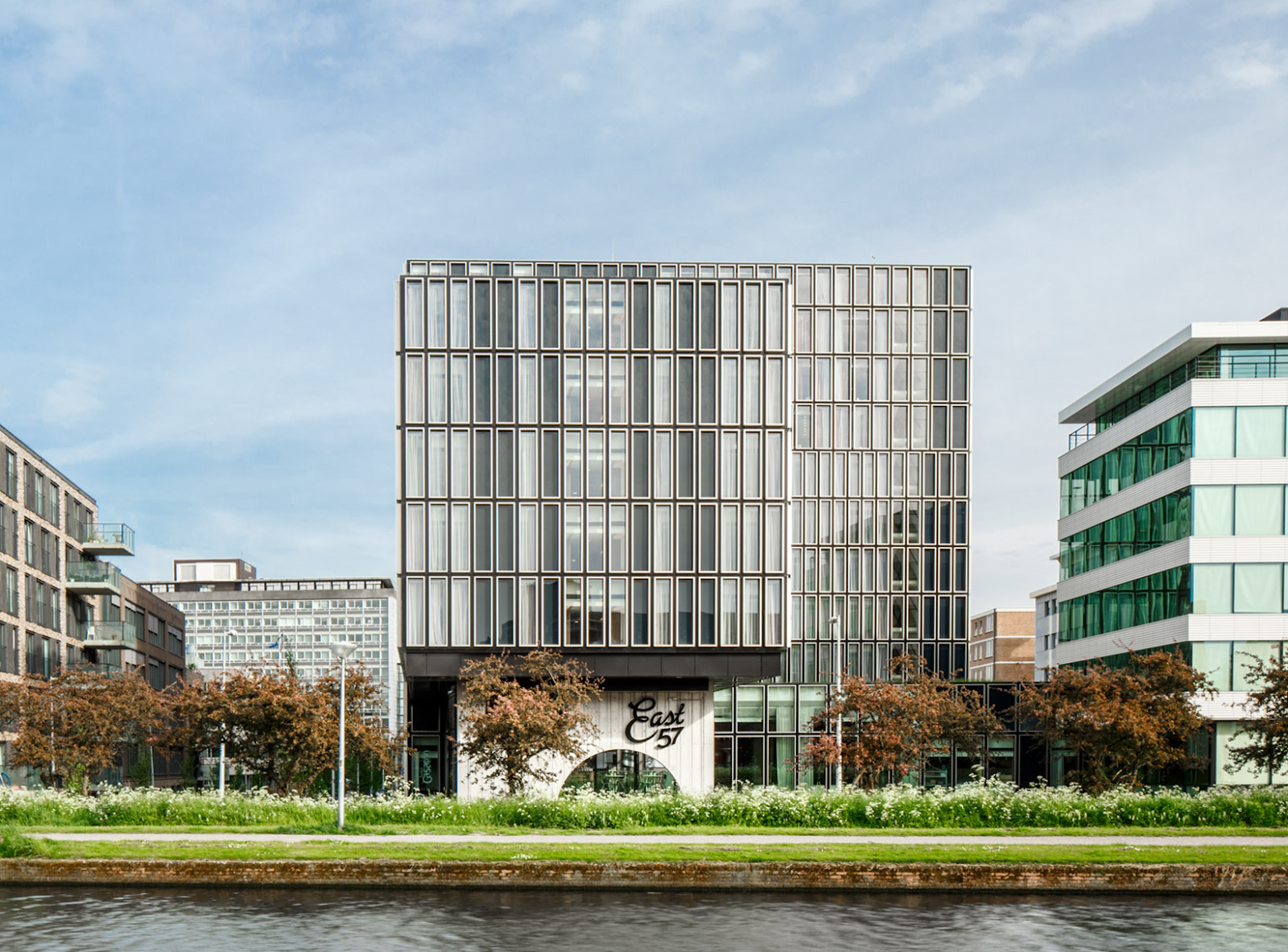
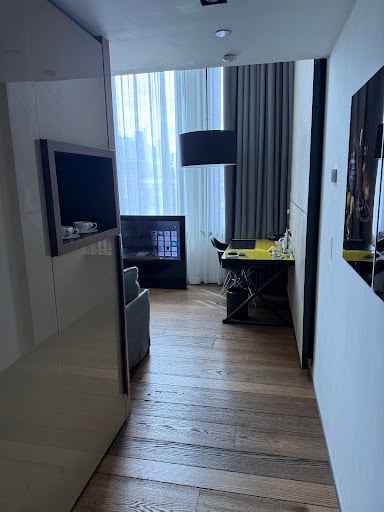
At Casa you'll have the whole city at your feet. Situated only a stone throw away from the Amsterdam Amstel Station and Amsterdam's ring road A10. The hotel is clean, confortable and modern.
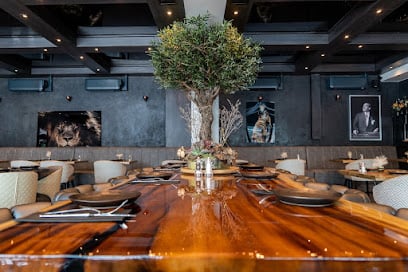
Café Westerdok is one of those places that just seems to exist, it abides it's not a place that's been designed, it doesn't have a concept, high or otherwise, or a theme or an aesthetic, but if…
The world's first permanent LGBTQ+ tourist information kiosk — a purpose-built canal-side booth next to the Homomonument, staffed continuously since 1998.
The largest continental European LGBTQ+ heritage collection — housed in Amsterdam's Central Public Library since 2007, founded from a 1978 university collection.
Amsterdam's LGBTQ+ history is deeply woven into the city's identity as a progressive haven. The Netherlands decriminalized homosexuality in 1811—earlier than most European nations—and Amsterdam became a refuge for queer people throughout the 20th century. The city established the world's first openly gay bar, Café t' Mandje, in 1927, which operated continuously until 2008 and has since reopened as a heritage site and bar. The 1980s saw Amsterdam become central to queer activism during the AIDS crisis, and the city now hosts the famous Homomonument, a triangle of pink granite stones in the Westermarkt that commemorates LGBTQ+ persecution and remains a gathering point for the community.
The city's queer neighborhoods each have distinct personalities. The Canal Ring area around Westermarkt is considered the historic heart of Amsterdam's gay scene, with numerous bars, cafes, and shops within walking distance. This neighborhood's picturesque canals, narrow streets, and intimate venue culture create an atmosphere that feels both celebratory and local. Kerkstraat is the main street for gay nightlife and daytime venues in this area. Just south, the Jordaan neighborhood has shifted toward a more mixed but still LGBTQ+-friendly demographic, with relaxed cafes and cultural venues. De Pijp, in the De Pijp district south of the city center, has become increasingly popular with younger queer people and offers a more residential, neighborhood-focused experience with bookshops, galleries, and laid-back drinking spots. The Red Light District, while famous for sex work, has genuine queer history and continues to host some gay-friendly venues alongside its other attractions.
Key venues in Amsterdam's gay scene include Brouwerij \"t IJ, a beloved gay bar in the Westermarkt area known for its friendly atmosphere and local clientele. Café de Dokter is a historic brown cafe with LGBTQ+ clientele. Thermos Day Spa is a well-known bathhouse catering to men, operating during specific hours. For nightlife, Melkweg and Paradiso are major cultural venues that host queer-focused events regularly, though they're not exclusively gay. Trouw is a club in the Oud-West area that hosts various events including queer parties. Amsterdam's club and party scene is more mixed than exclusively gay, which reflects the city's integrated approach to nightlife. Weekend parties and circuit events operate throughout the year, with increased activity during Pride season.
Amsterdam Pride takes place annually in August and is one of Europe's largest Pride celebrations. The highlight is the iconic canal parade, where hundreds of decorated boats cruise through the city's waterways while crowds line the bridges and banks. Beyond the parade, Pride programming spans the entire month with street parties, club events, cultural exhibitions, and performances across multiple neighborhoods. The atmosphere is celebratory yet inclusive, attracting both locals and international visitors. Other significant events include the Amsterdam Dance Event in October, which includes queer programming, and various circuit parties and themed weekends throughout the year, particularly in summer months.
When choosing where to stay, the Canal Ring offers the most authentic gay neighborhood experience, with canal-side hotels and guesthouses providing that quintessential Amsterdam feel. Hotels like The Pulitzer Collection and Ambassade Hotel offer luxury options with proximity to gay venues. The Jordaan area provides a quieter, more residential experience while still being central. De Pijp offers modern accommodations and a younger vibe. Oost, the eastern part of the city, has excellent transport connections and is becoming increasingly popular with LGBTQ+ travelers seeking comfort and space without sacrificing proximity to the scene.
Amsterdam is exceptionally safe for LGBTQ+ travelers. Same-sex public affection is generally accepted throughout the city, and Dutch people are known for their directness and tolerance. The city has strong anti-discrimination laws and a well-established police presence in popular areas. However, as with any major European city, travelers should exercise standard precautions regarding personal belongings, particularly on public transport and in crowded tourist areas. The red light district, while generally safe, is better explored during daytime first visits.
Transportation in Amsterdam is straightforward for visitors. The city is compact and highly bikeable—many travelers rent bicycles for the duration of their stay, though this requires comfort with Dutch cycling culture. Public trams and buses are efficient, frequent, and cover the entire city. GVB (the local transit authority) sells single tickets and day passes. Taxis and ride-sharing services are available but less necessary given the excellent public transport. The airport, Amsterdam Airport Schiphol, is connected to the city center by train in approximately 15 minutes.
Food & Drink
Food in Amsterdam ranges from casual to sophisticated. The city's cuisine reflects its multicultural population, with excellent Indonesian, Mediterranean, and vegetarian options alongside traditional Dutch fare. Canal-side restaurants offer romantic dining with views. Markets like Albert Cuyp Market provide affordable, casual eating. The city has numerous gay-friendly restaurants and cafes, though the LGBTQ+ scene is integrated enough that any restaurant will serve queer travelers warmly. Coffee culture is strong, with excellent cafes throughout, particularly in the Jordaan and De Pijp neighborhoods.
Day trips from Amsterdam provide variety beyond the city. Zaanse Schans, about 15 minutes by train, features historic windmills and traditional Dutch architecture. Marken and Volendam, former fishing villages about 30-40 minutes away, offer charming waterfront experiences and are popular day-trip destinations. Tulip season (mid-March to mid-May) makes a visit to Keukenhof Gardens worthwhile for those traveling in spring. Windmills at Kinderdijk are UNESCO-listed and can be reached by public transport. Bicycling through the surrounding countryside is a popular activity, with marked cycling routes connecting to other towns. These day trips appeal to travelers seeking balance between urban gay scene exploration and classic Dutch countryside experience.
Practical considerations for visiting include the Dutch approach to time-keeping (punctuality is important), drinking culture (beer and gin are central to social life but consumption is moderate compared to some other European cities), and shop hours (many close Sundays or have limited hours). Tipping is not expected but rounding up bills is customary. The weather is best from May through September, though Amsterdam is visitable year-round. Winter months are darker and colder but offer fewer tourists. June and July are peak season for international visitors.
Amsterdam's gay scene is notable for being integrated into broader Dutch culture rather than existing as a separate enclave. This means gay venues are intermingled with straight venues, gay neighborhoods have mixed populations, and LGBTQ+ identity is normalized rather than spectacularized. For travelers, this creates an experience that feels authentically Dutch while providing clear gathering points and venues for queer community. The city's progressive legal framework, including recognition of same-sex marriage, adoption rights, and anti-discrimination protections, reflects the values underlying this integration.
Frequently asked questions
Amsterdam was the first city in the world where same-sex couples married (April 2001) and remains a global LGBTQ+ icon. The Netherlands is consistently ranked among the most LGBTQ+-friendly countries. Public displays of affection are no issue anywhere in central Amsterdam.
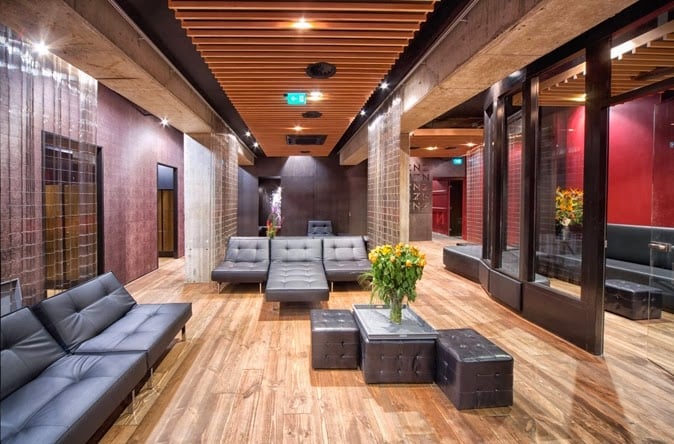
Amsterdam has multiple gay clusters rather than one single neighborhood. Reguliersdwarsstraat is the main gay street (BLEND, SoHo, Taboo, Exit and Club NYX). Warmoesstraat near the red light district keeps the leather and cruise scene (Eagle, Dirty Dick's, the RoB and Mister B heritage). The Amstel and Zeedijk have the classic gay cafes, and Kerkstraat is home to Club Church and the Spijker. The city's only gay sauna, Nieuwezijds, sits near Centraal Station.
On Reguliersdwarsstraat: BLEND, SoHo, Taboo and Exit Café. On Warmoesstraat: The Eagle and Dirty Dick's; bears head to Bears Amsterdam in the former Web on Sint Jacobsstraat. For clubs: Club NYX, Club Church (cruise and fetish nights) and De Trut, the volunteer-run Sunday disco. Café 't Mandje on the Zeedijk — open since 1927 — is the heritage stop.
Pride Amsterdam runs at the end of July into early August, with the famous Canal Parade on boats — in 2026 the city hosts WorldPride (25 July – 8 August), its biggest edition ever. King's Day (April 27) is also a huge gay-popular street party. Spring tulips (April) and autumn (September) are best for sightseeing.
Many hotels in the centre are gay-friendly, and a few are explicitly gay: the Amistad and the leather-friendly Anco near the Warmoesstraat scene, plus long-running gay-popular stays like the ITC on the Amstel. See the map above.
Your privacy choices.
We use cookies to run GayOut and, with your consent, measure usage. Learn more
Your privacy choices
We use cookies to keep GayOut running, remember your preferences, and (with your permission) measure how the site is used. You can accept all, reject all, or pick what you allow. Learn more
Essential
Required for sign-in, fraud prevention, CSRF protection and remembering your language. Cannot be disabled.
Always on
Remembers your favourites, dark mode and other interface preferences across visits.
Helps us understand which pages people visit (Google Analytics, server-side stats) so we can improve.
Used by campaign tracking pixels. None are active right now, reserved for future use.
Install GayOut
Add GayOut to your home screen for faster access, offline favourites, and Pride alerts.



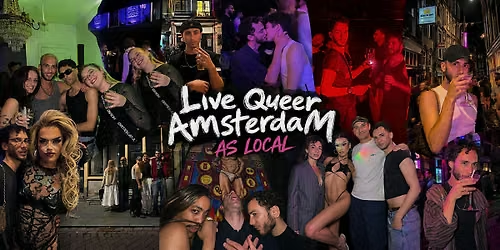
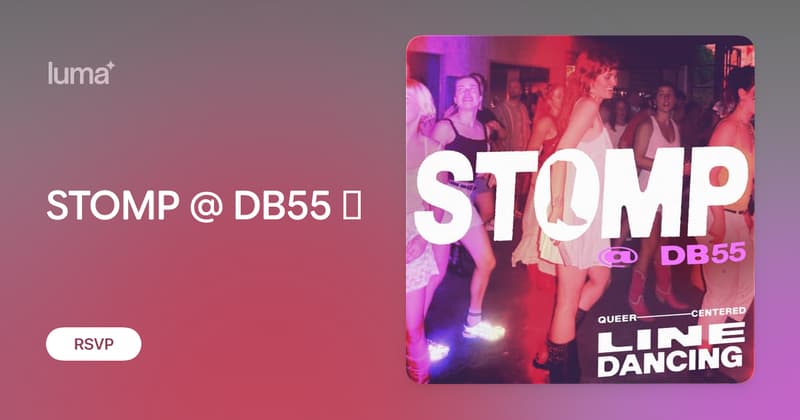


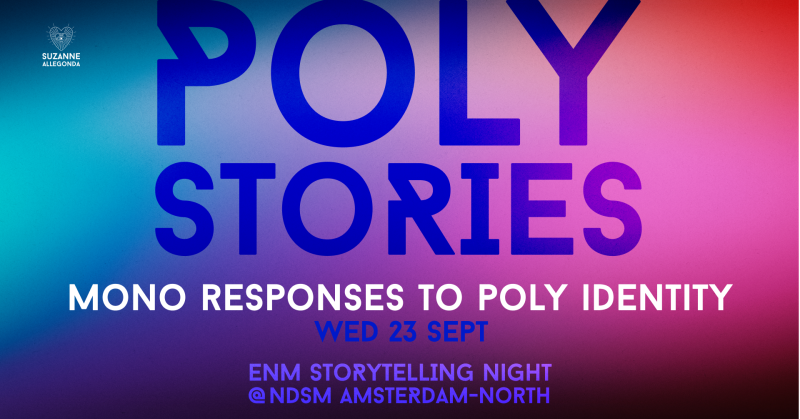




 Gay Bars & Clubs
Featured
(560)
Gay Bars & Clubs
Featured
(560)