Long-standing cruising spot in the wooded western parts of the Stadspark, busiest after dark. The Netherlands tolerates cruising areas, but usual discretion applies.
Lakeside cruising area by the nudist beach at the Hoornse Plas, south of the city - so established that the municipality redesigned the area in 2012-13 to give user groups their own space.
The Groningen chapter of COC Nederland — LGBTQ+ community centre with a strong university partnership, providing advocacy, social programming, youth groups, and support for the northern Netherlands'…
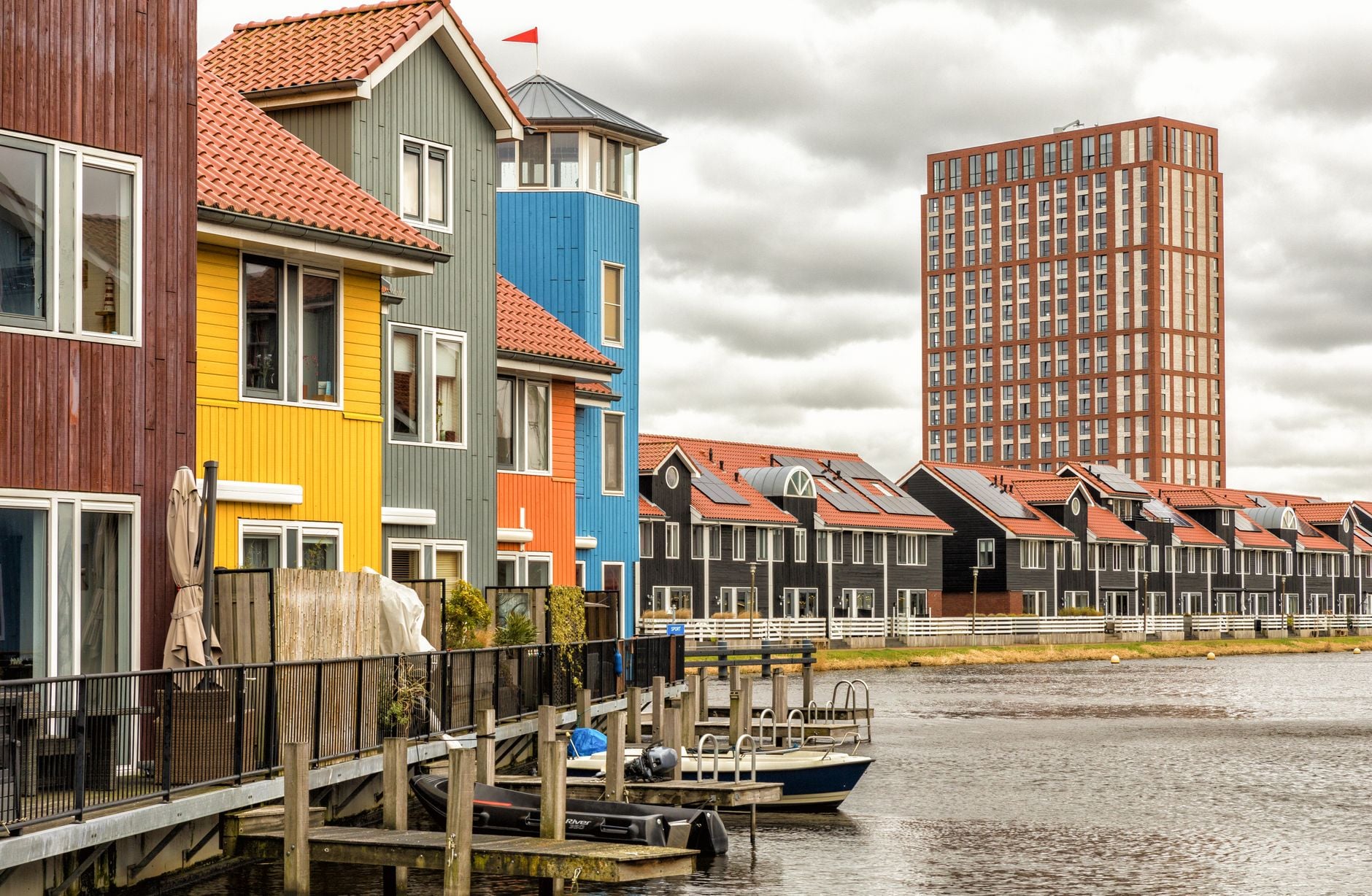
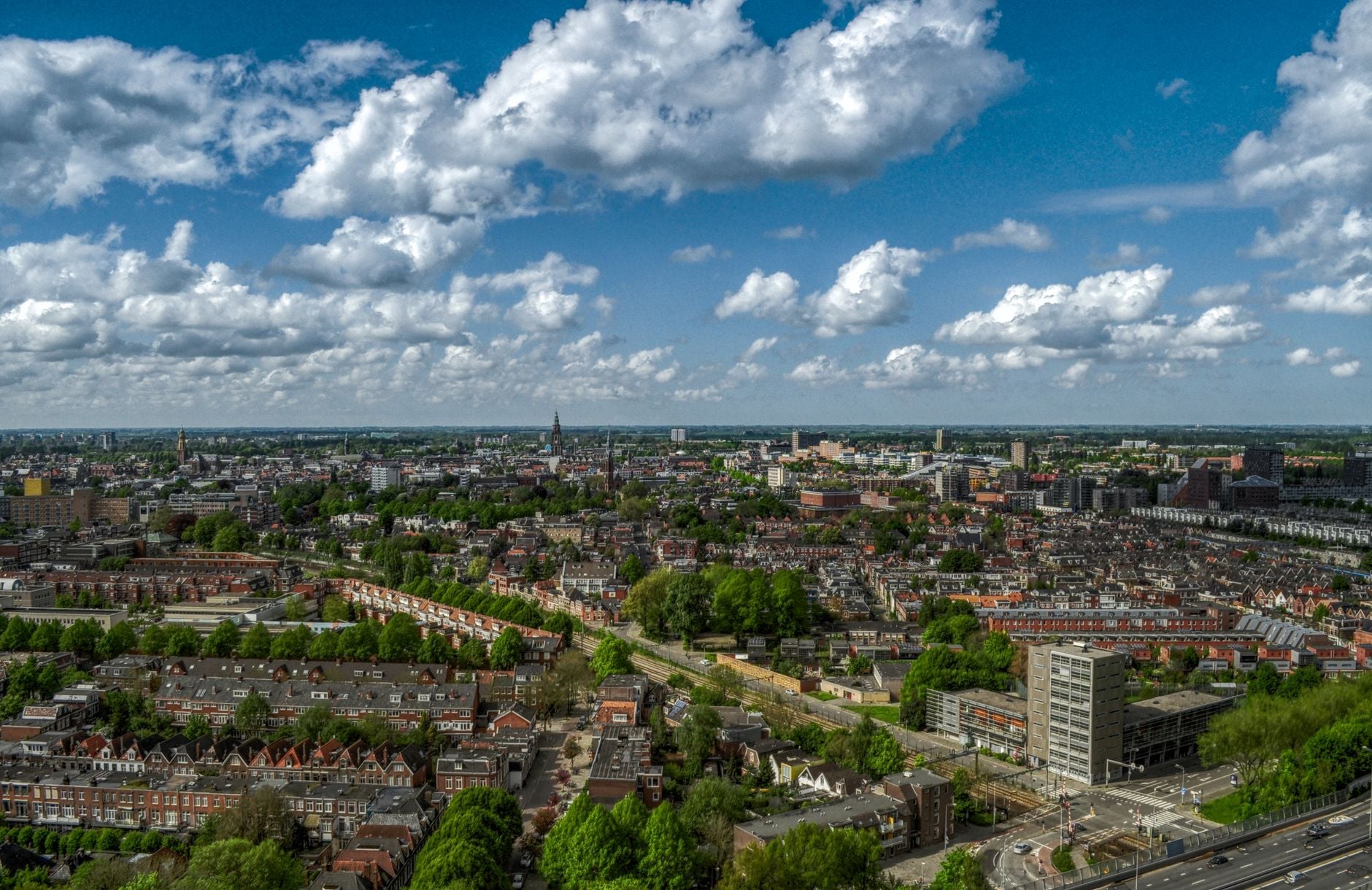
Groningen, located in the northern Netherlands near the German border, is an underrated gem for LGBTQ+ travelers. With around 235,000 residents, the city combines the progressive values and infrastructure of the Netherlands with a more intimate, locally-rooted atmosphere than Amsterdam. The LGBTQ+ scene here is genuine, welcoming, and deeply integrated into the city's broader culture rather than cordoned off as a tourist attraction.
History of Groningen's LGBTQ+ Scene
The Netherlands has been a pioneer in LGBTQ+ rights globally, and Groningen reflects this progressive heritage. As a university city, Groningen has long attracted young, liberal-minded people, and LGBTQ+ organizations have been active here since the 1980s. The scene developed organically from community organizing rather than commercial interests, which contributes to its authentic character today. Major Dutch LGBTQ+ organizations maintain chapters in Groningen, and the city hosts regular pride events and cultural programming throughout the year.
Neighborhoods and Geography
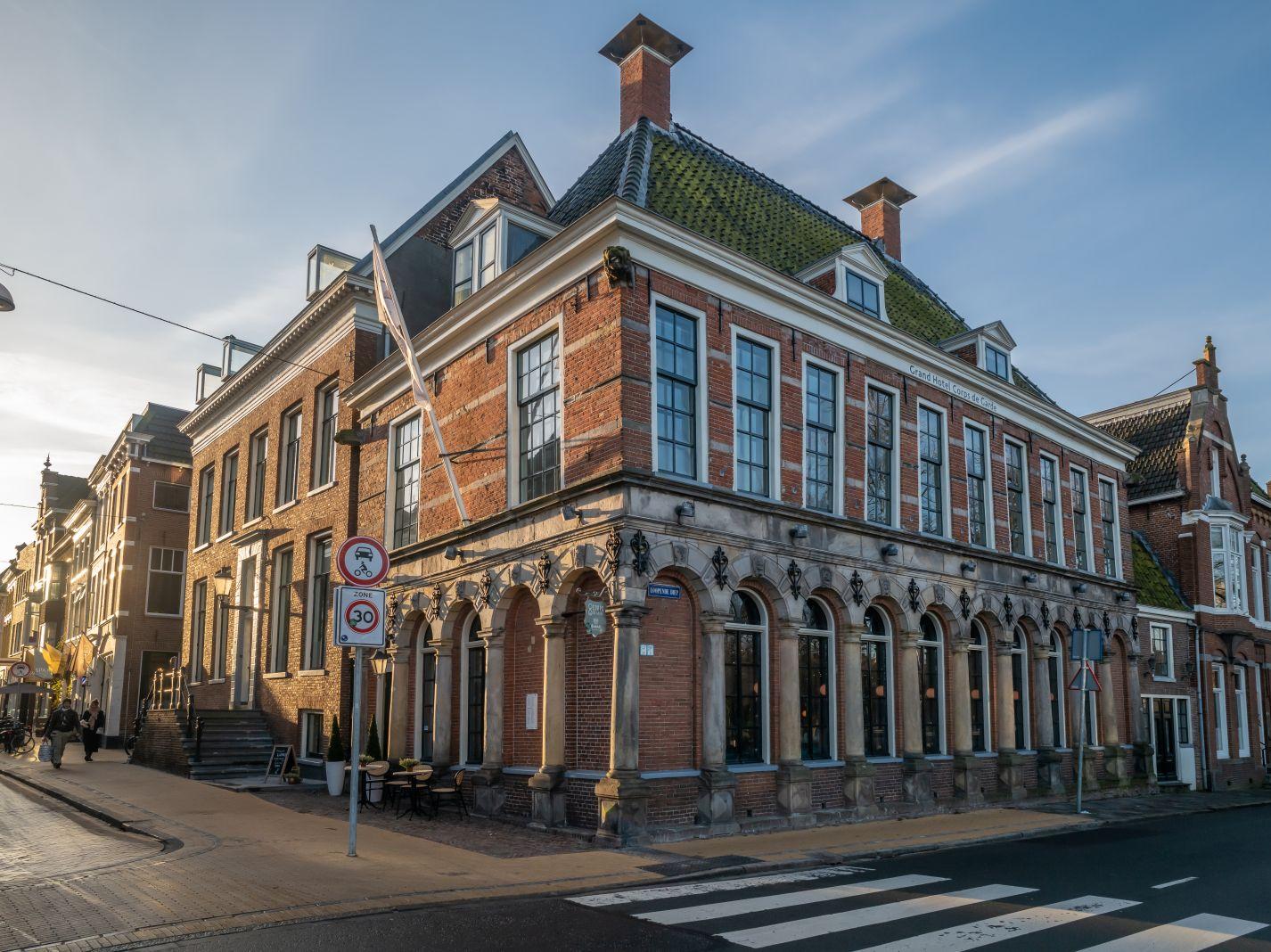
The city center is remarkably walkable and bikeable, with most LGBTQ+-friendly venues clustered within a few blocks. Poelestraat, a narrow street in the historic center near the Grote Markt (main square), is the traditional heart of gay Groningen. This pedestrian-friendly area contains bars, cafés, and small shops with a relaxed, neighborhood feel rather than the commercialized atmosphere of Amsterdam's red-light district alternatives.
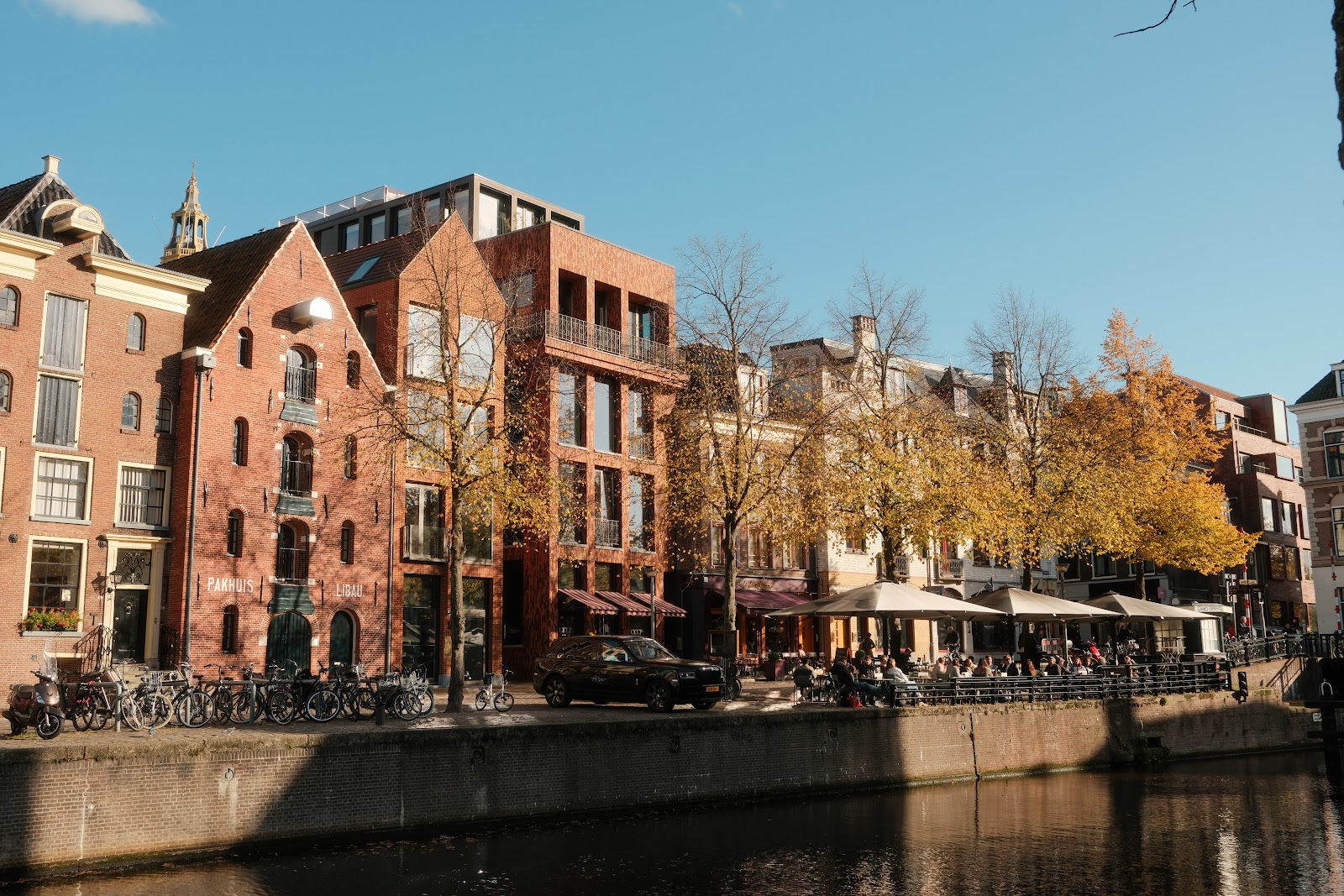
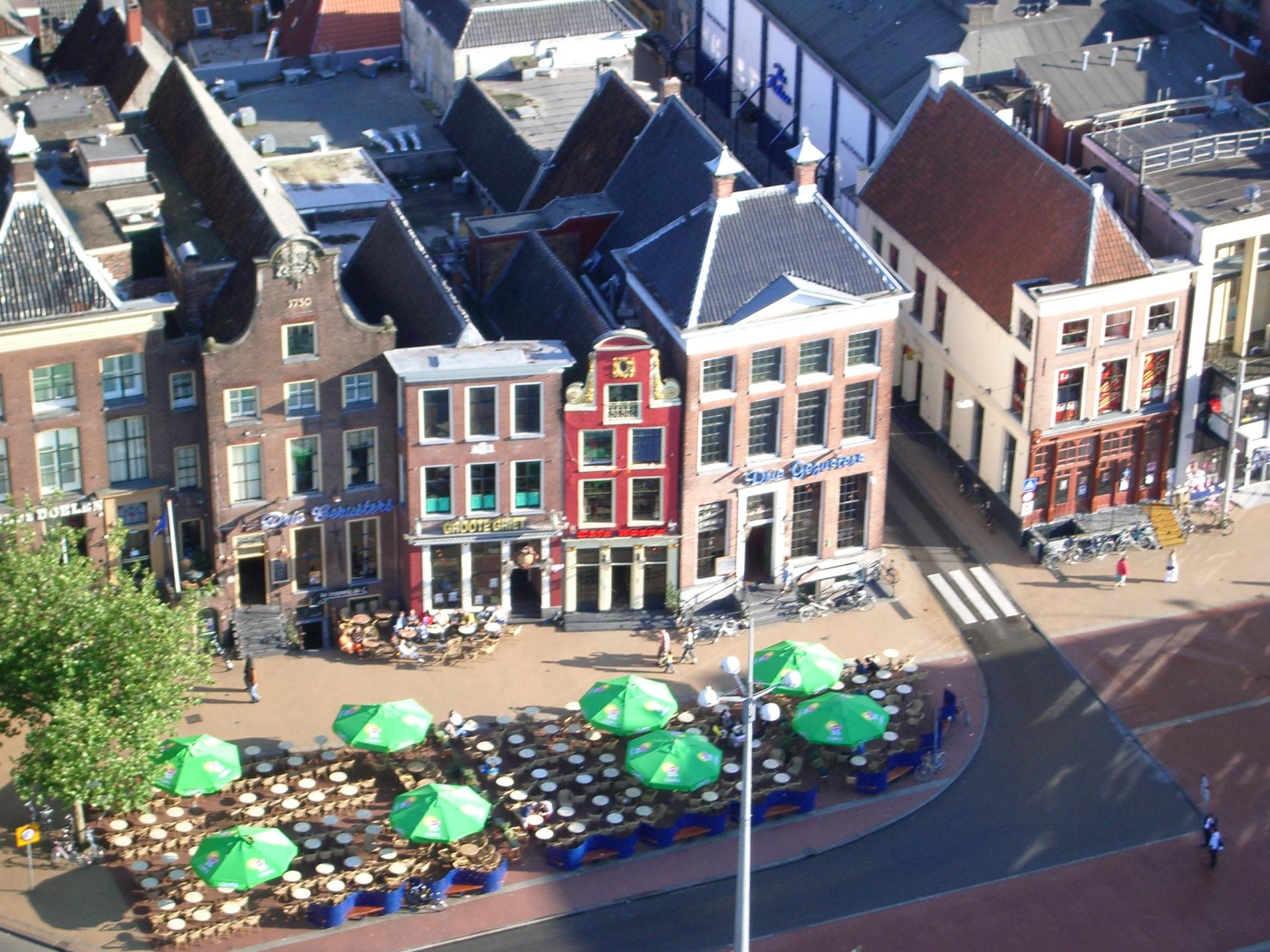
The Grote Markt itself is worth spending time in—lined with cafés and restaurants, it's a popular gathering spot where LGBTQ+ locals and visitors mix freely. The surrounding medieval streets maintain historic charm while hosting modern amenities. The Oosterstraat quarter, just southeast of the Grote Markt, is increasingly popular with younger LGBTQ+ residents and features contemporary bars and club spaces.
Venues and Nightlife
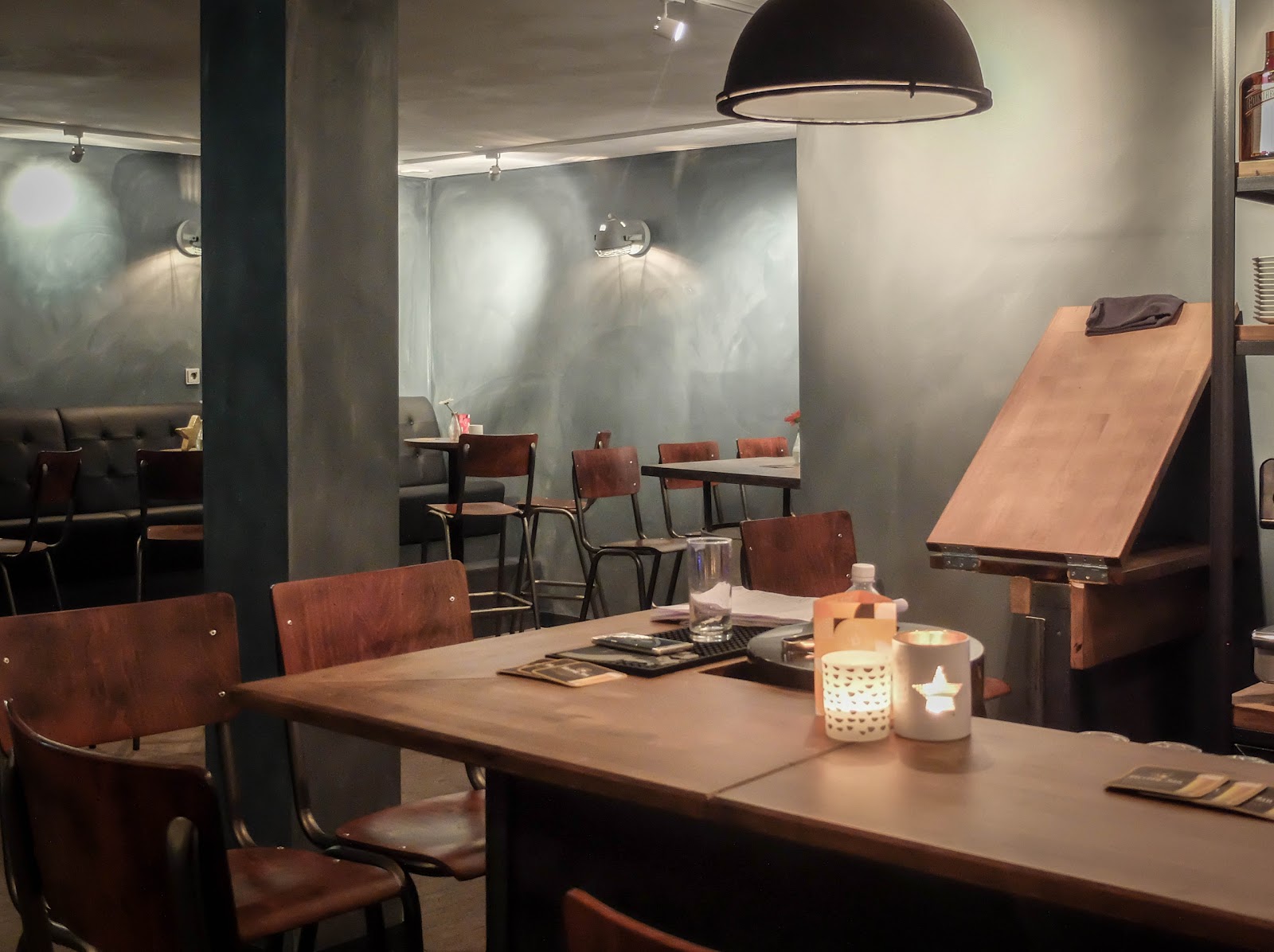
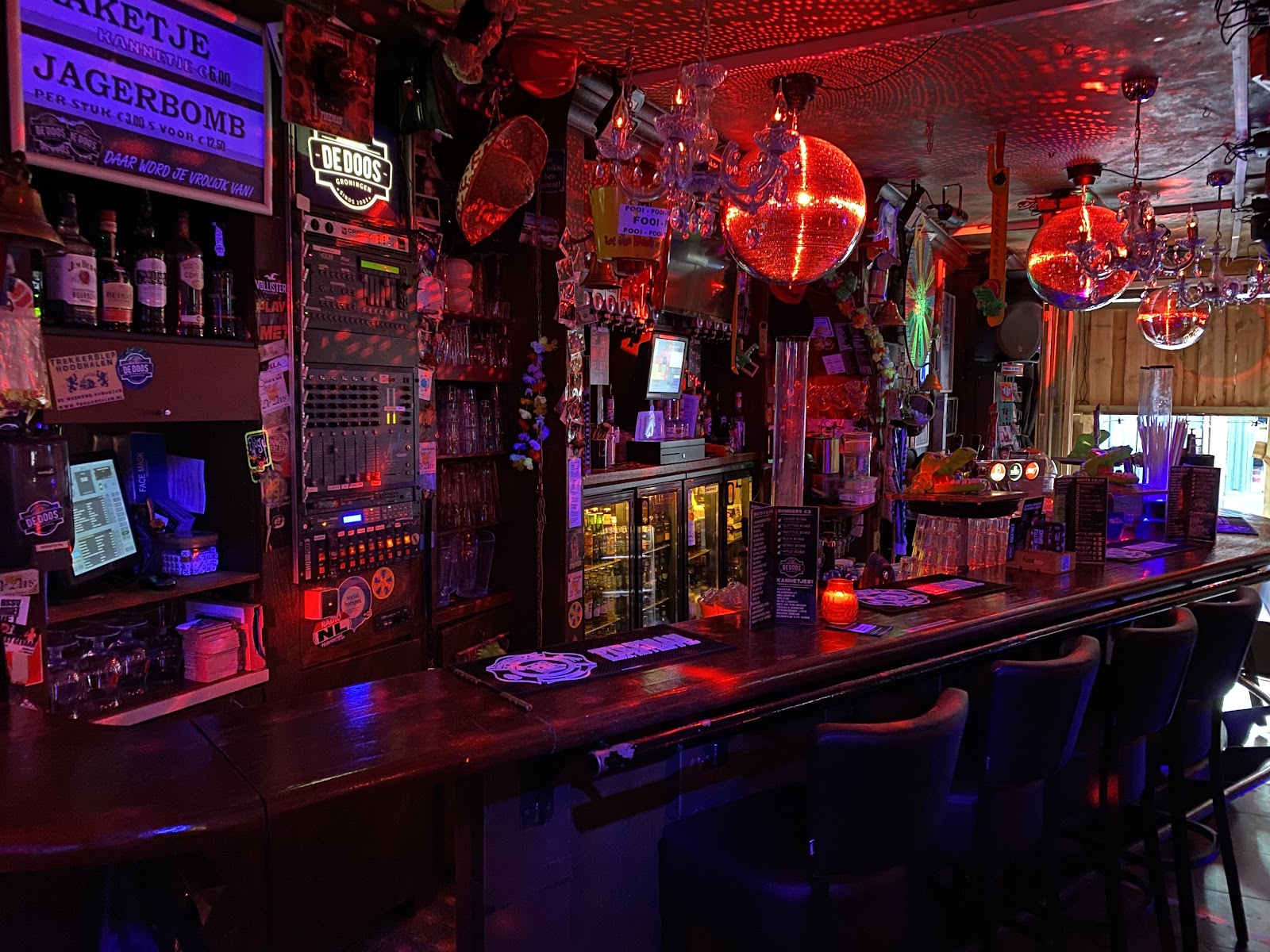
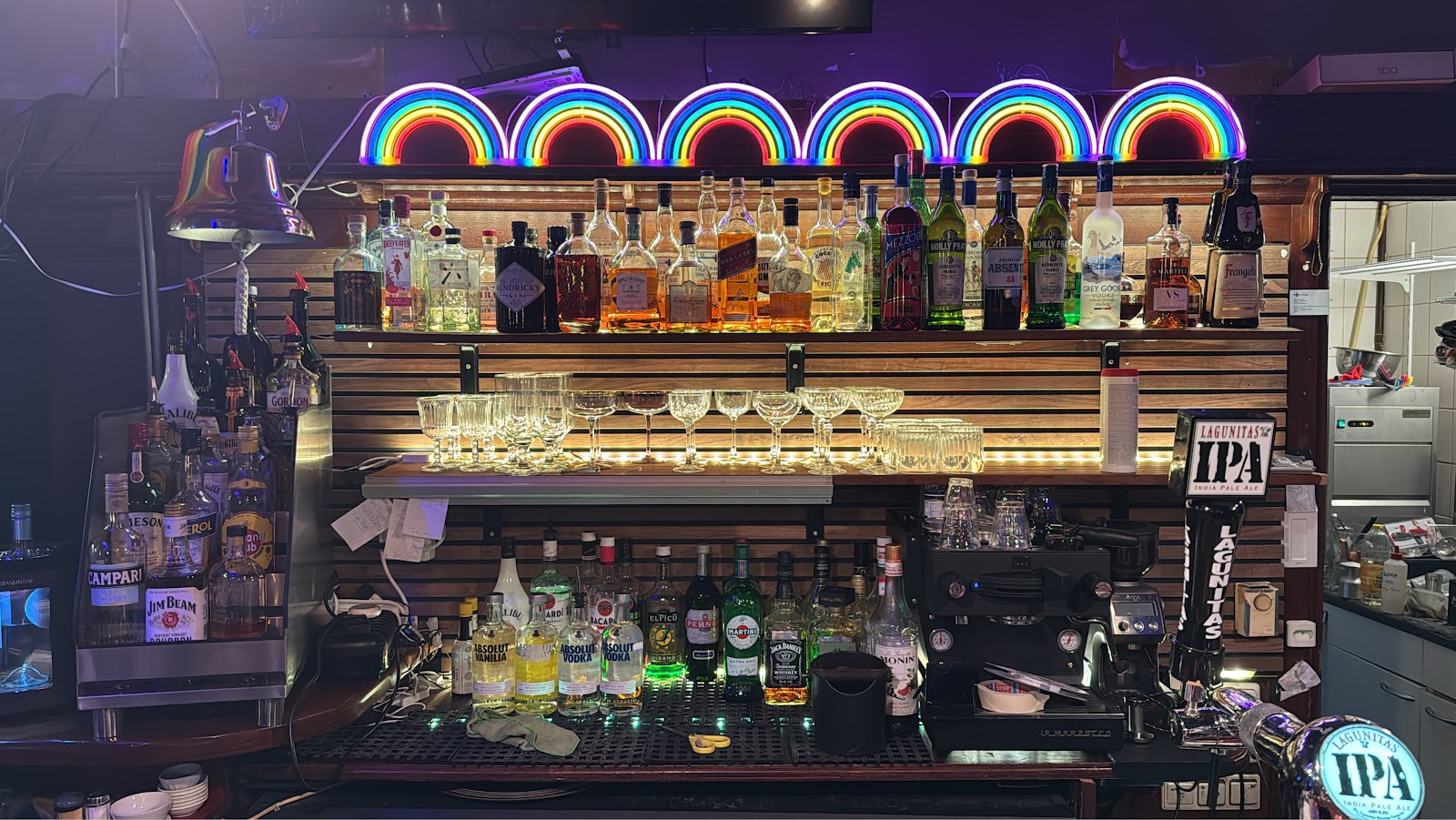
Groningen's LGBTQ+ venue scene is smaller than larger Dutch cities but genuine and active. Poelestraat hosts several long-standing bars that cater to LGBTQ+ crowds, including venues that have been fixtures for decades and newer additions reflecting evolving tastes. These bars typically welcome mixed groups and maintain a casual, convivial atmosphere—many are as much community spaces as drinking establishments.
The city doesn't have large dedicated gay nightclubs in the Amsterdam sense, but instead relies on inclusive venues that welcome LGBTQ+ crowds alongside straight patrons. This is actually reflective of broader Dutch culture, where sexual orientation is treated as simply one aspect of identity rather than requiring separate spaces. Weekend nights in the city center see lively scenes with LGBTQ+ people distributed across various cafés and bars.
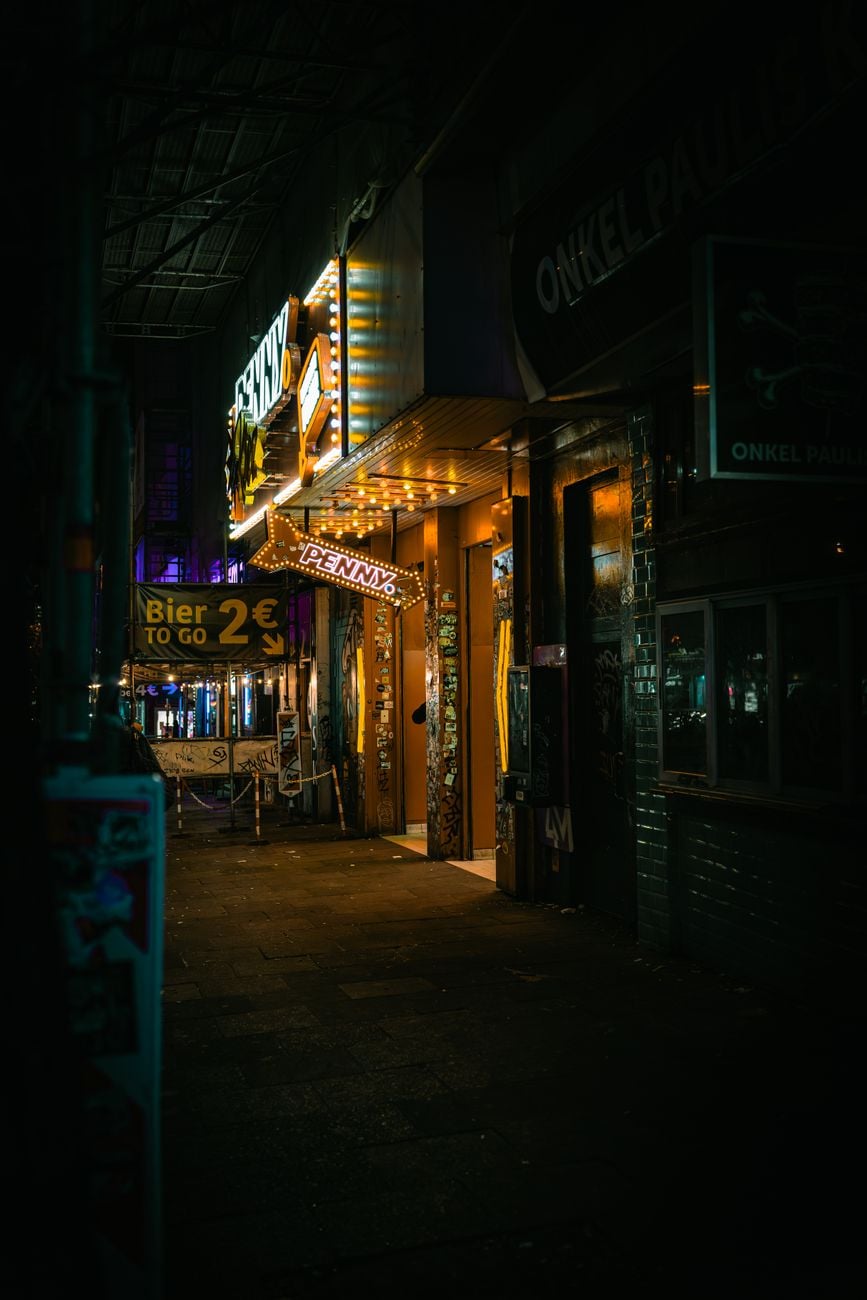
FIXY, the club that opened in 2025 in the old OOST basement on the Oosterstraat, hosts queer club nights alongside its regular programming, and other mainstream clubs run LGBTQ+ themed nights around Pride season. The programming varies seasonally, so checking local event listings before arrival is worthwhile.
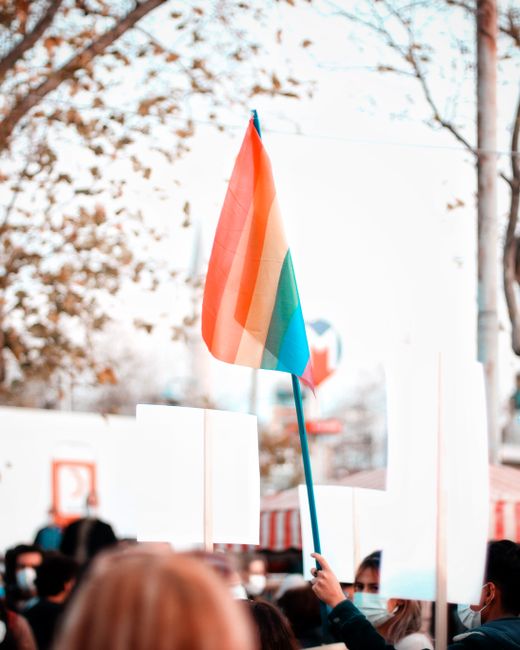
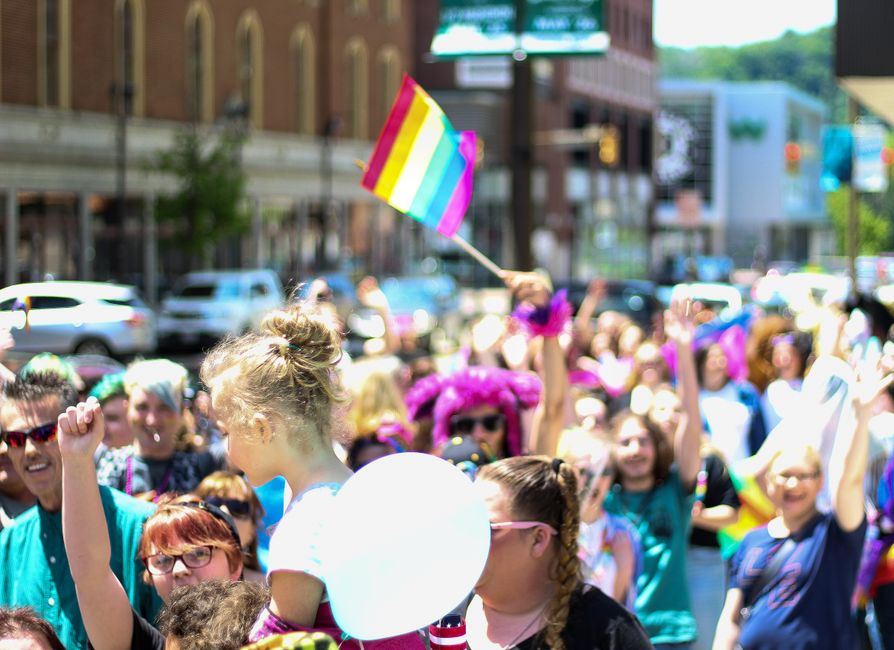
Groningen Pride occurs annually in late August and has grown into a significant celebration drawing visitors from across northern Netherlands and beyond. The multi-day event typically features a parade through the city center, multiple stages with music and performances, market stalls, and parties. Despite the growth, it maintains a community-oriented feel—less about corporate sponsorships and more about celebration and activism. The pride period offers excellent opportunities to experience the city's LGBTQ+ community at its most visible.
Beyond pride season, Groningen hosts regular LGBTQ+ cultural events, film screenings, panel discussions, and club nights. The programming is often listed on local LGBTQ+ organization websites and social media channels.
Accommodations
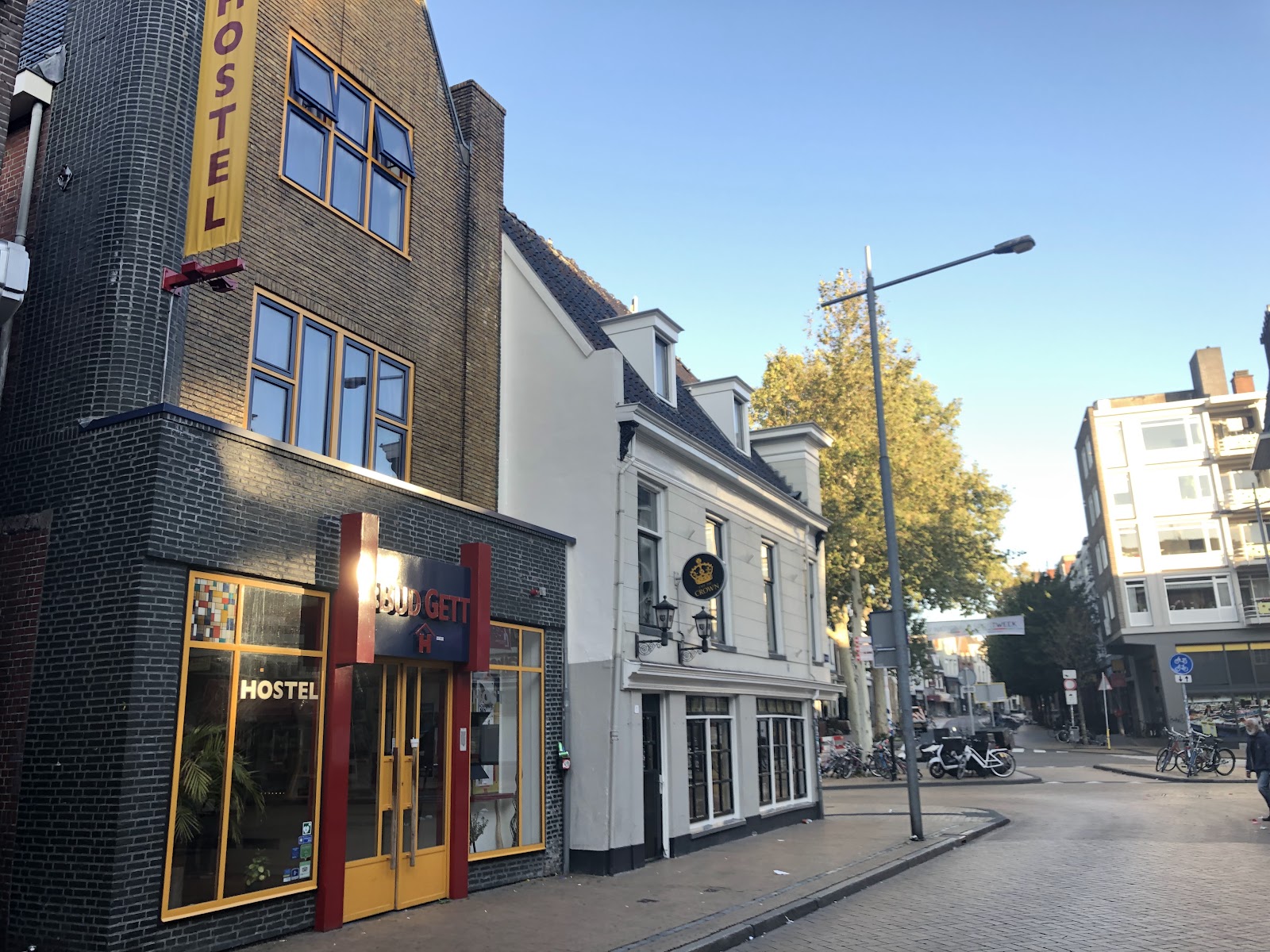
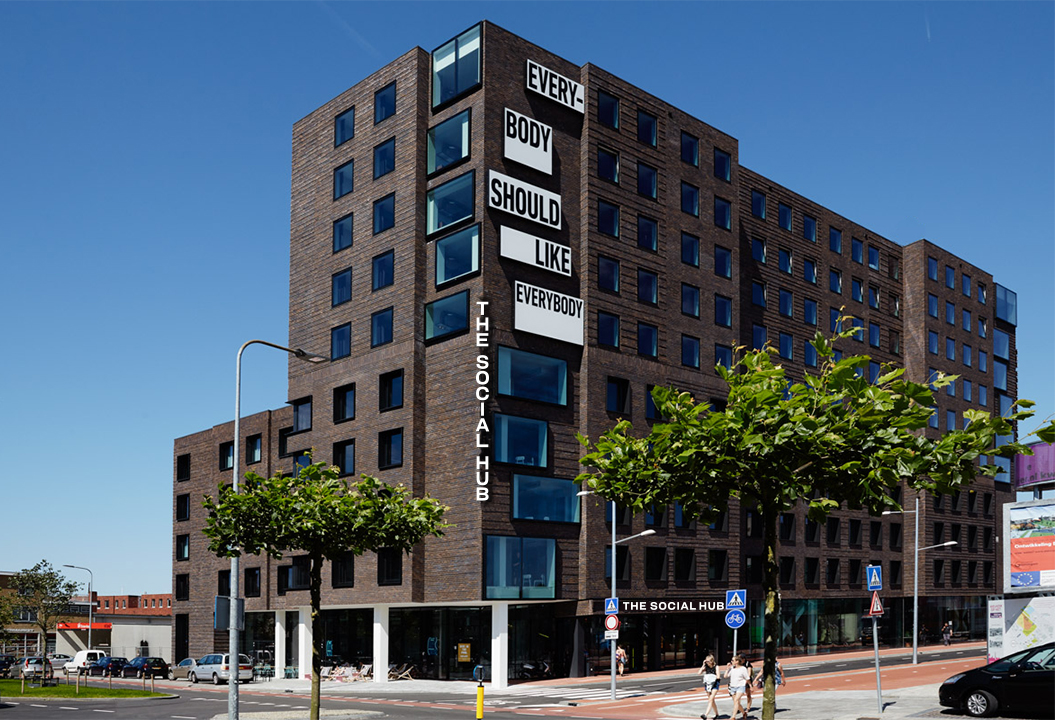
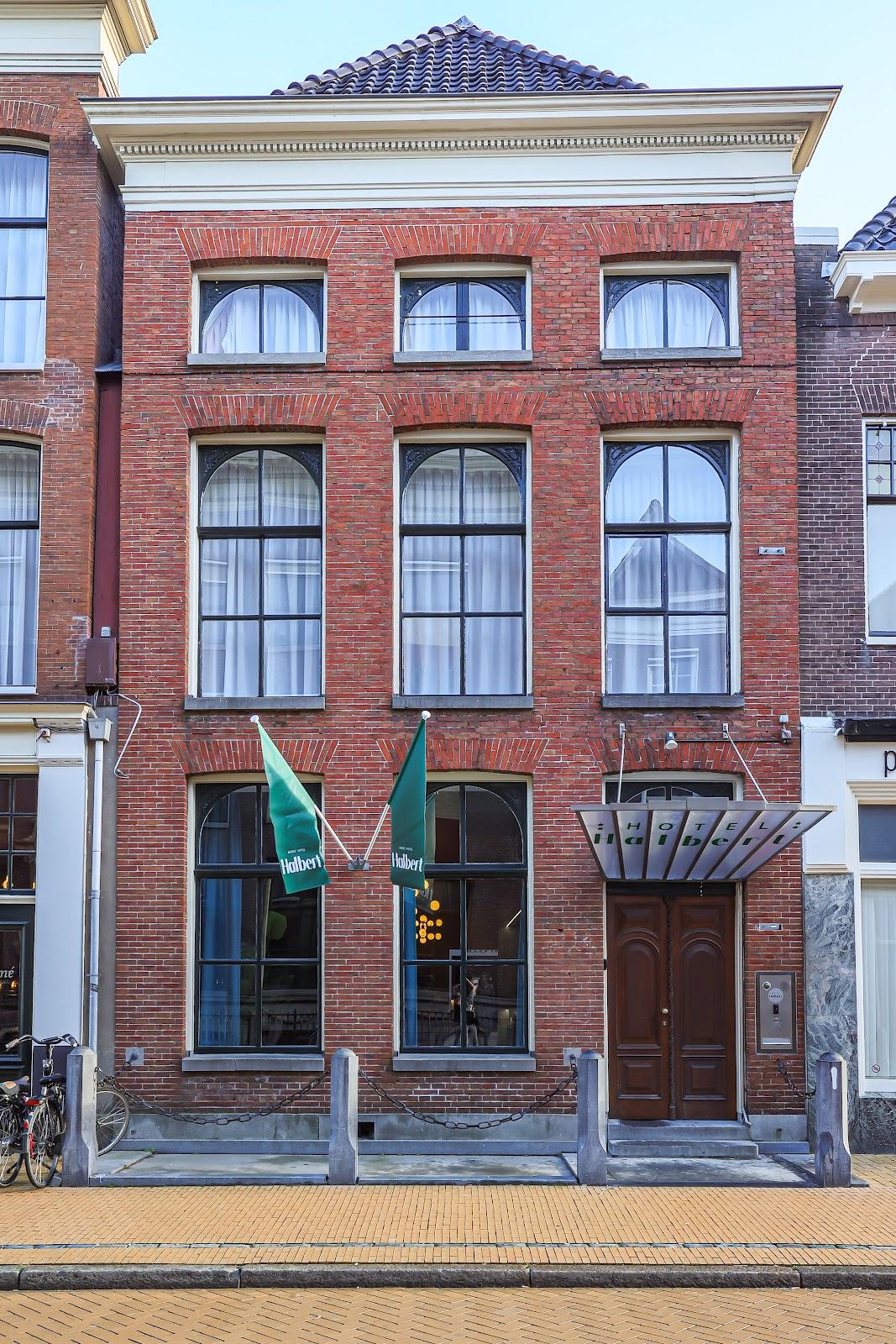
Groningen has numerous hotel options ranging from budget to upscale. Hotels in the city center are convenient for accessing gay venues and attractions, though accommodations throughout the compact city are easily accessible. Several guesthouses and bed-and-breakfasts operate throughout the city and surrounding areas, some specifically LGBTQ+-owned or marketed as particularly welcoming.
Approach accommodations with the same criteria used anywhere in the Netherlands: check reviews, verify amenities, and book in advance during pride season and major events when rooms fill quickly.
Groningen is extraordinarily bike-friendly—locals use bicycles for most transportation, and visitors should too. Bike rental is readily available and inexpensive (typically €10-15 per day for basic bikes). The city is compact enough to navigate entirely on foot, and public transit is minimal for most trips.
The city is well-connected by train to other Dutch cities. Amsterdam is approximately 2 hours away, Rotterdam 2.5 hours, and smaller northern cities like Leeuwarden 30 minutes away. The train station is a 15-minute walk from the city center.
Food and Dining
Groningen has an excellent food scene punching well above its size. The city center contains numerous restaurants, from casual cafés to upscale dining establishments. Dutch cuisine emphasizes fresh, quality ingredients, and Groningen sources particularly well from surrounding agricultural regions. Pancake houses (pannenkoeken) are ubiquitous and delicious. International cuisines are well-represented, with Italian, Asian, and Mediterranean restaurants abundant.
The weekly farmers markets and food stalls in the Grote Markt and surrounding streets offer excellent opportunities to experience local food culture. Indonesian restaurants (reflecting Netherlands-Indonesia history) are particularly good.
Day Trips and Region
The Groningen province surrounding the city offers excellent day-trip opportunities. The countryside is characterized by polder landscapes, small villages, and cycling routes. Haren, a charming village 15 minutes from the city center by train or bike, offers countryside atmosphere with local restaurants and accommodations.
The Wadden Islands, accessible by ferry from Lauwersoog (about 45 minutes from the city by car or bus), are a unique Dutch attraction featuring car-free island communities, tidal flat hiking, and seal colonies.
Lauwersmeer National Park, 40 kilometers north, offers hiking, cycling, and bird-watching in a protected wetland landscape. The surrounding countryside offers maintained cycling routes connecting small villages and natural areas.
Safety and Practical Considerations
The Netherlands is exceptionally safe for LGBTQ+ travelers, and Groningen reflects this progressive environment. Same-sex couples can expect the same level of openness and acceptance throughout the city as in larger Dutch cities. Displaying affection in public is normal and unremarkable.
Practical considerations: the Netherlands uses the euro, most establishments accept cards, Dutch is spoken universally with English widely understood among younger generations and in tourist-facing businesses. Dutch directness in communication can surprise visitors—locals are straightforward without intending rudeness.
Winter in Groningen is cold, dark, and wet—September through April sees limited daylight and frequent rain. Summer (May-August) offers the most pleasant weather. Pride timing in late August means warm weather and longer days.
Conclusion
Groningen offers LGBTQ+ travelers an opportunity to experience authentic Dutch culture and community without the tourist density of Amsterdam. The progressive values, welcoming venues, excellent cycling infrastructure, and surrounding natural areas combine to create a compelling destination for anyone seeking progressive Northern Europe with genuine local character.
Frequently asked questions
The Netherlands is a beacon of LGBTQ+ rights and acceptance. Groningen reflects these progressive Dutch values, with a welcoming and vibrant LGBTQ+ community and openly gay-friendly establishments throughout the city.
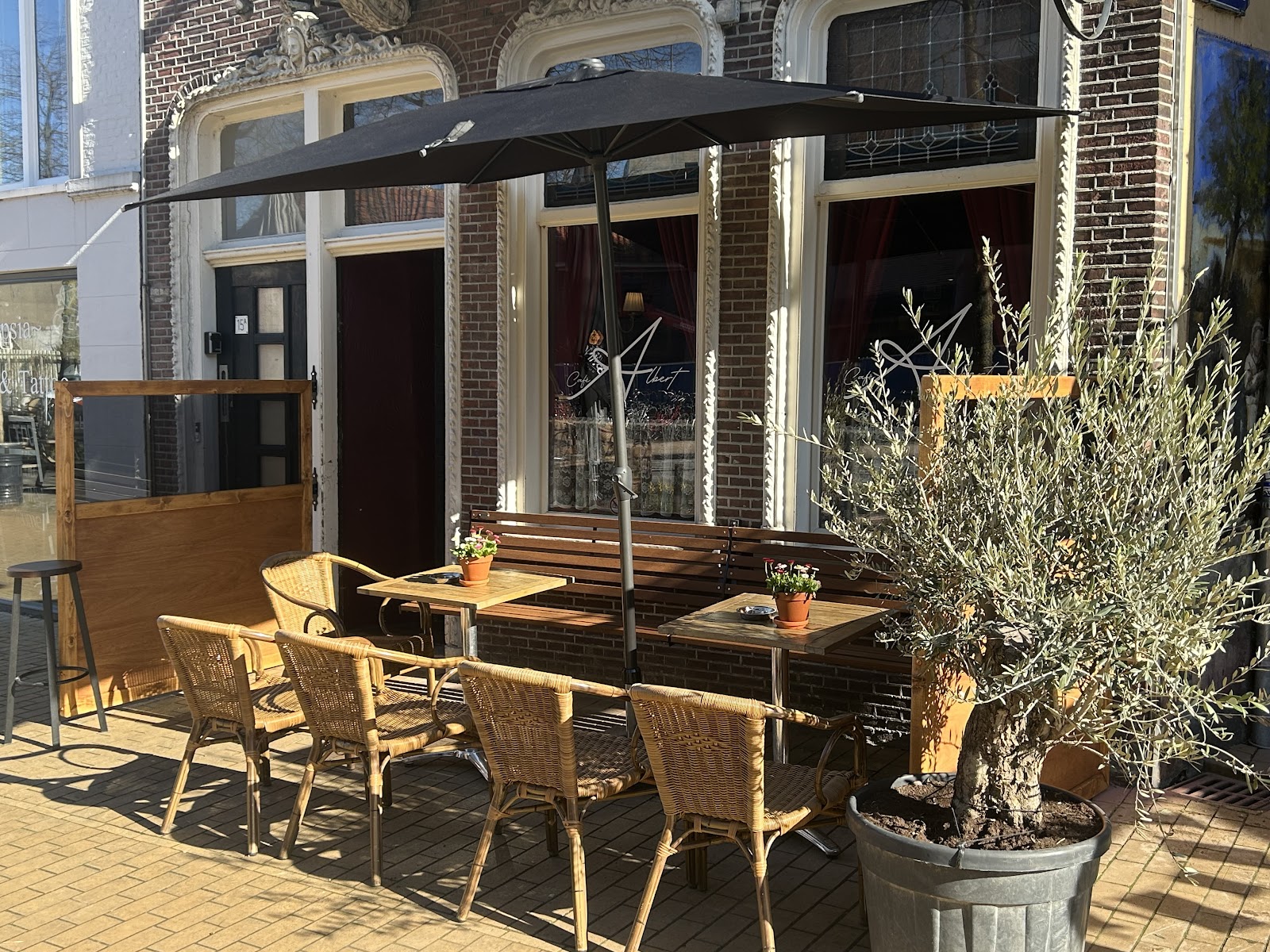
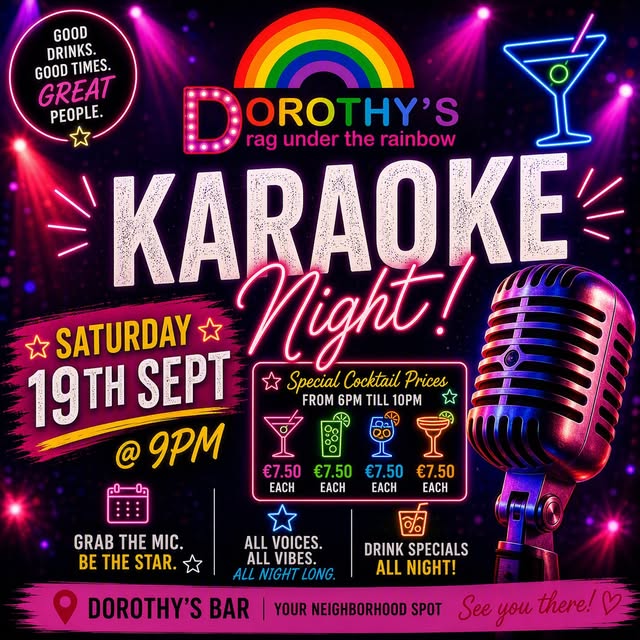
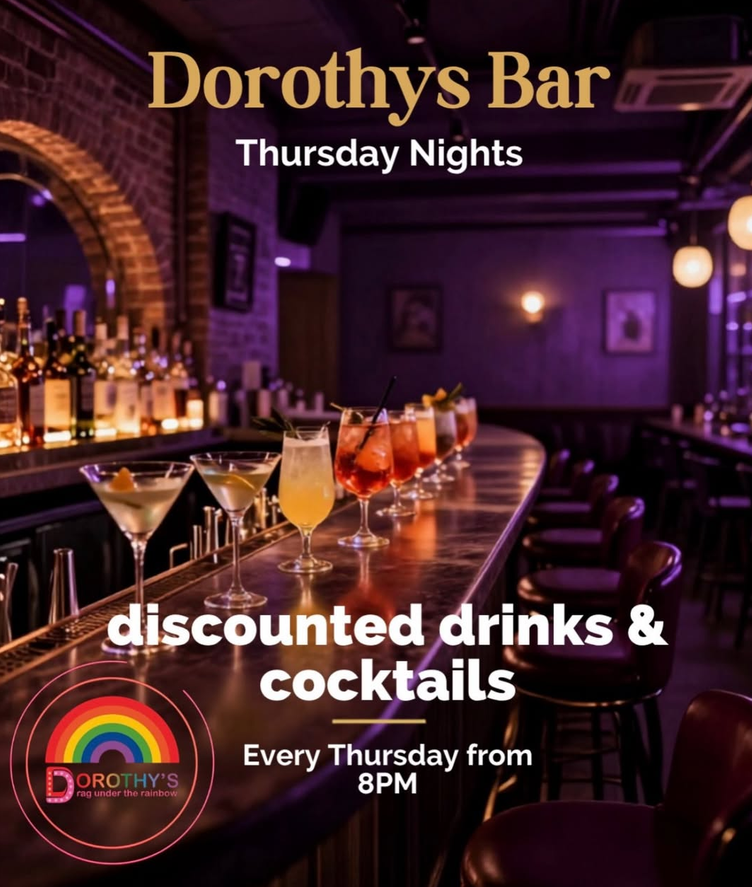
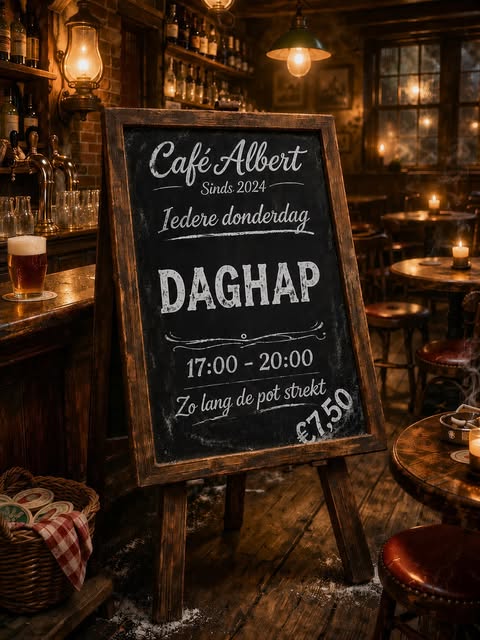
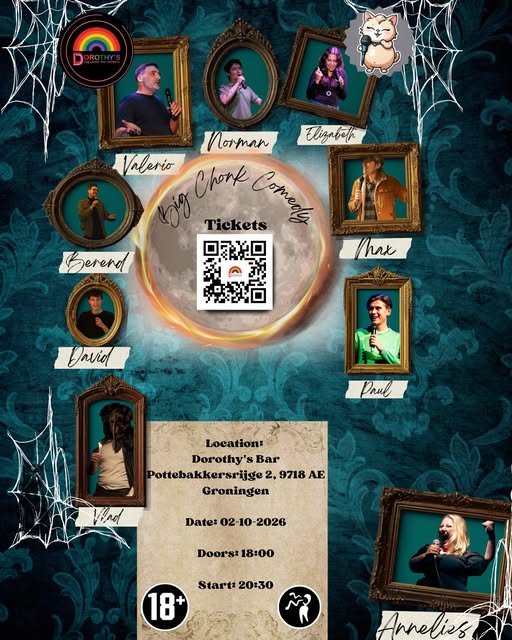
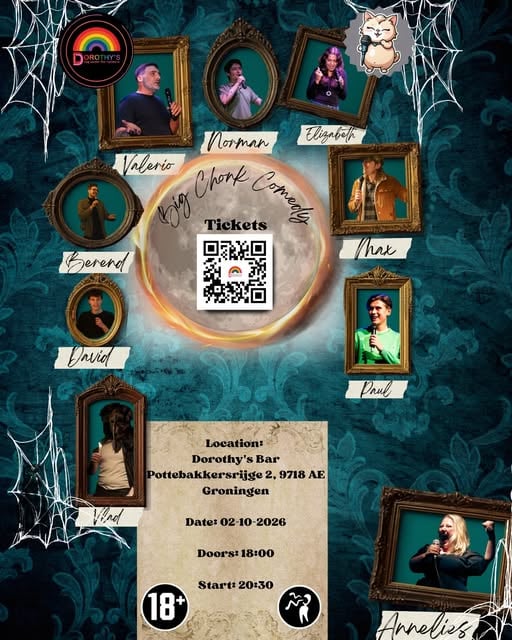
Groningen's queer venues are scattered across the compact, walkable city centre rather than clustered on one street. Dorothy's drag bar sits near the A-brug, Cafe de Prins is on the Zwanestraat, Cafe Albert is tucked into the old centre, and the party streets Peperstraat, Poelestraat and Oosterstraat are all within a ten-minute walk of the Grote Markt.
No, there is no distinct 'gay neighborhood' in the traditional sense. Accepting venues are scattered throughout the compact city center, making them accessible and integrated into the wider community.
Groningen has a welcoming and vibrant LGBTQ+ community characterized by genuine inclusivity and an authentic, unpretentious character. The scene maintains a strong tradition of LGBTQ+ visibility and activism.
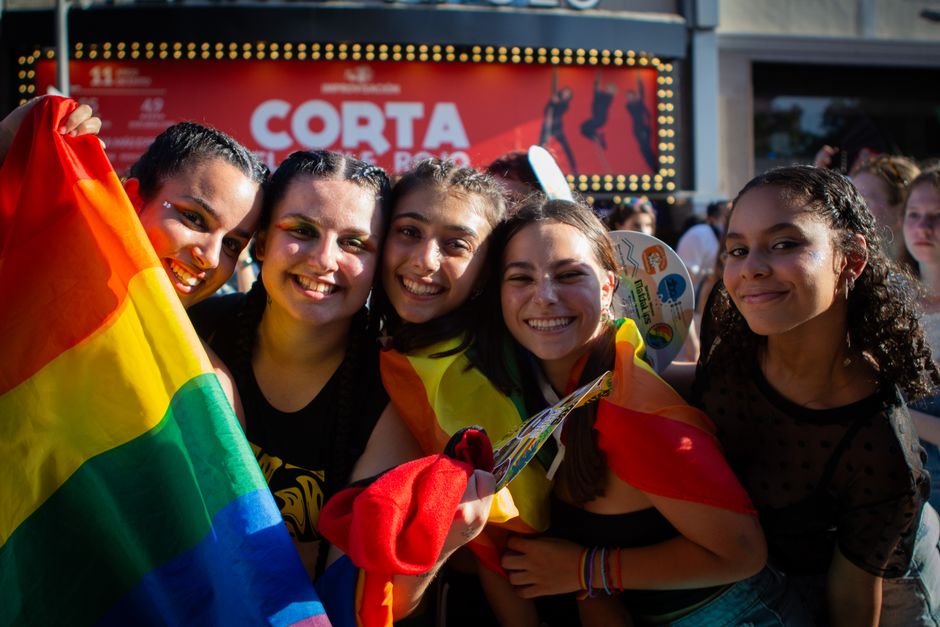
Pride Groningen takes place every June, centred on the Grote Markt with a Pride Walk that sets off from the Ossenmarkt. The 2026 edition ran 19-21 June, organised by Stichting Pride Groningen. Check pridegroningen.nl for the next edition's exact dates.
Yes. Groningen is a student city and its queer scene skews young. FIXY on the Oosterstraat hosts queer club nights such as the MISFIT x FERRY LGBTQ+ club exchange, Cafe de Prins draws a young crowd with Saturday DJ nights and monthly drag shows, and the party cafes around the Peperstraat and Poelestraat, like Bar Players, are favourites with queer students.
Your privacy choices.
We use cookies to run GayOut and, with your consent, measure usage. Learn more
Your privacy choices
We use cookies to keep GayOut running, remember your preferences, and (with your permission) measure how the site is used. You can accept all, reject all, or pick what you allow. Learn more
Essential
Required for sign-in, fraud prevention, CSRF protection and remembering your language. Cannot be disabled.
Always on
Remembers your favourites, dark mode and other interface preferences across visits.
Helps us understand which pages people visit (Google Analytics, server-side stats) so we can improve.
Used by campaign tracking pixels. None are active right now, reserved for future use.
Install GayOut
Add GayOut to your home screen for faster access, offline favourites, and Pride alerts.











 Gay Bars & Clubs
(248)
Gay Bars & Clubs
(248)