England has one of the most comprehensive LGBTQ+ legal frameworks in the world. Same-sex sexual activity was decriminalised in England and Wales in 1967 (Sexual Offences Act), with the age of consent equalised at 16 in 2001. The Civil Partnership Act 2004 introduced legal recognition for same-sex couples; the Marriage (Same Sex Couples) Act 2014 extended full marriage rights. The Equality Act 2010 provides comprehensive anti-discrimination protections covering sexual orientation and gender…
Manchester possesses a significant and enduring queer community. The modern Gay Village began to coalesce in the late 1980s and early 1990s, a period marked by the AIDS crisis and Section 28. What started as a few bars on Canal Street evolved into a distinct neighborhood, becoming a focal point for LGBTQ+ resilience. The 1999 homophobic nail bombing attack on Sackville Gardens was a profound shock, but the community's response reinforced the village's importance. Today, Manchester's LGBTQ+ scene is known for its inclusivity and activism.
The Gay Village and Central Manchester
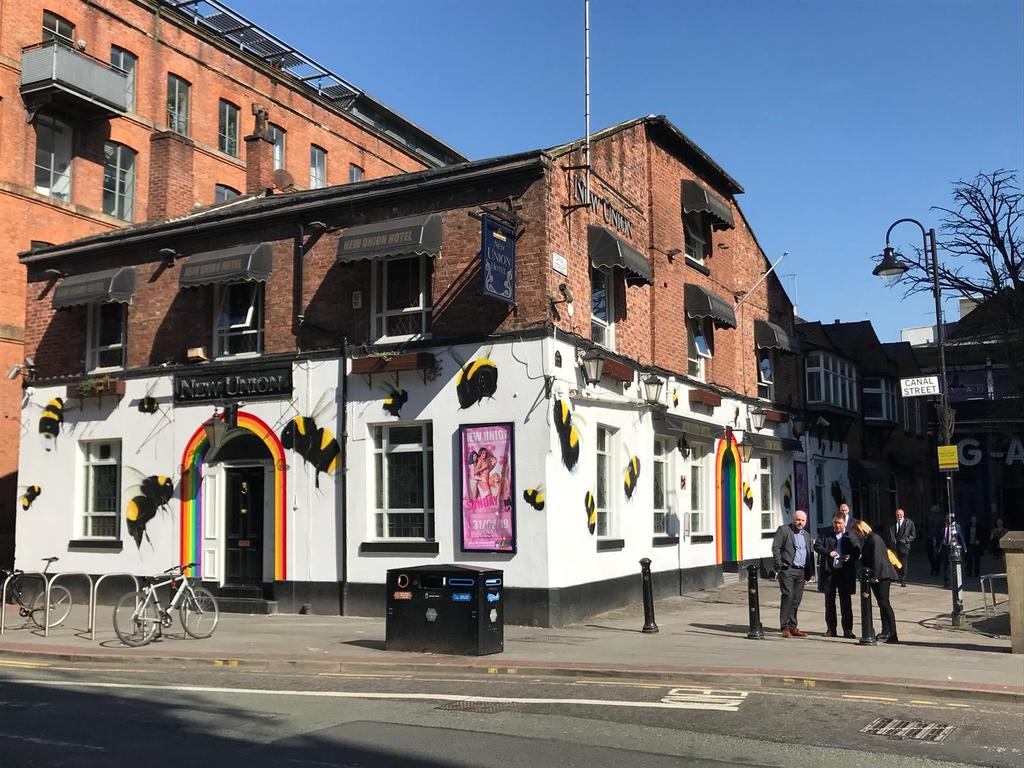
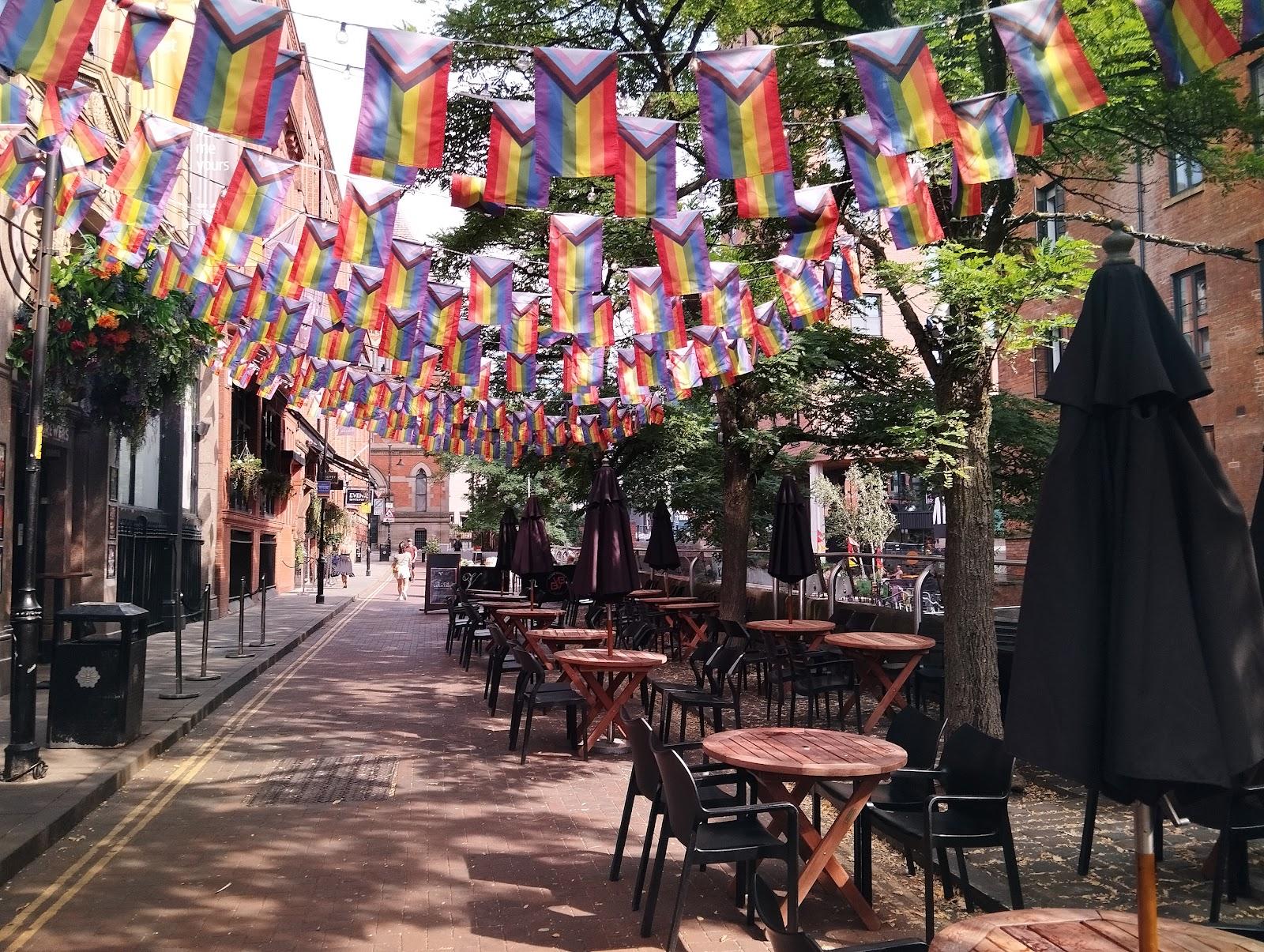
The Gay Village is centered on Canal Street and its adjacent streets. Canal Street is pedestrianized and serves as a social gathering point, particularly on weekend evenings. This area hosts the highest concentration of LGBTQ+-oriented venues.
Established venues like Remcheers offer a welcoming atmosphere. The village also features dance-focused establishments, along with various themed nights and temporary clubs that utilize larger venues. Historically, the village has offered a range of settings, from leather bars to quieter pubs. Specific venues and their offerings can change, so consulting current listings and local LGBTQ+ guides before visiting is advisable.
Sackville Gardens, a public space within the village, contains a memorial to the victims of the 1999 bombing and functions as a community meeting point. The area has also developed to include LGBTQ+-welcoming dining, cafes, bookshops, and independent retailers.
Manchester Pride and Major Events
Manchester Pride, held annually in August over approximately ten days, is the city's principal LGBTQ+ event and one of Europe's largest pride celebrations. The festival includes a parade through the city center, multiple performance stages, cultural programming, and evening club events. The parade attracts large crowds, featuring floats from various organizations. Pride events extend throughout the city with special programming in venues and public spaces.
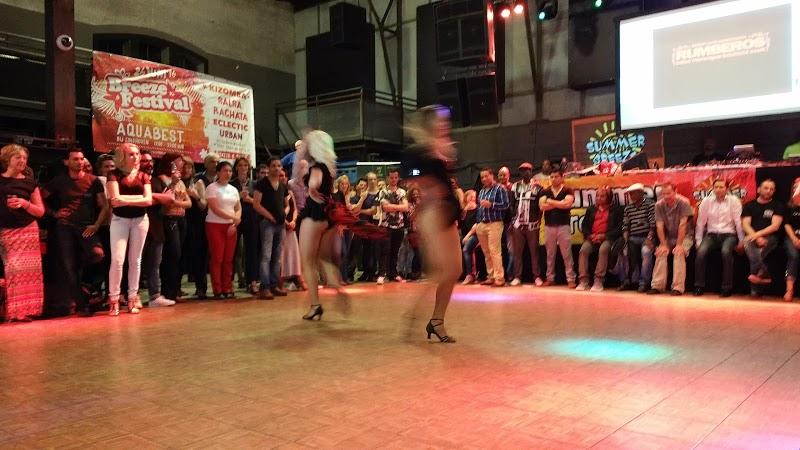
Other LGBTQ+-focused events occur throughout the year. The Manchester LGBT Film Festival typically takes place in October or November. Arts venues often feature LGBTQ+ theater and performance. Regular circuit parties and club nights are scheduled, with dedicated LGBTQ+ nights occurring in the Gay Village most weekends.
Where to Stay
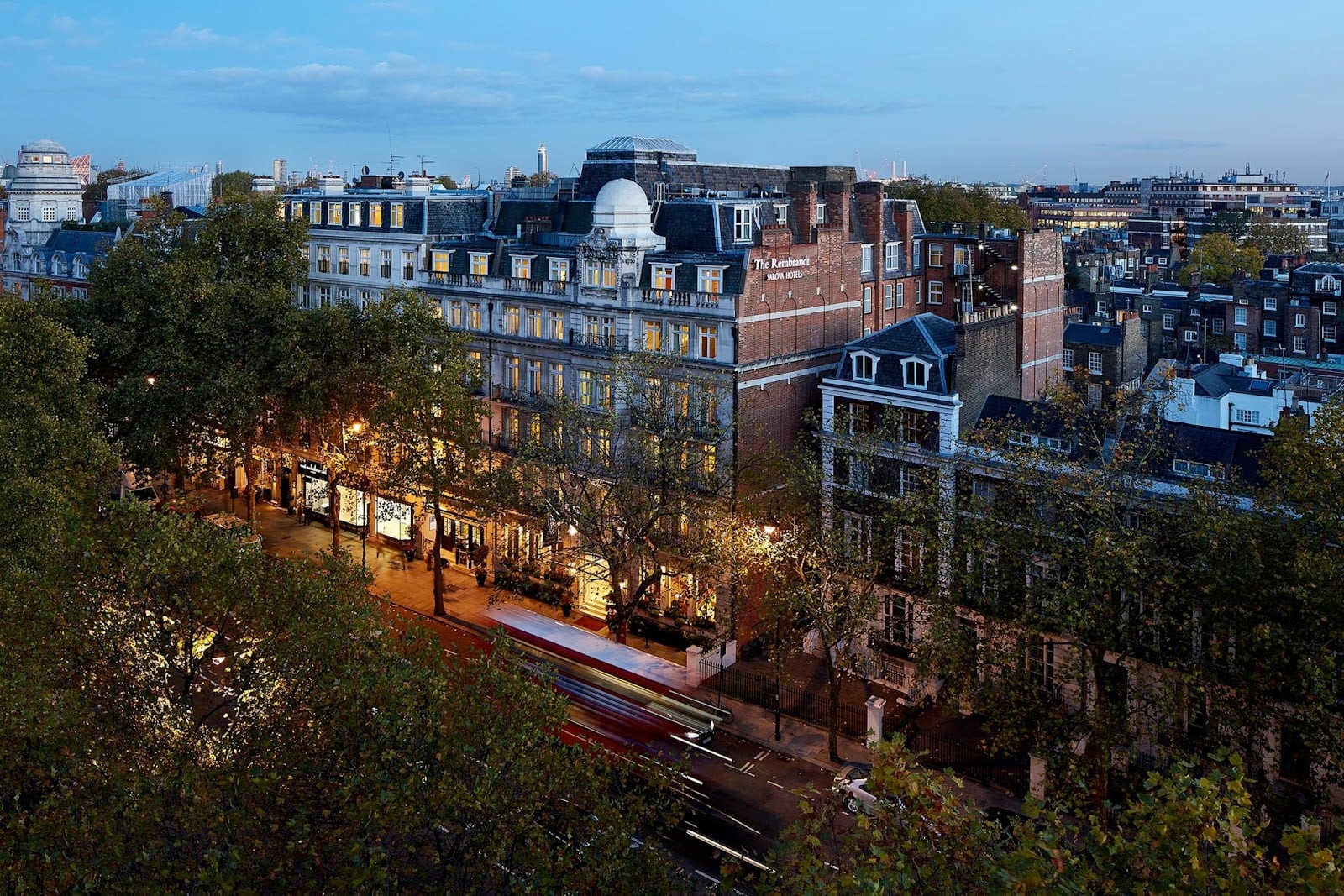
Accommodation can be found within the Gay Village, with hotels and guesthouses located on or near Canal Street, offering proximity to bars, clubs, and restaurants. Nearby areas like Spinningfields and the Northern Quarter are also popular, providing good transport links to the village and their own distinct character with cafes, galleries, and alternative venues.
The city center offers a range of hotels. Manchester's public transport system is efficient, allowing easy access to the Gay Village from most central locations.
Manchester Piccadilly is the main railway station. Manchester Airport is located south of the city. The city center is walkable, and the Metrolink tram system provides convenient transport. The Gay Village is easily accessible on foot from Piccadilly or via short tram journeys. The city is compact and well-signposted.
Food and Dining
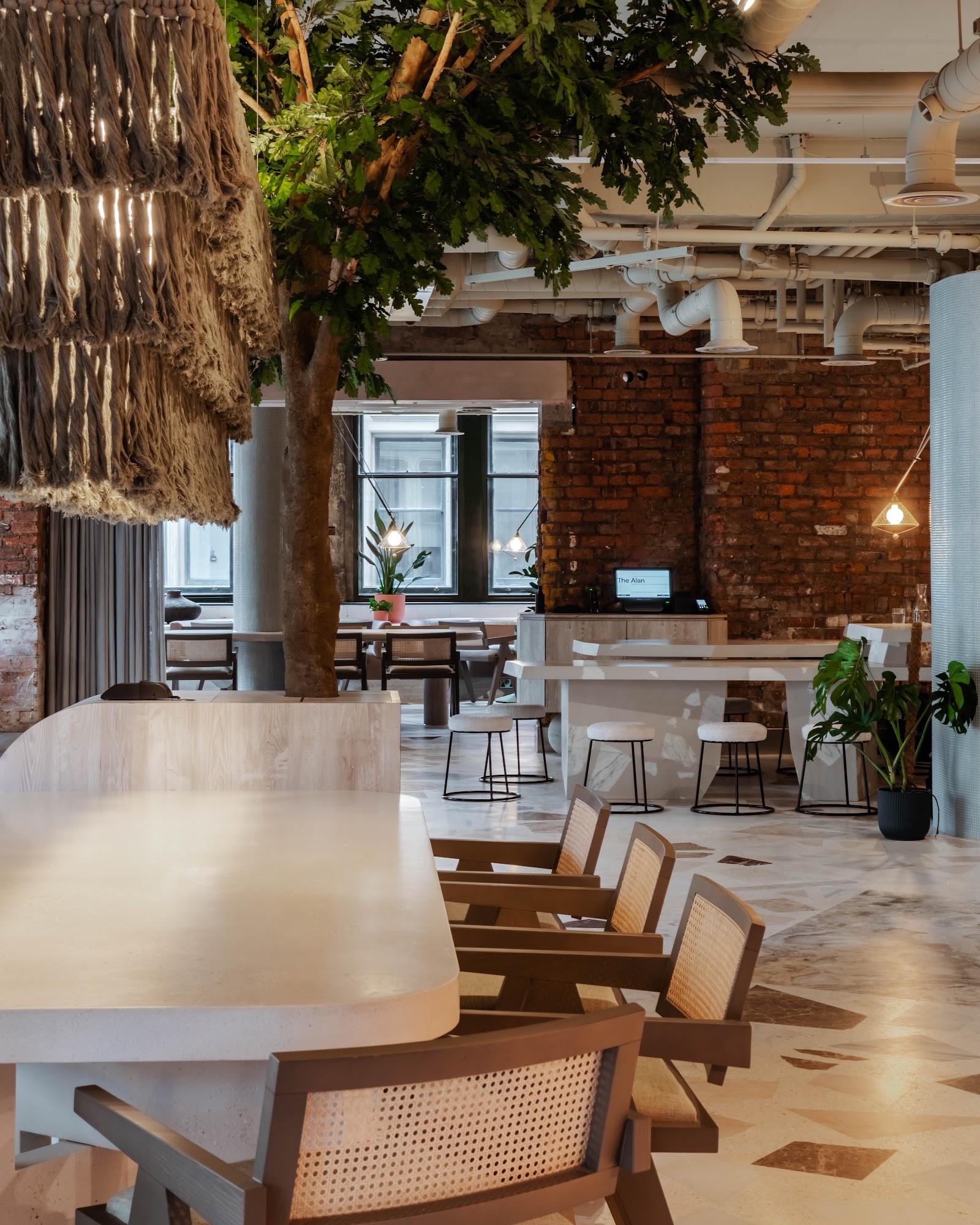
Manchester has a diverse food scene with numerous restaurants, including LGBTQ+-friendly and LGBTQ+-owned establishments. International cuisine is widely available. The Gay Village offers its own selection of bars and restaurants catering to the LGBTQ+ community. Neighborhoods such as the Northern Quarter, Spinningfields, and Deansgate-Castlefield provide further dining options. The city also has a notable coffee culture and craft beer scene.
Manchester is generally considered safe for LGBTQ+ travelers. The Gay Village is particularly well-monitored and lit. Standard urban safety precautions are recommended. The city has anti-discrimination laws and a progressive political climate. While hate crimes can occur, Manchester is regarded as a welcoming place for LGBTQ+ visitors.
Cultural Attractions Beyond the Gay Scene
Manchester offers numerous cultural attractions beyond its LGBTQ+ nightlife. The Manchester Museum and the Museum of Science and Industry are notable institutions. The city has a significant musical history, with venues and museums dedicated to this legacy. Galleries, theaters, and independent cinemas are plentiful. The nearby Peak District provides natural scenery within an hour's travel. Visitors can explore these broader city attractions alongside the Gay Village.
Practical Information
The currency is the British pound sterling (GBP). For current venue information, consult Manchester's official tourism website and LGBTQ+-specific travel guides, as the nightlife scene is dynamic. Local LGBTQ+ community organizations and websites often maintain updated listings. Accommodation for Manchester Pride in August should be booked well in advance. The city is accessible year-round, though summer and the Pride period attract the largest numbers of visitors.
Frequently asked questions
The main LGBTQ+ area is the Gay Village, primarily concentrated around Canal Street and the surrounding streets like Sackville Street and Little Sackville Street.
Manchester Pride is held annually in August and lasts for approximately ten days. It is one of Europe's largest pride celebrations.
The Gay Village has historically included a variety of venues such as dance clubs, quieter pubs, cocktail lounges, and leather bars. Specific venues can change, so checking current listings is recommended.
Yes, Manchester's LGBTQ+ scene is recognized as one of Europe's most welcoming and politically engaged. The Gay Village is a visible neighborhood that became a symbol of LGBTQ+ resilience and community pride.
Yes, Sackville Gardens, a small public square in the Gay Village, features a memorial dedicated to victims of the 1999 bombing and serves as a gathering place for the community.
Canal Street is pedestrianized and becomes a social hub, especially on weekend evenings when crowds gather outside bars and spill onto the street.
Your privacy choices.
We use cookies to run GayOut and, with your consent, measure usage. Learn more
Your privacy choices
We use cookies to keep GayOut running, remember your preferences, and (with your permission) measure how the site is used. You can accept all, reject all, or pick what you allow. Learn more
Essential
Required for sign-in, fraud prevention, CSRF protection and remembering your language. Cannot be disabled.
Always on
Remembers your favourites, dark mode and other interface preferences across visits.
Helps us understand which pages people visit (Google Analytics, server-side stats) so we can improve.
Used by campaign tracking pixels. None are active right now, reserved for future use.
Install GayOut
Add GayOut to your home screen for faster access, offline favourites, and Pride alerts.













 Gay-Friendly Bars & Clubs
Featured
(30)
Gay-Friendly Bars & Clubs
Featured
(30)