Marriage equality since Obergefell v. Hodges (26 June 2015). The Respect for Marriage Act (December 2022) provides a congressional floor, requiring federal recognition of all valid same-sex and interracial marriages regardless of future Supreme Court rulings. Bostock v. Clayton County (2020) held that Title VII of the Civil Rights Act prohibits employment discrimination on the basis of sexual orientation and gender identity. No comprehensive federal anti-discrimination law in housing or public…
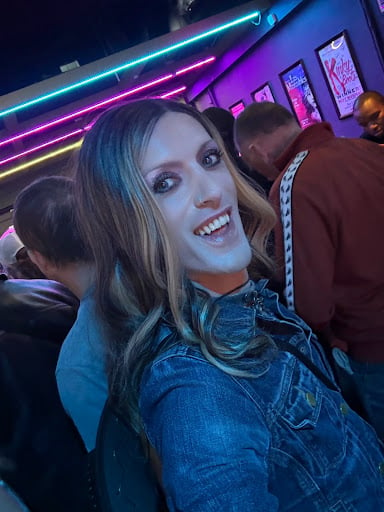
San Francisco's premier drag cabaret and LGBTQ+ performance venue — run by drag legend D'Arcy Drollinger. The best drag shows in the Bay Area, live performances, full bar, dancing.
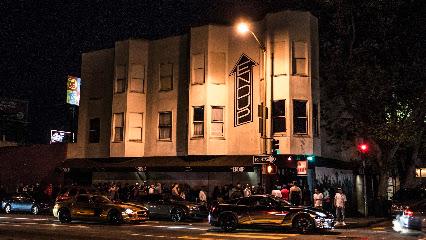
The EndUp is a dance club in San Francisco, California that was founded in November 1973. It is located on the corner of 6th and Harrison, in the SoMa district.
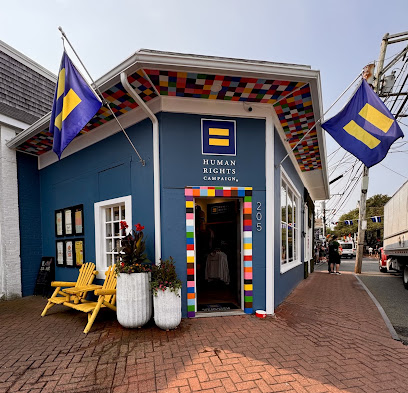
HRC's flagship action center and store on Castro Street — advocacy resources, merchandise, and the national civil rights organisation's most iconic retail presence.
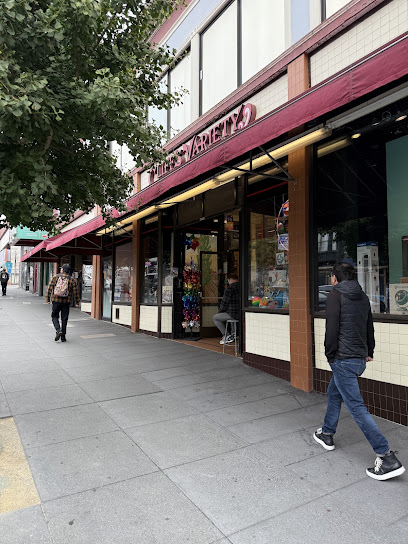
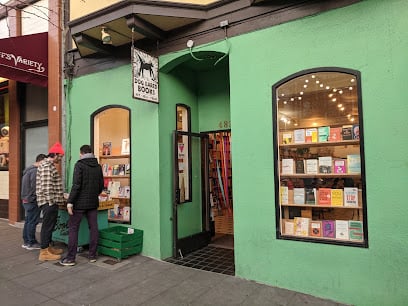
Castro institution since 1936 — the neighbourhood's beloved hardware, housewares, and variety store. LGBTQ+-owned and operated, serving the community for 90 years.
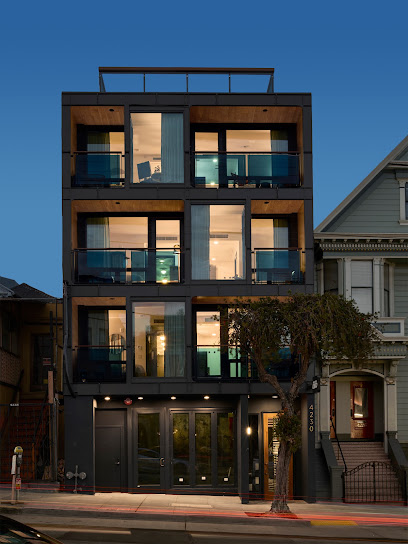
Gay-owned B&B in the heart of the Castro — eight rooms, full breakfast, personal service. The most intimate and historically embedded accommodation in San Francisco's gay neighbourhood.
Chic San Francisco hotel with gym and WiFi Cable car to Chinatown Fronted by a stylish glass facade, Hotel Diva is a 3-minute walk from the plaza, art galleries, and many shops at Union…
4-star hotel with 24-hour fitness center, near Embarcadero Ferry Building: 4 minutes Hyatt Regency San Francisco, in the city's downtown, is a 4-minute walk from the waterfront…
361 smoke-free guestrooms 24-hour fitness center Valet parking 24-hour business center 24-hour front desk Climate-controlled air-conditioning Daily housekeeping Arcade/game room Computer station…
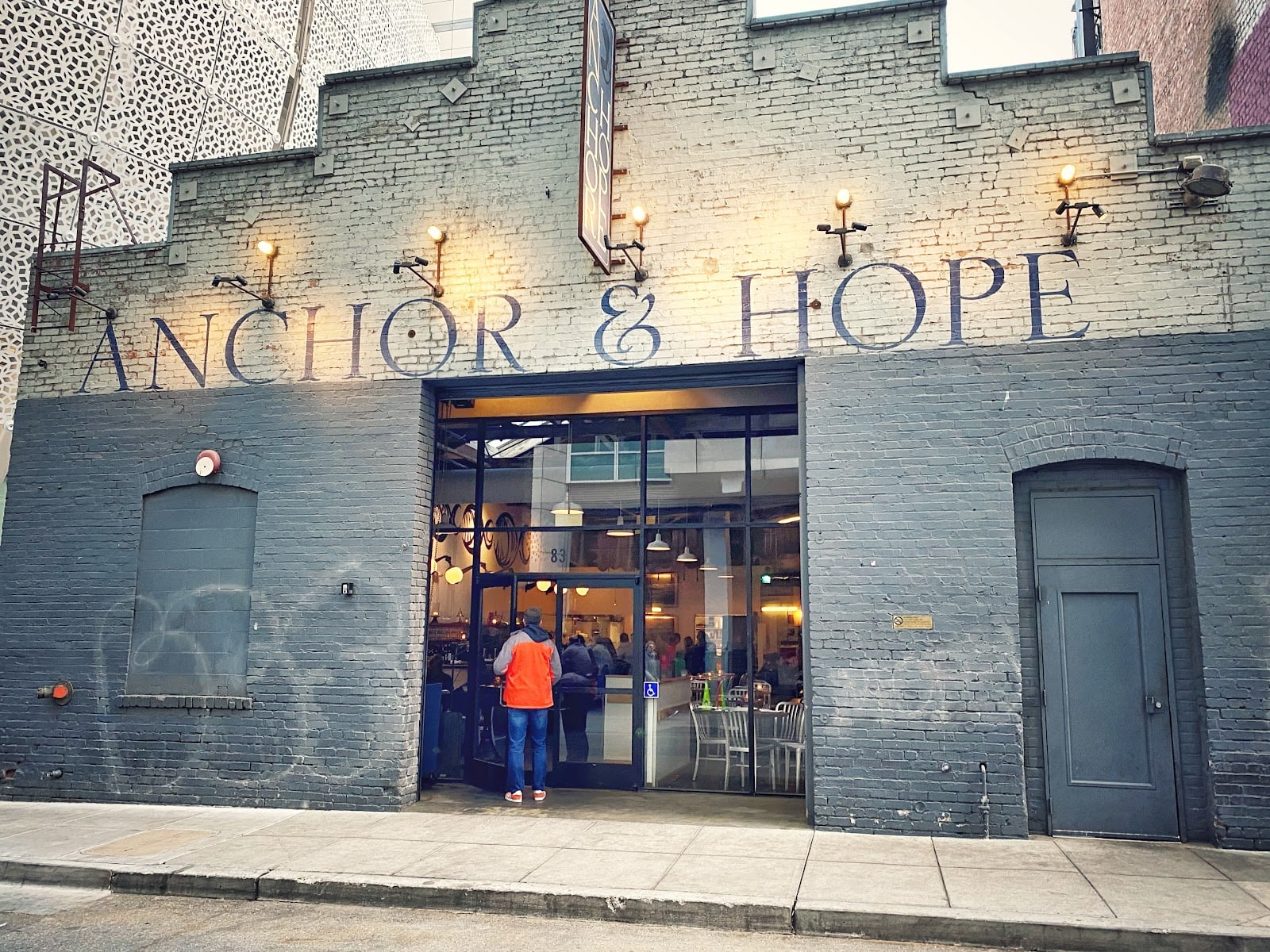
On the SOMA side of FiDi, Anchor & Hope marries the formality of East Coast dining with the casual vibe of California to create a truly special, mildly upscale version of the classic Seafood Shanty.
San Francisco queer locals scoff at the Marina District, which is probably the most white and non-gay neighborhood in the whole city -- hyper hetero bars overflow with drunken preppy types.
The Roxie Theater is a movie theater at 3117 16th Street in the Mission District of San Francisco built in 1909. It is also known as the Roxie Cinema or just The Roxie.
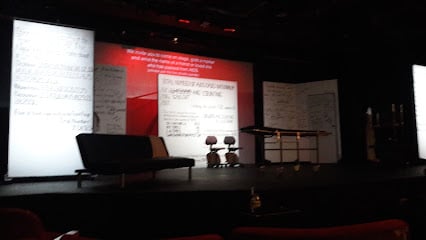
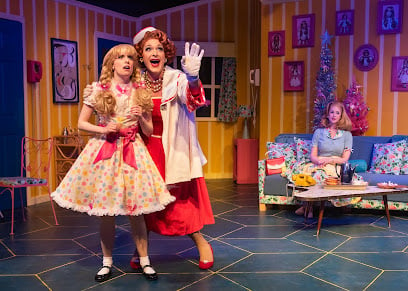
Founded in 1977, Theatre Rhinoceros is the longest-running professional queer theatre anywhere, and it is still producing full seasons from its home in the Castro.
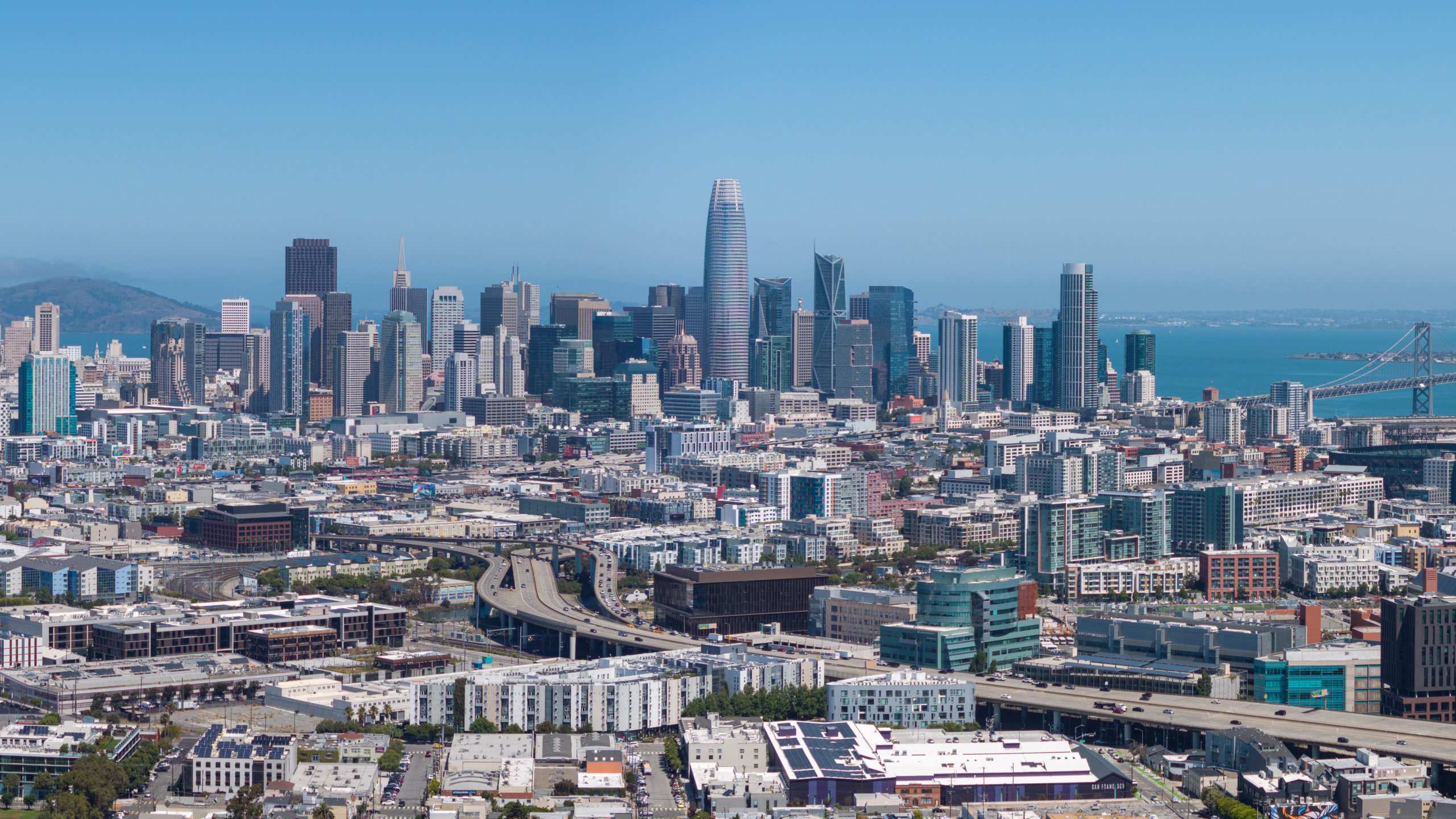
San Francisco holds a singular place in LGBTQ+ history as the epicenter of modern gay rights, gay culture, and queer community building. For many travelers, visiting San Francisco is a pilgrimage to see where the movement began.
History and Context
The Stonewall uprising in New York in 1969 ignited the gay rights movement nationally, but San Francisco became its heart. The city already had an established gay community, particularly among men, with underground bars and gathering spaces dating back decades. By the early 1970s, following Stonewall, that underground community exploded into visibility. The Castro District transformed from a working-class Irish neighborhood into the gay neighborhood, anchored by the opening of the Twin Peaks Tavern in 1972—widely considered the first gay bar in America with large street-facing windows, a bold statement of visibility.
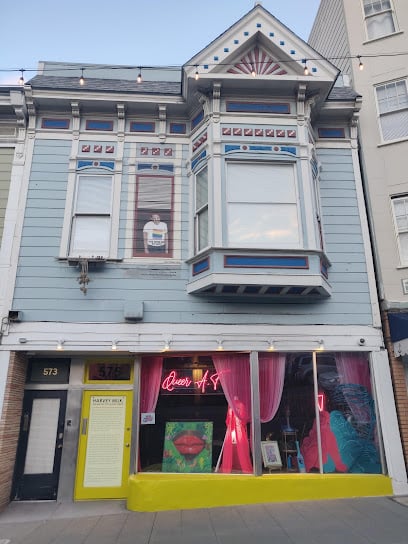
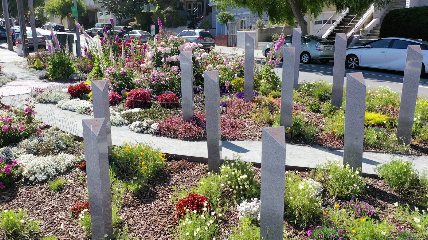
Harvey Milk, elected to the Board of Supervisors in 1977, became the first openly gay elected official in California and a national symbol of LGBTQ+ political power. His assassination in 1978 by Supervisor Dan White sparked the White Night riots, a pivotal moment in queer political history. The city continued to be shaped by its gay population through the 1980s and into the AIDS crisis, when San Francisco lost enormous numbers of residents and artists but the community mobilized with remarkable courage and care.
Today, San Francisco remains the most LGBTQ+-centered major city in the United States, though rising costs and gentrification have shifted the landscape considerably from its 1970s and 1980s heyday.
Neighborhoods
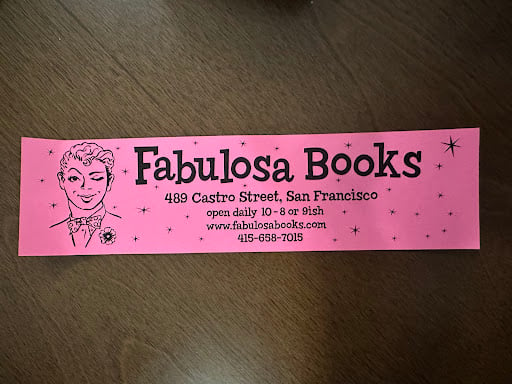
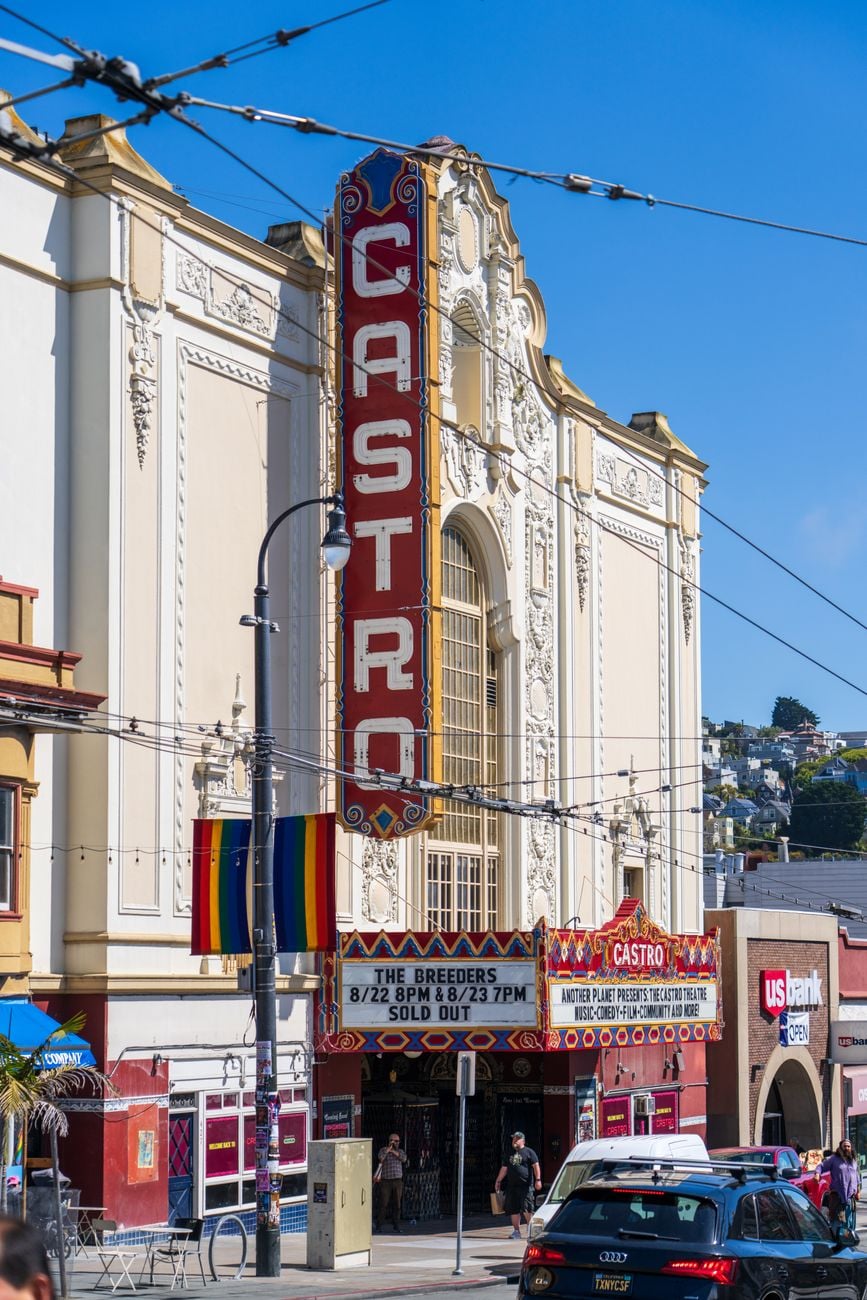
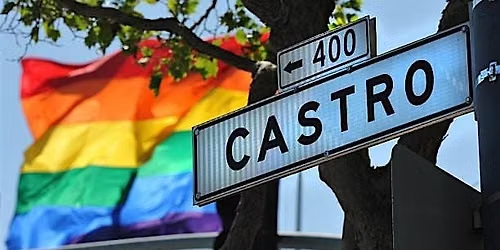
The Castro District is the iconic LGBTQ+ neighborhood and the primary destination for most gay travelers. Centered on Castro Street between Market and 18th Street, it features rainbow crosswalks, countless bars and restaurants, independent bookstores like Fabulosa Books, and the Castro Theatre, a beautiful historic movie palace. The neighborhood has a mix of longtime institutions and newer establishments, with a slightly older demographic in many venues. Walking Castro Street, visitors see the visible infrastructure of gay life—this is where the community's presence is most concentrated and most obvious.
The Mission District, particularly around 16th Street and Valencia Street, has a younger, more diverse LGBTQ+ population. It's more mixed in character than the Castro, blending queer venues with Latino cultural spaces, music venues, street art, and progressive politics. The Mission feels more integrated into the broader city and attracts a younger crowd interested in culture, food, and nightlife beyond explicitly gay venues.
South of Market (SoMa), south of Market Street, has historically been the leather and bear scene, home to leather bars, clubs, and saunas. It's less visible than the Castro but remains an active part of the queer nightlife scene. The area around 11th Street has several longstanding leather and BDSM venues.
The Tenderloin, a historically bohemian and countercultural neighborhood, has a significant population of transgender residents and queer youth, though it's also one of the city's more challenging neighborhoods regarding homelessness and drug use.
The Hayes Valley area, around Hayes Street west of the Civic Center, has become increasingly gay-friendly with bars, restaurants, and a younger crowd.
Venues and Nightlife
The Castro District's core gay bar scene includes The Café, a longtime institution with multiple levels and a dance floor; The Lookout, a rooftop bar with views of the city; and Twin Peaks Tavern, the historic bar with street-facing windows. Nearby you'll find Midnight Sun, a four-decade video bar; Moby Dick, the classic corner pub; and 440 Castro and Beaux, which pull a livelier dance-and-drag crowd.
In the Mission, Mother — a femme-centered queer bar on the site of the legendary Latin gay club Esta Noche — carries the torch, while El Rio draws a mixed queer crowd to its beloved back patio and The Knockout hosts queer DJ nights and live music.
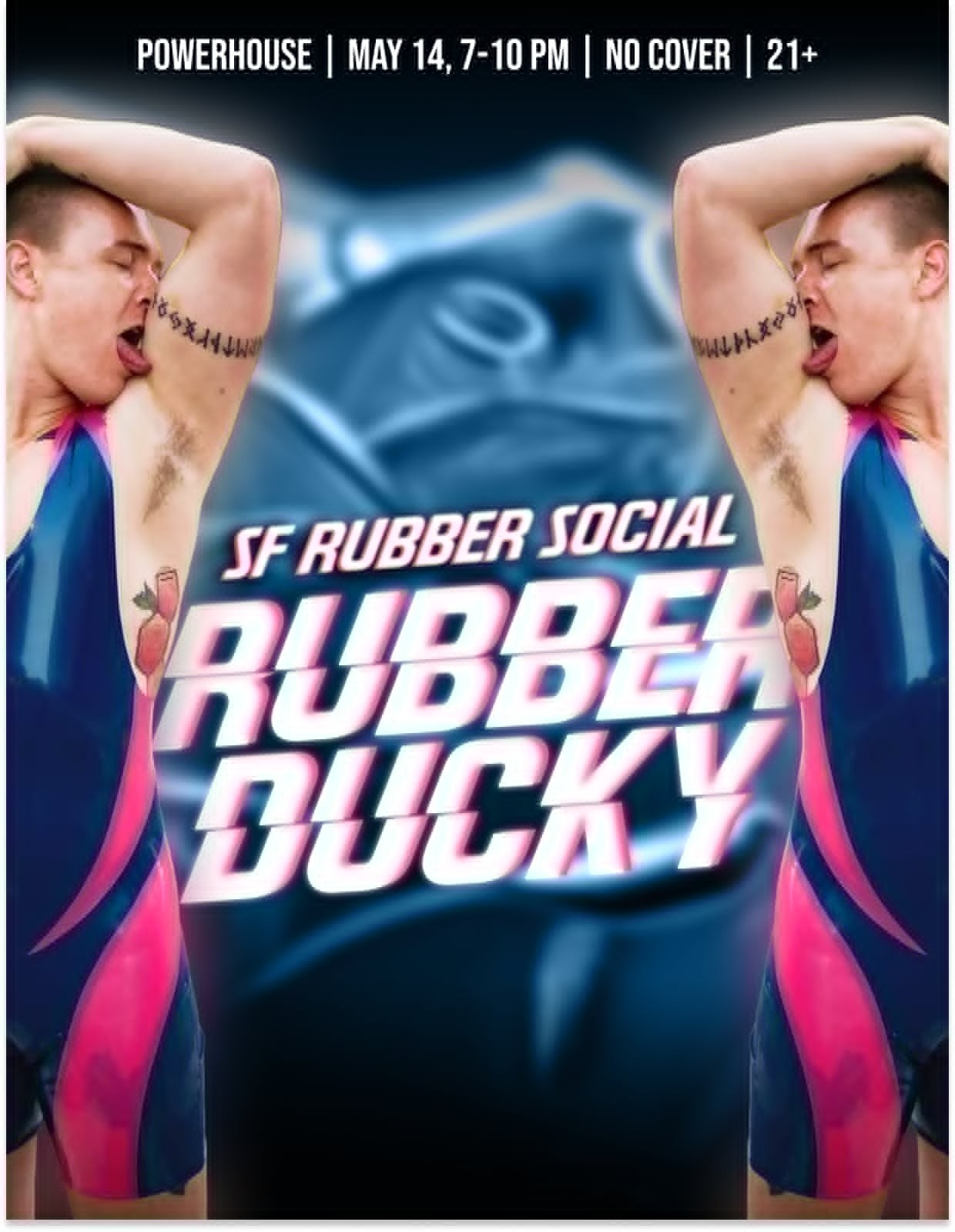
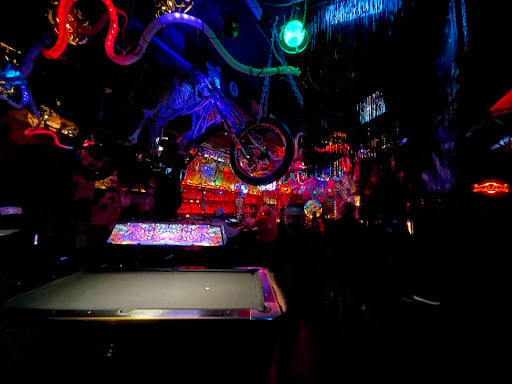
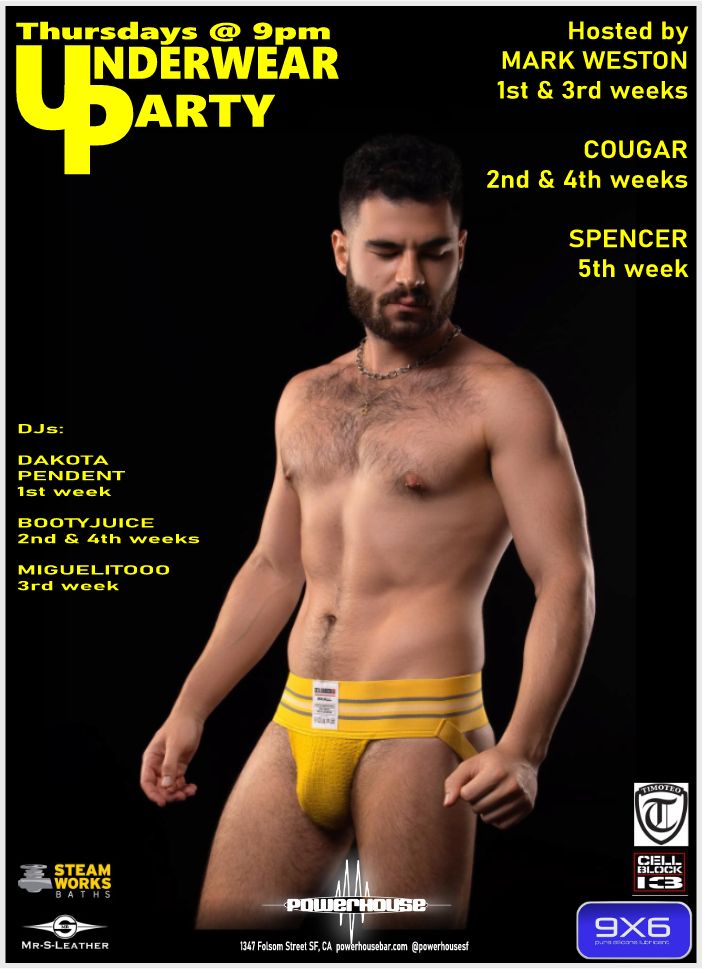
SoMa's venues include The Eagle, the storied leather bar; Powerhouse, the neighborhood's hands-on cruise bar; and The Stud, the worker-owned queer institution operating since 1966, which reopened at a new Folsom Street home in 2024. Oasis rounds out the scene as the city's premier drag cabaret.
For dancing and clubbing, venues vary by week and season, as San Francisco's nightlife scene is dynamic. The Café anchors the Castro's dance floor, while Oasis, The Stud and The EndUp keep SoMa moving late into the night.
San Francisco has a history of bathhouse and sex-positive spaces. The classic bathhouses closed during the 1980s AIDS crisis, but adult social clubs survive — Eros, the city's best-known safer-sex club, anchors the Tenderloin, while Power Exchange and Folsom Gulch operate in and around SoMa. (Steamworks, the region's full bathhouse, is across the bay in Berkeley, not in San Francisco.) Strut, the SF AIDS Foundation's Castro health center, and other organizations provide sexual-health resources and testing.
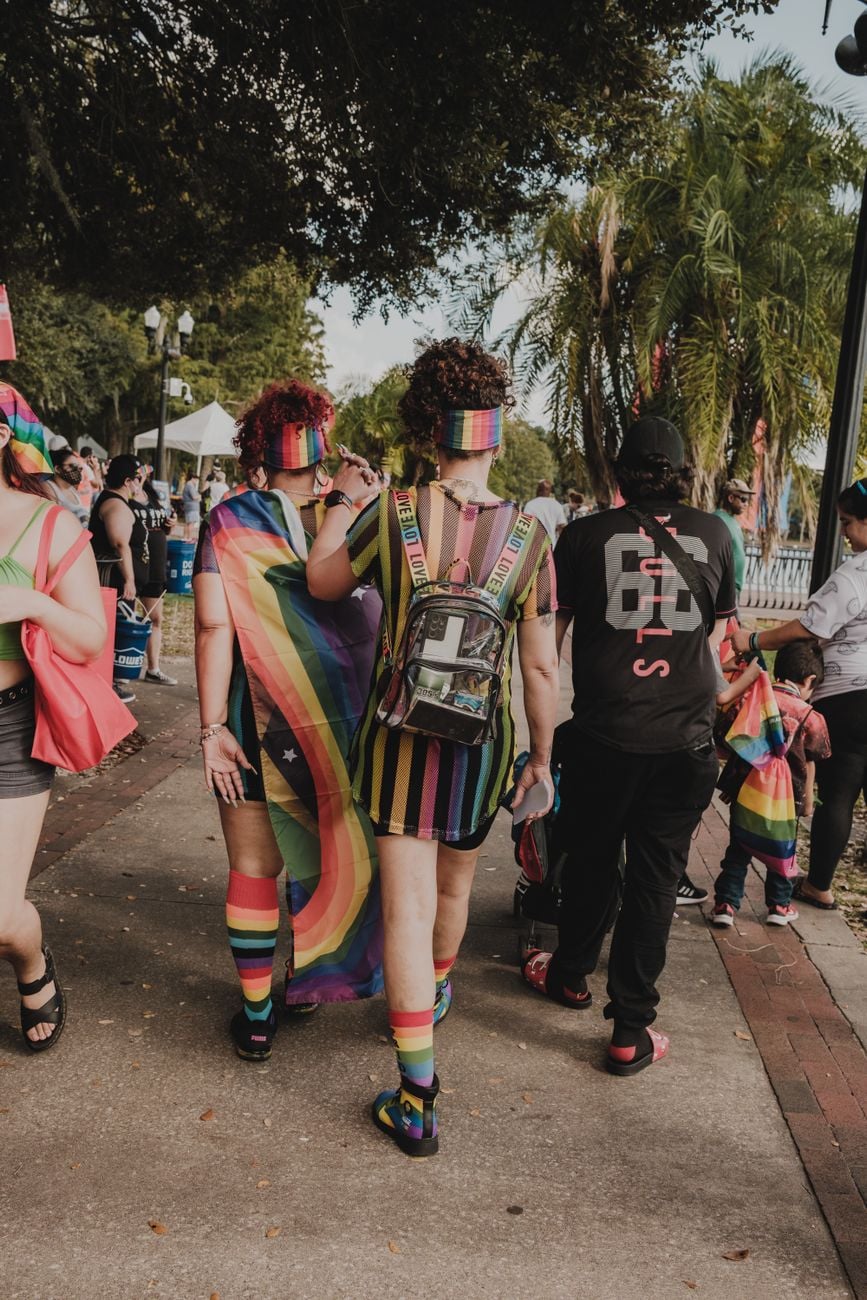
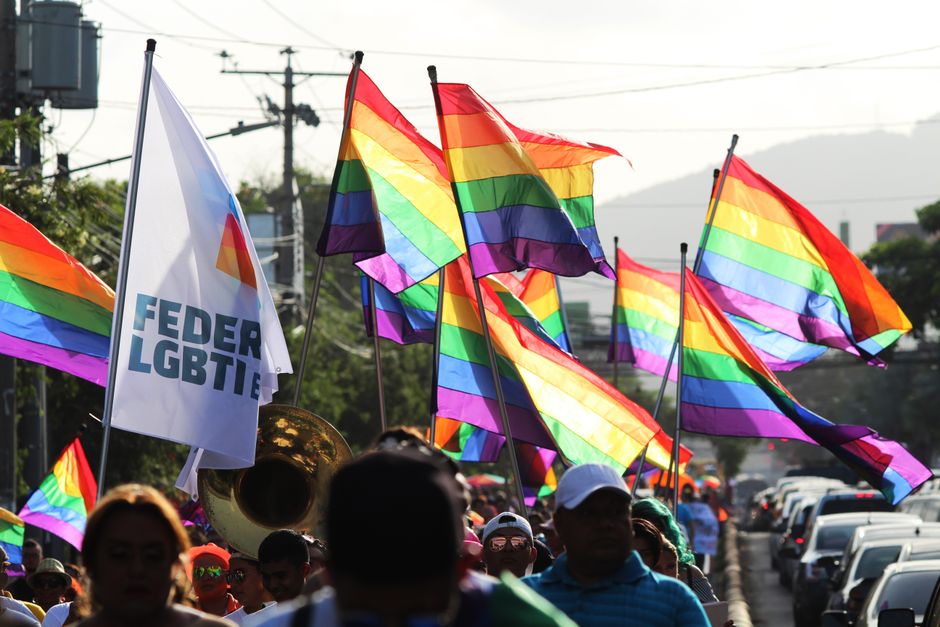
San Francisco Pride takes place on the last weekend of June, and it's one of the largest Pride celebrations in the world. The Pride Parade draws 500,000 to over 1 million participants and spectators, marching down Market Street. The festival spans two days with multiple stages, performers, and exhibitors. It's a massive, celebratory event with significant corporate presence alongside grassroots activism. Many travelers plan trips specifically around Pride.
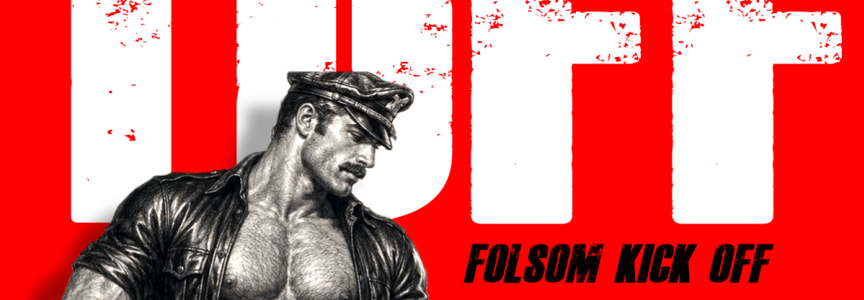
Other significant events include the Folsom Street Fair, held in September, which is a leather and BDSM-focused street fair in SoMa. It's publicly held, though much of the content is adult-oriented.
Trans March takes place in June (before Pride), centered on LGBTQ+ and trans activism.
WhereToStay
The Castro District is the most obvious choice for many travelers, offering gay-oriented hotels and guesthouses. The Phoenix Hotel, while not exclusively gay, is known for welcoming all guests. Many small guesthouses and Airbnb options are available throughout the neighborhood.
Other neighborhoods offer different experiences. Hayes Valley and the Mission offer more diverse atmospheres. The Financial District and Union Square are central and accessible, though less overtly queer.
San Francisco International Airport is the main airport, about 20 miles south of the city. BART (Bay Area Rapid Transit) provides direct rail service into downtown. From there, the city's public transit system (Muni) includes buses, light rail, cable cars, and other options. Many areas are walkable, particularly the Castro, Mission, and downtown areas.
The Castro is accessible via the F-line historic streetcar and regular bus lines. Parking throughout the city is difficult and expensive; public transit or rideshare is recommended.
Food and Culture
San Francisco is renowned for food. The Mission District is famous for its burritos and Mexican food. Both the Mission and Castro have numerous queer-friendly restaurants, cafes, and bars. The city has Michelin-starred restaurants alongside casual dining.
Cultural attractions include the de Young Museum, the San Francisco Museum of Modern Art (SFMOMA), the California Academy of Sciences, and numerous galleries. The GLBT History Museum, located in the Castro, documents the city's queer history.
Napa Valley and Sonoma County are accessible for wine country tours (1-1.5 hours drive). Oakland, across the bay via BART, has its own queer scene and cultural attractions. Big Sur is a spectacular drive (2.5-3 hours). Muir Woods and other natural areas are accessible by car or tour.
Safety and Practical Considerations
San Francisco is generally safe for LGBTQ+ travelers, particularly in the Castro, Mission, and downtown areas. Like any major city, it has street crime, homelessness, and drug use in some areas; common urban precautions apply. The Tenderloin is notably challenging; visitors should use caution, particularly at night.
Cost of living and travel in San Francisco is very high. Hotels, meals, and activities are expensive compared to many U.S. cities. Budget accordingly.
Weather is mild year-round, typically 50-70 degrees Fahrenheit. Fog is common, particularly in summer (Karl the Fog is a local fixture). Visitors should bring layers and a jacket.
Conclusion
San Francisco remains the most iconic LGBTQ+ destination in the United States, with deep historical significance, an active and visible community, excellent food and culture, and a genuine welcome for queer travelers. Whether interested in history, nightlife, culture, or simply being in a place where LGBTQ+ identity is celebrated, San Francisco offers a unique and significant experience.
Frequently asked questions
San Francisco is one of the most LGBTQ+-friendly cities in the world and a global gay-rights landmark — Harvey Milk, the first openly gay elected official in California, served on the city's Board of Supervisors. California legalized same-sex marriage in 2008.
Yes — The Castro is the world's most famous gay neighborhood, centered on Castro and Market streets. The GLBT Historical Society Museum is here. The Castro has dozens of gay bars, the Castro Theatre, gay-owned shops, and remains a focal point of the global gay-rights movement. SOMA also hosts the leather scene.
In the Castro: Twin Peaks (the historic gay bar), The Mix, Beaux, The Café, 440 Castro. SOMA leather scene: Powerhouse, SF Eagle, The Stud (long-running queer club). Folsom Street Fair (last Sunday of September) is the world's largest leather/kink event.
Last weekend of June for SF Pride (one of the world's largest). Last Sunday of September for Folsom Street Fair. SF is famously cool in summer due to fog — September–October are the warmest months. Spring (May) is also pleasant.
The Beck's Motor Lodge in the Castro is the iconic gay-popular budget option. Hotels in Hayes Valley and Union Square work well too. See the hotel map above.
Your privacy choices.
We use cookies to run GayOut and, with your consent, measure usage. Learn more
Your privacy choices
We use cookies to keep GayOut running, remember your preferences, and (with your permission) measure how the site is used. You can accept all, reject all, or pick what you allow. Learn more
Essential
Required for sign-in, fraud prevention, CSRF protection and remembering your language. Cannot be disabled.
Always on
Remembers your favourites, dark mode and other interface preferences across visits.
Helps us understand which pages people visit (Google Analytics, server-side stats) so we can improve.
Used by campaign tracking pixels. None are active right now, reserved for future use.
Install GayOut
Add GayOut to your home screen for faster access, offline favourites, and Pride alerts.











 Gay Bars & Clubs
Featured
(215)
Gay Bars & Clubs
Featured
(215)