Marriage equality since Obergefell v. Hodges (26 June 2015). The Respect for Marriage Act (December 2022) provides a congressional floor, requiring federal recognition of all valid same-sex and interracial marriages regardless of future Supreme Court rulings. Bostock v. Clayton County (2020) held that Title VII of the Civil Rights Act prohibits employment discrimination on the basis of sexual orientation and gender identity. No comprehensive federal anti-discrimination law in housing or public…
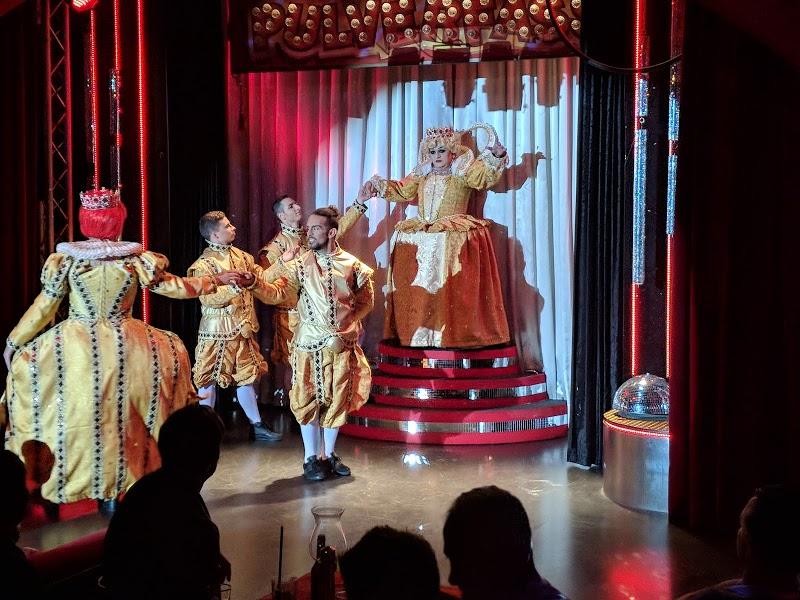
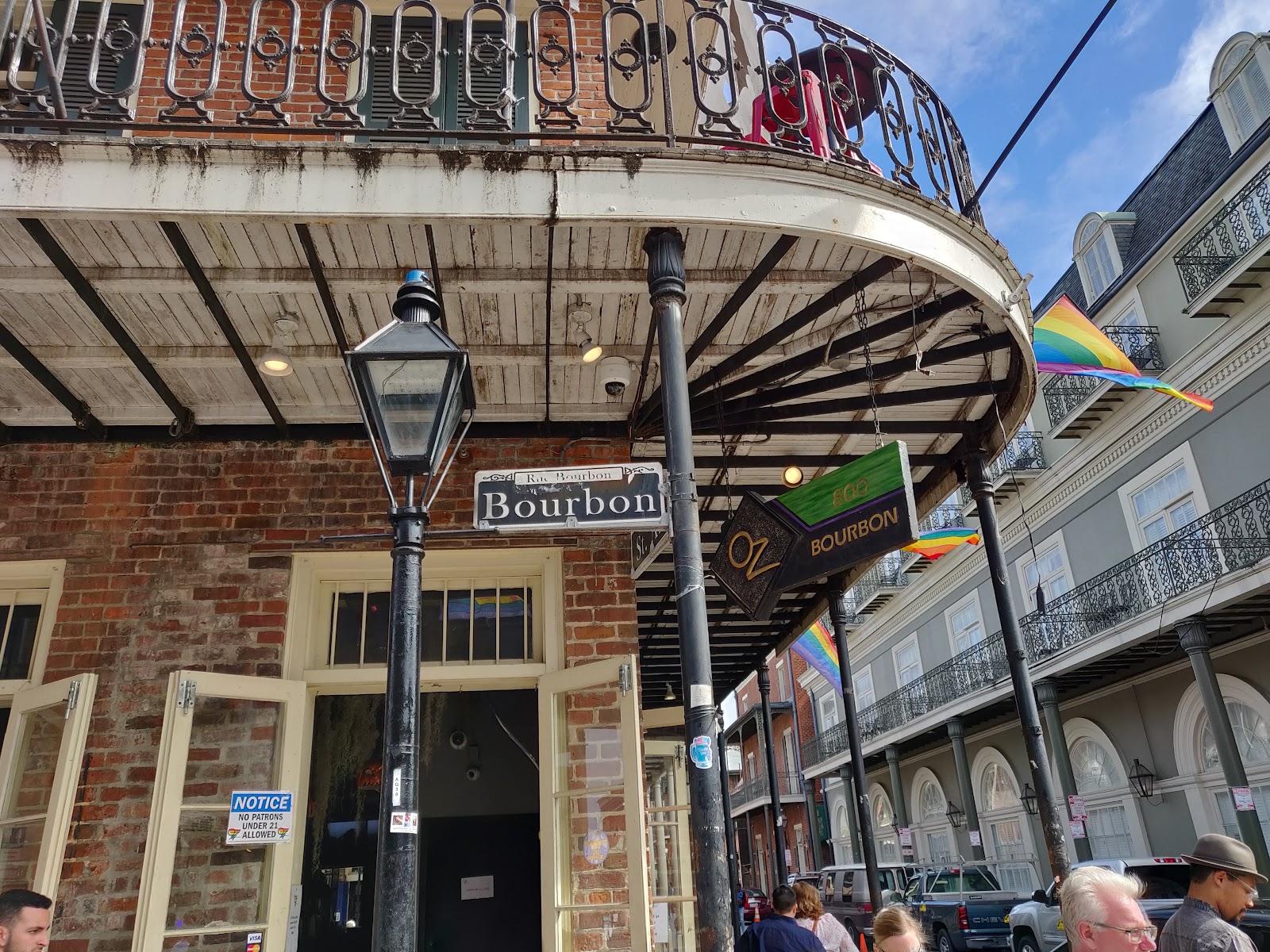
Two venues in one across from Oz on Bourbon Street — the street-level video bar and the upstairs Parade dance club. The complementary pair to Oz that completes the Lavender Line's anchor block.
The neighbourhood gay bar a block off Bourbon Street — pool table, friendly atmosphere, and the quieter, more conversational face of New Orleans' French Quarter gay scene.
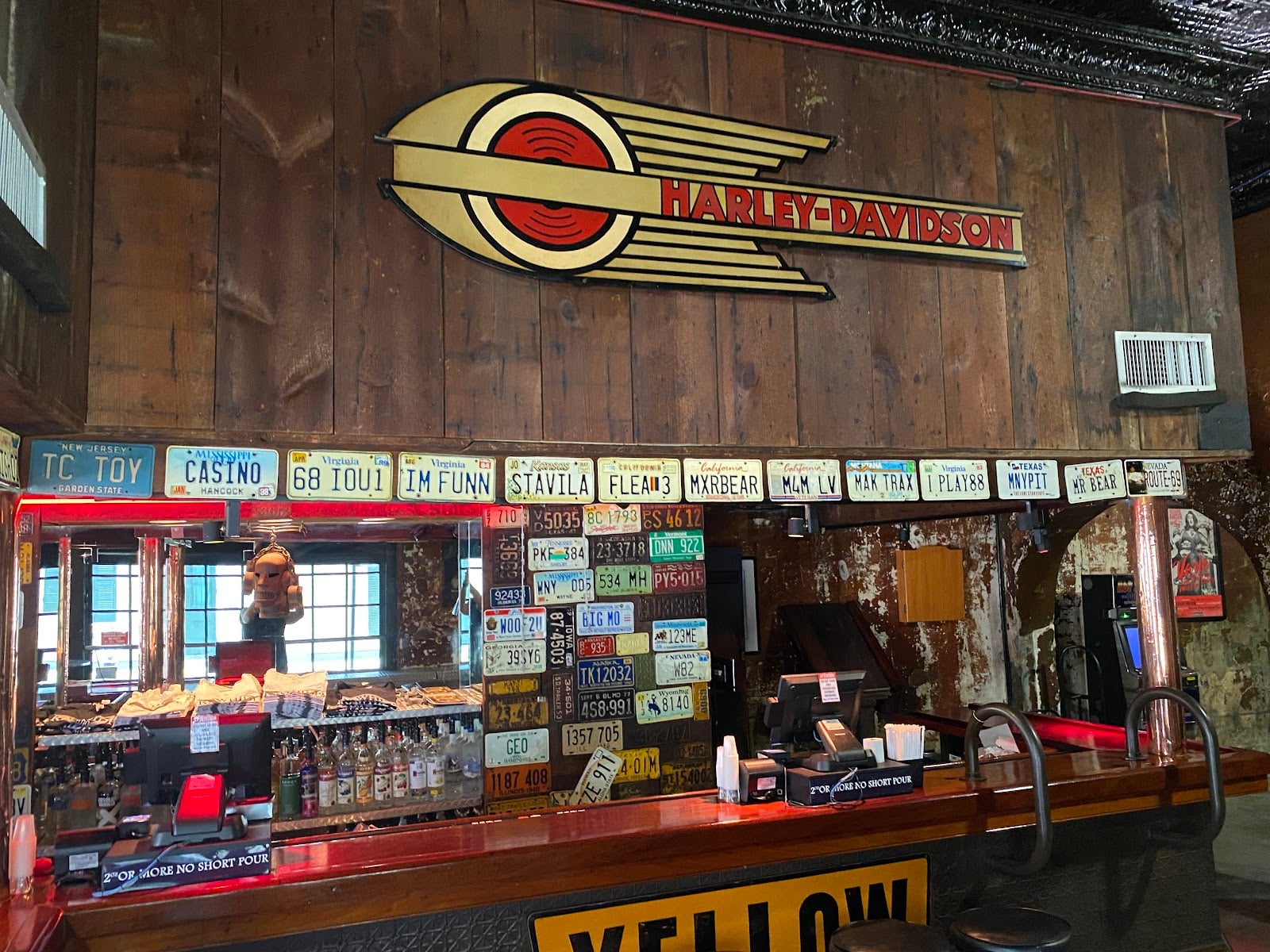
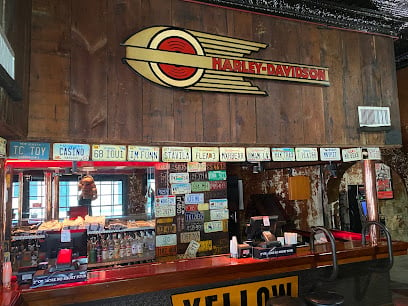
Formerly Rawhide 2010. New Orleans' long-running leather and cruise bar on Burgundy Street — the French Quarter's dedicated venue for the leather community, operating continuously in the tradition of…
New Orleans' gay bathhouse on the edge of the French Quarter — steam rooms, private cabins, locker rooms, and the 24-hour access that fits New Orleans' around-the-clock culture.
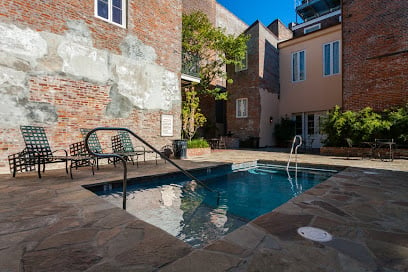
Gay-welcoming boutique hotel in the heart of the French Quarter on Toulouse Street — steps from Bourbon Street's gay bars, a courtyard pool, and the authentic French Quarter hotel experience in a…
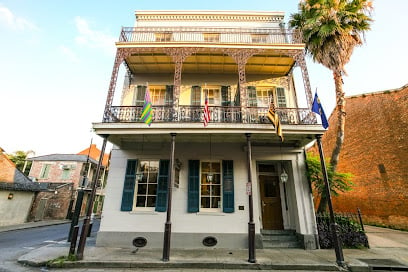
Gay-friendly historic mansion hotel on Esplanade Avenue at the edge of the French Quarter and Marigny — antebellum architecture, courtyard, and the perfect base for exploring both the French Quarter…
New Orleans' primary LGBTQ+ health organization — comprehensive healthcare, HIV testing and treatment, PrEP services, and community health programming serving the city's queer community from the…
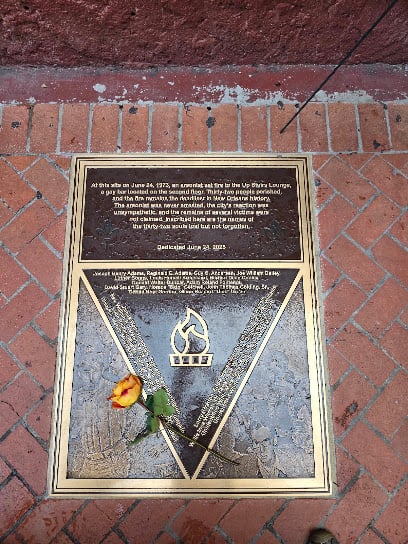
New Orleans occupies a unique place in American LGBTQ+ history. The city's French colonial heritage and Creole culture created space for sexual and gender diversity long before most American cities. The 1970s and 1980s saw the flourishing of an underground gay scene, particularly in the French Quarter, which by the 1990s had become openly established. The AIDS crisis hit New Orleans hard, but the community responded with resilience and mutual aid that became part of the city's identity. Today, New Orleans maintains one of the most visible and integrated LGBTQ+ communities in the South, where queer culture is not separated from mainstream city life but woven throughout it.
Neighborhoods and Geography
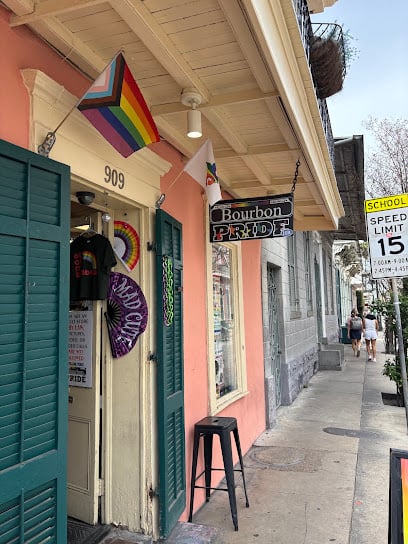
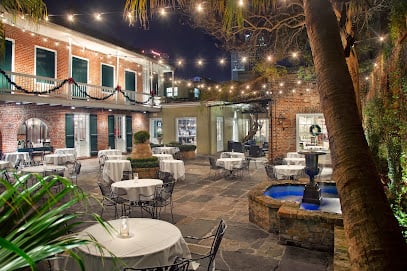
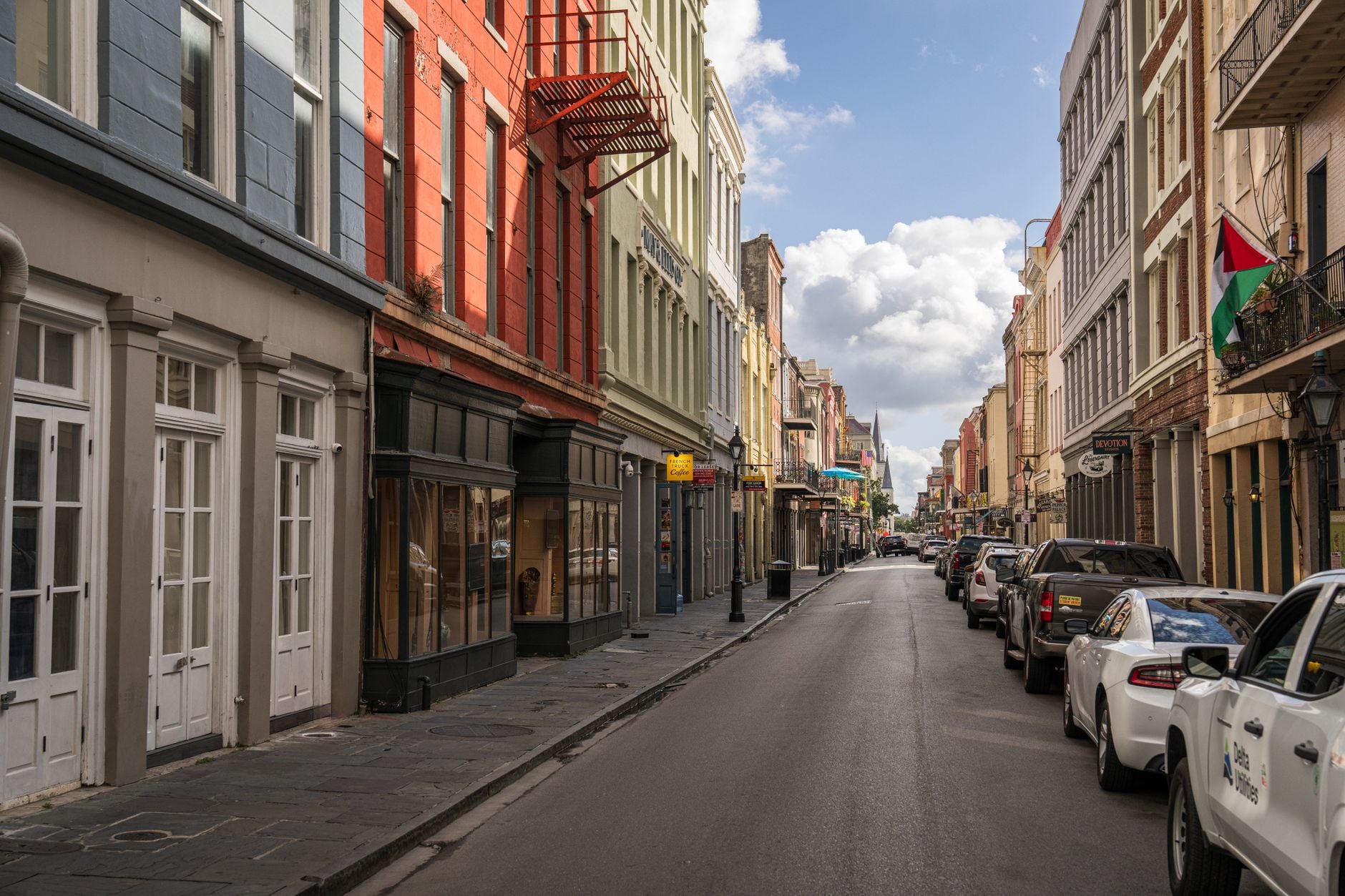
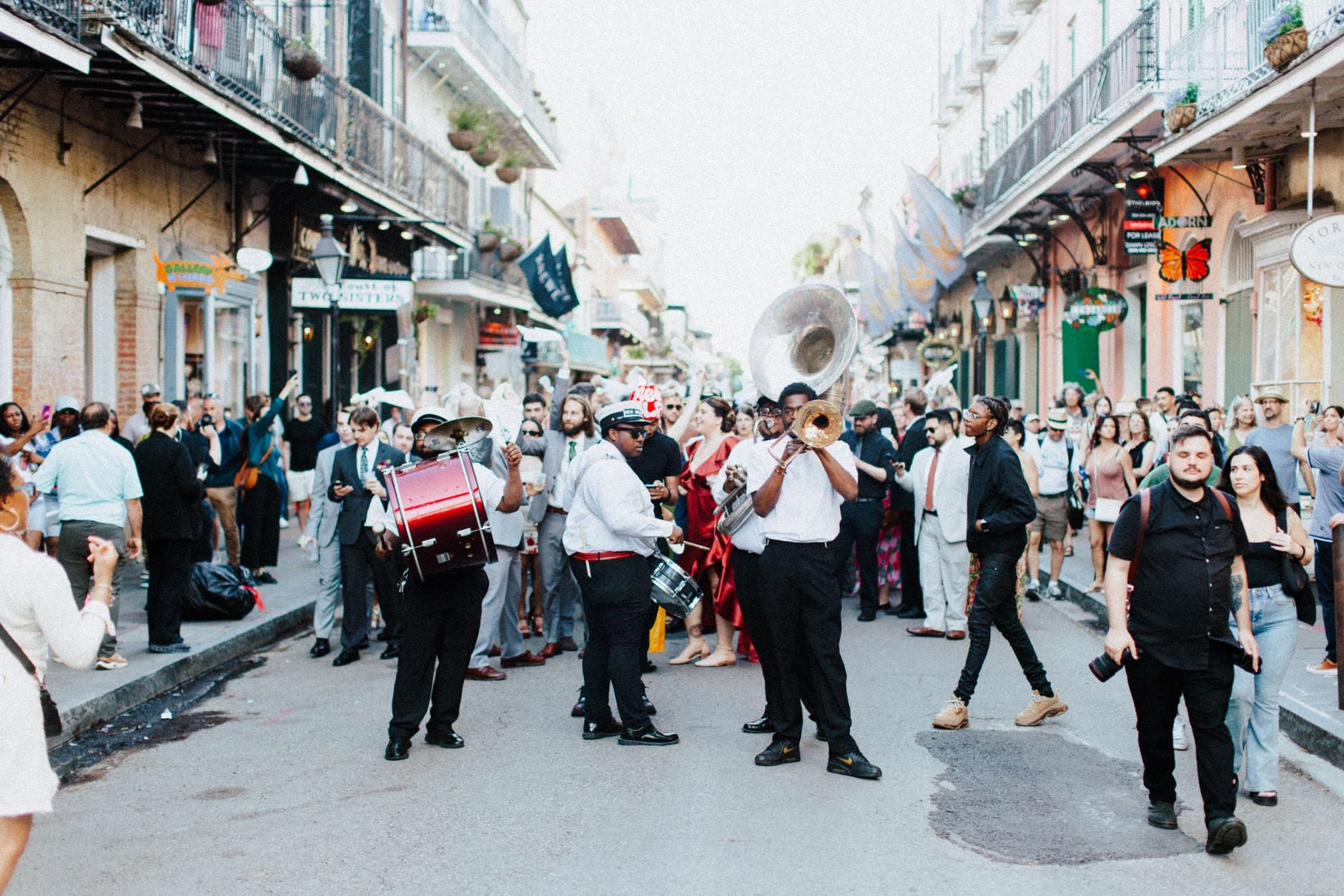
The French Quarter remains the historic epicenter of gay New Orleans. This neighborhood, bounded by the Mississippi River to the south and Rampart Street to the north, is home to most of the gay bars, cafes, and shops. Bourbon Street between St. Ann and St. Peter Streets has historically been the main gay corridor, though the scene extends throughout the Quarter. The architecture—18th and 19th-century Creole townhouses with interior courtyards—gives the area an intimate, European feel unlike anywhere else in America.
Marigny, just downriver from the French Quarter, offers a slightly more residential but still vibrant queer neighborhood. Frenchmen Street has become famous for live music venues and bars with more local character. The neighborhood attracts artists, musicians, and younger LGBTQ+ people seeking community outside the Bourbon Street scene.
The CBD (Central Business District) and Warehouse District have seen increasing LGBTQ+ investment and development in recent years, with newer restaurants, hotels, and venues opening. Uptown, while more residential and less explicitly gay-oriented, has significant LGBTQ+ populations and increasingly queer-friendly businesses.
Venues and Nightlife
Bourbon Street hosts several established gay bars. Oz, one of the largest dance clubs, features multiple floors, live entertainment, and draws crowds nightly. The Dungeon, located in a former jail, offers leather and more alternative scenes. Rawhide 2010 caters to country and biker crowds. These venues reflect the diversity within the gay community and draw different crowds on different nights.
Outside the main Bourbon corridor, Good Friends Bar is a relaxed neighborhood bar with a mixed crowd. Cafe Lafitte in Exile, one of the oldest continuously operating gay bars in the US, offers a more low-key atmosphere and LGBTQ+ history. The bar has hosted drag shows and local performers for decades.
Marigny offers venues like The Spotted Cat for live music in a queer-friendly setting, and various bars along Frenchmen Street that welcome LGBTQ+ customers as part of the diverse crowd.
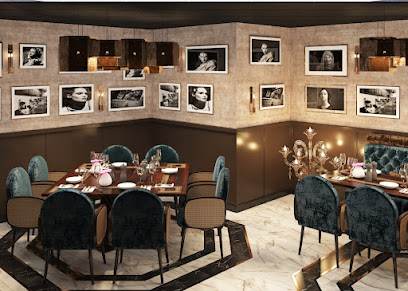
For dining, the city's LGBTQ+ community has established notable restaurants. Restaurant R'evolution in the French Quarter offers contemporary French cuisine in a queer-friendly space. Sylvain in the Quarter serves Southern cuisine and wine to a welcoming crowd. Many of the city's best restaurants, while not explicitly gay-owned, actively court LGBTQ+ clientele.
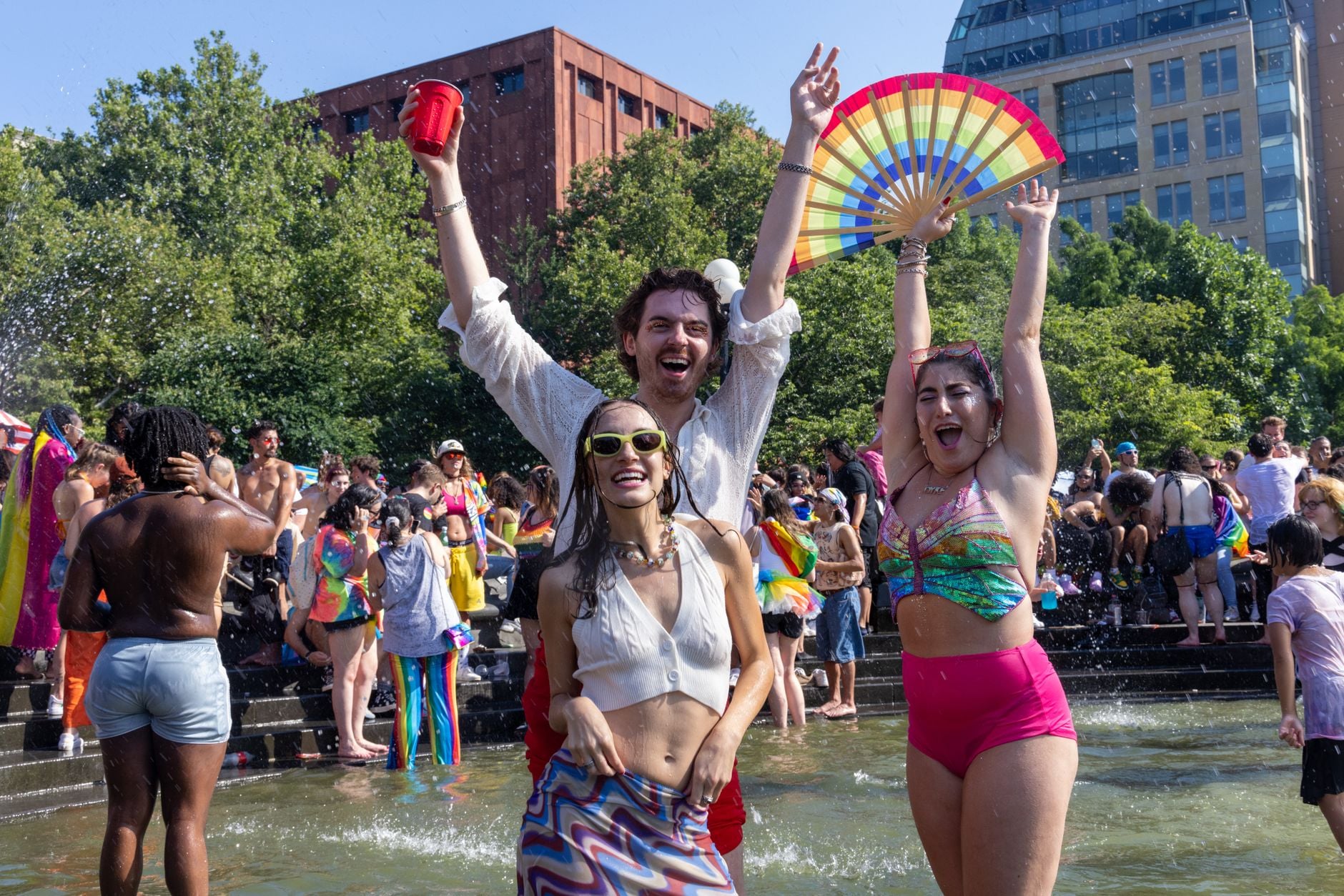
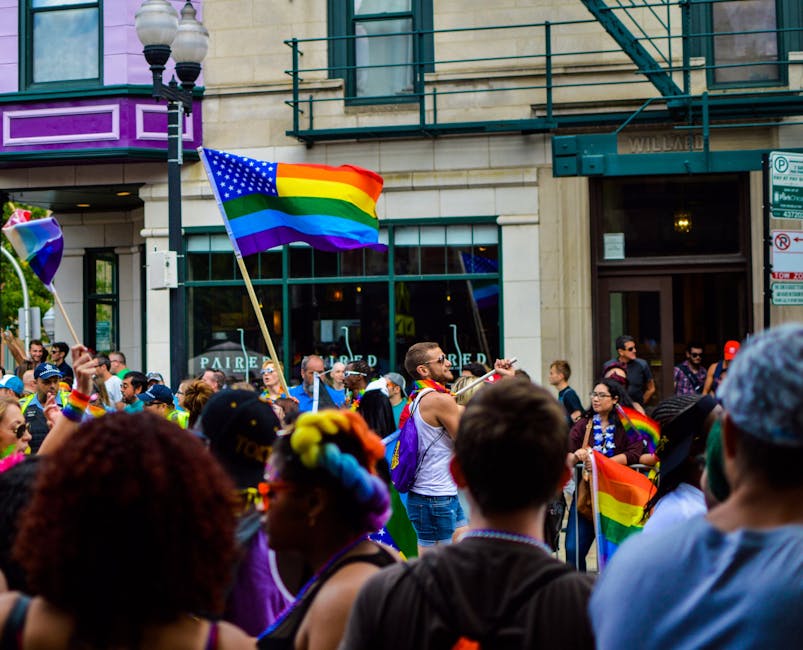
Southern Decadence, held Labor Day weekend, is the signature LGBTQ+ event. The festival features multiple stages, parades, performances, and parties throughout the French Quarter. It has grown to attract over 100,000 visitors and is considered one of the largest Pride celebrations in America. The festival celebrates excess, sexuality, and joy in ways that mainstream Pride events sometimes mute, reflecting New Orleans' cultural values around celebration and spectacle.
Mardi Gras itself, while not exclusively LGBTQ+, has always featured prominent queer participation and visibility. LGBTQ+ krewes (parade organizations) throw their own Mardi Gras parades, and the broader festival atmosphere celebrates gender play, costume, and sexual expression in ways that make many queer visitors feel welcome during carnival season (typically January through February).
Black Pride, another significant event, usually takes place in May and celebrates Black LGBTQ+ culture with music, art, and community gatherings. The event draws participants from across the country and reflects the vibrant Black queer culture that is central to New Orleans' identity.
Where to Stay
The French Quarter offers the most walkable and convenient location, with numerous hotels, guesthouses, and bed-and-breakfasts. The Dauphine Orleans Hotel is a historic property with LGBTQ+-friendly staff. Many smaller guesthouses in the Quarter cater specifically to gay travelers, offering personal service and local knowledge. Marigny offers a slightly quieter residential feel while remaining close to nightlife.
The CBD has newer hotels with good amenities, though the neighborhood has less character. Uptown offers a more local residential experience, though traveling downtown to the French Quarter requires transit or rideshare.
New Orleans is generally welcoming to LGBTQ+ travelers, particularly in the French Quarter, Marigny, and other tourist areas. However, as with any major city, standard urban safety precautions apply—avoid walking alone very late at night in unfamiliar areas, be aware of surroundings, and use rideshare services when needed.
The city's crime rates have been a concern in recent years, though violent crime in the tourist areas is not notably worse than other major American cities. The French Quarter and immediate surrounding areas, while busy and crowded, generally have police presence and good lighting.
The broader state of Louisiana has less welcoming legislation than the city itself. However, within New Orleans proper, LGBTQ+ people have established legal protections and widespread community support. The city government is openly supportive of LGBTQ+ rights.
Transit and Getting Around
The French Quarter and Marigny are best explored on foot. Most gay venues are within walking distance of each other, and the neighborhoods are compact and pedestrian-friendly. The Mississippi River provides scenic walks.
RTA (Regional Transit Authority) operates buses throughout the city. The streetcar line runs through downtown and along St. Charles Avenue uptown. Rideshare services (Uber, Lyft) are readily available and reasonably priced. For longer trips or visits to outlying neighborhoods, rideshare is often easier than navigating public transit.
Food and Culture
New Orleans' food culture is central to the visitor experience. The city's Creole and Cajun cuisines reflect centuries of French, Spanish, African, and Native American influences. Many of the city's best restaurants and cafes are welcoming to LGBTQ+ customers.
Beignets at Cafe du Monde, the famous 24-hour cafe in the French Quarter, are an essential New Orleans experience. For casual dining, numerous sandwich shops, po'boy stands, and casual restaurants serve excellent food at accessible prices.
The city's music culture is equally essential. Jazz clubs throughout the French Quarter and on Frenchmen Street offer nightly live performances. Preservation Hall, while primarily a traditional jazz venue, welcomes all visitors and represents the authentic New Orleans musical tradition.
The Mississippi River and surrounding bayous offer natural experiences accessible from the city. River cruises and swamp tours can be booked from downtown. However, these experiences are not particularly LGBTQ+-specific.
Plantation tours are available but should be approached with awareness of their troubling history and current politics. Some plantations have begun offering more honest interpretations of slavery and plantation life.
The nearby city of Baton Rouge, about an hour away, has some LGBTQ+ venues and is Louisiana's capital, offering different cultural and historical experiences.
Practical Information
New Orleans is accessible by air through Louis Armstrong International Airport (MSY), served by major airlines. Amtrak trains also serve the city.
The best times to visit for LGBTQ+ travelers are Southern Decadence weekend (Labor Day), Mardi Gras season (January-February), and Black Pride (May). Outside these major events, the city remains welcoming year-round, though summer heat and humidity can be significant from June through September.
The city uses US dollars, standard credit cards, and has ATMs throughout tourist areas. Tipping is customary and important in a service-heavy city like New Orleans.
New Orleans rewards visitors who engage with its particular character rather than seeking standardized experiences. The city's LGBTQ+ scene is integrated into broader city culture, making it possible to experience queer identity alongside music, food, history, and art in ways that feel natural and celebratory.
Frequently asked questions
New Orleans is recognized as one of America's most queer-affirming cities. The French Quarter, while touristy, remains authentically queer and is generally safe, especially in areas with high foot traffic and commercial activity.
The French Quarter (Vieux Carré) remains the geographic heart of LGBTQ+ nightlife, containing the majority of gay bars, clubs, and adult venues. Bourbon Street is lined with establishments catering to various queer interests.
The Marigny offers a more residential, artsy alternative with live music venues and a younger, bohemian queer crowd. Bywater, further east, has a creative queer community and appeals to those seeking neighborhood exploration.
The French Quarter contains numerous gay bars and clubs. Oz (800 Bourbon Street) is a large and well-known gay nightclub.
New Orleans Pride happens every June, with a weekend of festivities downtown and in the Marigny; the next edition is expected in June 2027. The city's biggest LGBTQ+ blowout, though, is Southern Decadence over Labor Day weekend (September 3-7, 2026), and the calendar rounds out with the Gay Easter Parade each spring and Halloween New Orleans in late October.
New Orleans has one of the oldest documented queer scenes in the United States, with LGBTQ+ people living openly since at least the 18th century. By the mid-20th century, the city was known nationwide as a destination for queer travelers.
Your privacy choices.
We use cookies to run GayOut and, with your consent, measure usage. Learn more
Your privacy choices
We use cookies to keep GayOut running, remember your preferences, and (with your permission) measure how the site is used. You can accept all, reject all, or pick what you allow. Learn more
Essential
Required for sign-in, fraud prevention, CSRF protection and remembering your language. Cannot be disabled.
Always on
Remembers your favourites, dark mode and other interface preferences across visits.
Helps us understand which pages people visit (Google Analytics, server-side stats) so we can improve.
Used by campaign tracking pixels. None are active right now, reserved for future use.
Install GayOut
Add GayOut to your home screen for faster access, offline favourites, and Pride alerts.













 Gay Bars & Clubs
Featured
(495)
Gay Bars & Clubs
Featured
(495)