

Marriage equality since Obergefell v. Hodges (26 June 2015). The Respect for Marriage Act (December 2022) provides a congressional floor, requiring federal recognition of all valid same-sex and interracial marriages regardless of future Supreme Court rulings. Bostock v. Clayton County (2020) held that Title VII of the Civil Rights Act prohibits employment discrimination on the basis of sexual orientation and gender identity. No comprehensive federal anti-discrimination law in housing or public…
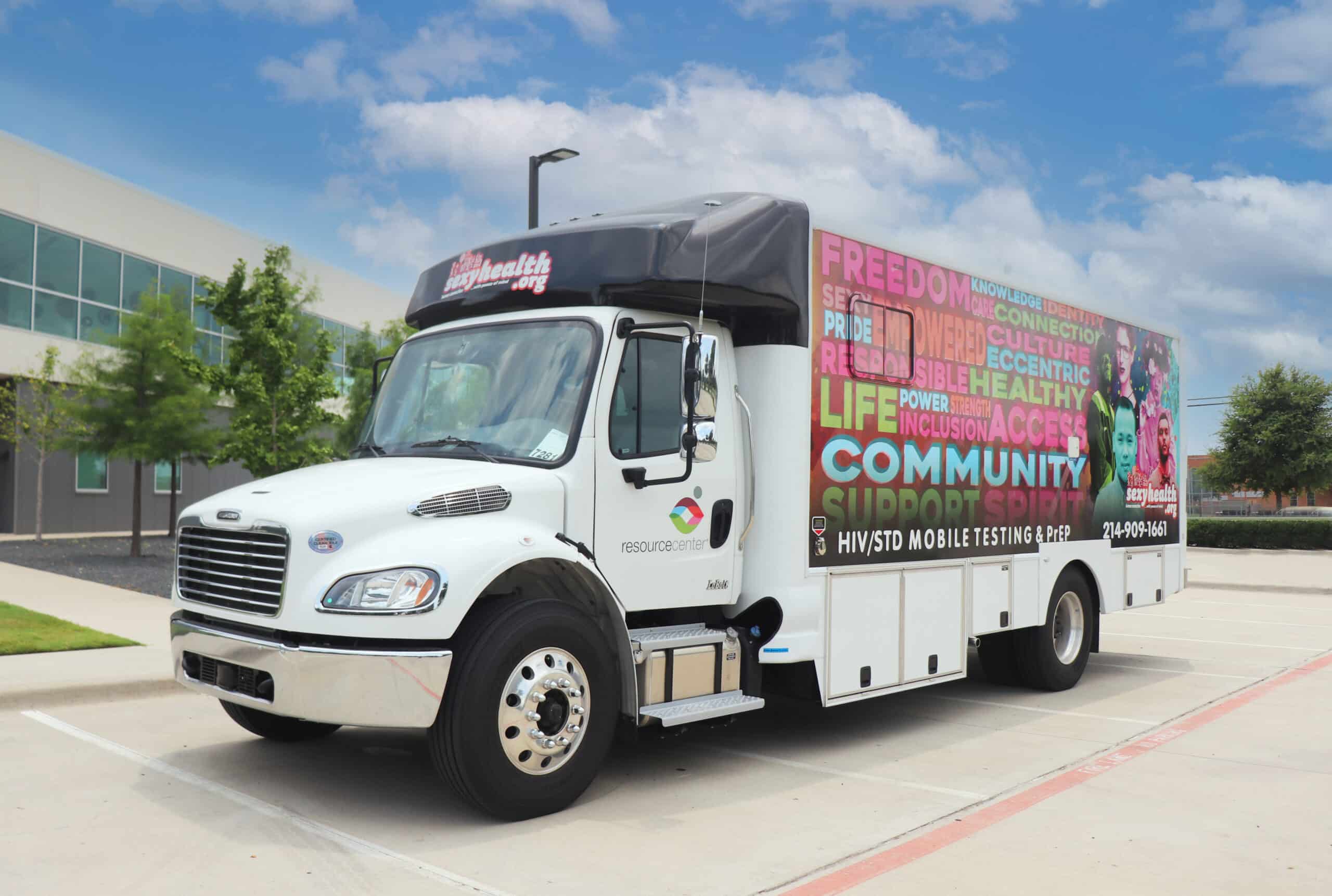
Dallas's LGBTQ+ history stretches back decades, though like many Southern cities, early gay spaces operated discreetly. The modern gay scene in Dallas began developing more openly in the 1970s and 1980s, with the Oak Lawn neighborhood gradually establishing itself as the cultural and social center for the community. What started as scattered bars and gathering spots evolved into a thriving neighborhood with institutional support, businesses, and a visible presence in the city's broader culture. The AIDS crisis profoundly affected Dallas's gay community in the 1980s and 1990s, spurring activism, community organizing, and the establishment of health and support services that remain central to Dallas's LGBTQ+ infrastructure today.
By the 2000s, Dallas had developed a reputation for having one of the stronger gay scenes in the South, with increasingly mainstreamed Pride celebrations and growing political representation. Today, Dallas is home to significant LGBTQ+ organizations, nonprofits, community centers, and a diverse mix of business owners and professionals.
Neighborhoods
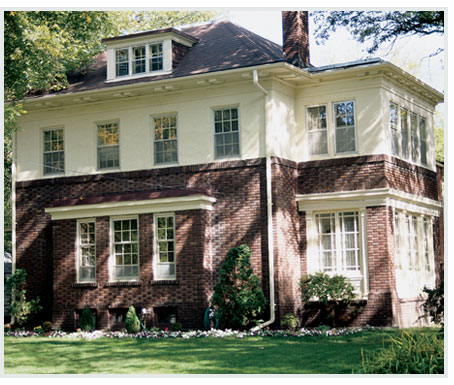
Oak Lawn is the historic heart of Dallas's gay community, located just north of downtown. This neighborhood roughly corresponds to the area between Cedar Springs Road and the neighborhoods to its east and west, particularly around Maple Avenue, Throckmorton Street, and Cedar Springs Road itself. Oak Lawn features a concentration of gay bars, restaurants, shops, and cultural venues, alongside residential areas with restored historic homes. The neighborhood has experienced gentrification in recent years, with rising property values and changing demographics, but it remains the primary gay social hub.
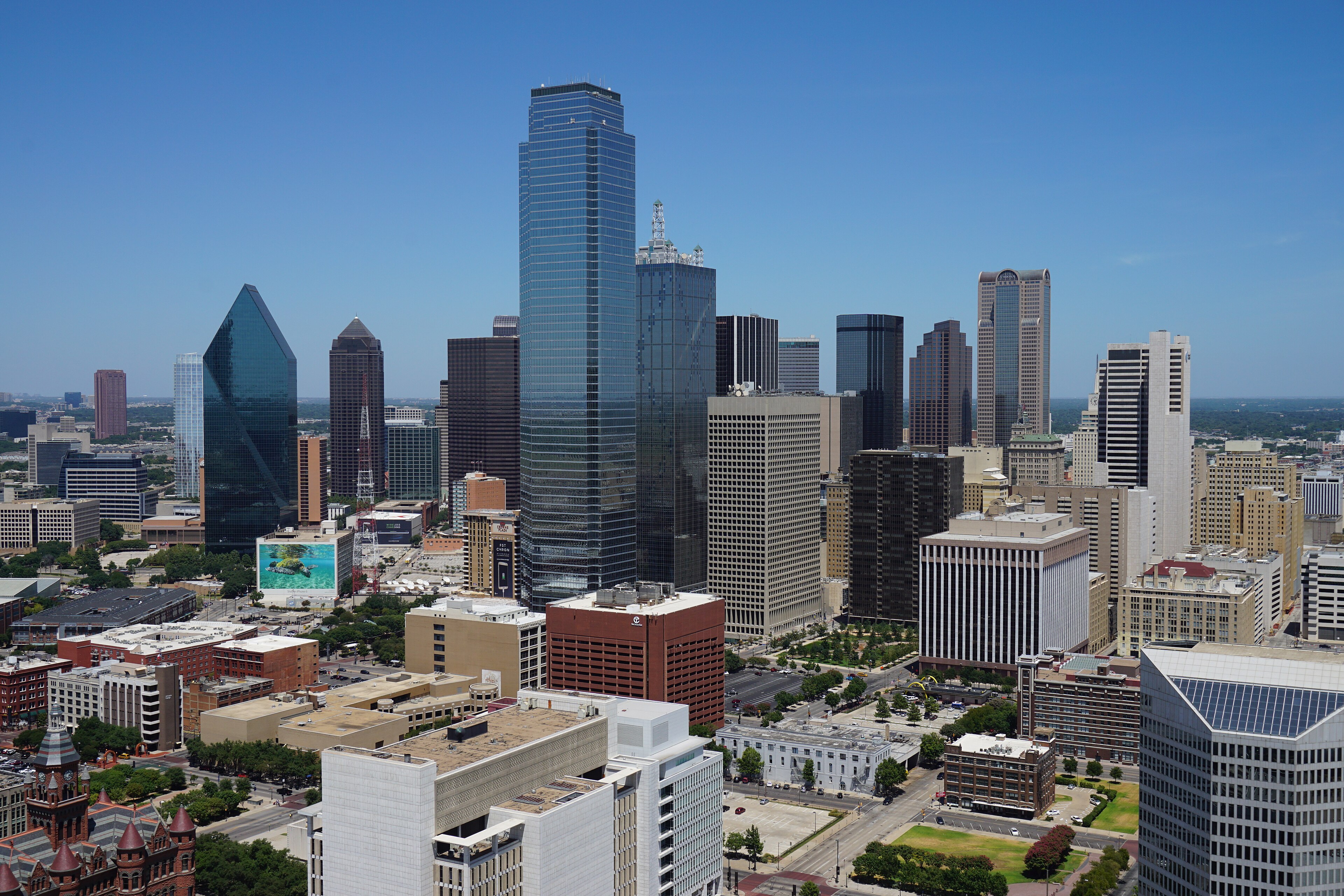
Downtown Dallas, while not exclusively gay, has seen increasing LGBTQ+ visibility and includes some venues, restaurants, and cultural institutions with significant gay clienteles. Uptown, a broader neighborhood encompassing Oak Lawn, has become increasingly developed with mixed-use spaces, retail, and dining.
Venues and Nightlife
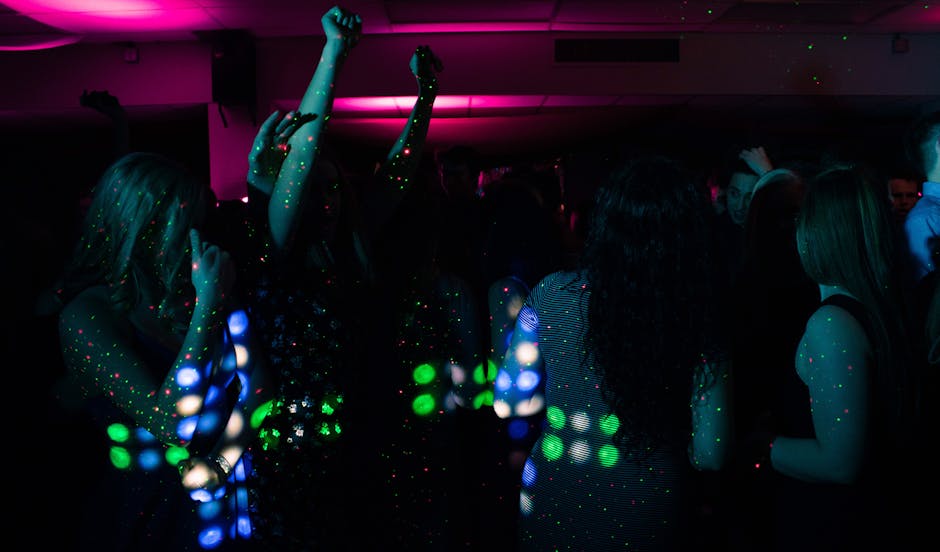
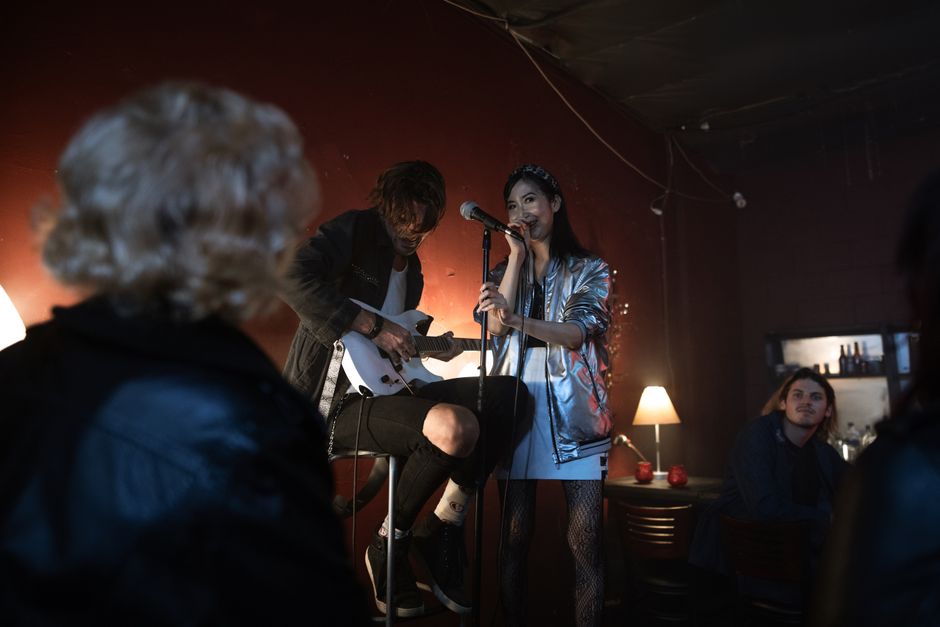
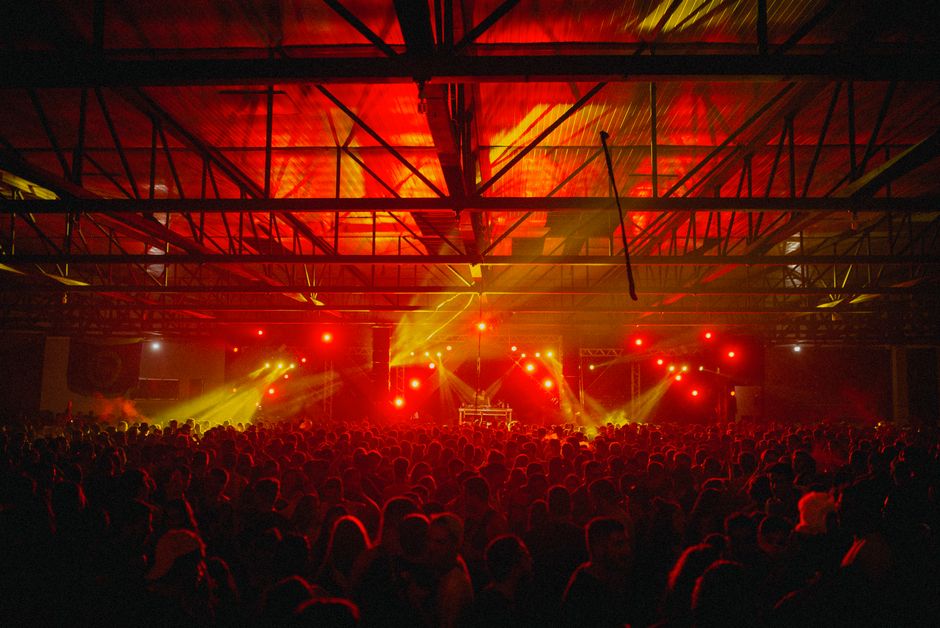
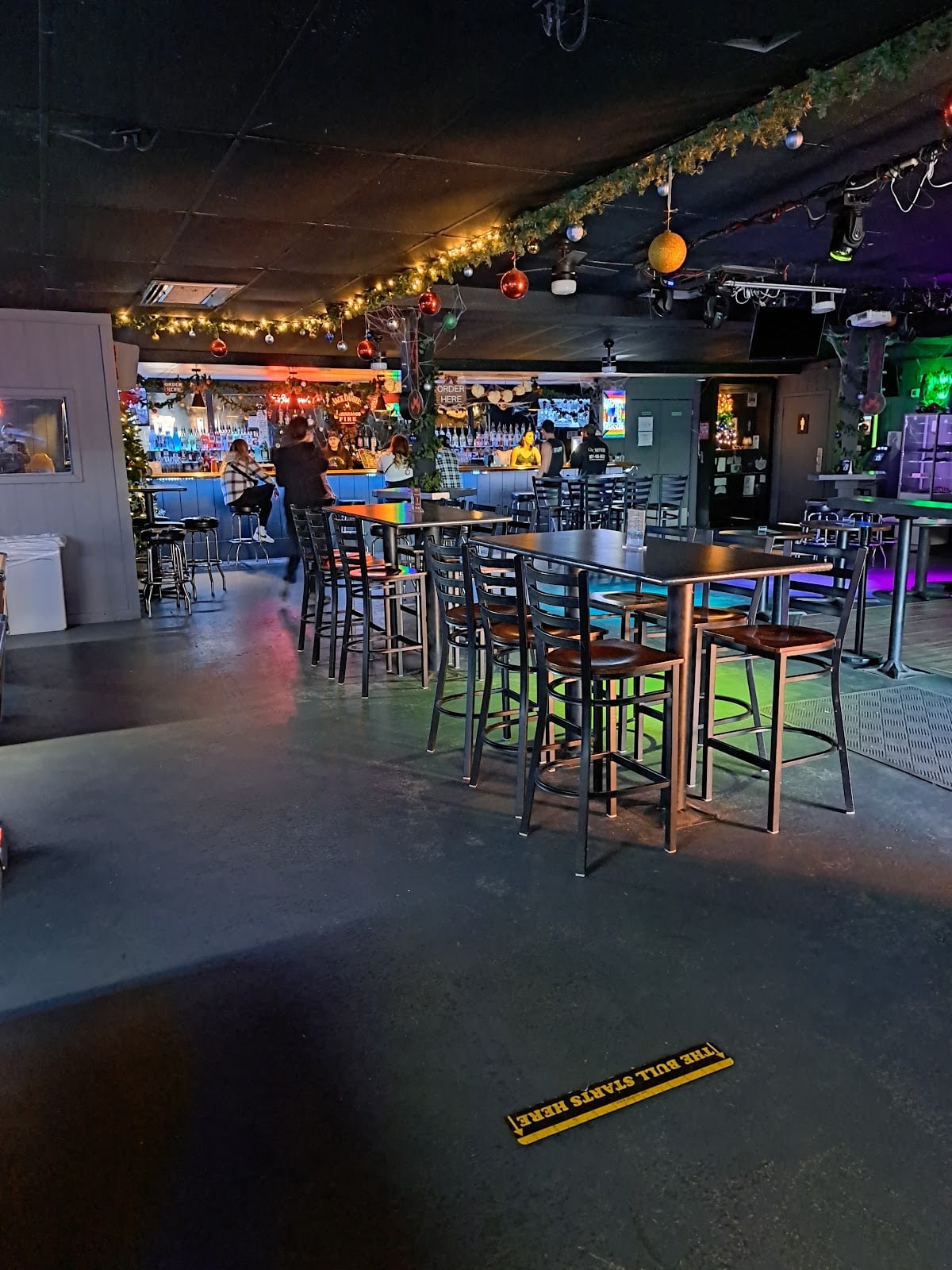
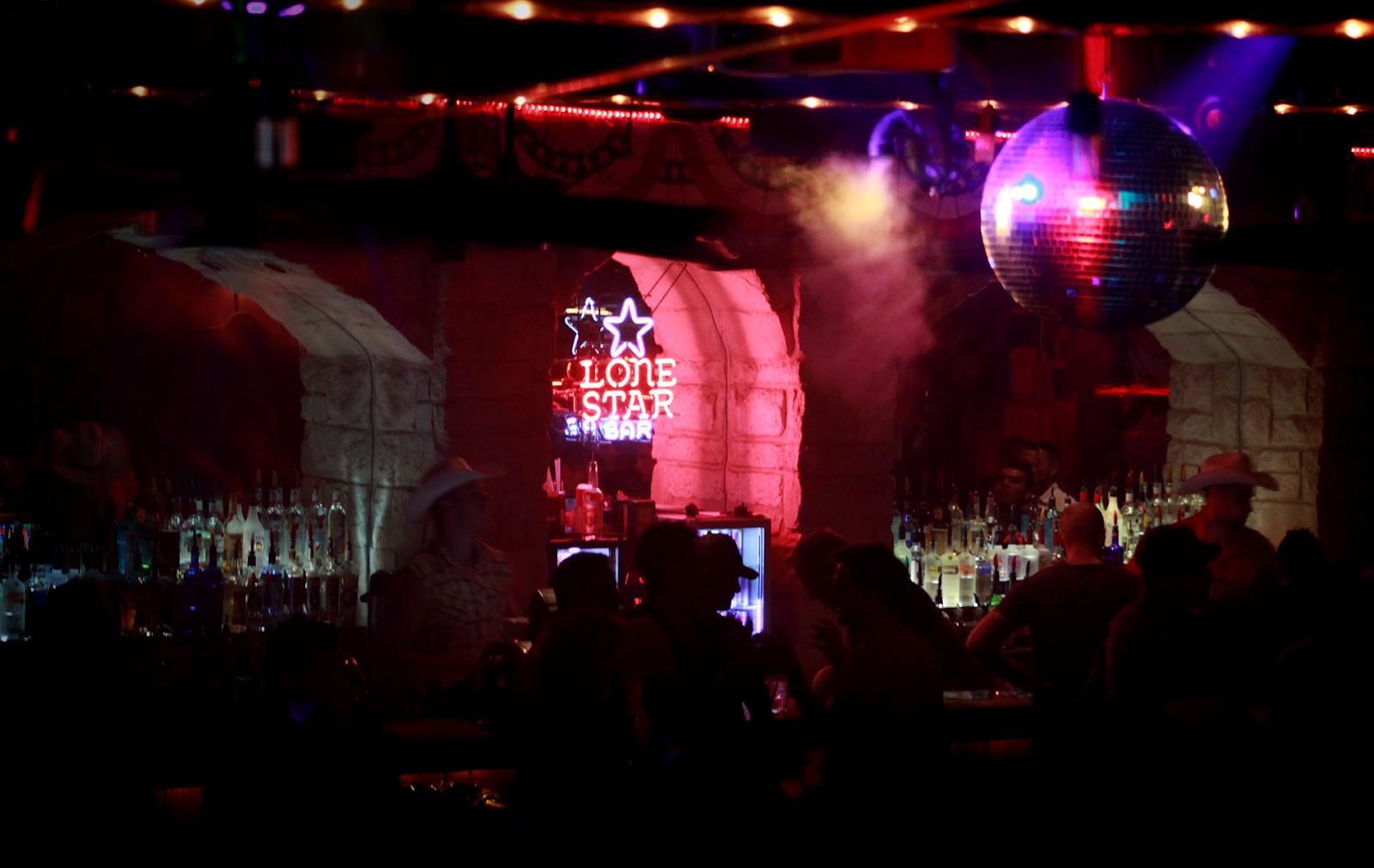
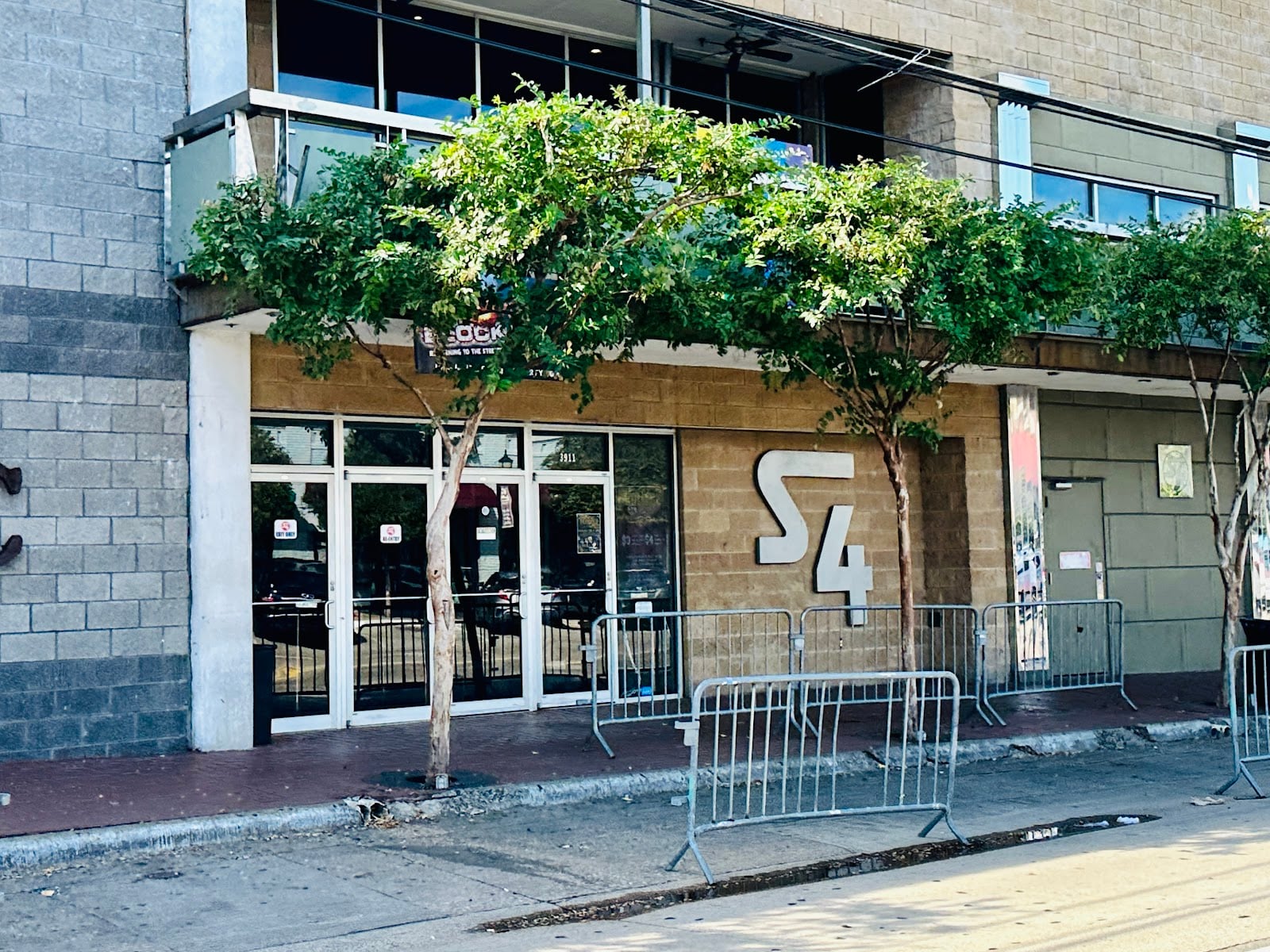
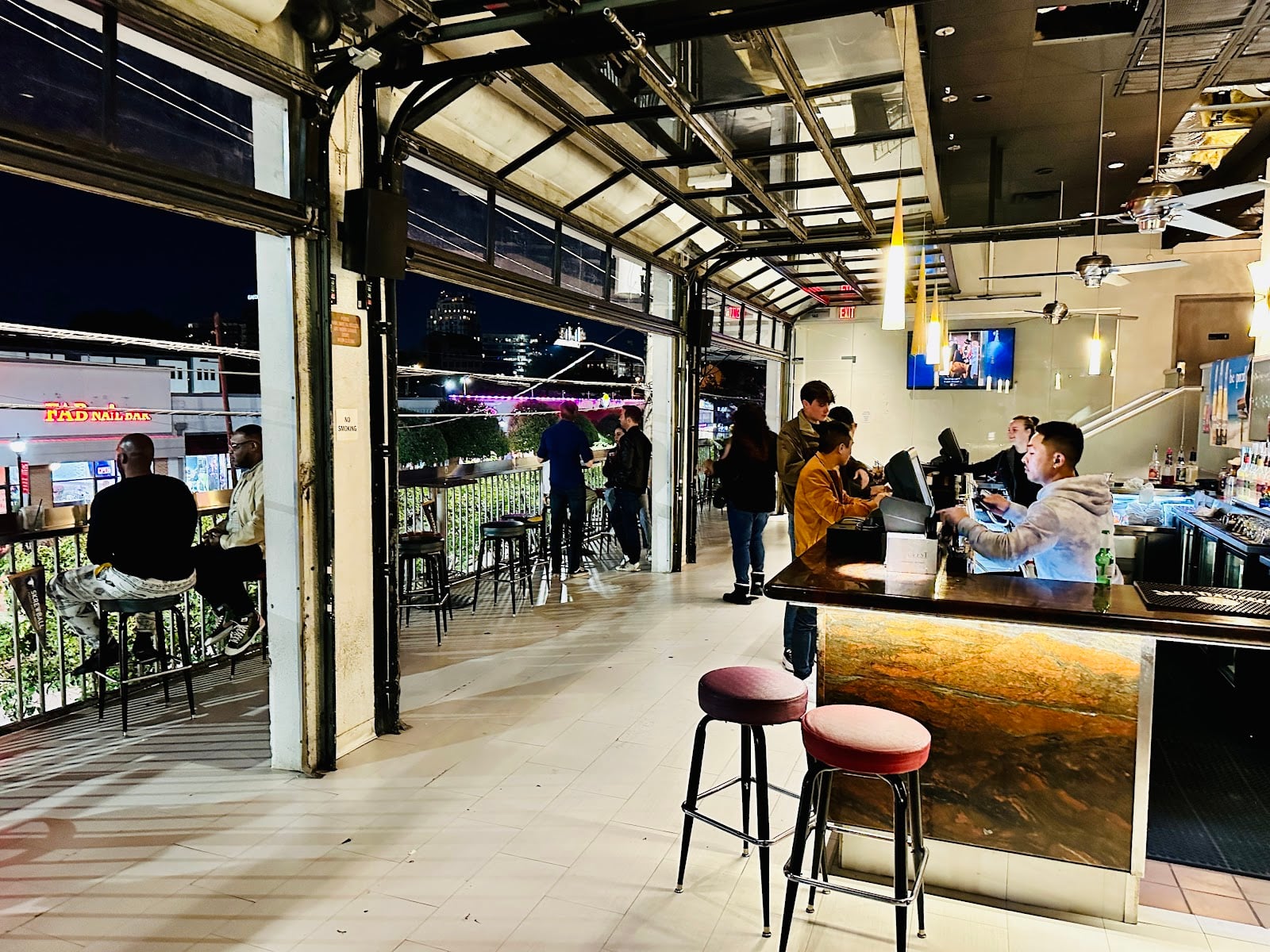
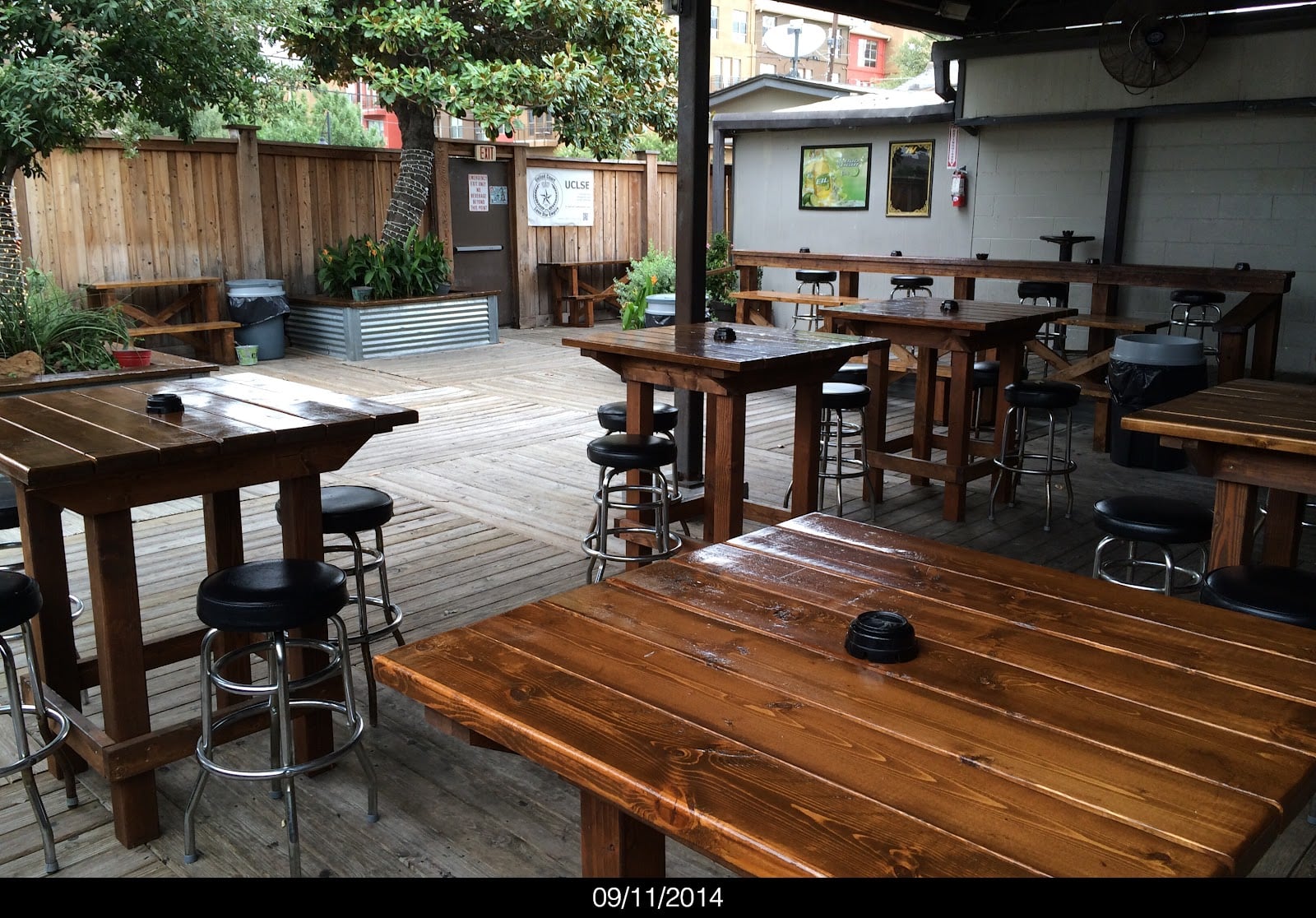
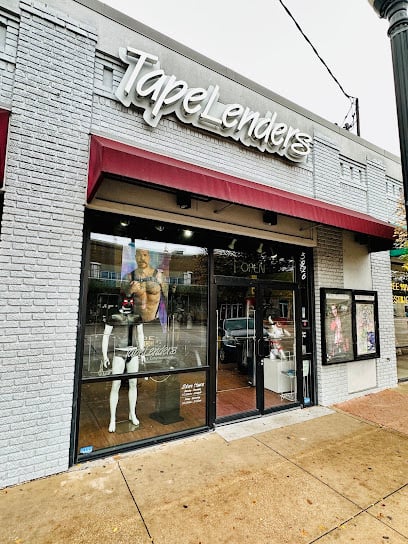
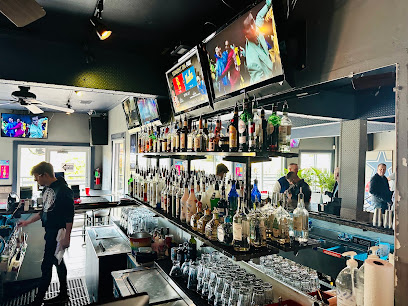
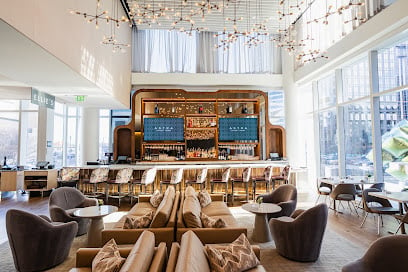
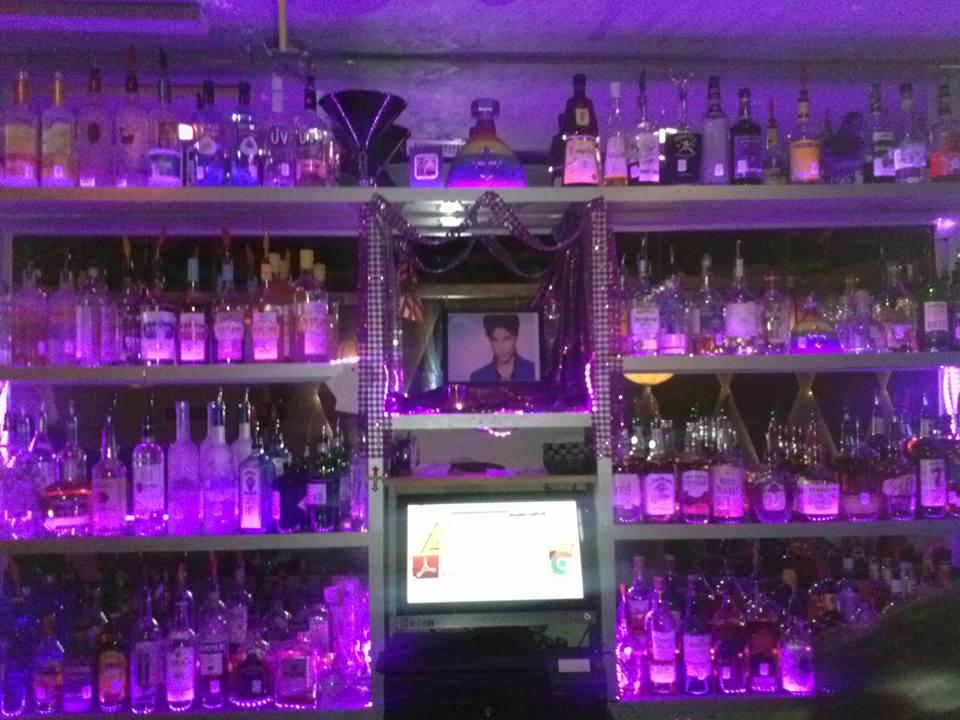
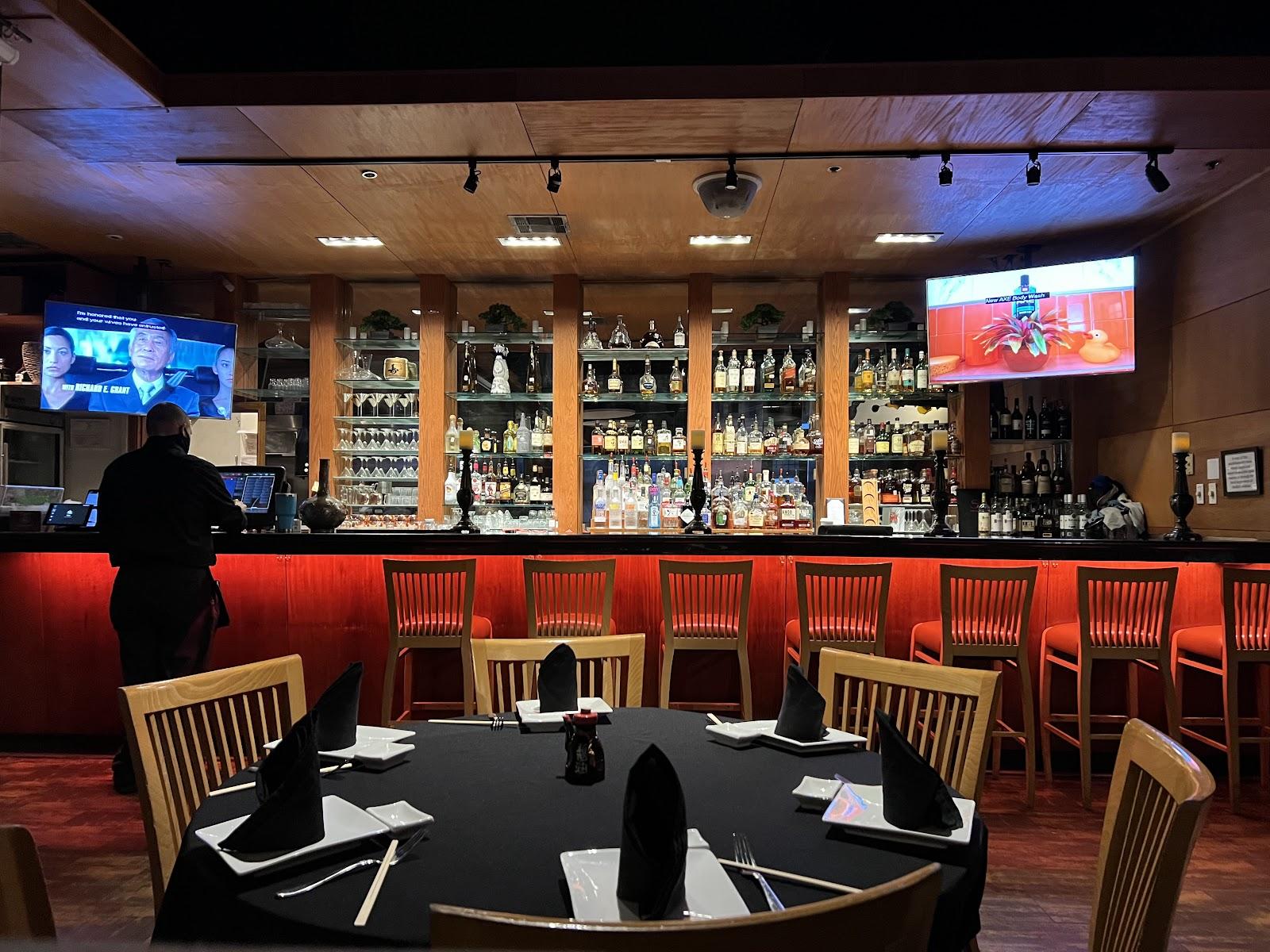
Oak Lawn's bar and club scene is the primary draw for many visitors. Cedar Springs Road is the main commercial artery, lined with multiple establishments catering to various scenes and preferences. The neighborhood includes dance clubs, casual neighborhood bars, and entertainment venues featuring live music and performances. Venues range from laid-back sports bars where locals gather to larger nightclubs drawing crowds on weekends.
The specific venues operating in Dallas change periodically, with new establishments opening and others closing or relocating. Rather than listing venues that may no longer be current, visitors are advised to consult current local gay guides, online reviews, and LGBTQ+ community resources upon arrival to identify currently operating establishments matching their interests.
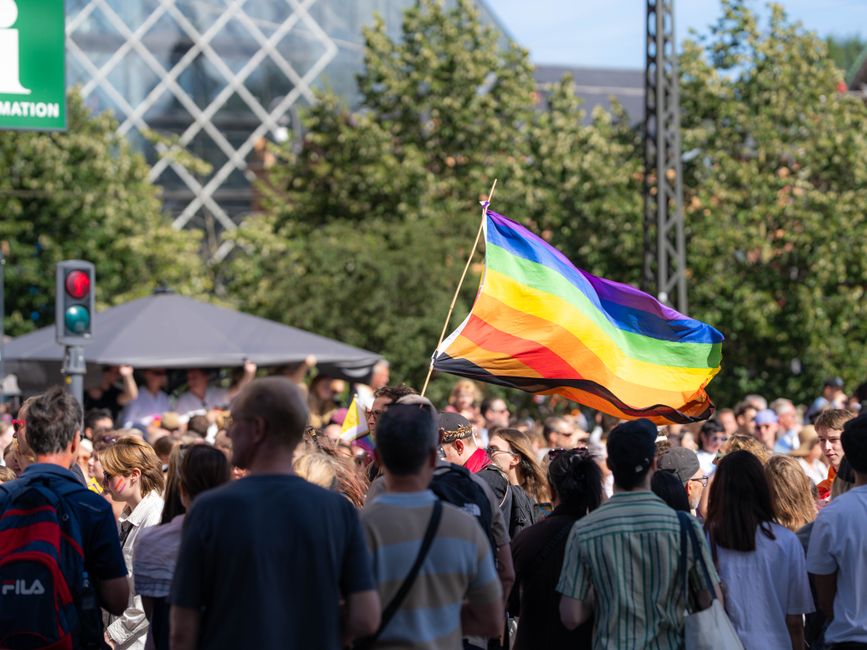
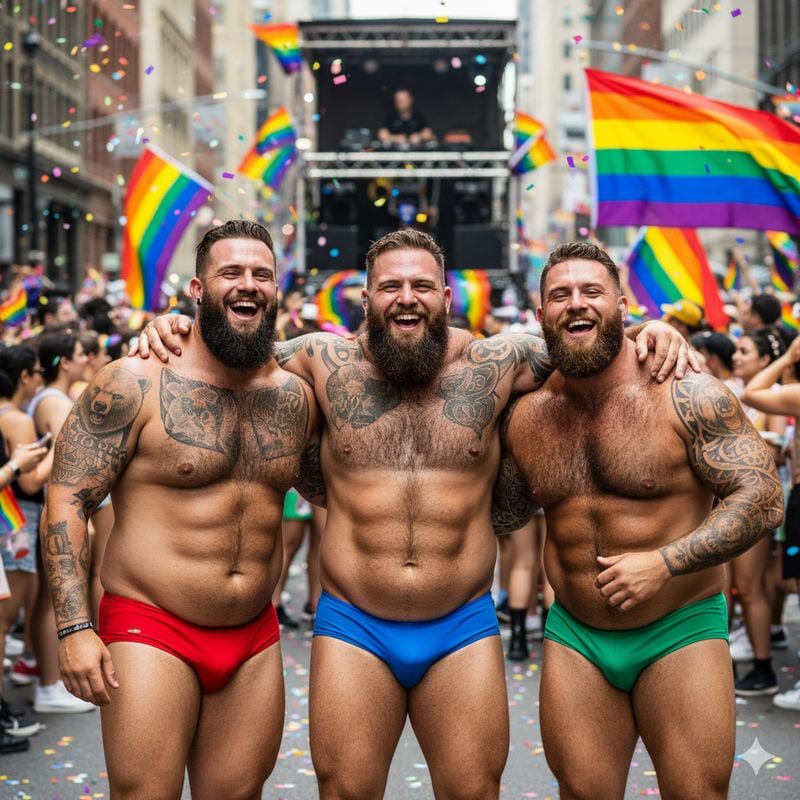
Dallas Pride is the flagship annual event, typically held in early June, taking place primarily in Oak Lawn. The festival spans multiple days and includes a parade, main stage entertainment, vendor booths, and community activities, drawing estimated crowds in the hundreds of thousands. It remains one of the largest Pride celebrations in the United States and is generally well-organized with significant police presence and city support.
Beyond Pride, Dallas hosts various LGBTQ+ community events throughout the year, including film festivals, theater productions, sports leagues, and social gatherings organized by community organizations and clubs. The city's performing arts venues occasionally feature LGBTQ+-focused programming and performances.
Where to Stay
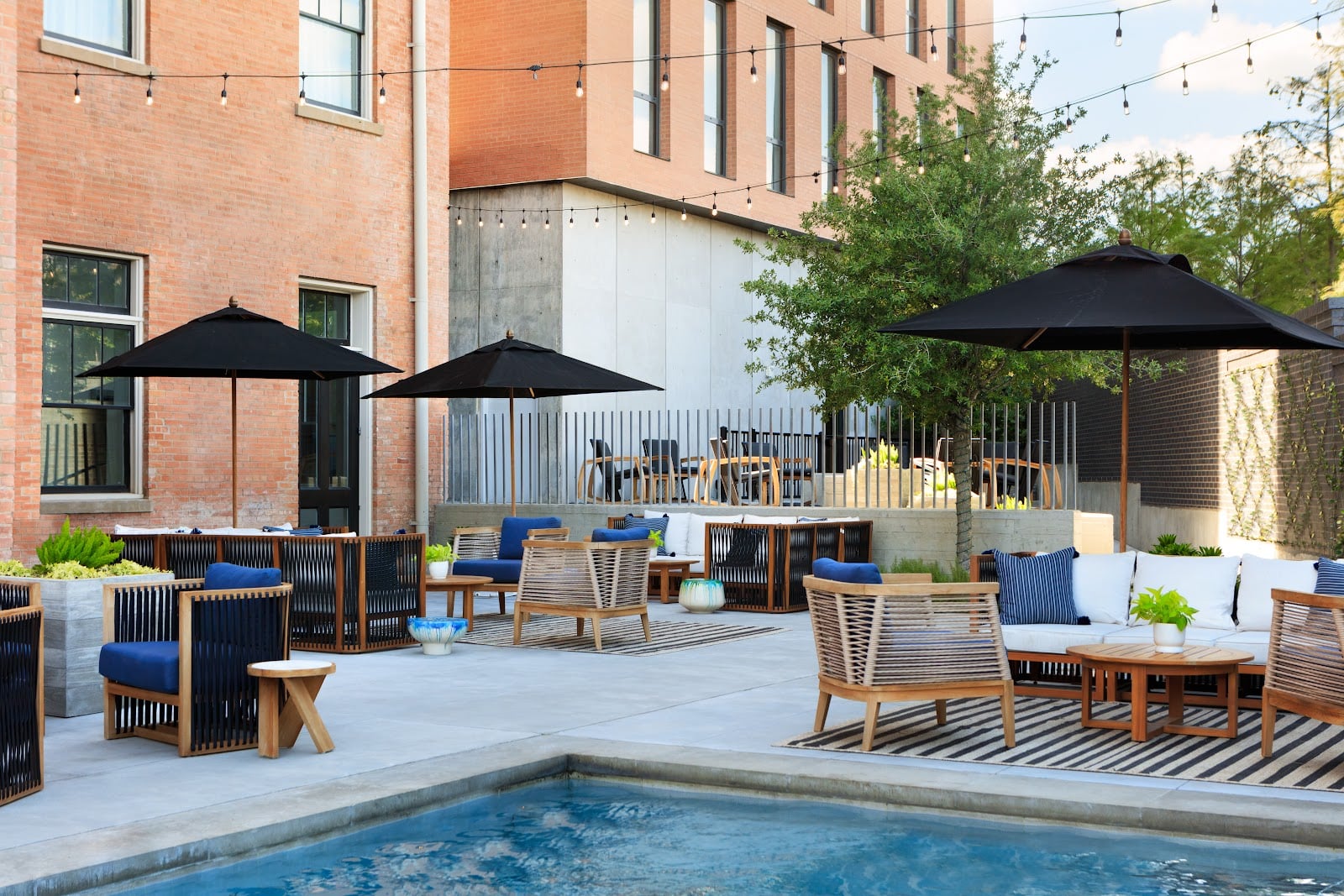
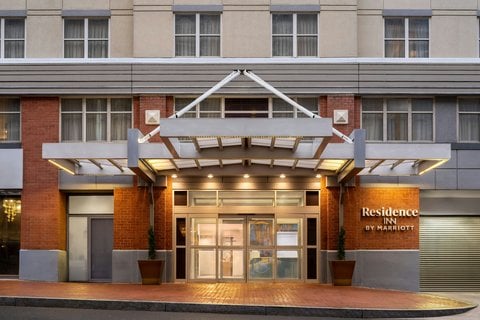
Visitors have numerous accommodation options. Oak Lawn itself offers some hotels and vacation rental properties near the gayborhood, providing walkable access to venues and restaurants. Downtown Dallas provides more traditional hotel options with proximity to cultural attractions. Uptown areas surrounding Oak Lawn offer mid-range hotels and serviced apartments. Budget-conscious travelers can find chain hotels throughout Dallas and in suburban areas with easy access via ride-sharing or rental cars.
Dallas is car-dependent, and most visitors rent vehicles or rely on ride-sharing services like Uber and Lyft. The Dallas Area Rapid Transit (DART) operates a limited public transit system including buses and light rail, but coverage in residential areas like Oak Lawn is less comprehensive than in downtown. The light rail does connect downtown to some areas, but walking or ride-sharing remains more practical for navigating the gayborhood and accessing specific venues.
Food and Dining
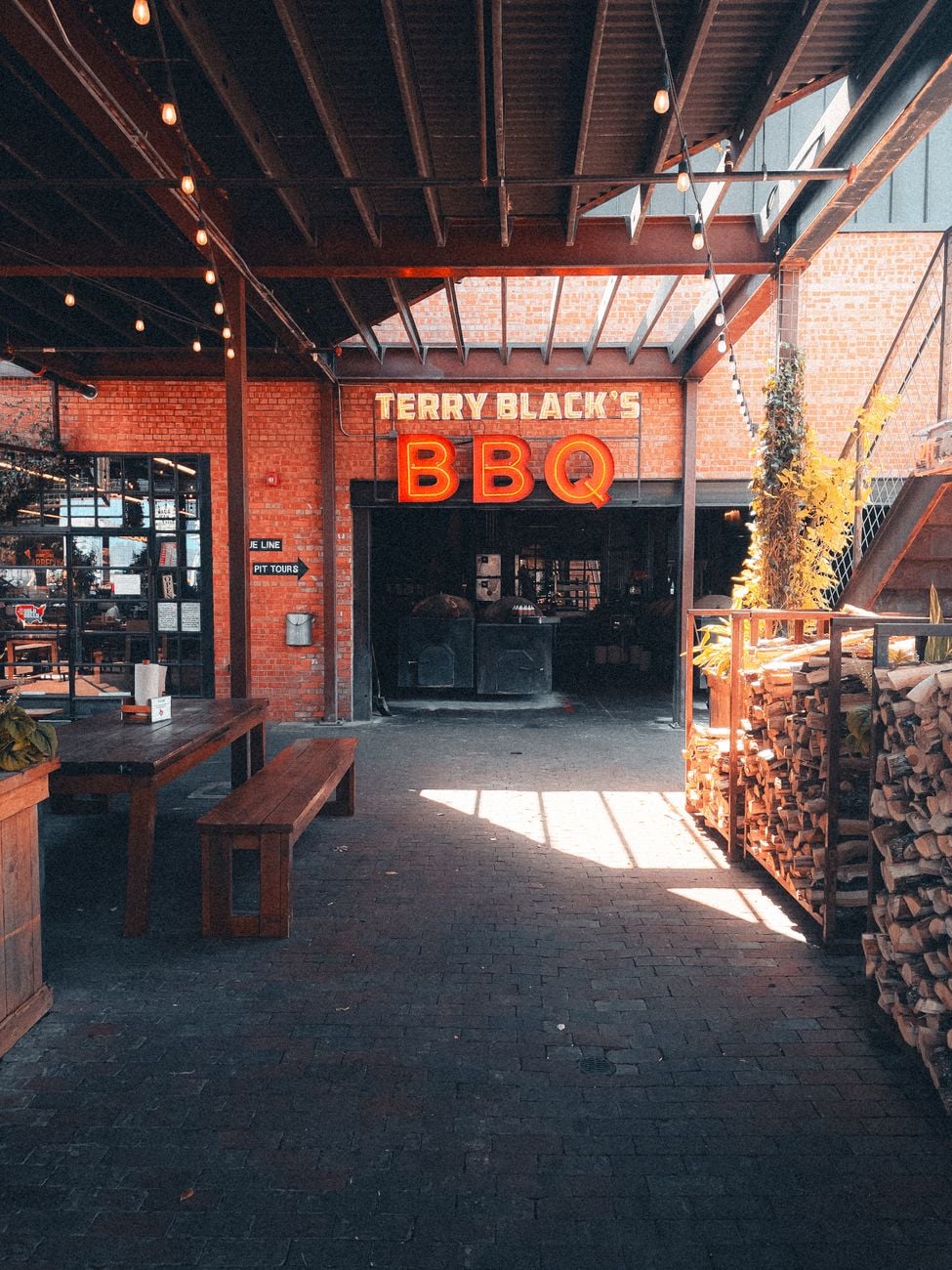
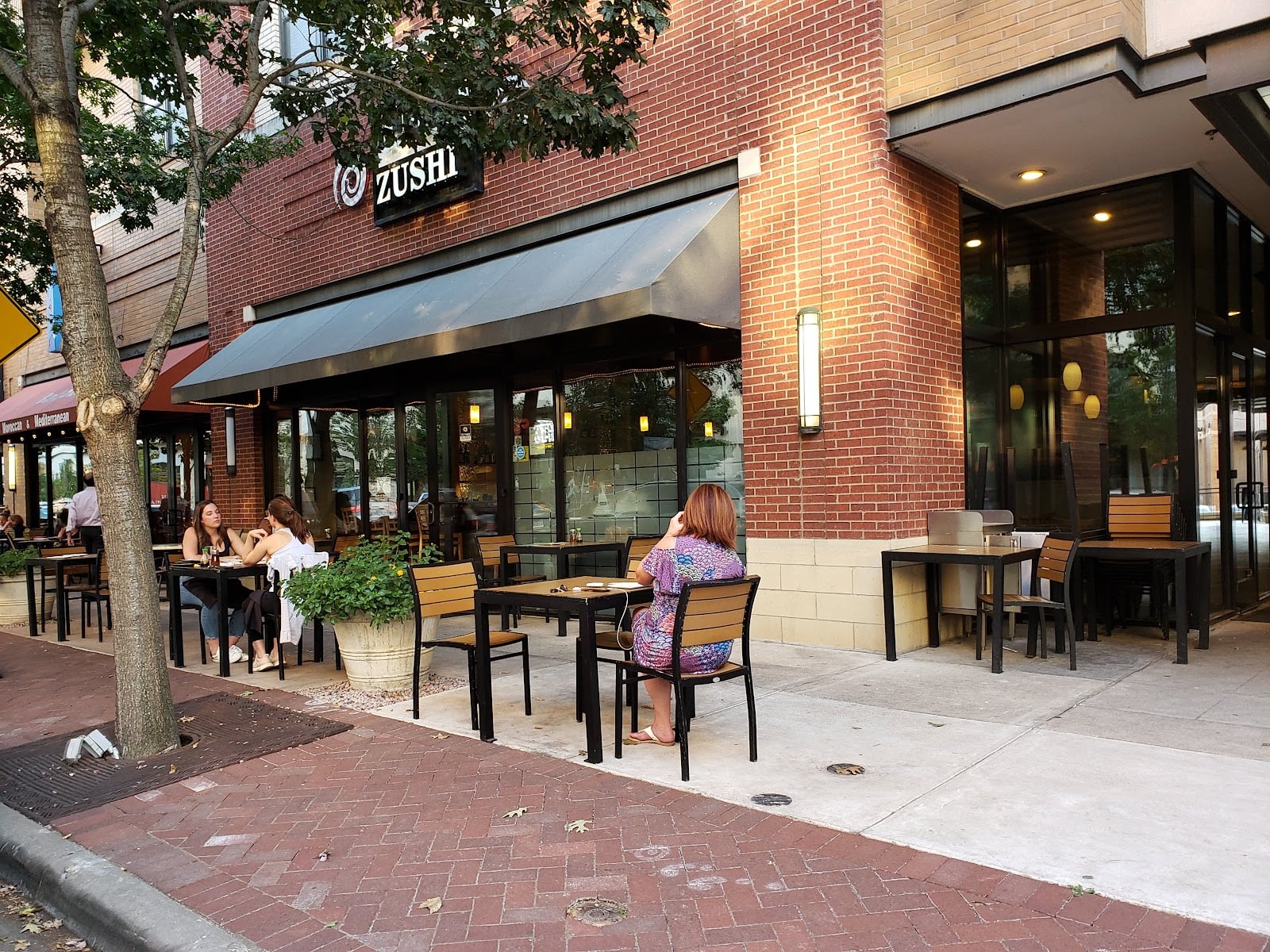
Oak Lawn and surrounding Uptown areas feature diverse dining options, from casual cafes to upscale restaurants. The neighborhood has numerous coffee shops, brunch spots (popular weekend destinations), and ethnic restaurants reflecting Dallas's diverse population. Cedar Springs and parallel streets offer options ranging from fast-casual to fine dining. Beyond the gayborhood, Dallas offers extensive dining scenes in other neighborhoods and throughout the metroplex, with particular strengths in Tex-Mex, BBQ, and contemporary American cuisine.
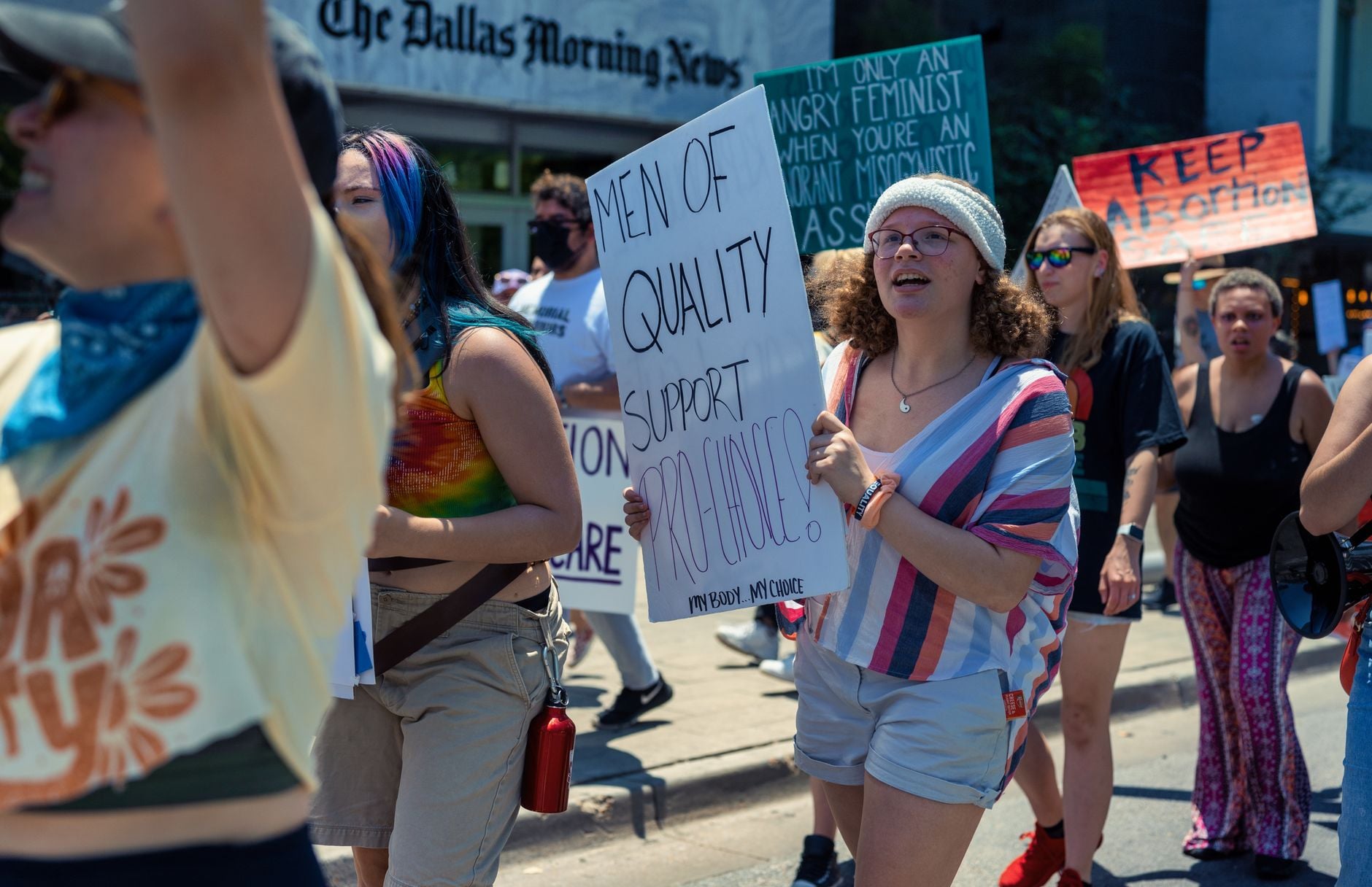
Dallas is generally safe for LGBTQ+ visitors, particularly in the well-established Oak Lawn neighborhood and downtown areas. The community is visible and accepted in these areas, with local police and city officials generally supportive of LGBTQ+ events and gatherings. However, visitors should exercise standard urban safety precautions regarding personal belongings and awareness of surroundings, particularly late at night. Certain areas outside the main tourist and gay neighborhoods may be less progressive; visitors traveling beyond Oak Lawn and downtown should use judgment and standard travel safety practices.
While Texas as a state maintains certain conservative policies, Dallas itself leans progressive, with elected officials and city ordinances generally supportive of LGBTQ+ rights and protections.
Day Trips and Broader Attractions
Beyond the LGBTQ+ scene, Dallas offers numerous attractions including the Dallas Museum of Art, Perot Museum of Nature and Science, Fort Worth's cultural district (about 30 minutes away), the Dallas Arboretum, Klyde Warren Park, and various sports venues. The nearby Fort Worth area includes historic cowboy and Western heritage sites, museums, and entertainment districts that appeal to many visitors.
Fort Worth, approximately 30 minutes west, has its own smaller but established LGBTQ+ scene and may appeal to visitors seeking a different atmosphere.
Practical Tips
Visitors planning to attend Dallas Pride should book accommodations well in advance, as hotels fill quickly. The event draws both local residents and visitors from across the region and beyond. Weather in early June is warm and sometimes hot and humid; visitors should prepare accordingly.
Visitors unfamiliar with Dallas should research current venue information, local events, and community resources upon arrival or before traveling, as the specific venues and event landscape may have changed since this guide was written. Local LGBTQ+ organizations, community centers, and online current guides provide up-to-date information on venues, events, and community happenings.
Frequently asked questions
Dallas has a long-standing LGBTQ+ history and a prominent gay district in Uptown. While Texas has conservative political leanings, Dallas has seen increased mainstream acceptance and a growing LGBTQ+ population.
Uptown is the heart of LGBTQ+ Dallas, particularly along Cedar Springs Road from Maple to Knox Street. This area has the majority of gay bars, clubs, restaurants, and retail spaces.
Dallas Pride is a week-long celebration that has grown exponentially over the decades. The first Dallas Pride celebration occurred in 1982.
Dallas has numerous gay bars and clubs, including iconic dance clubs and leather bars. The specific landscape of venues changes with business openings and closures.
Yes, Highland Park and University Park, while not gay-specific, house many LGBTQ+ residents and feature gay-friendly restaurants and shopping. Oak Lawn, adjacent to Uptown, also has a significant LGBTQ+ presence.
The core gay district along Cedar Springs Road in Uptown is pedestrian-friendly, allowing visitors to walk between many venues. However, the neighborhood is sprawling, and some spots may require short drives or rideshares.
Your privacy choices.
We use cookies to run GayOut and, with your consent, measure usage. Learn more
Your privacy choices
We use cookies to keep GayOut running, remember your preferences, and (with your permission) measure how the site is used. You can accept all, reject all, or pick what you allow. Learn more
Essential
Required for sign-in, fraud prevention, CSRF protection and remembering your language. Cannot be disabled.
Always on
Remembers your favourites, dark mode and other interface preferences across visits.
Helps us understand which pages people visit (Google Analytics, server-side stats) so we can improve.
Used by campaign tracking pixels. None are active right now, reserved for future use.
Install GayOut
Add GayOut to your home screen for faster access, offline favourites, and Pride alerts.


